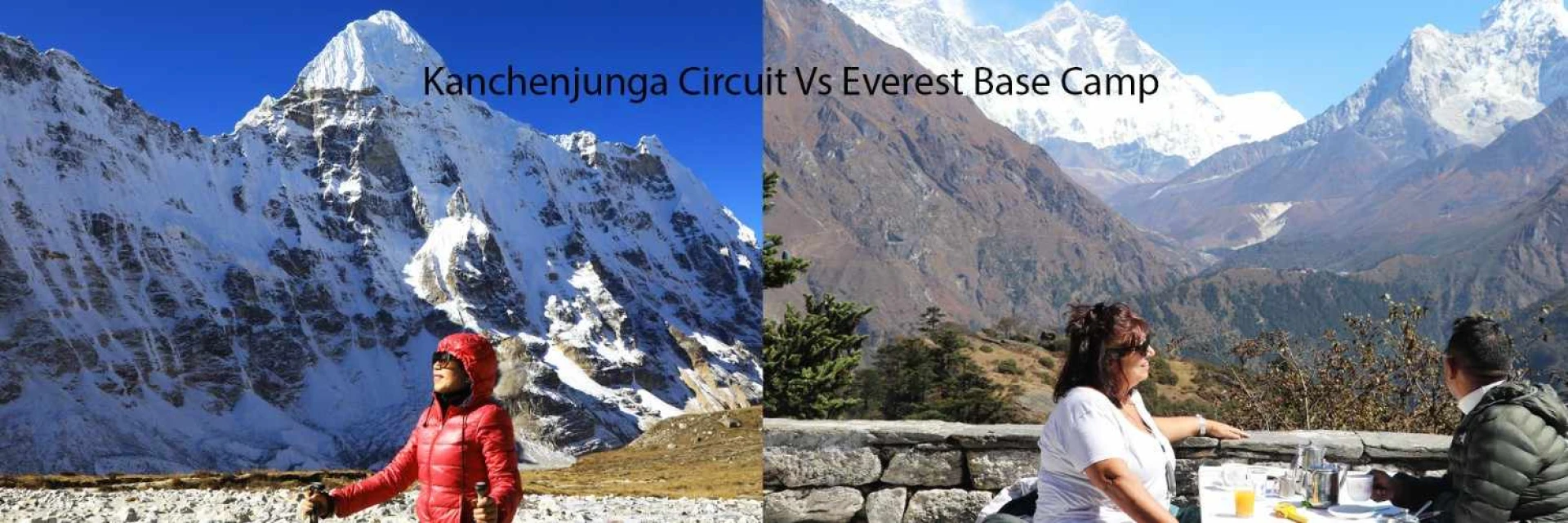
If you're choosing between the Kanchenjunga Circuit Trek and the Everest Base Camp, one question usually comes first:
Is Kanchenjunga harder than Everest Base Camp?
The short answer: Yes - for most trekkers, Kanchenjunga Circuit is significantly more challenging than Everest Base Camp.
But the reasons go far beyond altitude alone.
Both of these adventure treks take you deep into the Himalayas, offering very different experiences. Everest Base Camp trek, the world’s most iconic modern-day pilgrimage, is a well-supported, structured, and relatively predictable journey. On the other hand, Kanchenjunga is long, remote, physically demanding, and mentally tougher.
Actually, the difficulty comes from duration, terrain, and isolation. Similarly, the logistics and long exposure to altitude, not just from how high you go. Both treks demand a good level of grit. Let’s break it down clearly and honestly, based on real trekking conditions and experience.
Table of Contents
In This Comparison, We’ll Look At:
1) Elevation & Altitude Risk
Situated in the Himalayas, altitude affects both treks, but in different ways. Everest Base Camp reaches a higher point, but the route is designed with proper acclimatization days and medical support.
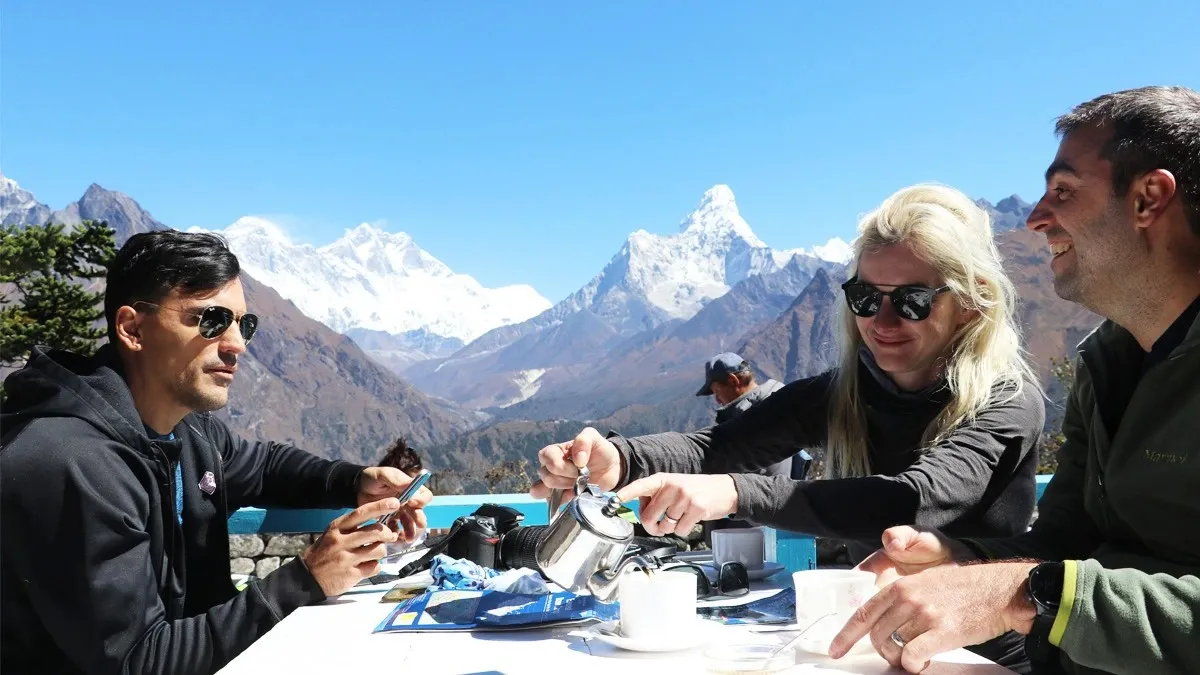
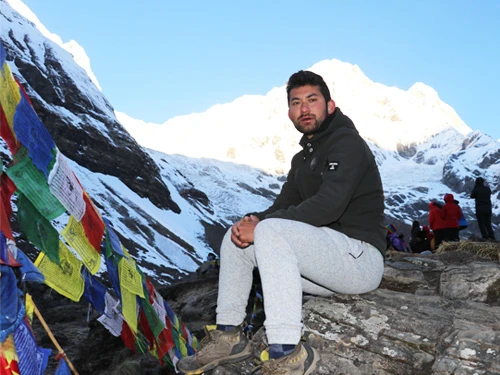
Cozy Family moment in Everest Base Camp at 5364 m
Whereas Kanchenjunga stays slightly lower, yet keeps you at high altitude for much longer and with fewer safety nets. The real challenge is not just how high you go, but how long you stay high. Similarly, how often you climb and descend, and how far you are from help.
2) Trek Duration
Time on the trail matters a lot. Everest Base Camp is usually completed in 10-14 days, sometimes even faster with a helicopter return. Luxury Heli tour and Short EBC treks are popular options.
Kanchenjunga, however, takes 18-24 days in remote terrain. If you only do the Kanchenjunga South Base Camp Trek, then it is completed in just 9 days. That means this remote trek gives more fatigue, more cumulative stress, and more physical wear.
Similarly, walking for three weeks in isolation is very different from a two-week EBC trek with rest days and facilities.
3) Trail Conditions
Everest, being the most popular and developed, the trail is well-built. It is often busy and well-maintained. This is also a favourite destination of thousands of travelers for creating memories on their big days. This can be best done with the Everest Base Camp 12-week training guide.
Meanwhile, the Kanchenjunga trail is rough, narrow, and often unpredictable. You deal with landslides, forests, river crossings, and glacial terrain. In this trail, the footing is harder, days feel longer, and mistakes cost more energy. Even strong hikers feel the difference in terrain quality and trail reliability.
4) Remoteness & Logistics
Everest is remote, but accessible, thanks to a well-managed trail. This is more about the bucket list and luxury journey.
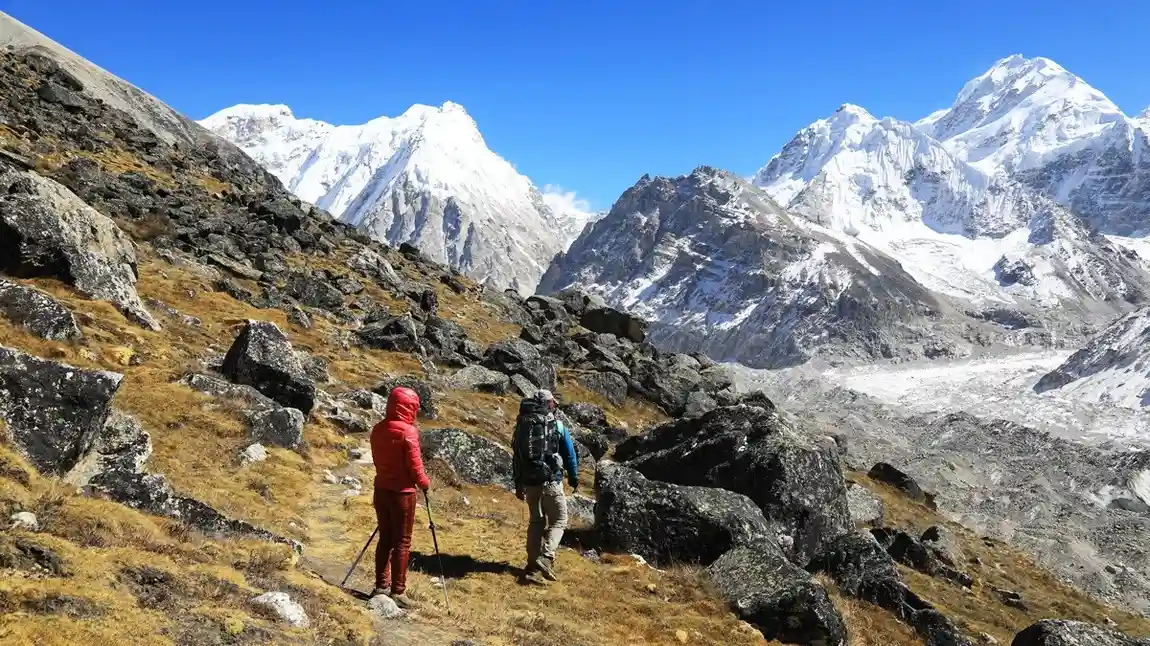
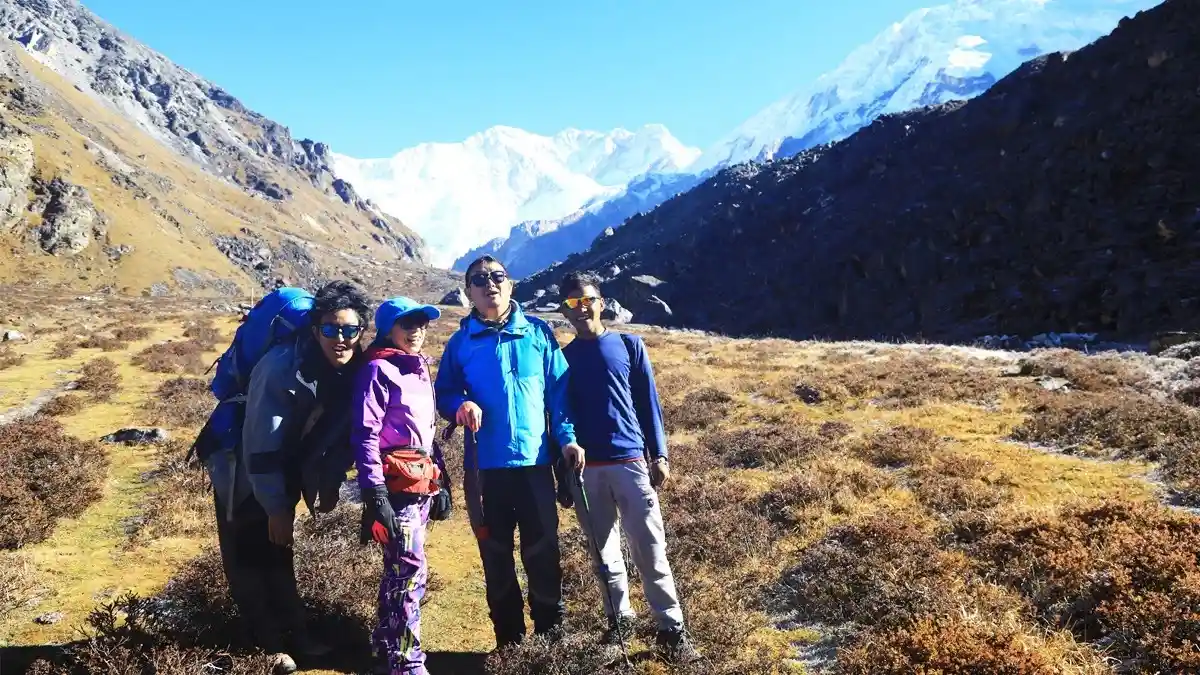
Trekkers dealing with rough trails in Kanchenjunga Circuit Trek
While the Kanchenjunga Circuit Trek is truly isolated. There are fewer villages, fewer supplies, limited evacuation options, and complex logistics. This literally makes every day more demanding. Mentally, knowing you’re far from help changes how you experience the trek. Planning, food, weather delays, and permits all add to the difficulty.
5) Acclimatization Demands
As mentioned earlier, both treks require good altitude management, but Kanchenjunga demands more discipline. You stay high for longer, climb multiple high points, and have fewer medical facilities.
In Everest, acclimatization is built into the itinerary and well-tested. In Kanchenjunga, mistakes in pacing or rest can become serious problems because help is far away.
Main Destinations
Kanchenjunga Circuit
Everest Base Camp
Quick Difficulty Comparison Overview
Factor
Kanchenjunga Circuit
Everest Base Camp
Maximum Elevation
~5,143 m (Pangpema)
~5,364 m
Duration
18-24 days
7-14 days
Remoteness
Extremely remote
Well-developed
Accommodation
Basic teahouses/camping
Comfortable teahouses
Trail Type
Rugged, isolated, long sections
Established, busy trail
Overall difficulty
Very Challenging
Moderate to Challenging
Now let’s analyze each factor in detail.
Altitude: Which Trek Goes Higher?
At first glance, Everest Base Camp seems harder because it reaches a higher elevation.
Everest Base Camp: 5,364 m
Kanchenjunga North Base Camp (Pangpema): 5,143 m
However, altitude alone doesn’t determine difficulty. What matters more is how the altitude is gained. How long you stay high and what support systems exist along the way.
Why EBC Feels Manageable Despite Higher Elevation
The Everest Base Camp route is carefully designed for acclimatization. You spend extra days in Namche and Dingboche, which allows your body to adapt gradually. Not just that, the trail gains altitude in a controlled way. Further, there are medical clinics and health assistance. You also get skilled guides, and evacuation helicopters are readily available.
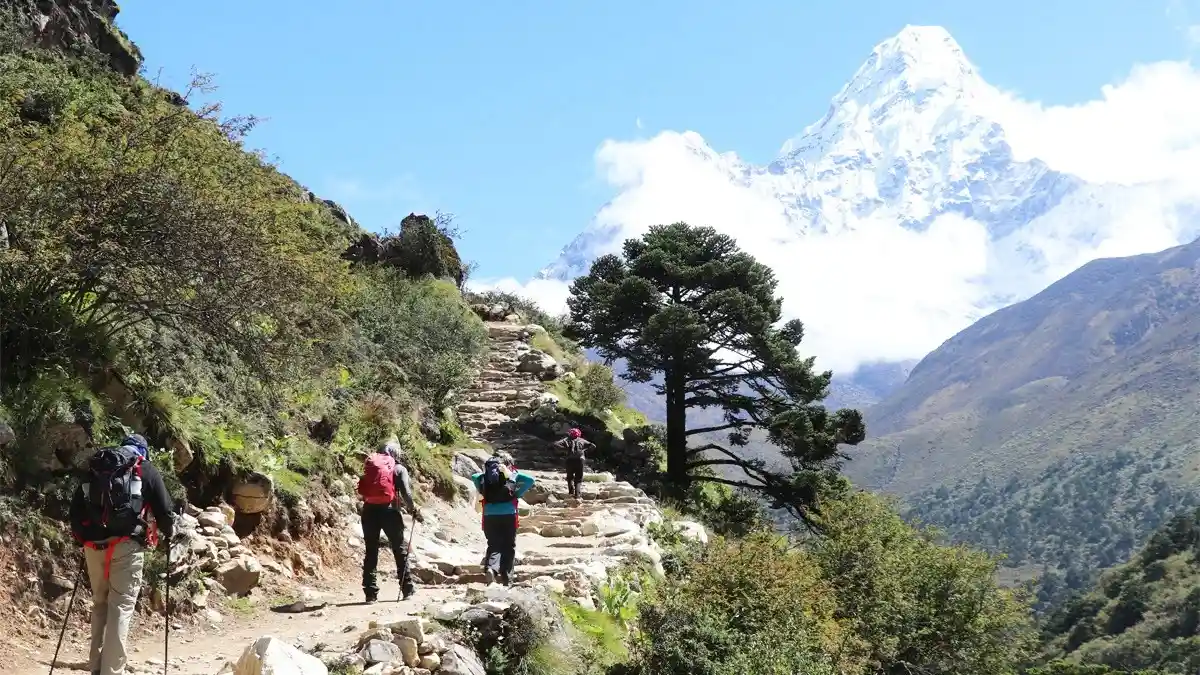
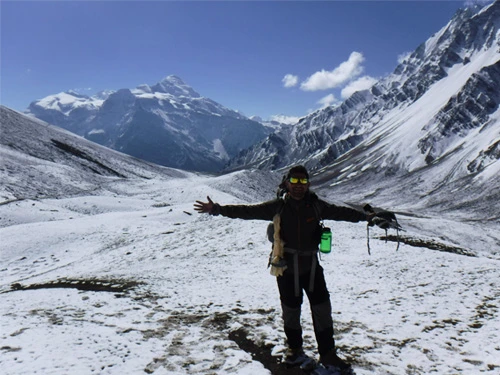
EBC trekkers heading towards Base Camp
If you feel unwell, the response is quick and organized. Because thousands of trekkers walk this route every season, the system is well-tested. Further, this structure makes high altitude safer and more manageable. Even though the maximum elevation is higher than that of Kanchenjunga.
Why Kanchenjunga Feels Harder at Slightly Lower Elevation
Kanchenjunga has longer stretches between villages, fewer rescue options, and repeated ups and downs. This slowly drains your energy. You don’t just go to one base camp, you trek to both Kanchenjunga North Base Camp and South Base Camp. This means more days above 4,000 meters and more cumulative altitude stress.
Even if the highest point is slightly lower, your body stays under pressure for much longer. Fatigue builds, recovery becomes slower, and small problems can feel bigger because you’re far from support.
Verdict on altitude difficulty:
EBC is higher.
Kanchenjunga is more physically draining.
Duration: 14 Days vs 24 Days
Everest Base Camp
Everest Base Camp usually takes 10-14 days, and in some cases, trekkers even return by helicopter, reducing total walking days. The pace is predictable, rest days are fixed, and facilities make recovery easier.
Your body gets regular breaks, and the journey feels structured and controlled. Even though it’s tough, the shorter duration makes it more manageable for most fit hikers.
Kanchenjunga Circuit
Kanchenjunga takes 18-24 days, even with shorter versions now possible. You stay in remote terrain for over three weeks, walking long days with limited comfort.
Recovery is slower, fatigue accumulates, and mental focus becomes just as important as physical strength. The length alone turns this trek into a true expedition rather than a normal trek. However, the right packing list can be a great aid.
Simply put:
Walking 6-7 hours daily for 14 days is tough.
Doing it for 24 days in isolation is another level.
Trail Conditions & Terrain
This is where Kanchenjunga clearly becomes tougher. Trail quality directly affects how tired you feel at the end of each day, how fast you move, and how much energy you spend just staying balanced.
Everest’s trail is built for heavy traffic. Kanchenjunga’s trail feels raw, wild, and physically demanding, even for experienced trekkers. This does not mean you should be discouraged for this Trek, this just means you have to be prepared for an unexpected, tough journey in the isolated Kanchenjunga Region.
Everest Base Camp Trail
The EBC route follows wide, clearly marked paths with stone staircases. There are suspension bridges and regular villages too. The trail is busy but reliable. You always know where the next lodge is, and the footing is generally stable.
The stairs can be tiring, but the infrastructure makes walking efficient and predictable. It reduces both physical and mental stress. Even beginners can do this trek without much training and prior trekking experience.
Kanchenjunga Circuit Trail
The Kanchenjunga Circuit trail is narrow, rugged, and often rough. You pass landslide-prone sections, long forest stretches, glacial moraines, and rivers. Infrastructure is limited, and some days you may not see other trekkers at all. This is absolutely pitiful in such a remote area with no easy support.
Trekkers happily dealing with kanchenjunga trek difficulty
This terrain demands more balance, strength, and focus than EBC. Each day feels more like an expedition stage than a normal trekking day.
Terrain verdict:
Kanchenjunga is more rugged and physically tougher.
Remoteness & Logistics
This is arguably the biggest difference. Everest is remote, but connected. Kanchenjunga is truly isolated. Remoteness affects food, rescue, planning, and mental comfort. The further you are from help, the more demanding every decision becomes. So you have to be prepared for all these hurdles in the Kanchenjunga trek. However, this isolation teaches you the real value of life and gratitude.
Everest Base Camp
You fly to Lukla, follow a reliable tea house network, and find WiFi and charging in many villages. There are medical clinics in Namche, and helicopter evacuation is common.
Yes, even though you are in the mountains, the support system is strong and proven. If something goes wrong, help is usually available quickly. EBC feels remote, but still connected to modern logistics.
Kanchenjunga Circuit
You start with long jeep drives, need restricted area permits, and must trek with a guide. This demands your rely on limited food options and basic accommodation. Evacuation is complex and slow. Weather delays can affect supplies and transport.
You are truly far from an easy rescue. This isolation increases both physical risk and mental pressure. Thereby making the trek much more demanding overall.
Logistics verdict:
Kanchenjunga is far more remote and demanding.
Acclimatization Demands
Both treks require careful altitude management, and the difference is how much support and structure you have. Everest has a tested system. Whereas Kanchenjunga requires more self-discipline, patience, and experience because mistakes are harder to fix.
Everest Base Camp
EBC has a clear acclimatization structure with planned rest days. Likewise, a predictable elevation profile and many trekkers to match your pace. Guides are experienced, and symptoms are well understood despite some Everest Base Camp difficulty. If someone struggles, there are clinics and helicopters. This makes altitude management safer and more controlled.
Kanchenjunga Circuit
Kanchenjunga has less standardized itineraries, longer exposure to high altitude, and fewer emergency services. You stay high for longer and face repeated climbs. If you misjudge your pace or recovery, the consequences can be serious. Acclimatization mistakes here carry a higher risk.
Physical Fitness Requirements
Both treks need good fitness, but the level is different. Everest tests your endurance. Kanchenjunga tests your endurance, patience, mental strength, and ability to live simply for weeks.
Everest Base Camp Is Suitable For
EBC is ideal for first-time high-altitude trekkers who have good cardiovascular fitness and some hiking experience. If you can walk several hours a day and recover well, you can manage this trek with proper guidance. The infrastructure, rest days, and support systems make it a great introduction to Himalayan trekking.
Kanchenjunga Circuit Requires
Kanchenjunga demands previous multi-day trekking experience. You also need to have a strong endurance, high mental resilience, and comfort with basic living conditions. You need to handle long days, simple food, limited facilities, and weeks of continuous effort. This is not a beginner’s trek and should not be treated as one, considering the Kanchenjunga difficulty level.
Mental Difficulty: The Overlooked Factor
Many trekkers focus only on physical fitness, but mental strength is just as important. Long days, uncertainty, weather delays, and isolation can slowly wear you down. This is where Kanchenjunga feels much harder than Everest.
Rocky paths on the Everest Base Camp
Everest Base Camp
The trail is busy and social. You meet other trekkers, see lodges ahead, and have clear progress markers. There is a strong support system, which keeps morale high. Even on hard days, you know help, food, and a warm bed are nearby.
Kanchenjunga
You face isolation, limited communication, long wilderness stretches, and unpredictable weather. Progress feels slower, and help feels far away. Days can be mentally heavy, not just physically tiring. For many trekkers, mental endurance becomes the biggest challenge on this route.
Final Answer: Is Kanchenjunga Harder Than Everest Base Camp?
Yes, for most trekkers, the Kanchenjunga Circuit is harder than the Everest Base Camp.
Not because of maximum elevation. But because of:
Longer duration (20–24 days)
More rugged terrain
Greater remoteness
Complex logistics
Extended altitude exposure
Limited support infrastructure
Everest Base Camp is challenging but structured. Kanchenjunga is challenging and wild. Everest tests your fitness. Kanchenjunga tests your fitness, patience, planning, and mindset all at once. It feels more like an expedition than a trek, and that’s why it demands more from your body and mind. Hence, the best time to Kanchenjunga Circuit trek matters a lot for planning this journey.
Who Should Choose Which?
Choose Everest Base Camp If
You are preparing for your first high-altitude Himalayan trek and prefer a well-organized route. It is best if you want a balance between challenge and comfort. EBC offers strong infrastructure, reliable lodges, and a proven acclimatization plan. It’s demanding, but in a controlled and supportive way that helps you build confidence in high mountains.
Choose the Kanchenjunga Circuit If
You have already completed Himalayan treks and want solitude and raw mountain landscapes. This is ideal if you are ready for a long, physically and mentally demanding journey. This trek suits those who are comfortable with basic facilities, long days, and remote conditions. Also, to those who want a true expedition-style experience.
Difficulty Rating (Overall)
Trek
Difficulty Score (1-10)
Everest Base Camp
6.5-7.5
Kanchenjunga Circuit
8.5-9
Bottom Line
If your main concern is which trek is harder, the answer is clear: Kanchenjunga Circuit Trek. It is significantly more demanding than Everest Base Camp in endurance, remoteness, and overall expedition-style difficulty. Everest challenges you within a safe, structured system. While Kanchenjunga challenges you in a wild, isolated environment. This remote journey every day requires more strength, patience, and resilience.
Kishwor Adhikari is a passionate writer with a deep enthusiasm for trekking and adventure. His extensive travels across Nepal, exploring its diverse landscapes and hidden corners, have shaped his unique perspective on the country's natural beauty. With a wealth of first-hand experience in adventure trekking, Kishwor has become a trusted voice for fellow enthusiasts. Through his writing, he shares invaluable insights, offering practical advice and inspiration for both seasoned trekkers and novices alike. His dedication to sharing his journey and knowledge helps others discover the wonders of Nepal's wilderness, making his work an essential resource for anyone seeking adventure in the region.