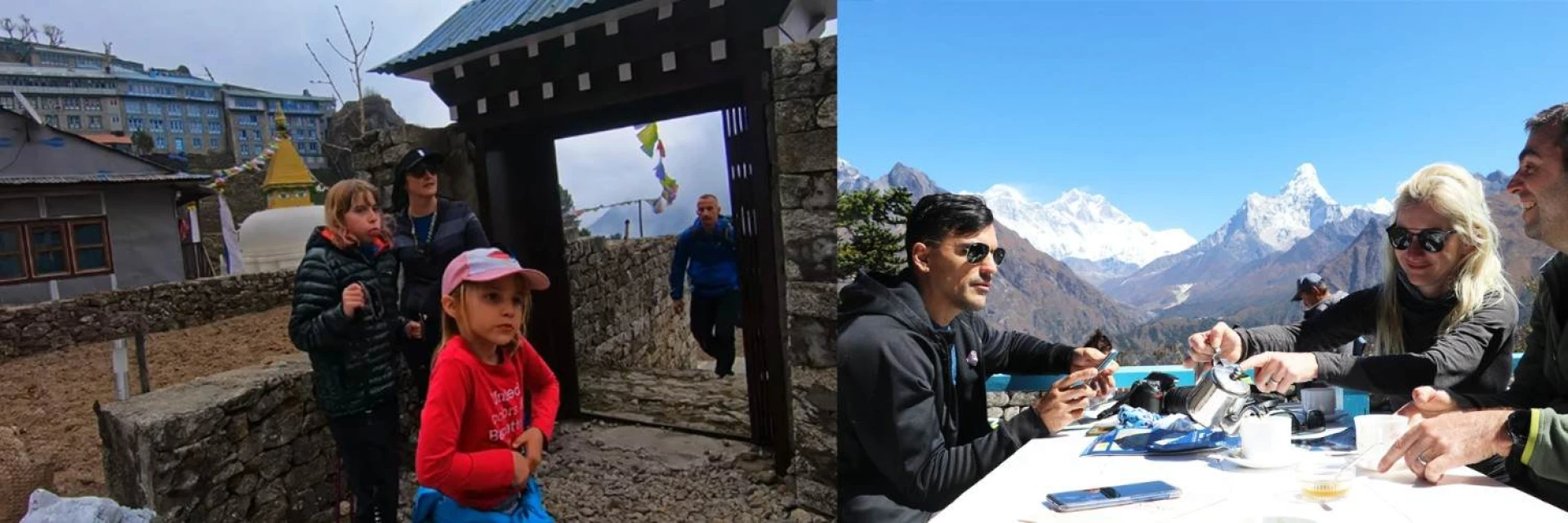
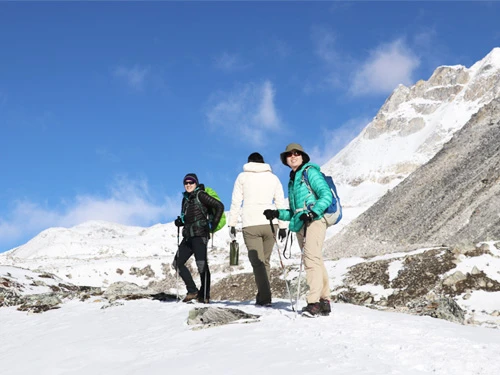
A few years ago, a trek in Nepal meant a group of fit adults with big backpacks. Now, that picture has changed. Today you will meet a grandmother in her late sixties on the steps to Ghorepani, a seven-year-old racing ahead to the next tea house, and a father trying hard to look like he is not out of breath.
Family trekking in Nepal is growing for a simple reason. It works. The trails pass through villages, not wilderness. There is a warm meal and a bed at the end of almost every day. And the mountains are big enough to impress a teenager who gets sunned by the beauty of nature.
But it only works if you plan it the right way. A route that suits two adults can be too much for a child. A pace that suits a child can be too fast for a grandparent. This guide covers how to choose the trek, when to go, what to carry, and how to keep everyone safe and happy, from the youngest to the oldest.
Table of Contents
Is Nepal Good for Trekking With Kids and Grandparents?
Nepal Trekking with kids and family
Yes, with a few conditions.
Nepal has a long tea house tradition. You do not need to carry a tent or cook your own food. Families stay in small lodges run by local families, eat hot meals, and walk about four to six hours a day. That is a big reason why trekking in Nepal with kids is more realistic than in many other mountain countries.
The main condition is altitude. Most of the famous treks climb high, and height affects children and older people differently. The good news is that Nepal also has many beautiful treks that stay below about 3,500 metres. These are the ones to pick for a mixed-age group.
The second condition is time. Families need slow days, rest days, and some extra buffer for bad weather or a tired child. Treat the schedule as a plan, not a promise.
What Is Generational Trekking?
Generational trekking, sometimes called multigenerational trekking, simply means three or even four age groups walking together. Grandparents, parents, and children on the same trail.
These trips have become popular because they give families something rare: several days with no screens, no rushing, and a shared goal. A grandfather who grew up in a village and a grandchild who has never seen a mountain village have a lot to say to each other on a long uphill.
The key is to plan for the slowest and most cautious person in the group, not the fastest. If the trek works for the oldest and youngest walker, it will work for everyone.
The Best Treks in Nepal for Families
Here are routes that are known to work well for mixed ages.
1. Ghorepani Poon Hill Trek (Annapurna Panorama)
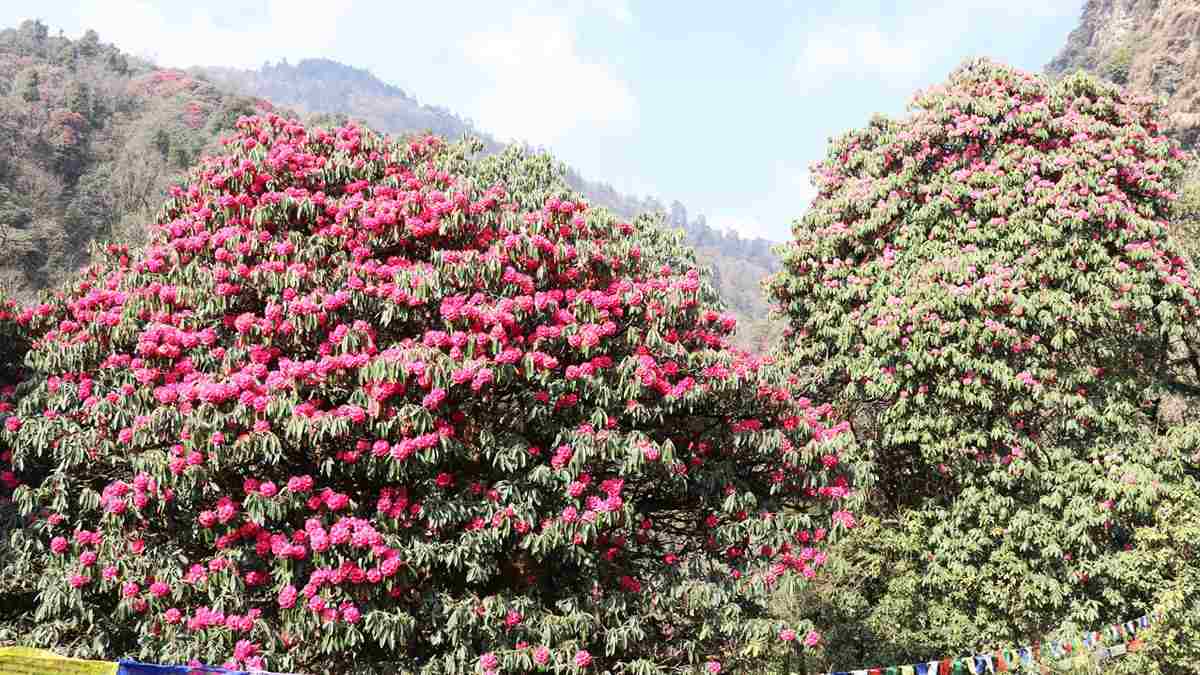
Rhododendron Forest in Poon Hill Trek Nepal
Length: 4 to 6 days
Highest point: Poon Hill, about 3,210 m
Good for: Kids from about 6 or 7, active grandparents
This is probably the most popular first trek in Nepal, and for good reason. You walk through rhododendron forest and stone villages like Ghandruk, and you wake up early to watch the sun light up Dhaulagiri and Annapurna. The stone steps are steep in places, so walking poles help. If you want a short, rewarding trek, start here.
A Simple Sample Plan: 5-Day Poon Hill Trek for a Mixed-Age Family
Day 1: Drive from Pokhara to Nayapul, then walk to Tikhedhunga or Ulleri.
Day 2: Climb to Ghorepani through rhododendron forest.
Day 3: Early morning hike to Poon Hill for sunrise, then walk to Tadapani.
Day 4: Descend through forest to Ghandruk, a large Gurung village.
It is a flexible plan. If your group is slow, add a night. If the weather turns, a short trip can be shortened. That flexibility is what makes it work.
2. Australian Camp and Dhampus Trek
Length: 2 to 3 days
Highest point: around 2,000 m
Good for: Young children, first-timers, grandparents who prefer low altitude
Only a short drive from Pokhara, this gentle trek has big mountain views without the climb. It is a smart choice if you are not sure how your family will handle trekking. You can always extend it into something longer later.
3. Chisapani and Nagarkot Trek
Length: 2 to 3 days
Highest point: around 2,200 m
Good for: Short trips from Kathmandu, travellers with limited time
This trek starts close to Kathmandu, so it is easy to fit in at the start or end of a trip. You get forest trails, village life, and on clear days, views of the Langtang range. Because it stays low, it is one of the safest options for very young kids.
4. Mardi Himal Trek
Length: 5 to 7 days
Highest point: Mardi Himal Base Camp, about 4,500 m (the high camp near 3,580 m is a good stopping point)
Good for: Teens, fit parents, families who want a quieter trail
Mardi Himal Trek is less crowded than other Annapurna treks, and the ridge views are special. For families with younger children, it is wise to stop at the lower viewpoints and skip the final push to base camp. The summit is not the point. The ridge is.
5. Annapurna Base Camp (ABC) Trek
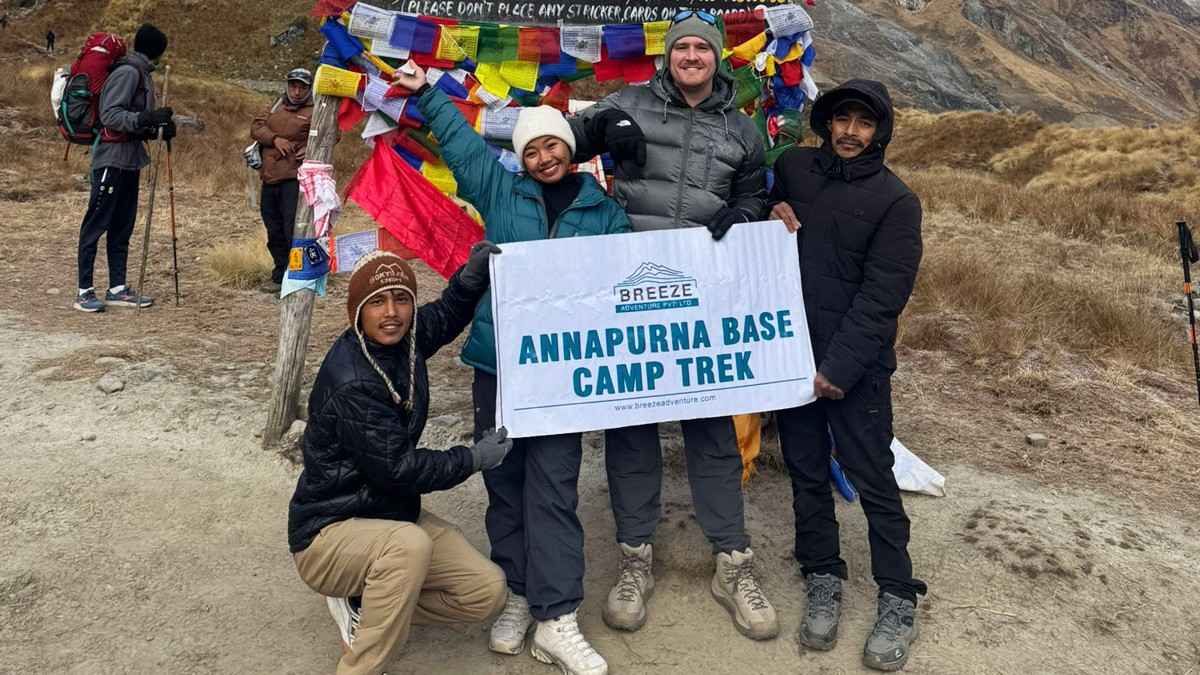
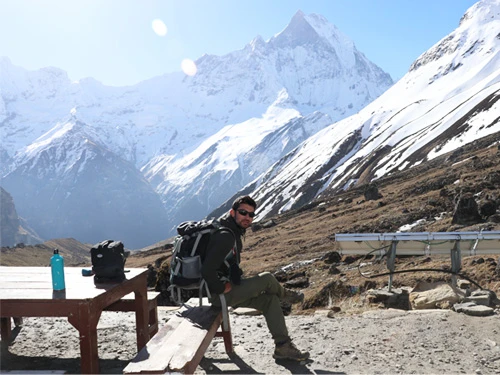
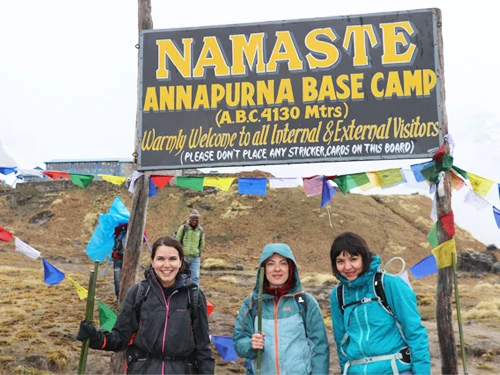
Annapurna Base Camp Trek is the most popular family trek in Nepal
Length: 7 to 10 days
Highest point: about 4,130 m
Good for: Fit teenagers and adults, older kids with some trekking experience
ABC Trek is a classic and very doable, but it is a real trek. Longer descents, cold nights at the top, and high altitude mean it is better for older children and fit adults. For grandparents, it depends heavily on health and fitness, so please speak with a doctor first. But many first-timers and people of all age groups are doing it successfully every year.
6. Langtang Valley Trek
Length: 7 to 9 days
Highest point: Kyanjin Gompa, about 3,870 m
Good for: Families who like culture as much as views
Langtang Valley Trek is close to Kathmandu and rich in Tamang culture. The valley was hit hard by the 2015 earthquake, and the villages have since been rebuilt, which makes it a meaningful trip to take with older children. Allow extra days for a slow climb.
7. Helambu Circuit
Length: 5 to 8 days
Highest point: around 3,500 m (depending on the route)
Good for: Families who want a lower, more cultural trek close to Kathmandu
Helambu is known for Sherpa villages, apple orchards, and quiet forest paths. It is a good middle option, longer than a weekend trek but without the high altitude of Everest or Annapurna.
What About Everest Base Camp With Kids?
Everest Base Camp sits at roughly 5,364 m, and the trail climbs steadily through the Khumbu. Some families do it, and some operators run family departures. But it is a demanding trek with real altitude risk, and it is not a good choice for young children or for older adults who have not trekked at height before. But with the right preparation, this is absolutely doable.
When to Go: Best Season for Family Treks in Nepal
Autumn (late September to November) is the most popular time. Skies are clear, the air is dry, and mountain views are at their best. It is also the busiest season, so book lodges and flights early. At the time of writing, we are right in the middle of this season.
Spring (March to May) is the second-best choice. The rhododendrons bloom, especially in the Annapurna and Langtang regions, and days are warm. Views can be hazier than in autumn.
Winter (December to February) is quiet and cold. Low-altitude treks can be lovely, but higher lodges can be very cold. But the past few years have experienced less cold even in peak winter, making it suitable to trek for people of all ages.
Monsoon (June to August) brings rain, leeches, and slippery trails. Most families avoid it, so it is ideal if you love less crowded trails. Also, rain affects the lower sections and forest areas most, not high altitude.
Altitude, Age and Health: The Part Parents Worry About
This is the section to read twice.
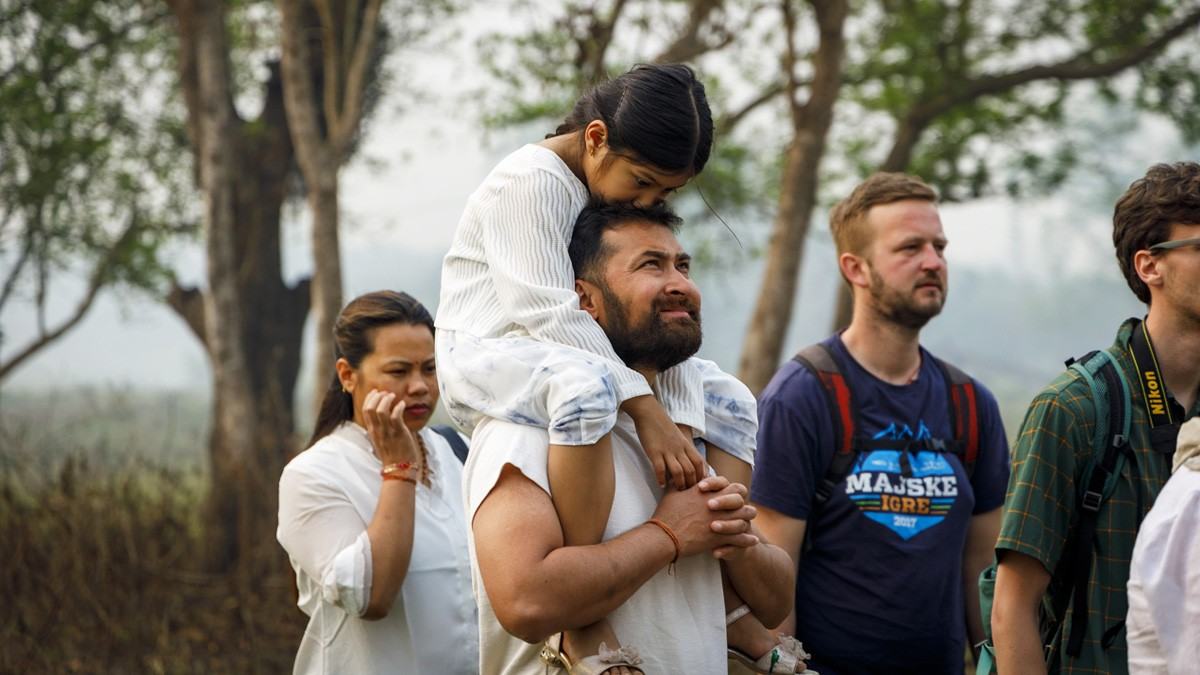
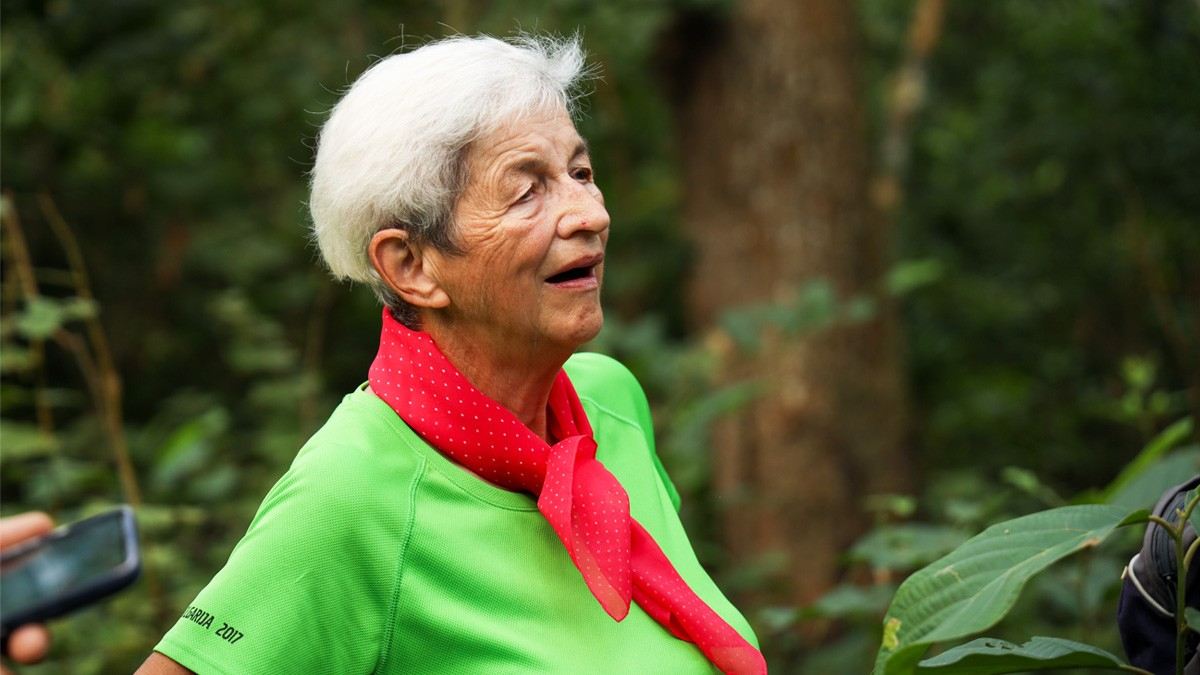
Old age lady enjoying jungle trip in Chitwan Nepal
Altitude sickness (AMS) can affect anyone, no matter how fit. Headache, nausea, dizziness, and poor sleep are early signs. The best prevention is a slow climb. As a general rule used by many mountain doctors, once you are above about 3,000 m, try not to increase your sleeping height by more than 300 to 500 m per day, and include a rest day every few days.
For children: Young kids may not tell you when they feel unwell. They might just become quiet, cranky, or refuse food. Watch their behaviour closely. For very young children, especially those who cannot yet describe symptoms, it is safer to keep the trek low, below about 2,500 to 3,000 m. Please ask your paediatrician before you go, and do not give any altitude medicine to a child without a doctor's advice on dosage.
For older adults: Age alone is not the problem. Heart conditions, high blood pressure, breathing problems, and joint issues matter more. A grandparent in good shape who walks regularly can do very well. Get a medical check-up before the trip and tell your guide about any health issues.
Layers: A base layer, a fleece, a warm jacket, and a waterproof shell. Mornings and evenings get cold even in the lower hills.
Good shoes: Broken-in trekking shoes or boots. New shoes and long downhill days make blisters for kids and adults alike.
Walking poles: They really help grandparents with knees, and they save energy on the endless stone steps.
Sun protection: Hat, sunglasses, and sunscreen. The sun is strong at altitude.
A small first-aid kit: Plasters, blister patches, pain relief, rehydration salts, and any personal medicines.
Water purification: Tablets or a filter. Boiled or treated water is better than buying endless plastic bottles.
A sleeping bag: Lodges give blankets, but a warm bag makes a big difference on cold nights. You can rent one in Kathmandu or Pokhara.
Snacks and a comfort item: Chocolate, nuts, and a favourite toy or book for the child. A small thing like this can save a hard afternoon.
Keeping Kids Happy on the Trail
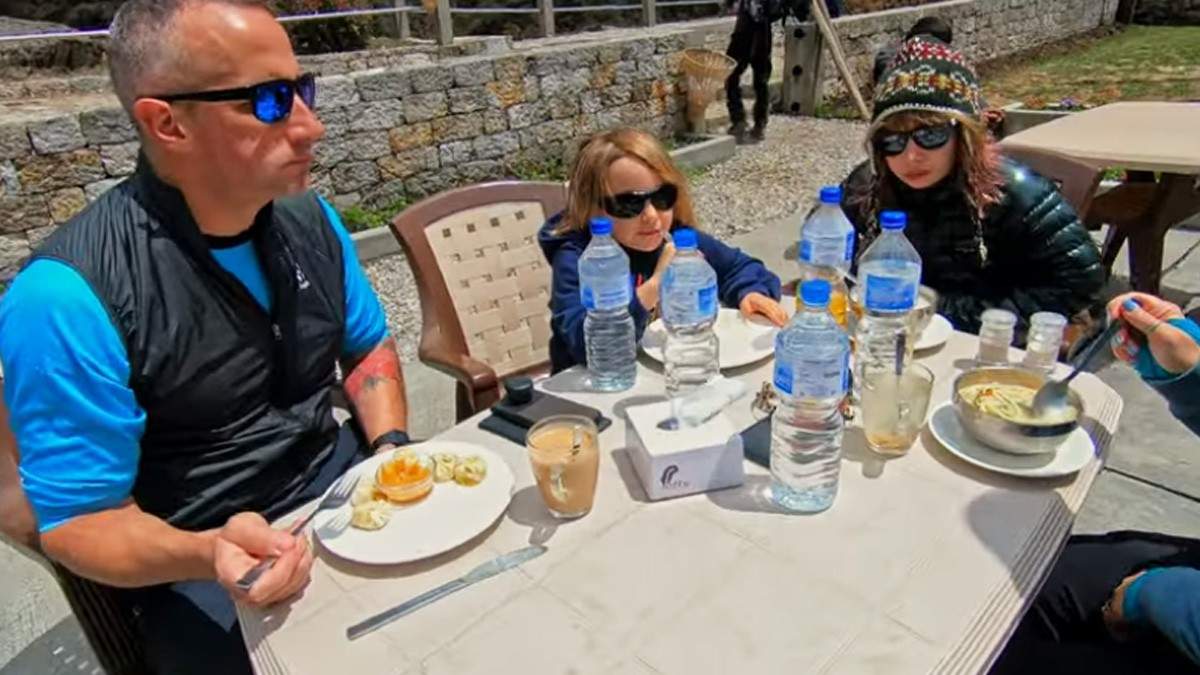
Family trip in Nepal with cozy food
Trekking is not just about distance. For a child, it is about the next small thing.
Break the day into short stages. A snack stop, a bridge to cross, a village with a dog to pet.
Let them lead sometimes, with the guide close by.
Give them a job: the map reader, the photographer, the person who counts prayer flags.
Learn a few Nepali words together. Namaste (hello), dhanyabad (thank you), and mitho cha (delicious) go a long way, and local families love it when children try.
Keep days short. Four to five hours of walking is enough for most children. Anything more can turn into misery.
Tips for Trekking With Older Family Members
Start gently, then build. A trek with a slow first day lets stiff legs warm up.
Plan rest days. Older travellers often recover more slowly, so a spare day gives you a safety margin.
Choose lodges with good beds and, where possible, an attached toilet. These make a surprising difference to comfort.
Descents are harder on knees than climbs. Poles and a calm pace help.
Consider an option to shorten or end the trek early. A road exit or a short flight out at a midpoint gives you peace of mind.
Food and Lodging: What to Expect
Tea houses are simple but welcoming. Rooms usually have twin beds, thin walls, and shared toilets. Hot showers may cost extra and are not always warm.
The classic meal is dal bhat: rice, lentil soup, vegetables, and often pickle. It is filling, and refills are normally free, which is why the trail saying goes, "Dal bhat power, 24 hours." Most menus also have noodles, fried rice, pasta, momos, and pancakes, so even picky eaters usually find something. Stick to vegetarian food at higher altitudes, since meat may not be fresh.
How Much Does a Family Trek in Nepal Cost?
It depends on the route, the length, and the level of service. As a rough idea, many families spend somewhere between US$ 40 and US$ 100 per person per day on a guided trek, including guide, porter, lodging, food, and permits. Short treks near Kathmandu City or Pokhara sit at the lower end. Longer or more comfortable trips cost more.
Before you book, ask exactly what is included: permits, transport, meals, insurance, and any rest days. Hidden extras are the usual cause of budget surprises.
Respect the Mountains and the People
A family trek is also a chance to show children how to travel well. Greet people with a smile and a namaste. Walk to the left of mani walls and prayer stones, which is the local custom. Kindly ask before taking photos of people.
Take your rubbish with you, and say no to single-use plastic where you can. Small habits like these are what children remember.
Frequently Asked Questions
What is the best age to take a child trekking in Nepal?
There is no single answer. Many families start with short, low treks from about age 5 or 6, when children can walk for several hours and tell you how they feel. Very young children can join gentle, low-altitude walks, but you will need to plan extra time and carry them more often.
What is the easiest trek in Nepal for a family?
The Australian Camp and Dhampus trek and the Chisapani and Nagarkot trek are among the easiest. Poon Hill is a good next step for those who want mountain views.
Can elderly people trek in Nepal?
Many can, if they are in good health and the route is chosen with care. See a doctor first, pick a lower-altitude trek, go slowly, and build in rest days.
Is trekking in Nepal safe for children?
On well-chosen routes with a good guide, a slow pace, and proper planning, yes. The main risks are altitude, cold, and stomach illness, and all of them can be managed with preparation.
Do we need a guide for a family trek in Nepal?
Rules say a licensed guide is now needed for most treks in national parks and conservation areas, and for families, a guide is a very good idea anyway. Confirm current rules with a registered agency.
What is the best month for a family trek in Nepal?
October and November are the most popular, with March and April a close second.
Do we need travel insurance?
Yes. Choose a policy that covers trekking up to your highest planned altitude and includes emergency helicopter evacuation.
Final Thoughts
A family trek in Nepal will not be perfect. Someone will be tired, someone will complain about the stairs, and the weather will do what it likes. But those are the moments people talk about years later: the grandmother who refused to turn back, the child who found a goat on the trail, the shared silence at sunrise.
Pick a trek that fits your slowest walker, give yourself extra days, hire a good local team, and let the mountains do the rest.
Kishwor Adhikari is a passionate writer with a deep enthusiasm for trekking and adventure. His extensive travels across Nepal, exploring its diverse landscapes and hidden corners, have shaped his unique perspective on the country's natural beauty. With a wealth of first-hand experience in adventure trekking, Kishwor has become a trusted voice for fellow enthusiasts. Through his writing, he shares invaluable insights, offering practical advice and inspiration for both seasoned trekkers and novices alike. His dedication to sharing his journey and knowledge helps others discover the wonders of Nepal's wilderness, making his work an essential resource for anyone seeking adventure in the region.