
Why the Everest High Pass Trek Is Special
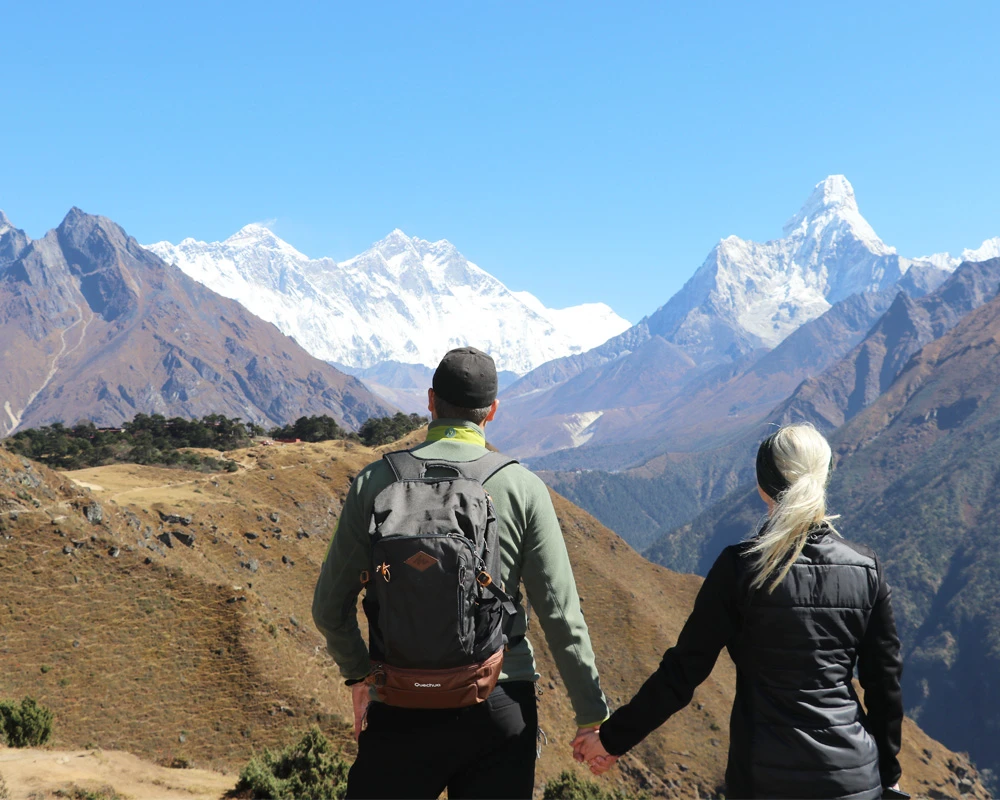
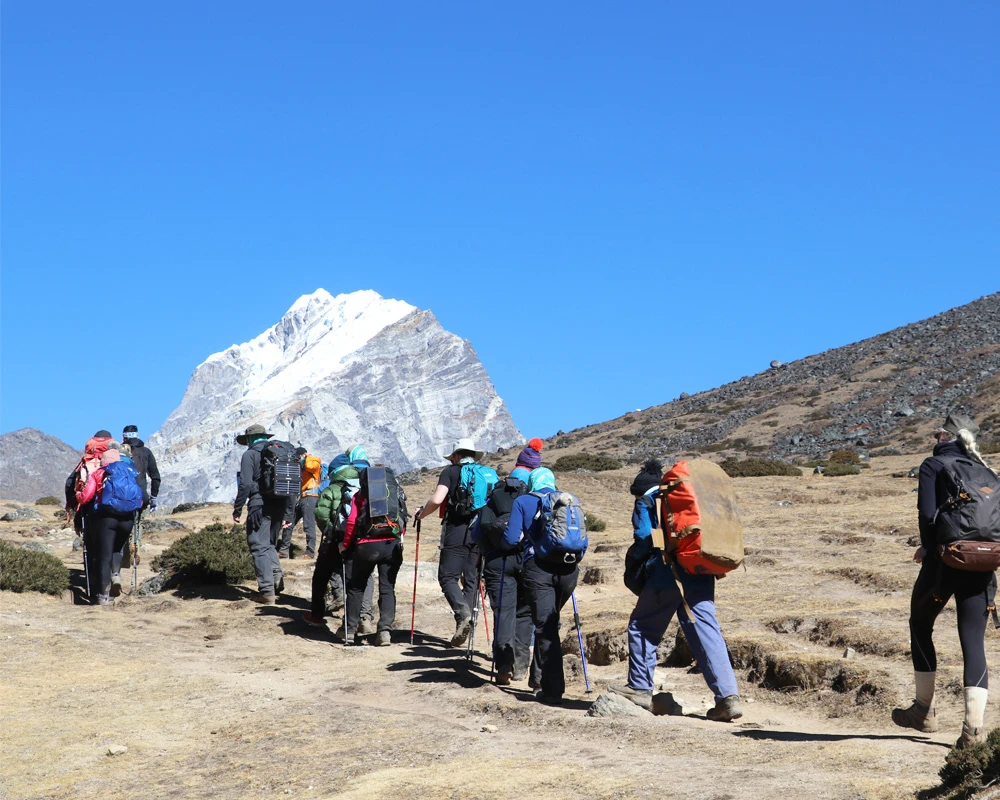
The Everest High Pass Trek is considered the ultimate trekking challenge in Nepal. Yes, it combines altitude, distance, and diversity into one complete circuit. Crossing three high mountain passes above 5,000 meters is a true achievement for serious trekkers.
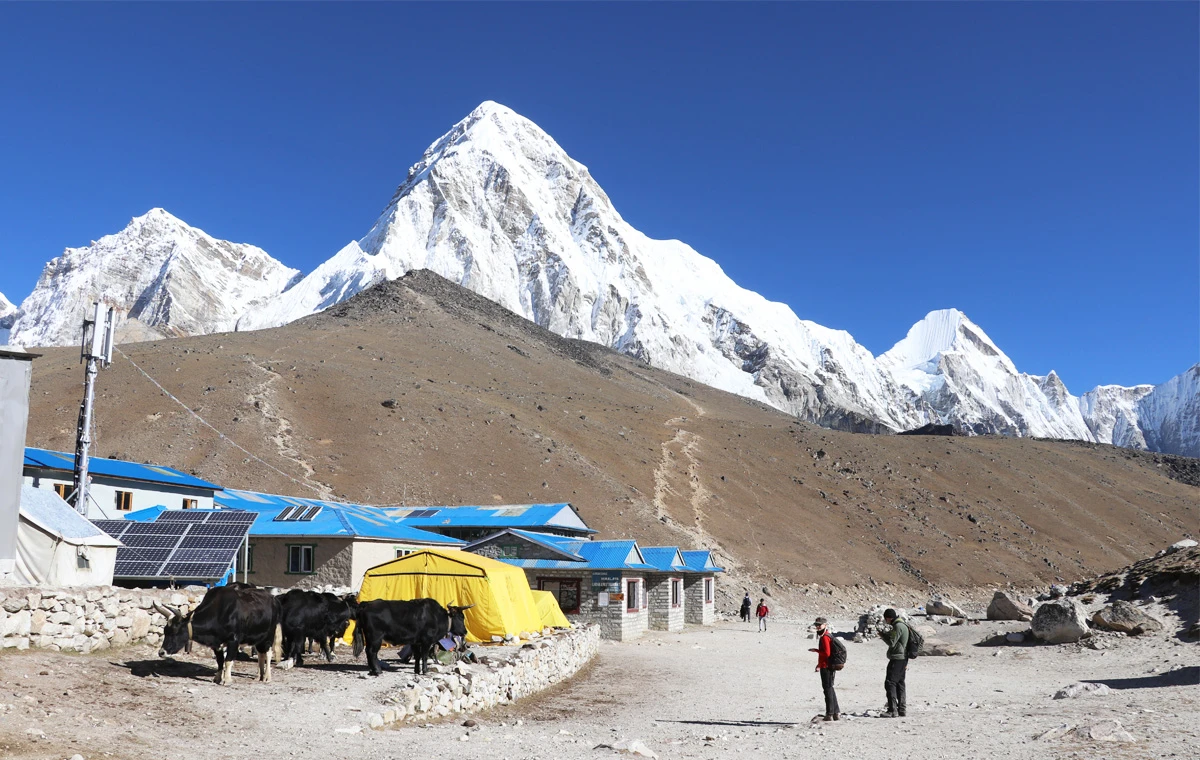
Unlike the standard Everest Base Camp route, this trek explores both the Everest side and the quieter Gokyo Valley. Literally, offering dramatic glaciers, turquoise lakes, and wide Himalayan panoramas.
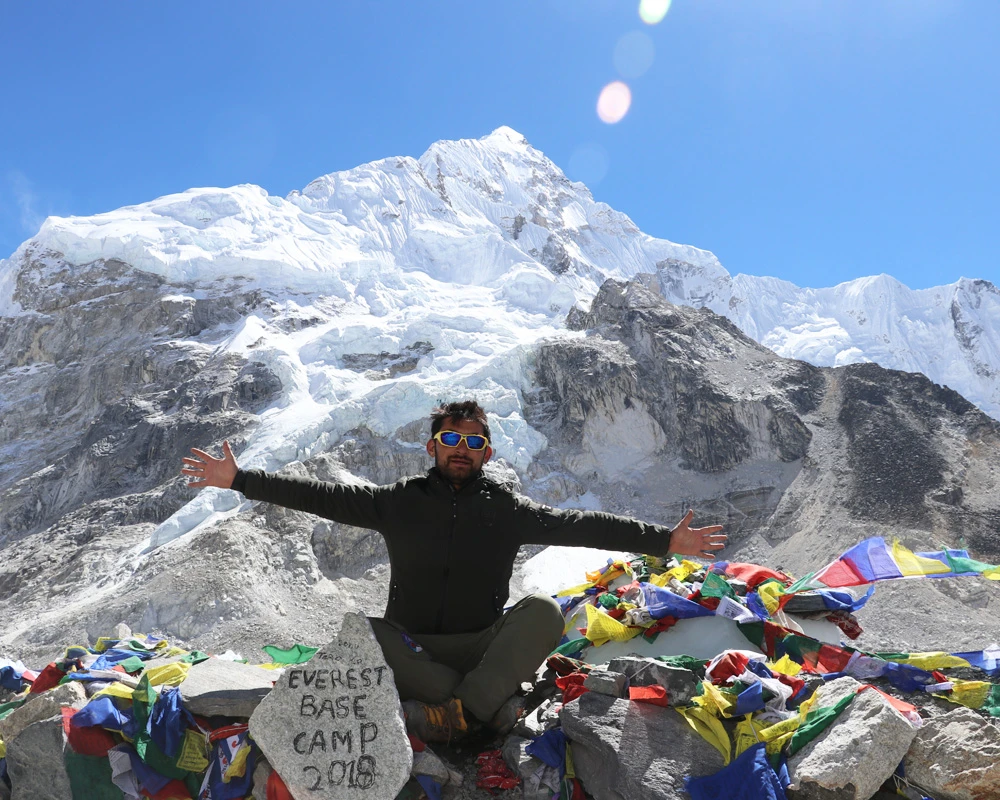
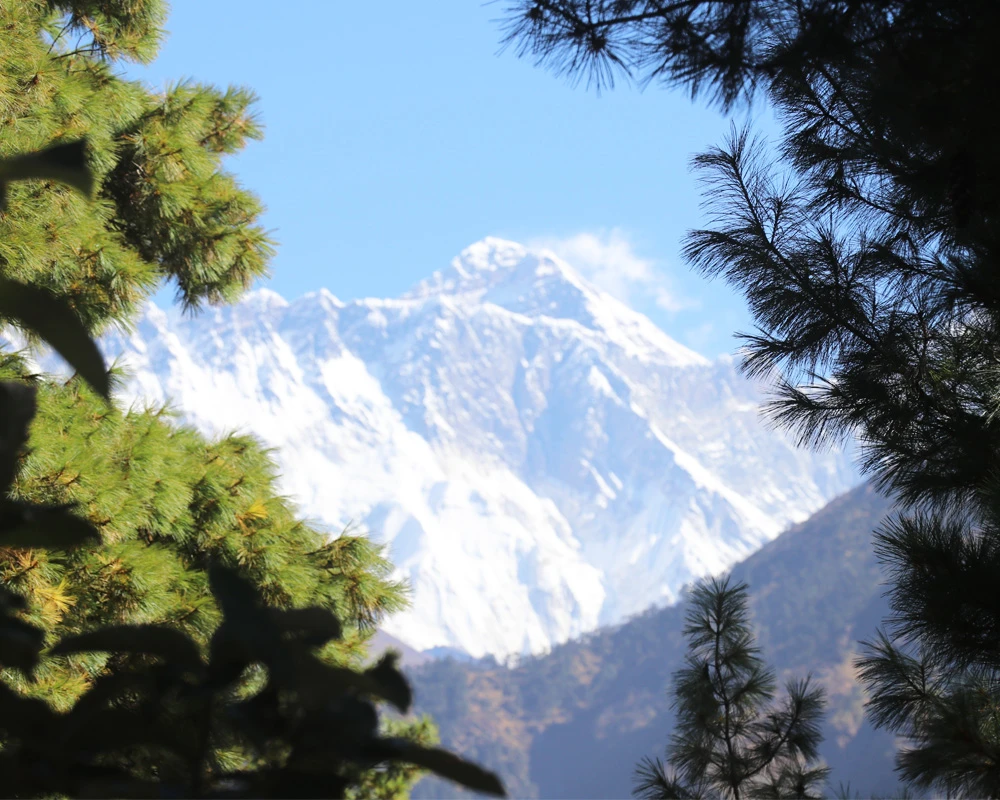
You experience iconic landmarks like Everest Base Camp and Kala Patthar while also walking through remote valleys. Similarly, traditional Sherpa settlements which are rarely seen by casual trekkers. This balance of iconic highlights and wilderness makes the Everest High Pass Trek a once-in-a-lifetime Himalayan journey. This is ideal for those seeking depth, challenge, and authenticity.
Best Time to Do the Everest High Pass Trek
The best seasons for the Everest High Pass Trek are spring (March–May) and autumn (September–November). Spring offers stable weather, warmer temperatures, and clear mountain views. Likewise, autumn provides crisp air, excellent visibility, and dry trails.
Winter months (December–February) are extremely cold, and heavy snow may block high passes. The monsoon season (June–August) brings clouds, rain, and frequent flight delays. Making trekking more difficult and less scenic.
You can also consider the best time to do the Everest Base Camp trek for planning the High Pass trek. Afterall they belong to the same region.
Difficulty & Safety Notes
This trek is challenging due to extreme altitude, three high-pass crossings, and long trekking days. Also, potential snow or ice, especially on Cho La and Kongma La. Strong fitness, previous high-altitude experience, and mental resilience are essential.
How Breeze Adventure Makes It Safer
Breeze Adventure prioritizes safety through proper acclimatization days at Namche and Dingboche. Slow altitude-safe pacing and experienced local guides trained in altitude awareness. Our guides monitor oxygen levels and early symptoms of altitude sickness daily.
Each group carries a basic first-aid kit and one emergency oxygen tank for added safety. Clear daily briefings prepare you for terrain, weather, and altitude challenges. Strong communication support and evacuation coordination further ensure a safe and confident trekking experience above 4,000 meters.
Permits Required
You need two permits for the Everest High Pass Trek. These permits are mandatory to regulate trekking activities. Similarly, to protect the fragile Himalayan environment. They also support local communities.
Sagarmatha National Park Permit
This permit allows entry into Sagarmatha National Park, a UNESCO World Heritage Site. It has been protecting Everest and the surrounding ecosystems. Further, fees support conservation, trail maintenance, and park management.
Khumbu Pasang Lhamu Rural Municipality Permit
This local permit replaces the old TIMS card in the Everest region. Revenue supports local infrastructure, trail improvements, and community development in Khumbu villages.
Where permits are issued:
Breeze Adventure legally purchases all permits in Kathmandu and at Monjo (park entry point) on your behalf. We ensure a smooth, fully compliant trekking experience without any hassle.
Learn about the Manaslu Trek Permits, Cost, and Expense to get an idea about the Himalayan rules and restrictions. These rules and requirements are almost similar in every Himalayan trek in Nepal.
Who Is This Trek For?
The Everest High Pass Trek is designed for experienced, physically fit trekkers. Those who have previously trekked above 3,500-4,000 meters. It suits adventurers who want more than Everest Base Camp and are comfortable with long walking days. Also, cold temperatures and high-altitude conditions.
This trek is not recommended for beginners or travelers with serious medical conditions. And those seeking luxury trekking experiences. Proper preparation and a strong mindset are key to success.
Knowing about the Everest Base Camp Trek difficulty will help you know further about the trails and preparation needed. These are almost similar, being treks of same region.
Cost & What Affects the Price Starting from: USD 1600 per person (group-size dependent)
The cost of the Everest High Pass Trek varies based on group size, trekking season, and guide-to-trekker ratio. It also depends on domestic flight availability and accommodation level in Kathmandu.
Spring and autumn are peak seasons and slightly more expensive. Larger groups reduce per-person costs, while private or solo treks cost more due to personalized services.
How to Book with Breeze Adventure
To book your trek, contact Breeze Adventure via our website, email, or WhatsApp. We will send you a detailed itinerary, cost breakdown, and packing list. After confirming your dates, you secure the trip with a deposit. We handle permits, logistics, and final briefings so you can focus on preparing for the adventure.
Why Book with Breeze Adventure?
Booking your Everest High Pass Trek with Breeze Adventure means trekking with experienced local experts. We know the Everest region in real conditions, not just on maps. Our team follows a strong safety and acclimatization system. We carefully plan rest days and daily health monitoring. Not just that, we offer one tank of proper emergency oxygen carried for group safety. This is a crucial backup above 5,000 meters.
Further, we believe in transparent pricing, so there are no hidden costs or last-minute surprises. Every trek is personally managed, whether you are trekking solo or in a small group. We ensure proper pacing and attention. With reliable logistics, permits, flights, and on-trail support, Breeze Adventure lets you focus fully on the mountains. While we handle everything else safely and professionally.