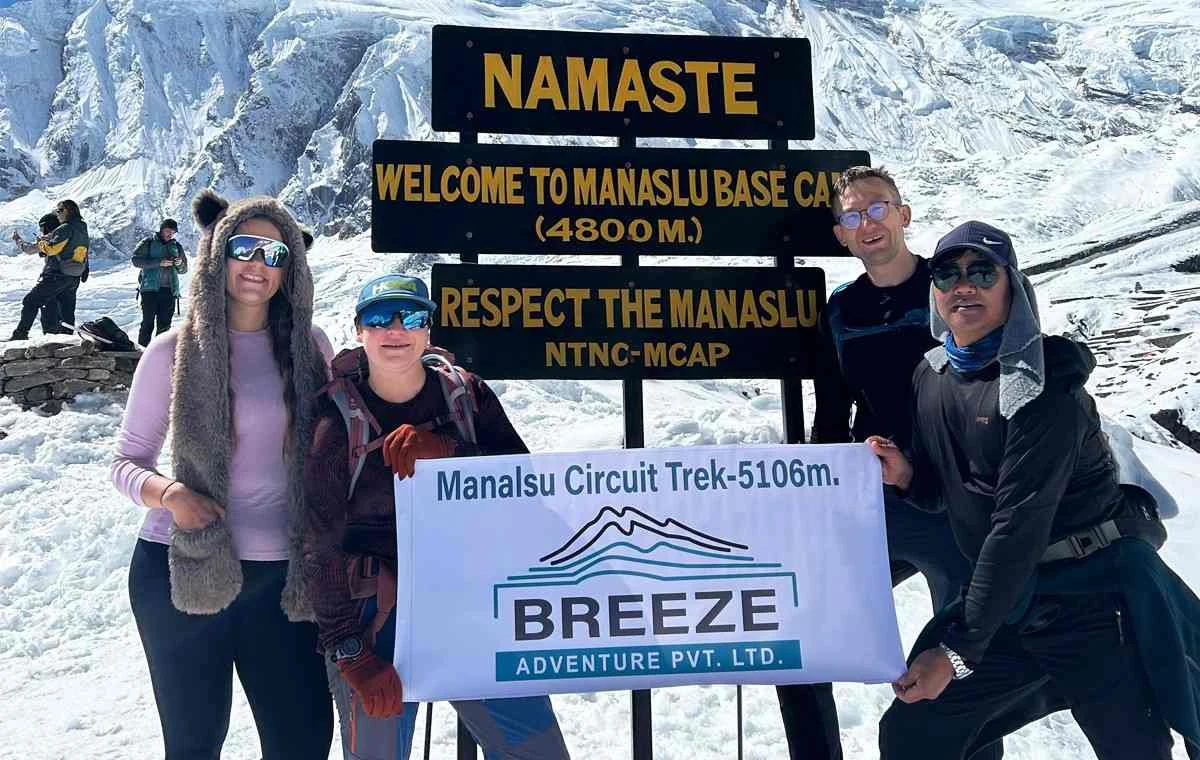
Larkya La Pass Manaslu Circuit Trek 10 Days

Tripadvisor169 reviews
google141 reviews
youtube99 reviews
trustpilot31 reviews
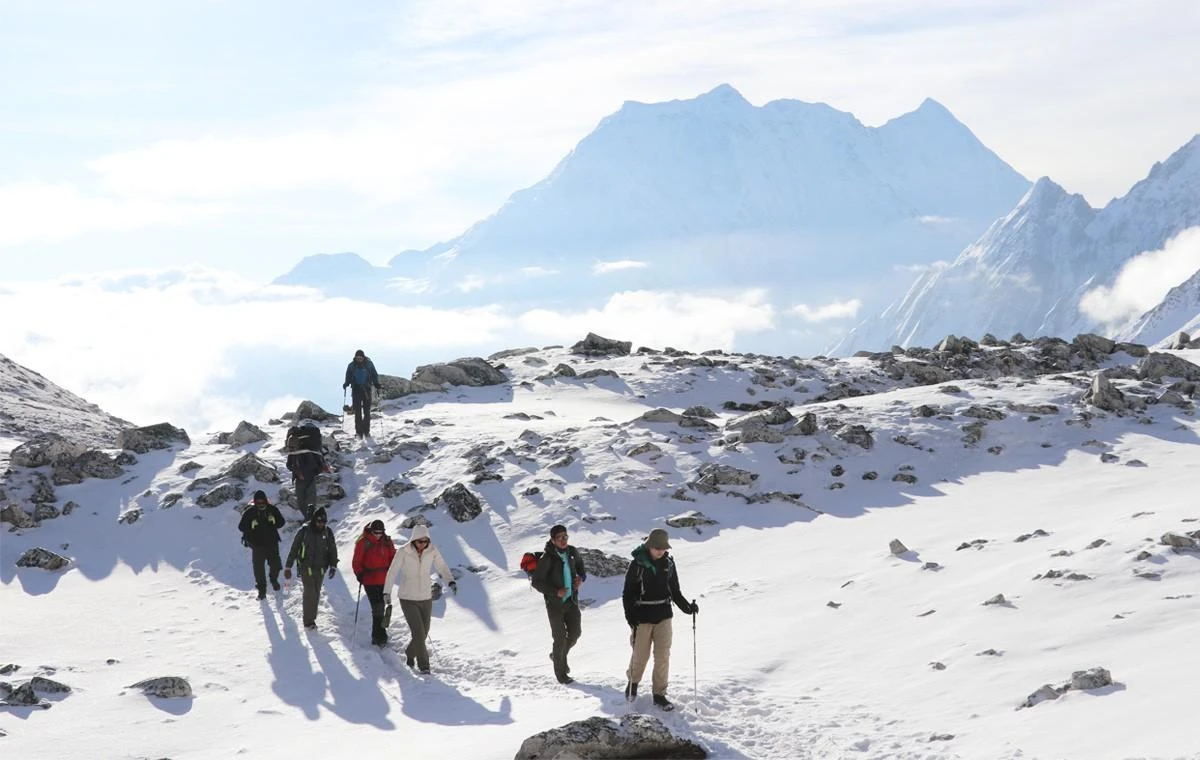
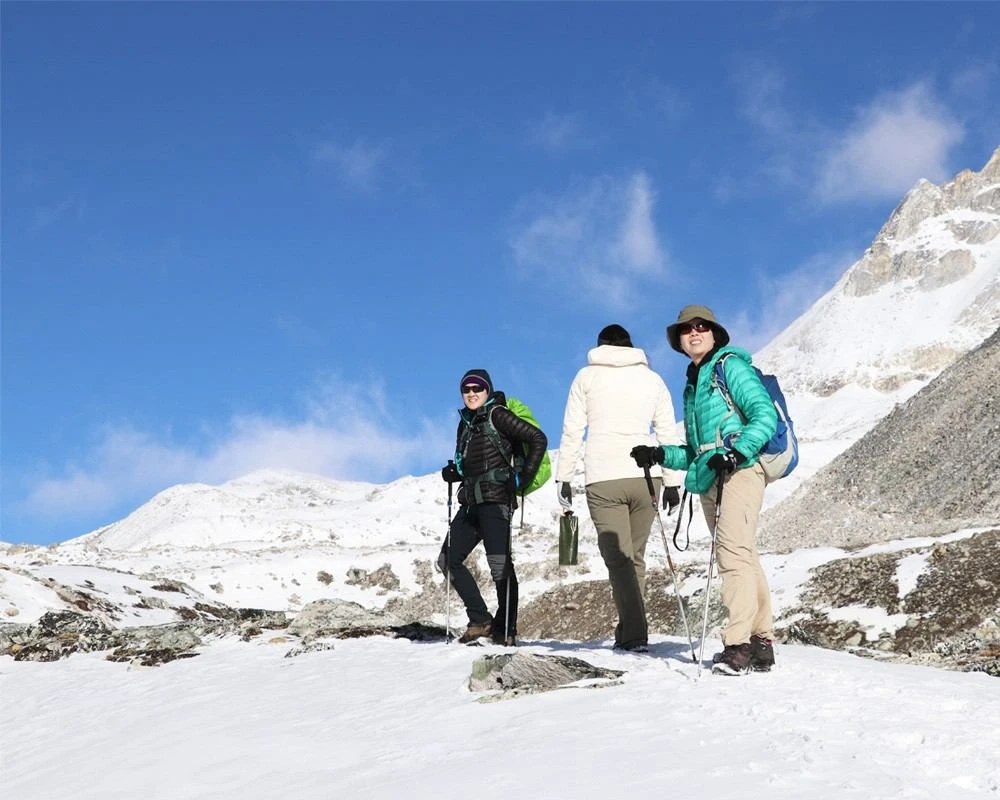
Trekkers in Manaslu Circuit Trail covered with snow

The Larkya La Pass is the big reward of the Manaslu Circuit Trek. At 5,106 m (16,752 ft), it's the highest point on the whole route, sitting between Dharmasala and Bhimtang in the Manaslu region of Nepal. This 10-day plan skips the long lowland approach and gets you moving quickly, so you still get the villages, the Tibetan-style monasteries, and the Larkya La Pass crossing without spending two full weeks on the trail.

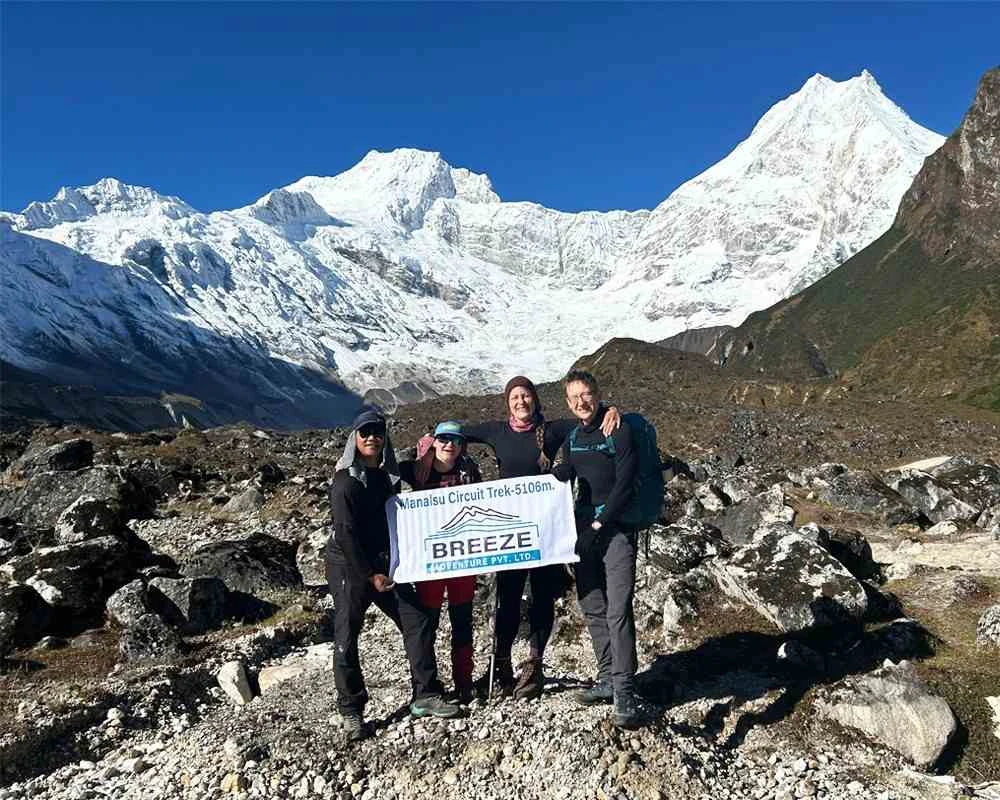
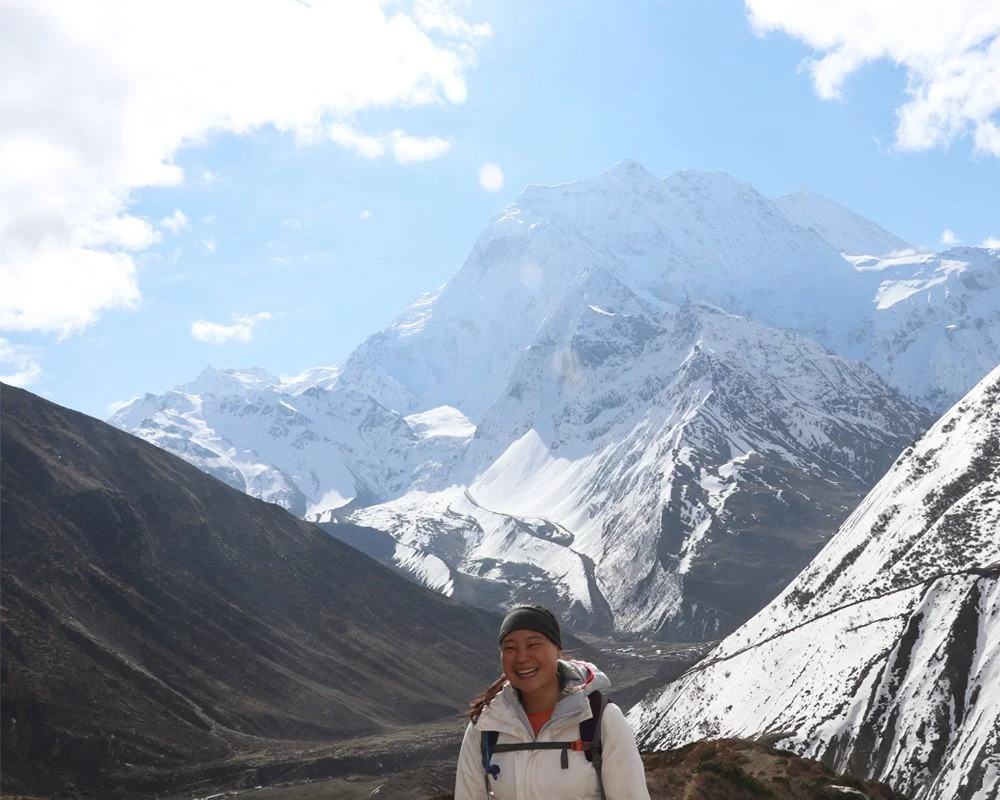
From the top, you look out at Manaslu (8,163 m), Himlung Himal, Cheo Himal, Kang Guru, and Annapurna II. It's a quiet trek compared to Everest or Annapurna, and that's a big part of why people love it. Crossing this pass is the best way to finish the Manaslu Circuit Trek in Nepal, getting both thrill and natural charm blended with unique Himalayan culture.

At a Glance
  • Duration10 Days
  • Max Altitude Larkya La Pass, 5,106 m (16,752 ft)
  • Start City Kathmandu
  • End City Kathmandu
  • Best Season spring (Mar–May) and autumn (Sep–Nov)
Trip Highlights
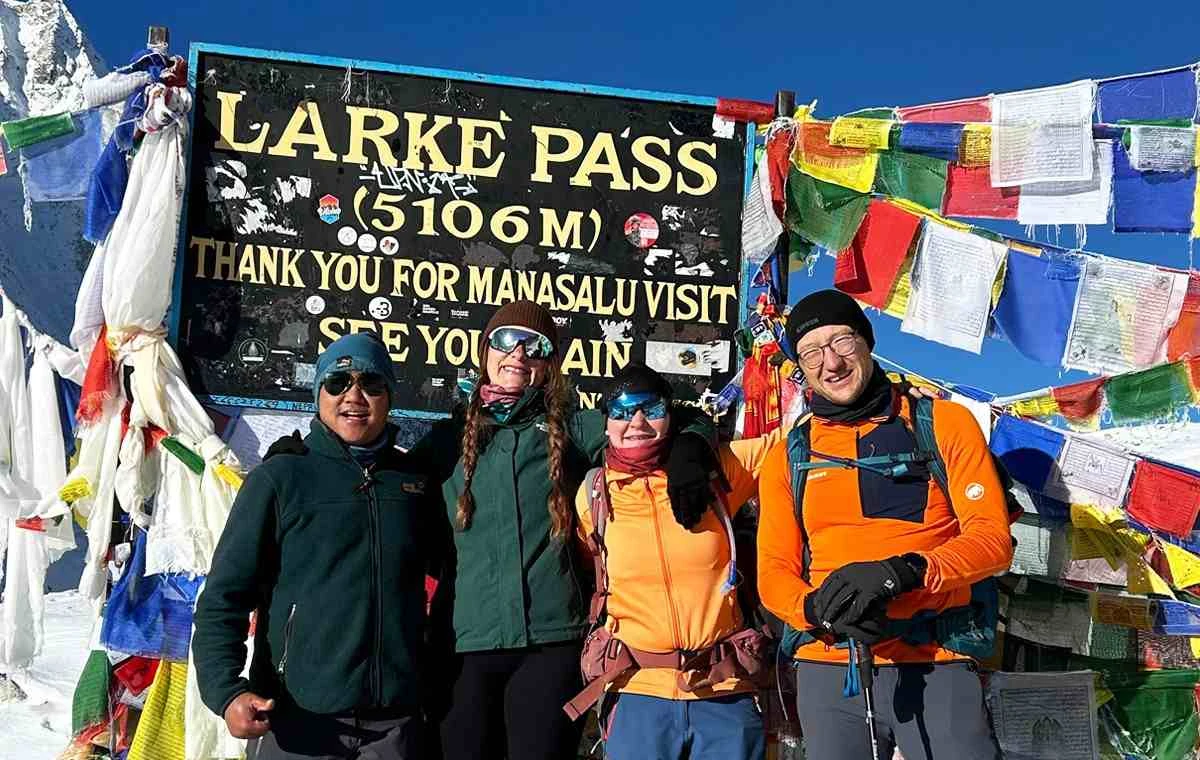
  • Larkya La Pass (5,106m), the highest point of the trek
  • Pre-dawn crossing from Dharmashala, starting around 3–4 AM
  • Views of Manaslu (8,163m), Himlung Himal, Cheo Himal, Kang Guru and Annapurna II from the top
  • Prayer flags and the summit of the pass
  • Larkya Glacier, moraine and snow-covered terrain near the top
  • Long steep descent to the meadows of Bimthang (3,590m)
  • Crossing from the Manaslu region into the Annapurna region
  • Tibetan-influenced villages: Samdo and Samagaon
  • Acclimatization day at Samagaon (Manaslu Base Camp / Birendra Lake side trips)
  • Quiet trails thanks to the restricted-permit region
  • Remote high-altitude teahouse stay at Dharmasala (4,460m)

Best time for Larkya La Pass

The best time to cross Larkya La Pass is spring (March to May) and autumn (September to November). October usually gives the clearest skies and the most stable weather, which is why it's the most popular month. Spring adds warmer mornings and rhododendrons blooming lower down.

Winter is mostly for experienced trekkers. Heavy snow can bury the trail, and the pass sometimes closes. However, with the right preparation strategy, the Manaslu Trek difficulty will be tackled by almost anyone.

Similarly, the monsoon (June-August) brings rain, leeches, and a risk of landslides on the lower parts of the trail. But higher parts where we actually trek are often unaffected by rain. There is too little or no rain even in the monsoon.

Larkya La Pass weather and temperature

In this Manaslu Circuit Trekking, the weather near the pass changes fast. A calm blue morning can turn into snow flurries by lunch, which is exactly why guides push for an early, pre-dawn start on crossing day.

For temperature, expect daytime highs around 0 to 5°C near the top and nights dropping to -10°C or colder at Dharmashala. Dawn on the crossing is often near -12°C.

In winter, it can fall below -20°C. The rule is simple: carry proper layers, even in the good seasons, because it gets cold the moment the sun drops behind a ridge. Anyone with the right Manaslu preparation and good guidance will deal with the weather and trip difficulties.
Itinerary

Expand allCollapse all

On the first day of the Larkya La Pass Manaslu Circuit Trek, you will do a long, scenic drive along the Budhi Gandaki River to the village of Jagat. This roughly takes 8–9 hours by jeep. From Kathmandu to Muglin, you will get smooth paved roads and some traffic also. Then a dramatic transition from town towards village settlement.

You will see the Trishuli River and Marsyandi River along with other rivers and terraced fields. As you get closer to Jagat, you will see narrower stone-paved roads.

    The next day, you trek from Jagat to Deng. The valley narrows, and the trail crosses suspension bridges through subtropical forest. This takes about 6–7 hours of walking. This is the official restricted area requiring a local licensed guide. 

    Here you enjoy the stunning beauty of a roaring Budhi Gandaki Gorge, suspension bridges, and terraced flank hills. There will be deepening conifer and bamboo woods with peaceful rivers alongside. You will get ample photographic opportunities on the way.

      This is a major transition zone where you will see a unique cultural and environmental shift. The trek towards Namrung is a steady climb into a higher country. Namrung is your first taste of the cooler, mountain-village feel. This takes about 6–7 hours of serious trekking. However, the views and experience are worth every step you put forward.

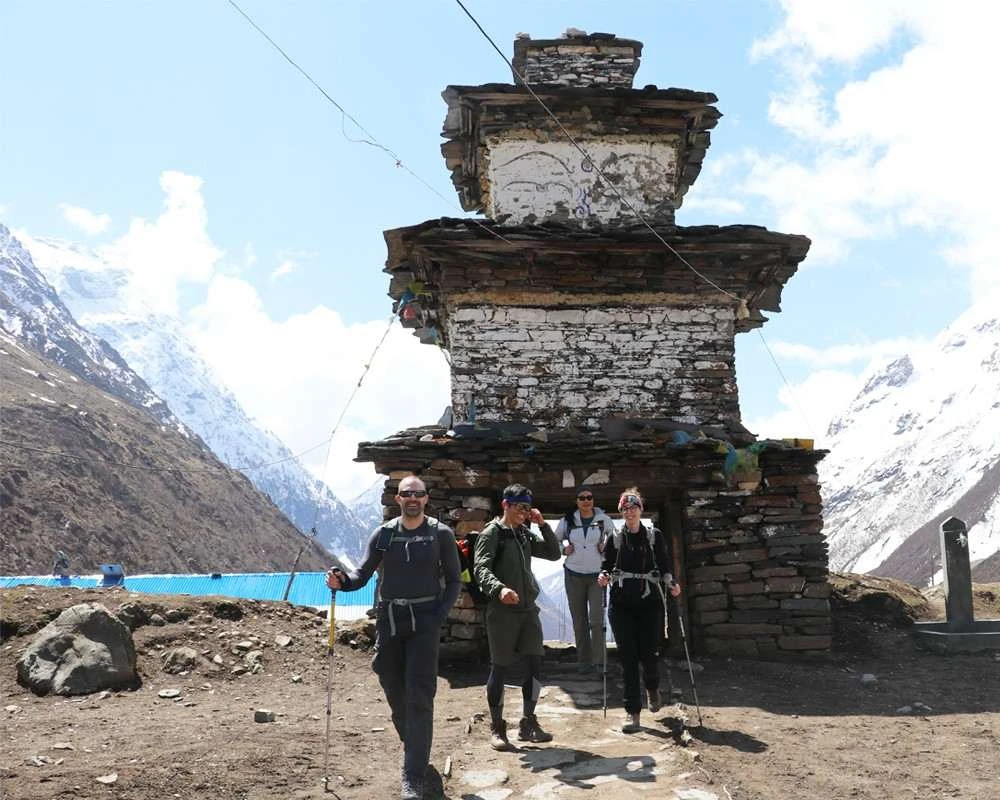
      Here you will see Hindu-influenced Gurung culture shifting towards Tibetan Buddhist culture. Enjoy the paths decorated with Mani Walls and Chortens. Soon you will see stunning mountain views right in front of you. Shringi Himal and Kutung Himal standing there will make your trip full of excitement and happiness.

        The fourth day of the Larkya La Pass Manaslu Circuit Trek is a visual break day. You will trek for about 5 hours, getting some of the finest views of the journey. You will pass Lho with its wide Manaslu views and old gompas, then up to Shyalla.

        You walk through the Bailey Bridge over a small stream and enter the open alpine ecosystem. You will pass through lush subtropical vegetation, with pine, fir, and larch forests. You will reach the ancient stone villages, which appear like a different planet. Then, finally, you will be standing, witnessing the views of Mount Manaslu.

        To deal with the high altitude, you will get an oxygen cylinder from Breeze Adventure. We will also monitor your breathing and nerves as necessary.

          The fifth day of the trip is all about a short side hike toward Pungyen Gompa, a spiritual stop on the Manaslu Circuit trek. This is for acclimatization and the glacier views, then down to Samagaun, a cultural village. This takes about 5–6 hours.

          Here, you will be walking through Pine, Fir, and Juniper forests. The air is crisp, and the scent of Juniper fills the forest. You will have a great time in High Alpine Meadows and Yak Pastures. Finally, you will be very close to Mount Manaslu. Best for photography and scenic moments.

            Samagaun is the place to rest and let your body adjust. Most people day-hike to Birendra Lake or up toward Manaslu Base Camp before coming back to sleep low. This takes around 6 hours. This lets you adjust to the altitude and local atmosphere.

            Here you will see flat-roofed stone houses, mani walls, and agricultural fields. The major yields are buckwheat and potatoes. The path is full of sun, alpine forests, and alpine pastures for yaks.

              The trek from Samagaun to Samdo Village is a shorter, easier trek. This is the last real village before the pass, close to the Tibet border. This takes about 4 hours of hiking. Crossing the alpine tree line, you will enter a dramatic landscape.

              Samdo is a Tibetan Refugee Village just below Larkya La Pass. The settlement looks amazing with stone-built houses, flat roofs, and historic Samdo Monastery. It will be a great pleasure to be in this village. You will be a close witness to traditional Tibetan culture.

                On the eighth day of the trip, we will have a slow, steady climb to Larke Phedi. It's a small huddle of basic tea houses, and it's cold. It takes about 4 hours of walking on this day. Eat well and sleep early. 

                Dharamsala is a high-altitude final overnight stop in this trek. This is just before crossing the Larkya La Pass. As it is at a higher altitude, expect basic stone houses and shared rooms, or even tents, during peak season.

                  Finally, this is the big day. You will be dealing with Larkya La Pass, the highest and most challenging part of the journey. You start around 3-4 AM to reach the pass before the afternoon wind picks up. Expect a long climb; then you will witness the jaw-dropping views of the mountains. You will also witness the river valleys like Budhigandaki and Marshyangdi. 

                  Then, a knee-testing descent to Bhimtang. Today’s trek takes about 8–9 hours.

                    On the final day of this trek, take an easy walk down to Gho (2,515 m) through pine forest, then take a jeep ride back to the city. A long travel day, so expect a late arrival. You will have a farewell dinner in Kathmandu arranged by the travel agency.

                    The next day, you can either return to your homeland or spend a day enjoying unique cultural sightseeing in Kathmandu Valley. The city is a hub for culture, ancient arts, architecture, unique cuisine, and more.

                      Cost Details
                      What's Included
                      • Airport pick-up and drop-off at Tribhuvan Airport
                      • 3 nights in a 2–3 star hotel in Kathmandu, with breakfast
                      • All ground transportation for the trek
                      • Local guest house (teahouse) accommodation during the trek
                      • Government-licensed, experienced guide and porters
                      • Nepal Travel Insurance, food, accommodation and wages for the guides and porters
                      • Hygienic meals - breakfast, lunch and dinner - during the trek
                      • TIMS Card and all required permits
                      • First aid kit
                      • Trekking maps
                      • Service charges and government taxes
                      • Post-trek celebration dinner in Kathmandu
                      • Oxygen cylinder
                      What's Not Included
                      • International airfare
                      • Meals in Kathmandu (other than breakfast)
                      • Personal expenses and shopping
                      • Hot shower and device-charging fees at guest houses on the trek
                      • Alcoholic drinks, chocolates, tea and coffee
                      • Tips for the guide and porter
                      • Extra accommodation and meals outside the set itinerary
                      • Costs from unexpected events (cancellations, weather, property damage, illness, etc.)

                      Essential Information

                      Cost

                      Prices for the 10-day Larkya La Pass Manaslu Circuit Trek start from around US$ 1,050 per person. The exact cost depends on your group size, the season, and the level of service you choose. Bigger groups pay less per head.

                      Usually included: all trekking permits, a licensed guide, tea-house accommodation on the trek, three meals a day during the trek, and round-trip ground transport from Kathmandu City.

                      Usually not included: Nepal visa, travel insurance, personal gear, porters (optional), and tips.

                      Make sure you include all the Manaslu Trekking Packing List in your baggage.

                      Send us your dates and group size, and we'll give you an exact quote.

                      Book this trek

                      If a quiet, high Himalayan crossing is on your list, this is a good one to say yes to. Get in touch with your preferred dates, and we'll sort out the permits, guide, and logistics for you.

                      Larkya La Pass Manaslu Circuit Trek 10 Days FAQs

                      • No, you can't do this alone. Manaslu is a restricted area, so the government requires you to trek with a licensed guide and to have at least two trekkers in the group.

                      • You need three: the Manaslu Restricted Area Permit (RAP), the Manaslu Conservation Area Permit (MCAP), and the Annapurna Conservation Area Permit (ACAP), which you use after crossing the pass. The RAP costs more in the September–November high season ($100 for the first week) than the rest of the year ($75).

                      • The pass sits at around 5,106m, and it's the highest and toughest point of the whole trek. Crossing day is long, usually 7 to 8 hours or more, and you start very early in the morning while it's still dark and cold. It's a big day, but with proper acclimatization most reasonably fit people manage it fine.

                      • Autumn (late September to November) and spring (March to May) are the two best windows. Autumn gives you clear skies and the sharpest mountain views, while spring brings warmer days and blooming rhododendrons. Winter is very cold with possible snow closing the pass, and summer is monsoon season with rain and slippery trails.

                      • Most packages run around 10 to 12 days from Kathmandu and back, including the drive in, the trek itself, and a rest day. The actual walking is usually 9 days over roughly 177 km. Shorter versions exist if you're short on time, but they cut into acclimatization, which isn't ideal.

                      • It's a real risk since you sleep as high as 4,460m at Dharmasala before the pass. The itinerary builds in an acclimatization day at Samagaon to help your body adjust, and walking slowly plus drinking lots of water goes a long way. Good operators carry a first aid kit and can arrange oxygen or evacuation if someone gets seriously ill.

                      • This is a teahouse trek, so you stay in simple local guest houses with a bed, blanket, and a shared bathroom. Meals are cooked fresh, and you'll find dal bhat, noodles, momos, soups, and some Western options like pasta. Dal bhat is the local favourite and the best value, since it usually comes with free refills.

                      • No, Everest is in eastern Nepal, and Manaslu is to the west, so they're in completely different parts of the Himalaya. What you do see is Manaslu itself, the eighth-highest mountain in the world at 8,163m, plus peaks like Himlung, Cheo, and Annapurna II from the pass. The views here are massive even without Everest.

                      • A full package usually runs somewhere between $999 and $2,000 per person, depending on the length, group size, and comfort level. Bigger groups pay less per head, and the price normally covers guides, porters, permits, food, and lodging on the trek. Extras like tips, hot showers, wifi, charging, and drinks are on you.

                      Similar Trips
                      You May Also Like