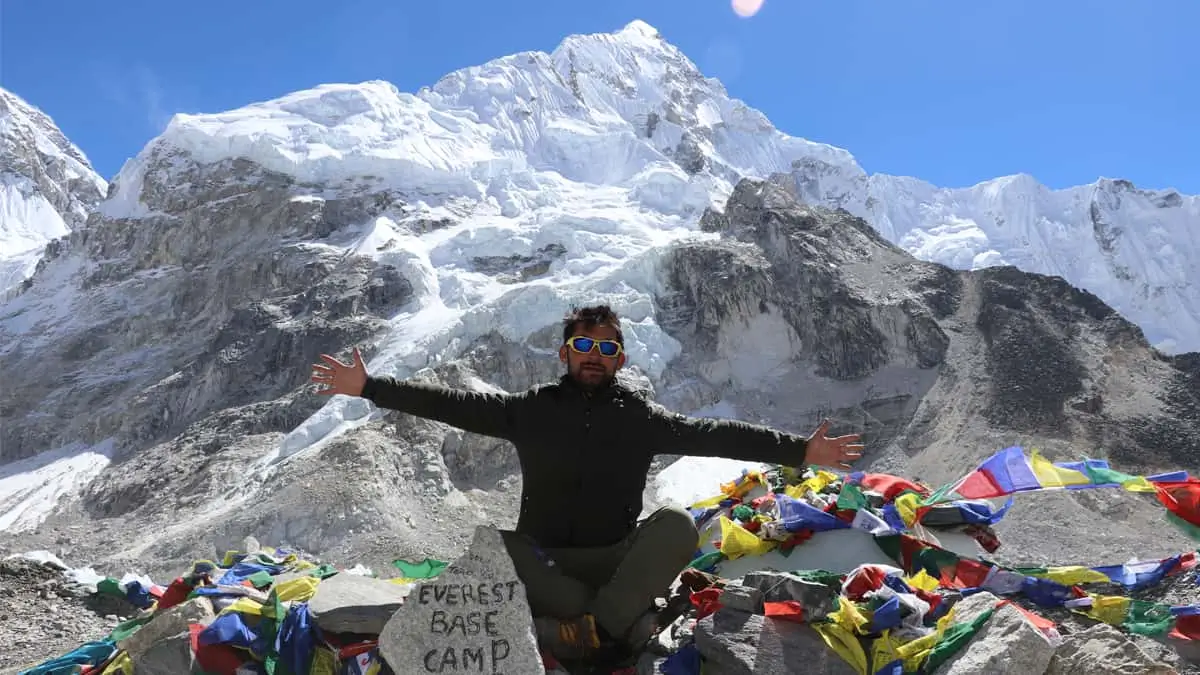
Why Training Matters for EBC
EBC is a slow, multi-day high-altitude trek, but elevation makes simple walking more difficult. Acclimatization, long hiking hours, rocky terrain, and cold weather demand physical preparation.
On the trail you need:
- Strong legs for climbing countless steps
- Cardio endurance for thin air
- Core stability for carrying your daypack
- Joint strength to protect knees on descent
- Mental toughness, the final push is psychological
If you follow this structured plan, your body will adapt gradually and safely, helping you enjoy the trek rather than struggle through it.
Month-by-Month Plan
A month-by-month training plan breaks the journey into simple, manageable stages. Helping your body adapt gradually without stress. Each month builds on the previous one: first developing basic cardio and leg strength, then increasing endurance with weighted hikes, and finally simulating real EBC trekking conditions.
This structured progression improves stamina, joint stability, and confidence step-by-step. Instead of rushing, you train smart. Allowing your muscles, breathing, and mindset to grow naturally, ready for long days in the Himalayas.
Month 1: Build the Base, Foundation for EBC Trek
The first month focuses on building a strong foundation for your Everest Base Camp training plan. This phase develops cardio consistency, leg strength, and hiking rhythm. These are essential for long trekking days at altitude. By walking regularly and using basic strength exercises like squats and lunges, you improve muscle endurance, knee stability, and joint mobility, reducing injury risk later.
The goal of Month 1 is not intensity, but consistency, making training a habit. This is the time to start wearing your trekking boots and let your body adapt to “time on feet,” the most important skill for the EBC trek.
- Goal: Cardio consistency + leg strength
- Schedule: 3–4 days/week
1. Cardio: Why It Matters for EBC?
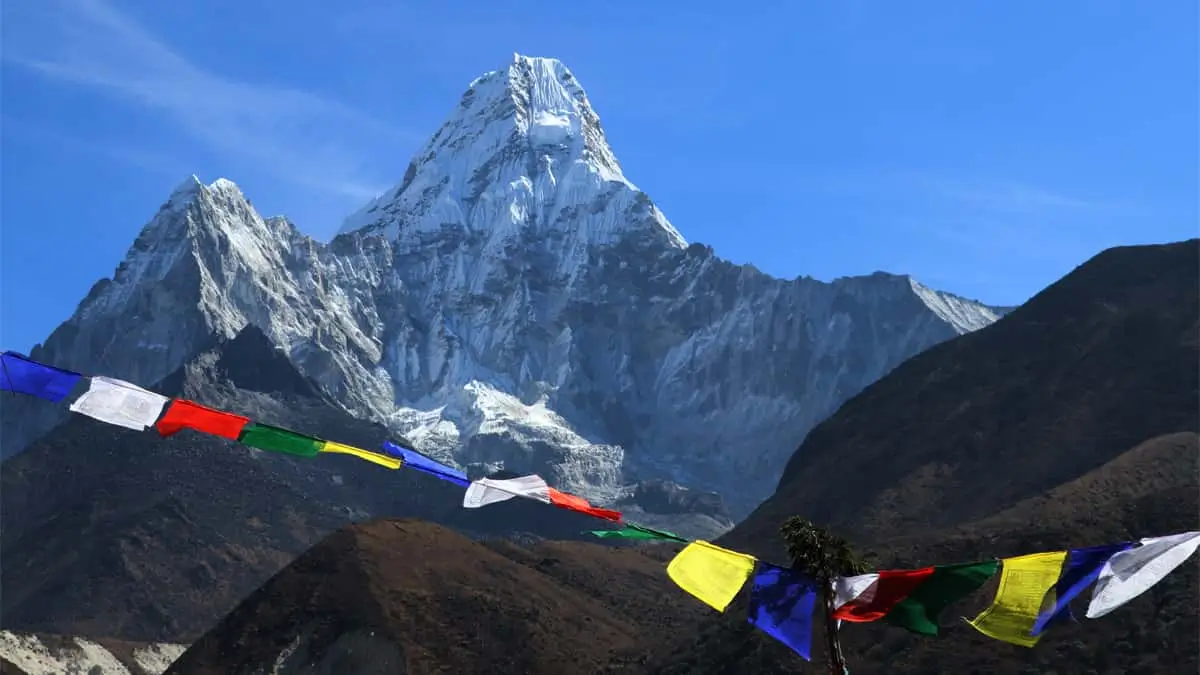
Cardio conditioning is the heart of Everest Base Camp fitness. It helps your body use oxygen efficiently and improves lung capacity — critical at high altitude where the air is thin. In Month 1, keep cardio simple and low-impact: 30–45 minutes of brisk walking or light jogging. The goal is to increase your endurance without straining muscles or joints.
Choose a route with slight inclines to mimic Himalayan terrain. Consistent cardio builds VO2 capacity, reduces fatigue on trail, and helps you enjoy the landscape instead of fighting for breath. Over time, your pace and confidence will improve naturally.
- 30–45 minutes brisk walking or light jogging
Choose a route with small inclines if possible.
2. Strength Training: Why It’s Needed for EBC?
Strength training prepares muscles to carry your body and your backpack for many hours every day. Hiking to EBC involves uneven surfaces, stone steps, suspension bridges, and long ascents. So leg and core strength are essential. Focus on functional movements: squats build thigh power, lunges improve balance, and calf raises protect your knees on descent.
These exercises improve joint stability, reduce the risk of injuries, and help maintain posture while trekking. Strong muscles also help with altitude fatigue management because you waste less energy with every step, a big advantage during long days.
- Squats: 3 sets × 10
- Lunges: 3 sets × 10
- Calf Raises: 3 sets × 15
Do this 2–3 times/week.
3. Flexibility
10–15 minutes of stretching after every workout. This supports muscle recovery, prevents stiffness, and improves stride length.
Pro Tip: Start breaking in your trekking boots now — avoid new-boot blisters in Nepal. Pain-free feet = happy trek.
Month 2: Endurance & Elevation: The Build-Up Period
Month 2 focuses on time on feet, endurance, and learning how to walk with weight, just like on the Everest Base Camp trek. The goal is to help your body adapt to long hikes, carrying a daypack, and climbing hills, which builds real trekking strength. This phase increases workout intensity without pushing too hard.
Weekend hikes are your best training tool, especially if you live near countryside trails or parks. Adding a backpack helps your body understand balance, posture, and core engagement. Stair workouts develop knee strength, a critical element for descending from Base Camp.
- Goal: Time on feet + weight training
- Schedule: 4–5 days/week
1. Weekend Hike
(Encouragement & Benefits)
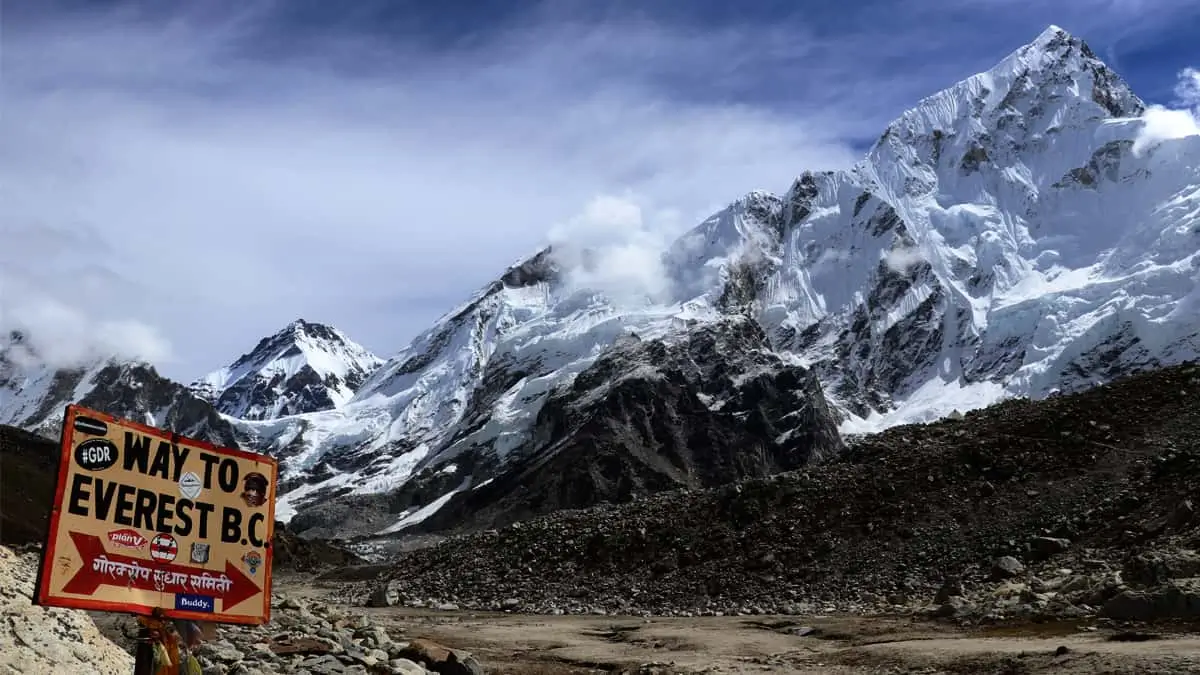
Weekend hikes are the closest simulation to trekking in Nepal. Try a 3–4 hour hike with a 5 kg (11 lbs) daypack using the same backpack you will take to EBC. Explore nearby countryside, hills, nature parks, or local trails. You don’t need mountains to train. This builds foot endurance, strengthens ankles, and improves hiking technique.
The goal is not speed, but comfort with distance. Spending hours outside builds confidence and teaches how your body reacts to terrain, temperature, and water needs. These weekly hikes allow your mind to enjoy nature and imagine the Himalayas.
3–4 hour hike with a 5 kg daypack. Use the same backpack you will take to EBC.
2. Stair Master or Hill Repeats
Stair training is one of the most effective exercises for Everest Base Camp altitude training. The EBC trail has countless stone steps, suspension bridge ramps, and steep ascents. So practicing walking uphill and downhill strengthens quads, calves, and stabilizer muscles.
A Stair Master workout or hill repeats for 30 minutes × 2 days/week builds knee strength, improves descending control, and teaches your body to move efficiently. Walk up at a steady pace, then walk down slowly, focusing on posture and balance. Controlled downhill training helps prevent knee fatigue. It is the most common challenge facing trekkers near Namche and Tengboche.
- 30 minutes × 2 days/week
- Walk up, walk down slowly; this builds knee strength.
3. Core Training: Importance & Role
A strong core is essential for carrying your daypack without back pain. Core training stabilizes your spine, improves posture, and maintains balance on uneven terrain, especially with trekking poles. On the Everest Base Camp trek, your backpack carries water, layers, snacks, and personal essentials, so your core supports weight distribution.
Exercises like planks and leg raises strengthen the abdomen, obliques, and lower back. A strong core reduces fatigue, helps prevent shoulder tightness, and improves breathing by keeping your chest open. This means more energy and confidence during long trekking days above Namche.
- Plank: 3 × 30 seconds
- Leg Raises: 3 × 10
Pro Tip:
Practice walking with trekking poles during your hikes. They protect your knees, improve balance on rocky trails, and reduce 30% of pressure during downhill sections, especially from Tengboche to Namche. Trekking poles also help with rhythm and breathing, teaching your body to hike smart, not hard. Many experienced trekkers credit poles for preventing injuries and saving energy over long days, a valuable tool every EBC trekker should trust.
Month 3: Simulation & Taper
Month 3 is all about simulating the Everest Base Camp experience. You’ve built strength and endurance — now you bring everything together with long hikes, full daypacks, and varied terrain. This month helps your body understand how it feels to walk for 6 hours a day. Also, manage food, hydration, and backpack weight, and stay motivated during long climbs.
At the end of the month, you will “taper” — reducing heavy training so your body rests and rebuilds before the actual trek. This ensures you arrive in Nepal fresh, injury-free, mentally sharp, and full of confidence.
- Goal: Simulate trekking conditions
- Schedule: 4–5 days/week
1. Long Simulation Hikes
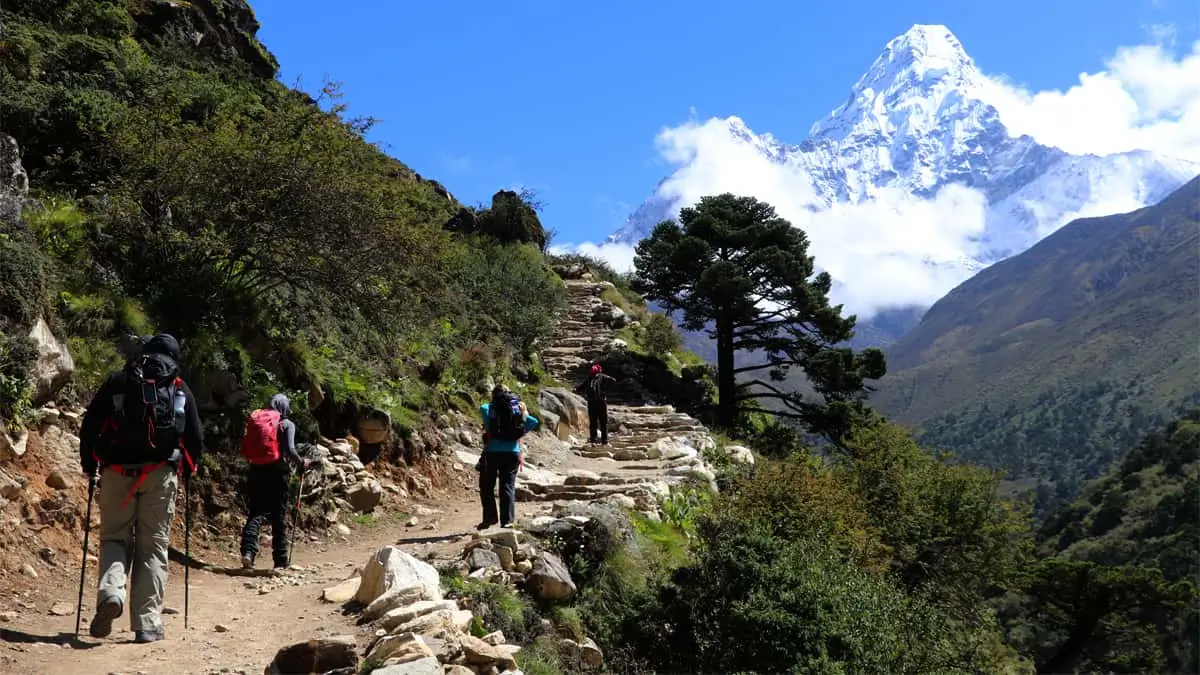
Do two 6-hour hikes with an 8–10 kg daypack, including water, warm layers, and snacks. Choose trails with uneven terrain, stone steps, rocks, and hills, which mimic the EBC route. These hikes prepare your feet, improve joint stability, and teach your body how to fuel properly during long days. You will learn your ideal pace, how much water you need, and how to manage tired moments — skills more valuable than gym training alone.
- Two 6-hour hikes
- Full daypack 8–10 kg
2. Interval Training:
VO2 Max Interval training boosts lung capacity and prepares your body to perform with less oxygen, similar to trekking above 4,500 meters. Try this simple format: 1 minute fast pace + 2 minutes slow pace, repeated for 20 minutes. This increases VO2 Max, trains your heart to recover quickly, and improves breathing rhythm. Don’t sprint — focus on controlled effort. This short training makes climbs to Namche, Dingboche, and Gorakshep feel easier, especially at altitude.
3. Taper Week (Last 5–7 Days)
The final week is all about rest and recovery. Stop heavy workouts and switch to gentle stretching, easy walks, and light yoga. Let your muscles rebuild energy stores. Avoid weights and long runs — they can cause fatigue before departure. Focus instead on hydration, sleep, nutrition, and a positive mindset. The goal is to arrive in Nepal fresh, not exhausted from training. Good tapering leads to better acclimatization and performance on the trail.
- Stop heavy workouts
- Gentle stretching
- Easy 20–30-minute walks
Pro Tip: Practice hydration: drink 2–3 liters during long hikes. At altitude, dehydration increases fatigue and AMS risk.
Additional Strength Exercises (Optional but Recommended)
If you enjoy the gym, add functional strength exercises once a week. Step-ups simulate Himalayan steps, deadlifts improve posterior chain strength for climbing, and mountain climbers build core endurance. Back extensions help maintain posture while carrying a backpack. These exercises support balance, stamina, and joint protection. You can do them in a gym or at home with simple equipment. The key is control, not heavy weights.
Recommended:
- Step-ups on a bench
- Deadlifts (light weight)
- Mountain climbers
- Back extensions
How to Prepare If You Live at Sea Level
Many trekkers worry that living at sea level makes Everest Base Camp harder. While training cannot recreate high-altitude oxygen levels, it prepares your body to use oxygen efficiently. Focus on progressive cardio, avoid overtraining, and build a strong breathing rhythm during hikes.
Stair training is especially helpful — it develops leg and lung strength without altitude. Use a weighted pack often to train your spine and core. Many successful trekkers from countries like Japan, Singapore, and Australia reach EBC every season without mountains nearby — it’s consistency, not geography.
Tips:
- Increase cardio gradually
- Avoid overtraining
- Practice breathing rhythm
- Use stairs often
- Train with a weighted pack
Weekly Schedule
A weekly training schedule helps build discipline and consistency, the two biggest factors in successful EBC fitness. This structure ensures you train all the right muscles without burning out. It balances strength, cardio, core, hiking, and rest, allowing your body to recover fully. Sticking to a plan builds confidence and reduces anxiety about fitness.
Even busy professionals can follow this schedule with small time adjustments. Remember: consistency is better than perfection — one missed session doesn’t stop your journey.
- Monday – Strength + 30 mins walk
- Tuesday – Hill/stairs
- Wednesday – Rest or yoga
- Thursday – Strength + 30 mins jog
- Friday – Core + walk
- Saturday – Long hike
- Sunday – Rest
Nutrition During Training
(Importance & Role)
Nutrition is a key part of your EBC training plan. You don’t need an extreme diet — you need balanced fuel for recovery and strength. Eating good carbohydrates gives energy for long hikes. Similarly, lean proteins repair muscles after workouts, and healthy fats support long-term endurance.
Hydration keeps muscles functioning and prevents cramps. Avoid extreme weight loss diets — they reduce strength and increase fatigue on the trek. Treat your food like your gear — it’s your engine for success.
Eat More:
- Carbs: rice, pasta, potatoes, oats
- Lean proteins: eggs, chicken, lentils
- Healthy fats: nuts, seeds, avocado
- Hydration: 2–3 liters water daily
Avoid:
- Crash diets
- Sugary drinks
- Overtraining without rest
Gear to Use During Training
Training with the right gear removes surprises on the trail. Use your own trekking boots during training — don’t wait until Nepal. Breaking them in prevents blisters and improves ankle confidence. Practice with your 20–30L daypack, water bottle, and trekking poles so every piece feels natural.
Wear breathable hiking clothes, not heavy gym wear. Training with the same gear builds comfort, muscle memory, and confidence. Thereby making the Everest Base Camp trek more enjoyable from day one.
- Trekking boots (broken-in)
- Daypack 20–30L
- Water bottle (2L)
- Trekking poles • Thin merino socks
- Breathable hiking clothes
Mental Training
EBC is 50% physical and 50% mental. Some days will feel long, cold, or steep. But staying calm and positive helps you move forward. Mental training is about believing in yourself, keeping a steady pace, and trusting your trekking team. One of our Japanese senior clients completed EBC successfully at the age of 68, not because he was the strongest, but because he had an unbreakable mindset.
He walked slowly, enjoyed each moment, listened to his body, and trusted the process. When the trail became difficult, he smiled and said, “One step more.” Mental strength turns hard moments into inspiring memories.
How to Train Mentally?
Mental strength is just as important as physical fitness for the Everest Base Camp. Train with a friend to stay motivated and make long walks more enjoyable. Listen to trekking podcasts or EBC stories to understand the journey, challenges, and emotions of reaching Base Camp.
Visualize yourself standing at Base Camp with colorful prayer flags around you, feeling proud and strong. Practice patience, positive thinking, and acceptance of a slow pace. A calm mind helps you adapt to altitude, stay focused, and enjoy every step.
Practice slow walking — steady pace wins at altitude. Mental training gives confidence, reduces anxiety, and helps you appreciate the beauty of the Himalayas rather than focusing on the struggle.
What If You Only Have 1–2 Months?
Even if you only have 4–8 weeks, you can be well prepared with smart training. Focus on long hikes, stairs, and strength exercises rather than trying to “run for fitness.” Two months is enough to build hiking rhythm, joint strength, and backpack comfort. Your body adapts quickly with consistent weekend hikes, especially back-to-back hikes on Saturday and Sunday.
Don’t stress about perfect fitness — EBC is not a race, it’s a steady journey. With the right guide team and mindset, many trekkers have successfully reached Base Camp with just one month of training.
Long Hikes
Do one long hike every week, gradually building from 2 hours to 5 hours. Try to find mixed terrain, including hills and steps. Practice hydration and food breaks, just like on the trek. A long hike teaches your body to stay moving even when tired, and builds confidence that you can handle daily trekking distances at EBC.
Stair Training
Stairs are the best tool if you live in a city. 30–40 minutes of stairs builds thigh power, knee resistance, and lung endurance faster than any treadmill. Practice slow uphill and controlled downhill, holding a backpack to simulate weight.
Squats & Lunges
Do squats and lunges 2–3 times per week to strengthen quads, glutes, and stabilizer muscles. These exercises support your knees on long descents from Base Camp and increase step efficiency on climbs.
Back-to-Back Weekend Hikes
Two hikes in one weekend simulate multi-day trekking, helping your body learn to walk while tired. Even short hikes on Saturday and Sunday prepare your legs and mental resilience for real Himalayan trekking.
Common Training Mistakes
Many beginners try to train like athletes and end up injured or exhausted. Everest Base Camp is a high-altitude trek, not a marathon, so walking power is more important than running speed. Avoid training only on flat surfaces — stairs and hills prepare your joints better.
Wearing new boots on the trek is the biggest mistake — start early. Don’t ignore rest days, your body needs recovery to grow stronger. Carrying an overweight backpack increases fatigue and knee stress. Finally, many forget to practice downhill technique, which is harder than climbing for most trekkers.
Trying to run instead of walking: Running builds speed, not hiking strength. Slow, long walking creates endurance.
- Ignoring mobility: Ankles and knees need flexibility to prevent injuries on rocky trails. • New boots: Unbroken boots cause blisters; wear them early.
- No rest days: Overtraining decreases performance.
- Heavy backpack: Carry a reasonable weight.
- Not practicing downhill: Downhill is harder on knees — practice it.
Altitude & Acclimatization On the EBC Trek
Altitude gain on the EBC trail is gradual but significant, moving from 2,800m in Lukla to 5,364m at Base Camp. Acclimatization helps your body adjust to reduced oxygen levels and prevents Acute Mountain Sickness (AMS). Training doesn’t prevent altitude sickness, but good fitness reduces fatigue, helping your body cope better.
Acclimatization happens through slow climbing, rest days, and hydration. Above Namche, the key rule is: walk slowly, drink 3–4 liters/day, avoid alcohol, and consider Diamox if prescribed. Never skip acclimatization days — they are not for rest, but for adaptation and safety. Enjoy each step — the Himalayas reward patience.
- Walk slowly: Slow pace allows your lungs to adapt and reduces AMS risk.
- Drink 3–4 liters/day: Water thins blood and improves oxygen transport.
- No alcohol above Namche: Alcohol dehydrates and worsens altitude symptoms.
- Diamox: Can support acclimatization if recommended by a doctor.
- Don’t skip rest days: These days allow red blood cell production to increase.
Breeze Adventure’s Altitude Safety Care & Preparation
At Breeze Adventure, your safety at high altitude is our top priority. Every Everest Base Camp and Himalayan trek is led by highly experienced local guides trained in altitude management. We carry an oxygen tank that can support one person for up to 20+ hours, along with a full first-aid kit including Diamox.
Every evening, we monitor your oxygen level, heart rate, blood pressure, and temperature to ensure your health. We stay in constant communication with our support team and cooperate closely during the trek. Breeze Adventure stands as a safe, reliable, and affordable trekking company in Nepal.
Recommended Trekking Pace
On the EBC trek, locals say “Bistarai, bistarai” — Slowly, slowly. A slow, steady pace is the secret to success at altitude. Walking slowly reduces breathlessness, heart strain, and fatigue, allowing your body to adapt naturally. It also helps you enjoy scenery, interact with locals, and reach Base Camp safely.
Fast walking signals over-exertion, which leads to headaches and AMS symptoms. The mountains reward patience — step by step is the Himalayan rhythm.
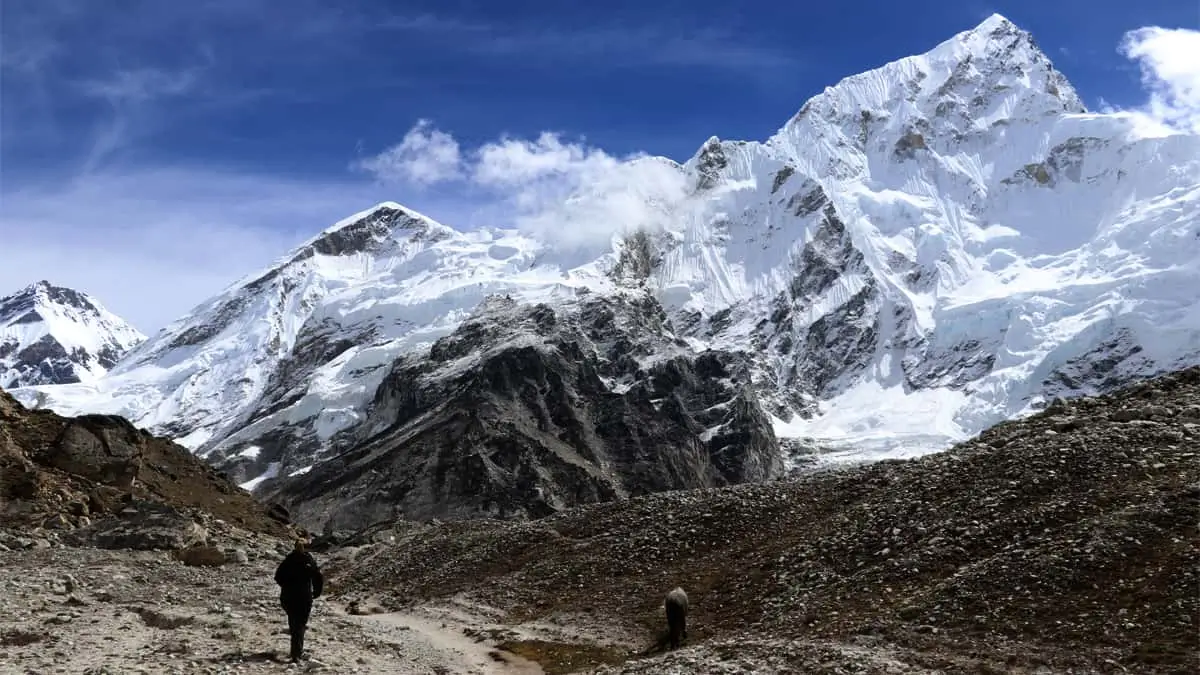
Who Can Reach Everest Base Camp?
With the right preparation, almost anyone can reach Everest Base Camp — including beginners, families, and senior trekkers. Age is not a barrier; fitness, mindset, and proper guidance make the journey possible.
Even differently-abled trekkers can experience the magic of the Himalayas. And Breeze Adventure proudly assists with special trekking support, customized itineraries, and dedicated care. It is our honor to help trekkers from all backgrounds feel the purity of the Himalayas and stand at EBC with dignity and joy. The mountains don’t judge strength — they celebrate courage.
With the right preparation, anyone with:
Basic Fitness
Basic fitness means the ability to walk comfortably for 4–6 hours with short breaks. You don’t need gym strength — you need walking stamina. With training, your body learns to manage long days, uneven terrain, and altitude fatigue.
Positive Mindset
A positive mindset is more powerful than muscles. When the trail feels tough, your mental strength says: “One more step.” This attitude creates an enjoyable experience and helps you stay motivated and calm.
Good Trekking Team
A good trekking team provides guidance, safety, and support, ensuring proper acclimatization, pace, and encouragement. Breeze Adventure guides are experienced in altitude management and emotional support during challenging moments.
12 Days’ Time
A standard EBC itinerary takes 12–14 days with rest days for acclimatization. This timeframe allows your body to adapt safely, giving you the best chance to reach Base Camp without stress.
Conclusion
You don’t need to be an athlete to trek to Everest Base Camp. You need well-trained legs, controlled breathing, consistent walking practice, and good trekking habits. Follow this simple 3- month training plan, listen to your body, use the right gear, and step into the Himalayas with confidence. And remember:
EBC is not about speed — it’s about steady progress, one step at a time. Breeze Adventure is always here for your safe and successful trek to EBC and in the Himalaya.
FAQ 1: How fit do I need to be for Everest Base Camp?
You don’t need to be an athlete or marathon runner. If you can walk 6–7 hours a day at a steady pace, with some uphill sections and a light backpack, you are fit enough. With 2–3 months of proper training, most beginners with normal health can complete the EBC trek safely.
FAQ 2: Is 3 months enough to train for Everest Base Camp?
Yes. 12 weeks is an ideal timeframe. It allows you to build a base, increase endurance, practice long hikes, and simulate trek conditions without rushing. Even 6–8 weeks of consistent training can make a big difference, especially if you focus on walking, stair climbing, and leg strength.
FAQ 3: Can I train for EBC if I live at sea level?
Absolutely. Many of our guests come from sea-level cities around the world. Focus on cardio, stairs, strength, and long hikes. You cannot copy the altitude, but you can prepare your body to use oxygen efficiently and learn good pacing habits.
FAQ 4: How many hours will I walk each day on the EBC trek?
Most days involve 5–7 hours of walking with breaks for tea, lunch, and photos. Some days are shorter, especially acclimatization days. A few days, like the Gorakshep–EBC–Gorakshep or Kalapatthar sunrise, can feel longer due to altitude, but your guide will manage the pace.
FAQ 5: What is the best training exercise for EBC if I’m busy?
If you are short on time, prioritize stairs and weekend hikes. Stairs build leg and lung strength quickly, and weekend hikes with a backpack train your body and mind for long days. Add squats and lunges twice a week for extra knee protection.
FAQ 6: Do I need a gym membership to train for Everest Base Camp?
No. A gym can help, but it’s not required. You can train with walking, home strength exercises, stairs in your building, and nearby trails. The most important part is regular practice, not fancy equipment.
FAQ 7: What if I’m over 50 or a senior traveler?
Age alone is not a problem. We regularly guide senior trekkers, including those in their 60s and 70s, to Everest Base Camp. With a slower itinerary, proper acclimatization, and correct training, you can do it safely. Our Everest Base Camp Trek for Senior Citizens is specially designed for this. Breeze Adventure Pvt. Ltd.
FAQ 8: Can differently abled or less mobile trekkers experience Everest Base Camp?
Yes, with proper planning. Breeze Adventure can help design custom support, such as extra porters, flexible pacing, or modified routes. While some mobility challenges may limit certain sections, many differently abled trekkers can still experience the Everest region, viewpoints, and helicopter options, and feel the magic of the Himalayas in a way that suits their abilities.