Accommodation and Food on Luxury EBC trek
In this Everest Base camp luxury lodge trek, the day you arrive in Kathmandu, a representative from Breeze Adventure will take you to the 5-star category hotel in Kathmandu in a private vehicle.
On this 11-day trek you will spend 2 nights in a 5-star hotel, and the remaining nights will be at luxury mountain lodges on the trail.
Every lodge on this route has been personally inspected and formally agreed to meet our Breeze alliance standard covering availability of private bathroom, hot water reliability above 3,500m, dining room heating, electric blanket, wi-fi signal, power access, menu quality, hygiene standard, porter treatment conditions, and emergency evacuation protocol knowledge.
You will get a room with a private bathroom up to Lobuche, and also get an electric blanket for warmth.
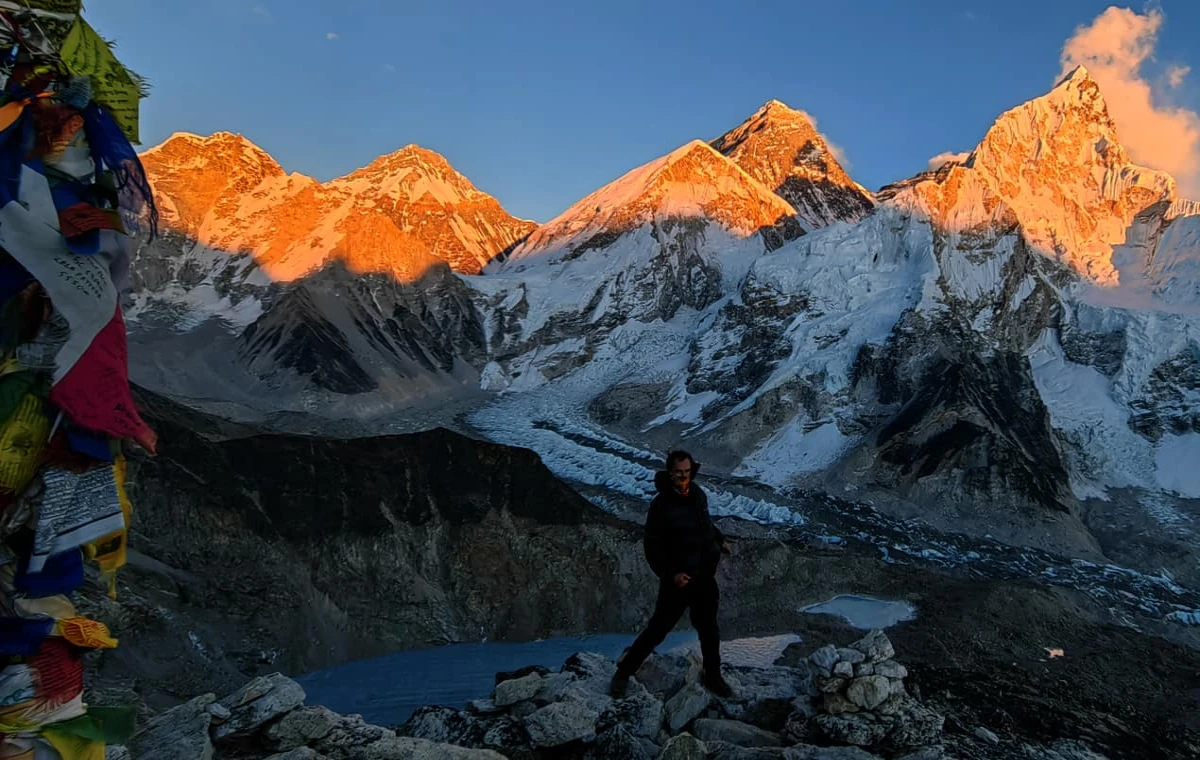
And in Gorak Shep, the highest overnight of the trek, private bathrooms are not available because it is a settlement near a frozen glacial lake. Due to the cold, the plumbing system would freeze. But Breeze delivers what is genuinely possible, like the best insulated room in the property, and the earliest possible dinner so trekkers can sleep by 8 pm for the 4:30 am Kala Patthar start.
With Breeze Adventure, we design every step around your comfort. Throughout the trek, enjoy a fully guided experience led by a highly professional mountain guide and a dedicated porter team who manage your luggage.
Your culinary journey is equally refined, featuring a diverse menu of exceptional breakfast, lunch, and dinner options, complemented by fresh seasonal fruits and premium tea or coffee. Every logistical detail, from the dining to elite lodge accommodations, is arranged prior to your arrival, allowing you to immerse yourself fully in the majestic Himalayas without a single worry.
Why the oxygen tank matters above 5,000 meters
At Everest Base Camp and Kala Patthar, the available oxygen in each breath is roughly 50% of what it is at sea level. This is not a statistic that remains abstract at altitude; trekkers feel it in every step, every breath, and every night’s sleep. For the vast majority of properly acclimatized trekkers on a well-paced itinerary, this physiological reality is manageable and never becomes dangerous. But altitude physiology is not fully predictable, and even fit, experienced trekkers can develop High Altitude Cerebral Edema (HACE) or High-Altitude Pulmonary Edema (HAPE) without clear warning signs.
The oxygen cylinder does not replace descent. Descent remains the definitive treatment for severe altitude illness. But it provides your guide with the single most powerful tool available in the window between recognizing an emergency and reaching a lower altitude. It is the difference between a controlled, safe evacuation and a critical situation.
Understanding altitude
Every meter of altitude gain reduces the partial pressure of oxygen in the air you breathe. At Namche Bazaar (3,440 meters), on your third night, your blood oxygen saturation will typically read between 88% and 93% at rest, compared to 97-99% at sea level. At Everest Base Camp, 5,364 m, that figure often drops to 80-85% even in well-acclimatized trekkers. Understanding these numbers is the most important preparation you can make before arriving in Nepal.
Acute Mountain Sickness (AMS) is the most common, and its symptoms include headache, fatigue, nausea, and poor sleep. This affects experienced mountaineers and first-time trekkers equally. On the Breeze protocol, any trekker with a Lake Louise score of 3 or above rests for a full day before ascending further. AMS resolves with time at the same altitude. It rarely requires descent if caught early.
High-Altitude Cerebral Edema (HACE) is a severe progression of AMS involving fluid around the brain. Symptoms include confusion and loss of coordination. HACE is a medical emergency: the Gamow bag is deployed immediately, oxygen is administered, and helicopter evacuation is initiated.
High-Altitude Pulmonary Edema (HAPE), fluid in the lungs, is the leading cause of altitude-related death in trekkers and can develop without prior AMS. Breeze guides monitor respiratory rate alongside SpO2 at every altitude checkpoint, specifically because HAPE can appear without the headache warning of AMS.
Why 11 days is the right length (with Breeze acclimatization protocol)
The 11-day itinerary is carefully designed around proper acclimatization rather than simply reaching Everest Base Camp as quickly as possible. Two dedicated acclimatization days in Namche Bazaar and Dingboche follow the proven “climb high, sleep low” principle, helping your body adapt safely to increasing altitude.
This schedule provides enough time to reduce the risk of altitude sickness while avoiding unnecessary extra days on the trail. Combined with daily health monitoring, oxygen tank support, and a helicopter return from Gorak Shep, it offers the ideal balance of safety, comfort, and efficiency.
Nutrition Strategy at High Altitude
Proper nutrition is one of the most overlooked factors in a successful Everest Base Camp Trek. Above 4,000 meters, your body works significantly harder to adapt to lower oxygen levels, increasing calorie consumption while often reducing appetite. Many trekkers notice they feel less hungry even as their bodies require more energy each day.
To support acclimatization and maintain energy levels, the Breeze Adventure nutrition protocol emphasizes carbohydrate-rich meals at higher elevations. Foods such as dal bhat, Sherpa stew, tsampa porridge, potatoes, rice, noodles, and locally grown vegetables provide easily digestible energy that helps fuel long trekking days and supports the body’s adaptation to altitude.
Hydration is equally important. Trekkers are encouraged to drink at least four liters of water daily above 3,500 meters, with electrolyte supplements to help replace minerals lost through increased breathing and physical exertion. Proper hydration can also help reduce the severity of common altitude-related symptoms such as headaches and fatigue.
Alcohol consumption is discouraged above Namche Bazaar and strongly discouraged on Breeze Adventure itineraries above Tengboche. Alcohol can worsen dehydration, disrupt sleep quality, and negatively affect acclimatization, increasing the risk of altitude-related illness.
Combined with careful acclimatization, daily health monitoring, and proper hydration, this nutrition strategy helps trekkers maintain strength, recover effectively, and maximize their chances of reaching Everest Base Camp and Kala Patthar safely and comfortably.
Travel insurance for the luxury Everest base camp trekking
At Breeze Adventure, your safety is our highest priority. To ensure peace of mind during your expedition, comprehensive travel insurance is a mandatory requirement for all clients. We strictly advise securing a policy that includes high-altitude premium medical coverage and emergency helicopter evacuation, ensuring immediate access to care in the rare event of altitude illness or injury. Prior to your departure, we recommend a meticulous review of your policy to confirm it fully covers the specific high-altitude activities of your itinerary. For seamless coordination, please carry proof of coverage with you during the trek and leave a duplicate copy with your next of kin.
Best Time for Luxury EBC Trek
The luxury Everest Base Camp trek can be completed throughout much of the year, but the best trekking conditions occur during the spring (March to May) and autumn (September to November) seasons. These months offer the clearest mountain views, stable weather, comfortable daytime temperatures, and the highest likelihood of successful flights and helicopter operations.
Spring season (March-May)
Spring is one of the most popular times to trek to Everest Base Camp. Temperatures are generally mild, rhododendron forests bloom along the lower trails, and visibility is excellent. The Everest region is especially vibrant during April and May, when many mountaineering expeditions begin their Everest summit attempts.
Daytime temperatures typically range from 10°C to 20°C at lower elevations, while higher-altitude areas such as Lobuche and Gorak Shep experience colder mornings and evenings.
Autumn Season (September-November)
Autumn is widely considered the best overall season for the Luxury Everest Base Camp Trek. Following the summer monsoon, the air is exceptionally clear, creating spectacular panoramic views of Everest, Lhotse, Ama Dablam, and the surrounding Himalayan peaks.
The trails are dry, weather conditions are generally stable, and daytime trekking temperatures remain comfortable. October and early November are particularly popular due to their reliable visibility and pleasant trekking conditions.
Winter and Monsoon Considerations
Winter (December–February) offers quieter trails and stunning mountain views but brings significantly colder temperatures, especially above 4,000 meters. Monsoon season (June–August) can result in rain, cloud cover, and flight disruptions, making it a less favorable time for most trekkers.
For the best combination of comfort, scenery, and trekking conditions, we recommend planning your Luxury Everest Base Camp Trek during spring or autumn, when the Himalayas are at their most spectacular, and the luxury lodge experience can be enjoyed to its fullest.
Luxury Everest Base Camp Trek Walking Distance Details
Your route is intentionally engineered to deliver the ultimate balance of active adventure and seamless relaxation. Instead of retracing your steps back down the mountain, your footprints end where the ultimate luxury begins: an exclusive helicopter charter flies you directly from the heights of Kala Patthar back to your 5-star sanctuary in Kathmandu. This intelligent design condenses your active foot travel to a crisp 76 kilometers, ensuring you experience every iconic milestone while bypassing the fatigue of the return descent.
The complete breakdown of your private flight paths and trekking legs is detailed below:
Luxury EBC Trekking distance breakdown| Route Segment | Travel Mode | Distance approx. |
| Kathmandu to Lukla | Scenic helicopter flight | 138 km (86 mi) |
| Lukla to Phakding | Trek | 8 km (5 mi) |
| Phakding to Namche Bazaar | Trek | 11 km (6.8 mi) |
| Namche Bazaar Acclimatization | Hike | 5 km (3.1 mi) |
| Namche Bazaar to Tengboche | Trek | 10 km (6.2 mi) |
| Tengboche to Dingboche | Trek | 11 km (6.8 mi) |
| Dingboche Acclimatization | Trek | 5 km (3.1 mi) |
| Dingboche to Lobuche | Trek | 8 km (5 mi) |
| Lobuche to EBC and Gorak Shep | Trek | 12 km (7.5 mi) |
| Gorak Shep to Kala Patthar | Sunrise ascent | 3 km (1.9 mi) |
| Kala Patthar to Gorak Shep | Descend to helicopter flight | 3 km (1.9 mi) |
| Gorak Shep to Kathmandu | Luxury Helicopter charter | 160 km (99 mi) |
| Total Active Trekking | Foot Travel | 76 km (46 mi) |
| Total Aviation transit | Air travel | 298 km (185 mi) |
| Total Expedition Distance | Combined journey | 372 km (229 mi) |
Luxury EBC Trek Cost
True luxury relies on clear transparency. Our packages ensure your journey is fully all-inclusive, with zero hidden surcharges or surprise operational fees. Every package includes our non-negotiable medical safety standard.
The cost of our Luxury Everest Base Camp trek is:
Luxury Everest Base Camp trek cost| Package tier | Cost (per person) | Group Size | Oxygen Cover | Key highlights |
| Solo Luxury | USD 5,200 | 1 trekker | 1 oxygen tank | 1:1 private guide and prvate lodge room guaranteed. |
| Duo/Trio Luxury | USD 4,400 | 2-3 trekkers | 1 oxygen tank | 1:2 guide ratio and guaranteed private dual suites. |
| Small Group Luxury | USD 3,800 | 4-5 trekkers | 1 shared oxygen tank | NATHM-certified Sherpa guide for five trekkers and handpicked private rooms. |
| Larger Group Luxury | USD 3,500 | 6-10 trekkers | 2 shared oxygen tanks | 1:5 NATHM-certified guide ratio |
| Larger than 10 Group | USD 3,200 | 11-20 trekkres | Shared oxygen tanks | Certified guides |
All package tiers include Kathmandu to Lukla helicoper flight, Gorak Shep to Kathmandu return helicopter flight, Sagarmatha National Park and Khumbu Pasang Lhamu Rural Municipality permits, a NATHM-certified guide team, all Breeze alliance lode accommodation (private rooms), all meals Day 1 dinner through Day 10 dinner (excluding kathmandu lunches and dinners), airport transfers, 2 nights in Kathmandu 5-star hotel (1 night pre-trek, 1 night post-trek), an emergency oxygen tank, full medical kit, satellite communicator, SpO2 altitude passport, and travel insurance coordination assistance.