5 Days Annapurna Circuit Trek

Tripadvisor160 reviews
google132 reviews
youtube99 reviews
trustpilot36 reviews
Annapurna Circuit Trek Nepal

The length of the Annapurna circuit trek depends on factors like where you start and finish your journey. In this article, we suggest a 5-day Annapurna circuit trek package. This trek allows you to explore stunning scenery, diverse landscapes, and rich cultural experiences. Furthermore, subtropical forests, terraced fields, alpine meadows, and high desert plateaus excite you. 

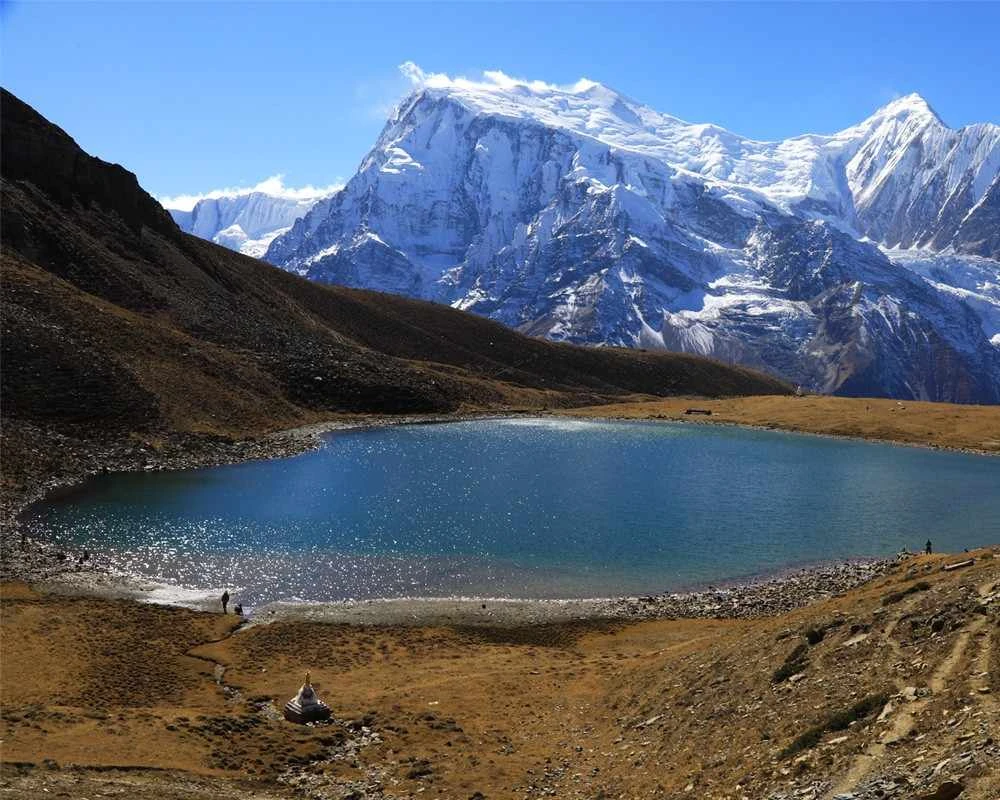
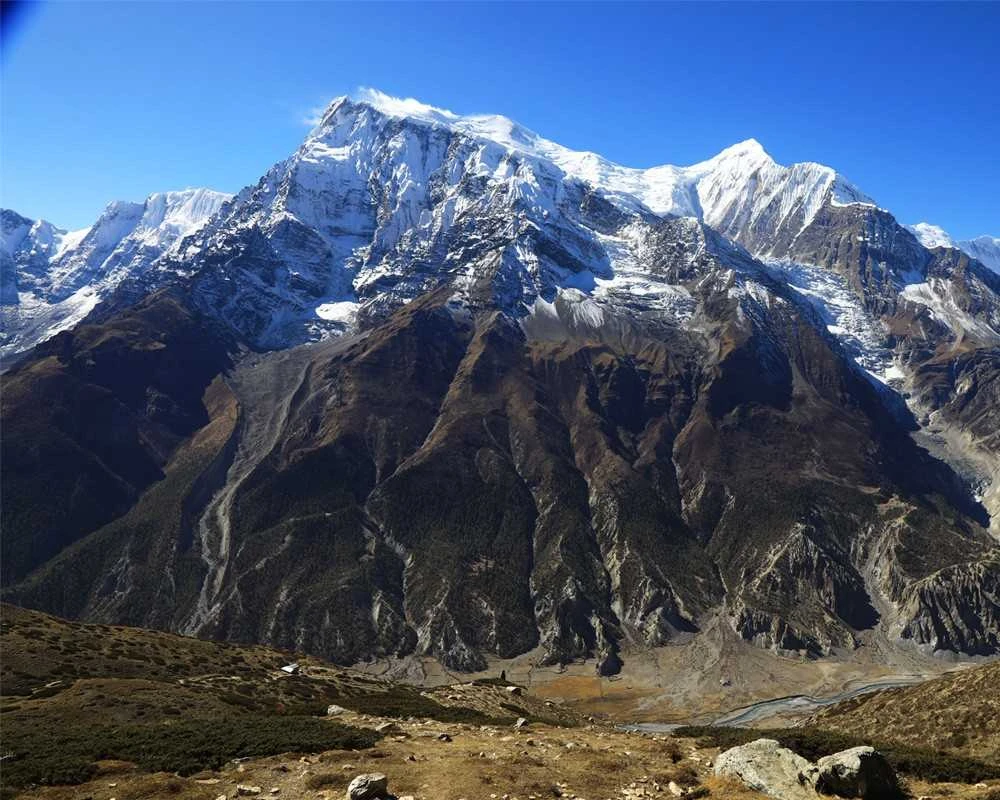
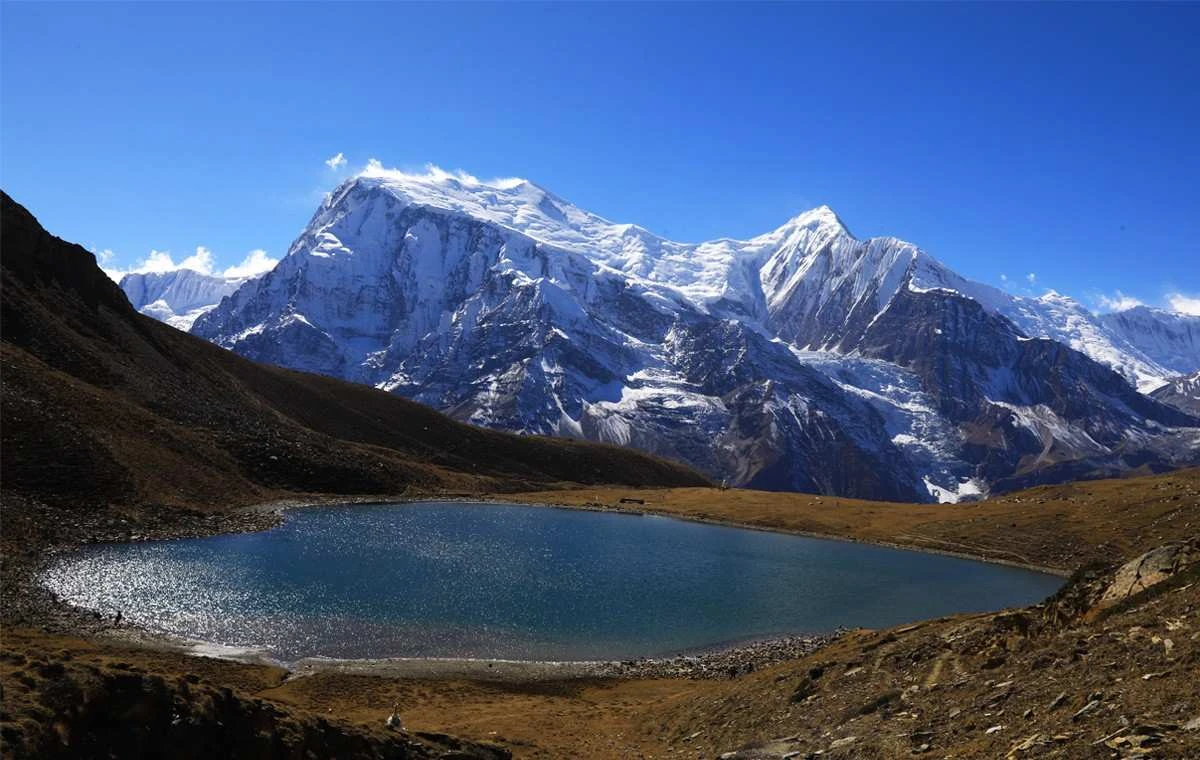
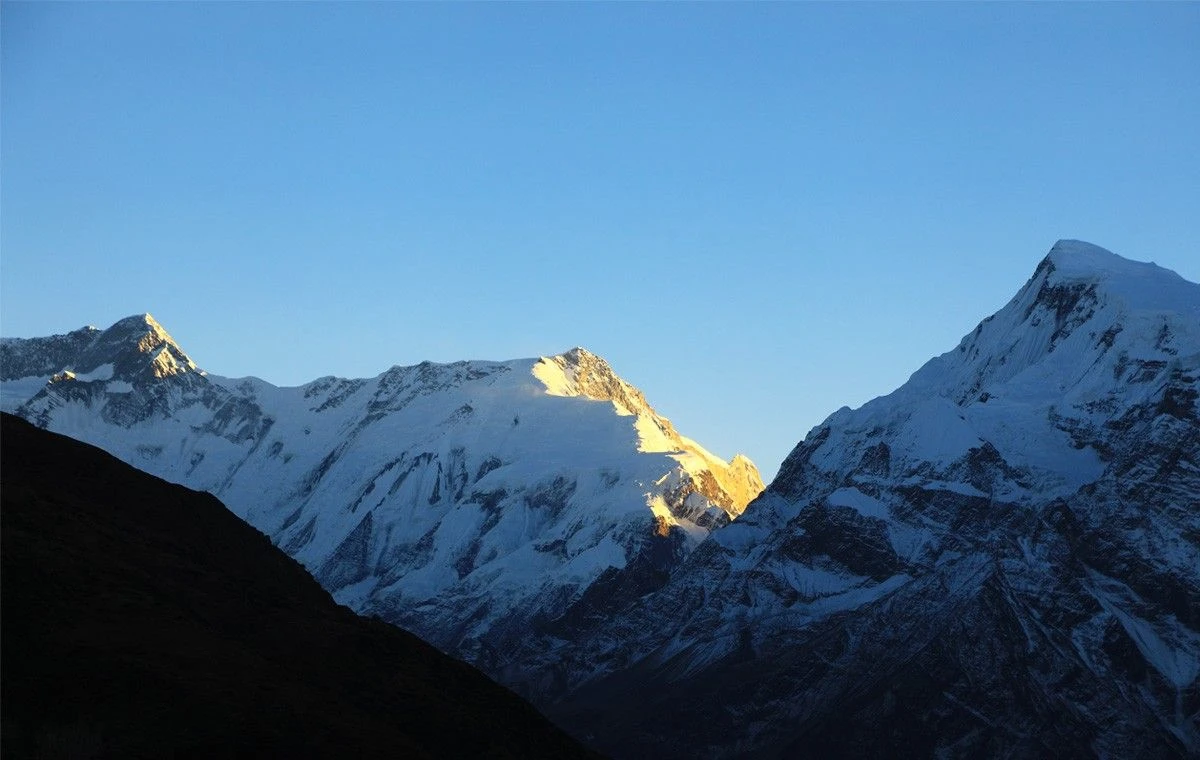
In this Annapurna Circuit Trek 5 Days Package, trekkers get a chance to observe mesmerizing views of some of the world's famous peaks that include Annapurna, Dhaulagiri, Machapuchare, and Manaslu. The trek passes through several typical Nepalese villages inhabited by multiple ethnic groups like Gurungs, Thakalis, and Manangis. This provides trekkers with more opportunities to experience the local culture as well as hospitality.

Not just that, various cultural monasteries, chortens, and prayer wheels along the route reflect rich Buddhist heritage sites. Apart from this, the trekker gets a chance to see the lower Mustang regions, which showcase a different landscape with arid, desert-like terrain. Kagbeni offers a glimpse into the ancient culture, and Jomsom is famous for its apple orchards on this Shortest Annapurna Circuit Trek

At a Glance
  • Max Altitude 5416 m
  • Start City Kathmandu
  • End City Pokhara
  • Best Season Spring and Autumn
Trip Highlights
  • Crossing Thorong La Pass (5,416 m), one of the highest trekking passes in the world
  • Visiting Muktinath Temple, a sacred Hindu and Buddhist pilgrimage site
  • Close-up views of Annapurna I (8,091 m) and Dhaulagiri (8,167 m)
  • Exploring the traditional high-altitude village of the Manang district
  • Walking the Marsyangdi River trail through forest and terraced fields
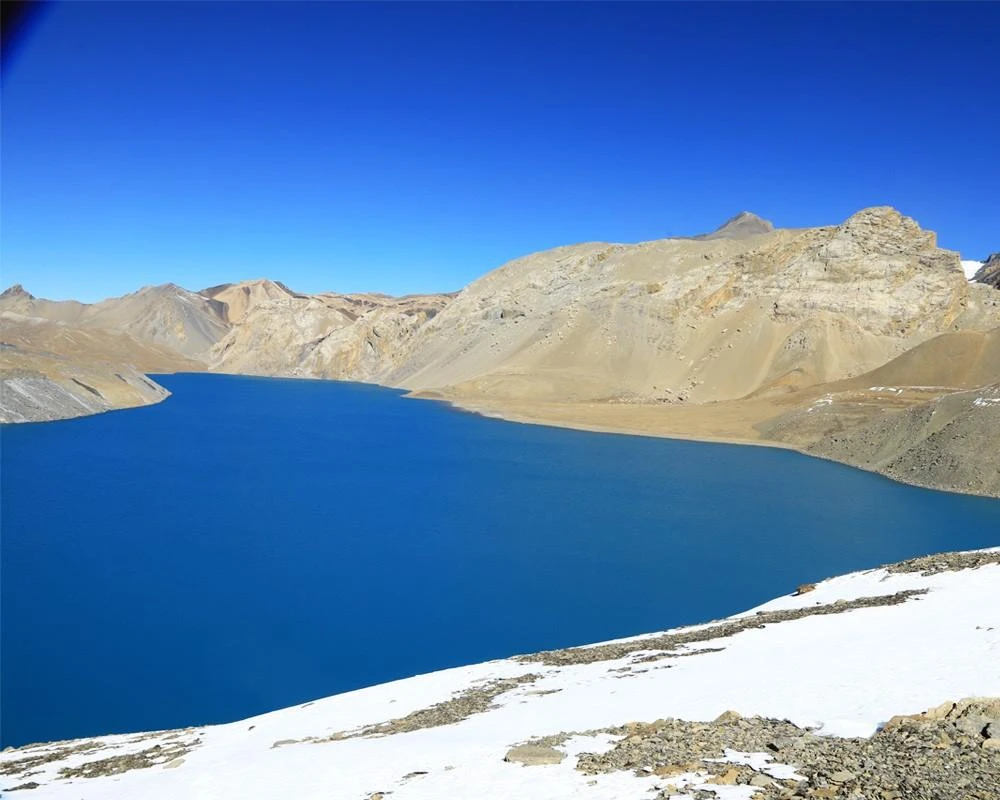
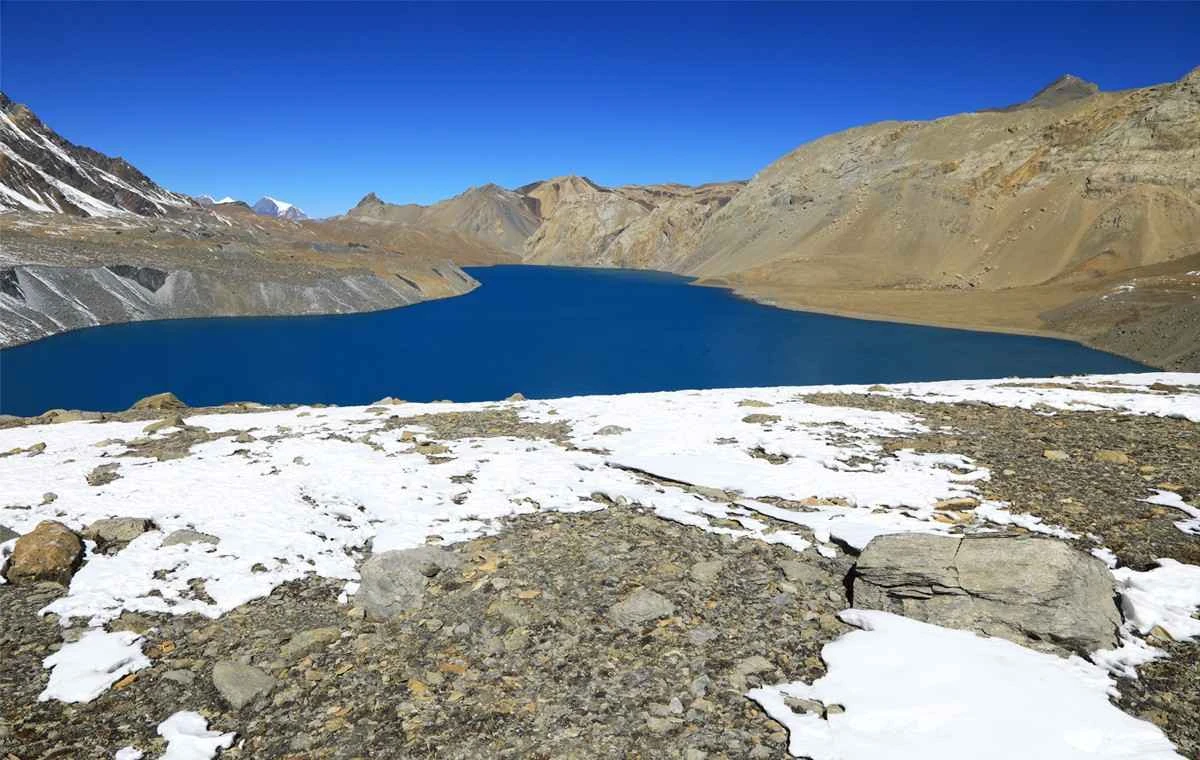
  • Optional detour to Tilicho Lake, one of the highest lakes on earth
  • Experiencing authentic Gurung, Manangi, and Thakali culture
  • Passing through four distinct ecological zones in just five days- subtropical, temperate, subalpine, and trans himalayan zone.

What to expect in the Annapurna Circuit 5 days Trek?

This short trek in the Annapurna Region is not just about high altitude and adventure, but you will experience here some of the most unique cultures and transformations. After you complete the trek, you will evolve as a new person with deeper life meaning. Here are the major things you can expect in this journey:

1. Local Himalayan culture

The unique Himalayan culture in the circuit is something you won’t see anywhere else. The modest lifestyle, even in a snowy world, and their hospitality will compel you to visit the place again and again. The local lifestyle, stone homes, and satisfied lives are driven by the Himalayan culture. 

2. Altitude hitting hardest on Day 4

On the 4th day of this trek, the pass crossing starts before dawn from 4,450 m and climbs to 5,416 m. The thin air, cold wind, and slow steps will literally be part of the deal. So, move steadily, drink water, and don't rush it.

3. Nights getting seriously cold

You can expect extremely cold nights as the altitude increases. Above 3,000 m, temperatures drop to -5°C or lower even in October. So, it is better to bring a sleeping bag rated to at least -10°C and proper thermal layers.

4. Tea houses basic but warm

In the trek, you can expect basic tea houses with few facilities. There may be twin beds, shared bathrooms, and limited hot water, that's the standard. The real comfort comes from the dining room stove, a bowl of soup, and good company.

5. Busy trail in peak season

October and November bring heavy foot traffic, especially near the pass. If you prefer quieter trails, March to early April is worth considering. 

5. Dal bhat becomes your daily fuel

You can expect locally grown dal bhat, delicious and fresh, often served warm. There, you get rice, lentil soup, and vegetable curry, refillable and genuinely satisfying. Menus shrink as you go higher, so eat well at every stop.

6. Signal fades above Manang

As you move higher, the signal and network may not support. NTC and Ncell both work in the lower sections, but they drop off significantly near the pass. WiFi exists at most tea houses for a small fee. Most trekkers stop minding by Day 2.

7. Personality Development

Within 5 days, you will see a gradual change in your personality. You will learn a lot about modesty, gratitude, cooperation, and an evolved personality. The journey will definitely teach you about teamwork and socialism. 

8. Mental Peace and Healing

This 5 day trek is enough to heal your brain sores and restless life. The cold wind, growing altitude, and Himalayan village life are something you need for a refreshing mindset. This short trek is not just for natural beauty and adventure, it is a great, quick getaway from your hectic work life. 

Best time to visit

The best time for the Short Annapurna Circuit Trek Nepal is during the spring. However, autumn also offers a beautiful view if the weather is stable. Primarily, the accommodation consists of local teahouses, which offer simple but comfortable lodging with average meals.

With supportive weather, you will get ample opportunities to take pictures and videos. Also, there will be less chance of mishaps in such good weather. You will literally feel every moment of the journey. 

For experienced trekkers, even winter can be an option to pick. But peak monsoon weather is less recommended, citing mishaps and potential risks. 

Annapurna Circuit 5 days Trek Difficulty Level

This 5-day trek is rated moderate to challenging in terms of trek difficulty. It's not a technical climb, you don't need ropes or special mountaineering skills. However, the altitude and daily walking hours will push you.

Most days of this trek involve 5–7 hours of hiking on uneven terrain. Day 4 is the hardest by far. The pass crossing gains over 900 metres in a single morning, starting in the dark and finishing above 5,400 m.

If you can walk 10–12 km a day without much trouble and have some basic fitness, you can do this trek. Prior high-altitude experience helps but isn't required. Just don't underestimate the terrain and its difficulty.

For this 5 Days Annapurna Circuit Thorang La Pass Trek, it is important to have the necessary permits, including the Annapurna Conservation Area Permit (ACAP) and the Trekkers Information Management System (TIMS) card.

Why Choose Breeze Adventure for Your 5-Day Annapurna Circuit Trek?

Planning a trek in the Himalayas is a big decision, and who you trek with matters just as much as where you go. At Breeze Adventure, we have spent over a decade helping trekkers explore the mountains safely and meaningfully. Here is what makes us the right choice for your 5-day Annapurna Circuit adventure:

Expert Local Guides Who Know the Mountains

Our guides are not just trail leaders, they are locals who have grown up around these mountains. They know every turn of the route, understand the local culture deeply, and are trained to handle safety situations on the trail. With them by your side, you can focus on the experience while they take care of the rest.

A Well-Planned Itinerary, Day by Day

Nothing is left to chance. Each day of your trek is thoughtfully put together to balance rest, adventure, and the best possible views of the Annapurna range. Likewise, you get the full mountain experience without feeling rushed or overwhelmed.

Full Logistical Support, Start to Finish

From the moment you arrive to the day you leave, we handle everything, accommodation, meals, and transportation. You do not need to worry about bookings, arrangements, or last-minute surprises. Just pack your bag and show up ready to trek.

An Authentic Himalayan Experience

This is not a tourist package, it is a real cultural journey. You will stay in warm, cozy tea houses, walk through traditional villages, and connect with the everyday life of people who call the Himalayas home. We give you the kind of experience you simply cannot get from a book or a screen.

Flexible Service for Every Kind of Trekker

Whether you are a first-time trekker, an experienced hiker, or traveling as part of a group, we adjust to your pace and needs. We believe trekking should feel personal, not one-size-fits-all, and we work hard to make sure every trekker feels comfortable and supported.

A Trek You Will Never Forget

At the end of the day, our goal is simple, to give you a journey worth remembering. The 5-day Annapurna Circuit trek with Breeze Adventure is designed to leave you with more than just great photos. It will give you a sense of achievement, a deeper connection with nature, and memories that stay with you long after you return home.

We customize the package as per your needs. 
Itinerary

Expand allCollapse all

This Shortest Annapurna Circuit Trek begins from Kathmandu and heads west on the Prithvi Highway. Malekhu is the first significant town where we offer breakfast and lunch. Continuing on Prithvi Highway, we cross Muglin and Dumre. And from Dumre, we take a turn towards Besisahar, which is the gateway to the 5 Days ACT.

From Besishahar, we hire another jeep, which takes us to Pisang. The trail from Besisahar to Pisang involves passing through picturesque landscapes, terrace farms, and gradually gaining altitude on ACT in 5 days. 

  • Max Altitude: 3200 m
  • Accommodation: Tea House
  • Time: 7-9 hours
  • Meals: Breakfast, Lunch, Dinner

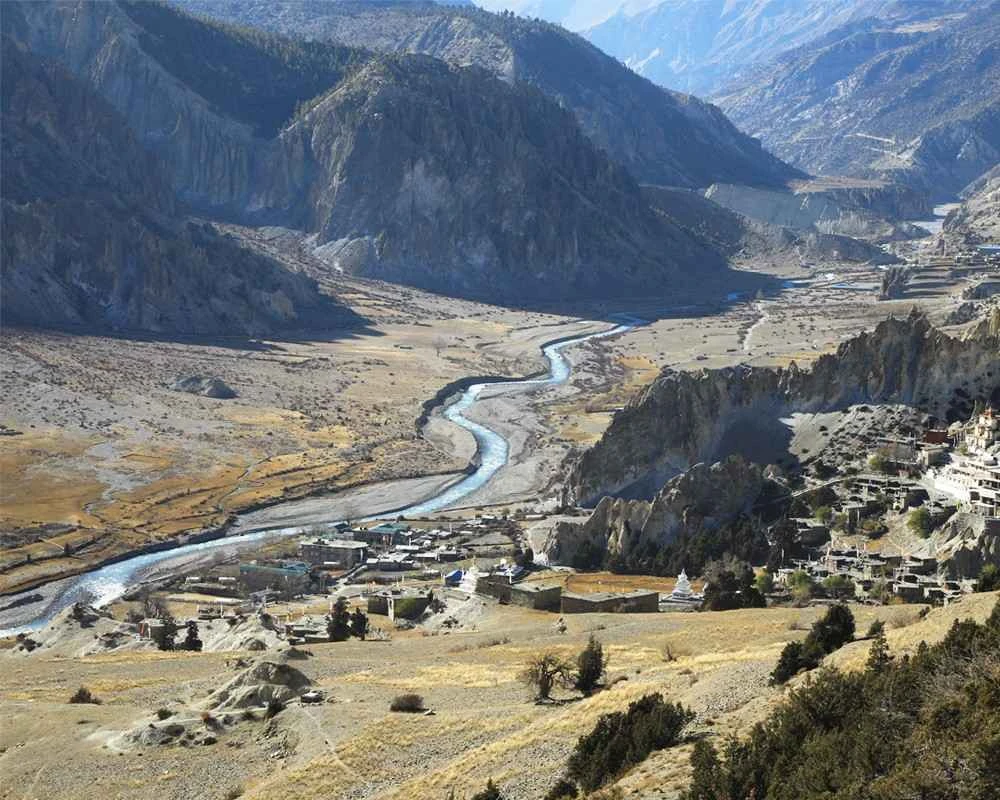
s we leave Pisang, we hike to Manang, which is a popular trekking route in the Annapurna trekking region. The trek takes you through forests, charming villages, and open landscapes with breathtaking mountain views. Major highlights of this 5-Day Trek Package are the spectacular views of Annapurna. Similarly, Gangapurna and other peaks, along with the Unique culture and architecture of the Manang Valley.

Manang is located at a height of 3500 m; at this altitude, the respiration-related problem needs more concern. So, we offer a night stay to rest our body and rejuvenate the next morning fully for the trek.

  • Max Altitude: 3519 m
  • Accommodation: Tea House
  • Time: 6-8 hours
  • Meals: Breakfast, Lunch, and Dinner

From the very first morning, we started trekking the Short Annapurna Circuit Itinerary. First, you navigate through alpine pastureland, including forest, rocky terrain, and meadows. 

Passing through several suspension bridges and surrounding mountain views, we will reach Thorang Phedi. It is the last settlement before reaching the Thorong La Pass, which is the highest point on the 5 Days ACT at an elevation of 5,416 m.

  • Max Altitude: 4540 m
  • Accommodation: Tea House
  • Time: 6-9 hours
  • Meals: Breakfast, Lunch, and Dinner

This is the toughest day for trekkers as we have to start our journey from a steep slope. After 4 to 5 hours, we will reach Thorang Pass by passing through the most difficult rocky ridge. After the pass, we start down. After having a cup of tea and some packed food, our trail moved further.

The view from Thorang Pass makes 5 Days Annapurna Circuit Trek worth the price. This route descends from Thorong La and takes us to Muktinath, a sacred pilgrimage site for both Hindus and Buddhists. Muktinath is more commonly referred to as "Chumig-Gyatsa," or the Hundred Waters, and the icon that Hindus worship.

  • Accommodation: Tea House
  • Time: 7-9 hours
  • Meals: Breakfast, Lunch, and Dinner

After spending the night at Muktinath, the next morning, we headed back to Pokhara, ending our 5 Days Annapurna Circuit Trek Package. For this, you can choose to drive directly to Pokhara or drive to Jomsom and then take a flight to Pokhara. As we move down from Muktinath, the landscape changes from the high mountainous region to the arid Kali Gandaki Valley.

You will observe stunning scenery, colourful mountains, snowy peaks, and dried riverbeds. This part is the favourite for trekkers on this trek. Having a cup of tea at Kagbeni, which is on the bank of the Kali Gandaki River, gives another round of energy. Exploring these scenic views and passing the suspension bridge, we reach Jomsom, which is famous for its strong winds in the afternoon.

  • Accommodation: Hotel
  • Time: 6-8 hours
  • Meals: Breakfast, Lunch, and Dinner

This is a popular trek in the Annapurna region of Nepal, famous for its several landscapes, magnificent views, and rich cultural experiences. Keep in mind that 5 Days Annapurna Circuit Thorang La Pass Trek itineraries may vary, and it's important to be flexible due to weather conditions and individual preferences. Here we have prepared the Shortest Annapurna Circuit Itinerary, which includes:

Cost Details
What's Included
  • Experienced local guide and porters
  • Accommodation in tea houses/guesthouses during the trek
  • All meals (breakfast, lunch, and dinner) on trekking days
  • Transportation from Pokhara to the trailhead and back
  • Trekking permits (Annapurna Conservation Area Permit and TIMS card)
  • Basic first aid kit and emergency support
  • An oxygen tank at a higher altitude
What's Not Included
  • Personal trekking gear and clothing
  • Snacks, drinks, and hot beverages are not included in meals
  • Travel insurance covering high-altitude trekking
  • Tips for guides and porters
  • Extra activities, sightseeing, or side trips
  • Personal expenses like phone, laundry, or souvenirs

Essential Information

Preparation Tips for Your 5-Day Annapurna Circuit Trek

Getting ready for a Himalayan trek takes more than just booking your ticket. A little preparation goes a long way in making your journey comfortable, safe, and truly enjoyable. Here are ten practical tips to help you hit the trail with confidence.

1. Pack Light, But Pack Right

You will be carrying your bag for hours each day, so keep it light. That said, make sure you bring the essentials like warm layered clothing, a waterproof rain jacket, good quality trekking shoes, and basic first aid supplies. A lighter pack means less strain and more energy to enjoy the views.

2. Give Your Body Time to Acclimatize

Even on a short trek, altitude can catch you off guard. As you gain elevation, take it slow, listen to your body, and do not push through warning signs like headaches or dizziness. A steady pace is always better than a fast one on mountain trails.

3. Stay Hydrated Throughout the Trek

Dehydration is one of the most common issues on high-altitude trails. Drink water regularly, even when you do not feel thirsty. Carrying a reusable water bottle is a smart habit, it saves money and reduces plastic waste on the trail.

4. Book Your Accommodation in Advance

Tea houses and lodges along the Annapurna Circuit are charming and cozy, but they fill up fast during peak trekking seasons in spring and autumn. Booking ahead gives you peace of mind and ensures you always have a warm bed waiting at the end of a long day.

5. Carry Snacks and Energy Boosters

Meals on the trail are filling, but the gaps between them can be long. Pack a few energy bars, nuts, or dry fruits to keep your energy levels steady between stops. Small snacks can make a surprising difference when you are halfway up a steep climb.

6. Time Your Trek with the Weather

The best time to trek the Annapurna Circuit is during spring (March to May) or autumn (September to November). These seasons offer clear skies, stable temperatures, and safe trail conditions. Avoid the monsoon season if possible, as trails can become slippery and visibility drops significantly.

7. Get the Right Travel Insurance

Do not skip this one. Make sure your insurance policy specifically covers high-altitude trekking and emergency evacuation. Accidents and altitude sickness are unpredictable, and having proper coverage means you can get help quickly without worrying about costs. Nepal travel insurance is generally best applied for in your homeland. The procedure in Nepal is quite slow and costly for travelers. 

8. Hire a Local Guide

A knowledgeable local guide is one of the best investments you can make for this trek. They keep you on the right path, share fascinating stories about the culture and nature around you, and know exactly what to do in an emergency. They turn a good trek into a great one.

9. Prepare Your Body Before You Go

You do not need to be an athlete, but some basic fitness preparation will make your trek far more enjoyable. Start walking regularly, climbing stairs, or doing light cardio a few weeks before your departure. Building stamina beforehand means less soreness on the trail and more energy to take it all in.

10. Respect the Culture and the Environment

The Annapurna region is home to warm, welcoming communities and breathtaking natural beauty. Greet locals respectfully, follow trail rules, and always carry your waste out with you. Responsible trekking ensures that this incredible place remains beautiful for every traveler who comes after you.

Available on Trek

Having an idea about the following things makes your journey even smoother and fun-filled:

Food & Drinks

In the trek, the common food options are Dal bhat, noodle soups, eggs, momos, and Tibetan bread. Food prices rise with altitude, so eat properly at every stop. Skip bottled water and carry a filter bottle instead. Additionally, you can have ginger lemon honey tea, which is everywhere and genuinely good for hydration at altitude.

Accommodation

You will spend the nights at local tea houses run by local families. These will be your home for five nights. Rooms are often simple, with twin beds, a blanket, and shared bathrooms, but are comfortable enough after a long day of walking. Similarly, there will be shared bathrooms rather than private attached bathrooms above Manang.

Health & Safety

Altitude sickness is the main concern. It is better to ascend gradually. Similarly, stay hydrated, skip alcohol above 3,000 m, and never ignore a worsening headache. Pack Diamox, blister treatment, and rehydration salts. The Himalayan Rescue Association has a clinic in Manang where you can get checked before crossing the pass. If symptoms worsen, descend straight away, no schedule is worth the risk.

Insurance

Helicopter evacuation from high altitude costs USD 3,000-8,000 without coverage. Get a policy that explicitly covers trekking above 5,000 m and includes emergency evacuation. World Nomads and Safety Wing are popular choices among Nepal trekkers. Write your policy number on paper and keep it separate from your phone.

WiFi

Most tea houses offer WiFi for NPR 100-300 per session. Speeds are slow but enough for messaging and weather checks. Above Manang, it becomes unreliable. Download offline maps- Maps.me or Gaia GPS, and save your emergency contacts offline too.

Network Coverage

NTC has a better reach in remote sections than Ncell. A local SIM costs around NPR 200-400 and is easy to buy in Kathmandu or Pokhara with your passport. Expect 4G in lower villages, patchy 2G higher up, and no signal between Yak Kharka and Thorong Phedi. Let someone know your itinerary before you enter those dead zones.

Permits & Documents

This trek requires you to obtain two permits before hitting the trail. First is the Annapurna Conservation Area Permit (ACAP), which costs NPR 3,000 for foreign nationals. Second is the TIMS card, Trekkers' Information Management System, at around NPR 2,000. Both are issued in Kathmandu at the Nepal Tourism Board office or in Besisahar at the local checkpoint.

Kindly bring two passport-size photos and a copy of your passport bio page. Checkpoints appear regularly along the route, and officers do check documents, so keep them in an easily accessible pocket. Losing them mid-trek is a headache you don't want.

Guides & Porters

Hiring a guide is now mandatory on the Annapurna Circuit, it genuinely improves the experience. A good guide knows the trail, reads the weather, speaks the local language, and can spot early signs of altitude sickness in your group. Daily guide rates run roughly USD 25-35, and porter rates sit around USD 18–25.

Porters carry up to 20–25 kg and are a practical option if you'd rather not haul a heavy pack over a 5,400 m pass. Always hire through a registered agency and make sure your guide and porter are covered by insurance, it's an ethical responsibility, not just a formality.

Bookings

You can book this package from the booking form on our website. We are a registered agency that handles permits, tea house reservations, and a certified guide. Prices vary, but a fully supported 5-day package typically runs USD 350–600 depending on group size and inclusions. Solo independent trekking is allowed, but a local guide is a must to add real value on the high sections. It is recommended to book at least 4-6 weeks ahead if you're going in October, as that month fills up fast.

Final Thoughts

This Annapurna Circuit Trek Package is all about five days, one high pass, two eight-thousanders on the horizon, and villages that feel completely removed from the world you left behind. It's not an easy trek, but it's not supposed to be either. What you get at the end, standing above the clouds at Thorong La with legs tired, lungs working hard, grinning anyway, is the kind of thing you'll talk about for years. Just go prepared, go curious, and let Nepal do the rest.

5 Days Annapurna Circuit Trek FAQs

  • You don't need to be an athlete, but you should be comfortable walking 6-8 hours a day on uneven ground. Start training 6-8 weeks before with regular hiking, stair climbing, and cardio. The fitter you arrive, the more you'll enjoy it rather than just survive it.

  • Yes, it's one of the safer solo trekking routes in Nepal, well-marked, well-trafficked, and dotted with tea houses every few hours. That said, solo trekkers should always register their itinerary with their embassy or a local agency. Also, they need to be with a licensed guide, which adds a real layer of security above 4,000 m.

  • October to November gives you clear skies, stable weather, and the best mountain views, it's peak season for a reason. March to May is the second-best window, with warmer temperatures and rhododendrons in full bloom. Further, it is better to avoid the monsoon season from June to September when trails get slippery, and leeches are everywhere.

  • Yes, you need a guide for this trek as per legal compliance. Hiring a licensed local guide is strongly recommended, especially for first-time trekkers in Nepal. A guide handles navigation, communicates with locals, and monitors your health at altitude.

  • Budget around USD 400-700 for a fully supported package including permits, guide, accommodation, and meals. Flights, gear, and travel insurance come on top of that.

  • Beginners with decent fitness absolutely can, as long as they prepare properly and don't rush the ascent. The route itself is a walking trail, no climbing or technical skills needed.

  • The non-negotiables are a -10°C sleeping bag, layered clothing, waterproof boots, trekking poles, a headlamp, and a filter water bottle. Pack light, every extra kilogram feels twice as heavy above 4,000 m. A detailed packing list from your trekking agency will cover the rest.

  • Yes, and it's the most common reason trekkers turn back before reaching the pass. Symptoms include headache, nausea, dizziness, and fatigue. It is better to ascend slowly, drink at least 3-4 litres of water daily, and carry Diamox as a precaution after consulting your doctor.

  • Tea houses serve dal bhat, pasta, soups, eggs, momos, and porridge at most stops along the route. The menu gets simpler and pricier the higher you go. So, kindly carry a few snack bars and nuts for the trail; lunch spots aren't always available exactly when hunger hits.

  • Absolutely, this is non-negotiable. Make sure your policy covers high-altitude trekking above 5,000 m and includes helicopter evacuation, which can cost thousands of dollars without coverage. 

Similar Trips
You May Also Like