Kanchenjunga Circuit Trek Difficulty: Is This Trek Right for You?
The Kanchenjunga Circuit Trek offers one of Nepal’s most remote, raw, and authentic Himalayan experiences around Mount Kanchenjunga. Because of its length and isolation, many trekkers assume it is extremely difficult. In reality, the trek is demanding but very manageable with the right preparation. The challenge comes from remoteness, long walking days, and altitude. Not from technical climbing or dangerous terrain.
The trek becomes structured and achievable. Thanks to a realistic itinerary, proper acclimatization, and an experienced local guide. When safety standards are prioritized and the pace is well managed, the Kanchenjunga Circuit is challenging in a rewarding way rather than overwhelming. Making it suitable for serious trekkers seeking a true wilderness adventure.
Table of Contents
Understanding the Overall Difficulty Level
The Kanchenjunga Circuit Trek is best described as moderate to challenging, not technical or extreme. There is no mountaineering, rope work, or need for prior expedition experience. The main challenges come from long trekking days, limited facilities, and high altitude rather than steep or risky trails. Paths are generally clear, and the terrain is manageable with steady pacing.
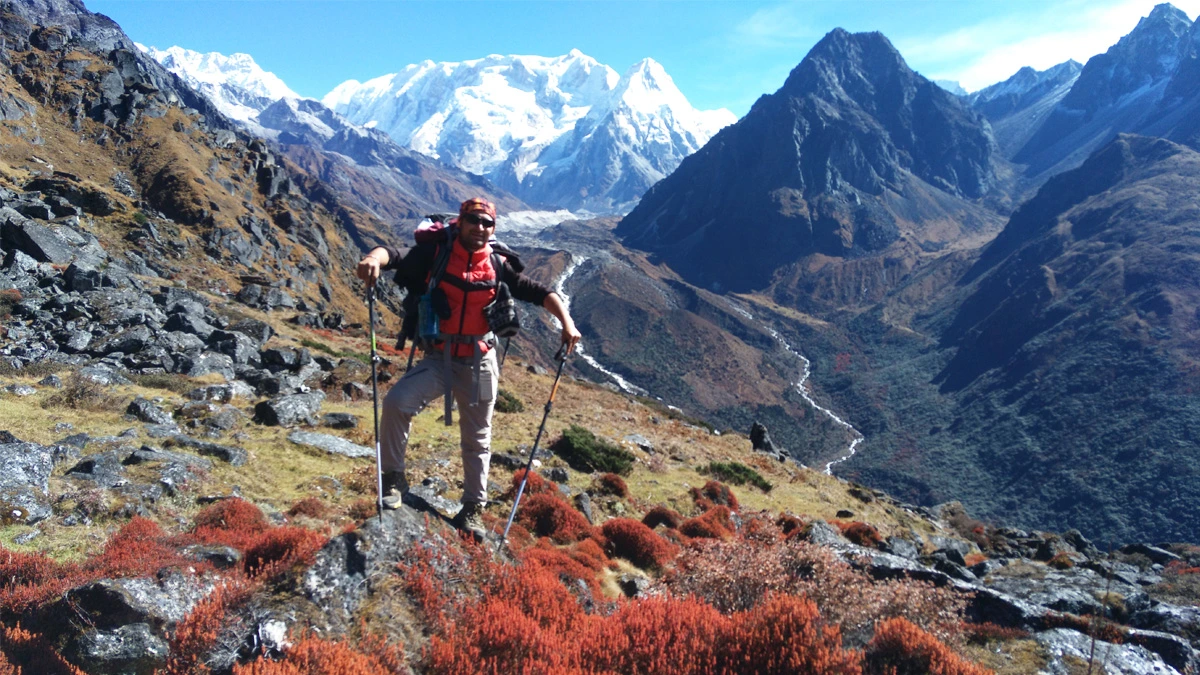
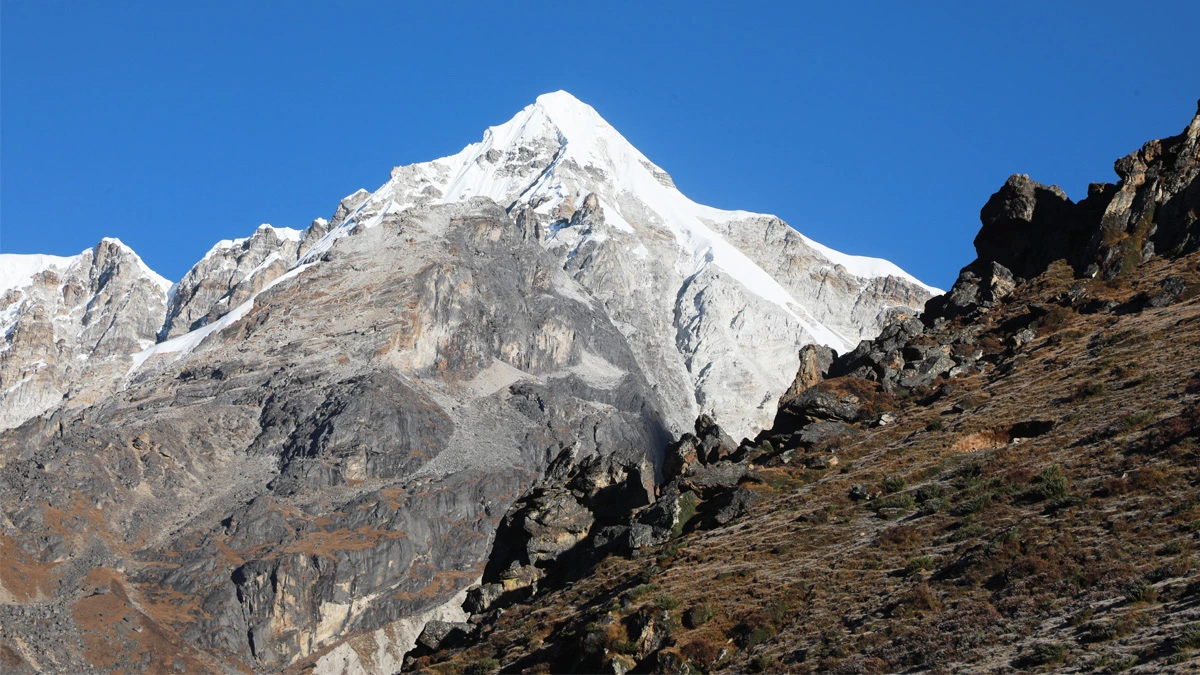
Hiking in Kanchenjunga Circuit Trail
You can complete the journey safely and comfortably. Provided that you are physically fit, mentally prepared, and guided by experienced professionals. Proper planning, gradual altitude gain, and professional supervision significantly reduce risks. With a well-designed itinerary and strong local logistics, the difficulty level remains controlled. Literally making this trek tough. But realistic for determined hikers who value preparation over speed.
Key Factors That Affect Trek Difficulty
The difficulty of the Kanchenjunga Circuit Trek depends mainly on remoteness. Similarly, altitude, daily walking distance, and weather conditions. None of these is extreme on its own. But together they require proper planning, pacing, and experienced guidance to ensure safety and comfort throughout the journey.
1. Remoteness and Logistics
The Kanchenjunga region lies in far-eastern Nepal and remains one of the country’s least-visited trekking areas. Villages are sparse, teahouses are basic, and access involves long travel days by flight and jeep. This remoteness demands careful logistics planning, flexible pacing, and strong local support. Especially for food supplies, accommodation, and emergency response.
Unlike popular routes, backup services are limited, so experience matters. With a professional team handling logistics and route planning, the challenges of isolation are well managed. And do not become obstacles to a successful trek. Our team handles Kanchenjunga Circuit Permits, cost, and related documents.
2. Altitude and Acclimatization
Altitude is the most significant challenge on the Kanchenjunga Circuit Trek. The route explores both North and South Base Camps and crosses high passes above 4,500 meters. However, altitude risks become manageable with proper acclimatization.
A well-designed itinerary includes gradual elevation gain. Further, planned rest days, daily health monitoring, and immediate response to symptoms. When trekkers move slowly and listen to their guide, the body adapts naturally. With the right approach, altitude becomes a manageable factor rather than a limiting one.
3. Daily Walking Distance
Most trekking days involve 6–8 hours of walking, depending on terrain and altitude. Trails range from forest paths to rocky alpine sections. But they are not technical. The pace is intentionally slow and steady. Prioritizing safety and acclimatization rather than speed.
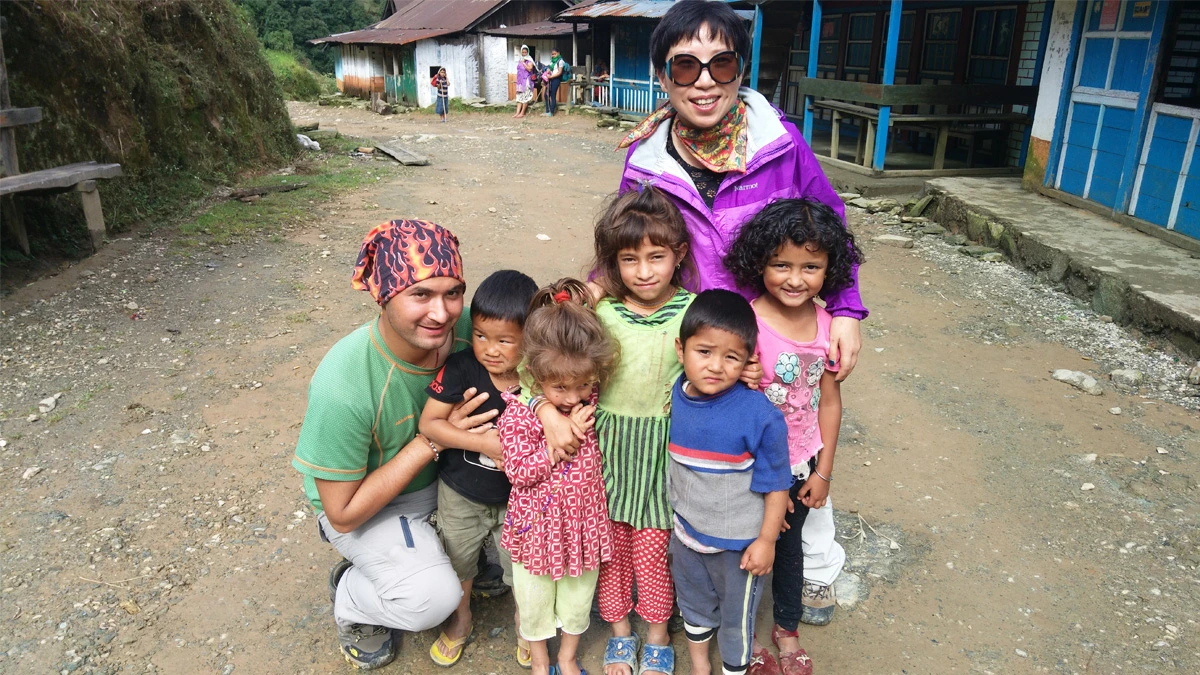
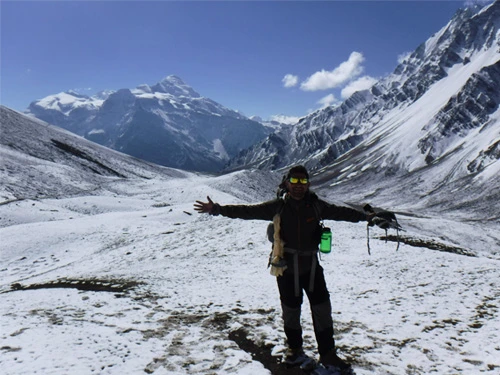
Happiness with local kids after several hours of walking
Some days feel long due to remoteness and elevation, but regular breaks and proper hydration make them manageable. With good fitness and a patient mindset, daily distances remain achievable. Even for trekkers without previous high-altitude experience.
4. Weather and Trail Conditions
Spring and autumn offer the most stable weather for the Kanchenjunga Circuit Trek. This is the best time for the Kanchenjunga Circuit trek. Trails are generally dry, visibility is clear, and temperatures are manageable. Unlike Everest or Annapurna, routes here are quiet and uncrowded, making walking peaceful and immersive. However, fewer trekkers mean less trail support, so strong route knowledge is essential.
An experienced local guide ensures safe navigation, monitors conditions closely, and adjusts plans when needed. Literally, turning weather and trail challenges into manageable elements rather than risks.
Physical Fitness: What Level Is Required?
You don’t need to be an athlete, but a good fitness base is important. You should be comfortable walking 5–7 hours a day, have basic endurance, and reasonable leg strength. Preparation through hiking, stair climbing, and cardio workouts is highly recommended. Also, light strength training is recommended.
Mental readiness is equally important regarding the Kanchenjunga trail climb. Remote trails, simple lodges, and long days require patience and positivity. A calm mindset, steady pacing, and trust in your guide make a significant difference on this trek.
Is This Trek Suitable for First-Time High-Altitude Trekkers?
Yes, with the right conditions. First-time high-altitude trekkers can successfully complete the Kanchenjunga Circuit. However, they should choose a longer itinerary, allow extra acclimatization days, and trek with a licensed, experienced guide. Following safety guidelines and listening to your body are essential.
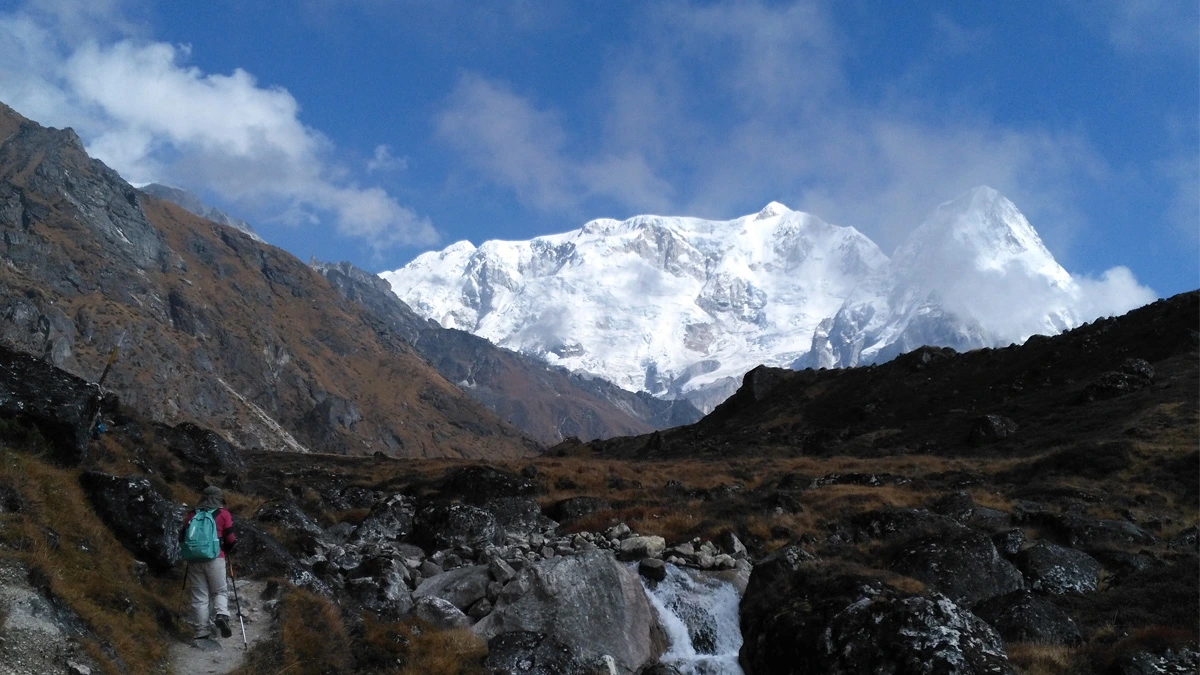
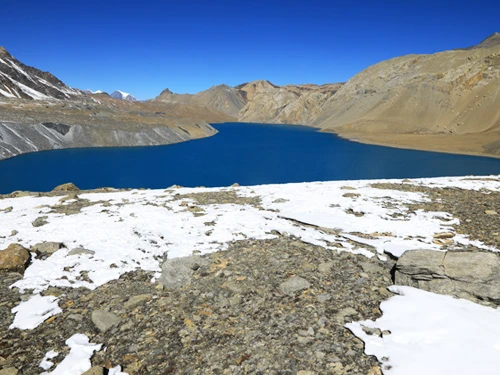
Beautiful Kanchenjunga Circuit Trail, best for even first time trekkers
At Breeze Adventure, itineraries are never rushed, and safety always comes before speed or fixed schedules. This approach allows first-time trekkers to adapt comfortably. And gain confidence throughout the journey.
Safety Measures That Make the Trek Easier
Professional support plays the biggest role in reducing trek difficulty. Breeze Adventure provides highly experienced local guides familiar with every section of the route. Daily health and altitude checks, emergency first-aid kits. Not just that, one tank of oxygen for added safety during the Kanchenjunga Circuit Trek.
Clear communication, flexible pacing list, and strong local logistics ensure issues are handled early. With these safety measures in place, the trek becomes structured. Further, controlled and reassuring rather than intimidating.
Mental Challenge vs Physical Challenge
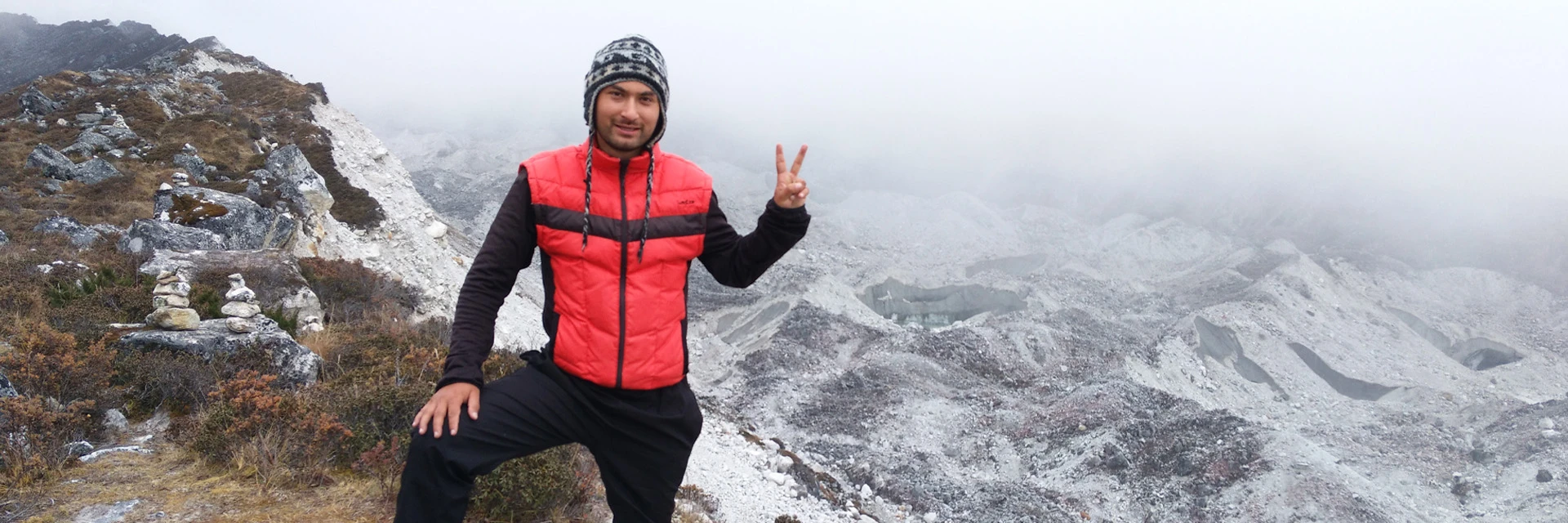
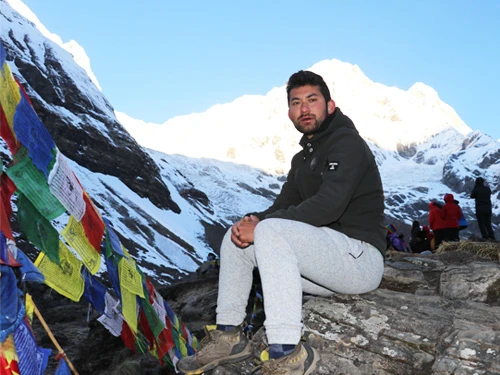
Kanchenjunga Trails demand mental toughness too
For many trekkers, the mental challenge, long days, isolation, and simple facilities are greater than the physical walking itself. However, this same isolation is what makes the trek special. Quiet trails, untouched landscapes, and rare cultural encounters create a deep sense of accomplishment.
Without crowds or distractions, trekkers connect more closely with the mountains and themselves. The mental effort transforms into lasting satisfaction. Making the journey as rewarding psychologically as it is physically.
Final Verdict: Is This Trek Right for You?
The Kanchenjunga Circuit Trek is ideal if you seek a quiet, less-crowded Himalayan adventure. And are comfortable with basic facilities. It suits trekkers who value preparation, safety, and experienced guidance over luxury. With proper training, a realistic mindset, and a professional team, this trek is not too difficult. It is simply different.
When guided responsibly, it becomes one of Nepal’s most rewarding long-distance treks. If you need training advice, preparation support, or a safety-focused itinerary based on real field experience, Breeze Adventure is always happy to assist.
Planning the Kanchenjunga Circuit Trek and want a realistic, safety-focused itinerary? Our local team provides experienced guides. Likewise, proper acclimatization and emergency oxygen for your peace of mind. Contact Breeze Adventure for a transparent and responsible trek plan.
Written by a Licensed Local Trekking Guide from Nepal
This guide is written by Kishwor Adhikari, a licensed Nepali trekking guide and the founder of Breeze Adventure. With more than 14 years of hands-on experience guiding treks across Nepal’s most remote Himalayan regions. Kishwor has personally guided multiple expeditions in the Kanchenjunga region. Including both the North and South Base Camps across different seasons.
Starting his career as a porter and progressing to a professional guide, he has firsthand experience managing altitude. Similarly, logistics, safety, and real-world challenges on long, restricted-area treks. His approach focuses on slow acclimatization, realistic pacing, daily health monitoring, and emergency preparedness. Including the use of supplemental oxygen when required.
This article is based on field experience, not theory or copied content. And is written to help trekkers make informed, safe, and confident decisions about the Kanchenjunga Circuit Trek.
FAQs
FAQ 1: Is the Kanchenjunga Circuit Trek very difficult?
The Kanchenjunga Circuit Trek is considered moderate to challenging. It is physically demanding due to long days, altitude, and remoteness. But it does not involve technical climbing or mountaineering skills.
FAQ 2: Can beginners do the Kanchenjunga Circuit Trek?
Yes, beginners can do this trek if they choose a longer itinerary, allow proper acclimatization days, and trek with a licensed, experienced guide. Fitness preparation and patience are essential.
FAQ 3: What is the biggest challenge on the Kanchenjunga Circuit Trek?
Altitude and remoteness are the main challenges. These are manageable with gradual elevation gain, health monitoring, and professional logistical support.
FAQ 4: How fit do you need to be for the Kanchenjunga Circuit Trek?
You should be able to walk 6–8 hours a day with a backpack. Basic endurance, leg strength, and prior hiking experience are recommended, but elite fitness is not required.
FAQ 5: Is emergency oxygen necessary for Kanchenjunga Circuit Trek?
Emergency oxygen is not mandatory but strongly recommended. Breeze Adventure provides one oxygen tank for safety. Especially in high-altitude sections and remote areas.
Kishwor Adhikari is a passionate writer with a deep enthusiasm for trekking and adventure. His extensive travels across Nepal, exploring its diverse landscapes and hidden corners, have shaped his unique perspective on the country's natural beauty. With a wealth of first-hand experience in adventure trekking, Kishwor has become a trusted voice for fellow enthusiasts. Through his writing, he shares invaluable insights, offering practical advice and inspiration for both seasoned trekkers and novices alike. His dedication to sharing his journey and knowledge helps others discover the wonders of Nepal's wilderness, making his work an essential resource for anyone seeking adventure in the region.