
7 Days Gokyo Lakes Trek

Tripadvisor165 reviews
google140 reviews
youtube99 reviews
trustpilot36 reviews
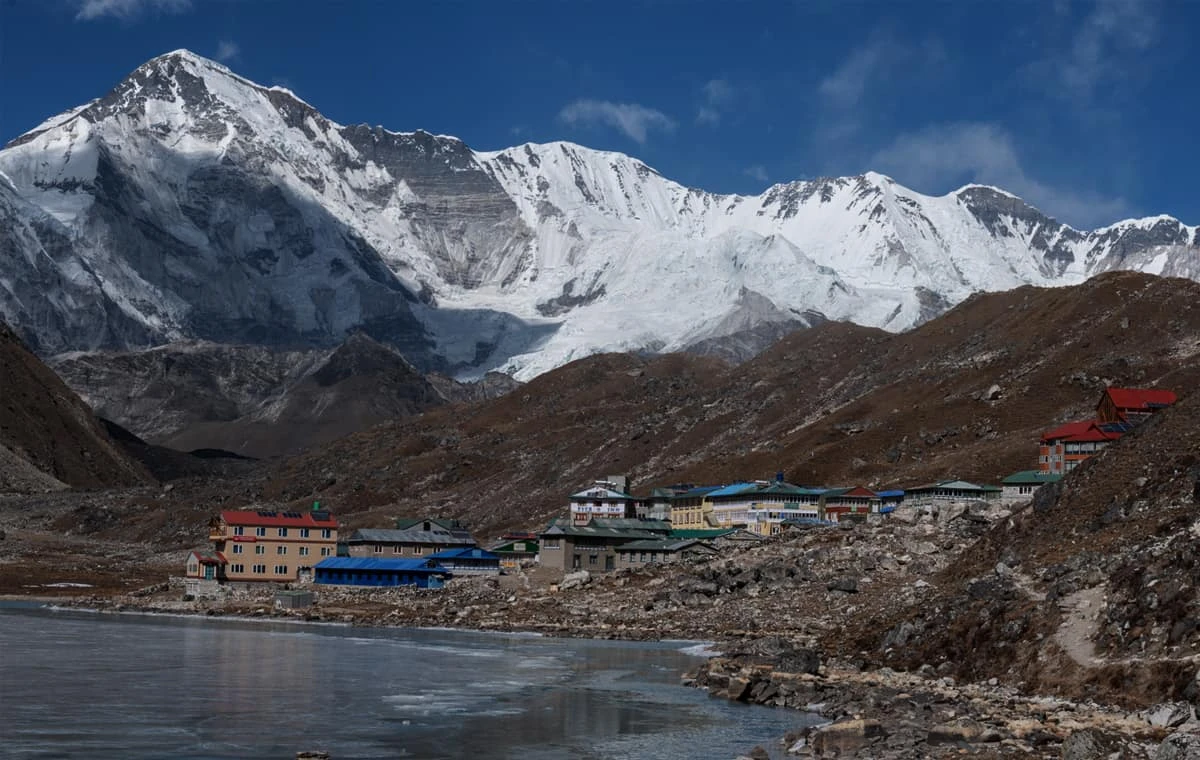
Gokyo village beside the third Gokyo Lake with Cho Oyu (8,188 m) towering behind, Sagarmatha National Park Nepal

The 7 Days Gokyo Lakes Trek is the fastest way to reach Gokyo Ri (5,357 m) and the sacred Gokyo Lakes.  The Gokyo Lakes are known as the world's highest freshwater lake system in the Everest region of Nepal. This condensed itinerary follows the quieter Dudh Koshi valley away from the crowded Everest Base Camp trail, rewarding fit trekkers with a sunrise panorama of four 8,000-metre peaks: Everest, Lhotse, Makalu, and Cho Oyu. Designed for experienced hikers with limited holiday time, the trip starts and ends at Lukla and is led by trained Sherpa guides with full safety support, including supplemental oxygen.

At a Glance
  • Duration7 Days
  • Difficulty Level Moderate
  • Max Altitude 5357m
  • Group Size 1-20 Person
  • Start City Kathmandu
  • End City Kathmandu
  • Trip Type Private & Group Joining
  • Activity Trekking
  • Best Season March -May and Sep-Jan
Trip Highlights
  • Reach Gokyo Ri (5,357 m) for a sunrise panorama of Everest, Lhotse, Makalu, and Cho Oyu. Four of the world's six highest peaks in one sweep.
  • Walk beside the sacred turquoise Gokyo Lakes, the world's highest freshwater lake system.
  • Trek along the Ngozumpa Glacier, the longest glacier in Nepal, with Cho Oyu (8,188 m) towering ahead.
  • Explore the quieter Dudh Koshi valley, away from the heavy Everest Base Camp crowds.
  • Experience authentic Sherpa culture, mani walls, prayer wheels, and centuries-old Buddhist monasteries.
  • Enter Sagarmatha National Park, a UNESCO World Heritage Site rich in Himalayan flora and fauna.
  • Enjoy the iconic mountain flight in and out of Lukla's Tenzing-Hillary Airport.
  • Stay in warm, family-run Sherpa tea houses with home-cooked dal-bhat and stove-heated dining halls.
  • Trek led by trained Sherpa guides with daily oximeter health checks and one full oxygen cylinder carried with the group.
  • Completed in just 7 days, ideal for fit trekkers and experienced hikers with limited holiday time.

The 7 Days Gokyo Lakes Trek is a delightful and ideal short journey in the Everest region of Nepal. This route is famous for providing exceptionally beautiful vistas of turquoise glacial lakes, native Sherpa culture, and the dramatic Khumbu Himalayan range. The trail sits within Sagarmatha National Park, a UNESCO World Heritage Site, and most of the way veers off the busier Everest Base Camp route into the quieter Dudh Koshi valley. Here you will discover the unique blend of Sherpa Buddhist culture and the natural splendours of the world's highest freshwater lake system, immersed in nature and tradition without the crowds of the classic base camp trail.

If you are in search of a short yet vibrant Gokyo trekking package, this itinerary is an ideal choice for fit trekkers with limited holiday time. At a reasonable cost, you will relish impeccable hospitality and quality services while exploring the mystical and mythical glacial lakes of the Khumbu.

What makes this trek special in 2026/2027?

The journey leads you to discover astonishing peaks with an amusing walk around the sacred turquoise lakes of Gokyo. It's a great occasion to explore the Ngozumpa Glacier (the longest glacier in Nepal), the six emerald Gokyo Lakes, traditional Sherpa villages, old Buddhist monasteries, and extraordinary mountain scenery. The viewpoint of Gokyo Ri (5,357 m) and the distinct culture of the famous ethnic Sherpa people make this experience truly authentic. From Gokyo Ri you take in alluring views of four 8,000-metre giants, Everest, Lhotse, Makalu, and Cho Oyu, and enjoy a mirthful walk around the glorious high-alpine lake basin.

The trek starts and ends at Lukla (2,840 m), reached from Kathmandu by a scenic 35–40 minute flight. Lukla → Phakding → Namche Bazaar → Dole  → Gokyo → Gokyo Ri → Dole → Namche → Lukla is the summarized 7-day itinerary from our company, Breeze Adventure Pvt. Ltd.

Note: The classic Gokyo trek is usually done over 11–13 days with extra acclimatization. This is a faster, condensed version recommended for fit and experienced hikers. For first-timers and families, we suggest our longer 12-day Gokyo itinerary with additional rest days.

Gokyo Ri (5,357 m) — The Ultimate Viewpoint

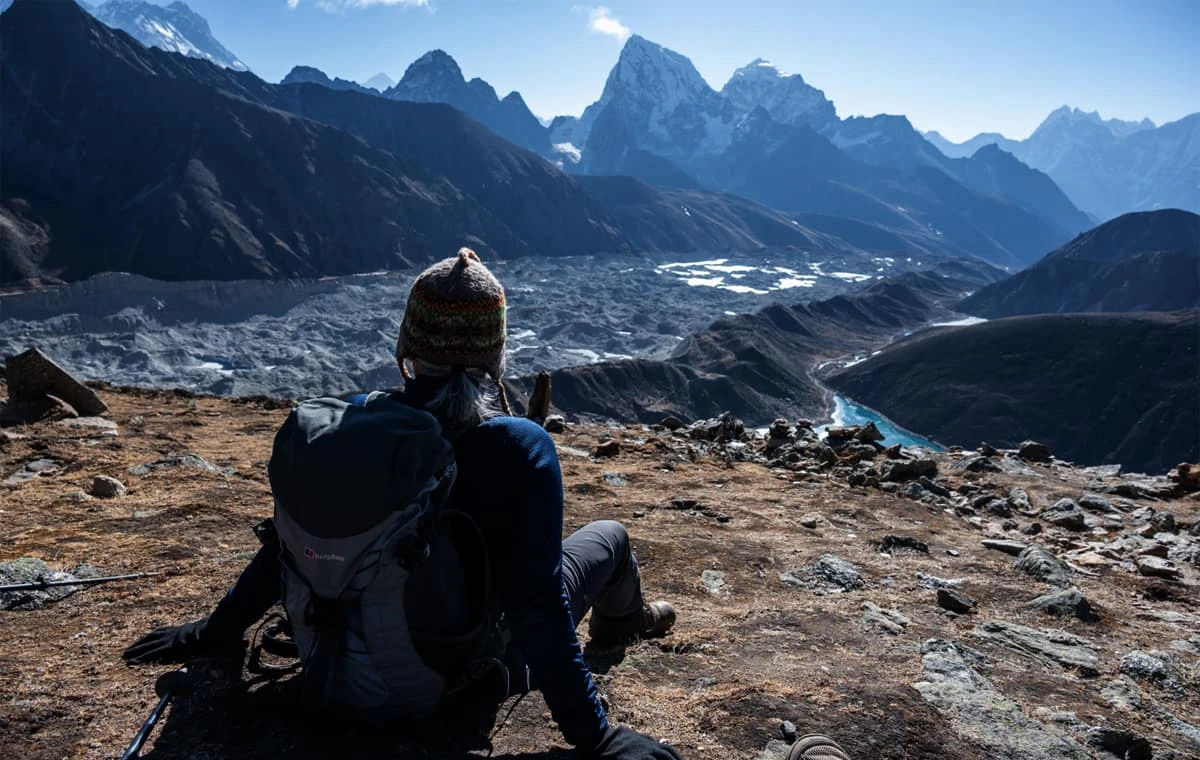
The highlight of the entire journey is the early-morning climb to Gokyo Ri at 5,357 metres, widely regarded as one of the finest viewpoints in the entire Himalaya. From the summit you witness a breathtaking panorama of four of the world's highest peaks, Mount Everest (8,848.86 m), Lhotse, Makalu, and Cho Oyu, along with the vast Ngozumpa Glacier and the shimmering lakes far below. Reaching this summit at sunrise is a significant accomplishment for adventurers and photographers alike, and is the most memorable part of the trek.

When to Trek the Gokyo Lakes?

The best time for this trip is the dry season from late September to mid-December and March to May. The worst time is the monsoon from June to September, when clouds obscure mountain views and Lukla flights are frequently cancelled. Please note that during peak season, Lukla flights may operate from Ramechhap/Manthali, a 4–5 hour drive from Kathmandu.

Autumn Season (September, October, November & December)

The first three months of the dry season, from mid-September to mid-December, offer the best weather for trekking in the Khumbu. The air, freshly washed by the monsoon rains, is crystal clear, the lake reflections are stunning, and visibility from Gokyo Ri is superb. December, January, and February are clear but extremely cold, and the lakes often freeze over.

Spring Season (March to May)

From March to May, the weather is dry and stable, the rhododendron forests bloom, and the high valley comes alive. Spring is best for mountain vistas and clear lake views. We highly recommend the autumn and spring seasons for this trip.

High Success Rate & Reliable Departures

We are confident this trek will be a rewarding and successful trip for fit trekkers throughout the autumn and spring seasons of 2026/2027, weather and flight conditions permitting. We have multi-trip departures, and you can adjust the plan and itinerary according to your preferences. We always advise building 1–2 buffer days into your travel plan for possible Lukla flight delays.

Itinerary & Cost

Overall, this is a moderate-to-strenuous trek completed within a week. The climate is cold throughout the year and windy at higher altitudes, and the maximum elevation of 5,357 m at Gokyo Ri carries a risk of Acute Mountain Sickness due to the condensed ascent. Spring and autumn are the best Gokyo trekking seasons.

In short, the 7 Days Gokyo Lakes Trek is a high-altitude, scenically rich trip best suited for fit trekkers with limited time. The journey delivers the graceful Sherpa culture of the Khumbu and the awe-inspiring view of turquoise lakes beneath four 8,000-metre peaks. It's a significant and rewarding destination in Nepal that we highly recommend to keen mountain lovers. The Breeze Adventure team is eager to host your adventure in 2026/2027.

Itinerary

Expand allCollapse all

Your adventure kicks off with one of the most thrilling short flights in the world. We transfer you to the airport early in the morning, and as the small plane lifts off, the snow-capped Himalayas roll out across the windows. The landing at Lukla's Tenzing-Hillary Airport — perched on a mountainside with a famously short runway — is an adventure in itself. Our Sherpa crew will be waiting to greet you with a warm smile and a quick briefing. From here we set off on a gentle, downhill trail along the roaring Dudh Koshi river, passing carved mani stones, spinning prayer wheels, and the first friendly Sherpa hamlets. The walk is intentionally short and easy today, giving your body a relaxed start to begin adjusting to the altitude. Settle into the tea house, enjoy your first mountain dal-bhat, and listen to the river through the night.

  • Max Altitude: 2860m
  • Accommodation: Tea House
  • Time: 3 Hours
  • Meals: BLD
  • Walking Distance: 8km
  • Transport: Flight + Trek

Today the trail follows the milky-turquoise Dudh Koshi upstream, hopping back and forth across a string of high suspension bridges fluttering with prayer flags — the tallest being the dramatic Hillary Bridge. We officially enter Sagarmatha National Park, a UNESCO World Heritage Site, and register our permits at the Monjo checkpoint. After that, the real work begins: a long, steady climb through fragrant pine and rhododendron forest. Pause at the viewpoint where, on a clear day, Mount Everest makes its first shy appearance behind the Lhotse–Nuptse wall. Namche Bazaar finally reveals itself, the bustling Sherpa capital of the Khumbu, built like an amphitheatre into a horseshoe-shaped bowl. It's a big altitude gain today, so keep the pace slow and drink plenty of water.

  • Max Altitude: 3440m
  • Accommodation: Tea House
  • Time: 5-6 HOurs
  • Meals: BLD
  • Walking Distance: 13km

Today the route branches away from the busy Everest Base Camp trail into the quieter, more peaceful Dudh Koshi valley. We climb to Mong La, a scenic ridge with sweeping views of Ama Dablam, Thamserku, and Khumbila, then descend through rhododendron and birch forest before climbing again to the small settlement of Dole. The trail is calm and beautiful with far fewer trekkers than the main route, so you really feel the wilderness opening up around you. This is a significant altitude gain, so hydrate well and pace yourself throughout the day.

  • Max Altitude: 4040m
  • Accommodation: Tea House
  • Time: 6-7 Hours
  • Meals: BLD
  • Walking Distance: 12Km

A spectacular and rewarding day. We climb steadily above the tree line through the summer yak settlement of Machhermo, where there is an altitude-awareness aid post run by the Himalayan Rescue Association — a good spot to pause and learn how to stay safe higher up. The valley grows wilder as we ascend along the lateral moraine of the mighty Ngozumpa Glacier, the longest glacier in Nepal, with Cho Oyu towering ahead. We pass the first and second Gokyo Lakes — shimmering and impossibly blue — before arriving at Gokyo village, set right beside the stunning third lake, Dudh Pokhari, which mirrors the surrounding peaks like glass. Spend the afternoon strolling the sacred shoreline and soaking in the surreal high-alpine silence. Go slow and keep hydrating — this is a serious altitude gain.

  • Max Altitude: 4790m
  • Accommodation: Tea House
  • Time: 6 -7 Hours
  • Meals: BLD
  • Walking Distance: 13km

This is the grand climax of the journey. We rise before dawn and climb by headlamp up the steep, lung-busting trail to the summit of Gokyo Ri (5,357 m). The reward is breathtaking: a sunrise panorama of four of the world's highest peaks in a single sweep — Mount Everest, Lhotse, Makalu, and Cho Oyu — with the vast Ngozumpa Glacier and the emerald lakes glittering far below. Many trekkers rate this view as finer than Everest Base Camp itself. After soaking it all in and taking your photographs, we descend back to Gokyo for a hot breakfast, then begin the long, steady descent down the Dudh Koshi valley, retracing the trail past Machhermo and Dole to reach the comfortable lodges of Kyanjuma (or onward to Namche, depending on your pace and conditions). It's a long day, but each step down feels easier as the air thickens and your body recovers.

  • Max Altitude: 5357m Gokyo Ri Height
  • Accommodation: Tea House
  • Time: 8-9 Hours
  • Meals: BLD
  • Walking Distance: 18km

The final trekking day. From Kyanjuma we descend through the lively streets of Namche Bazaar one last time, then follow the Dudh Koshi river steadily downhill, re-crossing the high suspension bridges and winding back through the green lower-Khumbu Sherpa villages. The walk is far more pleasant than the ascent — the air is rich, your legs are strong, and the scenery feels familiar and friendly. We arrive in Lukla by late afternoon. In the evening, it's traditional to host a small success party with your trekking crew — the perfect time to thank your guide and porters and hand out tips and gratuities. Tipping isn't compulsory in Nepal, but it is genuinely appreciated and has become a normal part of trek etiquette.

  • Max Altitude: 2860m
  • Accommodation: Tea House
  • Time: 7-8 Hours
  • Meals: BLD
  • Walking Distance: 20km

Early in the morning after breakfast, we transfer to Tenzing-Hillary Airport for the scenic mountain flight out of the Khumbu, with one last aerial farewell to the Himalayas. Depending on the season, the flight lands either directly in Kathmandu or at Ramechhap/Manthali, in which case our Breeze Adventure team arranges the onward 4–5 hour drive to Kathmandu. On arrival, our representative will transfer you to your hotel, where you can finally enjoy a hot shower, a soft bed, and a well-earned celebration of completing the adventure. End of trip services.

  • Max Altitude: 1400m
  • Accommodation: Hotel Surya Heritage or Similar
  • Meals: Breakfast
Cost Details
What's Included
  • Airport pick up and drop off service in Kathmandu.
  • Kathmandu–Lukla–Kathmandu region flights.
  • Government license holder English-speaking Sherpa guide.
  • 6 nights local tea house accommodation during the trek.
  • Full board meals throughout the trek (Breakfast, Lunch, and Dinner).
  • Sagarmatha National Park Entry Permit.
  • Khumbu Pasang Lhamu Rural Municipality Permit.
  • Hot beverages, three cups of tea/coffee per day.
  • Seasonal fruits during the trek.
  • Trekking gear on free rental: down jacket, sleeping bag, company t-shirt, trekking pole, and duffle bag (returnable after the trek; t-shirt is yours to keep).
  • Medical supplies (first aid kit and oximeter will be available).
  • All government taxes and official service charges.
What's Not Included
  • Your travel and rescue insurance (mandatory — must cover helicopter evacuation up to 5,357 m).
  • Lukla flight extra-day costs if delayed by weather.
  • All personal expenses (hot showers, Wi-Fi, charging, bottled drinks, laundry).
  • Tips for guide and porter.
  • Optional helicopter return (on request).
  • Any expenses arising from early descent, emergency evacuation, or itinerary changes due to weather.

Essential Information

Authentic Food and Accommodation

Despite the remoteness, the Gokyo valley provides good tea house accommodation with typical Nepalese and Sherpa food service. People are humble, warm, and eager to chat with you, and the Sherpa have excellent hospitality. The lodges are comfortable at lower altitudes with twin-sharing beds; higher up at Machhermo and Gokyo, the rooms are basic with shared bathrooms. Each tea house has a warm dining hall heated by a stove. During peak season, you must book accommodation in advance.

An Engrossing Sherpa Culture and Festival

Around the Everest region, the Sherpa people preserve a brilliant tradition and unique culture including a distinct language, cultural dress, ethnic instruments, and social manners closely linked to Tibetan Buddhism. Their language belongs to the Tibeto-Burman family. Mani walls, chortens, prayer flags, and centuries-old monasteries are the identities of the Sherpa people. Mani Rimdu is the major festival, a colourful masked-dance celebration held at the region's monasteries.

Gokyo Ri and the Fifth Lake Side Trip

Don't omit the sunrise climb of Gokyo Ri — it is the unmissable centrepiece of any Gokyo itinerary. For those with extra energy and time on a longer plan, the optional walk to the fourth and fifth lakes and the Scoundrel's Viewpoint offers an unbelievable close-up outlook of the Everest massif and the icefalls of the Ngozumpa Glacier.

Sacred Gokyo Lakes (4,700–5,000 m)

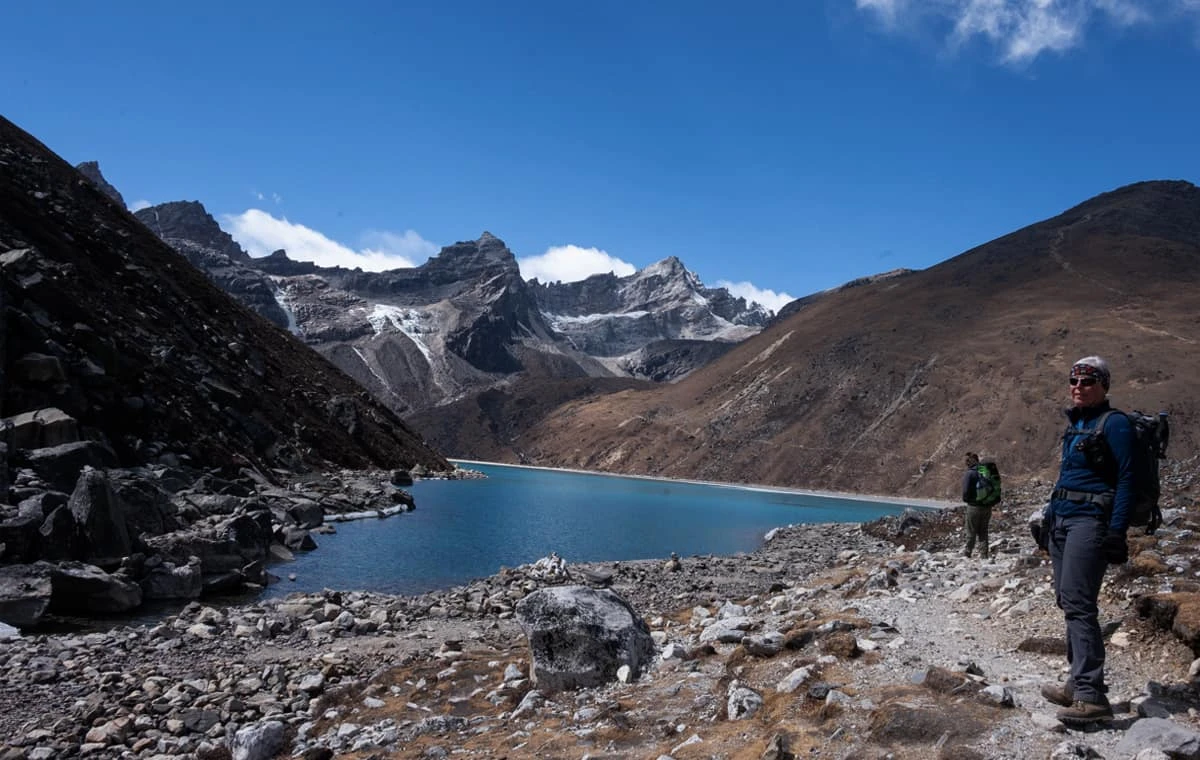
The emerald Gokyo Lakes are a system of six glacial lakes — the world's highest freshwater lake system — considered sacred by both Hindus and Buddhists. The third lake, Dudh Pokhari, sits beside Gokyo village and reflects the surrounding peaks like a mirror. Pilgrims visit these holy lakes on special occasions, and trekkers can extend to the fourth and fifth lakes for the famous Scoundrel's Viewpoint. That's the most attractive part of this short Gokyo route.

Sagarmatha National Park (UNESCO World Heritage Site)

Sagarmatha National Park conserves rare animals and plants that you'll also encounter along the way. Established in 1976, the park covers 1,148 sq km, and you will witness a variety of flora and fauna including Himalayan tahr, musk deer, and dense rhododendron and pine forests. Walking in remote places like Gokyo suppresses all the stress and releases happiness within you. That feeling is awesome.

Magnificent Panorama Scenarios

Throughout the journey, you pass through quiet Sherpa villages and high glacial terrain. The mesmerizing views of Cho Oyu (8,188 m), Everest (8,848.86 m), Lhotse (8,516 m), Makalu (8,485 m), Thamserku, and the Ngozumpa Glacier will make your heart pound. The turquoise lakes set against snow-capped giants provide a superb and surreal outlook unlike anywhere else on the Everest trail.

Quieter Alternative to the Everest Base Camp Trek

If you are seeking the grandeur of the Everest region without the heavy crowds, this short Gokyo route is an excellent choice. The trail shares the EBC Trek route only as far as Namche before branching into the peaceful Dudh Koshi valley. The lake scenery and the four-peak panorama from Gokyo Ri are considered by many trekkers to rival or exceed the classic base camp view. The trip can be completed within a week and is one of the most rewarding short high-altitude treks in Nepal.

Most Popular Treks in the Everest Region

Alternative & Reliable Everest Region Treks

The Everest trekking region is the most iconic and popular destination in Nepal. The Gokyo route is the finest for those who want stunning lakes and fewer crowds. The trail starts from Lukla and can be combined with the challenging Cho La Pass to link with Everest Base Camp, or the Renjo La Pass for a full Gokyo circuit. Major transportation is by mountain flight, and a helicopter return is an optional time-saving upgrade.

Your Safety is Our Priority

On a fast, high-altitude trek like this one, safety is non-negotiable. The route climbs to 5,357 m at Gokyo Ri in just five days, and at that elevation, even fit trekkers can be caught off-guard by Acute Mountain Sickness. Breeze Adventure has built a layered safety system so that you can focus on the mountains, and we can focus on getting you up and down safely.

Trained Sherpa Guides with Wilderness First Aid

Every Breeze Adventure trek is led by a government-licensed Sherpa guide who has completed wilderness first aid training and has years of experience reading altitude on the body. Our guides know the early signs of AMS, HAPE, and HACE long before they become serious, and they have full authority to slow the pace, add a rest, or descend with you immediately if your health requires it. No itinerary, no flight schedule, no group pressure ever overrides that decision.

Daily Health Checks & Oximeter Monitoring

From Namche onwards, your guide will check your oxygen saturation and resting pulse every morning and every evening using a pulse oximeter. These numbers tell us how well your body is adapting to altitude, far earlier than symptoms alone would. Readings are logged each day so we can see trends, not just snapshots. If your saturation drops below safe thresholds, we adjust the plan on the spot — no questions, no negotiation.

One Full Oxygen Cylinder Carried for Your Group

On this 7-day route, Breeze Adventure carries one full tank of supplemental oxygen with every group as standard, included in the package at no extra cost. This is your emergency backup if a trekker shows signs of severe altitude sickness while we wait for descent or helicopter evacuation. The tank is carried by a dedicated porter and stays with the group from Namche all the way to Gokyo Ri and back. Many short-itinerary operators charge extra for oxygen or don't carry it at all — we consider it essential for a fast ascent to 5,357 m.

Comprehensive First Aid Kit

Your guide carries a full mountain first aid kit including Diamox (acetazolamide) for altitude, paracetamol and ibuprofen, antibiotics, anti-diarrhoea and rehydration salts, blister care, wound dressings, and emergency steroids for severe AMS. The kit is checked and restocked before every departure.

Helicopter Evacuation Readiness

Your guide is in regular satellite or mobile contact with the Breeze Adventure operations team in Kathmandu throughout the trek. If a serious medical emergency occurs, we can coordinate a helicopter rescue from any point on the trail, weather permitting, usually within 1–3 hours of the call. This is exactly why comprehensive travel insurance covering helicopter evacuation up to 5,500 m is mandatory for this trip — please confirm your policy covers it before you fly to Nepal.

Smart Pace & Hydration Discipline

The single biggest factor in altitude safety is how you ascend, not how fit you are. Our guides walk slow on purpose, especially above 4,000 m, and will gently insist you drink 4 litres of water a day and eat well even when appetite drops. We will also never push a trekker who is feeling unwell — descent, even by half a day, is always available and always free.

Honest Pre-Trip Briefing

Before the trek begins, our team sits down with you in Kathmandu for a thorough briefing on altitude, the day-by-day plan, what symptoms to watch for, and what to do if you feel unwell. We would rather you start with full information than start nervous. If you have any medical condition — heart, lungs, blood pressure, recent surgery, pregnancy — please tell us in advance so we can advise honestly on whether this fast itinerary is right for you, or recommend our 11-day version instead.

Similar Trips
You May Also Like