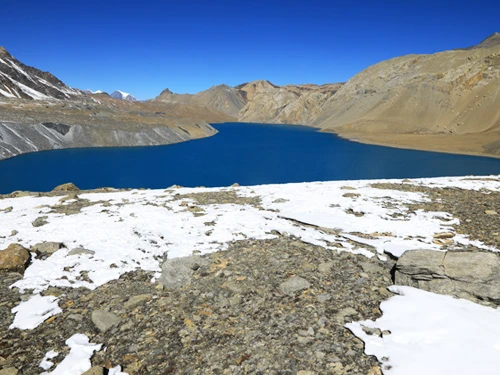
The Kanchenjunga Circuit Trek is one of Nepal’s most remote, raw, and culturally immersive Himalayan journeys. Circling Mount Kanchenjunga (8,586 m), the world’s third-highest peak, this trek leads deep into far-eastern Nepal through untouched forests. Similarly, traditional Limbu and Rai villages, glacial valleys, and two dramatic base camps.
As a local trekking guide who has completed the Kanchenjunga Circuit multiple times across different seasons, I can confidently say one thing: choosing the right season is critical. Snow conditions on high passes, weather stability, and trail access directly affect safety, comfort, and overall success.
October to the first week of December (only if high passes are snow-free)
March to May (spring season)
Below is a detailed, season-by-season guide written from real trekking experience. This will surely help you choose the safest and most rewarding time.
Table of Contents
Why Choosing the Right Season Matters on the Kanchenjunga Circuit
Unlike Everest or Annapurna, the Kanchenjunga Circuit is extremely remote with limited infrastructure and rescue access. Weather changes here are less forgiving, and high mountain passes remain exposed for long sections.
Choosing the wrong season can turn a dream trek into a risky ordeal. Proper timing ensures safer crossings, reliable accommodation, and smoother logistics in a region where external support is minimal and self-reliance is essential.
Risks of Choosing the Wrong Season
A poor seasonal choice on the Kanchenjunga Circuit can result in snow-blocked passes. There may be forced itinerary changes and extended delays in isolated villages. Heavy snowfall may make crossings impossible. While bad weather can reduce visibility and increase the risk of altitude-related issues.
Not just that, limited teahouses and transport disruptions can further complicate the journey. Literally affecting both safety and overall trekking enjoyment.
Benefits of Choosing the Right Trekking Window
Selecting the correct season ensures safe passage over high passes. Also, clear and consistent mountain views and manageable temperatures throughout the trek. Trails remain accessible, teahouses operate reliably, and local support systems function smoothly.
The joy of choosing the best season for Kanchenjunga Circuit trek
Most importantly, the right timing significantly increases the chances of completing the full circuit comfortably. While fully experiencing the cultural and natural beauty of the Kanchenjunga region.
Autumn (October – Early December): BEST & SAFEST
Autumn is the most reliable and safest season for the Classic Kanchenjunga Circuit Trek. Stable weather, clear skies, dry trails, and generally snow-free passes make this period ideal for both safety and scenery. Most successful Kanchenjunga treks are completed during autumn.
Why Autumn Is Ideal for Kanchenjunga Circuit Trek
Autumn follows the monsoon season, when the air is clean, visibility is excellent, and weather patterns are stable. Trails dry out quickly, rivers become manageable, and landslide risks decrease significantly. High passes such as Sele La, Sinelapche La, and Mirgin La are usually passable until late November. Making full circuit completion more realistic.
Village life is active during this season, with harvest time bringing cultural vibrancy to the trek. Teahouses are fully operational, food supplies are stable, and logistics are easier to manage. Daytime temperatures remain comfortable, while nights are cold but manageable with proper gear.
For first-time Kanchenjunga trekkers and those prioritizing safety, autumn offers the highest success rate and the most rewarding overall experience.
Best Autumn Months
October
October offers the most stable weather, crystal-clear skies, and excellent trail conditions. Passes are usually snow-free, making it the most reliable month for completing the full circuit safely. Mountain views are at their best, and temperatures are ideal for long trekking days.
November
November remains excellent, with dry trails and outstanding visibility. Temperatures begin to drop at higher elevations, but conditions remain manageable. This is a perfect month for experienced trekkers who enjoy colder nights and quieter trails compared to October.
Early December (Only if Snow-Free)
Early December can still be possible if snowfall is delayed. Days are clear but cold, and nights become very chilly. This period requires up-to-date local information, as early snowfall can quickly close high passes.
Weather & Trail Conditions in Autumn
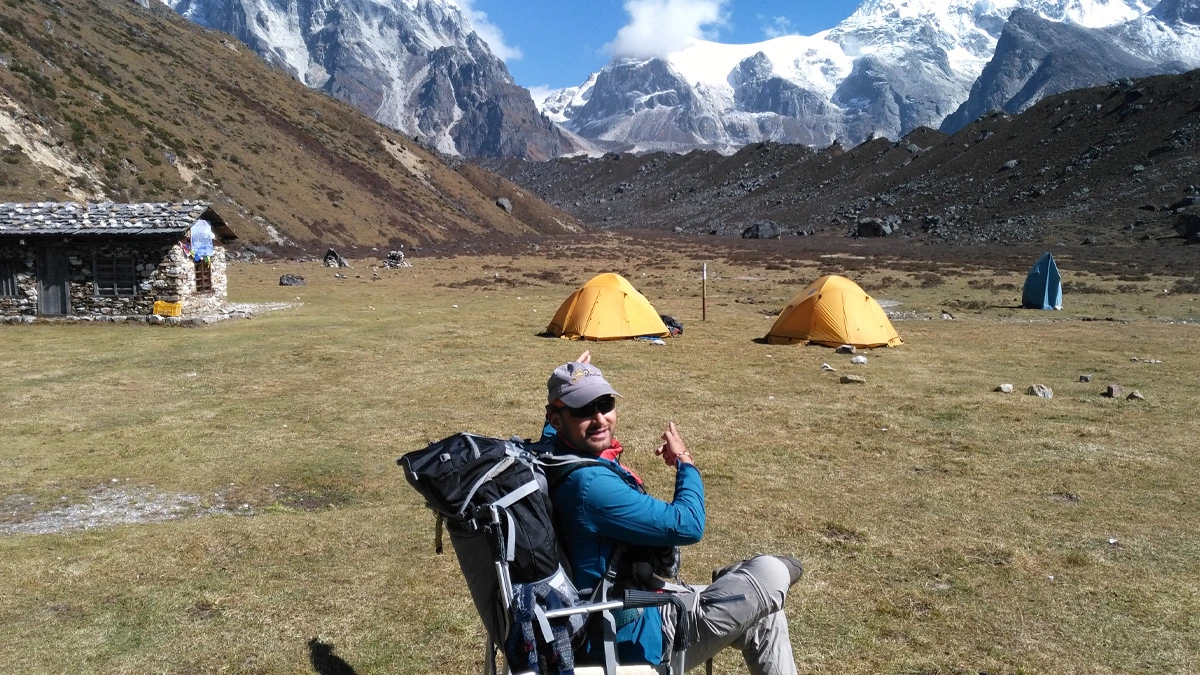
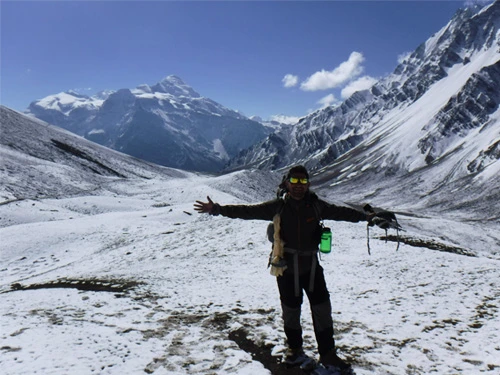
Trekkers relaxing in soothing temperature of Autumn season trek in Kanchenjunga Circuit
Autumn brings stable weather patterns with minimal precipitation. Skies remain clear for long periods, offering uninterrupted mountain views. Lower trails are dry and firm, while high passes usually remain snow-free until late November. Cold nights are common at higher camps. But daytime trekking conditions are comfortable and predictable. It makes autumn the safest season overall.
Temperature in Autumn
Daytime: 10°C – 18°C (lower elevations)
Night: -5°C to -10°C (higher camps)
Mountain Views in Autumn
Autumn offers the clearest and most consistent views of Mount Kanchenjunga, Jannu (Kumbhakarna), Kabru, and the surrounding Himalayan giants. Dry air and minimal cloud cover create perfect conditions. Mostly for photography, panoramic vistas, and unforgettable sunrise and sunset moments.
My Local Experience in Autumn
From my personal guiding experience, late October to mid-November is the ideal window for the Kanchenjunga Circuit Trek. During this period, high passes are usually safe, skies remain crystal clear, and the landscape glows with autumn colors.
Early December is only possible if snowfall is delayed, which I always confirm through real-time local updates before departure. For safety and success, I strongly rely on current ground conditions rather than fixed calendars.
Spring (March – May): SECOND BEST SEASON
Spring is the second-best season for the Kanchenjunga Circuit Trek and is especially popular among experienced trekkers. Warmer temperatures, blooming forests, and generally stable weather make spring a beautiful alternative to autumn. However, conditions can vary at higher elevations.
Why Trek Kanchenjunga in Spring
Spring brings blooming rhododendron forests, fresh greenery, and gradually warming temperatures. Wildlife and birdlife become more active, adding to the trekking experience. The weather remains relatively stable, particularly in April. While some snow may linger on high passes early in the season, proper acclimatization and timing make spring a rewarding option.
Best Spring Months
Late March
Late March marks the beginning of spring trekking. Lower trails bloom beautifully, but snow may still remain on high passes. This month is suitable for flexible itineraries and trekkers comfortable with colder conditions at altitude.
April
April is the best spring month for Kanchenjunga. Rhododendrons are in full bloom, temperatures are comfortable, and passes are usually manageable. Visibility is good, making April the spring equivalent of autumn in terms of overall experience.
Early May
Early May remains good, though temperatures rise and afternoon clouds become more common. Late May can feel warmer and more humid, but early May still offers solid trekking conditions with proper planning.
Spring Challenges
Spring can bring lingering snow on high passes, especially in March. Afternoon clouds may reduce mountain visibility, and temperatures can feel warmer and slightly more humid than in autumn. Careful pacing and acclimatization are essential for a safe trek.
My Local Tip for Spring
April is the sweet spot in spring. Flowers are at their peak, and temperatures are comfortable. Likewise, the high passes are usually passable with proper acclimatization. I recommend spring trekking only with flexible planning and real-time updates, especially early in the season.
Winter (Late December – February): NOT RECOMMENDED
Winter trekking on the Kanchenjunga Circuit is extremely difficult and generally not recommended. You can compare this difficulty with the Kanchenjunga North Base Camp trek difficulty level. Heavy snowfall, extreme cold, and closed high passes make route completion unlikely. Limited teahouse availability and increased safety risks further reduce feasibility during the winter months.
Why Avoid Winter
Winter brings heavy snowfall that blocks high passes and isolates villages. Temperatures can drop below -20°C at night, increasing the risk of frostbite and altitude-related issues. Teahouses often close, food supplies become limited, and rescue access is minimal. Delays and forced turnarounds are common, making winter unsuitable for standard trekking itineraries.
Who Can Consider Winter?
Only highly experienced, expedition-level trekkers with flexible itineraries, strong cold-weather skills, and full logistical support should even consider winter trekking on the Kanchenjunga Circuit.
Monsoon (June – September): NOT SUITABLE
The monsoon season is not suitable for the Kanchenjunga Circuit Trek. Heavy rainfall, unstable trails, and poor visibility significantly increase risks and reduce enjoyment, despite the region receiving slightly less rain than central Nepal.
Risks During Monsoon
Monsoon brings landslides, washed-out trails, leeches in lower forests, poor mountain visibility, flight and transport delays, and dangerous river crossings. Even though eastern Nepal receives slightly less rainfall, conditions remain unsafe and uncomfortable for long-distance high-altitude trekking.
Best Month-by-Month Summary
For easier comparison and safe planning, refer to the chart below. It clearly highlights which months are suitable, risky, or ideal for the Kanchenjunga Circuit Trek. Choosing the right month greatly increases your chances of a safe and successful journey.
Trekking Suitability Chart
Month
Suitability
January
❌ Too cold & snowy
February
❌ Passes blocked
March
⚠️ Possible with caution
April
✅ Excellent
May
✅ Good (late May warmer)
June- September
❌ Monsoon
October
⭐ Best
November
⭐ Best
Early December
⚠️ Only if snow-free
Final Verdict: When Should You Go?
Best Time Overall: October to mid-November
Best Spring Option: April
Avoid: Monsoon (June–September) and deep winter (January–February)
For safety, scenery, and success, autumn remains unbeatable, while April is the strongest alternative. But with the right tips for the Kanchenjunga Trek, you can manage possible difficulties on the journey.
Local Guide’s Final Advice
The Kanchenjunga Circuit is not a trek to gamble with seasons. Due to its remoteness, high passes, and limited rescue access, real-time local knowledge matters more here than anywhere else in Nepal. I have guided this trek many times across different seasons, and I always check current snowfall, pass conditions, village access, and weather trends before finalizing any itinerary. Choosing the right season and the right local support can be the difference between a safe, successful trek and a forced turnaround.
Kishwor Adhikari is a passionate writer with a deep enthusiasm for trekking and adventure. His extensive travels across Nepal, exploring its diverse landscapes and hidden corners, have shaped his unique perspective on the country's natural beauty. With a wealth of first-hand experience in adventure trekking, Kishwor has become a trusted voice for fellow enthusiasts. Through his writing, he shares invaluable insights, offering practical advice and inspiration for both seasoned trekkers and novices alike. His dedication to sharing his journey and knowledge helps others discover the wonders of Nepal's wilderness, making his work an essential resource for anyone seeking adventure in the region.