Packing for the Kanchenjunga Circuit Trek is about precision, not excess. This remote Himalayan journey circles Kanchenjunga (8,586 m). Then, it passes through isolated valleys with very limited facilities. In the trail, teahouses are basic, and the weather shifts quickly. Not just that, there are no reliable resupply points after the trek begins.
Based on repeated guiding experience in this region, this packing guide focuses on safety, warmth, weight balance, and comfort. Kanchenjunga Circuit Trek is smooth with the appropriate guidance. Selecting the right gear helps you enjoy the challenge of this wild trek without unnecessary hardship or risk.
Table of Contents
Why Packing Matters on the Kanchenjunga Circuit
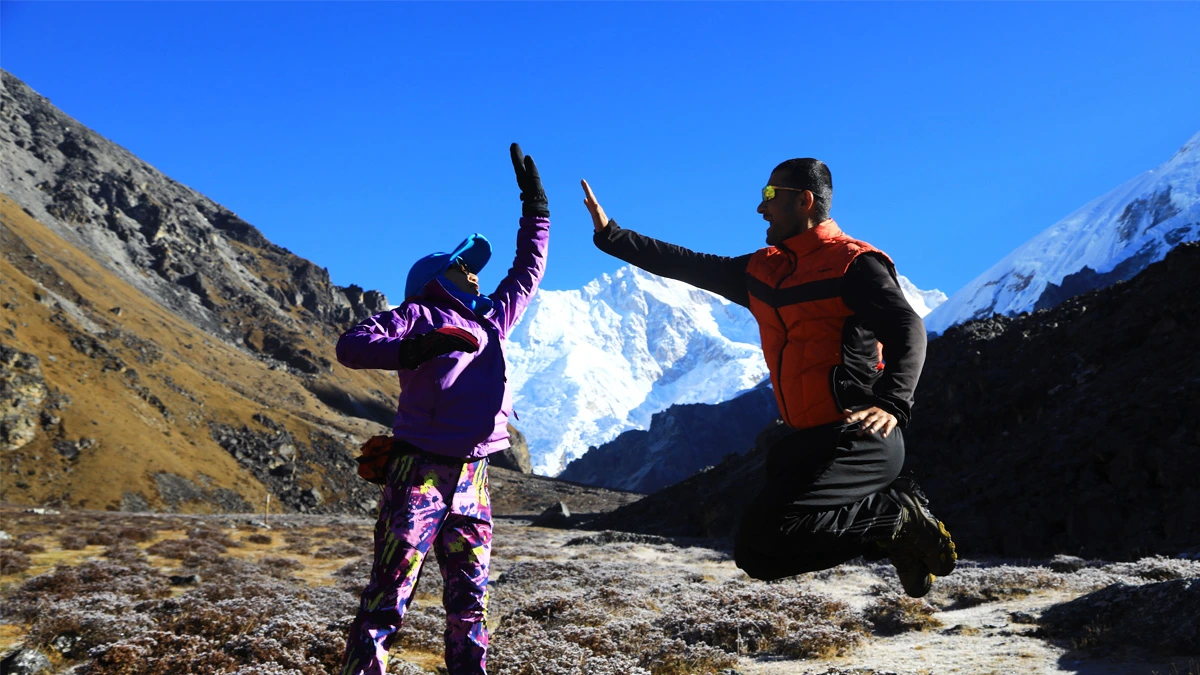
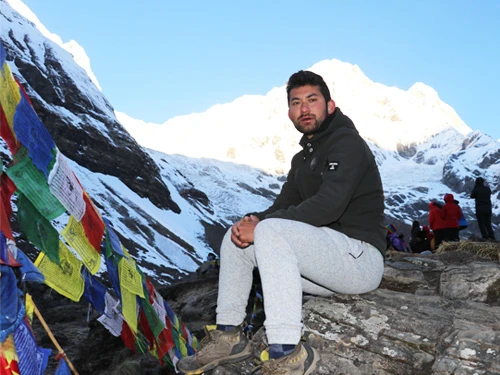
A fun moment on kanchenjunga Circuit trek with right gear and guidance
Kanchenjunga Circuit is a remote Himalayan trek in Nepal. It is considered one of the toughest trekking routes. So, smart packing can be a big help while doing this trek. Here are the major reasons why packing matters on this trek, have a look:
Remote & restricted region
The Kanchenjunga region is a restricted area in far-eastern Nepal. So, it has very limited infrastructure. Once you leave the road head, there are no proper gear shops, pharmacies, or rescue facilities. Similarly, lodges are basic, and villages are far apart. If you forget essential items, replacing them on the trail is almost impossible. This makes careful packing crucial, not just for comfort, but for safety and self-reliance throughout the trek.
Long walking days
In this trek, you can expect long trekking days of 6 to 8 hours. Often on rugged terrain with steep ascents and descents. Carrying unnecessary weight can quickly lead to fatigue, knee strain, and slower acclimatization. Well-chosen lightweight gear helps you conserve energy. Similarly, maintain a steady pace and enjoy the scenery rather than struggling under a heavy backpack.
Cold nights
Nights on the Kanchenjunga Circuit can be extremely cold. Especially in places like Ghunsa, Lhonak, and Pangpema. Temperatures often drop well below freezing, even in peak trekking seasons. Teahouses are not well insulated, and heating is limited. I used proper thermal layers and a high-quality sleeping bag to avoid cold-related illness. Also, to ensure proper rest for the next day’s walk. Knowing about the best time to visit the Kanchenjunga Circuit trek further helps in packing.
Limited electricity & hot water
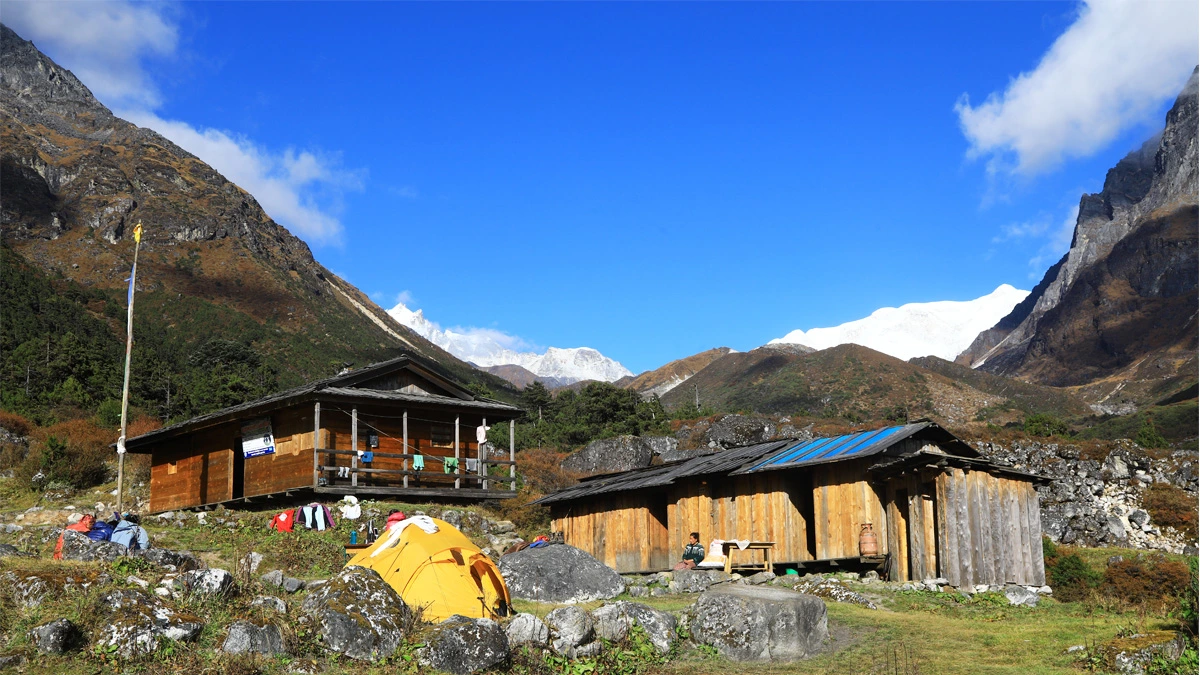
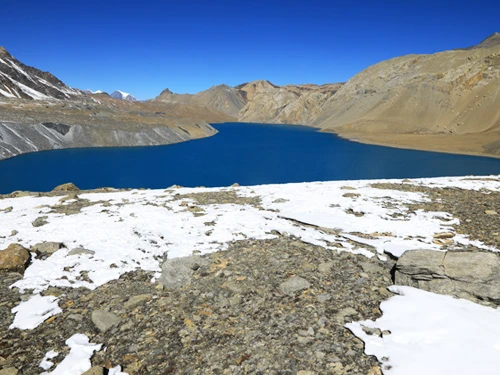
Traditional homes in Kanchenjunga Circuit Trek with limited facilities
Electricity is scarce and unreliable on this trek. Charging facilities, when available, are solar-powered and often cost extra. Hot showers are rare at higher elevations. Further, the power banks, efficient headlamps, and warm clothing reduce dependence on lodge facilities. Literally making your daily routine much more comfortable.
Emergency self-reliance
Weather changes, landslides, or illness can delay plans in this remote region. Immediate evacuation is not always possible. So, trekkers must be prepared with basic first aid, proper clothing, and personal essentials. While professional operators carry safety equipment, personal preparedness adds an important layer of security on such an isolated route.
Renting or Buying Gears in Kathmandu
Kathmandu, especially Thamel, offers excellent options for renting or buying trekking gear. You can rent items like down jackets, sleeping bags, trekking poles, and crampons at affordable daily rates, ideal for one-time treks.
Original international brands are available but expensive. However, good-quality Nepali brands offer reliable performance at lower prices. Renting usually costs a fraction of buying and is recommended for bulky cold-weather gear. For personal items like boots, base layers, and backpacks, buying your own is strongly advised for fit and hygiene.
Clothing System (Layering Is the Key)
Layering allows you to adjust easily to changing temperatures. It’s better to use base layers to manage sweat, insulation layers for warmth, and a protective shell for wind and rain. This system keeps you dry, warm, and flexible in all conditions on the trail.
Base Layers (Moisture Control)
2–3 moisture-wicking trekking shirts (merino or synthetic)
2 thermal base layers (top & bottom)
Quick-dry trekking pants (2 pairs)
Lightweight shorts (optional, lower valleys)
Insulation Layers (Warmth)
Fleece or softshell jacket
Down jacket (–10°C to –15°C rating)
Insulated trekking pants (recommended for high camps)
Outer Shell (Weather Protection)
Waterproof & windproof jacket (Gore-Tex or similar)
Waterproof pants with side zips
Backpack rain cover
Footwear (Non-Negotiable)
High-ankle trekking boots (well broken-in)
Lightweight camp shoes or sandals
4–5 pairs trekking socks (wool blend)
1–2 thermal socks
Gaiters
Sleeping & Personal Comfort
Four-season sleeping bag (–15°C comfort)
Sleeping bag liner
Compact inflatable pillow (optional)
Earplugs
Trekking Gear & Equipment
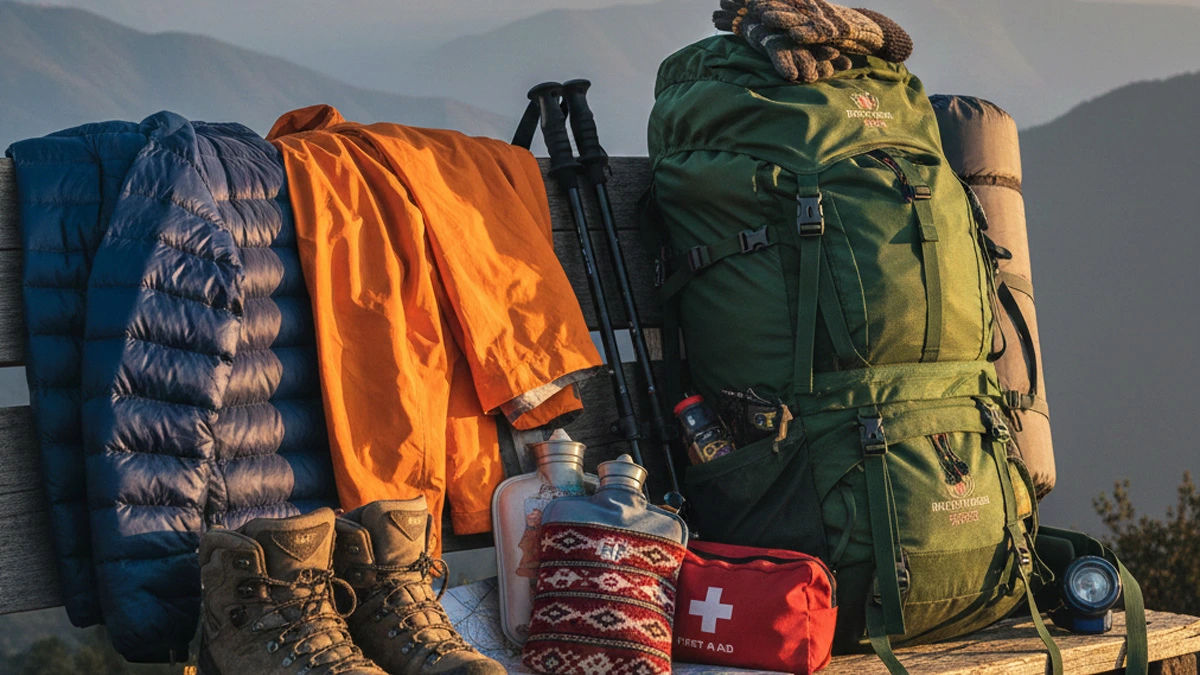
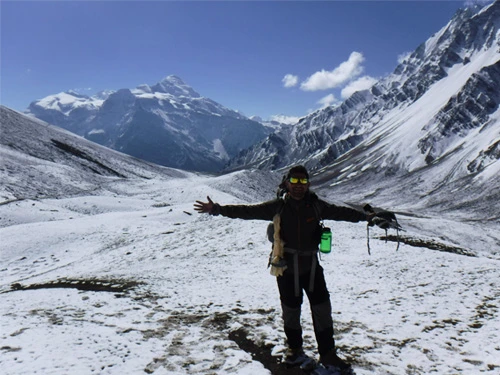
Trekking gears for Kanchenjunga Circuit trek
Backpack (50-65 L with porter, 40-45 L if light)
Daypack (20-30 L)
Trekking poles
Headlamp + spare batteries
Sunglasses (UV400)
Sun hat, warm beanie
Neck buff or scarf
Lightweight gloves + insulated gloves
Kanchenjunga Trek Permits are managed by the travel agency for your smooth journey. You just need to focus on what to pack for your daily comfort.
Health, Safety & First Aid (Very Important)
Personal first-aid kit
Altitude medication (as prescribed)
Pain relief & anti-inflammatory tablets
Blister care
ORS
Sunscreen (SPF 30–50)
Lip balm with SPF
Hand sanitizer & wet wipes
Personal prescriptions
Expert Tip: Operators carry oxygen and monitoring tools. But personal basics are still essential.
For emergency or unexpected events in the route, you should take an insurance policy. The Nepal Travel Insurance guide makes this clearer for choosing the right insurance policy.
Toiletries & Personal Items
Toothbrush & small toothpaste
Biodegradable soap/shampoo
Quick-dry towel
Toilet paper
Female hygiene products
Electronics & Documents
Power bank (20,000 mAh)
Charging cables
Camera/GoPro (optional)
Passport + photocopies
High-altitude travel insurance
Waterproof document pouch
Snacks & Nutrition
Energy/protein bars
Electrolyte powder
Trail mix & nuts
Chocolates
Food is available, but options are limited in remote sections. So, the packing bag seems slightly heavier than the Everest Base Camp trek Packing List. EBC trek has more facilities and easier access than this.
Optional but Highly Recommended
Lightweight crampons
Microfiber cloth
Notebook & pen
Small repair kit
Lightweight thermos
What NOT to Pack
Jeans or heavy cotton
Excess clothing
Heavy books or extra electronics
Drones (restricted area)
Apart from what to pack and what not to, you should consider Nepal Travel and Trekking Preparation for a smooth journey. This definitely helps you plan better.
Final Expert Advice
Pack light, layered, and purpose-driven. On this trek, trekkers usually carry a daypack with water, snacks, a camera, a jacket, and personal essentials. Our porter carries the main duffel (clothes, sleeping bag, spare gear), allowing you to walk comfortably and safely. Smart packing improves acclimatization, reduces injury risk, and keeps the journey enjoyable. Yes, the Kanchenjunga Circuit is demanding. But with the right gear and proper support, it becomes an unforgettable wilderness experience rather than a struggle. If you prepare well, the mountains reward you generously.
Kishwor Adhikari is a passionate writer with a deep enthusiasm for trekking and adventure. His extensive travels across Nepal, exploring its diverse landscapes and hidden corners, have shaped his unique perspective on the country's natural beauty. With a wealth of first-hand experience in adventure trekking, Kishwor has become a trusted voice for fellow enthusiasts. Through his writing, he shares invaluable insights, offering practical advice and inspiration for both seasoned trekkers and novices alike. His dedication to sharing his journey and knowledge helps others discover the wonders of Nepal's wilderness, making his work an essential resource for anyone seeking adventure in the region.