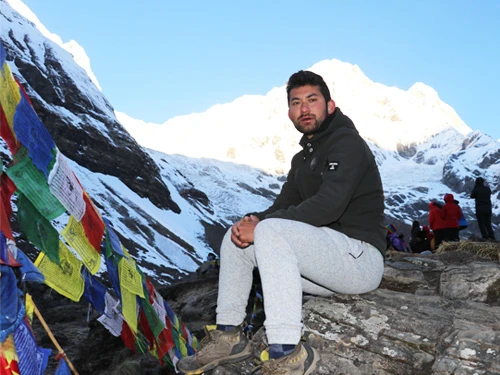
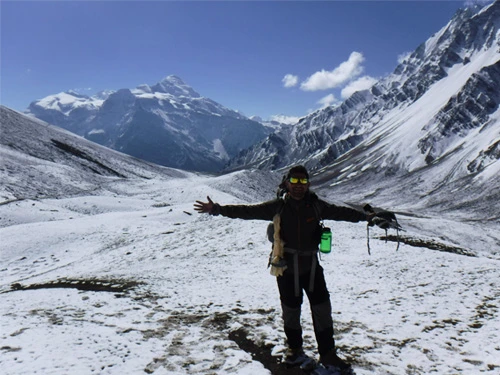
The literal definition of trekking is “a form of walking that is undertaken with the specific purpose of exploring the scenery, usually in areas of relatively unspoiled wilderness”. Well, that's how trekking is defined on Wikipedia.
Although it’s just another word for walking, we would like to define trekking in Nepal as exploring the remoteness and wilderness of the mountain region on foot. Trekking is a popular outdoor adventure for travel freaks who wish to push their limit to the extreme.
While hiking in Nepal, many people confuse trekking with Mountaineering. Well, it’s two different things. Nepal Mountaineering means climbing on the mountain peaks using ropes and all. This is a completely different experience. On the other hand, hiking/ trekking is just walking in the mountains and enjoying the most out of the adventure during the journey. Famous destinations include Mount Everest Base Camp, Annapurna Base Camp, and Langtang Valley Trek.
In some form or other, trekking activities have been our way of life; they carry a great history. For the people living in rough hills and mountain terrains, trekking is a part of their daily chores. But for travel enthusiasts, it is about witnessing a different lifestyle. Also, they enjoy the remoteness and finding their peace in nature.
Trekkers in Nepal Himalayan trekking route
Table of Contents
How to trek in Nepal?
Trekking around Nepal is a way of seeing the mountains, its history, people, and nature. Once you land at Tribhuvan International Airport in Kathmandu, you can hike to any place you wish. The easiest way is to book your trekking in Nepal even before you land in Kathmandu.
Or you can just arrive here and then look for the appropriate trekking package in Nepal. Once you get the package, "how to trek" is really not of concern; everything will be arranged. The registered trekking agencies in the Thamel area are a popular way to do this.
You can also trek on your own without booking any trekking package. For that, you need to issue a TIMS (Trekking Information Management System) card and other permits according to the region you wish to explore. However, solo trekking is not allowed in the Himalayan region of Nepal. For that, you need to hire a licensed local guide.
Once you look for a guide and a porter, buy necessary trekking gear and food, make some bookings in the region you will be trekking, and so on. After such preparation, get a map and then start to trek to the Himalayas. However, booking through a travel agency will arrange all these things on your behalf, making a smooth and enjoyable journey.
Breeze Adventure team in Himalaya, managing trekkers
Why trek in Nepal?
Now, if you are still thinking, why should I trek in Nepal, let us say why trekking in the Himalayas is an amazing idea. We can give you thousands of reasons to make you believe that Nepal is a must-visit destination.
Nepal has 8 out of the 10 tallest mountain ranges in the world, and it’s rich in natural vegetation and wildlife. These mountains are the place where the greatest sages and gurus found their purpose in life and peace of mind.
The drastic changes in the landscape and the rich biodiversity in flora and fauna will keep you engaged. Within a small area, Nepal has over 10 UNESCO World Heritage sites, and you can explore them all. Pashupatinath Temple, Sagarmatha National Park, and Patan Durbar Square are among them.
You will literally be living in the houses of local people and eating the food grown in their own gardens. The people are so welcoming and frank that you will feel the warmth of home. You will create unforgettable memories here.
Benefits /Importance of Trekking in Nepal
People heading towards mountain trekking in Nepal
If you ask, "Is trekking difficult?" the answer is "yeah, kind of". But in the end, hiking is worth it. The benefit of hiking is not just limited to building the strength of your body and improving physical condition. Along with the improvement in mental and social health, the benefits of trekking include overall changes in lifestyle.
So, yeah, trekking is good for health. Nepal, being a land of mountains, peace, and diversity, you will find many reasons to be here. Let's list out some of the importance of trekking in Nepal.
Reduces Stress: Detached from the digital world and your hectic lifestyle, the benefit of the hike is mostly related to reducing stress.
Improves cardiovascular strength: Trekking in remote high-altitude slopes of Nepal is great for your cardiovascular strength.
Social benefits: Interaction with the locals during the trek and the opportunity to make new friends and meet a lot of people during the trek are of great importance. It will be a chance to take your social skills to the next level. You will also get to learn some new languages and lifestyles.
Cultural Understanding: Trekking in a culturally diverse country like Nepal will build a great understanding of different cultures and traditions. If you are in the Annapurna Region, you will enjoy the local lifestyle and culture of the Gurung people.
Inner Cleanse: And lastly, it’s a rejuvenating experience for the soul.
Types of Trekking in Nepal
Depending on your needs and intentions, trekking can be of different types. A trek can be short and luxurious or long and wild. Different kinds of treks have their own perks. So, what are the types of Trekking in Nepal? Let’s read.
Tea House Trek
This is the most popular form of trekking in the mountain trails of Nepal. In this type of trek, you will be accommodated in locally built houses with a small wooden room, two single beds, and a shared bathroom.
Here, you will get to have a warm dinner at night and breakfast in the morning before you leave the house. It’s a great opportunity to connect with locals and witness their lifestyle from close.
Tea house trekking in Nepal is mostly done on routes like Everest, Annapurna, Langtang, Manaslu, and the Dolpo region. Some newly opened mountain trekking trails are also building tea houses for the ease of trekkers.
Camping Trek
On the trails that are very remote and thus less visited, you need to set up your camp at the end of the trek. Your guide will help you find an appropriate location for the trek. Then you can set up the camp and cook the food you carried all the way. Camping trek is popular in regions like Kanchenjunga, Dhaulagiri, Limi Valley, Makalu, and so on.
Service Trek
Trekking in Nepal is not just about adventure. You can also include some service and volunteering activities for the people during your journey. Hiking to remote Nepal such as the Manaslu Circuit Trek, and delivering needed medicine, warm clothes, books, sanitary products, setting up health camps, and many other service activities are the goal of a service trek in Nepal. Such a trek can be done in any region of Nepal you want to explore. This is also an easy trek and useful to the Nepali community.
Foreigners in remote trek Nepal
Trekking Regions in Nepal
No idea about "where to trek in Nepal? or when to trek in Nepal?"
Nepal is literally a paradise for travel freaks. There are so many awesome remote mountain paths that you can explore. The options are unlimited, and so is the experience. Each region has its own perks that cannot be found in any other trekking region. You can either go for a month-long trek in the east or just wander around the streets of Pokhara and Kathmandu. Jungle trekking is also popular in Nepal.
You can also try a Chitwan tour package for a jungle safari and wildlife experience. One-horned rhino is the main attraction here.
No matter which region you trek, you can enjoy the friendliness of the people, enjoy the magnetism of the mountains, and be at peace with yourself. Could you ask for anything more?
Have a look at the most popular trekking regions in Nepal
Porter carrying load on his back in Everest Region
Everest Region
Great trekking terrain! In this trek, you will get to stand face-to-face with the highest mountain in the world– Mountain Everest (8,848.86 m). Also, you will see multiple other majestic peaks above 6000 that all lie together to give you a panoramic view. During this trek to Everest Base Camp also get to meet the Sherpa people, who are renowned for their climbing skills. In short, this is a fantastic trekking experience.
You can just trek up to the base camp or make it even more adventurous with the trek passes trek and the Gokyo Ri trek. There’s Kala Patthar at 5,600 meters, which is a vantage point providing fantastic views. Among the tea house trekking trails in Nepal, the Everest region is the most classic and most popular option.
Annapurna Region
With so many easy trekking trail options, Annapurna is a wonderful trekking area in the foothills of the Himalayas. This trek includes everything that trekking means in English.
The Annapurna region trek leads you from the Alpine forests in the lowlands to the lush pastures in the highlands. There are barren desert-like terrains of Manang and Mustang. Along with the wonderful landscape of the base camp are the major highlights of this trek.
You cannot miss exploring villages like Poonhill and Ghandruk. And for the bonus, you have every route that promises a majestic view of the different peaks in the Annapurna range. This particular trek offers a chance to accumulate as many memories as you like.
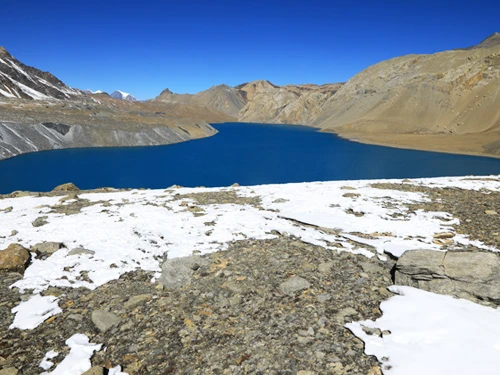
Thorong La Pass, Kali Gandaki Gorge- the deepest in the world, Muktinath temple, Tilicho lake- a lake situated at the highest altitude, Rupse Waterfall, and a Natural hot spring in Tatopani are some of the additional perks for trekking in the Annapurna Region. The trek begins in the beautiful city of Pokhara.
Stunning couple captured in Himalyan trek Nepal
Langtang Region
Close to the capital of Nepal, the Langtang Valley trek is a prodigious trekking route. During the trek, you get to visit the glaciers and snow-capped peaks located at a short distance from Kathmandu. As one walks further through the pine forests, stony streams, grassy meadows, and wide pastures, they feel rejuvenated. Around two weeks of the trek in the popular Langtang Valley is a once-in-a-lifetime experience.
Expect amazing biodiversity; you get to have panoramic views of mountains such as Mt. Langtang-Ri, Langtang Himal, and Gajala Peak. This trek starts from Syabrubesi, which is located an 8-hour drive from Kathmandu City. Then you will enter deep inside the valley on foot.
Kanchenjunga Region
Mount Kanchenjunga- the remote adventure in Nepal
Kanchenjunga Region in the easternmost part of Nepal is still a very remote trekking path. The trail passes through the tropical lowlands and lush forests of Rhododendron. As you enjoy the picturesque view of northern hill settlements, you pass through the villages of Tibetan tribes such as Rais and Limbus.
Kanchenjunga trek means enjoying the rich biodiversity of the Kanchenjunga Conservation Area. While also wandering on the border of Sikkim and Tibet is the major highlight of this trek. You can explore Ghunsa, Lonak, and Pang Pema Base Camp, along with Kanchenjunga North or South Base Camp. You will also get to explore the Yalung glacier.
While other treks mentioned in the list are mostly tea house trekking, the Kanchenjunga Region is ideal for camping trekking. Imagine wandering in a beautiful landscape for the day. Setting up the camp as the evening falls, cooking your dinner, and sleeping with millions of stars above your head. Sounds amazing, doesn’t it?
Dolpo Region
Amazing blend of nature and culture in Dolpo
Looking for a long, unique, and life-changing trekking opportunity in the remote region of Nepal? Then the Dolpo trek is the ideal destination for you. The Lower Dolpo trek can be short and easy, but the experience of the Upper Dolpo Trek is more than amazing. This high-altitude region in the far west of Nepal is culturally influenced by Tibet.
Get an adventurous peek into the wonderful hidden valleys of Nepal in the rain shadow areas. In the spring, you get to witness the Yarsagumba Hunt. The trek begins from Jhupal, 2285 meters, and passes through different giant peaks. Stunning views of Dhaulagiri, Tibetan Peaks, and High passes like Kang La and Saldang La are the major highlights of the trek.
Initially, you begin to walk along the terrace farms that slowly change into the arid landscapes and gorges of the Dolpo. Lastly, you cannot miss Shey Phoksundo Lake- the deepest lake in Nepal
Risks and Prevention of Trek
Nepal is, without a doubt, one of the safest countries for trekking. But that doesn’t mean you shouldn’t be prepared for an emergency. First and foremost, understand that you will be at risk of trekking in Nepal at a very high altitude (4000 m to 6000 m). So, the risk of altitude trekking is always high in Nepal.
The risk of sore legs, a painful body, headaches, and bruises is also high. That’s why you will need travel insurance that covers high-altitude helicopter rescue before you come to Nepal. Trekking in Nepal with an experienced guide and letting the porter carry the excess bag will be very helpful for you.
Nepal has all kinds of treks, ranging from an easy day hike to a month-long trek in the mountains. You will not need any prior experience for an easy trek such as the Everest View Trek, the Annapurna Base Camp, the Mardi trek, and so on. But if you aim to go for a difficult trek, you will need some solid preparation.
To prepare for trekking in Nepal, it’s ideal to practice some running and low-altitude hiking in your own country. You need to build your strength through activities like a short hike, cycling, and swimming. Along with training, you need to know about the region you will be visiting. Surfing through Google or interacting with anyone who has been to that region will be very helpful.
And then you need to prepare for the Nepal visa and start shopping for trekking gear. You might also want to book your Nepal trek package before getting a flight ticket.
Trekkers and animals with load in Himalayan journey
Best Time for Trekking in Nepal
To be honest, you cantrek in Nepal at any time of the year. But if you can align your trekking region with the climate of Nepal, the experience would be wonderful. For example, you can trek to the Annapurna and Everest regions in spring and Autumn.
Autumn, with crystal views of the mountains, makes some of the most popular treks in Nepal. Spring is wonderful with different wildflower blooms. At this time, the temperature at the base camp is bearable, and the weather is also most stable.
A summer trek in Nepal is fun in the regions beyond the Himalayas, such as Mustang, Manang, Upper Dolpo, and so on. These places only experience slight rainfall. A lower altitude trek is good for winter, as the high altitude is all covered in snow. Expect some high-altitude passes; the trekking path is open at any time of the trek. These high passes are mostly closed in the winter.
Any age limit for trekking in Nepal?
A huge NO! There is no age limit for who can trek in Nepal. As long as you are physically fit and want to take the risk, you are free to trek in any part of Nepal.
Nepal Tourism Board issues TIMS (Trekkers Information Management System) cards and permits for people of any age group. If you are thinking about trekking with family in Nepal or trekking with Kids in Nepal, just go for it.
Annapurna Base Camp Trek with kids and family is a popular trekking package these days. Besides this, you can book the Everest region and other valley and mountain tours with your loved one.
How much does it cost to trek in Nepal?
Nepal is rated as one of the cheapest destinations for backpackers. The cost of trekking in Nepal depends solely on your itinerary and the need for luxury. On average, the daily trekking cost in Nepal will be around $30 to $50 per person for food and accommodation. The food at higher altitudes costs around $6-$10 per meal, and the cost of the room is $5 per night on average.
Now add the cost of the Permit (which is usually less than $50), guide and porter ($25 each/day), and transportation costs. The longer you stay, the higher you pay. Also, some regions like Annapurna are relatively cheaper than Everest.
Camping trek costs almost twice as much as the tea house trek. Trekking in a group or getting a travel package for trekking in Nepal will lower your cost. You must have a basic idea of the cost of trekking in Nepal.
Conclusion
Lastly, we can claim that Nepal is a country that definitely deserves to be at the top of your bucket list. Taste the unique flavor of life as you let your soul wander in the peace of the Himalayas.
Any queries?
Contact us or leave your questions in the comments below. We will be more than happy to address your issues.
Kishwor Adhikari is a passionate writer with a deep enthusiasm for trekking and adventure. His extensive travels across Nepal, exploring its diverse landscapes and hidden corners, have shaped his unique perspective on the country's natural beauty. With a wealth of first-hand experience in adventure trekking, Kishwor has become a trusted voice for fellow enthusiasts. Through his writing, he shares invaluable insights, offering practical advice and inspiration for both seasoned trekkers and novices alike. His dedication to sharing his journey and knowledge helps others discover the wonders of Nepal's wilderness, making his work an essential resource for anyone seeking adventure in the region.