A Local Guide’s Safety Approach in the Nepal Himalaya
As a local Himalayan guide, safety is the foundation of every trek we lead. The mountains are beautiful, but altitude and weather can be unpredictable, so preparation and awareness matter more than strength. Our approach is simple: move slowly, give the body time to acclimatize, and never ignore early symptoms of altitude sickness.
We check each trekker’s oxygen level, heart rate, and condition every evening, and guide the pace according to their health, not the itinerary. With years of experience on trails like Everest Base Camp Trek, Manaslu Trek, Dolpo, and Dhaulagiri, we’ve learned that safety comes from patience, teamwork, and smart decisions at every step.
Table of Contents
What is Altitude Sickness?
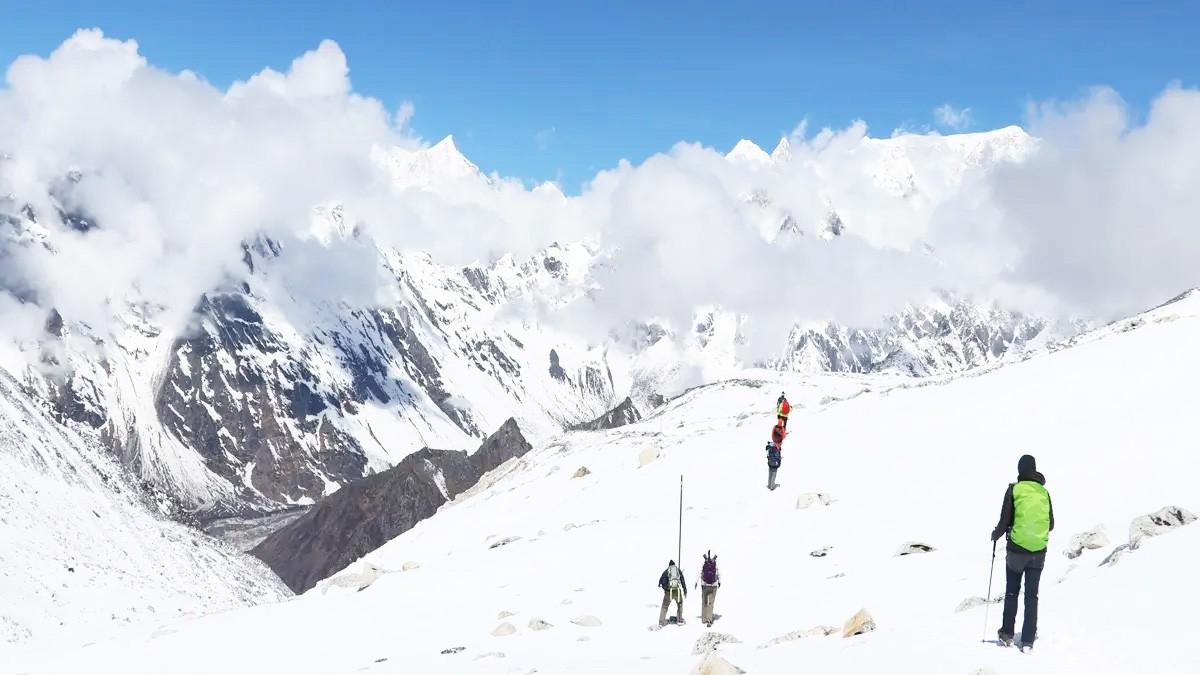
Nepal Remote Himalayas are prone to heavy risk of altitude sickness
Altitude sickness, also known as Acute Mountain Sickness (AMS), is a health condition caused by reduced oxygen levels at higher altitudes. As you climb above 2,500 meters, the air becomes thinner, and your body needs time to adapt. When acclimatization is not enough, the brain and lungs may struggle to receive oxygen. Leading to symptoms like headache, nausea, dizziness, loss of appetite, and difficulty sleeping.
There are three common types of altitude sickness: AMS (Acute Mountain Sickness), HAPE (High Altitude Pulmonary Edema), and HACE (High Altitude Cerebral Edema).
AMS is mild and manageable with rest, hydration, and medicine. HAPE and HACE are rare but serious conditions that require immediate descent and medical support. From my years guiding in the Himalaya, I’ve seen that altitude sickness can affect anyone, strong or weak, young or old. The key is prevention, slow pacing, and proper acclimatization at each stage of the trek.
How Do People Get Altitude Sickness?
Most trekkers get altitude sickness because they ascend too quickly, without giving their bodies enough time to adjust. Dehydration, lack of sleep, poor nutrition, and pushing beyond personal limits increase the risk. Some people ignore early symptoms, thinking they will “get better tomorrow". But altitude problems usually get worse at night.
Many hikers also walk fast on the trail, feeling strong at lower altitudes, but that speed becomes risky above 3,500 meters. Advancing without acclimatization days, skipping the “climb high, sleep low” routine, relying only on medicine, or spending long hours in sealed rooms with little oxygen also contribute to sickness.
Where Does Altitude Sickness Start?
Altitude sickness in Himalayas start feeling after you cross 3200 m
In Nepal, most trekkers start to feel altitude effects between 3,200 to 3,800 meters, depending on their body condition, weather, and pace. On the Everest Base Camp trekking, altitude is first noticeable around Namche Bazaar (3,440 m). Here, sleep may feel different, and the body needs extra effort to breathe. Higher villages like Dingboche (4,410 m) and Lobuche (4,910 m) are common points where symptoms become stronger.
Some trekkers feel nothing in the day but get headaches at night because oxygen levels continue to drop while sleeping. Good acclimatization, slow walking, drinking plenty of water, and resting an extra day at the right altitude help your body adapt naturally to height.
Altitude Sickness on Nepal’s Trekking Trails
Altitude sickness is part of the reality of trekking in the Nepal Himalaya. Busy trails like Everest Base Camp see over 50,000 trekkers every year, and some are not well-trained, fit, or properly acclimatized. The route is not connected to any road access. So when someone gets severe altitude sickness, the only solution is to descend on foot or wait for a helicopter rescue. Sometimes, the weather is not favorable for a helicopter, and the client can’t walk down due to weakness or low oxygen levels.
I have personally seen critical situations where someone needed oxygen support for many hours until the weather allowed evacuation. Remote trekking regions like Kanchenjunga, Upper Dolpo, Dhaulagiri, and Manaslu are even more challenging. Some trails do not have phone signal or Wi-Fi. This makes communication difficult in emergencies. That’s why Breeze Adventure always prepares for worst-case scenarios, especially in isolated places.
How Breeze Adventure Handles Altitude Issues?
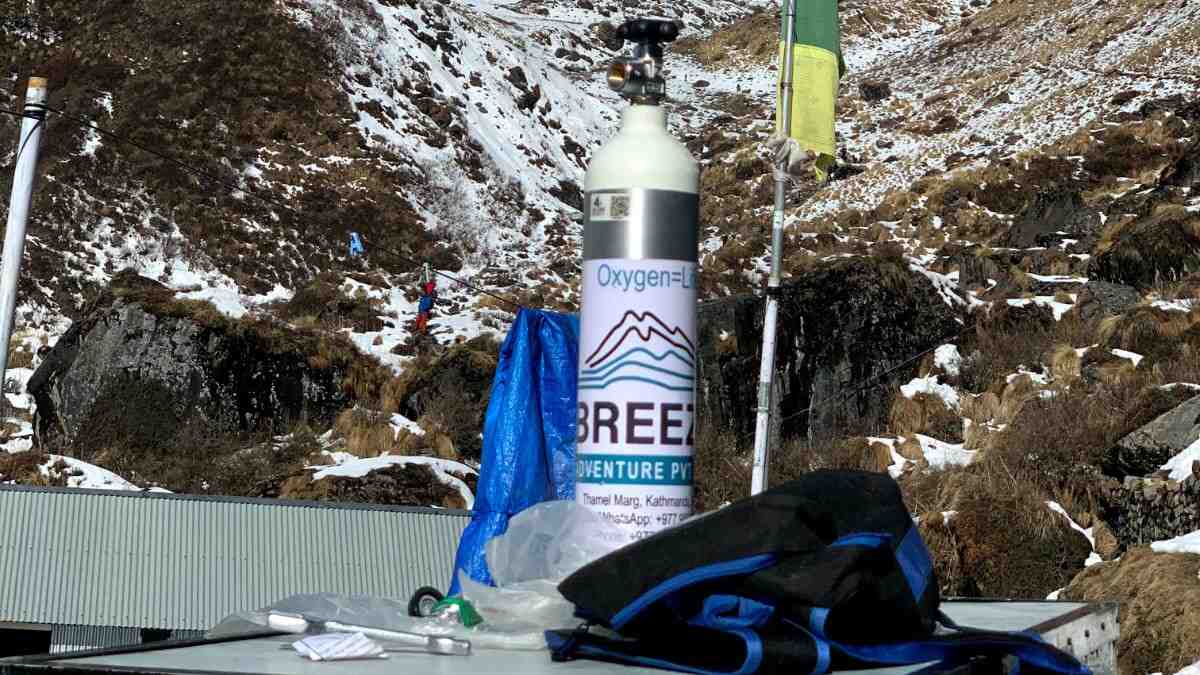
Breeze Adventure handles altitude sickness with oxygen tank
Our priority is always prevention, not reaction. Every Breeze Adventure trek is led by well-experienced local guides. Trained in altitude management and rescue procedures. We walk at a safe pace, encourage hydration, and conduct daily health checks. Similarly, oxygen level, heart rate, blood pressure, and temperature.
Even with all precautions, altitude sickness can happen. We manage each situation based on the altitude and the condition of the client. We carry a portable oxygen tank that can support one person for up to 20 hours. And a full medical kit, including Diamox. Our commitment is simple: a safe and successful adventure in the Himalaya.
Altitude-Wise Safety Strategy
Breeze Adventure follows a clear altitude-wise safety strategy based on experience in the Nepal Himalaya. At 2,500–3,500 m, we focus on hydration, rest, and early symptom checks. Between 3,500-4,500 m, we slow the pace, add acclimatization hikes, monitor oxygen levels, and provide support if symptoms appear.
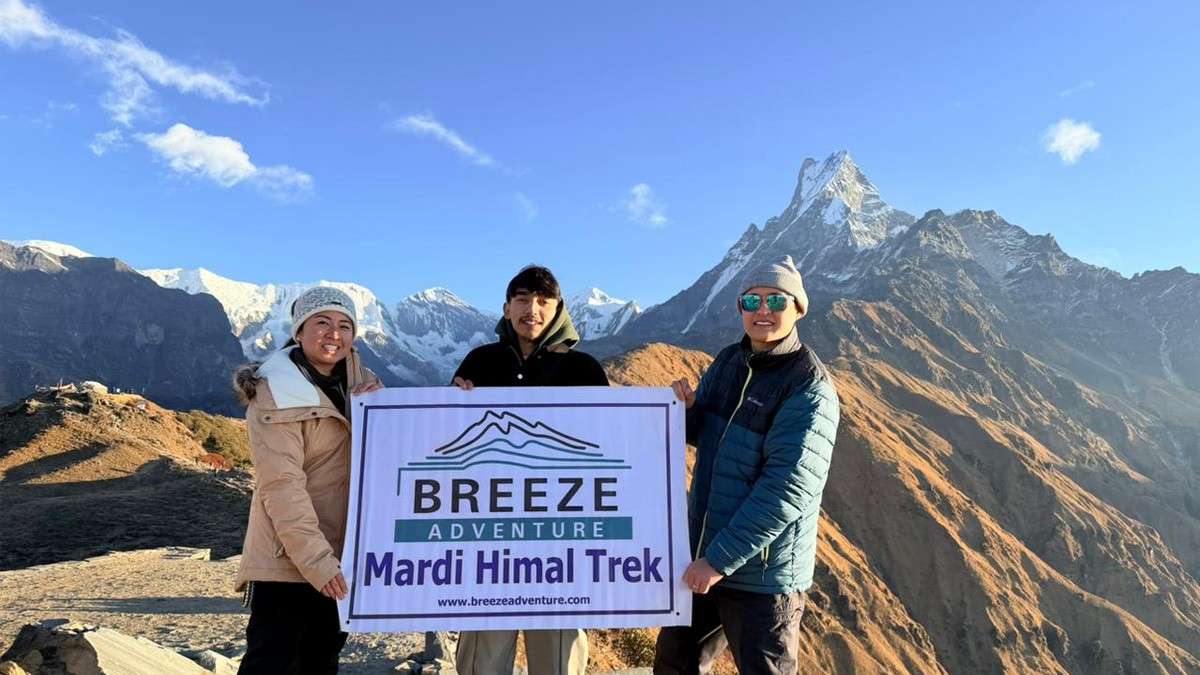
Breeze Adventure team in Mardi Himal ensuring safety and smooth journey
Above 4,000 m, where oxygen drops sharply, safety becomes the priority over reaching the destination. We use oxygen support, make informed decisions, and descend or evacuate if needed. Just ensuring every trek remains safe and successful.
2,500–3,500 m
This is the starting level of altitude. Very few trekkers feel sickness here, though mild symptoms can appear. If someone feels unwell, we provide Diamox, encourage hydration, offer garlic soup, and recommend rest. If possible, we take an extra acclimatization day, which usually helps the body adapt without stress. In most cases, clients recover quickly at this altitude.
3,500–4,500 m (Critical Acclimatization Zone)
This is the high altitude where most trekkers start to feel the effects of altitude. Proper acclimatization and hydration are essential here. We encourage guests to walk slowly (bistari bistari), because slow walking keeps the body active outside longer. Also, helps breathing and gives more time for natural acclimatization.
Walking fast, reaching the room early, and resting inside low-oxygen rooms increase the risk. If anyone shows early symptoms, we stop here for an extra day. We guide a short acclimatization hike, remind hydration, and monitor vitals. If someone becomes worse at night with a sudden oxygen drop, Breeze Adventure provides oxygen on the spot, no matter how remote the village. This allows 20 hours of safety until we walk down with support or wait for rescue. Even in bad weather, we don’t let our clients risk their lives.
4,500–5,500 m (High Altitude)
This is the most challenging altitude zone for trekkers in Nepal, especially at Everest Base Camp Nepal. The oxygen level is around 50% lower than sea level. Many trekkers experience symptoms at Lobuche and Gorakshep. Often, people push themselves to reach Base Camp even with symptoms, which is very dangerous.
With Breeze Adventure, we never allow clients to continue if their oxygen level is below 70%. We provide oxygen immediately and make the right decision according to the situation. Either descend or stay safely and wait for evacuation. Your safety is our top priority, not reaching the summit or Base Camp.
How Helicopter Evacuation Works in Nepal
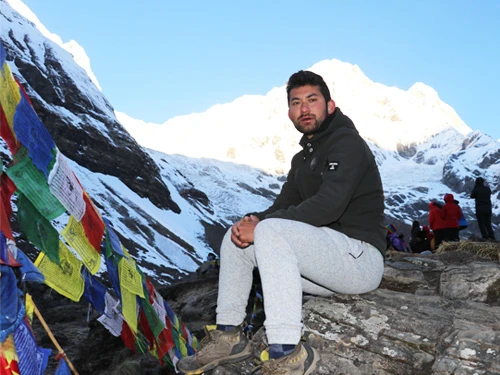
Oxygen tank is strong support in case of emergency evacuation
Helicopter evacuation in Nepal is coordinated through your trekking agency and insurance provider. If you get altitude sickness or a medical emergency, your guide informs Breeze Adventure and contacts the rescue team, shares your location, and a helicopter picks you up and flies you to a hospital in Kathmandu. You don’t need to pay in advance if your travel insurance covers high-altitude evacuation.
Choose insurance that clearly covers trekking elevations up to 5,000 - 6,000 meters. Including helicopter rescue, hospital care, and medicine. Confirm coverage in writing before travel. Good insurance removes stress about paying for expensive helicopter flights. This makes your trek safer and worry-free.
Conclusion
Altitude sickness can never be avoided 100%. Even experienced Sherpas who have climbed Everest feel altitude effects at Base Camp depending on health, food, and temperature. To reduce risk, we highly recommend checking your health before the trek. Likewise, consulting your doctor, using proper gear, walking slowly, avoiding alcohol, and drinking enough water.
From my guiding experience, successful trekking comes from patience, hydration, and listening to your body. The right preparation, training, and gear make this possible in Nepal. We wish every traveler a safe and successful journey in the Nepal Himalaya.
Altitude Sickness Frequently Asked Questions
1. What is altitude sickness?
Altitude sickness happens when your body cannot get enough oxygen at high elevations. It usually starts above 2,500 m and can cause headache, dizziness, nausea, and trouble sleeping.
2. Can anyone get altitude sickness?
Yes. Altitude sickness does not depend on age, fitness, or trekking experience. Even strong athletes and Sherpas can feel symptoms depending on health and weather conditions.
3. When do trekkers usually feel altitude sickness in Nepal?
Most trekkers start to feel altitude changes between 3,200 and 3,800 m. Especially in places like Namche Bazaar, Dingboche, and Lobuche on the Everest Base Camp route.
4. What are the best ways to prevent altitude sickness?
Walk slowly, stay hydrated, avoid alcohol, take acclimatization days, eat well, keep the body warm, and listen to early symptoms. Never rush the ascent.
5. What does Breeze Adventure do to keep trekkers safe?
We provide trained local guides, daily health checks (oxygen level, pulse, BP), a full first-aid kit, Diamox, and a portable oxygen tank that supports one person for 20 hours.
6. What happens if someone gets altitude sickness on the trail?
We first treat symptoms at the same altitude with hydration, Diamox, rest, and oxygen support if needed. If the situation is serious, we immediately descend or arrange a helicopter evacuation.
7. Is a helicopter rescue always possible?
Not always. Bad weather can stop flights. That’s why Breeze Adventure carries oxygen support and prepares for emergency overnight situations in remote locations.
8. What should I do before trekking to avoid altitude sickness?
Consult your doctor, train physically for endurance, and bring proper cold-weather gear. Also, carry a reusable water bottle and follow your guide’s advice during the trek.
9. Can I continue to trek after getting altitude sickness?
No. Continuing with symptoms can be dangerous. If your oxygen level drops below a safe point, we stop your trek, provide treatment, and make a safe plan based on your condition.
10. Is altitude sickness common on Nepal treks?
Yes, especially on high-altitude routes like Everest Base Camp, Manaslu, Kanchenjunga, Upper Dolpo, and Dhaulagiri. With proper care and guidance, most people stay safe and complete their trek successfully.
Kishwor Adhikari is a passionate writer with a deep enthusiasm for trekking and adventure. His extensive travels across Nepal, exploring its diverse landscapes and hidden corners, have shaped his unique perspective on the country's natural beauty. With a wealth of first-hand experience in adventure trekking, Kishwor has become a trusted voice for fellow enthusiasts. Through his writing, he shares invaluable insights, offering practical advice and inspiration for both seasoned trekkers and novices alike. His dedication to sharing his journey and knowledge helps others discover the wonders of Nepal's wilderness, making his work an essential resource for anyone seeking adventure in the region.