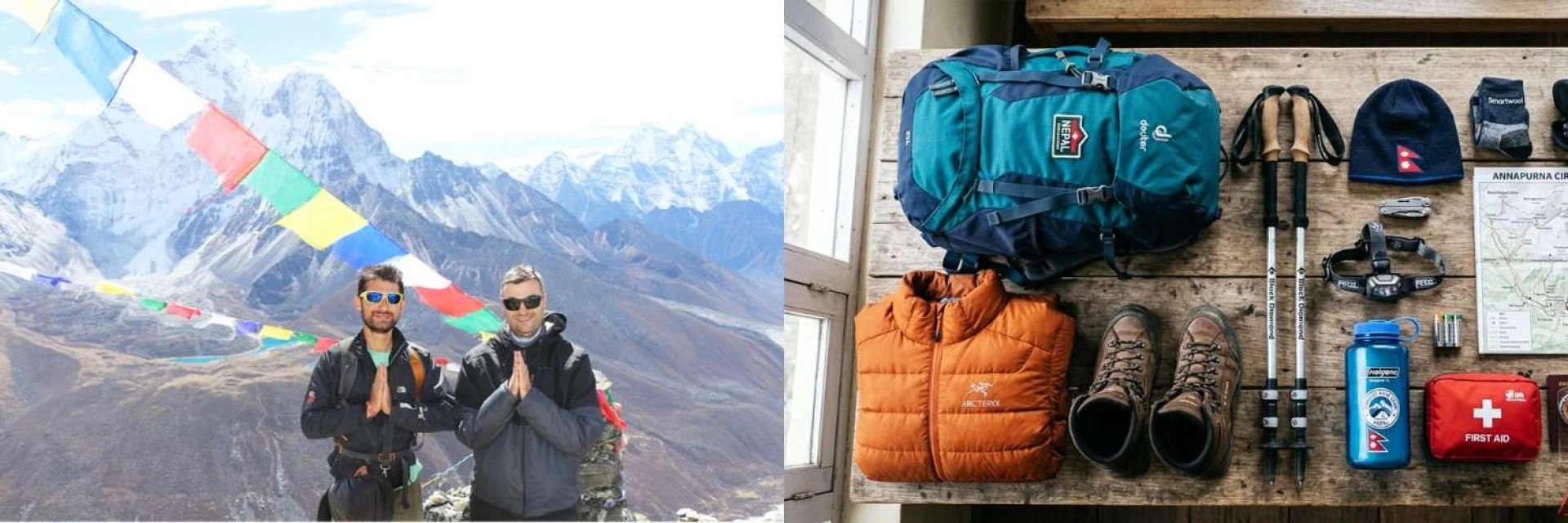
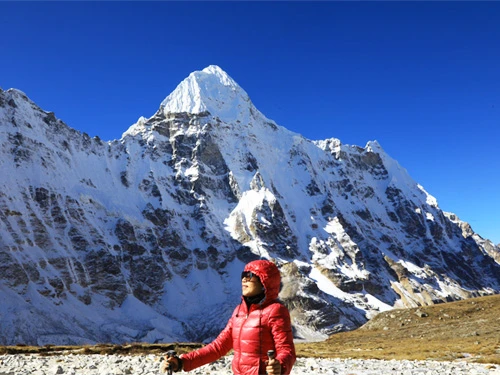
Trekking in Nepal is different from elsewhere. Not just walking on the footpath, you walk into old villages, brush the previous bean flag fluttering in the air, and divide space with huge peaks that look almost real. Whether you are aiming for the legendary Everest Base Camp, the Amazing Annapurna Circuit, or the cool trails to Langtang, each region offers a completely different world.
Let me tell you, packing smart can actually create or break the trekking experience in Nepal. Weather changes rapidly, so trails can be unpredictable. Once you are in the mountains, forgetting an important object can be a major problem.
So, this guide on trekking essentials in Nepal is designed for anyone going to the trekking trails in Nepal. Whether you are doing the walks for the first time or you have already done something high. It's not about more packing; it's about the right packing. And knowing what to bring (and what to leave) can help you focus on a comfortable, safe, and all-the-way-forward adventure.
Table of Contents
Why Trekking List Matters for Nepal?
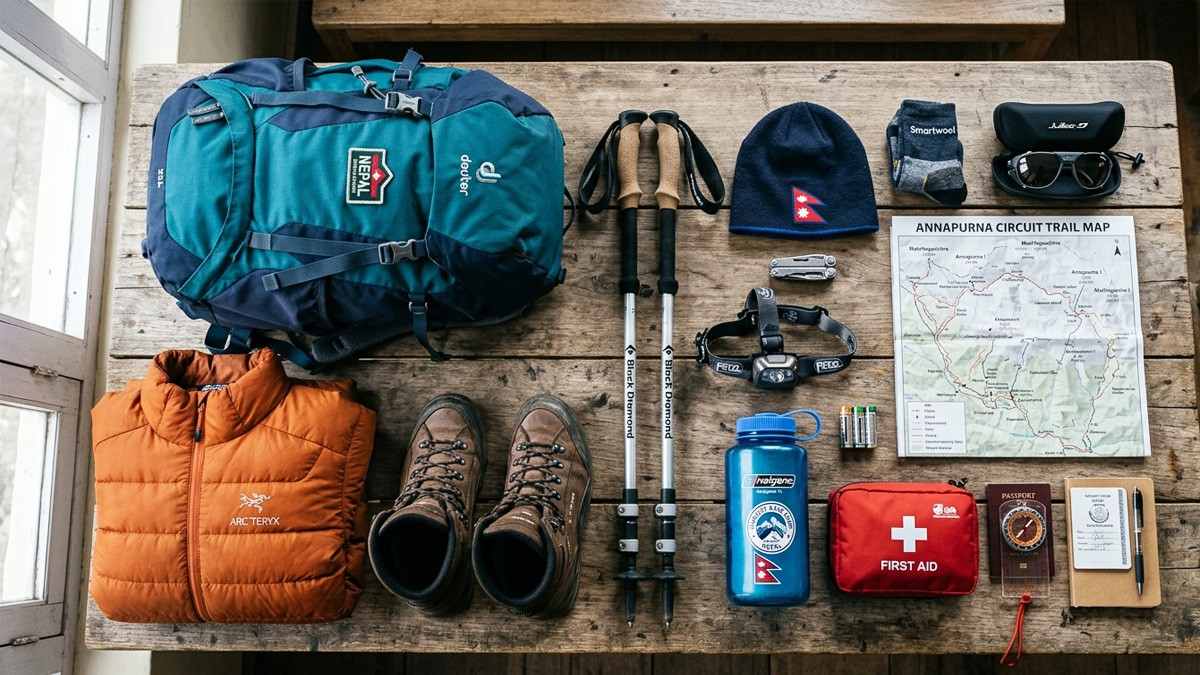
Nepal Himalyan Treks require a solid backpack
Preparing a trekking packing list for Nepal treks is important. Mountains can change weather suddenly at any time. So, a smart trekking list helps make the journey safe and fun-filled. With right packing, you can make good memories in Annapurna Base Camp, or whatever trekking region you like. Here are the major reasons for a trekking list; have a look:
Weather changes quickly
Nepal’s mountain weather can shift fast. Even if you are experiencing sunrise in the morning, the afternoon can have sudden rainfall. This means having the right gear keeps you prepared.
Comfort and safety
Proper clothing and equipment protect you from cold, rain, and rough trails. With the right gear in hand, you will easily deal with rugged paths and dust, especially outside the main cities.
Weight management
A good packing list helps avoid carrying unnecessary heavy items. This makes trekking easier, doesn’t it?
Altitude challenges
Bringing essentials like warm layers and proper footwear helps you handle high-altitude conditions. As altitude increases, weather, topography, and comforts shift.
Limited availability
Some trekking areas have limited access to shops. This is more common in higher-altitude and remote villages. Hence, packing what you need is important.
Support local guides and porters
Packing smart helps keep your load manageable for the porters you hire. Hiring local porters and guides is the best way to give back to society. With this, you will help to uplift locals economy of the mountain region.
Enjoy the experience
When you have what you need, you can focus on the scenery and culture without worries. Make sure you enjoy the trekking to the fullest and create lovely memories.
Porter availability and weight limits
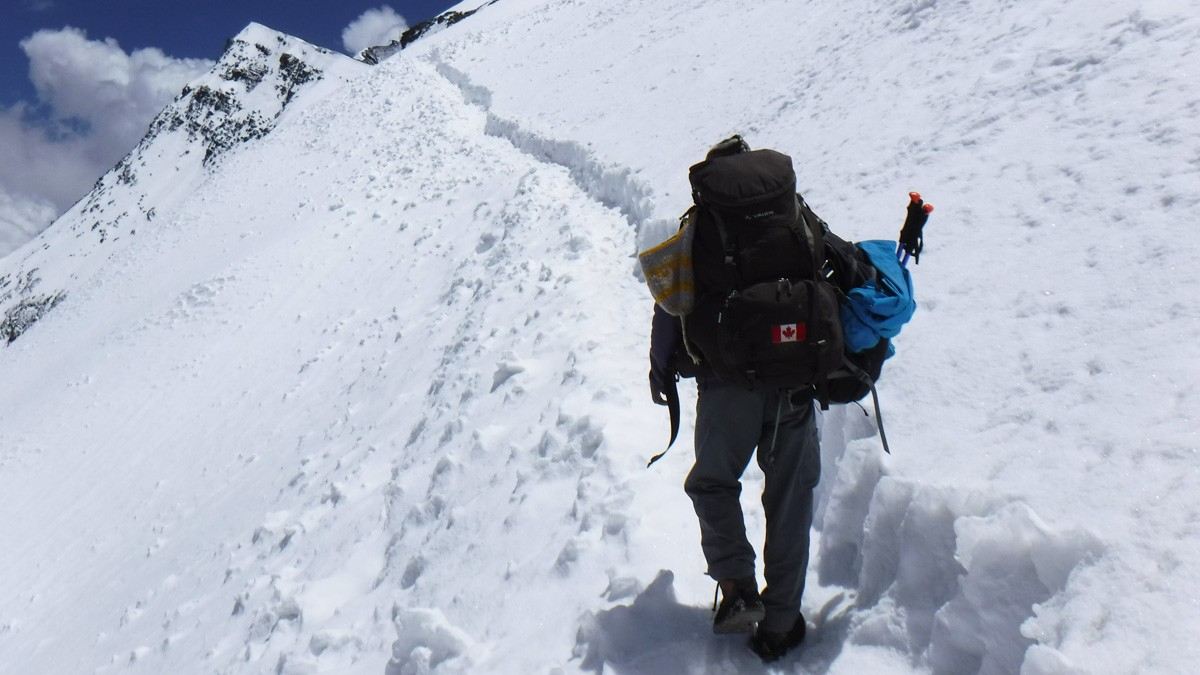
Trekker along with his bag and gear heading towards top of mountain
In Nepal, porters are widely available for trekking routes. Mainly mandatory for popular ones, just like the Annapurna and Everest regions. Actually, they assist in carrying the heavy baggage. This makes the trek easier and more fun.
Typically, a porter can carry up to 20-25 kilograms (about 44-55 kgs) of weight. It’s crucial not to overload them and to carry only what’s necessary.
So, hiring a porter not only helps in neighborhood livelihoods but also lets you focus on the trek without worrying about heavy loads.
Trekking Packing List for Nepal
Trekking in Everest Base Camp, Annapurna, and other high-altitude regions in Nepal is a bucket list for millions. But this requires good preparation too. Here is the right packing list for a safe and fun journey in Nepal; have a look:
Essential Clothing
Base layers (thermal tops & bottoms): These layers keep the body warm by trapping heat close to the skin.
Insulation layer (fleece or down jacket): This layer adds extra warmth for cold conditions during the trek.
Waterproof/windproof jacket & pants: They offer protection against rain, snow, and strong mountain winds.
Trekking pants and shirts: These are comfortable, breathable clothing. Mostly ideal for long hiking days.
Gloves (inner & outer): Inner gloves are for warmth, while outer for protection from cold and wet.
Warm hat and sun hat: A warm hat prevents heat loss on the journey. Similarly, a sun hat shields from UV rays.
Buff or scarf: This covers the neck and face from dust, sun, and cold.
Extra underwear and socks: These help keep you dry and fresh, especially on multi-day treks.
Footwear
Trekking boots (well broken-in): They provide ankle support and grip for rough mountain trails.
Camp shoes or sandals: These let your feet relax after trekking. So, mostly ideal for the evening.
Woolen socks (2–3 pairs): They keep feet warm and dry during cold-weather hikes.
Gaiters (for snow or muddy trails): They protect your lower legs and boots from mud, snow, and debris.
Sleeping Essentials
Sleeping bag (suitable for -10°C or lower): Such bags keep you warm during freezing nights in the mountains.
Sleeping bag liner (optional): This adds extra warmth and keeps your sleeping bag clean.
Travel pillow (optional): Provides neck support and comfort while sleeping.
Trekking Gear
Backpack (30–50L for short treks): It holds your main gear comfortably for day or short treks.
Duffel bag (if using a porter): It is used to carry heavier luggage separately by a porter.
Daypack (for personal items): Mostly a small pack to carry essentials during daily hikes.
Trekking poles: Such poles help with balance and reduce strain on knees during trekking.
Headlamp with extra batteries: They provide hands-free light for early starts or night use.
Water bottles or hydration bladder: They keep you hydrated on the trail.
Water purification tablets or filter: They ensure safe drinking water from natural sources.
Personal Items and Toiletries
Sunscreen (SPF 50+): It protects your skin from strong mountain UV rays.
Lip balm with SPF: This keeps lips moisturized and shields them from sunburn.
Wet wipes and hand sanitizer: They help you stay clean and hygienic on the trail.
Quick-dry towel: Dries fast and is easy to carry.
Toothbrush, toothpaste, biodegradable soap: Fall under basic personal hygiene essentials.
Toilet paper: Needed for comfort and cleanliness on remote trails.
Nail clippers, small mirror, comb: Help maintain grooming during the trek.
First Aid and Medications
Diamox (for altitude sickness): This is a powerful medicine that helps prevent and reduce symptoms of altitude sickness. Breeze Adventure handles altitude sickness with an oxygen cylinder and a skilled team.
Painkillers: They relieve headaches, muscle aches, and other pains.
Band-aids, blister plasters: They protect and heal cuts and blisters on your feet.
Antiseptic cream: They are for preventing infection in wounds and cuts.
Rehydration salts: Restore electrolytes lost through sweating or dehydration. But use them in moderation.
Any personal medication: Essential medicines you regularly need for health conditions.
Electronics and Documents
Phone and charger (with power bank): They are for staying connected and keeping devices powered on the trek.
Universal adapter: They charge electronics anywhere with different plug types.
Extra memory cards: For storing more photos and videos from the adventure.
Camera (optional): Recommended to capture high-quality memories of the trek.
Passport and Nepal visa: This is required for international travel and entry into Nepal.
TIMS card and trekking permits: Official permits needed for trekking in restricted areas. Most Himalayan region treks require permits.
Nepal Travel insurance details: Protects you in case of emergencies during the trip. However, it is better to take travel insurance in your homeland than in Nepal.
Copies of important documents: These are for backup in case originals get lost or stolen.
Snacks and Extras
Energy bars, dry fruits, nuts: Though good food is served on the trail, quick snacks keep your energy up on the trail. So, you can pack them too.
Electrolyte powder: It is supposed to replenish essential salts lost through sweat.
Small book or journal: For reading or noting down your trek experiences.
Lightweight games/cards: Fun activities to relax during downtime. Good to switch moods after tiring treks.
Lightweight umbrella (optional): Provides extra rain or sun protection when needed.
Optional but Useful Items
Lightweight crampons or microspikes (in snowy seasons): They improve traction on icy and snowy trails.
Rain cover for backpack: Keeps your gear dry during rain or snow.
Earplugs: Block out noise for better sleep in busy lodges or camps.
Ziplock bags or dry bags: Protect electronics and clothes from moisture and dirt.
Safety whistle: It is used to signal for help in emergencies.
Best Trekking season
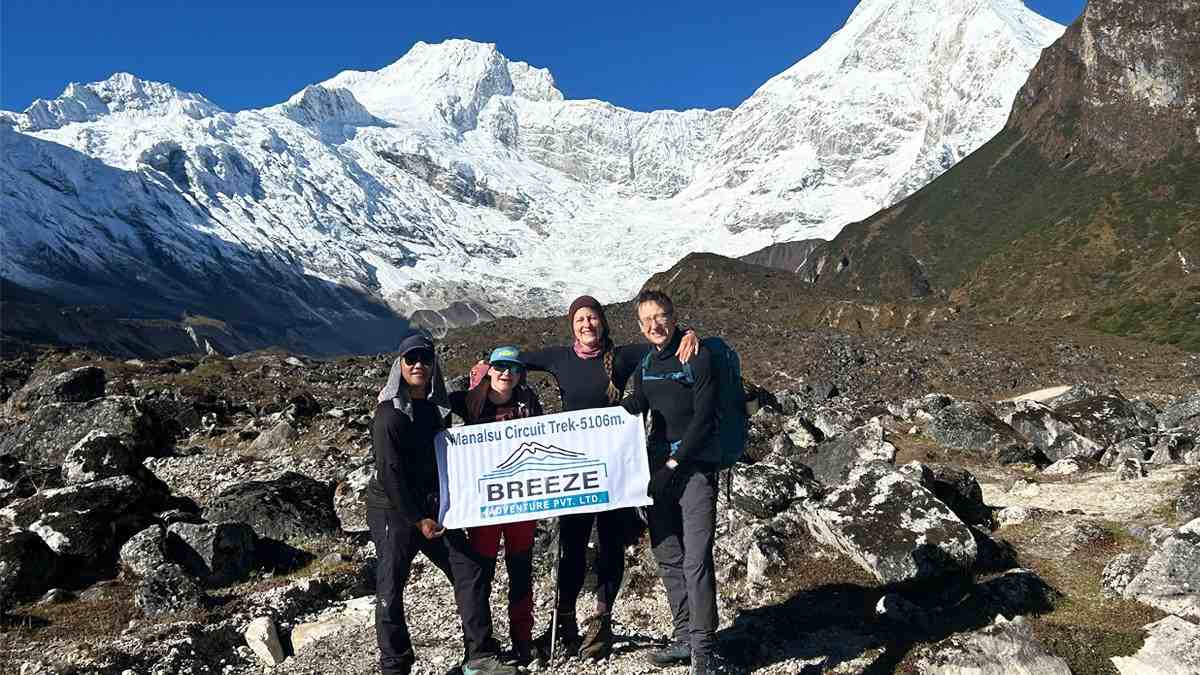
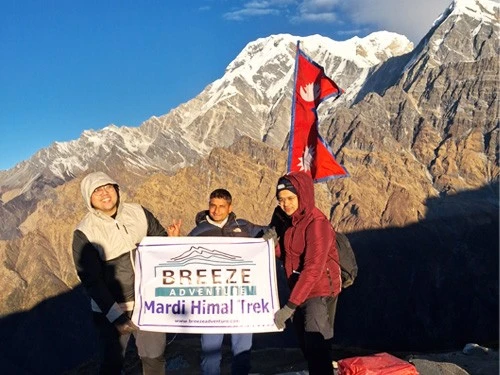
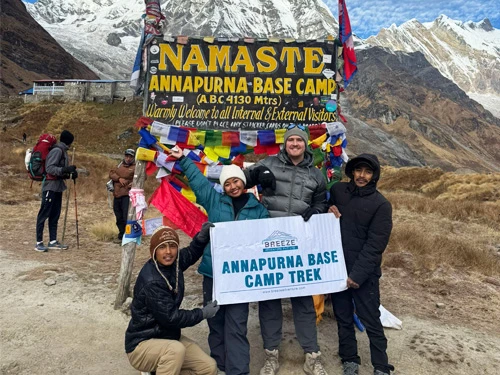
Trekkers holding Breeze Adventure company banner
Trekking in Nepal is most enjoyable during spring and autumn. During this time, the weather is clear, and the view of the mountains is fantastic. Spring offers flowering rhododendrons and mild temperatures. Meanwhile, autumn brings a clear and stable sky after the monsoon.
What to pack for a Nepal trek is a common query, but wise packing is important on the trip. Warm clothes, good hiking shoes, and rain jackets help you stay comfortable and safe. Traveling light makes the journey more fun and helps you focus on the wonderful landscape and rich culture around you.
Final Tips on Nepal Trekking Gear List
Organize clothes in layers for easy access and temperature control.
Keep heavy items close to your back and centered for balance.
Save money by renting bulky items like down jackets or sleeping bags locally.
Always carry your passport, money, electronics, and important documents with you.
Protect your gear from rain and moisture by packing clothes and electronics in dry bags or Ziplocs.
Kishwor Adhikari is a passionate writer with a deep enthusiasm for trekking and adventure. His extensive travels across Nepal, exploring its diverse landscapes and hidden corners, have shaped his unique perspective on the country's natural beauty. With a wealth of first-hand experience in adventure trekking, Kishwor has become a trusted voice for fellow enthusiasts. Through his writing, he shares invaluable insights, offering practical advice and inspiration for both seasoned trekkers and novices alike. His dedication to sharing his journey and knowledge helps others discover the wonders of Nepal's wilderness, making his work an essential resource for anyone seeking adventure in the region.