Planning a remote Himalayan trek demands clear budgeting and honest cost details. The Kanchenjunga region, home to Kanchenjunga (8,586 m), is one of Nepal’s most isolated trekking areas. The expenses here are very different from Everest or Annapurna. Trekkers should expect higher but justified costs here. This is due to restricted-area rules, long access routes, and limited infrastructure.
In this bottom-of-funnel guide, I explain realistic trek prices, mandatory permits, transportation costs, and hidden expenses that many overlook. Understanding these factors helps you plan confidently and avoid unexpected charges on the Kanchenjunga Circuit trail. Literally helping you choose the right local operator for a safe and successful journey.
Table of Contents
Where Is the Kanchenjunga Region & Why Costs Are Higher
The Kanchenjunga trekking area lies in far-eastern Nepal, close to the Nepal–India border. Its extreme remoteness is the main reason costs are higher than mainstream routes. Trekkers must obtain restricted-area permits, which are not free. This can only be issued through registered agencies.
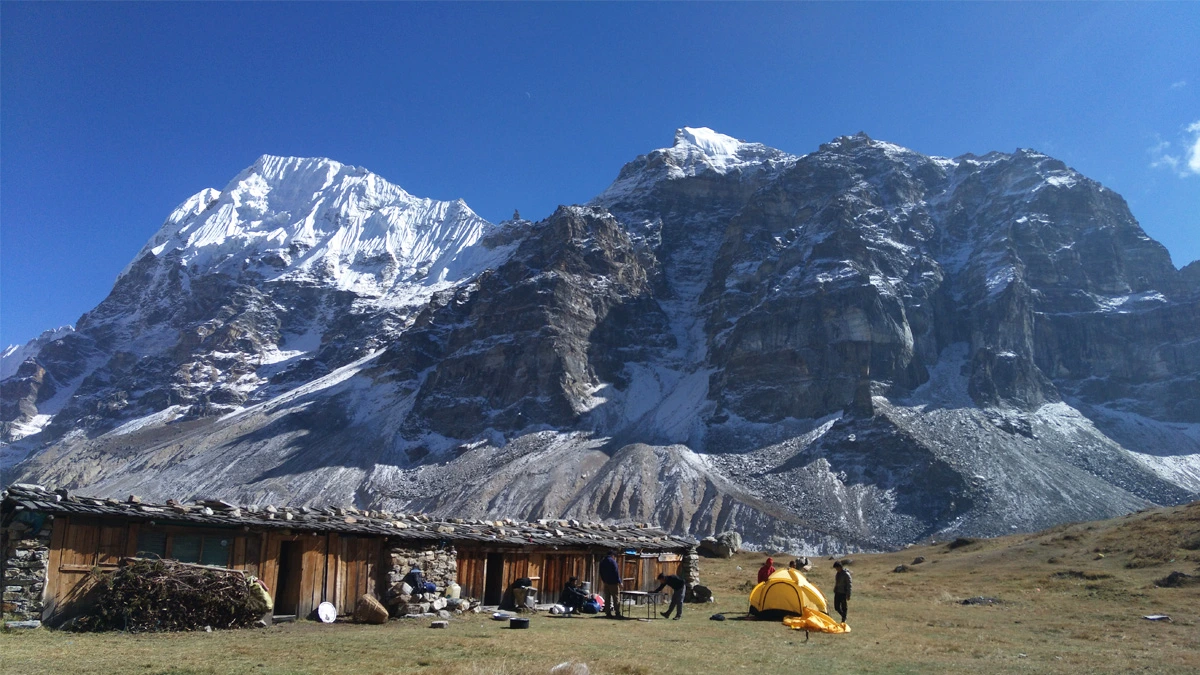
Beautiful view of Kanchenjunga Base Camp
A licensed guide is mandatory, increasing staffing costs. Access requires long flights and jeep journeys, often over rough roads. Food and accommodation options are limited, so prices rise with altitude. Finally, very few trekkers visit this region. It means there is no mass-tourism pricing or shared infrastructure to reduce expenses.
Average Kanchenjunga Trek Cost (Realistic Budget)
The average cost for this trek ranges between USD 2,200 and USD 3,000 per person for a 16-20 days Kanchenjunga itinerary with a local operator. Shorter itineraries focusing on one base camp are cheaper, while the classic circuit costs more due to extra days and logistics.
Group size plays a big role; two or more trekkers can share guide, porter, and transport costs, lowering the per-person price. Flights save time but increase expenses, while full overland travel reduces cost but adds fatigue. The guide-to-client ratio, porter numbers, and season also influence the final budget.
What Is Included in the Trek Cost
Most professional, Nepal-based trekking companies offer full-board packages. Mostly designed to keep logistics simple in such a remote area. These packages typically cover all essential services required for legal permits.
Similarly, safety and daily comfort on the trail. However, inclusions vary between operators. So, written confirmation is important before booking.
Usually included:
Licensed trekking guide (mandatory)
Local porter(s) with insurance
Restricted-area permits & conservation fees
Domestic flights or long-route ground transport
Teahouse accommodation during the trek
Three meals per day on the trail
Staff food, lodging, salary & insurance
First-aid kit and emergency coordination
Always confirm inclusions in writing before booking.
Kanchenjunga Trek Permit Fees (Mandatory)
Independent trekking is not allowed in the Kanchenjunga region. The area is strictly regulated to protect fragile ecosystems and local communities. All trekkers must travel with a licensed guide and obtain permits through a registered agency. These permits are checked repeatedly by police and conservation checkpoints along the route. Without proper documents, trekking beyond the entry points is impossible. Permit costs are fixed and non-negotiable, forming a significant part of the overall trek budget.
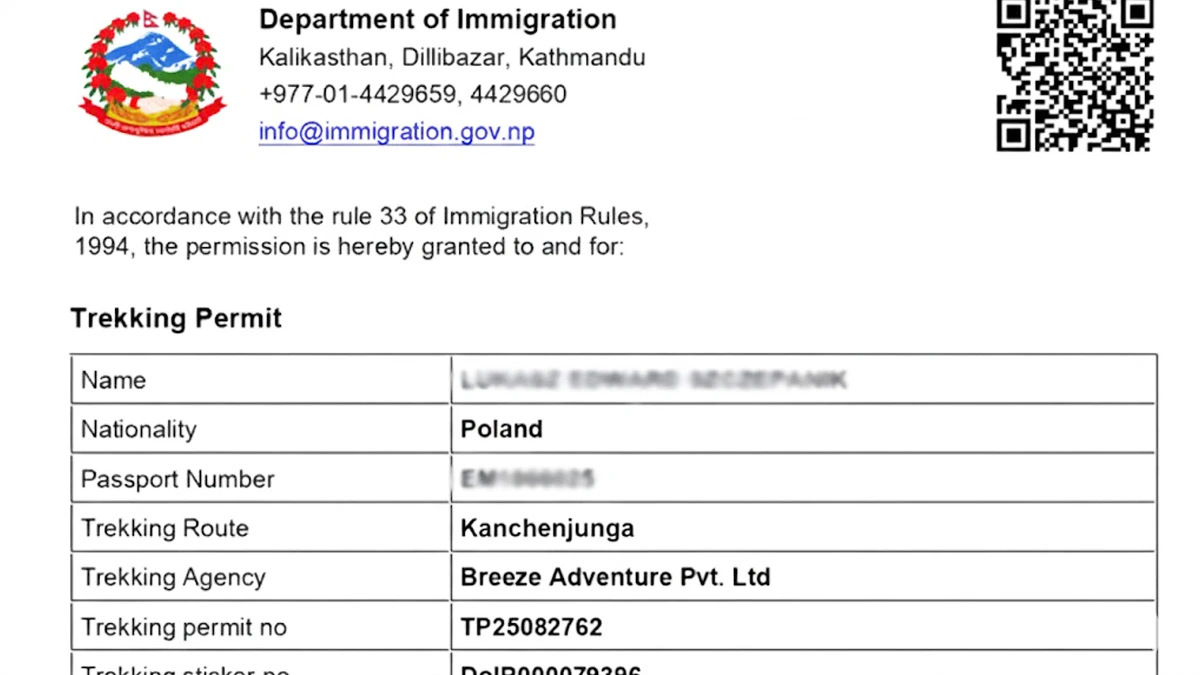
Sample of Kanchenjunga Circuit trek permit
1. Restricted Area Permit (RAP)
The Restricted Area Permit costs USD 20 per person per week. It can only be issued through a government-registered trekking agency and requires a minimum of two trekkers. This permit controls visitor numbers and ensures trekkers are accompanied by licensed guides. It helps maintain safety in a remote border region with limited rescue facilities.
2. Kanchenjunga Conservation Area Permit (KCAP)
The KCAP costs NPR 2,000 per person and is obtained through your trekking agency. This permit supports environmental protection. Further, trail maintenance and local community development in the conservation area. Funds help preserve forests, wildlife, and traditional villages that trekkers pass through during the journey.
These permits are checked multiple times during the trek.
Transportation Cost Breakdown
Transportation is one of the highest expenses of this trek because the trailheads are far from Kathmandu. You can reach eastern Nepal by either domestic flights combined with long jeep rides or several days of overland travel.
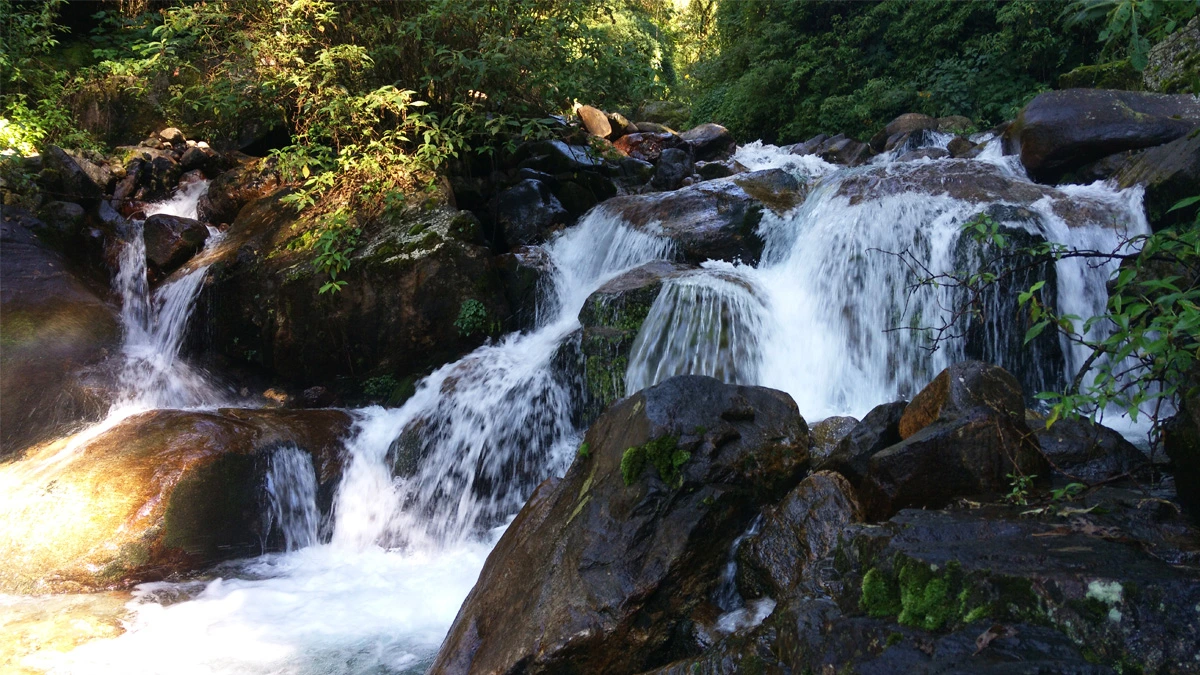
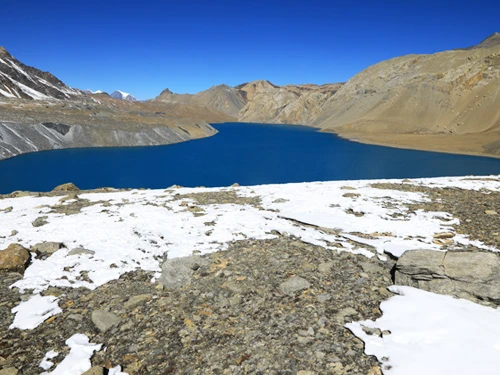
A lovely scenario in Kanchenjunga Circuit Trail
Road conditions can be rough, especially after the monsoon season, increasing time and fuel costs. Weather delays also affect flights, adding potential overnight expenses. Choosing the right transport option is a balance between budget, time, and physical comfort.
Flight + Jeep (Most Popular)
This option starts with a domestic flight from Kathmandu to Bhadrapur (about 45–50 minutes). From there, a jeep drive of 8–10 hours takes you through tea gardens, river valleys, and hill towns to Taplejung.
It is faster, more comfortable, and offers beautiful scenery. But it significantly increases the overall trek cost. It is due to flight fares and private or shared jeep arrangements.
Full Overland Drive (Budget Option)
The overland option involves 2–3 long days each way by bus and jeep from Kathmandu to Taplejung. While cheaper, it is physically demanding due to long hours, bumpy roads, dust, and frequent delays. This option suits trekkers with flexible schedules and strong endurance. But the fatigue can affect your energy before the trek even begins. The difficulty level in Kanchenjunga North Base Camp tells you more about the trail conditions.
Flights save time but increase cost; road travel lowers cost but adds fatigue.
Hidden Expenses Most Trekkers Miss
Many trekkers underestimate small daily expenses that add up quickly in remote regions. While basic meals are included, extras are costly due to porter transport and limited supplies. Charging, showers, tips, and emergencies are rarely included in packages. Planning for these hidden costs ensures you don’t run short of cash on the trail, where ATMs do not exist, and prices rise with altitude.
Extra Food & Drinks
Snacks like chocolate, biscuits, coffee, and soft drinks become expensive above 3,500 m. Everything is carried by porters or mules, so prices increase steadily. Budget extra for comfort foods and hot drinks during cold days.
Charging & Connectivity
Phone charging usually costs USD 2–5 per device, and Wi-Fi is limited or paid where available. Connectivity is unreliable, so plan to conserve battery and download essentials in advance.
Hot Showers
Hot showers cost USD 3–6 per use at higher elevations. Heating water requires firewood or gas, making it expensive. Many trekkers reduce shower frequency to save money and stay warm.
Guide & Porter Tips
Tips are not compulsory but are strongly expected as a sign of appreciation. Budget around USD 120–180 per trekker, depending on trek length, group size, and service quality.
Emergency Costs
Helicopter rescue is extremely expensive without insurance. Weather delays can also cause extra accommodation and food costs. So, proper travel insurance covering high-altitude trekking is essential.
Nepal travel insurance literally helps you deal with unexpected emergency costs. However, taking the insurance policy in Nepal is not recommended. It is a costly as well as a lengthy process. So, it is better to have an insurance policy for Nepal travel in your homeland.
Solo Trekker Cost Reality
Solo trekking is not permitted unless you join another trekker. While some agencies arrange “ghost permits,” this is discouraged. With two trekkers, costs drop significantly because transport, guide, and porter expenses are shared. Making the trek more affordable and practical.
Cost Comparison: Short vs Classic Itinerary
Trek option
Days
Approx Cost
Short Circuit
16 days
USD 2,200–2,400
Classic Circuit
20 days
USD 2,600–3,000
North or South Base Camp Only
12–14 days
USD 1,900–2,200
Best Time & Cost Efficiency
Choosing the right season reduces both risk and unexpected expenses. October–November and April–May offer stable weather, open passes, and better flight reliability. Avoid monsoon months due to landslides, road damage, and delays that increase transport costs.
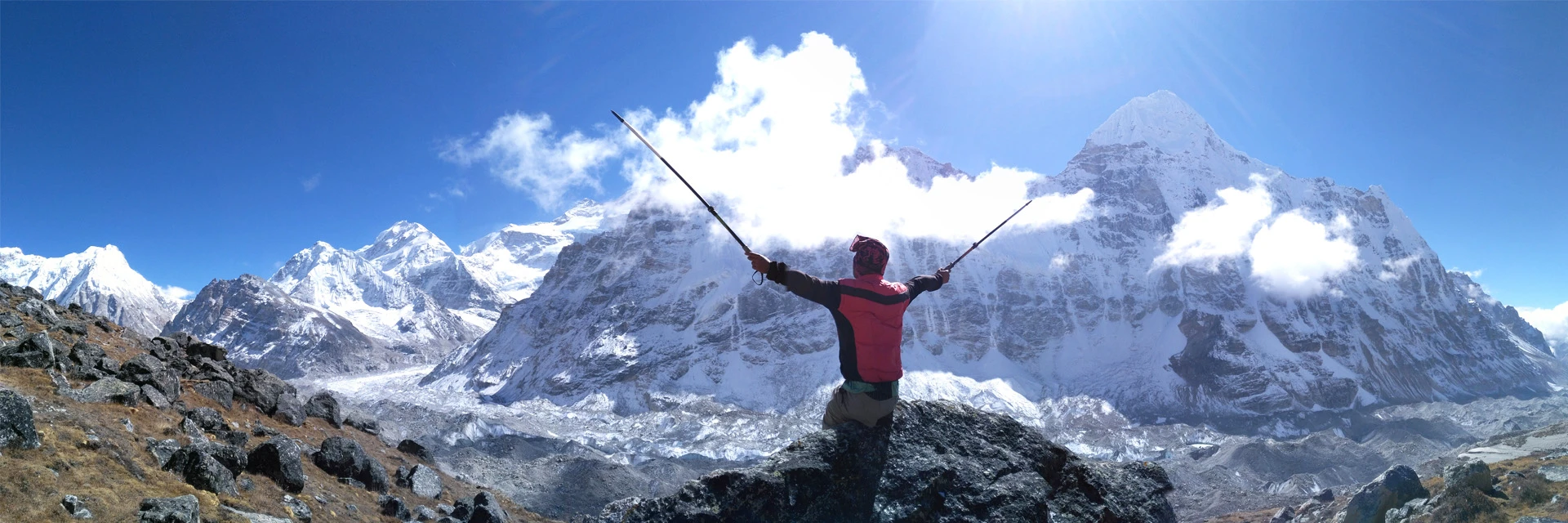
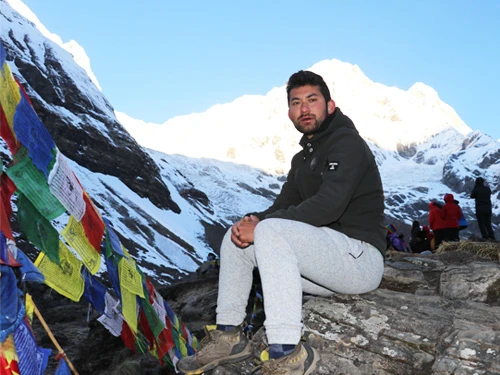
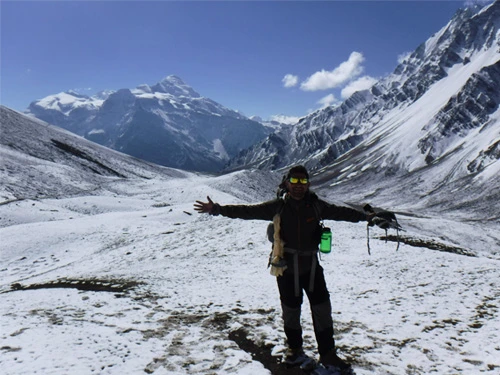
A happy trekker in Kanchenjunga Circuit trek in Autumn season
Deep winter brings snowed-in passes and closed lodges. This may force itinerary changes or cancellations. Trekking in the right season saves money, time, and stress. Knowing about the best time for the Kanchenjunga Circuit Trek makes the journey smoother.
How to Reduce Trek Cost Safely
To manage expenses without compromising safety, join a small group of 2–4 trekkers to share logistics. Choose a local Nepal-based operator, as international agents add commission layers. Avoid unnecessary luxury upgrades like private rooms everywhere or excess staff.
Always confirm what is included and excluded in your package. Use proper travel insurance that covers trekking up to 5,200 m and emergency evacuation. Smart planning and transparency, not cutting corners, are the safest ways to control costs.
Is the Trek Worth the Cost?
Kanchenjunga Trek offers exceptional value to those seeking a true wilderness Himalayan experience. Similarly, those wanting minimal crowds and deep cultural immersion. You explore two remote base camps, untouched villages, and raw landscapes rarely seen by trekkers.
While costs are higher, the experience is more exclusive, authentic, and peaceful than commercial routes. This investment is absolutely worthwhile if you value solitude. Similarly, nature and cultural depth over the luxury. The key tips for Kanchenjunga Trek guides further in budget travel.
Final Thoughts: Transparent Budget = Successful Trek
The Kanchenjunga region rewards trekkers who plan carefully. Understanding permits, transport logistics, and hidden expenses helps avoid financial surprises. Thereby ensuring smoother decision-making on the trail.
A clear budget improves safety, reduces stress, and allows you to focus on the experience rather than costs. Working with an experienced, guide-led local company ensures legal permits. It helps in fair pricing and reliable support in emergencies.
In remote Himalayan adventures, transparency matters more than cheap pricing. A well-planned budget is the foundation of a safe, memorable, and truly rewarding trek.
Kishwor Adhikari is a passionate writer with a deep enthusiasm for trekking and adventure. His extensive travels across Nepal, exploring its diverse landscapes and hidden corners, have shaped his unique perspective on the country's natural beauty. With a wealth of first-hand experience in adventure trekking, Kishwor has become a trusted voice for fellow enthusiasts. Through his writing, he shares invaluable insights, offering practical advice and inspiration for both seasoned trekkers and novices alike. His dedication to sharing his journey and knowledge helps others discover the wonders of Nepal's wilderness, making his work an essential resource for anyone seeking adventure in the region.