Yes, Annapurna Base Camp is safe for children. But like every great mountain adventure, the answer comes with conditions, preparation, and a healthy respect for altitude. Kids aged 10 and above who are physically active, mentally prepared, and trekking during the right season have made this. With an experienced guide, they have successfully reached that stunning 4,130-meter glacial amphitheater countless times.
Younger children are not excluded from the magic either, the lower sections of this trail, winding through terraced fields, traditional Gurung villages, and ancient rhododendron forests, offer experiences that stay with a child forever. Kids as small as 6 years have successfully completed this trek.
This guide covers everything a parent genuinely needs to know - altitude risks, kids friendly gear rental, the best season to go, daily trail expectations, and honest answers to every question you are probably already asking. Based on my decades of experience, I have decoded some of the best tips and tricks to deal with ABC Trek with kids.
Table of Contents
Who Is ABC Trek Really For?
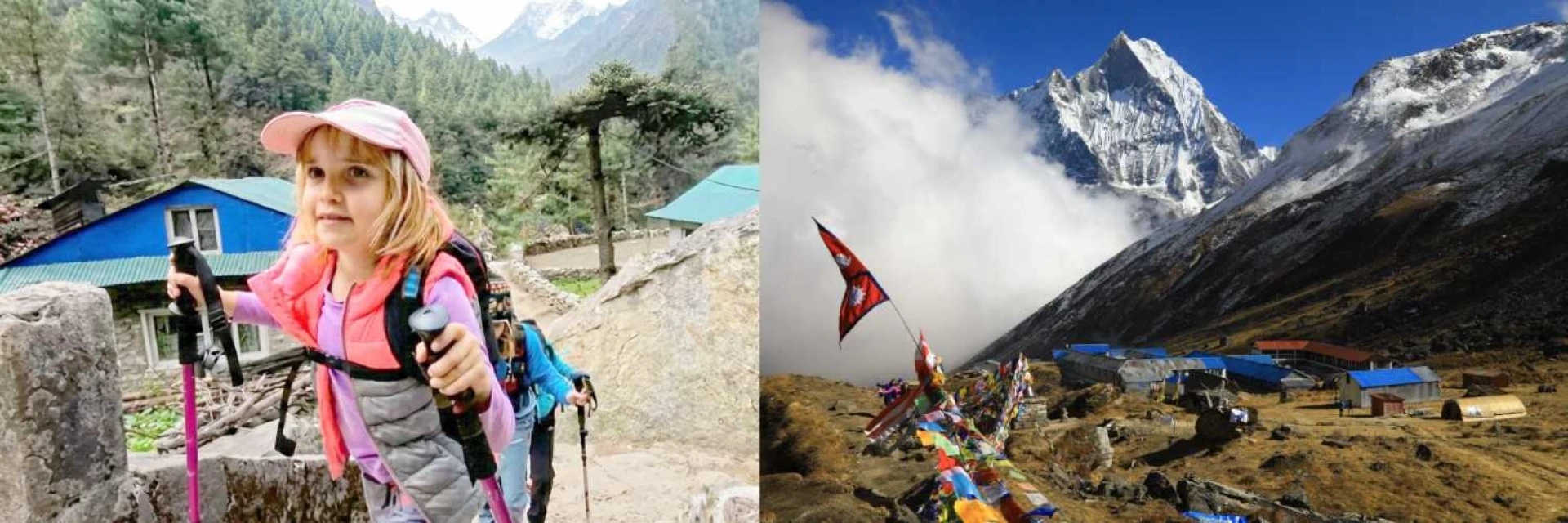
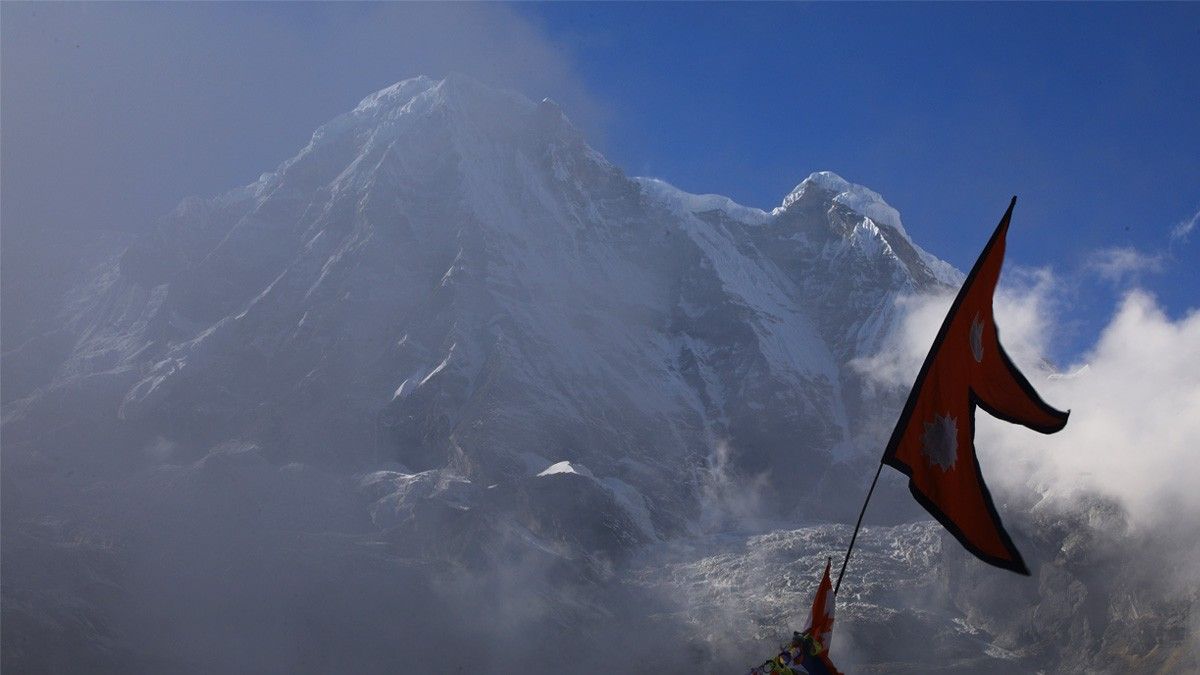
Beautiful view in Annapurna Base Camp Nepal
Let's be direct. Annapurna Base Camp is not a casual Sunday stroll. The full route from Nayapul to ABC and back covers roughly 110–120 kilometers over 7 to 12 days. That said, children who are physically active, mentally curious, and between the ages of 10 and 16 have successfully completed this trail many times. Some families have even done it with fit, adventurous 6-year-olds.
The key is honest self-assessment. Does your child enjoy long hikes? Can they walk 5–7 hours without a meltdown? Are they excited about this, or is it entirely your idea? Motivation matters enormously on a mountain. A genuinely enthusiastic 10-year-old will outperform a reluctant teenager every single time.
What is the ABC Trail Itself - What to Realistically Expect?
The easy Annapurna trek for kids most families choose begins at Nayapul or Tikhedhunga and follows well-established stone-paved paths through the Modi Khola valley. Much of the lower section through Ghandruk, Chhomrong, and Bamboo is forested, shaded, and manageable. Similarly, villages appear regularly, roughly every 2–4 hours of walking. This means rest stops, hot meals, and teahouses are always within reach.
Further, the trail does get steeper and colder beyond Deurali. From Machhapuchhre Base Camp onward, temperatures can drop sharply even in peak season. This upper stretch demands more focus, more layering, and a slower pace.
For younger or smaller children, some families wisely choose to stop at MBC (3,700 m) rather than pushing to ABC. And honestly, the views from there are jaw-dropping enough.
What is the altitude like in the ABC Trek with children?
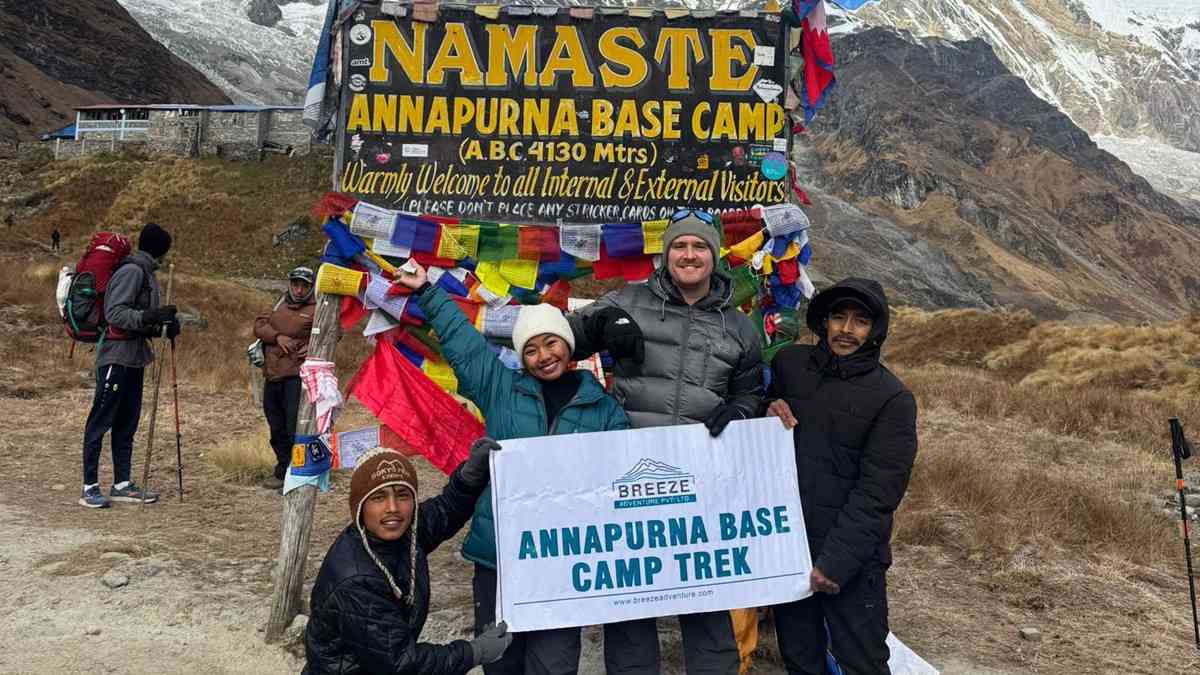
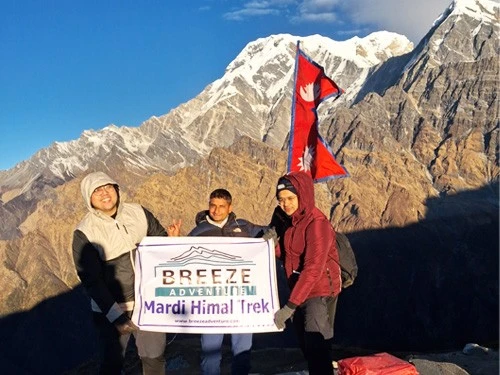
Breeze Adventure team holding company banner in ABC trek
Here is where many parents underestimate the risk. Altitude sickness does not discriminate by age, fitness level, or enthusiasm. Children are actually more vulnerable than adults in one important way. They often cannot clearly articulate early symptoms like headache, nausea, or dizziness. So, they may not tell you something feels wrong until it's become serious.
Annapurna trek kids safety depends heavily on understanding Acute Mountain Sickness (AMS). The golden rule of high-altitude trekking applies doubly for children: ascend slowly, never skip acclimatization days, and always prioritize descent over summit if symptoms appear.
Watch closely for these warning signs in your child:
Persistent headache that doesn't ease with rest or water
Loss of appetite or refusing food entirely
Unusual irritability, confusion, or extreme fatigue
Difficulty sleeping or complaints of chest tightness
Vomiting or nausea beyond the first day at altitude
If any of these persist beyond a few hours, descend immediately. No photo opportunity, no personal milestone, no sunk cost is worth a child's health on the ABC trek with kids. Carry a pulse oximeter, they're cheap, lightweight, and invaluable. A reading below 85% at altitude warrants serious attention.
Best Season for ABC Trekking with Kids
Timing your trek correctly cuts the difficulty level significantly. The two prime windows are:
Season
Months
Conditions
Spring
March-May
Warm days, rhododendrons in bloom, clear mornings
Autumn
October-November
Stable weather, excellent visibility, dry trails
Monsoon
June-September
Heavy rain, leeches, slippery paths - avoid with children
Winter
December-February
Snow above 3,000m, cold nights - experienced families only
Spring and autumn are overwhelmingly the safest, most enjoyable choices for families. October and November in particular offer crystal-clear skies, firm trails, and the magical golden light that makes the Annapurna massif glow at sunrise. The right time to Annapurna Trek makes the route easier and even enjoyable.
Kids Friendly Gear Rental in Kathmandu and Pokhara
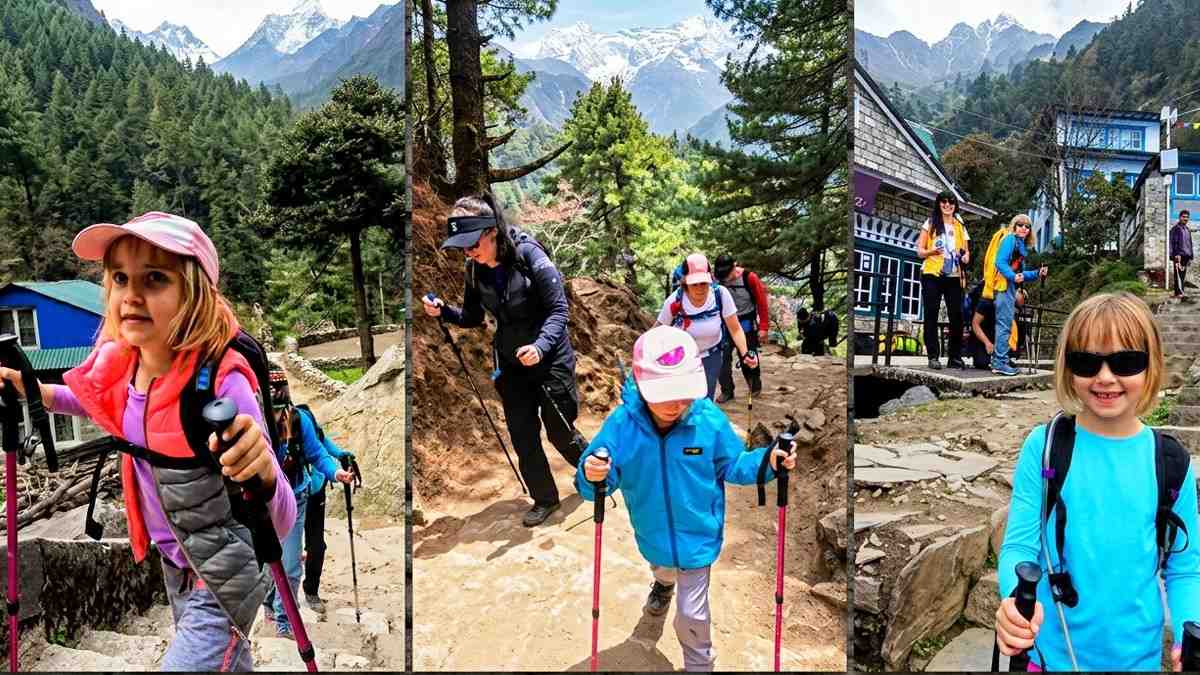
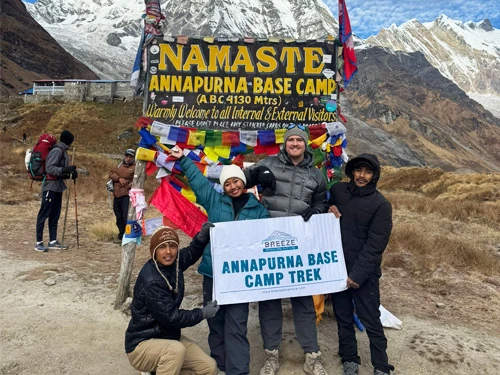
Kids with right gear enjoying Annapurna Trekking Nepal
One of the biggest practical concerns parents raise is gear, and understandably so. Children grow fast. Buying a full set of high-altitude trekking equipment for a 12-year-old who'll outgrow everything in six months feels excessive. The good news: kids-friendly gear rental is widely available in both Kathmandu's Thamel and Pokhara's Lakeside area.
You can rent or buy affordable ones:
Trekking poles: These are essential for descents; adjustable poles fit most children
Down jackets and thermal layers: Normally, the local rental shops carry sizes small enough for kids
Sleeping bag liners: Even though the teahouses provide blankets, sleeping bag liners are necessary. These liners add warmth and hygiene
Waterproof trekking boots: You can rent these only if they fit perfectly. Be careful about blisters on day two ruining everything
Trekking pants and moisture-wicking base layers: lightweight, fast-drying options are available for purchase cheaply in Thamel
One practical tip: visit gear shops at least two days before departure. This gives time to test fit, walk around in boots, and exchange anything uncomfortable. Never let a child trek in brand-new, untested footwear. Break everything in beforehand, even a single afternoon walk helps.
Daily Routine on the ABC Trail - A Family's Rhythm
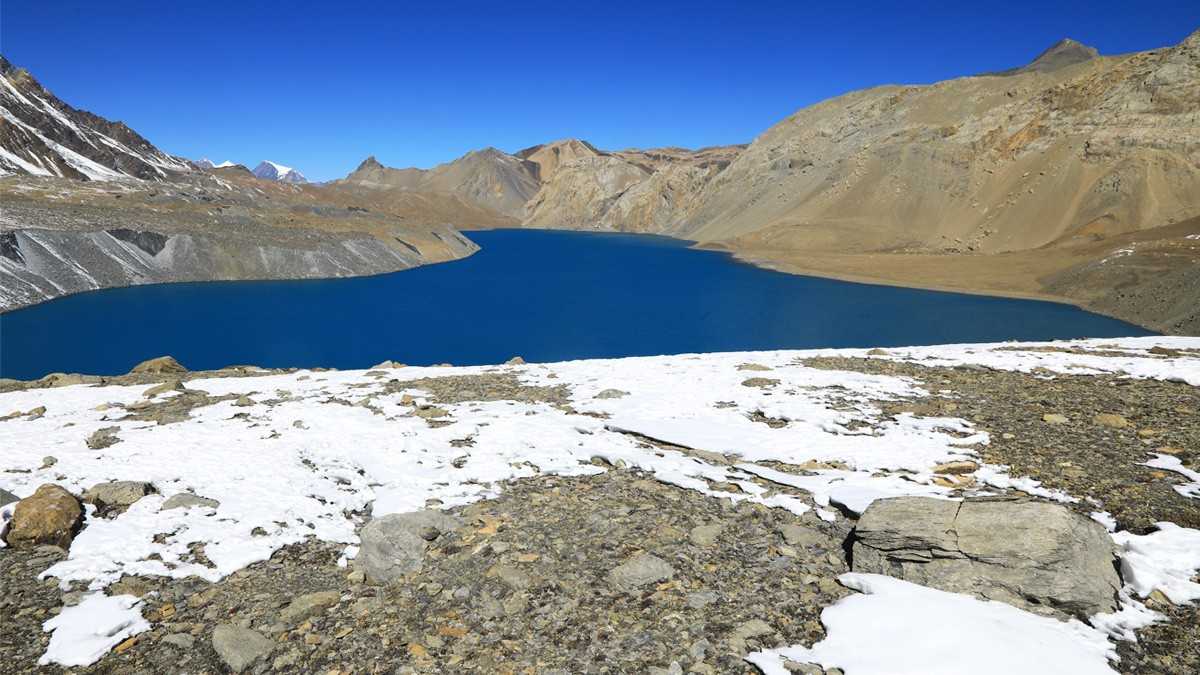
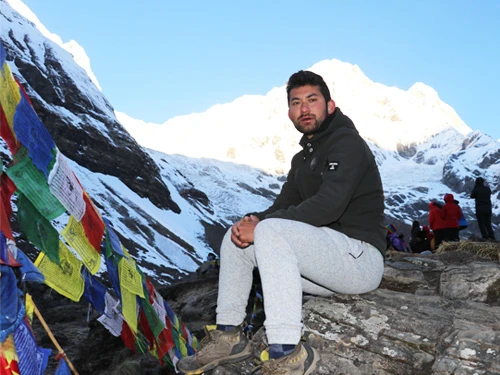
Stunning mountain view in ABC trek ensuring safety of all
Trekking with children requires a different pace than solo or group adventures. Most experienced trekking families adopt a start-early, rest-often rhythm. Leave teahouses by 7:30 AM before the sun gets harsh, and the trail fills up. Take genuine breaks, not just five minutes standing with a water bottle. But actual sitting, snacking, and laughing breaks. Make it an adventure, not a march.
Dal bhat- Nepal's hearty lentil soup and rice dish, is the single best fuel for young trekkers. It's served everywhere, warm and delicious with local, authentic taste. This costs very little and comes with unlimited refills on many trails.
Children who embrace local food invariably have more energy and better moods than those clinging to imported snacks. That said, it is better to bring some familiar treats from home. A hidden chocolate bar on day four does extraordinary things for morale.
Essence of Hiring a Guide and Porter
Some experienced trekkers went solo on the Annapurna Circuit. But now, the government of Nepal has made it mandatory to hire a guide. With children, hiring both a guide and a porter becomes essential to minimize risk. A knowledgeable local guide brings three critical things: route familiarity, altitude awareness, and emergency judgment. They know when clouds are gathering too fast, which teahouses are clean and child-appropriate. And exactly how to respond if a child shows altitude symptoms at 3,500 meters at 6 PM.
A porter takes the weight off everyone, literally. Children should carry only a small daypack with snacks, water, a jacket, and entertainment. The guide carries knowledge; the porter carries everything else. This arrangement costs roughly $25–40 USD per day total and is genuinely worth every rupee. This makes hiring a guide and a porter not an option with kids. Their presence actually makes sense.
Do kids need ABC Trek Permits?
Every trekker, regardless of age, requires an ACAP (Annapurna Conservation Area Permit) and a TIMS card (Trekkers' Information Management System). Children are not exempt. Interestingly, both permits are obtainable in Kathmandu or Pokhara and cost relatively little. You just need to carry passport-sized photos for everyone, including kids.
Similarly, travel insurance is non-negotiable. Ensure your policy explicitly covers high-altitude trekking and helicopter evacuation. With it, much risk disappears.
Can kids go to Annapurna Base Camp?
Yes, kids can absolutely trek to Annapurna Base Camp, but age, fitness, and preparation matter enormously. Children aged 10 and above who enjoy hiking and handle physical challenges well are solid candidates for the full route. Younger children can still experience the base camp with guided tours and acclimatization. For them, specially customized itineraries are available, which take a few extra days for rest.
Can a 4 year old go on an Annapurna hike?
A 4-year-old should attempt the Annapurna Base Camp route with good preparation and close observation by guides and the trekking management team. Saying this, there is a record of 1 year old kid successfully completing a journey with parents.
Is the ABC Trek Nepal suitable for kids?
The ABC trek is suitable for older, physically active children, typically 10 years and above. They can tackle in the right season, at a measured pace, with a knowledgeable guide. Even kids as small as 6 years have successfully done the trek.
The trail is well-serviced, teahouses are spaced comfortably apart, and the route through rhododendron forests and traditional Gurung villages keeps young minds genuinely engaged. With proper gear, altitude awareness, and realistic daily targets, many families complete it successfully and call it the adventure of a lifetime.
Which is better, ABC or EBC, for kids?
For families trekking with children, Annapurna Base Camp edges ahead of Everest Base Camp on almost every practical measure. ABC sits at 4,130 meters versus EBC's 5,364 meters. This altitude difference is significant and dramatically reduces the risk of serious altitude sickness in younger trekkers.
The ABC trail is also shorter, less remote, and lined with more frequent teahouses. Literally making it a far more forgiving and manageable experience for kids and parents alike.
Kishwor Adhikari is a passionate writer with a deep enthusiasm for trekking and adventure. His extensive travels across Nepal, exploring its diverse landscapes and hidden corners, have shaped his unique perspective on the country's natural beauty. With a wealth of first-hand experience in adventure trekking, Kishwor has become a trusted voice for fellow enthusiasts. Through his writing, he shares invaluable insights, offering practical advice and inspiration for both seasoned trekkers and novices alike. His dedication to sharing his journey and knowledge helps others discover the wonders of Nepal's wilderness, making his work an essential resource for anyone seeking adventure in the region.