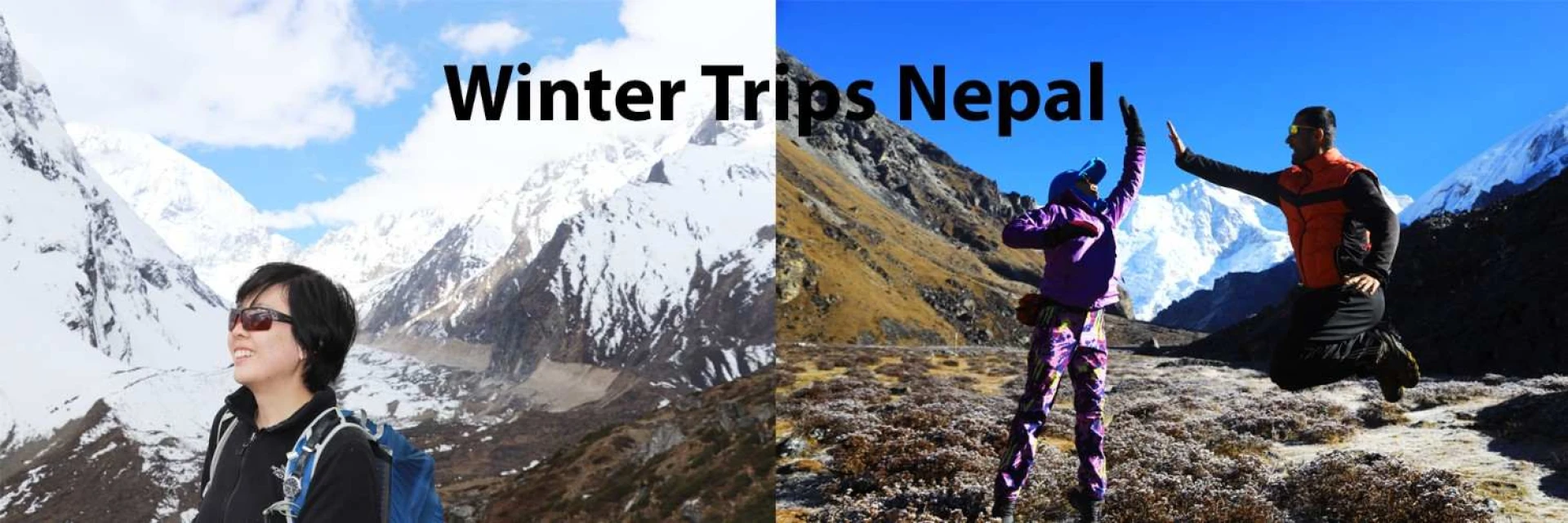
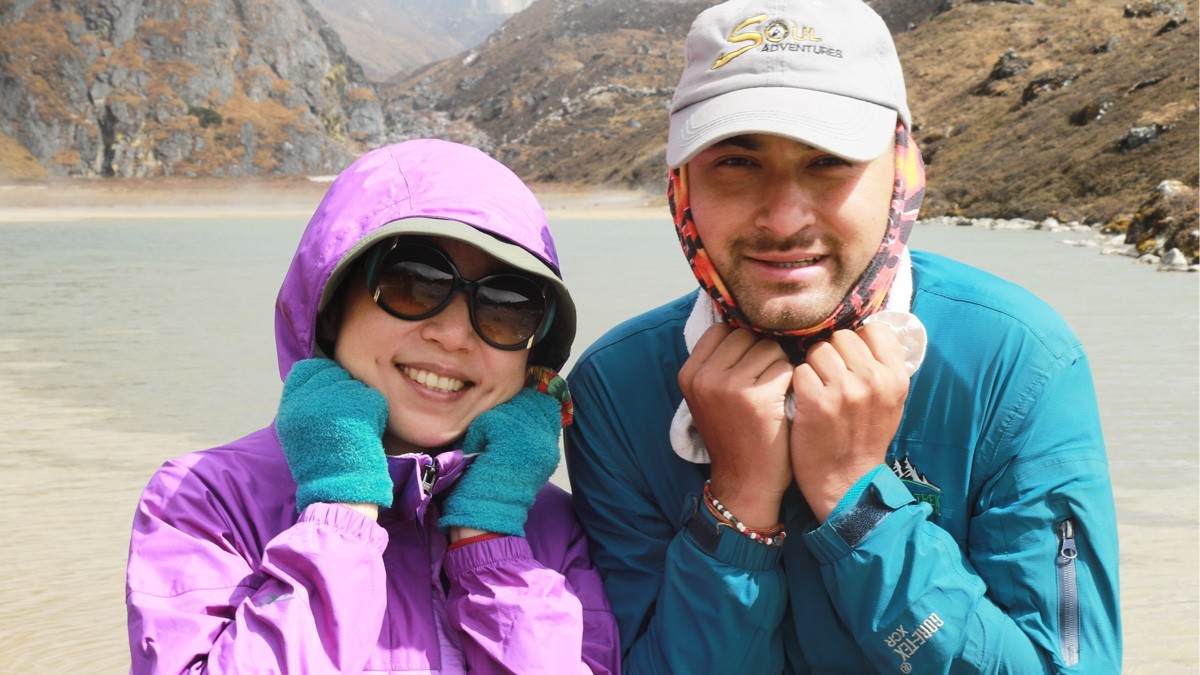
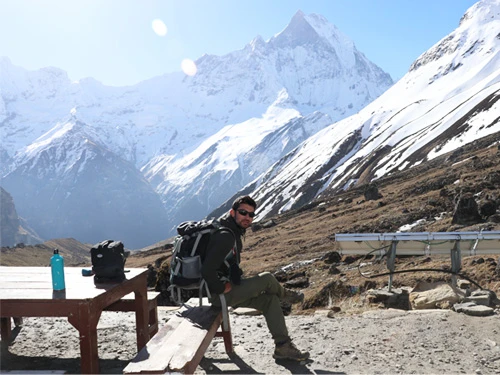
A Nepal tour in winter feels very different from the rest of the year. You get snow-filled mountains, white-capped hills, and quiet cities. This is also the one time you can enjoy Nepal without the hot sun, the monsoon rain, or the big crowds of the peak season.
Most people think of Nepal as an autumn or spring country. That is fair, because October and April get most of the attention. But if you ask people who have visited in January, many will tell you it was their favourite trip. The air is clear, the mountain views are sharp, and the trails and tea houses are calm.
This guide covers where to go in Nepal in winter, how cold it really gets, which treks are fine for beginners, and which ones you should leave alone. A complete guide to the best places to visit in Nepal during Winter.
Table of Contents
Does Nepal Have Winter?
Yes, it does. Nepal has a real winter, and it changes a lot depending on where you are.
The winter months in Nepal are December, January, and February, with January usually the coldest. In the high mountains, winter often runs a little longer, into early March. The low southern plains and the Kathmandu Valley stay mild during the day but get cold in the early morning and at night. The high Himalaya, on the other hand, gets properly freezing, with heavy snow and strong wind.
So "Nepal in the winter" is not one climate. It is three or four, stacked on top of each other, and you can choose the one that suits you.
How Cold Is Nepal in Winter?
Winter cold in Nepal differs as per the altitude and geographical region
Here is a rough idea. Weather changes from year to year, so treat these numbers as a guide, not a promise.
Kathmandu: Days are around 17 to 20°C on a sunny day. Nights can drop to 2 to 5°C. Mornings are foggy and cold.
Pokhara: A little warmer than Kathmandu. Days are pleasant, often near 20°C. Nights are around 7 to 9°C.
Chitwan (Terai): Days are mild, in the low to mid 20s. Mornings and evenings are cool, and fog is common.
Mid-hill treks (2,000 to 3,000 m): Sunny days feel fine, but nights are around freezing, and snow is possible.
High treks (3,500 m and above): Daytime can hover near 0°C or a few degrees above, with nights at minus 8°C or much colder. At very high places like Everest Base Camp, nights can be far below that.
The lesson is simple. The cold is not the problem if you pack for it. A warm jacket, good layers, and a sleeping bag make a huge difference.
Best Places to Visit in Nepal in Winter
Here are the places that work well in the cold months, from easy city trips to proper snow hikes.
1. Kathmandu Valley
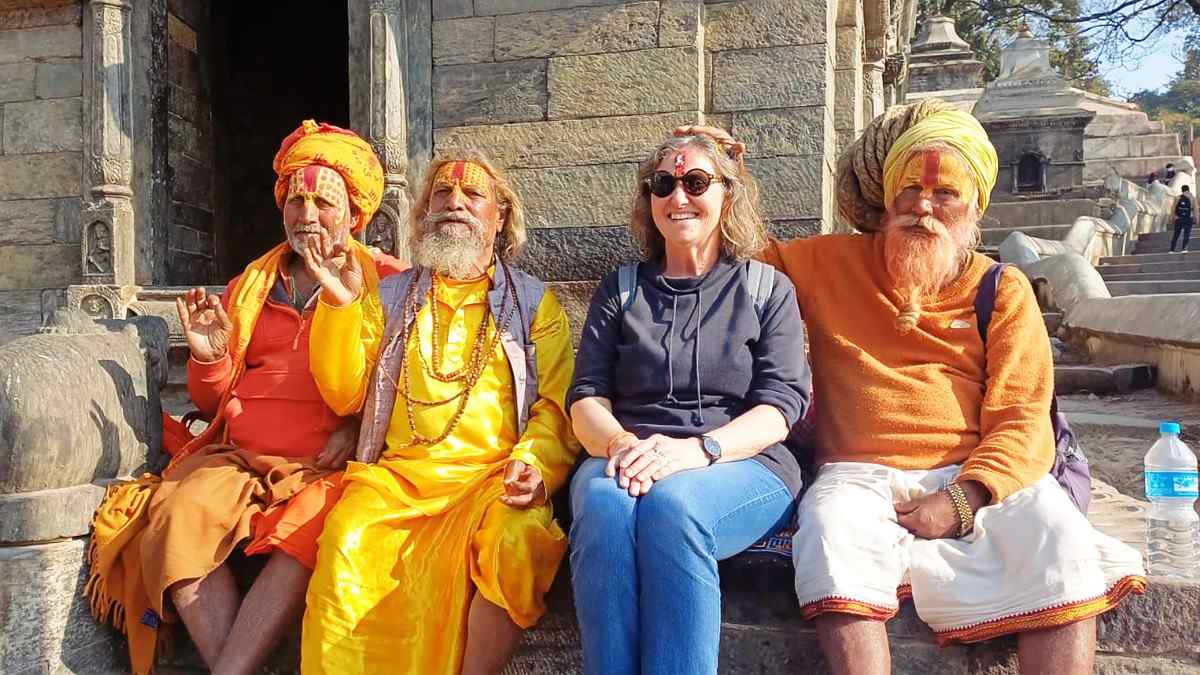
Pashupatinath Trip and picture with holy babas
Kathmandu Valley tour is a great way to start, and it works well in winter because most of what you do here is cultural, so the cold doesn't get in the way.
Walk through Durbar Square, visit Swayambhunath at sunrise, and watch the evening aarti at Pashupatinath. Then comes, the historical cities, Bhaktapur and Patan, famous for old brick streets, temples, and craft shops. Winter is also when many festivals take place. Maghe Sankranti falls in mid-January, and Lhosar, the new year of the Tamang and Sherpa communities, arrives around late January to February.
On clear mornings, you can see a line of white peaks from places like Nagarkot, Dhulikhel, and Chandragiri Hill. Dress warmly, because mornings and evenings are quite cold.
Choose this city for: Culture, food, first-time visitors, families, short stays.
2. Pokhara
Pokhara is a lakeside town with a view of the Annapurna range, and winter is a lovely time to be there. The sky is usually clear, the lake is calm, and the weather is gentle during the day.
You can boat on Phewa Lake, walk up to the World Peace Pagoda, visit Davis Falls and the Gupteshwor Cave, or try paragliding from Sarangkot. Winter air is clean, so views are usually better than in the hazy season. Pokhara is also the starting point for many of the best short winter treks.
This city is good for: Relaxing, mountain and lake views, adventure sports, easy starts to treks.
3. Chitwan National Park
When the hills are cold, the Terai is a warm escape. Chitwan National Park sits in the southern lowlands and stays comfortable through winter, though mornings can be foggy and chilly.
Chitwan National Park trip is best for people of all age group
Cool weather is a good time for a jungle safari. You can look for one-horned rhinoceros, deer, crocodiles, and many bird species, and with luck, a Bengal tiger, though sightings are never guaranteed. You can enjoy walking tours, canoe rides, and Tharu culture here. Many travellers pair Chitwan with Pokhara or Kathmandu, making a simple loop of culture, nature, and mountains.
Good for: Wildlife, families, travellers who want a warm option in winter.
4. Kalinchowk
Kalinchowk, in Dolakha district, is one of the closest places to Kathmandu where you can see snow in winter. It sits at around 3,842 m and is roughly 150 km from the capital by road.
The snow is usually best between December and February, and many visitors plan for January. You can reach the Kalinchowk Bhagwati Temple at the top either by a short hike from Kuri village or by the cable car, which makes the trip easy even for older travellers and children. Because it is a mountain, weather changes fast, and snow cannot be promised on any single date, so it is better to keep your schedule flexible.
Good for: A short snow trip, families, couples, weekend travellers.
5. Annapurna Region (Ghorepani Poon Hill and Mardi Himal)
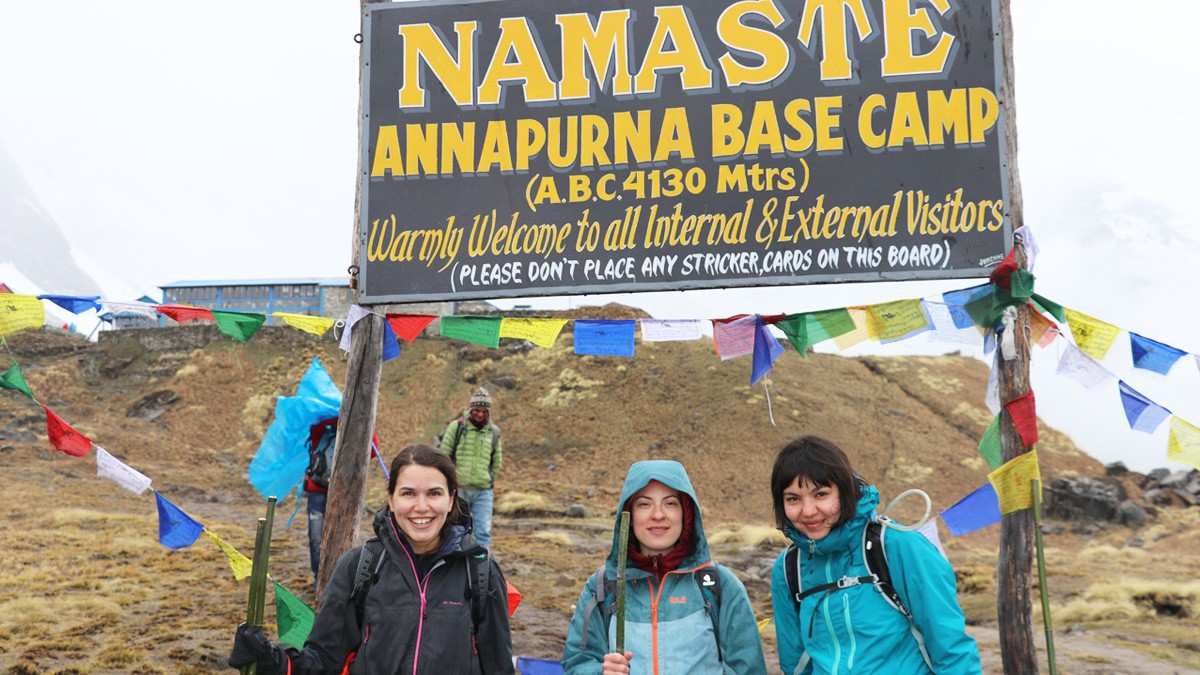
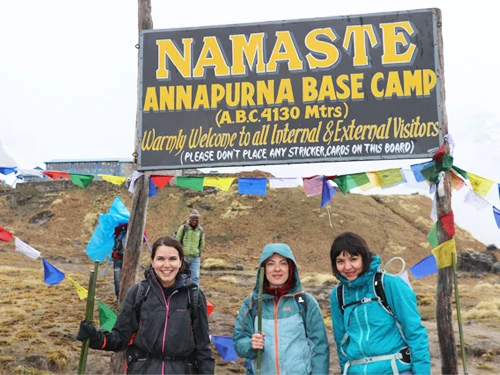
Happy trekkers in Annapurna Base Camp Nepal
The Annapurna region is the best choice for winter trekking in Nepal if you are new to it.
The Ghorepani Poon Hill trek is popular from December to March. You walk through quiet forest, sometimes with snow near the top, and the sunrise view of Dhaulagiri and Annapurna on a clear winter morning is hard to beat.
The Mardi Himal trek is also lovely in winter, with snow-covered forest and fewer people on the trail. Be careful, though: heavy snow can make the upper part tricky, so check conditions with your guide, and be ready to stop at a lower point.
I would stay away from the high Annapurna Circuit in winter, because Thorong La can get heavy snow and the pass may close. The Annapurna Base Camp trek in deep winter also has avalanche risk in the upper section, so it is best left to experienced trekkers with a good local guide.
Good for: Snow trekking, mountain views, beginners (Poon Hill).
6. Everest Region (Short Treks Only)
Everest Base Camp trek is the right choice for early winter. But in the middle of winter, it is very cold, and it is not a first-time trek. But the lower Khumbu area, such as the trek to Namche Bazaar, can be done in deep winter with the right gear. You walk through Sherpa villages with snow on the trail, and the crowds are almost gone.
If you go, book your Lukla flights early and keep a few spare days. Fog and winds can cause delays.
Good for: Fit for all; if early winter and mid-winter require experienced trekkers, people who want quiet trails.
7. Mera Peak
Mera Peak, at about 6,476 m, is one of the most popular trekking peaks in Nepal. In mid-winter, it is a very serious challenge. Temperatures are extreme, wind is strong, and the days are short. This is a trip for experienced climbers with good gear and a reliable team, not for a casual winter holiday. So choose either early winter or late winter.
Good for: Early and late winter are suitable for beginners, while mid-winter is for experienced high-altitude trekkers and climbers only.
Winter Treks in Nepal for Beginners
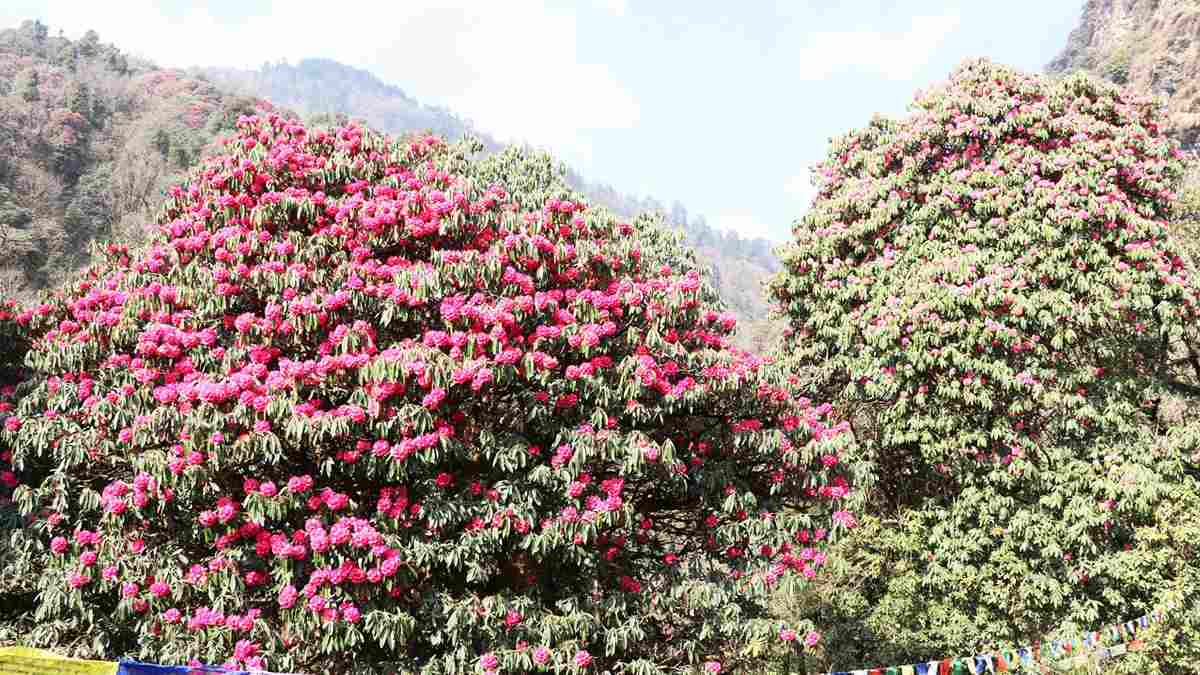
Rhododendron Forest in Ghorepani Poon Hill Region Nepal
If this is your first time trekking, keep it simple. The best winter treks in Nepal for beginners stay below roughly 3,500 m and have comfortable villages along the way.
Ghorepani Poon Hill (2 to 6 days): This is a classic first winter trek. Having short hiking days, great views, and good lodges, this is fit for people of all age group. You can do both trekking and a jeep tour as per your convenience.
Chisapani and Nagarkot (2 to 3 days): This winter trip is close to Kathmandu, so it has low altitude, with mountain views on clear days. This does not require much walking or tiring effort; all you do is enjoy nature with mild cold air and the amazing beauty of the mid-hills.
Australian Camp and Dhampus (2 to 3 days): These are places close to Pokhara and on the way to the Annapurna Region. These places are perfect for beginners, being easy, low, and scenic. This can be a good pick if you want less walking and more enjoyment of nature.
Ghandruk and Landruk loop: These places are great for a gentle walk through big Gurung villages with stone houses. You will enjoy a typical Gurung culture reflecting local lives.
Panchase Hill trek (3 to 4 days): It is a quiet trek above Pokhara with views of Annapurna and Machhapuchhre. This does not require much walking, so anyone feels best fit in this trip.
Kalinchowk: A short and easy snow trip, with a cable car option. Often, snowfall makes this trip special and memorable.
For all of these, a licensed guide is a good idea, and for conservation areas, rules now generally require one. Confirm the current permit rules with a registered Nepali trekking agency before you book.
Is Winter a Good Time to Visit Nepal?
For the right kind of traveller, yes.
The good things:
Clear skies and sharp mountain views, especially in the morning
Fewer tourists on popular trails
Lower prices and easier bookings at many hotels and lodges
A calm, peaceful mood in villages and temples
No monsoon leeches, mud, or landslides
The things to keep in mind:
Cold nights, and rooms in tea houses are often not heated at higher altitudes.
Short days, so you have less daylight to walk
Some high passes and remote lodges close because of snow
Early morning fog can delay flights and slow down road travel
If you go in with the right plan and the right expectations, the good side wins easily.
Is It Too Cold to Trek in Nepal in December?
Not at all, as long as you choose the right route.
December is the start of winter, and it is actually one of the nicest months. The air is clear, the days are cold but sunny, and the heavy snow of January has not arrived yet. For low- and mid-altitude treks, December is comfortable and popular. For higher treks, nights are cold, and you need proper winter gear.
The key is to plan around the cold, not fight it. Start walking after the sun hits the trail, finish early in the afternoon, and use the evenings for tea and a warm fire in the dining room.
What to Pack for a Winter Trip in Nepal
Right packing makes your winter trip in Nepal worth remembering. Here are the things to fill your bags with:
Layers: A warm base layer, a fleece, and a thick down jacket for evenings
Waterproof shell: For snow, wind, and cold rain
A warm sleeping bag: Rated for at least minus 10°C for higher treks. You can rent one in Kathmandu or Pokhara
Good boots: Waterproof and broken in. Add warm socks
Gloves, a warm hat, and a buff: Mornings can be freezing
Sunglasses and sunscreen: Snow glare is strong
Trekking poles: Very helpful on icy or snowy sections
Headlamp: Days are shorter, so you may walk in low light
Hot water bottle: A cheap trick that makes nights much warmer
In Kathmandu's Thamel area, you can find gear to buy or rent. Check quality carefully, especially for down jackets and sleeping bags.
Safety Tips for Winter Travel
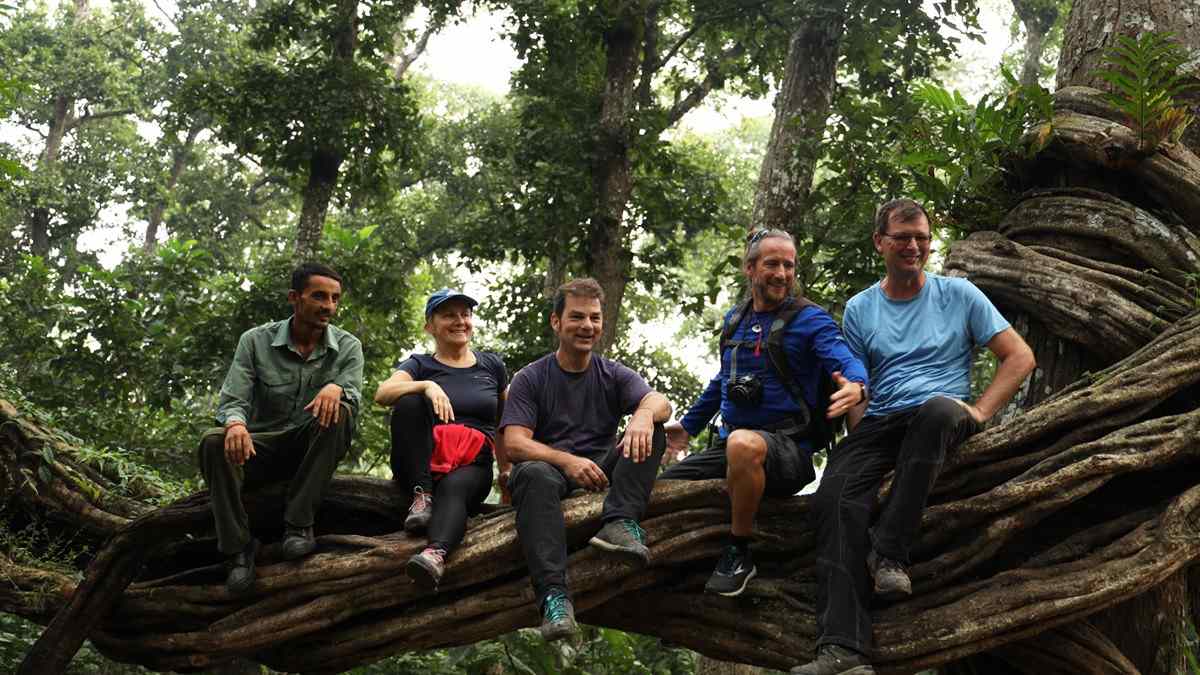
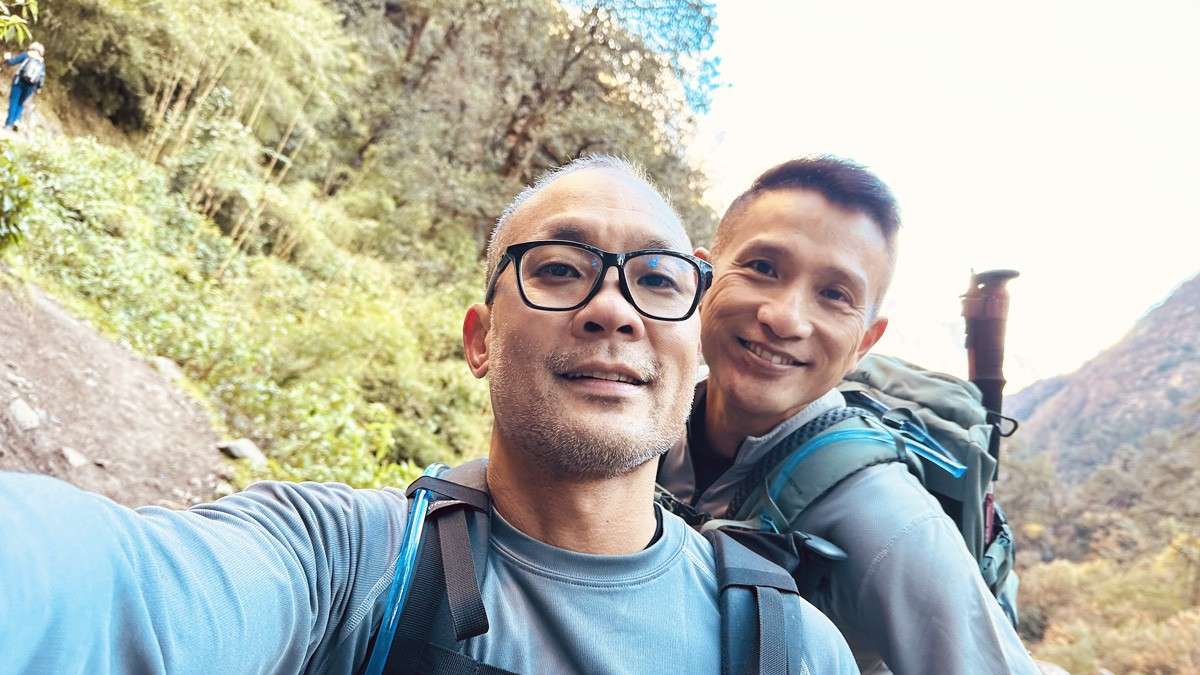
Trekking with guide or in team is the best tips for memorable journey in Nepal
Kindly follow the tips below to make your journey more enjoyable and safe:
Check the weather and trail conditions before every day of walking. Your guide will know the latest news.
Keep spare days in your plan. Snow and fog can cause delays.
Watch for altitude sickness. Cold weather does not remove the risk. Go up slowly, drink plenty of water, and go down if symptoms get worse. Breeze Adventure manages altitude sickness with an oxygen tank and skilled team members.
Avoid risky snow routes without experience. Avalanches and icy slopes are real hazards.
Buy travel insurance that covers trekking at your highest planned altitude and emergency helicopter evacuation.
Eat warm food and drink hot drinks often to stay warm and hydrated.
What Is the Most Affordable Trek in Nepal?
In winter, short treks near Kathmandu and Pokhara are the cheapest, because you need fewer days, simpler transport, and fewer permits. Good examples are Chisapani and Nagarkot, Australian Camp and Dhampus, and a short Ghorepani Poon Hill trek.
As a rough idea, a basic guided trek can cost around $ 30 to $ 60 per person per day, depending on the guide, the lodges, and whether you hire a porter. Going independently with a local guide and staying in simple tea houses is generally cheaper than a full-service package. But the law requires hiring a licensed tour guide in many places.
Permit fees also add up. For example, the Annapurna Conservation Area permit is commonly listed at NPR 3,000 for foreign visitors, but rules and prices change, so check the latest with your agency.
Winter can also save you money in other ways. Many hotels and lodges drop their prices outside the peak seasons.
Which Trek Is Best in Winter?
It depends on what you want, but for most people, the answer is Ghorepani Poon Hill. It is low enough to be safe, high enough for snow views, and it has good lodges all the way. If you want something quieter, try Mardi Himal up to the lower viewpoints. If you want a quick snowy break, go to Kalinchowk.
If you have experience and want a challenge, the lower Everest region or a carefully planned high trek with a good guide may suit you. Just remember that being brave and being prepared are two different things.
A Simple 7-Day Winter Plan for Nepal
Day 1: Arrive in Kathmandu. Rest, walk around Thamel, and eat some momos.
Day 2: Kathmandu Valley tour: Pashupatinath, Boudhanath, and Swayambhunath.
Day 3: Drive or fly to Pokhara. Evening by the lake.
Day 4: Drive to Nayapul and start the Ghorepani Poon Hill trek.
Day 5: Climb to Ghorepani, visit Poon Hill for sunrise the next morning.
Day 6: Descend to Ghandruk and then to Nayapul. Drive back to Pokhara.
Day 7: Fly or drive to Kathmandu, or add a night in Chitwan for a jungle safari.
Spread over 10 days, this plan becomes more relaxed and gives you buffer time if the weather changes.
Frequently Asked Questions
How cold is Nepal in winter?
In Kathmandu and Pokhara, days are usually around 17 to 20°C, and nights can fall to a few degrees above freezing. On mid-altitude treks, nights are often around or below freezing. At high altitude, temperatures can drop well below minus 10°C.
What are the winter months in Nepal?
December, January and February are the main winter months, with January usually the coldest. In the high mountains, winter conditions can continue into early March.
Which trek is best in winter?
For most travellers, the Ghorepani Poon Hill trek is the best winter choice. Mardi Himal (lower sections) and Kalinchowk are also good options. Experienced trekkers can consider the lower Everest region.
Is it too cold to trek in Nepal in December?
No. December is often one of the best winter months, with clear skies and sunny days. Choose low- or mid-altitude routes if you are a beginner, and carry proper warm clothes.
What are the best places to visit in Nepal during the winter?
Kathmandu Valley, Pokhara and Chitwan are great for culture, lakes and wildlife. For snow, go to Kalinchowk, the Annapurna region (Poon Hill and Mardi Himal), or the lower Khumbu. Mera Peak is only for experienced climbers.
What is the most affordable trek in Nepal?
Short treks like Chisapani and Nagarkot, Australian Camp and Dhampus, and Ghorepani Poon Hill are the most budget-friendly. Costs depend on the guide, lodges, and group size, so compare offers before you book.
Final Thoughts
Winter in Nepal is quiet, clear, and beautiful. The cold asks you to slow down, and the mountains are generous in return. Whether you spend your days walking through old Kathmandu streets, watching the sun rise over Poon Hill, or playing in the snow at Kalinchowk, you will probably remember it as a calmer, more personal side of the country.
Pick a trip that fits your experience, dress warmly, keep a few spare days, and travel with a good local team. The rest is easy for a lifetime of memories. Contact us for your perfect winter getaway in Nepal.
Kishwor Adhikari is a passionate writer with a deep enthusiasm for trekking and adventure. His extensive travels across Nepal, exploring its diverse landscapes and hidden corners, have shaped his unique perspective on the country's natural beauty. With a wealth of first-hand experience in adventure trekking, Kishwor has become a trusted voice for fellow enthusiasts. Through his writing, he shares invaluable insights, offering practical advice and inspiration for both seasoned trekkers and novices alike. His dedication to sharing his journey and knowledge helps others discover the wonders of Nepal's wilderness, making his work an essential resource for anyone seeking adventure in the region.