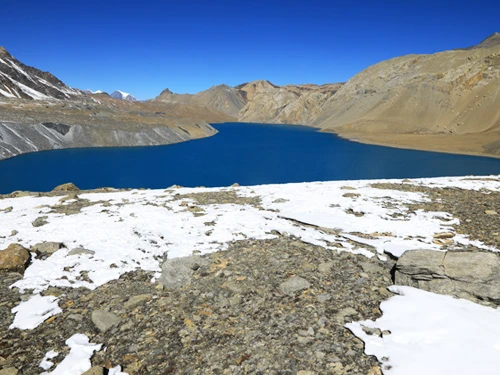
Langtang Valley Trek is famous for a stunning close view of Langtang Lirung along with unique Tamang Heritage and Himalayan beauty. You need two permits for the Langtang Valley Trek, i.e., a Langtang National Park Permit (Rs 3000) and a TIMS card (Rs 2000).
These two permits are checked in the Langtang Valley region, so you have to keep them in a small side bag during your trip. Let's talk about the permits that allow your entry into Langtang National Park, the mountain region, and more.
Table of Contents
Trekking in Nepal is a fun, life-changing experience. But planning and implementing a Journey to the remote land of the Himalayas all by yourself is definitely not an easy task. Other than the fact that it is difficult to arrange transportation or accommodation, getting the permit for your trek is also quite a hassle. While you can easily obtain the
Visa at the airport upon arrival, getting a permit can be difficult. So this article provides you with all the details about the Langtang trip so that you do not suffer during the trek.
You need two permits for the Langtang Valley Trek, i.e., a Langtang National Park Permit (Rs 3000) and a TIMS card (Rs 2000). Let's learn about them in detail.
Langtang National Park permit
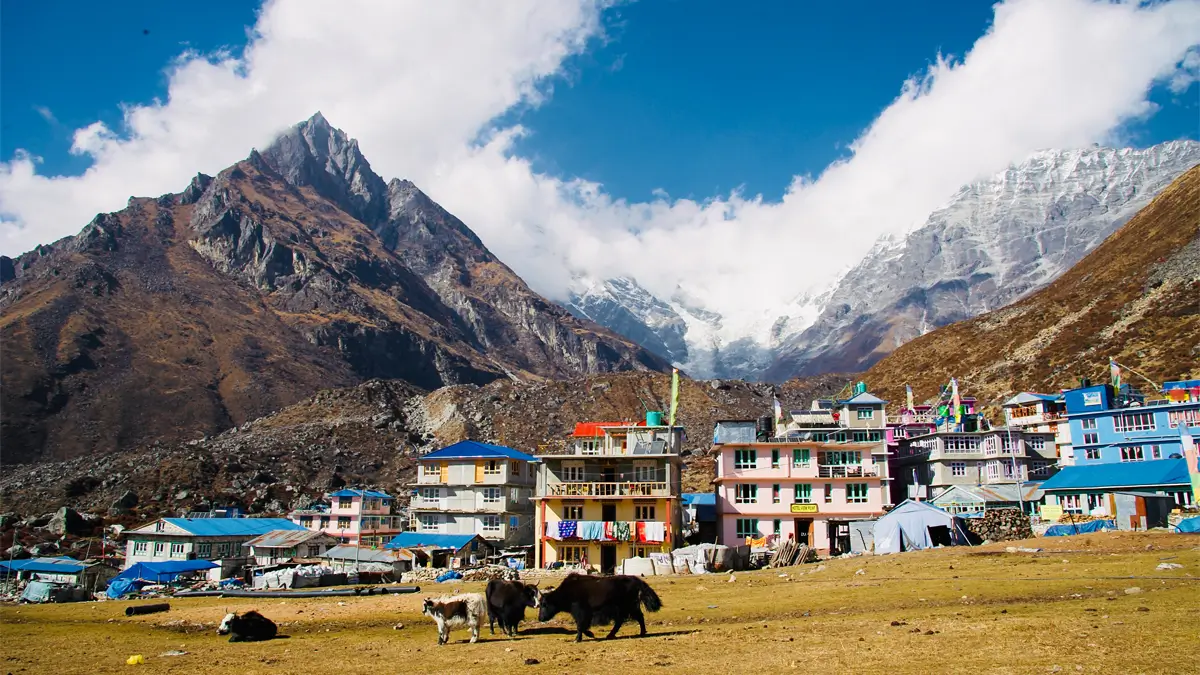
Langtang Valley Trek Nepal showcasing local settlement
There are around 12 national parks in Nepal, and you need a special permit to visit each of these national parks. All tourists, both internal and international, must get a permit to enterLangtang National Park. Permits for the Langtang Circuit Trek must be issued in Dhunche, the national park's entry point. This can be done on the first day of the trek when you are driving from Kathmandu to Syabrubesi. All you need is your password Visa and Rs.3000 in caste Gate this format.
Note: At Dhunche, your bag will be checked properly before you enter the national park. An authorized person will check you for weapons and illegal items. Then, they will give you an entry permit.
The Langtang National Park permit aims to limit tourist numbers. It checks luggage and tracks travelers for their safety. This is meant to preserve the wildlife as well as the Flora of the region. The money goes for the conservation of the national park itself, so it can also be counted as social work. When you travel with the agency, they often pay the national park fee.
Langtang National Park Permit Cost
National Park Entry Fee for Indian and SAARC Nations: NRs. 1,500 per person per entry
National Park Entry Fee for Nepalese: NRs. 100 per person per entry
TIMS card for Langtang Valley Trek
Another permit needed for trekking around Nepal is a TIMS card. Also called the Trekkers Information Systems card, it helps locate and rescue tourists in emergencies. TIMS card is often issued by a travel agency where you book your Langtang Valley trek. Independent travelers can get the card from the Nepal Tourism Board in Brikutimandap. The Nepal Tourism Board is about 20 minutes by ride from Thamel, the tourist center of Nepal.
PS: You can easily issue a Langtang National Park permit on your way to Syabrubesi in a place called Dhunche. However, if you are going to the Nepal Tourism Board to get the TIMS card, then you can also issue the National Park permit at the Tourism Board itself.
TIMS card cost
There are two types of TIMS cards; the first one is a blue card that is issued for group travelers at a charge of 1000 per person. Next, independent travelers get a green card that costs rupees 2000.
Cost for SAARC nations: Blue card Rs 300 and green card Rs 600 each (Also for Indians).
Check post for passports and permits along the way to Langtang
Joy of being at Langtang Valley Trip
Day 1: Drive from Kathmandu to Syabrubesi
1st Check post on Betrawoti (by Nepal police)
2nd check post on Kalikasthan (army )- check a bag and see details
3rd check post on Dhunche, where you buy your National Park permit and show all baggage
4th check post just above Dhunche is a Police
5th Check post of the Army Police Force just above the 4th check post
Note: Since your ride on the first day crosses a lot of distances as well as many borders, there are a lot of checks on this day. Please be patient with them.
Day 2: After you cross the Syabrubesi market and begin the hike, there will be your first check post. You must show your permit and other bags.
Day 3: Langtang Valley (Ghoda Tabela)
The final checkpoint is on the day of the fourth when you get inside Langtang village. This is the last checkpoint on your way, and you will not need to show a permit when you're traveling back to Kathmandu City.
Documents for Langtang trek permits
The word "permit" may sound scary or hard to get. But you can easily get this permit with just a valid passport and a visa. As long as you have enough visa to cover your travel itinerary, the permit will be issued. So the three documents you will need it passport, visa, and your trip plan.
If you do any illegal activities or bring weapons into the national park during that trek, your permit will be disabled. When you travel with a travel agency in Nepal, they will issue and pay for the permit. So, make sure that you ask if they will pay for the permit before you head to the trek.
What happens if you do not get the permit?
In a forum, tourists often claim to have trekked the Tamang Heritage and Langtang Valley without a guide or a permit. They may have used a fraudulent method to enter the National Park. It is legally required to hire a guide and get a permit. It is not compulsory to book fully arranged travel packages, but it is necessary to hire a guide. Without these two things, you will not be able to enter the Langtang National Park area.
And even if you somehow enter the area, you might be caught at some other checkpoint. If the traveler lacks the permit at any time, they may have to return to Kathmandu, the capital city of Nepal.
Feel free to contact us for Langtang Valley Trek packages. We customize packages as per your needs and preferences.
Kishwor Adhikari is a passionate writer with a deep enthusiasm for trekking and adventure. His extensive travels across Nepal, exploring its diverse landscapes and hidden corners, have shaped his unique perspective on the country's natural beauty. With a wealth of first-hand experience in adventure trekking, Kishwor has become a trusted voice for fellow enthusiasts. Through his writing, he shares invaluable insights, offering practical advice and inspiration for both seasoned trekkers and novices alike. His dedication to sharing his journey and knowledge helps others discover the wonders of Nepal's wilderness, making his work an essential resource for anyone seeking adventure in the region.