Langtang National Park is one of those places that stay in your mind rent-free. Yes, it's not just a trekking destination but a living, breathing ecosystem packed with rare wildlife. Also, here are ancient forests, glacial rivers, and the warmest mountain communities you'll ever encounter.
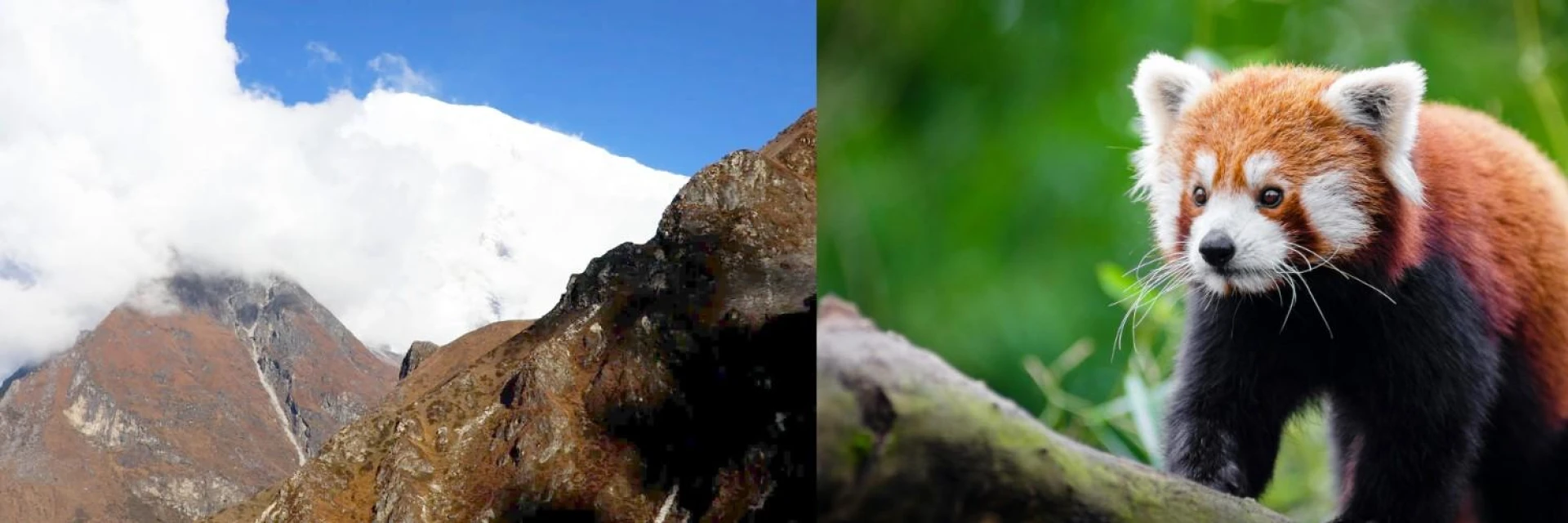
I still remember the first time I saw this unique creature, a flash of rusty red fur disappearing into the rhododendron forest at dusk. It was a red panda which rules the Langtang National Park in Nepal as its home.
In this guide, I will take you through everything you need to know about this incredible park as the Langtang Valley Trek. Right from its location and map to the best trekking routes, wildlife, and insider tips, I will give the best based on my years of experience. This will definitely make your trip unforgettable.
Table of Contents
Where is Langtang National Park?
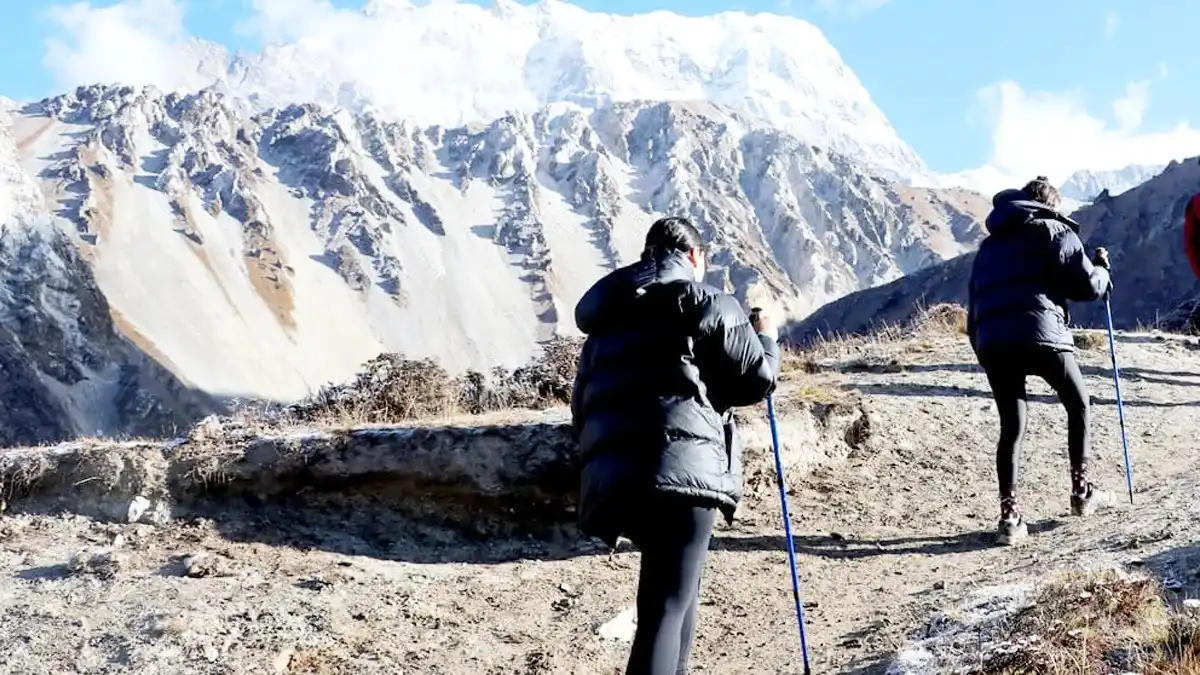
Trekkers heading towards Langtang Region
Langtang National Park lies in north-central Nepal. It is situated right along the border with Tibet. It falls primarily within Rasuwa District, however the portions also extend into Nuwakot and Sindhupalchok districts. You'll find it nestled just north of Kathmandu, roughly 100-120 kilometers. This literally makes it the closest national park to Kathmandu city, the capital of Nepal.
The park covers an area of approximately 1,710 square kilometers. Similarly, the altitude rises from 1000 m to 7245 m (Langtang Lirung). This makes the place a substantially protected zone that stretches from the subtropical lowlands all the way up to the high Himalayan glaciers.
Further, the Shivapuri forest and the insane Himalayan wildlife are the major attractions. The wild vegetation and red panda will make your day. Being close to Kathmandu, you will see a good crowd hovering around the place. This is one of the most popular destinations for trekking and wildlife lovers in the Langtang Valley Trek Nepal.
Best Season to visit Langtang National Park
If you want to get the most out of this national park, then timing plays an important role. The right season makes the journey very enjoyable and fruitful.
Spring (March to May) - The Most Beautiful Time
This is, without a doubt, the best season to visit Langtang. During this time, you will see rhododendron forests exploding into blooms of red, pink, and white. Yes, there will be flowers painting the hillsides in stunning color. Similarly, the mild temperatures make the skies mostly clear. Not just that, you will enjoy the active wildlifesuch as red pandas and birds.
Autumn (September to November) - Best for Trekking
Autumn is definitely a peak trekking season in Nepal, and Langtang is no exception. At this time, the monsoon rains have cleared the air, leaving crisp, clean visibility that stretches all the way to the Tibetan plateau. You will get the trails in great condition, and the mountain views are razor-sharp. So, this is the season that most serious trekkers aim for.
Winter (December to February) - Quiet and Cold
Winter in Langtang is harsh with snowy and slippery paths. However, the scenic beauty and quiet trails will support those who love adventures. This is mostly for experienced trekkers.
Monsoon (June to August) - Proceed with Caution
The monsoon season brings heavy rainfall, leeches on the trail, and frequent landslides. Further, the visibility will be poor, and many lower-elevation paths turn muddy and slippery. Most travelers avoid this season, however, this time is best for city exploration and cultural hunting in Kathmandu Valley.
Vegetation and Wildlife of Langtang National Park
One of the reasons Langtang is famous isn't just because of its mountains, it's because of the sheer diversity of life that exists within its boundaries. Actually, the park spans several ecological zones, each with its own distinct vegetation and wildlife. This creates a biodiversity hotspot unlike anything else in the region.
Vegetation Zones
At the lower elevations, between 1,000 and 2,000 meters, you'll walk through subtropical and temperate forests. These are mostly dense with sal trees, bamboo, and ferns. As you climb higher into the 2,000-3,500 meter range, the landscape transitions into magnificent rhododendron and oak forests.
These are the kind that look like something out of a fantasy novel when they're in full bloom. Likewise, at above 3,500 meters, the trees give way to alpine meadows, scrubby birch forests, and eventually bare rocky terrain. There, you can find permanent snow and glaciers near the park's highest reaches.
Wildlife - More Than You Expect
So, what are you expecting in Langtang Wildlife? Let me tell you, this is home to over 46 species of mammals and more than 300 species of birds. Doesn’t this sound like a paradise for wildlife enthusiasts? You will go crazy seeing the Himalayan tahr (a large wild goat), Himalayan black bear, snow leopard (extremely rare but present in the upper zones), musk deer, common langur monkeys, and the elusive red fox.
Similarly, the birdlife is equally stunning here. Just keep your eyes open for the Impeyan pheasant (Nepal's national bird), blood pheasant, red-billed chough, and various species of warblers and finches. Enjoy these natural creatures and capture them on your devices.
Langtang- the home of the Red Panda
Langtang National Park is the home of Red Panda
Let's talk about the star of the show, the red panda (Ailurus fulgens). Langtang National Park is one of the most significant habitats for red pandas in Nepal, and the park takes enormous pride in this achievement. This is one of the most energetic factors that motivates trekkers in this region.
The red panda is a small, arboreal mammal that is roughly the size of a domestic cat. It has a beautiful look with a striking rust-red coat. You will love it with a bushy striped tail and a masked face that makes it look almost mischievous. Despite the fact that it is called a panda, it's not closely related. This creature feeds primarily on bamboo shoots, berries, and small insects, and spends most of its time in the trees.
Within the park, red pandas are most commonly found in the mixed temperate forests between 2,500 and 4,000 meters. You will see it particularly in areas with dense bamboo undergrowth beneath oaks and rhododendrons. Similarly, the Langtang Valley corridor and the forests around Kyanjin Gompa are popular hotspots for this animal. Early morning and late afternoon are the best times to spot them, when they're most active.
Sadly, red pandas are classified as Endangered by the IUCN. Their populations have declined significantly due to habitat destruction, poaching, and climate change. Langtang National Park plays a crucial role in their conservation, making it one of the best Langtang Trek routes also.
Trekking Routes Inside Langtang National Park
Langtang Region is popular for its trekking culture, and the network of trails inside the park offers something for everyone. This is perfect for leisurely day walkers to hardcore mountaineers. Here are the main routes you should know about:
1. The Langtang Valley Trek (Most Popular)
This is the classic route that puts Langtang on most trekkers' maps. Yes, the trek typically starts from Syabrubesi (1,460 m). And then follows the Langtang River upstream through dense forest and traditional Tamang villages before reaching Kyanjin Gompa (3,870 m), the heart of the valley. The round trip usually takes 4 to 10 days at a comfortable pace. Here, you will pass through Lama Hotel, Langtang Village, and Mundu. You will literally enjoy the dramatic snow-capped peaks of Langtang Lirung towering above you. So, why not be part of this rewarding moderate trek in all of Nepal, right?
2. Gosaikunda Trek
This route takes you to Gosaikunda Lake (4,380 m), a sacred Hindu and Buddhist pilgrimage site surrounded by glacial peaks. Interestingly, the trek can be done independently or combined with the Langtang Valley trek. This gives a more complete experience of the park. It usually takes around 5 to 7 days from Dhunche, the district headquarters of Rasuwa. Likewise, the area around Gosaikunda is particularly good for spotting Himalayan tahr. You'll also see various high-altitude bird species.
3. Helambu Circuit
The Helambu region, connected to the main Langtang park area via the Laurebina Pass, offers a gentler alternative. Especially for those who want cultural immersion alongside their nature experience. Actually, the Sherpa and Hyolmo communities here maintain their unique traditions. Not just that, the landscape here is a beautiful blend of terraced farmland and forested ridges. You will love the circuit that is lower in elevation overall. This makes it a good option for those acclimatizing before heading higher.
4. Kyanjin Ri and Tsergo Ri Day Hikes
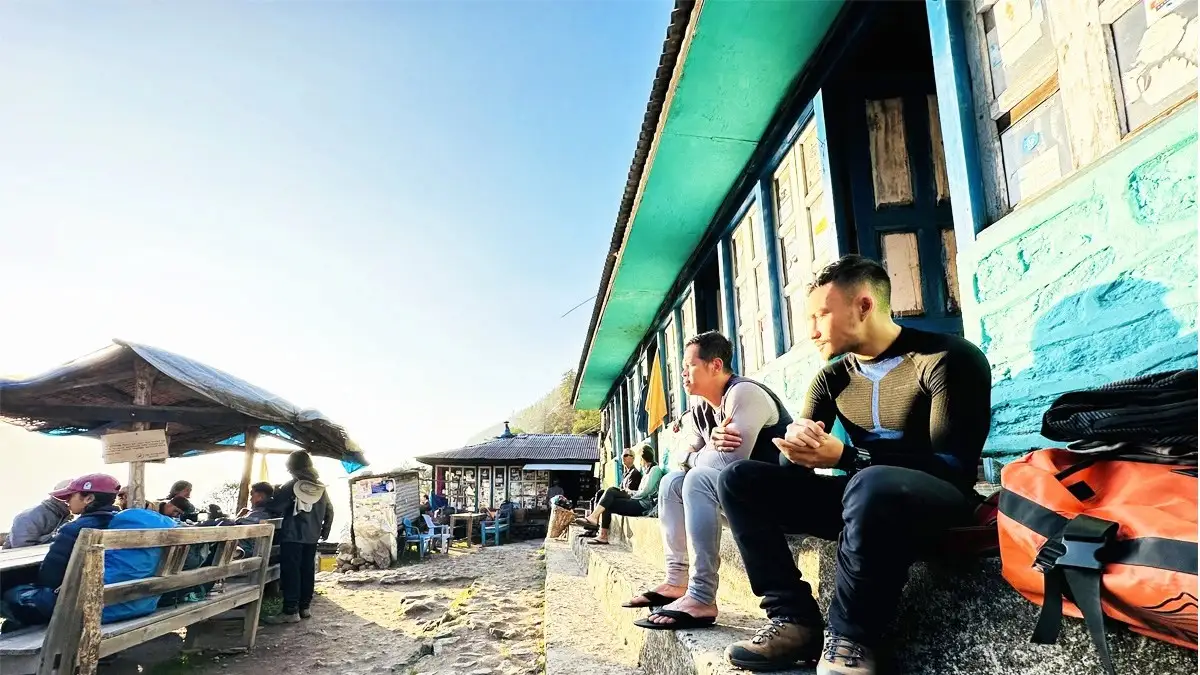
Trekkers having lunch in Kyanjin Gompa Hotel
If you're already based at Kyanjin Gompa, don't miss the option to day-hike up to Kyanjin Ri (4,773 m). You can also try the more challenging hike to Tsergo Ri (4,984 m). Both offer panoramic views that will leave you speechless. Further, both these treks are well within reach of fit trekkers with a proper acclimatization day. These are also among the best spots in the entire park for spotting birds and occasionally red pandas in the treeline below.
Things to Consider Before You Go
Before you start preparation for this trek, here are some important things to consider. These will make your Langtang experience safer, smarter, and more enjoyable:
Permits for Langtang National Park
You'll need two permits to enter Langtang National Park. The Langtang National Park Entry Permit and a TIMS (Trekkers' Information Management System) card. Both of these can be obtained in Kathmandu at the Nepal Tourism Board office. You can also get these at entry checkpoints. Don't skip these, as rangers check regularly along the trail.
Altitude and Acclimatization
In this trek, some parts go above 4,000 meters, so altitude sickness is a real concern. Just take your ascent slowly, especially above 3,000 meters. Then, you can have rest days at Kyanjin Gompa, which are highly recommended before attempting the surrounding day hikes. You have to be aware of the symptoms of altitude sickness, such as headache, nausea, and dizziness, and don't push through them.
The 2015 Earthquake
The devastating earthquake of April 2015 hit Langtang Valley particularly hard. Langtang Village was almost completely destroyed by an avalanche triggered by the quake. Later, the area was rebuilt, and the communities have shown extraordinary resilience. But it's important to trek with this history in mind. Supporting local teahouses and guides directly is one of the most meaningful ways to contribute to the ongoing recovery of this community.
Hiring a Local Guide
While Langtang is doable without a guide for experienced trekkers, hiring a local guide is strongly recommended. This ensures a safe and successful journey. A good guide not only keeps you safe and on track, but they'll also point out wildlife you'd otherwise miss. You can also learn about the cultural context of the villages you pass through. This literally connects you with the human story of this landscape in a way no guidebook can replicate. Isn’t this the best way to do this trek?
Leave No Trace
Langtang is a protected area, and it deserves to stay that way. For that, you can carry your waste out, stick to established trails, and don't disturb wildlife. Kindly choose teahouses over camping whenever possible. If you're lucky enough to spot a red panda, keep your distance, stay quiet, and resist the urge to get closer for a better photo. The memory of seeing one in its natural habitat is worth more than any picture. You will create memories for a lifetime.
Final Words
Langtang National Park isn't just another trekking destination in Nepal. It's a place where the mountains feel personal, where the forests hold secrets that reward the patient observer. This is best for short trekking destinations in Nepal. Similarly, for mountain lovers, culture hunters, as well as wildlife crazy people.
Kishwor Adhikari is a passionate writer with a deep enthusiasm for trekking and adventure. His extensive travels across Nepal, exploring its diverse landscapes and hidden corners, have shaped his unique perspective on the country's natural beauty. With a wealth of first-hand experience in adventure trekking, Kishwor has become a trusted voice for fellow enthusiasts. Through his writing, he shares invaluable insights, offering practical advice and inspiration for both seasoned trekkers and novices alike. His dedication to sharing his journey and knowledge helps others discover the wonders of Nepal's wilderness, making his work an essential resource for anyone seeking adventure in the region.