Last updated September 4, 2026. Roads in particular are being repaired quickly right now, so check the current road conditions of the specific route with your operator before you lock in dates.
If you’ve landed in Nepal or are planning to travel, you’ve probably got a trip booked, or half-booked, and a headline about the recent flash flood made you nervous. Yes, floods have affected many regions, but you can still trek in Nepal where the flood hasn’t affected, and for most people, nothing about their trip needs to change.
There’s one region to steer around for now, and plan around the damaged road. That’s really the whole story. Here’s how to place yourself in it.
Table of Contents
Everything depends on one question: Where are you going?
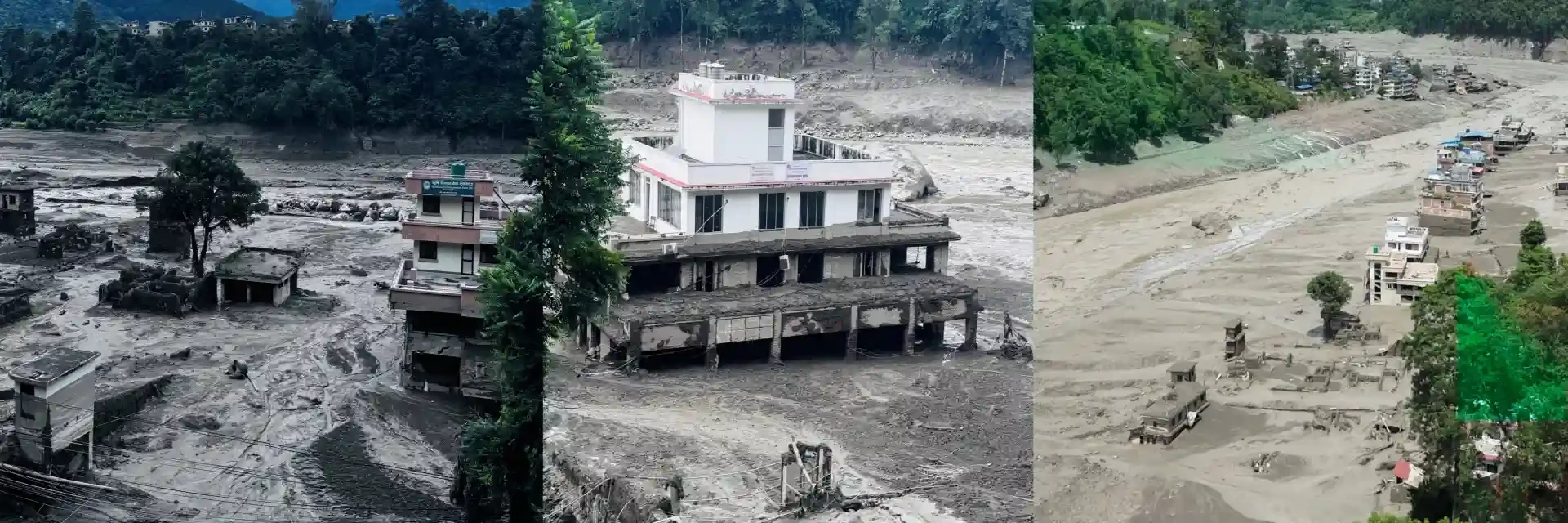
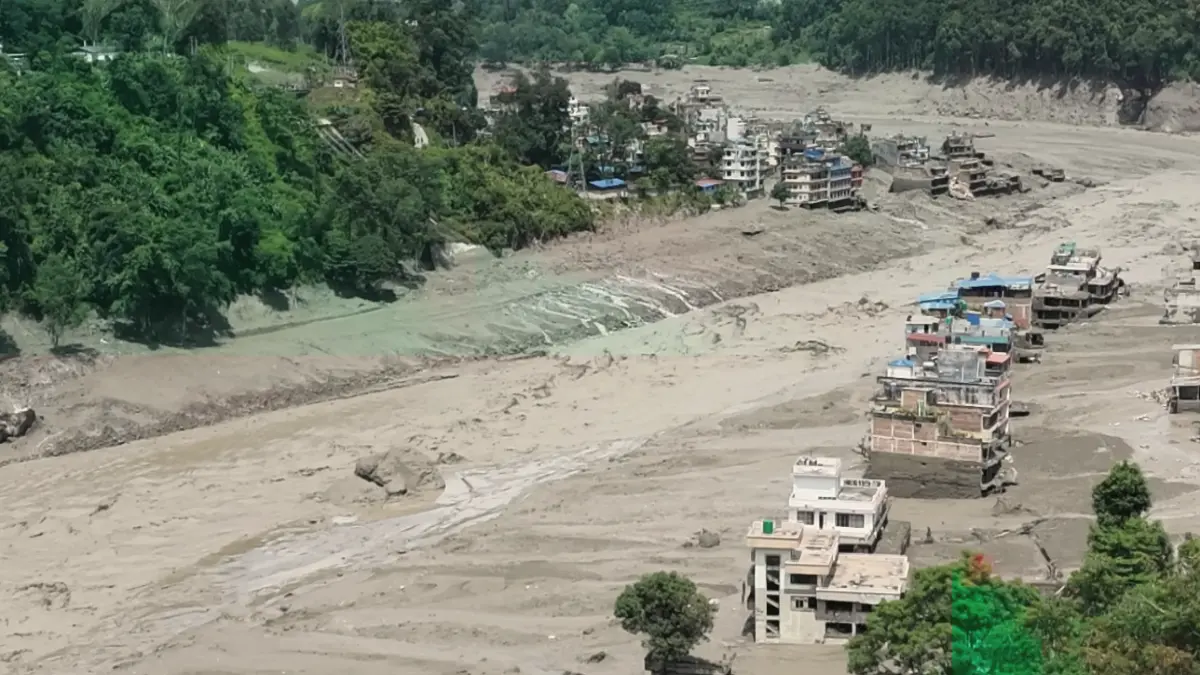
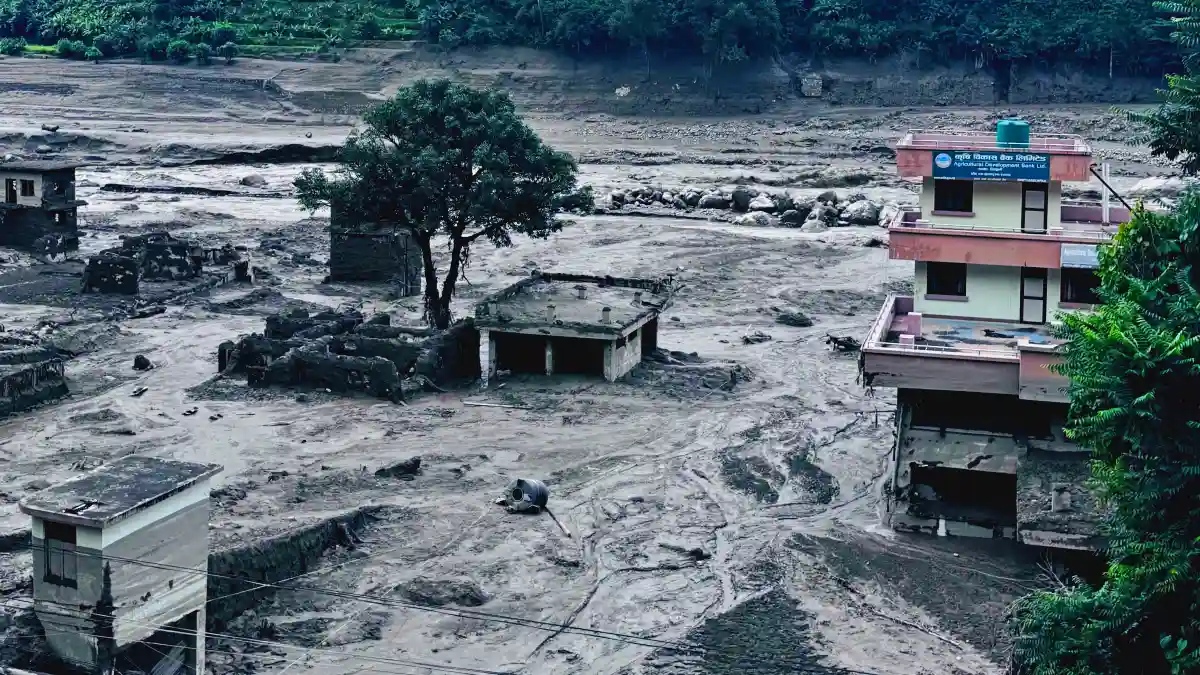
The August 26 flood hit a single river corridor in the north, which includes Rasuwa district and the Langtang area. It didn’t spread to other trekking regions because Nepal’s trekking regions sit in separate river valleys that had no link to the flooded rivers.
Flash Flood Destroyed Settlement
So “is Nepal safe?” is the wrong question. The question that actually matters and you should be asking is “is my route affected?”
Heading to Everest? You can carry on exactly as you planned because the Khumbu region where Everest lies was never near the flood, and in most of the Everest itineraries you fly into Lukla rather than driving, so none of the road repairs elsewhere will affect you. This is the most worry-free trek in the country based on the current situation.
Heading to Annapurna or Mustang? Your trek is fine, and the trails weren’t affected. But you have to plan around getting to Pokhara (the gateway city for both trekking regions) from Kathmandu because the main highway is affected at one spot (more on that below). The easy fix is to fly the 25-minute flight from Kathmandu, which is operating normally except for occasional weather delays. Once you’re in Pokhara, everything is normal.
Heading to Manaslu? The trail is completely fine since it’s in a different valley system. However, you have to drive to the trailhead by detouring around some flood damage, so this is a “confirm the routing with your operator, then go” situation rather than a reason to hesitate.
Heading to Langtang, Gosaikunda, or the Tamang Heritage Trail? This is the one region to hold off on for immediate departures. These treks start from Syabrubesi, which sits in the flood zone and was heavily affected. Access to the region is being restored (more on that below), and it is expected to be trekkable again through the autumn, but for the next few weeks, postponing or rerouting is the sensible move.
Getting around: the roads, and the good news about them
Most of the anxiety right now traces back to roads, not trails, so here’s the plain version.
The heavy flood has damaged part of the Prithivi Highway at Krishna Bhir, which is the main road that connects Kathmandu to Pokhara. Crews are on it, alternative routes are already running, and repairs are expected to be completed well before the peak of autumn. So, by October, when most trekkers arrive, you can expect smooth travel again. In the meantime, you have options depending on where you’re headed:
To Pokhara (for Annapurna and Mustang): The simplest solution is to fly to Pokhara, which bypasses the road repairs altogether. If you choose to drive instead, vehicles can pass through using the Galchhi-Dhading route. Another option is the longer loop through Gorkha and Abu Kaireni to get back on the main highway toward Pokhara.
To the Manaslu trailhead: To get there, operators are using the surviving bridge at Galchhi toward Dhading Besi, continuing past Arughat and Soti Khola to reach Machha Khola. Another route goes through the Gorkha side instead. The drive will be a bit longer and bumpier than usual, so plan for some delays
To the Langtang side: The district is accessible again thanks to a hill route to Dhunche, and the road continuing to Betrawati is operational, featuring a bridge above Betrawati village that crosses to the Rasuwa side. From Dhunche, you can trek into the valley through Thulo Syabru once safety is confirmed, which lets you avoid the damaged road head at Syabrubesi.
None of this is quite as intense as it might look from the outside, from the trekking point of view. Every monsoon season in Nepal brings road damage and detours; what makes this year unique is just the amount of attention it is getting.
Destruction Done by August 26 Nepal Flash Flood
The booked-trip question
Don’t rush to cancel if you’ve already paid for your trip. There is absolutely no reason to cancel for most areas, and even when it comes to Langtang, canceling is usually your worst move.
Get in touch with your operator before doing anything else. A good provider is tracking the situation every day and will give you honest advice about whether to stick to the plan, adjust your route, push your dates a bit deeper into autumn, or switch to a different region entirely. Many operators are being genuinely flexible right now.
When it comes to trek insurance, policies vary wildly, and there is one big catch people frequently miss. Since most regions are still open, normal cancellation rules are in effect. So, if you cancel a trek that can actually still go ahead, you probably won’t get your money back. Check the fine print on natural disasters and trip disruptions before making a move. If you decide to rebook rather than cancel completely, see what options your operator has. Rescheduling is almost always better than walking away empty-handed.
The question people feel awkward asking: Is it selfish to go?
It’s a question that comes up all the time, and it deserves an honest answer instead of just a comforting one.
Heading to regions that weren’t impacted isn’t just okay. It actually does a lot of good. Because autumn is when guides, porters, teahouse families, and local businesses earn the trekking income that sustains them all year long.
Calling off a trip to Everest or Annapurna won’t help the people recovering in Rasuwa. It will just hurt communities that were completely untouched by the disaster, many of which are actually contributing to the relief efforts themselves.
The main takeaway is simple. Go ahead with your plans in the open regions and spend normally. Just make sure not to treat the disaster zone like a sightseeing spot. Rasuwa is an active recovery zone, and its roads and helicopters need to stay clear for rescue and relief operations. If you want to make a real difference, donating to a trusted organization on the ground will do a lot better than trying to visit the zone.
So, should you go?
As long as your trek isn’t in the Langtang corridor, you are completely good to go. So, head out and have a wonderful time without any second thoughts. If you are booked for Langtang, don’t rush to cancel right away. Talk to us first about adjusting your entry point or pushing your dates back slightly, because the region is already bouncing back.
If you are still not sure how your specific trip is affected, just contact our team about your dates and route details. We will give you a completely straight, honest answer rather than a sales pitch.
While you are in the country, it is also a great idea to have Nepal’s tourist emergency contacts handy: you can reach the Nepal Tourism Board Hotline at 1144, call 1234 for toll-free help, or contact Tourist Police directly at +9779851289445.
Frequently asked questions
Q. Is it safe for a first-timer or solo traveler?
In open regions, absolutely; the flood changes nothing about the experience on Everest, Annapurna or the other unaffected trails. You’ll meet the usual monsoon-shoulder conditions of early autumn, nothing more.
Q. Will my booked trek actually run?
For unaffected regions, yes. For Manaslu, almost certainly, with a detoured drive. For Langtang, likely a bit later in the season or via an alternative route; need to confirm with your operator.
Q. When will Langtang be properly back?
Access is already improving, and comfortable trekking is realistically a matter of the coming weeks into the autumn as repairs and safety checks finish.
Q. What’s the single safest bet if I just want a trek with zero hassle?
Everest Base Camp trek is the best option for hassle-free travel. You fly in and out, and it sits entirely outside everything that was affected.
Kishwor Adhikari is a passionate writer with a deep enthusiasm for trekking and adventure. His extensive travels across Nepal, exploring its diverse landscapes and hidden corners, have shaped his unique perspective on the country's natural beauty. With a wealth of first-hand experience in adventure trekking, Kishwor has become a trusted voice for fellow enthusiasts. Through his writing, he shares invaluable insights, offering practical advice and inspiration for both seasoned trekkers and novices alike. His dedication to sharing his journey and knowledge helps others discover the wonders of Nepal's wilderness, making his work an essential resource for anyone seeking adventure in the region.