The best time for Nar Phu Valley trek depends greatly on weather, trail conditions, and seasonal access, and choosing the right month can define the success of your journey.
The Nar Phu Valley Trek is one of Nepal’s most raw, cultural, and less-traveled Himalayan adventures.
I have personally guided this trek in monsoon, autumn, winter, and spring, and each season offers completely different vibes. However, correct timing plays a crucial role in safety, comfort, mountain visibility, and pass crossing success. This guide shares my real field experience to help hikers choose wisely and avoid common mistakes.
Table of Contents
Understanding Nepal’s Trekking Seasons & Weather
Nepal has four distinct trekking seasons- spring, monsoon, autumn, and winter. Each offers different weather and trail conditions. Choosing the right season affects safety, mountain views, trail quality, and overall trekking success. Especially on high-pass routes like Nar Phu Valley.
Nepal has four main trekking seasons, each with unique weather patterns:
Monsoon (July–August): Warm, green, humid, with rain
Winter (December–February): Cold, dry, snow at high passes
Spring (March–May): Flowers, warming temperatures, clear mornings
Important Advice:
No matter the season, always consult a professional trekking organizer before booking. Road conditions, snowfall at Kang La Pass, and landslides can change yearly. The correct month + correct local update gives the best trekking experience. This helps you forget about the Nar Phu Valley Trek difficulty.
Monsoon Season (July – August)
I have personally trekked the Nar Phu Valley during the monsoon. Especially in August and when the weather remains stable, the region becomes surprisingly beautiful. The landscape turns lush green, alpine flowers bloom, and the valleys feel fresh and peaceful.
Local villages are lively, with families gathered for farming and cultural ceremonies. Warm temperatures make trekking comfortable, and cloud-covered mountains create dramatic scenery. However, muddy trails, possible road blockages, and limited clear mountain views are the main challenges during this season.
Highlights (Pros)
Lush green landscapes and colorful alpine flowers
Fewer trekkers → very peaceful trails
Warmer temperatures than other seasons
Unique cultural experience: local weddings & village celebrations
Dramatic mountain views with clouds floating around peaks
Lowlights (Cons)
Trails can be muddy and slippery
Risk of road blockages to/from the trailhead
Limited clear mountain views on cloudy days
Leeches and wet conditions at the lower sections
Best for: Experienced trekkers, photographers, culture lovers
Not ideal for: First-time trekkers or tight schedules
Autumn Season (Mid-September – November)
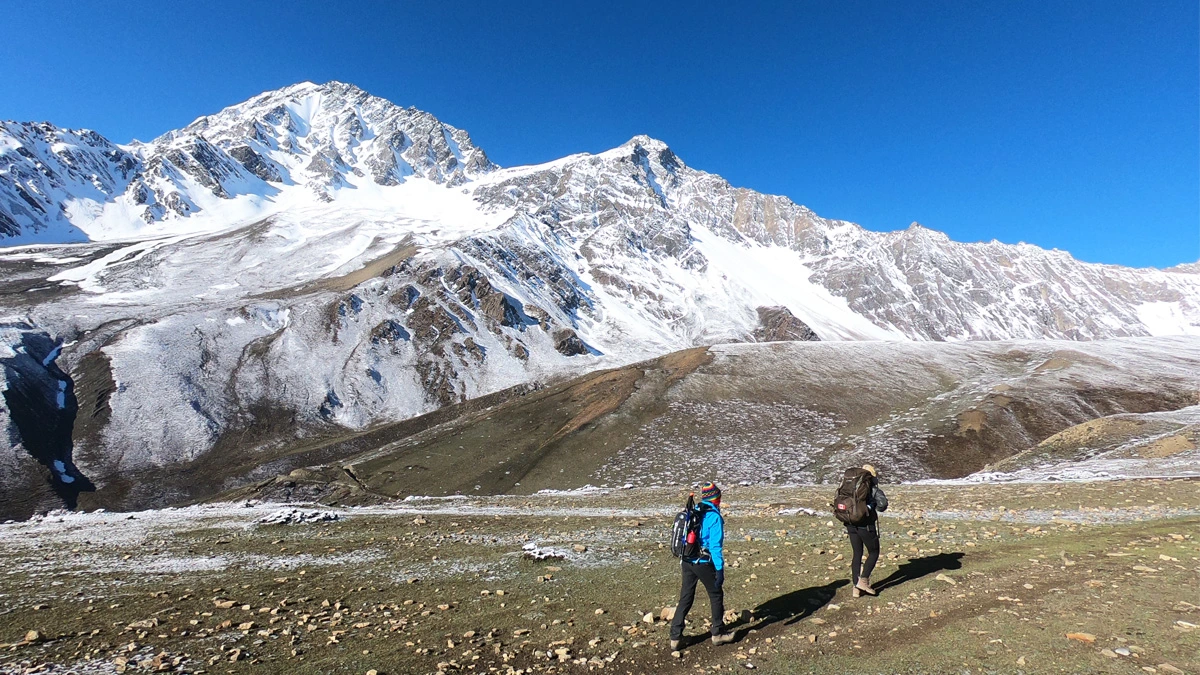
Joy of trekking Nar Phu Valley in the Best Season
Autumn is widely considered the most comfortable and stable season for the Nar Phu Valley Trek. During this period, the weather is dry and predictable, offering clear skies and excellent mountain views. Trails are in good condition, and road access is more reliable compared to other seasons.
The trekking atmosphere is lively, with more hikers on the trail and local teahouses fully operating. Overall, autumn provides the best balance of safety, comfort, scenery, and a high success rate for crossing Kang La Pass.
Highlights (Pros)
Stable weather and clear mountain views
Dry trails and safer road access
Busy trekking atmosphere (good energy on the trail)
Chance to see expedition camps for Himlung Himal, which is usually climbed in October
Lowlights (Cons)
Trails are busier compared to other seasons
Limited room availability in peak October
Slightly higher costs due to high demand
Best for: First-time hikers, photographers, comfort seekers
Overall: One of the best seasons for Nar Phu Valley Trek
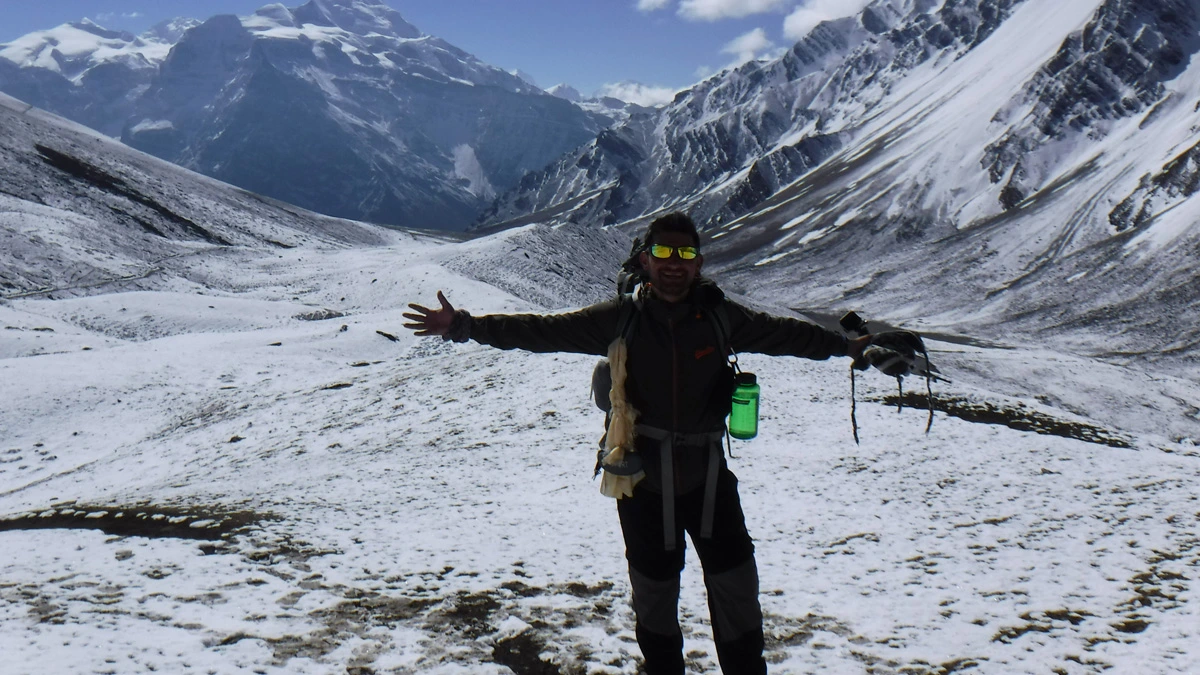
Winter Season (December – February)
Winter trekking in Nar Phu Valley is quiet, raw, and serious. I have guided trips during this season when the villages felt completely untouched and deeply peaceful. The trails are silent, the air is dry, and mountain views can be crystal clear on good days.
However, temperatures drop significantly, especially at night, and heavy snowfall may block Kang La Pass. Many locals move to lower cities, so services are limited. This season is best suited for experienced trekkers with flexible plans.
Highlights (Pros)
Extremely peaceful trails and villages
Crystal-clear skies on good days
Dry weather with minimal rain
Authentic local life with very few tourists
Lowlights (Cons)
Very cold temperatures, especially at night
Locals migrate to lower cities - limited services
Kang La Pass may be closed due to snow
High risk if the weather changes suddenly
Important:
Before booking a winter trek, always check the current snow conditions at Kang La Pass. If the snow is heavy, the pass cannot be crossed.
Best for: Experienced trekkers only
Not recommended for: Beginners
Winter is often challenging, but gives magical views and memories for snow lovers. You should also consider the Nar Phu Valley trek vs Annapurna Circuit Trek to get help with the actual decision-making.
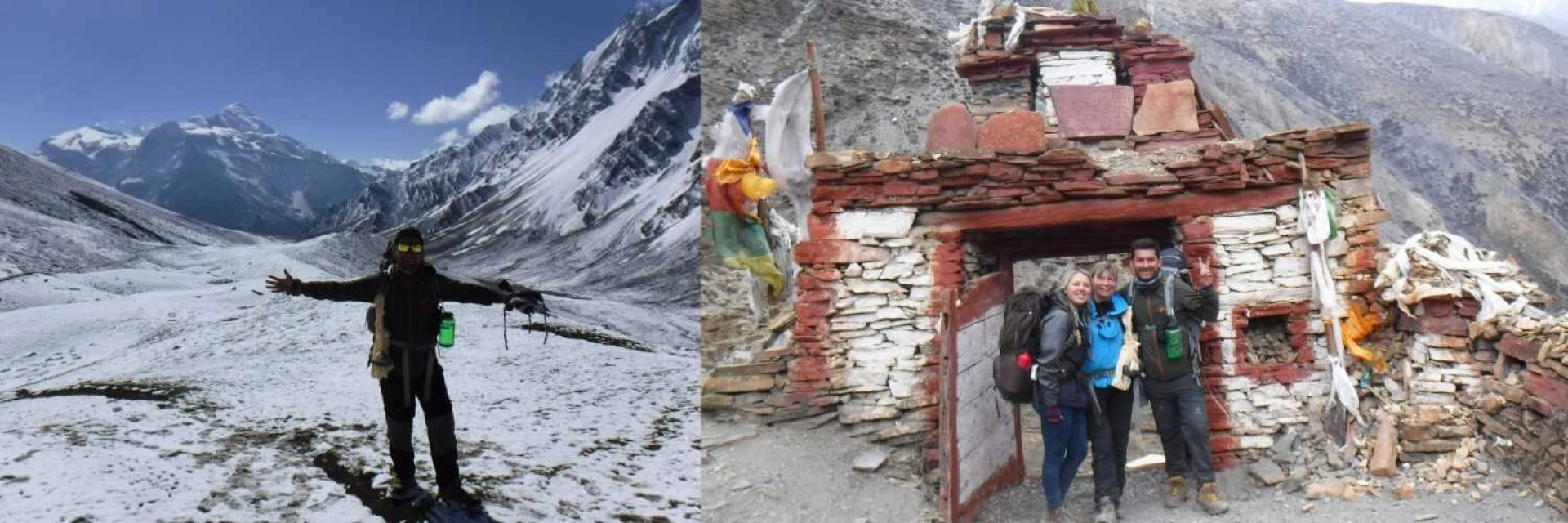
Early March – Not Recommended
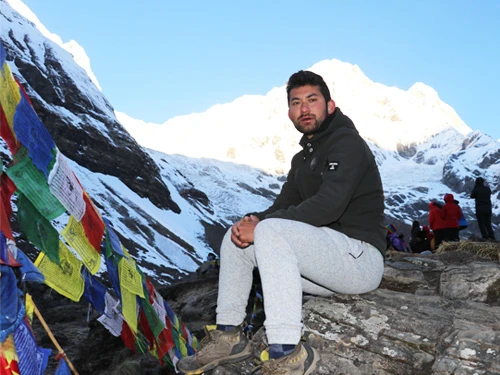
Tourists marching towards Nar Phu Valley
From my guiding experience, early March often brings heavy snow. I have personally had to turn back from Nar Village multiple times because Kang La Pass was blocked.
Spring Season (March – May)
Spring is another excellent season for the Nar Phu Valley Trek, but timing is crucial. Based on my guiding experience, early March can bring heavy snowfall, which may block Kang La Pass and force trekkers to turn back.
From late March through April and up to mid-May, conditions improve significantly. Yes, with clearer skies, warmer temperatures, and blooming alpine flowers. Villagers return from lower cities, creating a lively trekking atmosphere. This period offers a high success rate, beautiful scenery, and a balanced mix of comfort and adventure.
Late March – Mid May (Best Window)
Clear weather and warmer days
Blooming alpine flowers and rhododendrons
Villagers return from Kathmandu and Pokhara
Strong trekking vibes and high success rate
Good balance between crowd and solitude
Pros
Stable weather (especially April)
Great mountain visibility
Comfortable temperatures
Cons
Windy afternoons at higher altitude
Busy during April
Pros & Cons Summary by Season
Season
Pros
Cons
Monsoon
Green scenery, culture, warmth
Mud, road blocks, clouds
Autumn
Best weather, views, safety
Crowds, higher cost
Winter
Silence, clarity, adventure
Cold, snow risk
Spring
Flowers, stability, success rate
Early March snow
Additional Itineraries on Nar Phu Trek
Nar Phu Valley offers stunning extension options for trekkers seeking deeper adventure. These additional trails connect remote Himalayan valleys with famous high-altitude landmarks. Adding dramatic scenery, cultural richness, and iconic mountain passes- perfect for trekkers who want more than a standard Nar Phu experience.
Nar Phu + Tilicho Lake
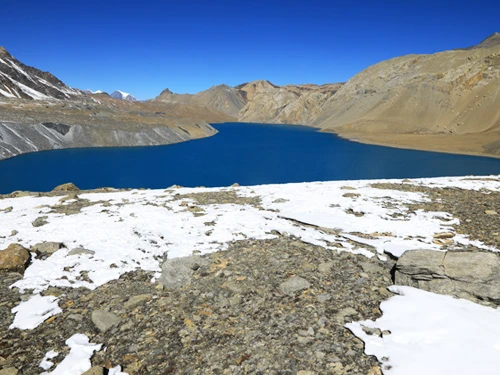
This extension links Nar Phu’s hidden villages with Tilicho Lake. It is one of the world’s highest lakes, combining raw Tibetan culture, dramatic high passes, and breathtaking alpine scenery.
Nar Phu Valley + Annapurna Circuit Trek
Combining Nar Phu Valley with the Annapurna Circuit creates a complete Himalayan journey. Just blending remote medieval villages with classic trekking trails and the legendary Thorong La Pass.
Manaslu Circuit + Nar Phu Trek
Manaslu Circuit Trek with Nar Phu is an epic combination that connects two restricted regions. Literally offering untouched trails, deep Tibetan culture, and high mountain passes. And a true expedition-style trekking experience in remote Nepal.
Final Thoughts: Which Is the Best Time for Nar Phu Valley Trek?
Autumn (October) and Spring (late March–April) are the best overall seasons for the Nar Phu Valley Trek due to stable weather and high success rates. Beginners should choose autumn or spring, while experienced trekkers may enjoy winter or monsoon with careful planning.
My strongest advice is never to choose the season alone- always consult a local, experienced trekking organizer about road conditions. Similarly, Kang La Pass snow status and yearly weather patterns. The right timing and guidance make this trek truly unforgettable.
(FAQs) – Best Time for Nar Phu Valley Trek
Q1: What is the best month to trek Nar Phu Valley?
October is the best month, followed by late March and April. It offers stable weather, clear mountain views, and a high success rate for crossing Kang La Pass.
Q2: Is Nar Phu Valley trek possible during monsoon?
Yes, especially in August if the weather stays stable. Expect lush greenery and fewer crowds, but be prepared for muddy trails and possible road disruptions.
Q3: Can beginners do the Nar Phu Valley trek?
Yes, beginners can trek Nar Phu Valley in autumn or spring with a professional guide and proper acclimatization planning.
Q4: Is winter trekking in Nar Phu Valley safe?
Winter trekking is suitable only for experienced trekkers. Cold temperatures and snow may block Kang La Pass, so current conditions must be checked before booking.
Q5: Why is early March risky for this trek?
Early March often brings heavy snowfall at higher elevations. This can prevent crossing Kang La Pass and force itinerary changes.
Q6: Should I consult a local guide before booking?
Absolutely. A local expert provides real-time updates on road access, snowfall, and weather patterns. Ensuring a safer and more successful Nar Phu Valley trek.
Kishwor Adhikari is a passionate writer with a deep enthusiasm for trekking and adventure. His extensive travels across Nepal, exploring its diverse landscapes and hidden corners, have shaped his unique perspective on the country's natural beauty. With a wealth of first-hand experience in adventure trekking, Kishwor has become a trusted voice for fellow enthusiasts. Through his writing, he shares invaluable insights, offering practical advice and inspiration for both seasoned trekkers and novices alike. His dedication to sharing his journey and knowledge helps others discover the wonders of Nepal's wilderness, making his work an essential resource for anyone seeking adventure in the region.