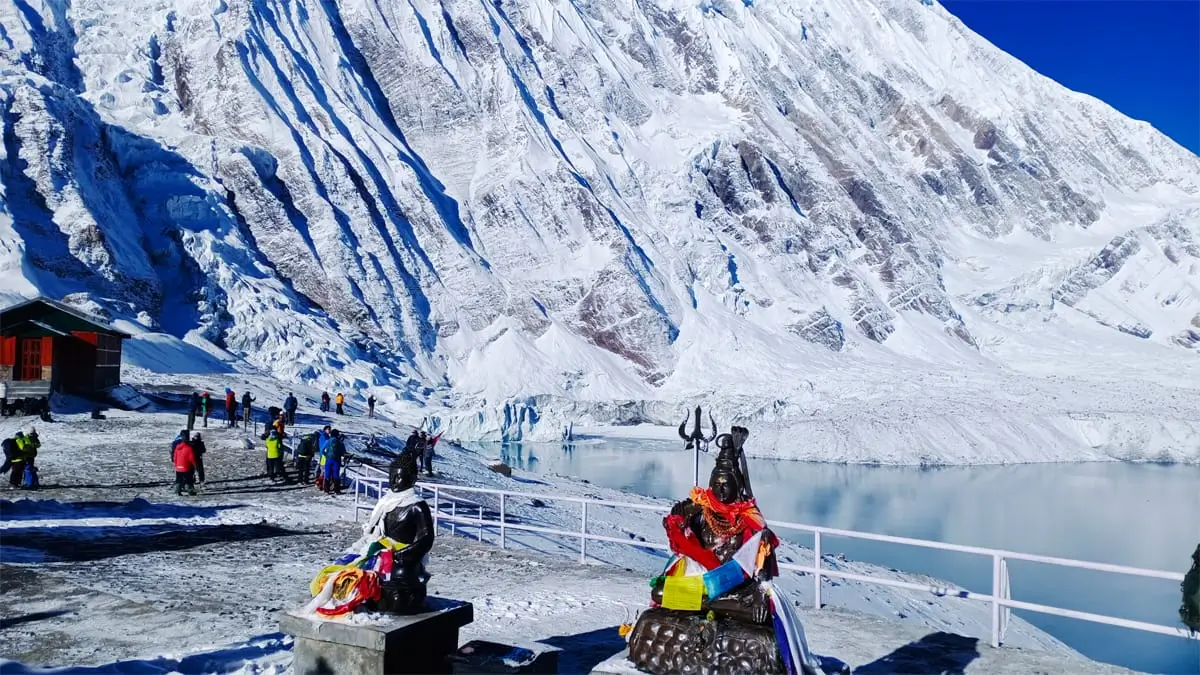
Nar Phu Valley Trek: Journey into Nepal’s Hidden Tibetan World
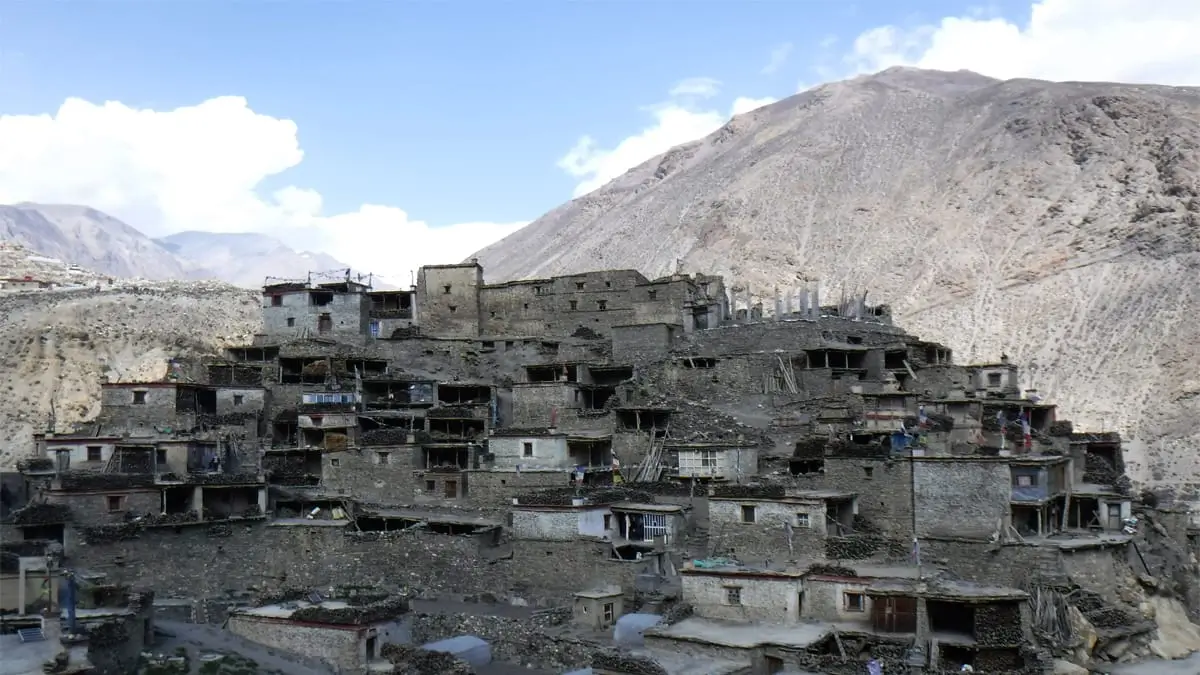
The Nar Phu Valley Trek lies north of Manang, on the hidden edge of the Annapurna range, close to the Tibetan border. The trek usually takes 10–14 days, depending on the itinerary. What makes it unique is its pure remoteness, few trekkers, and preserved Tibetan culture. Similarly, stone alley villages, yak pastures, medieval chortens, and centuries-old monasteries.
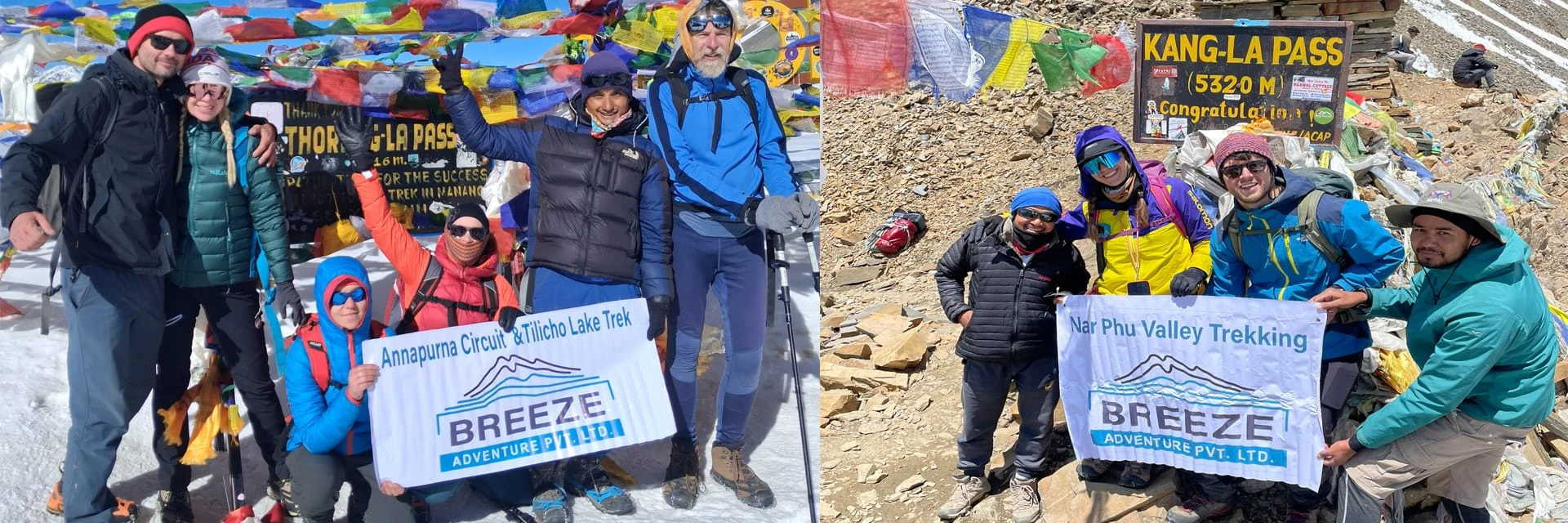
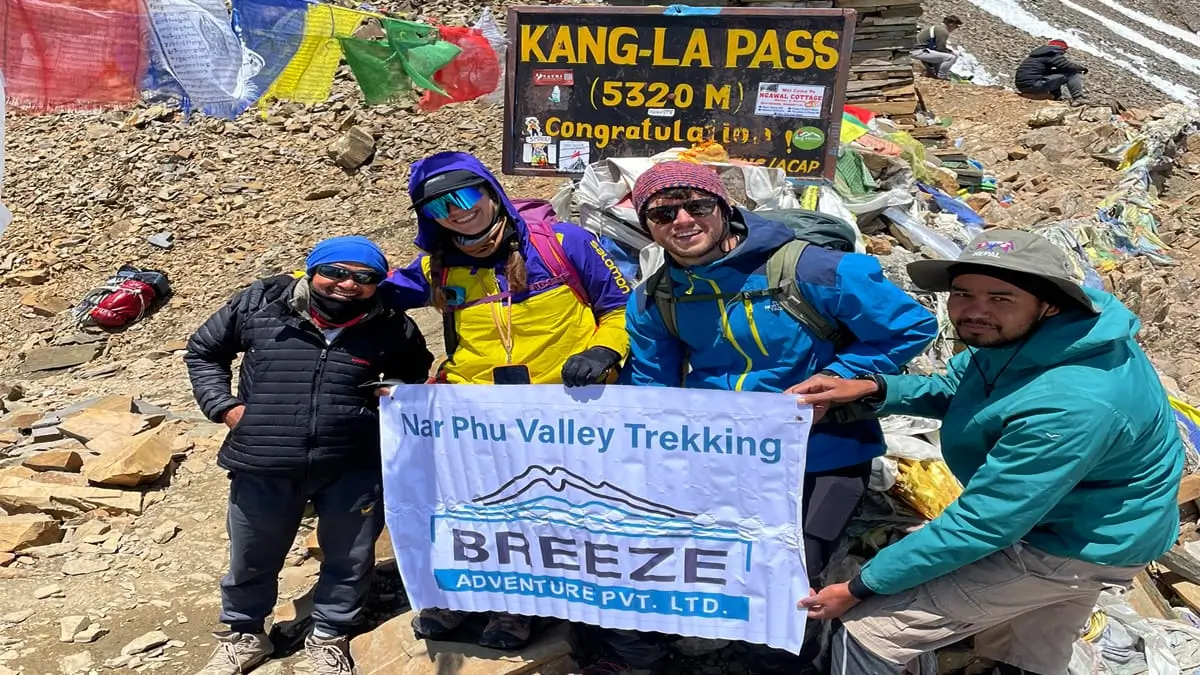
The highlight is crossing Kang La Pass (5,322m), with a breathtaking panoramic view of the Annapurna massif.
This trek is best for experienced trekkers seeking isolated routes and a deep cultural immersion into Nar and Phu villages. It is also ideal for photographers, anthropology lovers, and hikers. Mostly interested in the Tibetan Himalayan heritage.
Annapurna Circuit Trek: The World’s Greatest Mountain Route
The Annapurna Circuit Trek circles the Annapurna massif through Manang, Thorong La Pass, Muktinath, and the Kali Gandaki Valley. Depending on the route, it takes 12–18 days and remains one of the world’s most famous treks. Because of its cultural diversity, excellent tea-house network, stunning views, and the thrill of crossing Thorong La Pass (5,416m).
Trekkers experience dramatic changes in landscapes from subtropical forests to alpine deserts.
Annapurna Circuit is ideal for first-time trekkers, solo travelers, and anyone wanting the best mixture of culture. Also, the scenery and comfort in Nepal are without extreme wilderness.
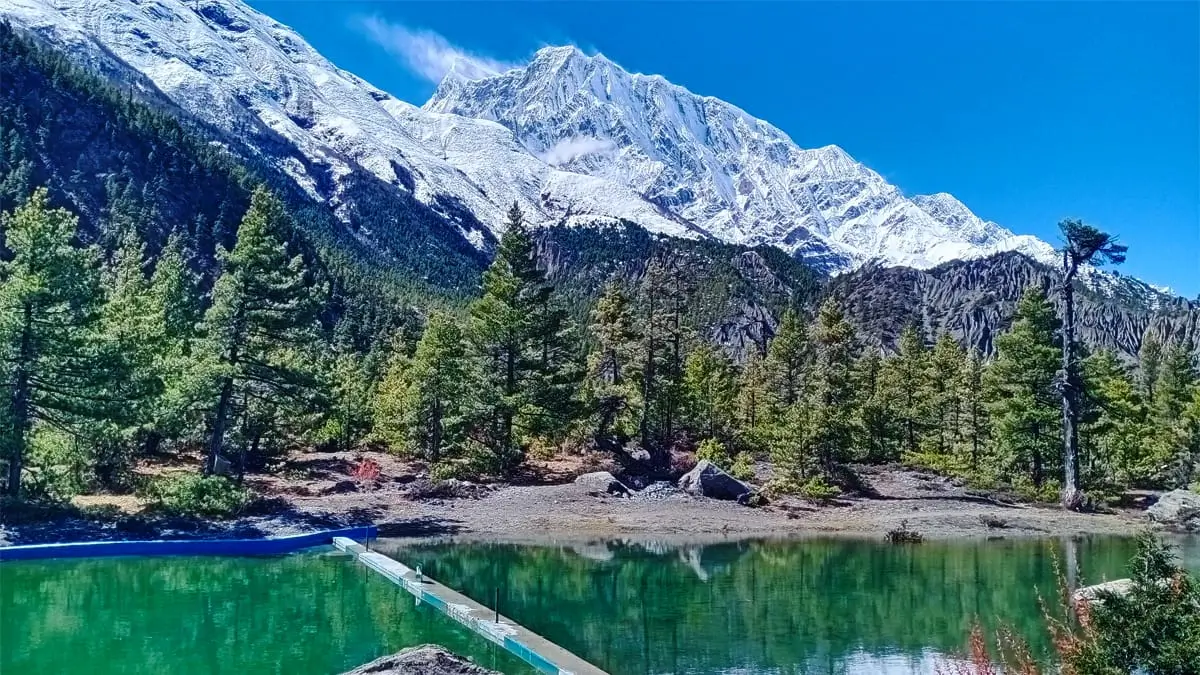
Which Trek Is Harder?
Both treks reach over 5,000m, so altitude is the biggest challenge.
Nar Phu Valley Trek is generally harder due to its untouched trails, steeper ascents, and longer walking days without facilities. The trails are rocky, with 6–7 hours of walking per day, and require excellent fitness.
Annapurna Circuit Trek has better path quality, more settlements, and easy access to food and accommodation. Walking days are 5–6 hours, making it easier for beginners.
For acclimatization, both treks include Manang, but Nar Phu has fewer rest points.
If you want a remote adventure, choose Nar Phu; for comfort and safety, choose Annapurna Circuit.
Difficulty Comparison Chart
| Category | | |
| Altitude | | |
| Trail Condition | | |
| Daily Hours | 6-7 hours | 5-6 hours |
| Fitness level | High | Moderate |
| Limited | Excillent |
| Crowds | Very Low | Popular |
What will you see on each trail?
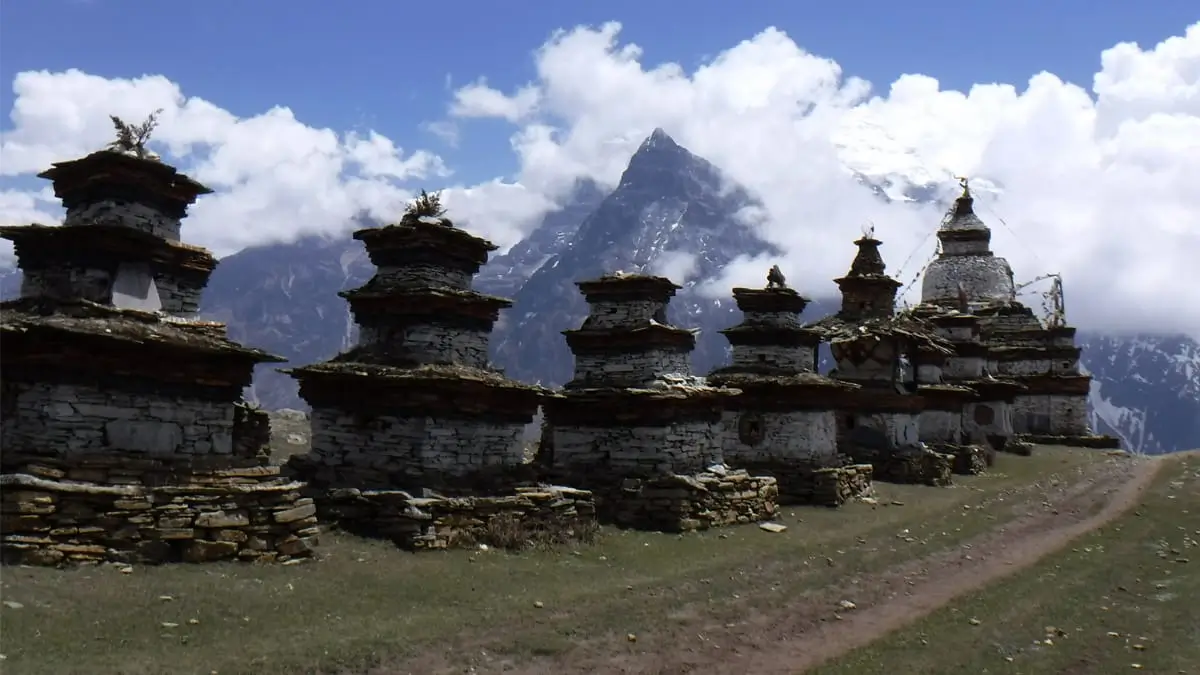
Nar Phu Valley Trek delivers an extraordinary Himalayan wilderness. The stone village of Phu, traditional monasteries like Tashi Lhakhang, dramatic canyon trails, and ancient chortens. Likewise, the epic crossing of Kang La Pass with Annapurna II glowing in front of you.
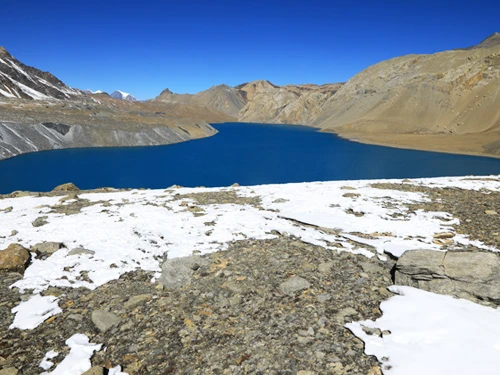
Annapurna Circuit Trek features Tilicho Lake, Yak Kharka, Thorong La Pass, Tibetan-influenced Manang culture, and the sacred Muktinath Temple. Each day gives majestic Annapurna, Dhaulagiri, and Nilgiri views with vibrant Himalayan villages.
Cultural Experience: Tibetan Villages vs. Diversity
Nar Phu Valley Trek preserves the pure Nar and Phu Tibetan heritage. Also, stone houses, yak herders, ancient monasteries, and traditional Himalayan Buddhism.
Annapurna Circuit Trek offers cultural diversity across the trail. Gurung villages, Thakali settlements, Mustang traders, and the traditional Manange culture around Manang. You meet communities shaped by salt trading history, Hindu-Buddhist temples, and rich mountain hospitality.
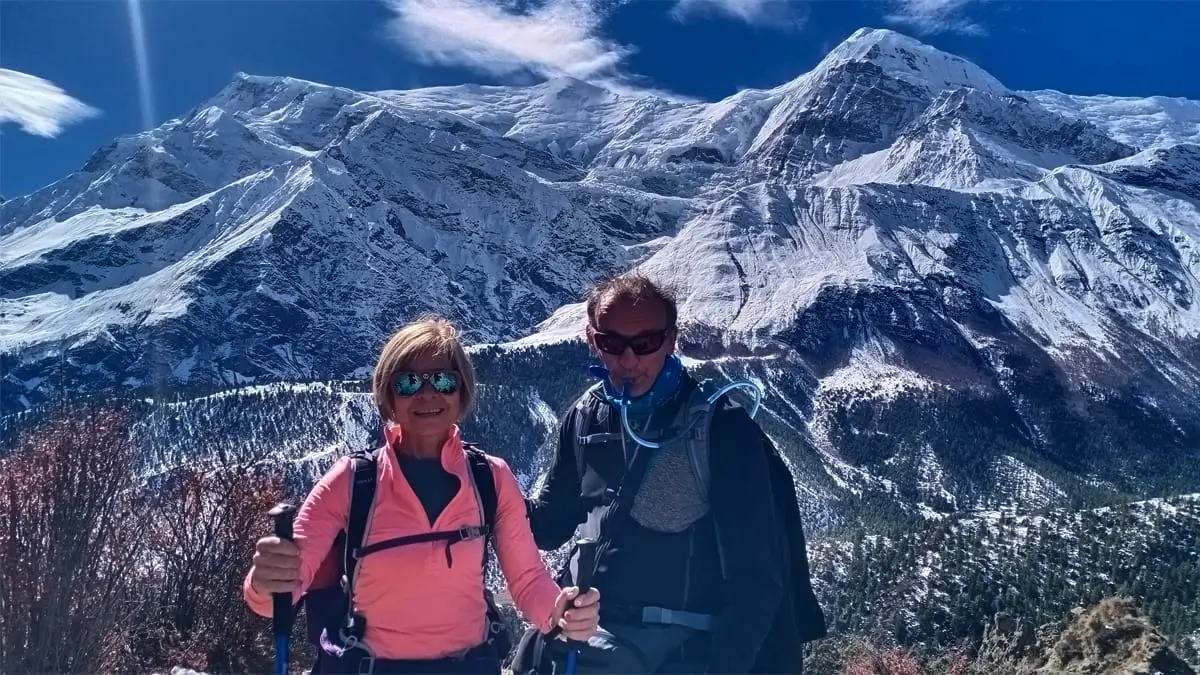
Best Time to Trek: 2026–2027 Seasonal Comparison
Both treks are best in Spring (March–May) and Autumn (Sept–Nov).
Spring brings warm weather, blooming rhododendron forests in the lower Annapurna region, and perfect photography conditions. You may see snow on high passes, yet the skies are clear.
Autumn offers the most stable weather, blue skies, and the best mountain visibility on both Kang La Pass and Thorong La Pass.
Summer/Monsoon months reduce visibility and increase landslide risk.
Winter is only for experienced trekkers due to snow closures.
In 2026–2027 the expected tourism recovery brings good tea-house services and fewer crowds.
Trekking Permits: Cost & Requirements
Nar Phu Kang la pass Trek requires a Restricted Area Permit issued through a registered trekking agency. Plus an ACAP (Annapurna Conservation Area Permit).
For the Annapurna Circuit Trek, only ACAP is required.
TIMS is currently not compulsory for most Annapurna itineraries, but rules may change.
The permit process is handled in Kathmandu or Pokhara through your local trekking company.
Accommodation & Food: What to Expect
On the Annapurna Circuit Trek, tea-houses offer comfortable rooms and dining halls. Further, heating, Wi-Fi, and diverse meals (dal bhat, soups, pasta, momos, pancakes).
In the Nar Phu Valley Trek, accommodation is basic, wooden rooms, limited heating, simple dining, and mostly Nepali/Tibetan food.
Food options include dal bhat, tsampa, yak butter tea, and noodle soups.
If you want comfort, showers, bakery cafés, and social interactions, the Annapurna Circuit Trek is better.
If you prefer wilderness, silence, real Himalayan lifestyle, choose Nar Phu.
See Nar Phu Valley through the eyes of local experts. Watch the complete trek video by Breeze Adventure and experience Nepal’s most remote Himalayan journey.
Which Trek Is More Remote and Less Crowded?
The Nar Phu Trek is one of Nepal’s most off-the-beaten-path experiences, you may see only a few trekkers per day. Trails feel untouched, and villages preserve ancient Tibetan roots. The silence, canyon landscapes, and monastery chants create unforgettable memories.
In contrast, the Annapurna Circuit Trek is a popular Himalayan classic. And depending on the season, the trail can be busy, especially around Manang and Thorong La Pass.
If you want real isolation, Nar Phu Valley wins.
If you enjoy meeting other trekkers and a lively environment, choose the Annapurna Circuit.
Cost Comparison: Which Is More Budget-Friendly?
The Nar Phu Valley Trek cost is slightly higher due to restricted permits, limited tea-house infrastructure, and remote logistics. Package prices usually range from USD 999–1900, depending on itinerary and guide services.
The Annapurna Circuit Trek cost is more budget-friendly. Ranging from USD 700–1,600, with cheaper food and accommodation options.
Transportation varies: Nar Phu requires local jeeps to Koto, while the Annapurna Circuit starts with a bus to Besisahar.
If budget is your priority, choose Annapurna Circuit; if exclusive culture and remoteness matter, choose Nar Phu Valley.
Safety & Altitude Considerations
Both treks involve high-altitude risks, especially above 4,500m.
Annapurna Circuit Trek is generally safer due to better infrastructure, medical access in Manang, and multiple acclimatization stops.
Nar Phu Valley Trek has minimal facilities and a challenging Kang La Pass, so trekkers must be experienced, move slowly, and stay hydrated.
Acclimatization days are crucial: at least two nights in Manang are recommended for both treks.
Symptoms like headache, nausea, or dizziness require immediate descent.
Travel insurance covering 5,500m is essential for both routes.
Breeze Adventure Safety Protocol
Breeze Adventure follows a strict safety protocol to ensure every trek is safe, comfortable, and successful. Our licensed guides monitor altitude, weather conditions, and your daily health, providing clear guidance at every step. We practice slow ascent, proper acclimatization, and regular oxygen level checks. To increase reliability and peace of mind, Breeze Adventure provides 1 full oxygen tank for every group, along with a well-equipped first-aid kit.
Your trust, safety, and success are our top priorities in the Himalaya.
Which Trek Should You Choose in 2026?
If you are a beginner, want comfort, and prefer to meet other hikers, the Annapurna Circuit Trek is the best choice.
If you are an experienced trekker, interested in Tibetan culture, and want an untouched Himalayan trail, choose the Nar Phu Valley Trek.
Culture lovers will enjoy the pure heritage of Nar & Phu, while adventure seekers will love the challenge of Kang La Pass. In 2026/2027, both treks offer new experiences. Read the full Nar Phu Valley Trek Itinerary on our website.