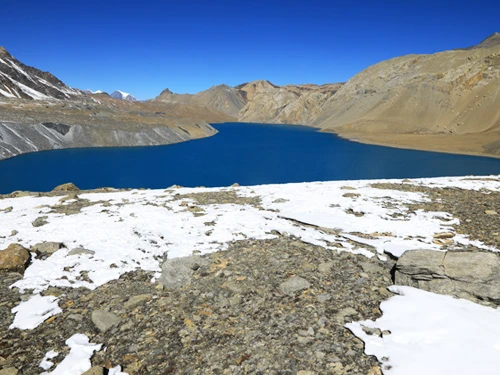
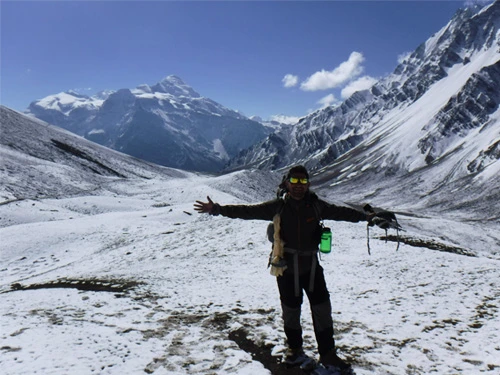
I've walked the ABC trek in October sunshine, in early March fog, and once - badly timed through the tail end of a November snowstorm above Deurali. The weather on this route is not unpredictable exactly. It follows patterns. What it doesn't do is forgive poor planning.
This guide covers everything you need to know about Annapurna Base Camp trek weather before you book your flight. Temperature ranges by altitude, what each season actually feels like on the trail, which months give you the clearest skies, and one month you should almost certainly avoid.
A month-by-month breakdown for the Annapurna Base Camp trek weather - no sugarcoating, just what the mountain actually gives you.
Table of Contents
Why Weather Matters More on the ABC Trek Nepal
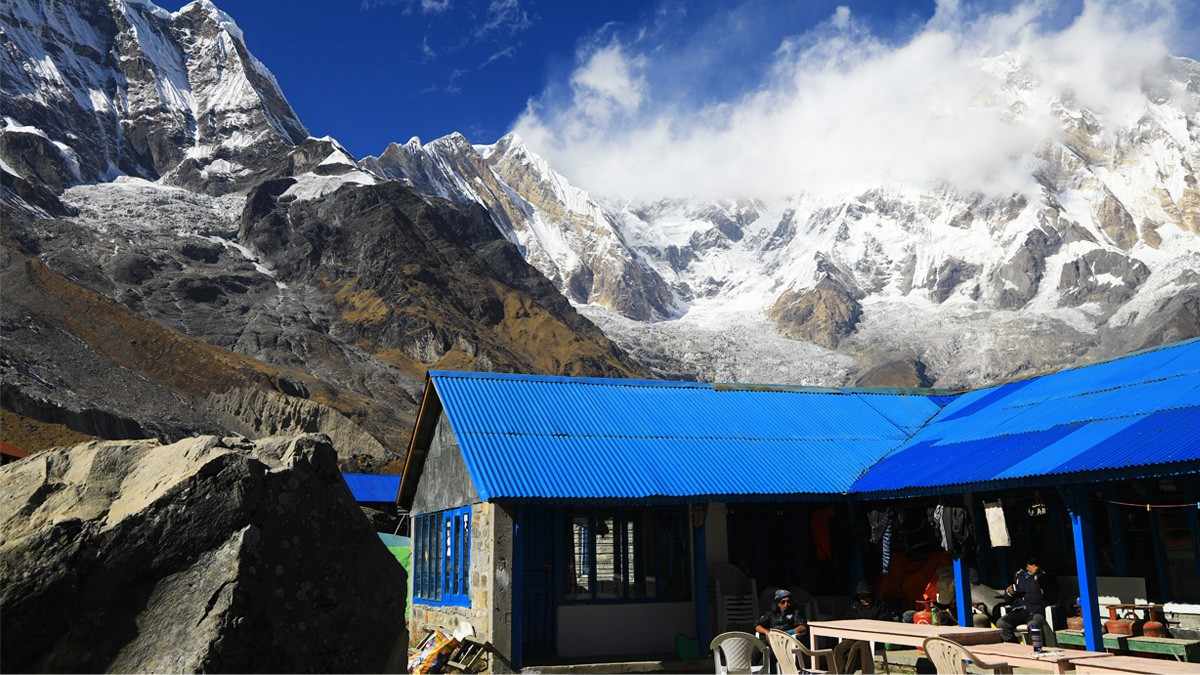
Local accommodation in Annapurna Base Camp Nepal
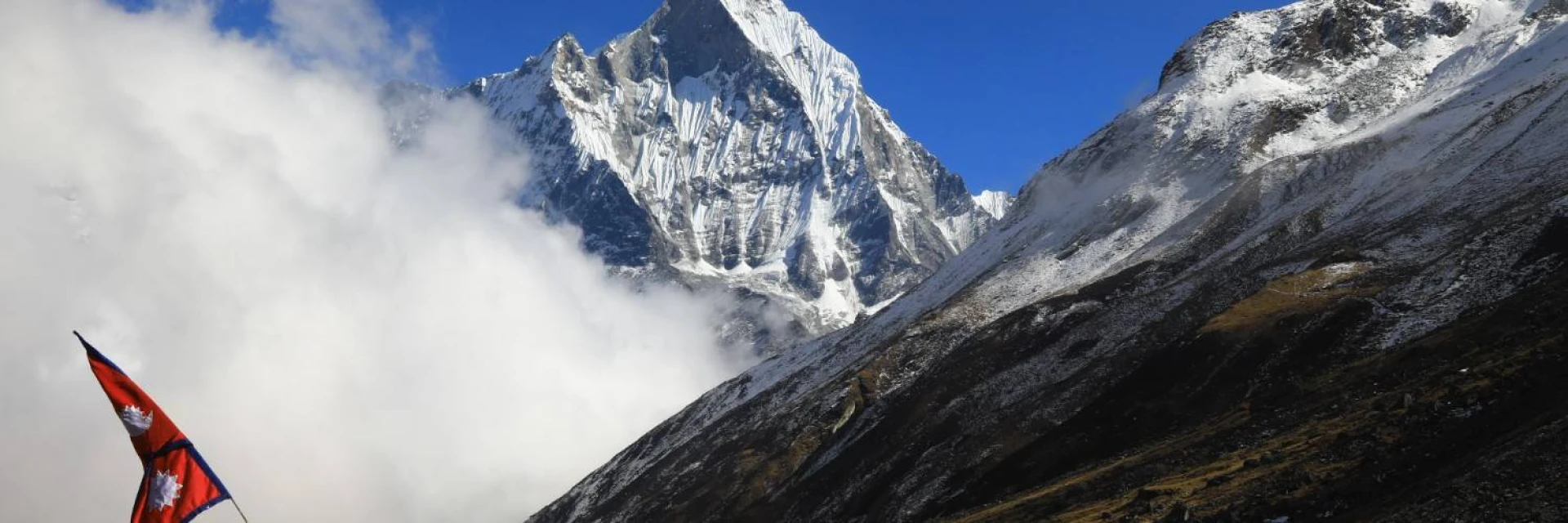
The Annapurna Base Camp sits at 4,130 metres. That's not Everest, but it's high enough that weather can shift from bright and cold to complete whiteout in a matter of hours. The trail itself passes through subtropical forest at lower elevations. Actually, the rhododendron woodland in the middle section, and open ridgeline above Machapuchare Base Camp. Each zone reacts differently to the same weather system.
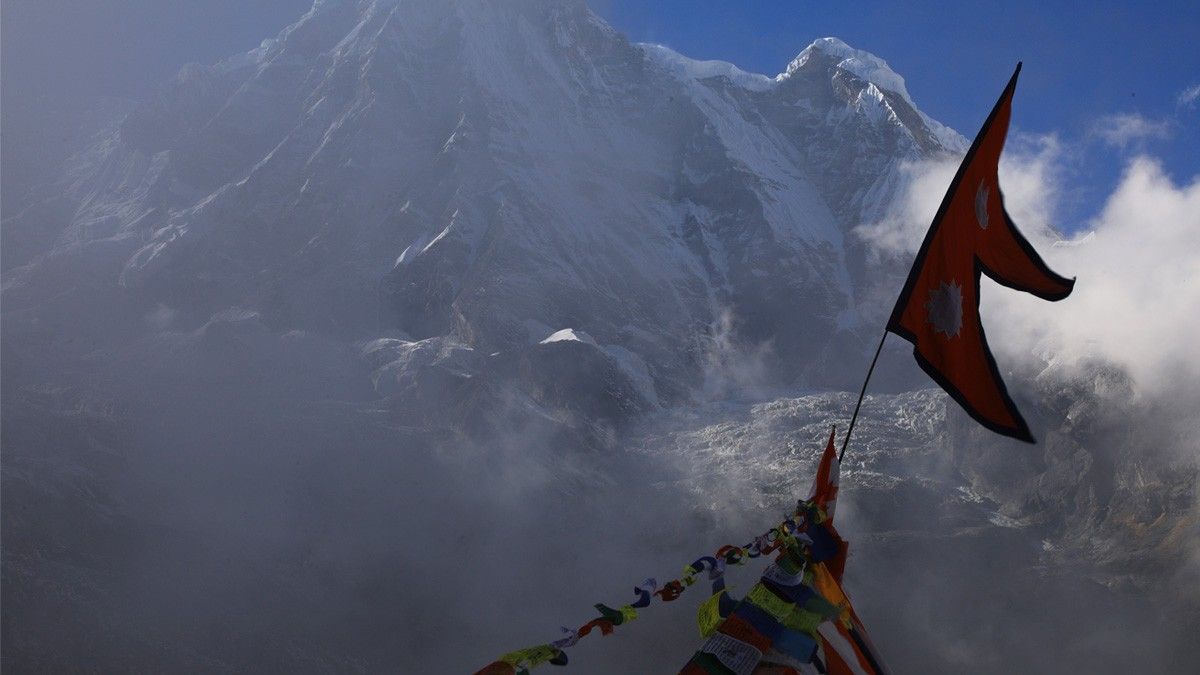
Monsoon cloud builds from the south. Winter cold drops from the north. The trail funnels straight through both. So knowing the season isn't just about comfort. It determines whether you actually reach the base camp, or turn back at Deurali because the upper section is buried under fresh snow.
ABC Trek Best Season Overview at a Glance
Season
Experience
Verdict
Autumn (Oct – Nov)
Clear skies, stable weather, peak visibility. Best overall for mountain views.
Best
Spring (Mar – May)
Rhododendrons in bloom, moderate trails, good summit views before midday haze.
Heavy rain, landslide risk, leeches, poor visibility. Trail closures possible.
Avoid
ABC Trek Temperature by Altitude Zone
Altitude matters as much as season when talking about ABC trek temperature. A warm October day at Nayapul (1,070 m) becomes a near-freezing night at Annapurna Base Camp (4,130 m). Here's how temperatures roughly break down during the two best trekking seasons.
Location
Altitude
Autumn Day
Autumn Night
Spring Day
Spring Night
Nayapul / Tikhedhunga
1,070–1,540 m
22–26°C
12–16°C
20–24°C
10–14°C
Ghorepani
2860 m
12–17°C
2–6°C
10–15°C
2–5°C
Chhomrong
2170 m
17–20°C
7–11°C
15–19°C
6–10°C
Deurali
3230 m
8–13°C
-2 to 2°C
6–11°C
-3 to 1°C
MBC / ABC
3,700–4,130 m
2–7°C
-8 to -4°C
1–6°C
-10 to -5°C
These are average ranges. An unexpected cold front can push ABC nighttime temperatures below -15°C in winter and even in late November. So, it is better to pack for colder than the numbers suggest, you won't regret the extra layer.
ABC Trek Best Weather: Month by Month Guide
ABC trek weather changes unexpectedly
Annapurna Base Camp weather month by month analysis is a very smart tool to consider for enjoying a smooth journey. This gives much clarity about planning your Himalayan adventure.
October - The Gold Standard
Post-monsoon skies are washed clean. October gives you long clear windows in the morning, dry trails, and the Annapurna massif in full view. Trails are busy, this is no secret to anyone who's been, but for good reason. If you only have one shot at the Annapurna Base Camp trek Nepal, October is where you put it.
No doubt, this is abc trek best month. Thousands of travellers enjoy this trek every year with family and friends. Yes, ABC Trek with kids and family is a popular package option for this route.
November - Quieter, Colder, Still Excellent
The crowds thin out noticeably from mid-November onward. Temperatures drop, especially above 3,500 m, and snow starts to dust the upper trail by late month. Views remain sharp. The base camp in November light - low sun, long shadows across the glaciers- looks unlike any other season.
Book teahouses in advance for October. Mid-November onward, you can walk in most places without a reservation. ABC has a limited number of beds and fills fast during peak weeks.
March and April - Best for Colour, Good for Views
Spring is the second-best window. Rhododendrons bloom at lower elevations from late February through April. Similarly, the section between Ulleri and Ghorepani turns deep pink and red.
The downside is afternoon haze building from around noon, which can obscure Annapurna South and Machapuchhre by the time you reach MBC (Machhapuchhre Base Camp). Start early. Catch the summit views before 10 am.
ABC trek for senior citizens can be another fascinating tour option for people above 50. No matter what age you are, March-April welcomes everyone with a big heart.
May - Acceptable, Edging Toward Risk
In Annapurna Base Camp Trek Nepal, early May is workable. The pre-monsoon heat at low elevation makes the lower trail uncomfortable, and afternoon electrical storms become more frequent above Deurali.
Some trekkers manage clean ascents in the first two weeks. By late May, the monsoon's leading edge starts pushing in from the Bay of Bengal. I wouldn't plan specifically for May when April is right there.
December and February - Rewarding if You're Prepared
Winter trekking on the ABC route is genuinely underrated. The trail is quiet, teahouse owners are relaxed and often better company than during peak season, and the snowline adds visual drama.
That said, the section between Deurali and Annapurna Base Camp can require microspikes or gaiters, and the cold hits hard. Temperatures at base camp regularly drop below -10°C overnight in January.
January is the coldest month on the trail. The Annapurna Conservation Area Project (ACAP) occasionally restricts access above MBC during heavy snowfall. Check trail conditions through your teahouse in Chhomrong before pushing higher.
June to September - Why You Should Skip It
Monsoon season brings 80–90% of the Annapurna region's annual rainfall between June and September. The Modi Khola valley, the river gorge the trail follows above Chhomrong, is narrow and prone to flash flooding.
Not just that, Leeches appear on every section below 2,500 m. Also, the visibility at base camp is near zero for days at a time. Some trekkers still go. Most of them don't see the mountains at all.
Annapurna Base Camp Trek Climate: What Drives the Weather
The Annapurna range sits at the convergence of two major weather systems. In summer, the Indian Ocean monsoon pushes moisture north across the Bay of Bengal and dumps it heavily on the southern Himalayan slopes- exactly where the ABC route runs.
In winter, cold dry air from the Tibetan plateau drives temperatures down sharply above 3,000 m. This can trigger the Annapurna Base Camp Trek difficulty even worse.
The spring and autumn windows exist in between these systems, when neither dominates. This also explains why Annapurna trekking weather can shift so fast.
When the monsoon arrives early (sometimes late May), or lingers late (occasionally into October), the trekking window contracts quickly. Real-time conditions from the teahouses in Chhomrong are the most reliable source for current trail status.
What to Pack Based on the Season
Breeze Adventure team holding company banner in ABC trek
Annapurna trek Nepal will be a very enjoyable trip with the right guidance and packing list. Kindly consider the following ABC packing list based on seasons:
Autumn: Lightweight base layers, a mid-layer fleece, and a down jacket for above 3,000 m. Rain cover for your pack (post-monsoon showers aren't unheard of in early October). Good grip trail shoes are fine; boots are not necessary below MBC, but preferred above it.
Spring: Same layering system. Add sunscreen - the UV at 4,000 m is genuinely strong, and the reflective snow above MBC makes it worse. Waterproof jacket for afternoon showers.
Winter: Full down jacket, thermal base layer, waterproof outer shell, insulated gloves, and microspikes. Cold-weather sleeping bag if your teahouse doesn't supply adequate blankets (many do, but don't assume).
FAQ: Nepal ABC Trek Weather
What is the best month for ABC trek?
October is the single best month- stable conditions, clear skies, dry trail. April is a close second, especially if you want to see rhododendrons in bloom.
How cold does it get at Annapurna Base Camp?
At 4,130 m, nighttime temperatures in October range from -4°C to -8°C. In winter (December–February), nights regularly drop to -10°C or below. Days at base camp are cold even in peak season, so carry your down jacket at all times above MBC.
Can you do the ABC trek in December?
Yes, with preparation. Snow on the upper section (above Deurali) is likely, and teahouse availability is reduced. It's a rewarding, quiet alternative to peak season, just don't underestimate the cold. This is mostly recommended for experienced trekkers or those with solid preparation and guidance.
What is ABC trek weather today?
Real-time weather at Annapurna Base Camp is best checked via the teahouses in Chhomrong or through the ACAP checkpost. WeatherSpark and yr.no (Norwegian Meteorological Institute) both offer reasonably accurate high-altitude forecasts for the Annapurna region.
Is the ABC trek safe during the monsoon?
During the monsoon, the treks are technically open, but not recommended. Flash flooding in the Modi Khola valley, trail erosion above Bamboo, and near-zero summit visibility make the monsoon months a poor choice unless you have specific reasons and experience with monsoon trekking in Nepal.
Kishwor Adhikari is a passionate writer with a deep enthusiasm for trekking and adventure. His extensive travels across Nepal, exploring its diverse landscapes and hidden corners, have shaped his unique perspective on the country's natural beauty. With a wealth of first-hand experience in adventure trekking, Kishwor has become a trusted voice for fellow enthusiasts. Through his writing, he shares invaluable insights, offering practical advice and inspiration for both seasoned trekkers and novices alike. His dedication to sharing his journey and knowledge helps others discover the wonders of Nepal's wilderness, making his work an essential resource for anyone seeking adventure in the region.