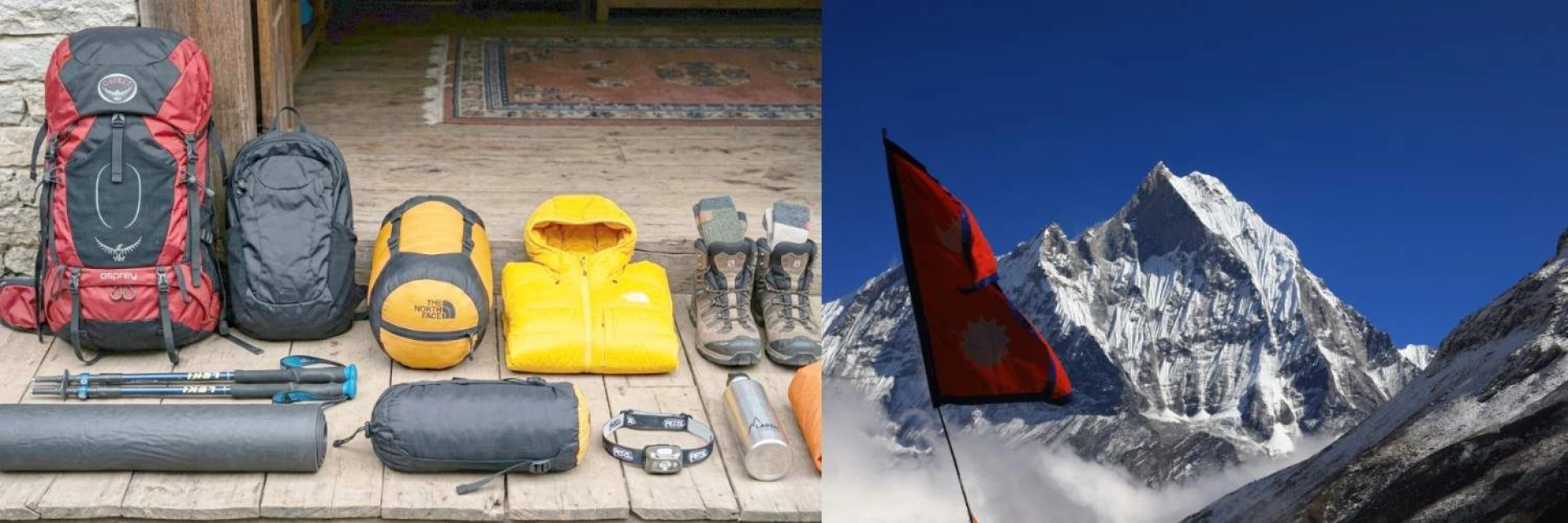
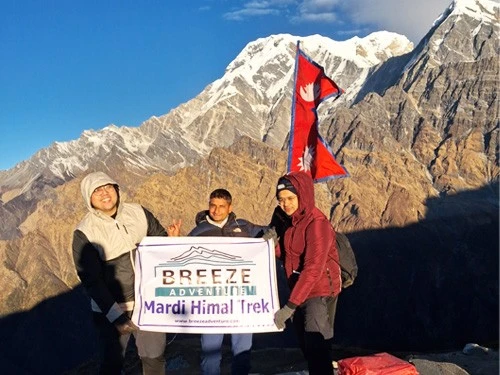
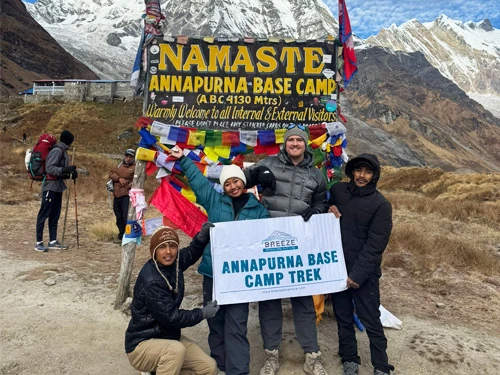
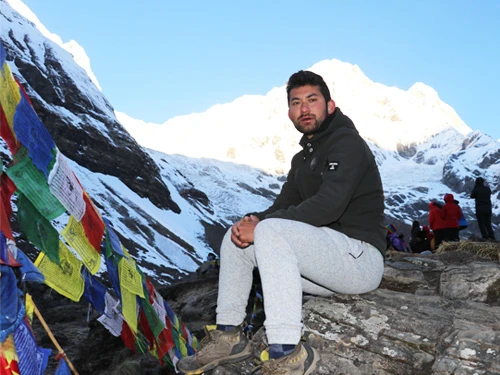
I've overpacked for every trip in my life. Every single one. But Annapurna Trek taught me a lesson I won't forget, your back pays for every bad decision you make at home.
Last spring, I laced up my boots in Pokhara with a 14 kg bag. By day three, I wanted to cry. By day five, I mailed half my stuff back to my guesthouse. So here's what I actually needed, honest, tested things.
This guide on Annapurna Trekking Packing List will surely help you pick the right items for your backpacks.
Table of Contents
What things to include in the Annapurna Trek Packing List?
Packing list for Annapurna Trek Nepal
Based on my experience in the Annapurna Trek Nepal, here are the major things to include in your packing list for a smooth and successful journey:
The Bag Itself
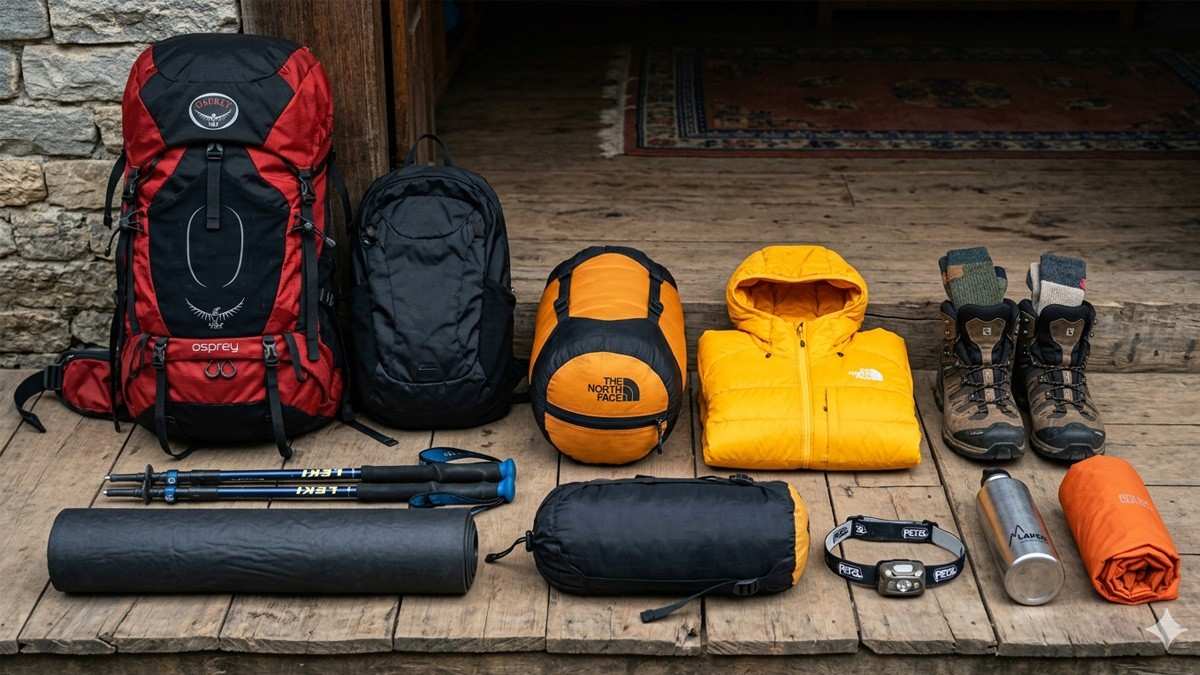
Get a 40-50 L backpack with decent lumbar support. Don't go bigger. You'll fill it. A light daypack (20-25 L) helps when you leave your main bag at a teahouse and push to a viewpoint.
Clothing - Less Than You Think
The Annapurna trek packing list always gets clothing wrong by suggesting too much. Here's what works:
2 moisture-wicking base layer tops
1 fleece mid-layer
1 down jacket (non-negotiable above Manang or Thorong La)
1 waterproof shell jacket
2 trekking trousers - one converts to shorts
4-5 pairs of merino wool socks (your feet will thank you)
Thermal leggings for cold nights
1 casual set for teahouse evenings
Sun hat + warm beanie + light gloves
That's it, these will be enough for a week-long trek. Further, the teahouses have laundry, which you can use.
Footwear
I suggest you to take waterproof ankle-support trekking boots, broken in before Nepal. Also carry flip-flops for teahouse evenings. Nothing else is needed, just keep it simple. Let me tell you, the packing list for Annapurna Circuit trek enthusiasts who bring trail runners regret it around Pisang when the trail turns to ice.
Always give priority to reliable and comfortable footwear rather than brand and trends. The right decision for health and safety is above all the show-offs in the mountains.
Gear That Earns Its Weight
Besides clothes and shoes, the trekking equipment plays a major role in making your route smoother. Kindly consider the following gears as helping hands in the trek:
Trekking poles - With these, your knees will thank you on descents
Headlamp with extra batteries
Sleeping bag liner (teahouse blankets are fine, liners add comfort)
Dry bags or pack cover - rain comes without warning
Water bottles plus purification tablets or a filter
Buff/neck gaiter - dust on lower trails, wind up high
Health & Toiletries
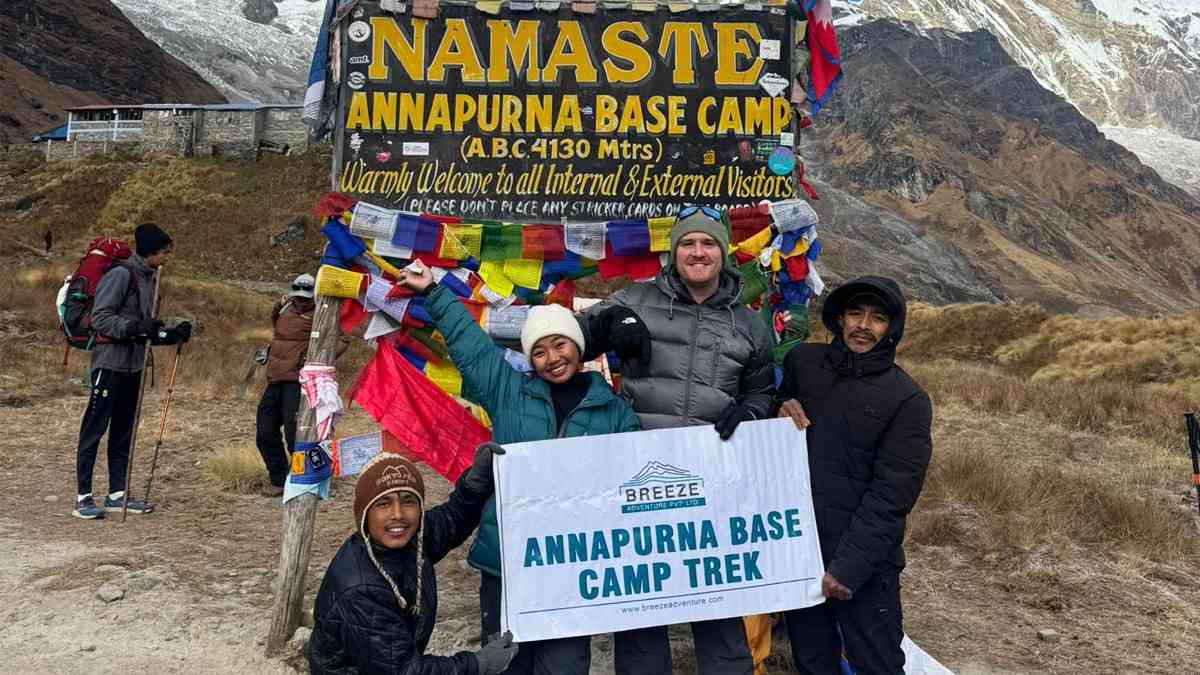
Annapurna Trekking with Breeze Adventure Team
This is something which cannot be underestimated in the week-long trek in the Himalaya. Health always comes first, so kindly consider the following things in your packing list:
Diamox (altitude medication - consult a doctor first)
Blister plasters, elastic bandage, ibuprofen
Sunscreen SPF 50+ and lip balm (UV is brutal above 3,000 m)
Hand sanitiser
Small quick-dry towel
Toilet paper and a lighter - some places run out
Wet wipes - showers aren't always available
Altitude sickness can be a serious matter in high-altitude trekking like this. Despite Diamox and careful marching ahead, many trekkers face intense breathing issues. Breeze Adventure offers one oxygen tank to deal with this. Also, there is first aid kit, emergency medicines and evacuation facility always standby.
Light Snacks
Though you will get breakfast, lunch, and dinner within the package, the quick snacks are a lifesaver on the journey. As the altitude increases, it will be hard to find hotels or shops to buy snacks. So, it is a smart move to pack some light snacks in your bag. Don’t overdo this, but make a space in your bag for at least some valuable snacks.
You can pack protein bars, chocolates, chips, cookies, or dry nuts. These will be very helpful on the way, for both getting energy and switching your mood. The right packing list definitely helps in tackling the Annapurna Trek difficulty. Just be smart and make it light.
Documents & Essentials
For the Annapurna Base Camp trek packing list, people forget paperwork more than gear: The Annapurna Trekking permits and necessary documents are:
ACAP permit + TIMS card (get both in Pokhara or Kathmandu City)
Passport copies, emergency contacts written on paper
Enough Nepali rupees - ATMs disappear after Chame (as altitude increases)
Offline maps downloaded (Maps.me or Gaia GPS)
Power bank, universal adapter, and a camera if your phone isn't enough
What to Leave Home
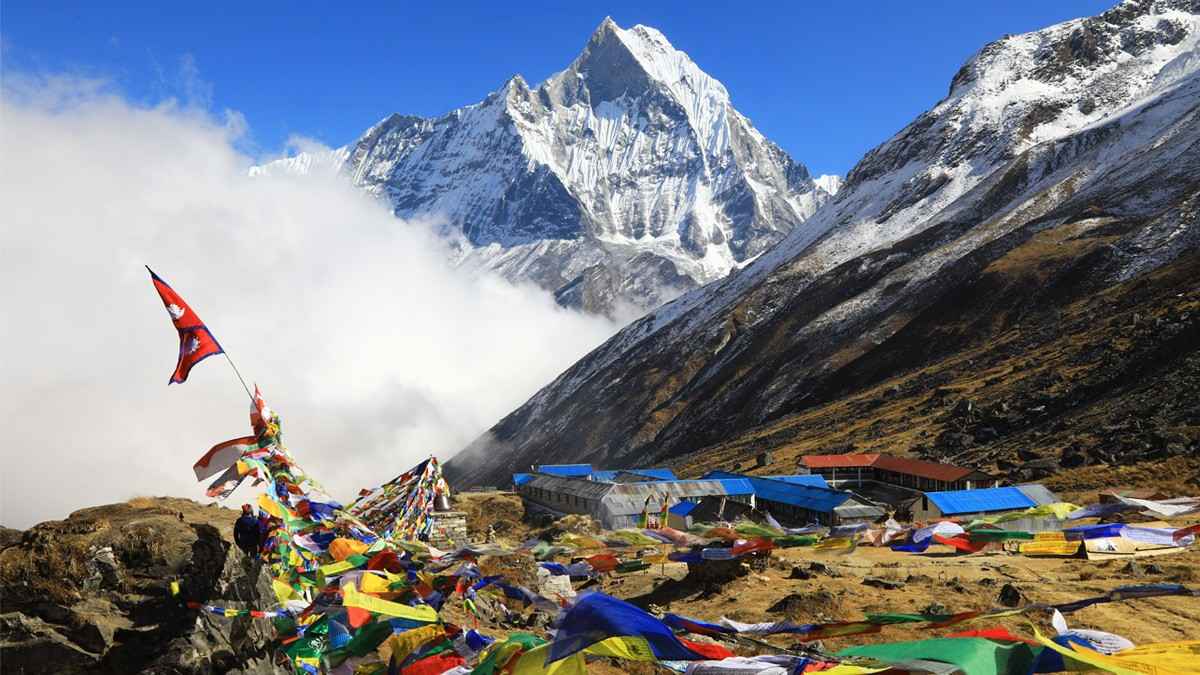
Stunning view of Annapurna Base Camp trek
Even though some things are on the top of your list, leaving them at home makes sense in this journey. Leave heavy DSLR lenses at home. Also, leave a "just in case" outfit. The hardcover book and that extra pair of shoes. Anything you're packing because it might be useful is probably dead weight. Forget them, they won’t support you in the trek.
Additionally, I met a German guy at Thorong Phedi who had a 22 kg bag. He made it over the pass, barely, and spent two days recovering. Remember this part whenever you pack for the Annapurna Circuit or Base Camp.
One Last Thing
There you have, just pack smart and walk lighter in your Annapurna Circuit Trek Nepal. The mountain doesn't care how prepared your bag looks, the views are better when your shoulders don't hurt. So, the ultimate guide to a happy and safe journey is the right packing list. You can also take the help of the tour operating company to decide on the gear and backpacks.
Kishwor Adhikari is a passionate writer with a deep enthusiasm for trekking and adventure. His extensive travels across Nepal, exploring its diverse landscapes and hidden corners, have shaped his unique perspective on the country's natural beauty. With a wealth of first-hand experience in adventure trekking, Kishwor has become a trusted voice for fellow enthusiasts. Through his writing, he shares invaluable insights, offering practical advice and inspiration for both seasoned trekkers and novices alike. His dedication to sharing his journey and knowledge helps others discover the wonders of Nepal's wilderness, making his work an essential resource for anyone seeking adventure in the region.