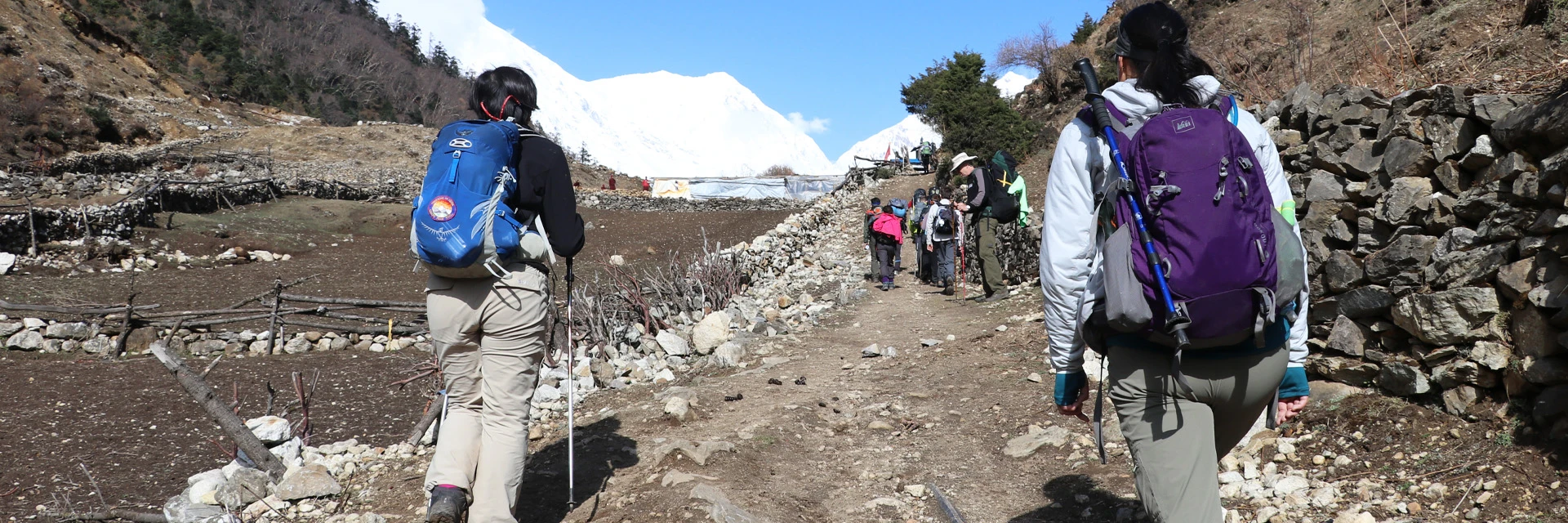
I know everybody talks about Everest Base Camp or Annapurna, but for me, the Manaslu Circuit Trek was something different. Less crowded, raw, more like a hidden gem. But I’ll be honest with you, this trek is not a walk in the park. If you’re planning to do it, you gotta prepare yourself. And not just your legs, but also your backpack. The trail throws everything at you, altitude, long walking days, and unpredictable weather. Trust me, a little planning goes a long way.
When I first thought about doing the Manaslu Trek, I was like, okay, I’ve done some hikes around, how hard can it be? Big mistake. The trek really showed me the importance of both fitness training and the gear checklist. Without them, I would have struggled a lot more. So let’s talk about how to prepare.
Table of Contents
Why Preparation Matters for the Manaslu Trek
The Manaslu Circuit is not just about pretty mountain views. You’re going over Larkya La Pass, which is more than 5,100 meters high. That’s not just high, that’s “why is there no oxygen” high. Walking day after day at that altitude is no joke. Some days you walk 6 to 8 hours straight, with climbs that make your heart beat like a drum.
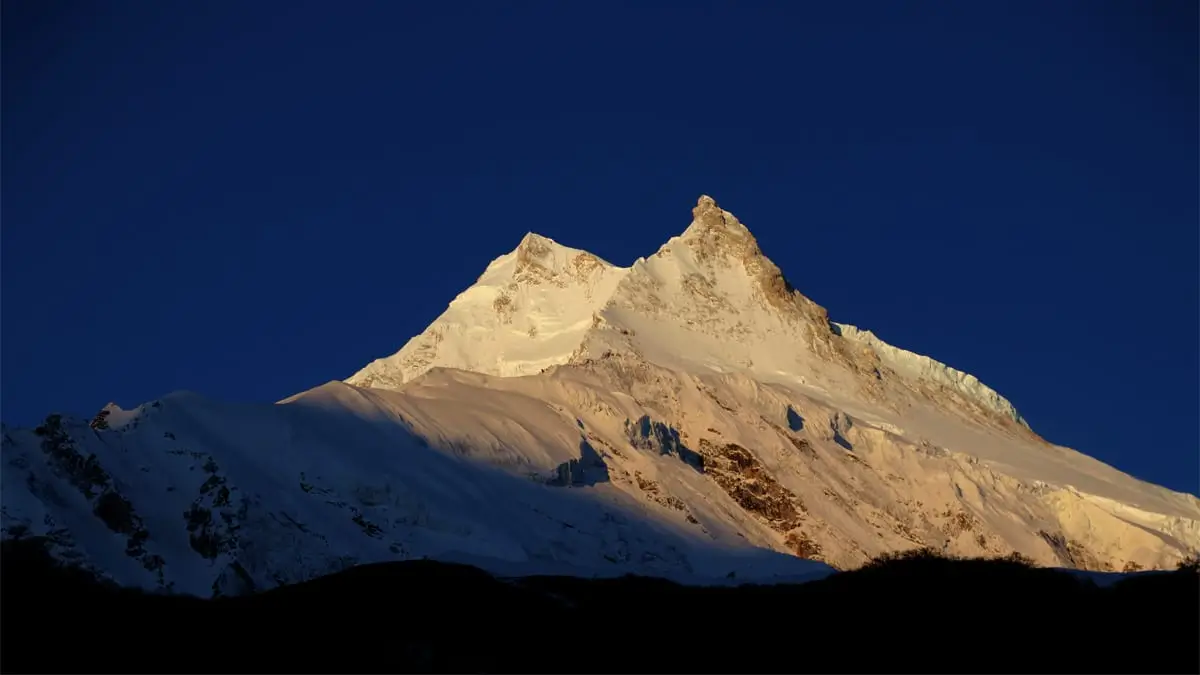
Stunning Picture of Mount Manaslu
If you’re not fit, you will suffer. I met people who had to turn back because they weren’t ready. And it’s not only about strength, it’s about your lungs, stamina, and also your mind. The trail is remote, villages are small, no fancy comforts. That’s why Manaslu trek preparation is not optional, it’s the difference between enjoying the journey or cursing every step.
Cardio is the king here. You need strong lungs more than big muscles. What helped me was running short distances, climbing stairs instead of using lifts, and weekend hikes around my town. Jogging 20-30 minutes a day will really help. Even brisk walking in the evening is better than nothing. Just do something that makes you sweat and breathe heavy, because that’s how it feels on the trail.
Strength Training
Leg work will be excessive in this trek. So, squats, lunges, climbing stairs with a backpack, and even doing some planks for core strength will help you. Trust me, carrying a backpack up a steep trail makes you realize how weak your shoulders can be. I used to do push-ups and basic weight lifting with water bottles. Nothing fancy, just enough to build some strength.
Flexibility and Balance
You should not ignore flexibility and balance. After long walking days, your body becomes stiff. I did some stretching and very simple yoga poses in the morning. It kept my back and legs from screaming too much. Good balance also helps when the trail is rocky.
Altitude Practice
If you live in Nepal, you are lucky. If not, then you can also arrive a few days early and do some practice hikes around Nagarkot, Shivapuri, or any hills you can reach. Walking uphill at a moderate altitude gives your body a taste of what’s coming. If not, just keep building cardio fitness. Your lungs will thank you later.
So yeah, Manaslu trek fitness tips are not complicated, with just consistency. Even one hour a day for a few months will change the game.
Essential Gear Checklist for Manaslu Trek
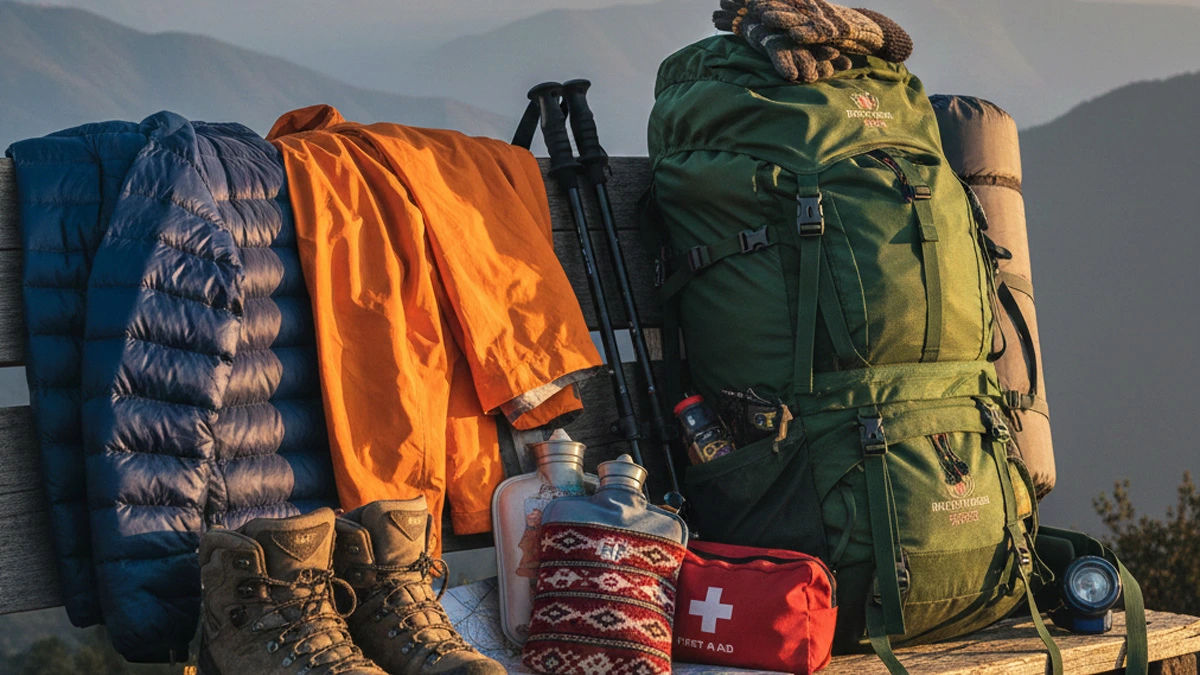
Manaslu Trek Packing Gear
Now, let’s talk about the stuff you pack. This is where many trekkers go wrong. Carry too much, and you suffer, carry too little, and you freeze. Here’s a basic gear checklist for the Manaslu trek.
Clothing
Moving towards clothing, layering is the secret. You can start with a base layer (thermal shirt and pants), then add a fleece jacket, then a down jacket for cold nights. A waterproof outer shell is a must because the weather is crazy in the mountains. Don’t forget gloves, a warm hat, and thermal socks. I carried two pairs of trekking pants, three shirts, and honestly, that was enough. You don’t need to smell like roses every day.
Trekking Gear
Good trekking boots, broken in before the trek, not new ones. Your feet will carry you the whole way, so give them love. Trekking poles saved my knees on downhill sections. Further, a backpack around 40-50 liters is perfect if you’re carrying your own stuff. Rain cover is a must.
Sleeping and Camping Items
Even if you sleep in tea houses, you need a warm sleeping bag, at least rated to -10°C. Nights in Sama Gaon or Dharamsala can freeze your bones. A headlamp is another small item you’ll thank me for later. And carry a water bottle, maybe with a filter or purification tablets.
Personal Essentials
Crary, first aid kit (blisters happen), sunscreen, sunglasses, lip balm, and snacks like energy bars. A power bank is also very helpful because charging in villages is expensive and sometimes not even available.
So yeah, this is the Manaslu trek gear checklist. Don’t overpack, but don’t underpack either. Balance is key to making your journey safe and enjoyable.
Watch the full Manaslu Circuit Trek Video
Tips to Pack Light but Smart
This is something I learned the hard way. Carrying a heavy backpack on steep trails is a nightmare. What worked for me was packing things that I could use in multiple ways. Like a scarf that also works as a face cover. A light down jacket instead of two heavy jackets. Don’t carry books, trust me, you won’t read them.
Also, remember you can rent gear in Kathmandu. Sleeping bags, down jackets, even trekking poles. So if you’re traveling light, just rent. It saves money and space.
So yes, when thinking what to pack for the Manaslu trek, keep it simple. You don’t need 10 shirts. You need one or two that dry fast.
Mistakes to Avoid While Prepare for Manaslu Trek
Packing too much junk. Every kilo feels like ten when you’re climbing.
Skipping fitness training. Don’t think you’ll “get fit on the trail.” That’s not how it works.
Not testing your gear before the trek. Blisters from new shoes are torture.
Final Thoughts
The Manaslu Circuit Trek is one of the most beautiful journeys I ever did. Mountains are there. But the monasteries, villages, rivers, and simple tea houses make it more special. If you prepare well with fitness training and the right gear, the trek becomes enjoyable. Without it, the trek can feel like punishment.
So my advice: take a few months, build your stamina, prepare your backpack carefully, and go with an open mind. You’ll discover not just mountains, but also something inside you.
The Manaslu Trek preparation is not only about body and gear. It’s also about the heart. Once you walk those trails, hear the prayer flags flapping in the wind, see the smiles of villagers, you’ll know it was worth every step.
Frequently Asked Questions
How difficult is the Manaslu Circuit Trek?
The Manaslu Circuit Trek is considered moderately to highly difficult. It involves long walking days, high altitude, and crossing Larkya La Pass at 5,160 m. So, good fitness and preparation are essential.
How should I prepare for the Manaslu Trek?
Start fitness training at least 2-3 months before. Focus on cardio, strength, and flexibility. Practice hikes and stair climbing, which help build stamina for the trek.
What is the essential gear checklist for the Manaslu Trek?
You’ll need layered clothing, trekking boots, a warm sleeping bag, trekking poles, a backpack, and personal essentials like first aid, a power bank, and water purification.
Can I rent trekking gear for the Manaslu Trek in Nepal?
Yes. In Kathmandu, you can rent sleeping bags, down jackets, trekking poles, and more at affordable prices. It saves money and reduces luggage weight.
How many days does it take to complete the Manaslu Circuit Trek?
The trek usually takes 14-18 days, depending on acclimatization and side trips like Tsum Valley. The full circuit, including Larkya La Pass, needs at least two weeks.
Kishwor Adhikari is a passionate writer with a deep enthusiasm for trekking and adventure. His extensive travels across Nepal, exploring its diverse landscapes and hidden corners, have shaped his unique perspective on the country's natural beauty. With a wealth of first-hand experience in adventure trekking, Kishwor has become a trusted voice for fellow enthusiasts. Through his writing, he shares invaluable insights, offering practical advice and inspiration for both seasoned trekkers and novices alike. His dedication to sharing his journey and knowledge helps others discover the wonders of Nepal's wilderness, making his work an essential resource for anyone seeking adventure in the region.