Nepal has spent decades being famous for one thing: mountains. Everest, the Annapurna Circuit, the long walk up to Base Camp with a cup of tea waiting at the top. So when the government announced in April 2026 that 2027 would be the country's official Wellness Year, plenty of people who know Nepal well had an overwhelming reaction.
The mountains were never the whole story. People have come to these valleys to sit still, breathe, and heal for a very long time, long before anyone sold it as a package. What's changed is that the country has decided to say it loud.
Everest Base Camp, Annapurna Base Camp, Manaslu, Pokhara, Nagarkot, Kathmandu Valley, and many more destinations in Nepal carry immense potential to provide people with complete wellness and relaxation.
Here is what the announcement actually means, what you can do with it, and whether it should change how you plan a trip.
Table of Contents
What actually got announced for the 2027 Wellness Year Nepal?
On 15 April 2026, at a ceremony at Sainik Manch, Tundikhel, in the middle of Kathmandu City, the Nepal Tourism Board and the Ministry of Culture, Tourism and Civil Aviation announced that 2027 would be Nepal's Wellness Year. The same event launched the country's first proper Wellness Tourism Strategy, with mantra chanting and guided yoga to mark it.
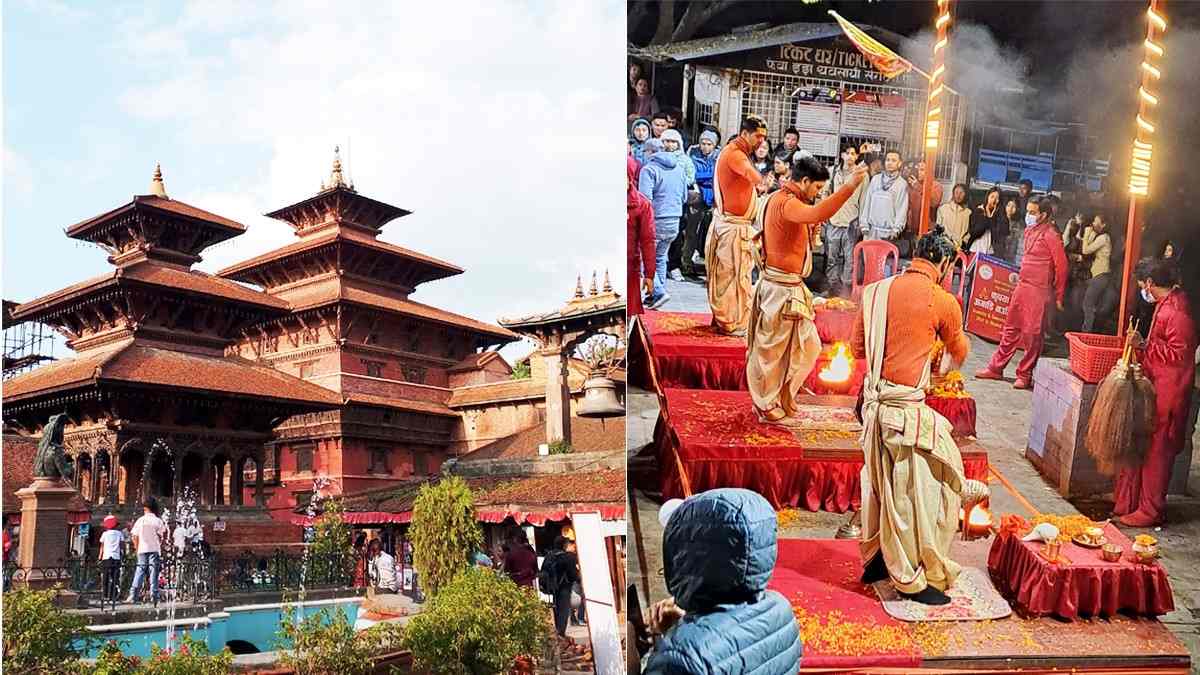
Kathmandu City is a Cultural Wellness Hub in Nepal
Two things make this more than a slogan.
First, it sits inside a ten-year plan running from 2026 to 2035, with a five-year action plan already written. This is not a one-year poster campaign that gets forgotten by January. There is a policy behind it.
Second, it turned up in the national budget. The finance minister, Dr Swarnim Wagle, named 2027 as "Nepal Wellness Year" (Rashtriya Aarogya Barsha in Nepali) and put it alongside the bigger Visit Nepal 2085 push. When a plan makes it into the budget, it tends to be real.
The tourism minister, Khadak Raj Paudel, summed up the pitch in one line at the launch: "Do not just visit Nepal; come and discover yourself." Cheesy, maybe. Also fairly accurate.
Why is wellness tourism a current need for the world?
Wellness Tourism in Himalaya Nepal
Wellness Tourism is not just about travel and trekking; it is an immense need in today's world. It gives relaxation, healing, and complete refreshment from hectic work life and chaos. This is beneficial in many aspects, such as:
Jobs creation
Wellness tourism involves many people to make it actually work. This puts real money into local towns and gives people jobs, from spa workers to farmers who grow the food. This is the best way to give back to society.
It helps smaller and rural areas grow, since many wellness spots sit away from big crowded cities. The local economy will get a little help to lift the status.
Healing
It gets travelers to slow down and take care of their bodies and minds instead of coming home more tired than before. You will have perfect healing physically, mentally, and spiritually. Literally, finding a new version of yourself.
It gets people to care more about their health for the long run, so they carry better habits back home instead of dropping them at the airport.
Eco-friendly tourism
It pushes hotels and resorts to go greener, use less waste, and treat nature better because clean surroundings are part of the whole point. Eco-friendly tourism has been in practice in Nepal, and wellness tourism has added another important layer to it.
Keep Traditions Alive
It keeps old healing traditions alive, like yoga, hot springs, and herbal remedies, by sharing them with people from all over. Traditions in Nepal are a great opportunity to learn about one of the wonders in the world.
Evergreen Effort
It spreads tourism throughout the whole year, since people want to feel good in any season, not just during summer or the holiday rush.
Global Bond
It builds real bonds between visitors and locals, since these trips often mean learning, cooking, and healing side by side instead of just snapping photos and leaving. You will be thrilled by the local gestures and hospitality.
Why Nepal is doing this, and why now?
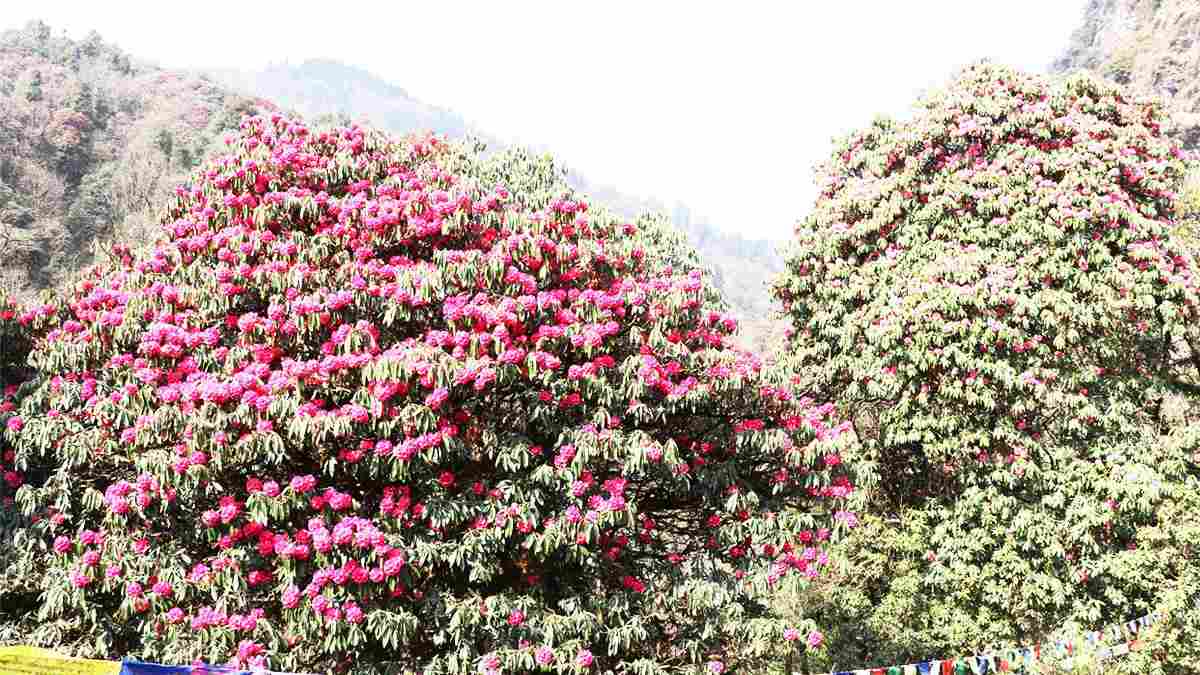
Wellness in Rhododendron Forest on the way to Himalaya
I'll be honest about the money, because it matters. Wellness travel has become huge. It now makes up around 10% of all global travel spending, worth about 894 billion US dollars in 2025, and it's expected to pass 1.4 trillion by 2031. People who travel for wellness also tend to spend about 53% more per trip than the average tourist. They stay longer, and they come back.
Nepal wants a slice of that, and it has a fair claim to it. The country is the birthplace of the Buddha. Yoga, meditation, Ayurveda, and Himalayan herbal medicine are not imported trends here. They are old, local, and still practised daily.
There's a practical reason too. Trekking in Nepal has always crowded into two short windows, spring and autumn. Wellness travel doesn't care about trekking season. A yoga or Ayurveda retreat works just as well in the quiet monsoon months, which helps spread visitors across the whole year and takes pressure off the busy trails.
The part that gives it credibility
One detail is easy to skip past but worth knowing. Nepal took a proposal to the United Nations to make 15 April an International Wellness Day, and it passed, co-sponsored by 40 countries and backed by 143. That is a real diplomatic win, and it's why the 2027 launch happened on that date. It gives the whole thing more weight than the usual tourism-year announcement.
What's actually on offer
The strategy groups Nepal's wellness experiences into a few clear traditions. Here's what each one really involves.
Yog. Not the gym kind. Classes here often run at sunrise in Pokhara City or in a quiet courtyard in the Kathmandu Valley, tied to the older spiritual roots of the practice rather than fitness goals.
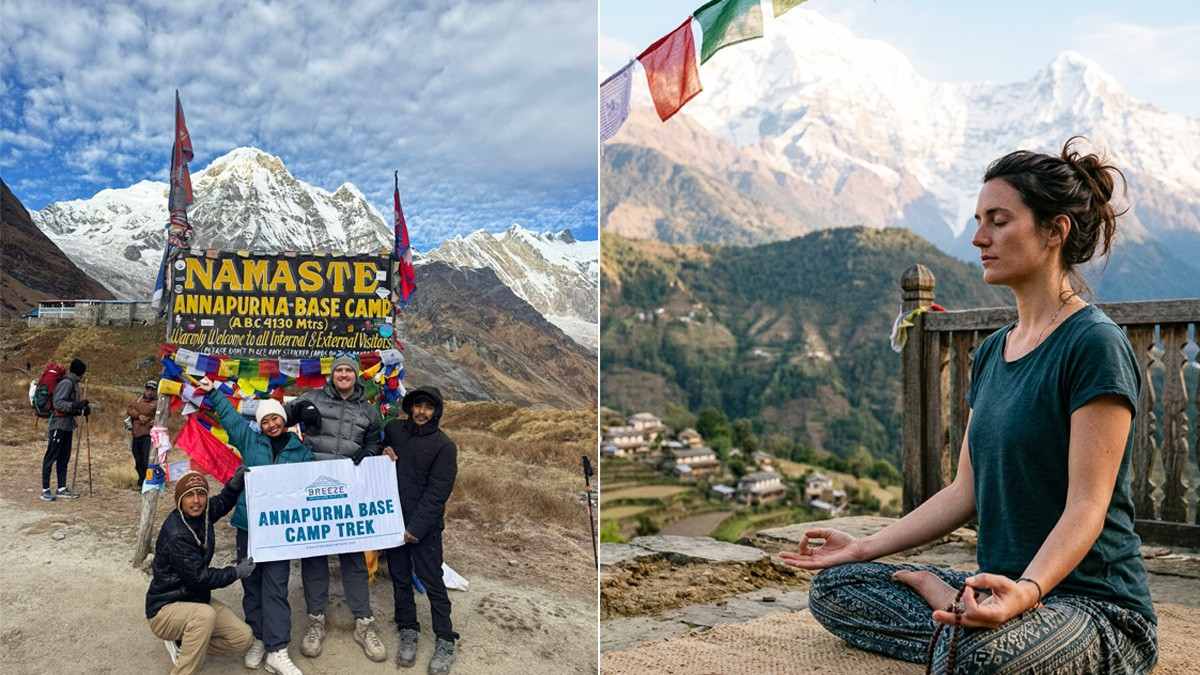
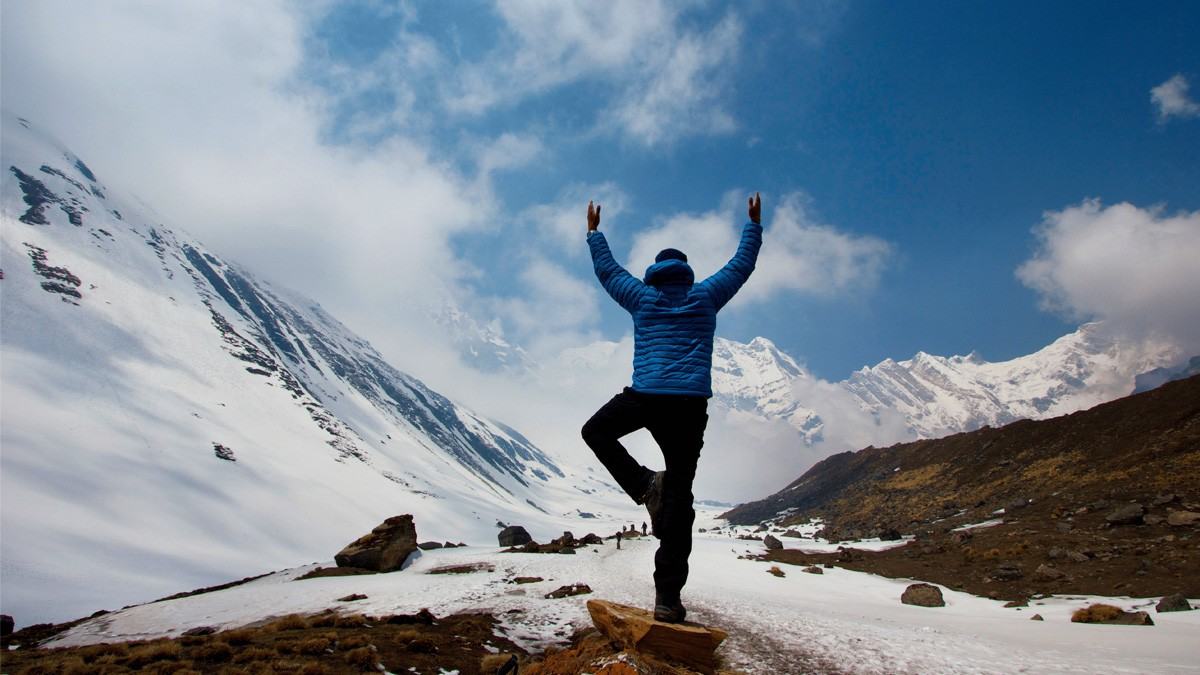
Yoga in Annapurna Base Camp Nepal
Meditation: Nepal is one of the best places in the world to learn to sit properly. Vipassana courses run for ten days in full silence: no phone, no reading, no talking, meditation from before dawn until night. It is hard, and it changes people. There are gentler options too, in the monasteries around Boudhanath and Namobuddha.
Ayurveda and Panchakarma: Traditional detox and rejuvenation treatments, done over several days or weeks under a trained practitioner. The 2027 strategy is trying to standardise and certify these centres, which is good news, because quality has been uneven in the past.
Massage, hot springs, and herbal medicine: The everyday end of wellness. Therapeutic massage, natural hot springs on some trekking routes, and remedies made from Himalayan plants you won't find anywhere else.
Wellness trekking: This is the one I'd point most trekkers towards. It combines walking in the Annapurna, Langtang, or Everest regions with breathwork, meditation, and proper rest built into the itinerary. You get the mountains and the reset at the same time.
Where to go: The best wellness trips in Nepal
Nepal is full of places that carry huge potential for wellness. From mountains, jungles, hills, to riverbanks, you will feel a natural pull everywhere.
Here are the best wellness tourism destinations in Nepal for 2027, with a short guide to each.
1. Pokhara
Pokhara is the number one wellness destination in Nepal, and for good reason. Sitting beside calm Phewa Lake with the Annapurna range behind it, the town is packed with yoga studios, meditation centers, and Ayurvedic spas. Many places let you mix morning yoga with an easy hike, so you move your body and rest your mind in one trip. If you are new to wellness travel, start here. It is relaxed, affordable, and easy to reach.
2. Kathmandu Valley
The capital looks busy at first, but it hides some of the best wellness spots in the country. You will find Ayurveda clinics, yoga schools, sound healing sessions, and Tibetan bowl therapy tucked inside the historic old alleys. Walking slowly around the Boudhanath and Swayambhu stupas is its own kind of moving meditation. Kathmandu Valley is a good base to begin or end any wellness trip in Nepal.
3. Annapurna Base Camp
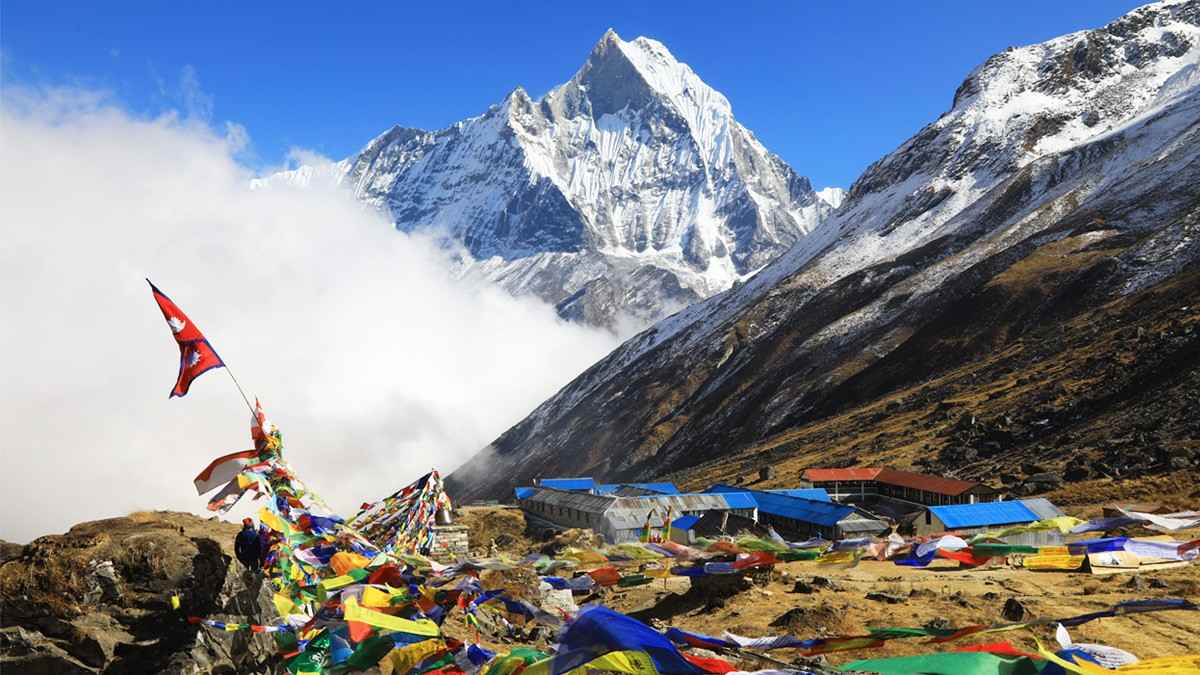
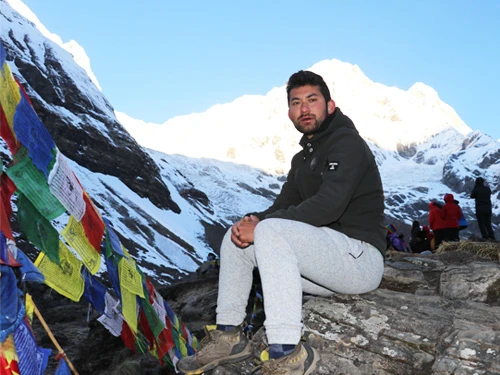
Stunning image captured in Annapurna Base Camp Nepal
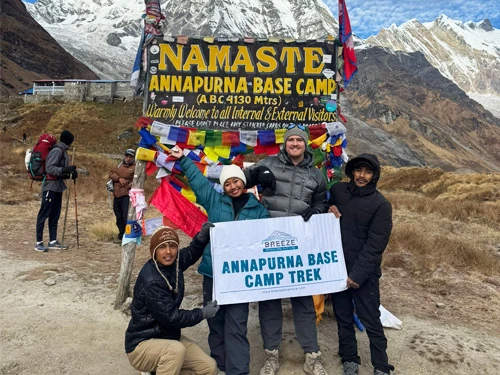
Annapurna Base Camp is the most popular trekking option in Nepal. This is an actual gem when it comes to wellness. This is situated in the Annapurna Conservation Area and Annapurna Sanctuary, with 360-degree views of the Himalayas. The unique blend of mountains and forests, the Gurung community, and unique local traditions is all you need for complete healing.
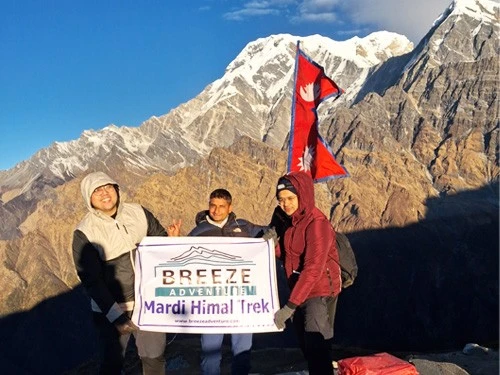
4. Mardi Himal
Mardi Himal Trek is the best option if you are short on time. This trek can be done within a week, incorporating many wellness activities. People do this for 2 days also, but healing is a calm process that demands a few more days. This trip is all about detoxing your mind and body in the lap of the Himalayas.
5. Poon Hill
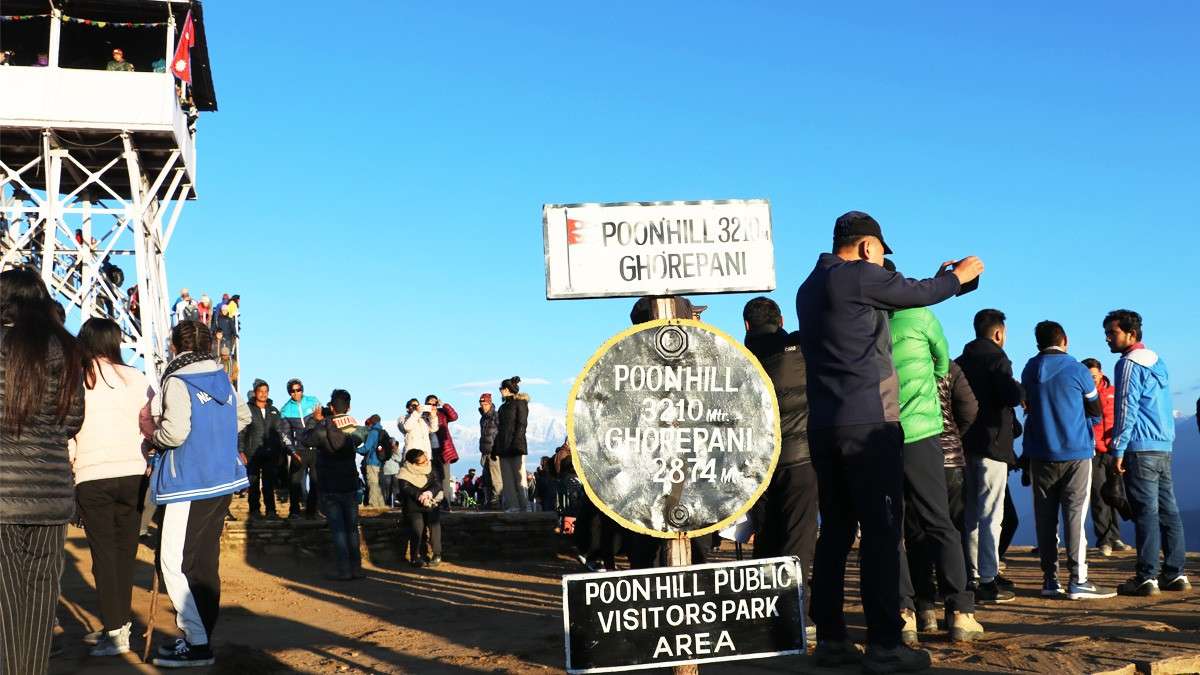
People waiting for sunrise view in Poon HIll Trip
Poon Hill Trek, popularly known as Ghorepani Poon Hill, is a very comfortable wellness trip in Nepal. This requires just a couple of days, and you can reach there by Jeep. No long hours of walking are required. This place is famous for stunning rhododendron forests and sunrise views. This is best for people of all age groups and physical capabilities.
6. Dhulikhel
Dhulikhel sits on a quiet ridge east of Kathmandu with wide Himalayan views and much cleaner air than the city. It is home to Dwarika's Resort, one of Nepal's most iconic luxury wellness resorts, built around Ayurveda, yoga, meditation, and spiritual healing. Programs here are usually planned for you after a health talk, so the treatments match your body and goals. Great for a calm, high-end reset.
7. Nagarkot
Nagarkot is a small hill town famous for its sunrise over the Himalayas. It is only a couple of hours from Kathmandu, which makes it perfect for a short wellness break. Quiet resorts like Kavya Resort & Spa focus on silence, nature, and gentle wellness, with some of the best Himalayan sunrise views in Nepal. Come here to unplug, sleep well, and watch the mountains wake up.
8. Lumbini
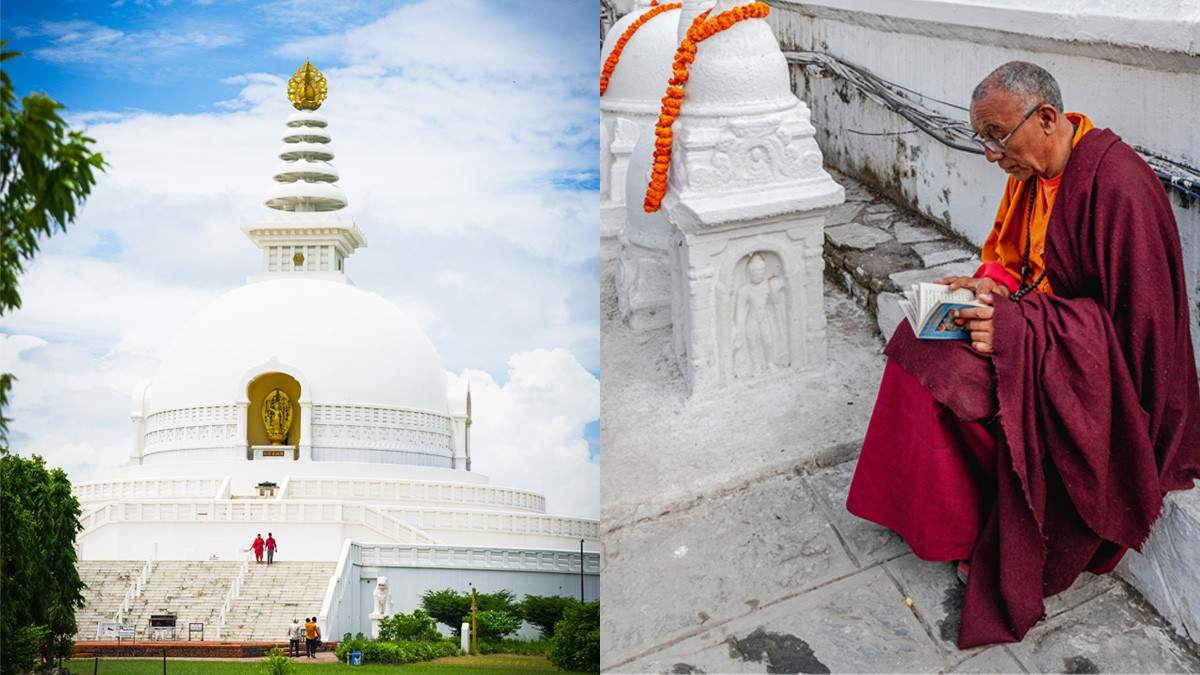
Spiritual Wellness Trip Nepal
Lumbini is the birthplace of the Buddha and one of the most peaceful places in Nepal. You can meditate near the ancient Maya Devi Temple and visit monasteries built by countries from all over the world. The sacred gardens let travelers connect with the original roots of Buddhist meditation and calm. If your goal is deep spiritual travel and quiet reflection, this is the place.
9. Namobuddha
Namobuddha is a holy Buddhist hill site near Dhulikhel, home to a large working monastery. It is a good spot for meditation, monastery stays, and slow walks through the forest. Life here moves at monk speed, which is exactly the point. Many visitors join morning prayers and simple meditation before heading out to enjoy the mountain views.
10. Bandipur
Bandipur is a lovely old hilltop town with a car-free main street and clean, cool air. There are no big spas here. The wellness comes from slow living, quiet lanes, stone houses, and long views over the hills. It fits people who want rest, simple food, and a break from screens and traffic. A calm stop between Kathmandu and Pokhara.
11. Begnas Lake
Just outside Pokhara, Begnas Lake is quieter than the famous Phewa Lake. The gentle rhythm of lake life here suits yoga retreats, mindfulness practice, and travelers looking for stillness by the water. You get the same mountain-and-lake beauty with fewer crowds. A smart pick if you want peace without going too far off the beaten path.
12. Shivapuri and Budhanilkantha
North of Kathmandu, the hills of Budhanilkantha rise into Shivapuri National Park. You can practice yoga surrounded by thick forest, mountain streams, and rare birds. The Nagi Gompa monastery inside the park is a well-loved spot for meditation. It is close to the city but feels a world away, which makes it easy to add to any Kathmandu trip.
13. Chandragiri Hills
Chandragiri is a forested hill just outside Kathmandu, reachable by a fun cable car ride. The area is known for Ayurvedic detox and forest therapy at wellness resorts like Jungle Mahal in Matatirtha, Chandragiri. It is an easy nature escape when you do not have time to travel far. Fresh air, green trees, and simple healing programs make it a nice weekend reset.
14. Chitwan
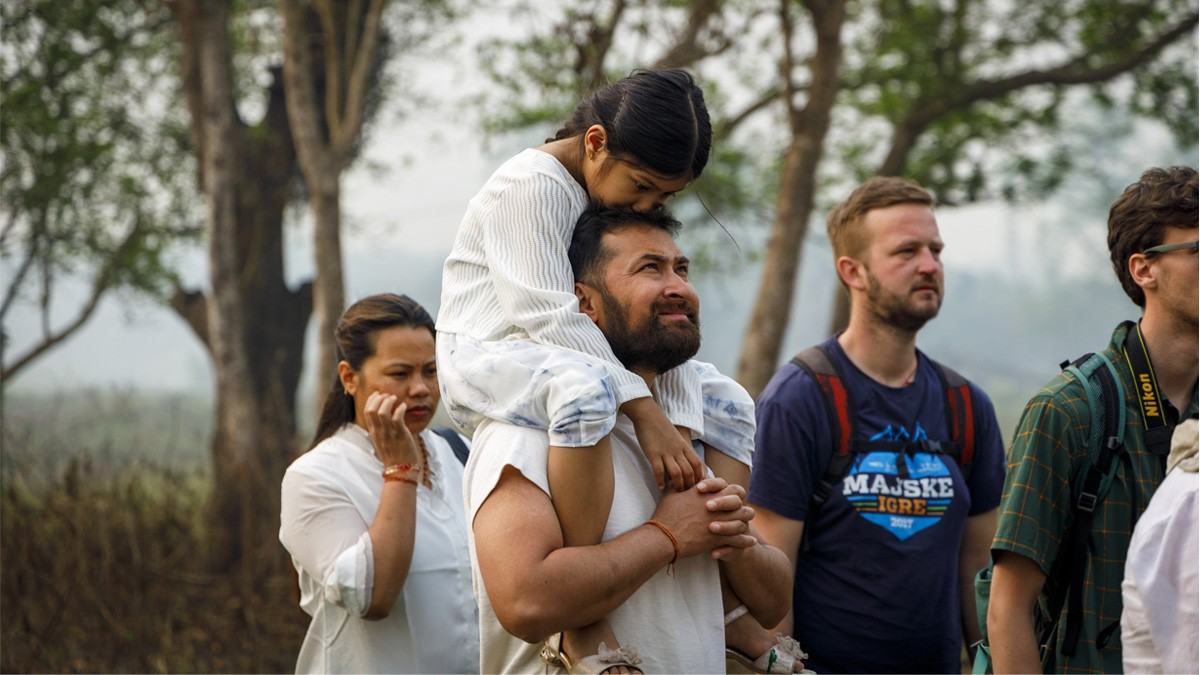
Family Trip in Chitwan National Park
Chitwan National Park is Nepal's warm lowland jungle, and it offers a different kind of wellness. Here the healing comes from nature itself, plus Ayurvedic treatments like Panchakarma detox, Abhyanga herbal massage, and Shirodhara oil therapy at riverside lodges. Days are slow, with birds, rivers, and forest all around. Good for people who want rest, warmth, and a touch of wildlife.
15. Panchase
Panchase is a green forest area between Pokhara and the hills, still off the main tourist map. It is becoming known for sound therapy and nature-based retreats like Sound of Himalaya. Because so few visitors come here, the quiet is real and deep. This one suits travelers who want a more private, intimate wellness stay in nature.
16. Tatopani Hot Springs
"Tatopani" means "hot water" in Nepali, and Nepal has more than 20 natural hot springs, with the most famous ones on the Annapurna and Kodari routes. The mineral-rich water is known to ease stress, soothe muscle aches, and improve circulation, which is why locals have used it for healing for centuries. A soak in these warm stone pools is one of the simplest and most natural spa treatments in the country.
17. Jhinu Danda
Jhinu Danda is a hot spring stop on the popular Annapurna Base Camp trail. A short downhill walk leads to natural stone pools by the river, with hot spring water flowing in and big mountain views all around. Trekkers stop here to rest tired legs before or after the climb. Even if you are not a big hiker, a short trek to soak here is worth it.
18. Muktinath
Muktinath is a high, sacred site in the Mustang region, holy to both Hindus and Buddhists. Pilgrims come for the temple and the famous row of water spouts, where a cold ritual bath is believed to wash away sins and bring peace. The scenery is dry, wide, and dramatic, very different from green Nepal. This is spiritual wellness with real height and real quiet.
Ilam sits in the green tea hills of eastern Nepal and is one of the country's rising wellness spots. The rolling tea gardens, cool weather, and clean air make it perfect for slow travel and fresh starts. There are no crowds and no rush here. Come for gentle walks, calm mornings with a cup of local tea, and a slower way of living.
20. Rara Lake
Rara is a large, remote lake in far-western Nepal, and one of the quietest places you can visit. There is little phone signal and almost no traffic, which makes it a true digital detox. Being here means clean water, forest, and deep silence. This one is for people who really want solitude and nature therapy, away from everything.
Exciting Things to Try
The first thing to know is that Nepal has named 2027 its Wellness Year, launching April 15 that year, backed by around 40 UN member states and run by the tourism board. That's why the obvious stuff, Pokhara yoga, Dwarika's, may feel crowded soon.
During your wellness visit to Nepal, you can try various wellness activities which you rarely find in any other part of the world. The biggest of these is Sowa Rigpa, Tibetan medicine: a 2,000-year-old system practiced by Amchis (traditional doctors), still barely known in the West the way Ayurveda is. You can already see it moving upmarket (an 11th-generation Amchi now consults at Shinta Mani Mustang).
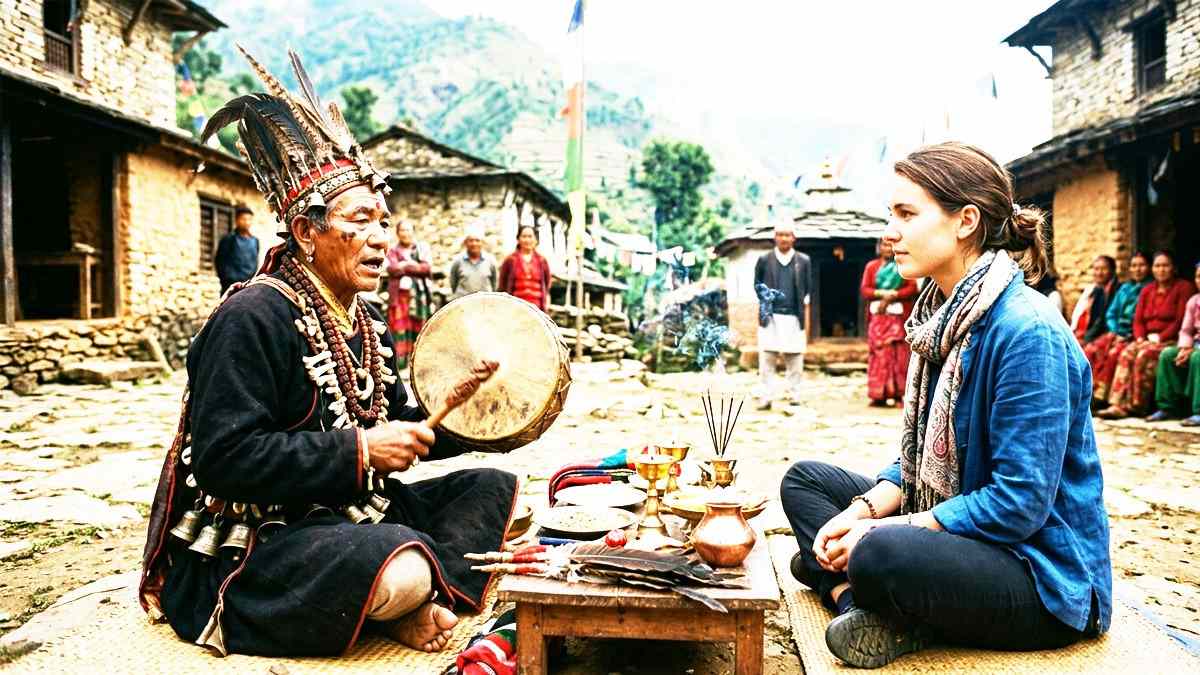
After that, you should try shamanic (jhankri/dhami) healing among Tamang, Gurung and Magar communities of the lower Annapurna Region and Langtang Region. They are the least commercialized of all, and only worth doing with real community consent.
Shamanic healing in rural village
Let me add one more thing: the whole far west (Karnali - Rara Lake, Bardia, Surkhet's free Vipassana courses) sits almost empty and runs 40–60% cheaper than Bali or Kerala. This is also the best practice to detox your mind and soul.
If you're thinking about business rather than travel, the pattern is the same everywhere: the traditions are alive, but the delivery — trained staff, hygiene, booking, fair pay to the communities — barely exists. That gap, especially before 2027, is the opportunity.
For a smooth and satisfying wellness trip, kindly follow the following tips:
Best time to visit: For most of these places, the right time is autumn (October to November) and spring (March to April), which offer the best weather and clear mountain views. But for Pokhara and Kathmandu Valley, you can enjoy a wellness trip throughout the year; weather or seasons do not affect these places.
Rough cost: A 7-day wellness retreat in Nepal usually costs around $400 to $1,200, not counting international flights, so it works for many budgets.
How long to stay: Short relaxing retreats run about 3 to 7 days, while deeper detox or yoga trekking programs usually last 2 to 4 weeks.
How to choose: Pick Pokhara or Kathmandu for easy first trips, Lumbini or Namobuddha for spiritual travel, hot springs like Tatopani or Jhinu Danda for after-trek recovery, and Rara or Ilam if you want deep quiet options.
What this means if you're planning a trip
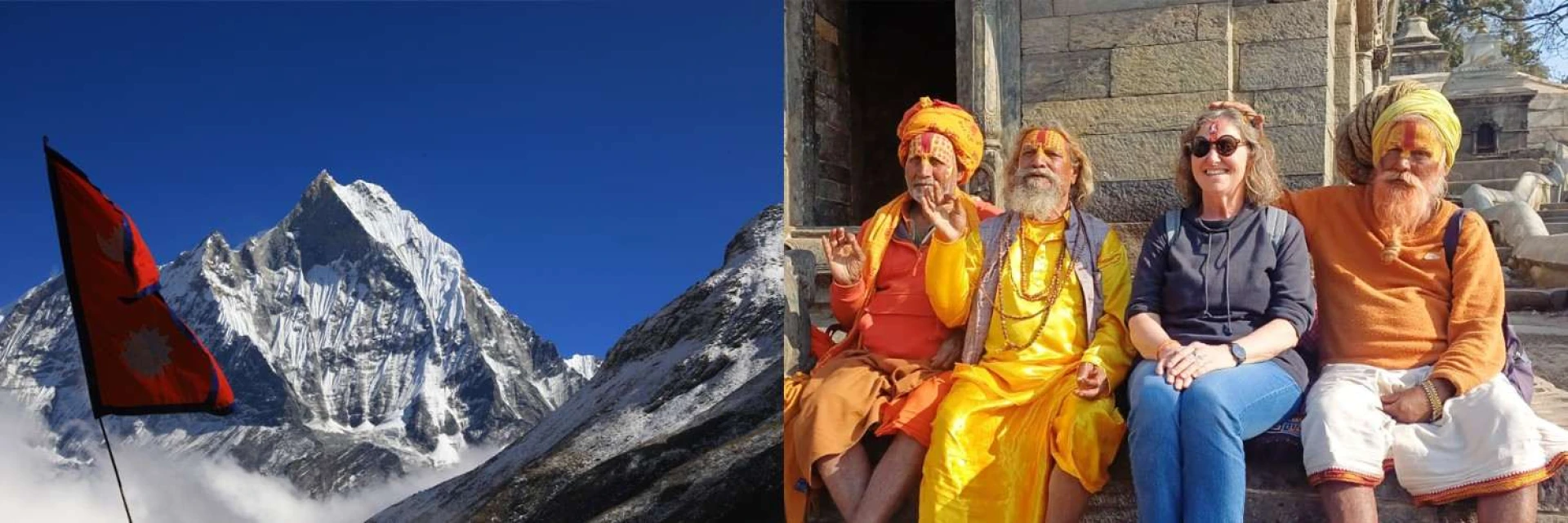
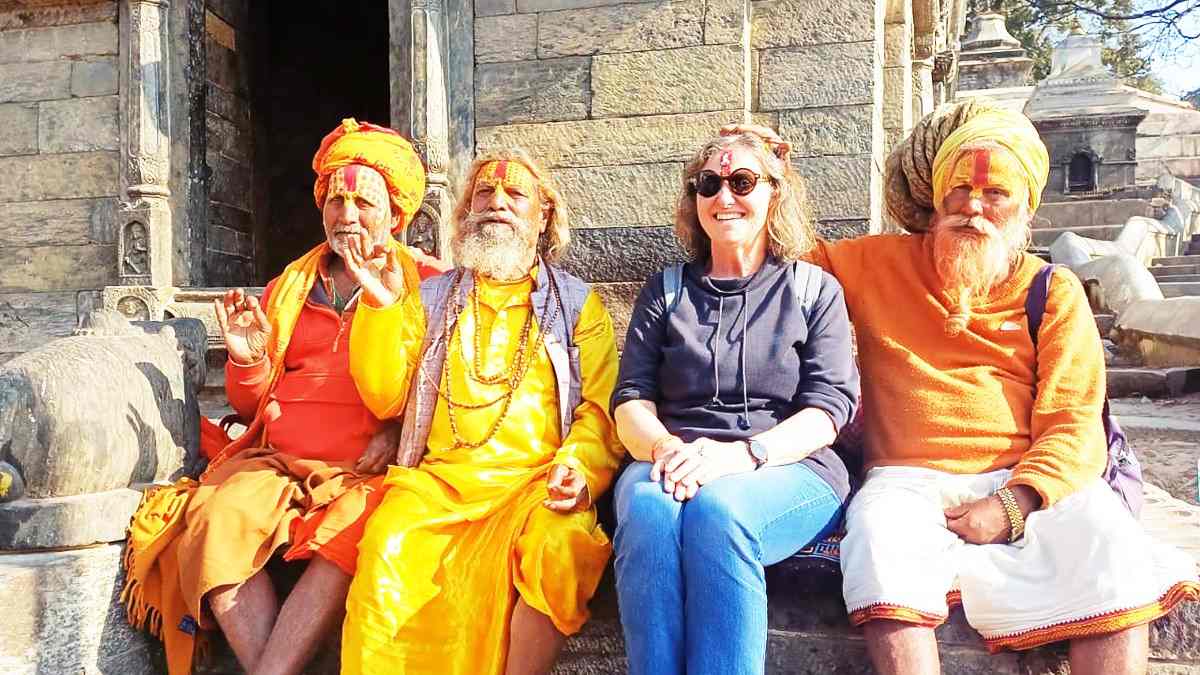
Spiritual Wellness in Nepal with Holy Babas
If 2027 is when you're thinking of coming, expect more organised retreats, a special wellness events calendar from the tourism board, and generally more choice than in past years.
A few honest pointers.
Combine, don't choose. The best trips pair a trek with a few days of recovery at a retreat afterwards. Walk first, then let your body catch up with some yoga and massage. It's a better holiday than doing either alone.
Ask about certification. The government is working on standardising wellness centres, but that takes time. For anything medical, like a full Panchakarma programme, check the practitioner's training before you book. A good local travel operator can vouch for the places they use.
Make sure you time it right. Wellness is one of the few reasons to happily visit Nepal outside peak trekking season. Late spring and even the greener monsoon months can be lovely for a retreat, with fewer crowds and lower prices.
It's still good value. Nepal remains far cheaper (budget-friendly) for yoga, Ayurveda, and retreats than the equivalent in the West or the polished resorts of Bali. That gap is a big part of the appeal.
The honest bottom line
Wellness Year 2027 is a smart move for Nepal, and a genuine one. The traditions being promoted have been here for centuries. What's new is the plan to organise them, certify them, and tell the world.
Will everything be perfectly polished by 2027? Probably not. Some centres will be excellent, and some will be catching up. But if you've been curious about Nepal for the walking, and quietly curious about the stillness too, this is a good year to come for both. Come for the mountains. Stay for what they do to your head.
Frequently Asked Questions on Wellness Tourism Nepal 2027
1. What is wellness tourism?
It's travel where the main goal is to feel better, not just to sightsee. Think yoga retreats, spa trips, meditation stays, detox programs, or hot springs. You go to rest, reset, and come home healthier than you left. It’s all about healing and detox.
2. How big is the wellness tourism industry?
Very big, and still growing. It's now worth about US $894 billion and is expected to reach US$1.38 trillion by 2029. Wellness trips make up only 7.8% of all trips but almost 1 in 5 travel dollars spent, because wellness travelers spend more.
3. What's the difference between wellness tourism and medical tourism?
Medical tourism is when you travel to fix a health problem, like surgery or dental work abroad. Wellness tourism is for people who are already fairly healthy and want to stay that way, relax, or prevent problems. One is about treatment; the other is about prevention and balance.
4. Why is wellness travel getting so popular?
People are stressed and burned out, and they want trips that actually help. Mental wellness has been one of the fastest growers, rising 12.4% a year. Remote work, digital nomads, and an aging population interested in longevity are pushing it even further.
5. What is Nepal's Wellness Tourism Year 2027?
The Nepal government has announced that 2027 will be marked as Wellness Tourism Year. It's part of a bigger National Wellness Tourism Strategy (2026–2035) meant to make Nepal known for healing, not just trekking. The long-term goal is 10,000 wellness tourists and $30M in yearly revenue by 2030.
6. What kind of wellness experiences can I do in Nepal?
The plan covers four areas: spa and massage, Ayurveda clinics, yoga and meditation, and natural healing and spirituality. You'll also find monastery meditation retreats, 7 to 14-day Panchakarma detox programs using Himalayan herbs, and singing bowl healing. Popular spots include Pokhara, the Kathmandu Valley, and Lumbini.
7. How much does a yoga or wellness retreat in Nepal cost?
Nepal is one of the cheapest places in the world for this. Budget ashrams run about $25 to $50 a night all-inclusive, mid-range centers about $60 to $120, and a week-long package usually totals $300 to $900. Luxury places cost more, but you still get a lot for your money. If you combine trek and wellness through a local travel agency, you will save money.
8. When is the best time to go?
For wellness tourism in Nepal, the best time is throughout the year. You can enjoy wellness programmes in Pokhara, Kathmandu, Dhulikhel which are supported by weather across the year. If you combine Himalayan trekking with wellness then October to November and March to April are the best windows, with clear mountain views and stable weather. You can choose quieter places or fine ones for indoor Ayurveda or detox programs.
9. Do I need a visa for Nepal, and how much is it?
Most people can get a visa right at the airport. It costs USD 30 for 15 days, USD 50 for 30 days, and USD 125 for 90 days, and Indian citizens don't need a visa at all. Bring clean US dollar bills, since torn or dirty notes often get refused.
10. Is Nepal safe to visit in 2027?
Yes, Nepal is safe to visit in 2027. Infact, the government itself has initiated Wellness Year 2027 with required preparation regarding infrastructure and facilities. Just avoid big crowds, get good travel insurance, and keep in mind that hospitals outside Kathmandu are more limited. For Himalayan trekking, contact local tour operators as Solo trekking in Himalayas are restricted by the government.
Kishwor Adhikari is a passionate writer with a deep enthusiasm for trekking and adventure. His extensive travels across Nepal, exploring its diverse landscapes and hidden corners, have shaped his unique perspective on the country's natural beauty. With a wealth of first-hand experience in adventure trekking, Kishwor has become a trusted voice for fellow enthusiasts. Through his writing, he shares invaluable insights, offering practical advice and inspiration for both seasoned trekkers and novices alike. His dedication to sharing his journey and knowledge helps others discover the wonders of Nepal's wilderness, making his work an essential resource for anyone seeking adventure in the region.