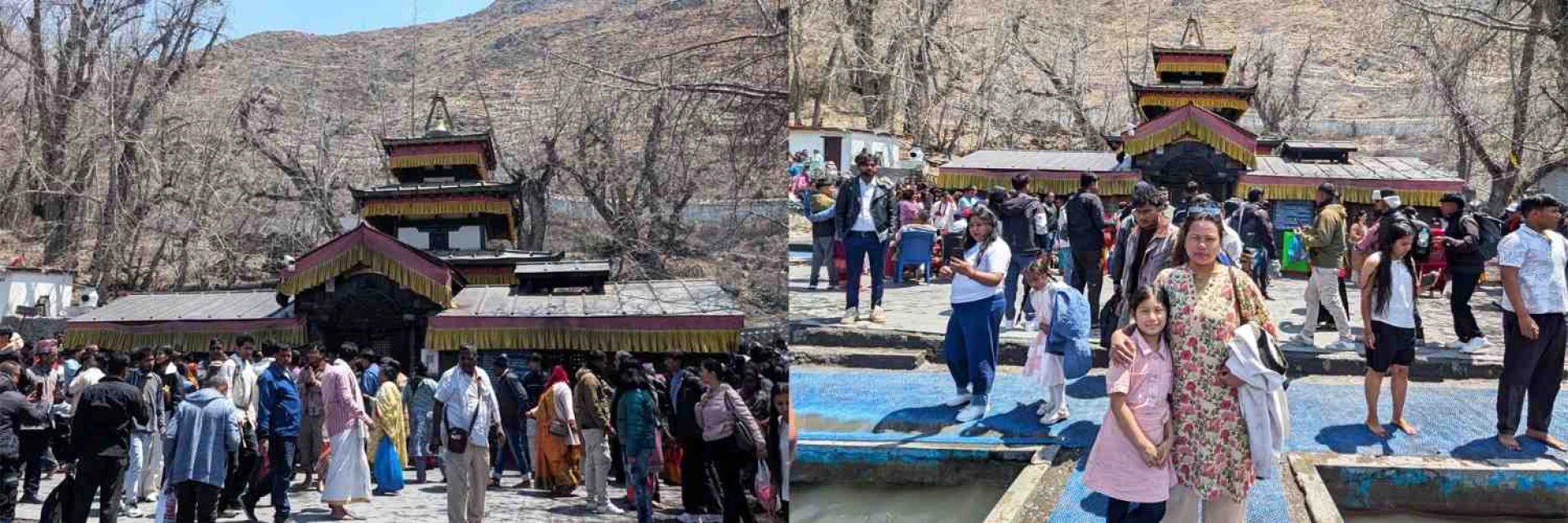
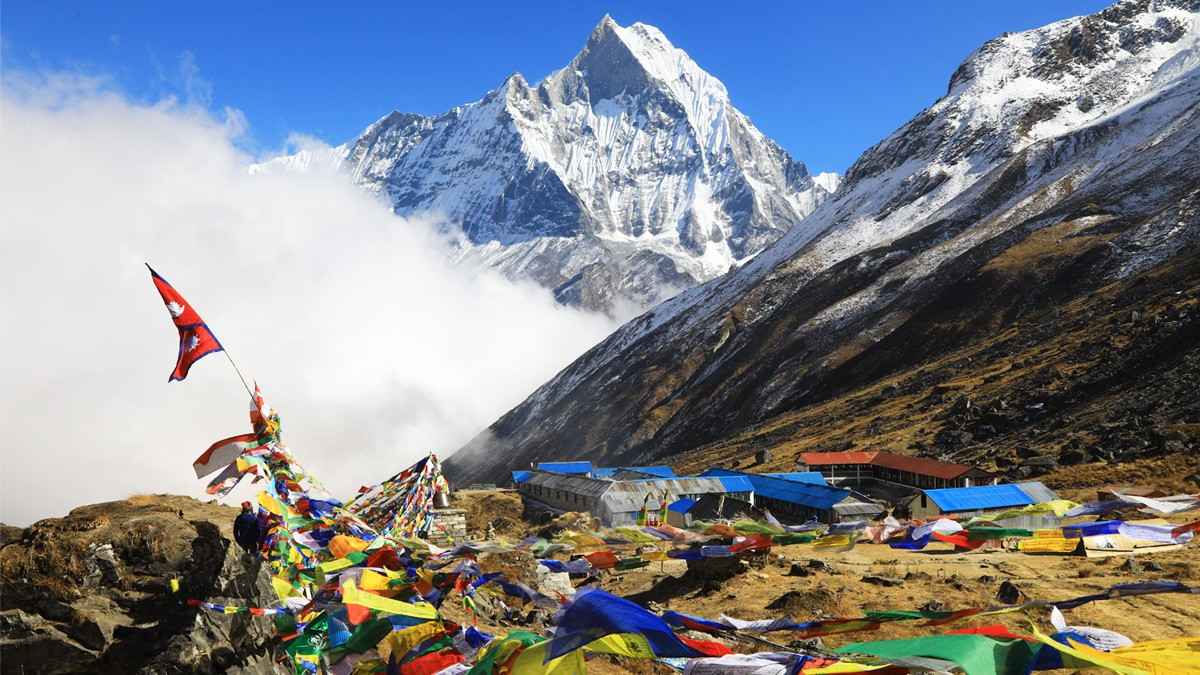
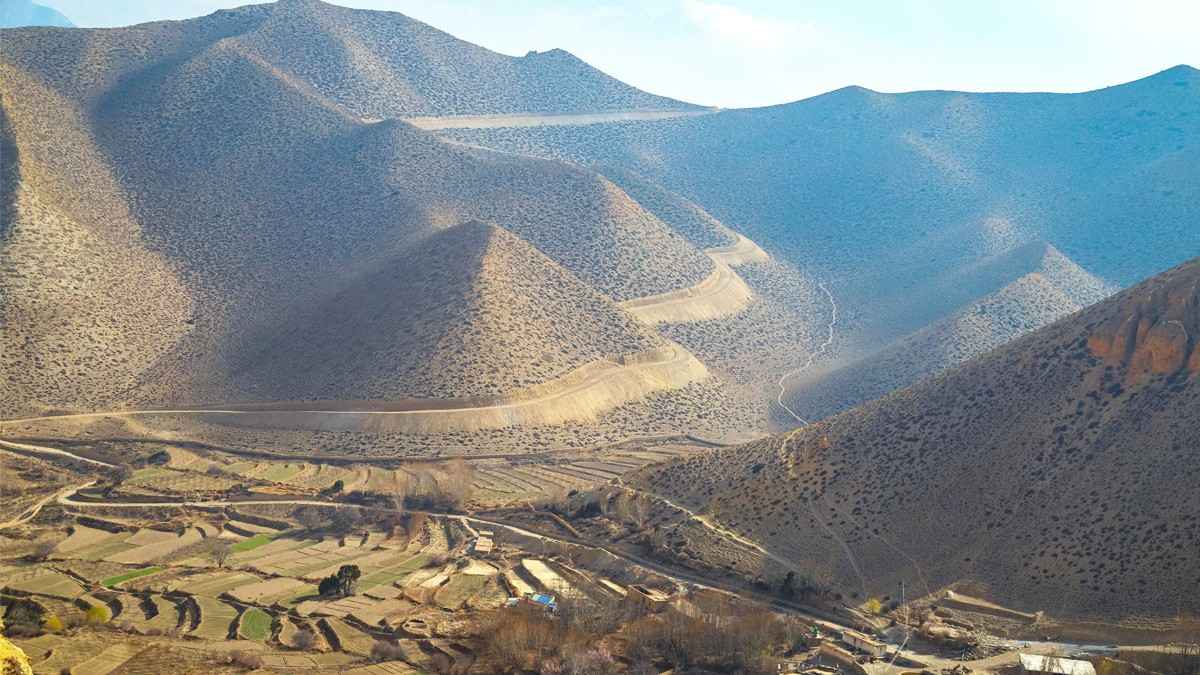
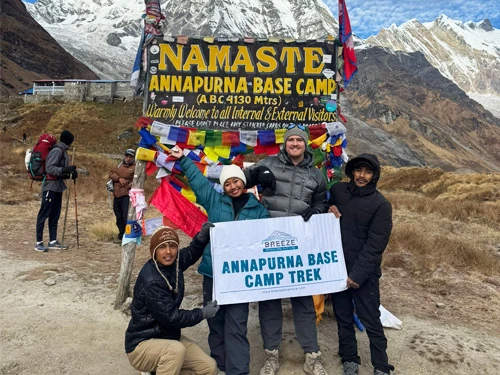
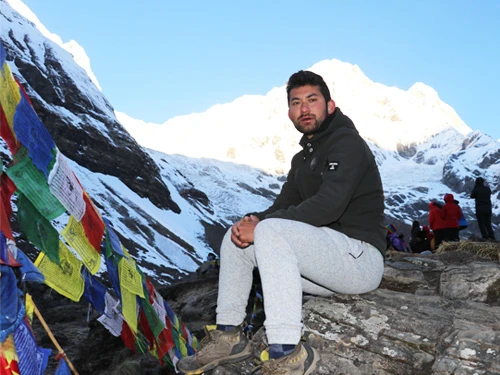
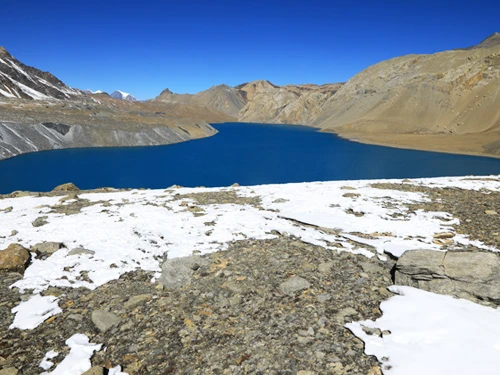
Muktinath is more than just a stop on your trekking map; it is a spiritual awakening hidden deep within the rugged Himalayas of Nepal. As you climb the winding path from Jomsom to 3,710 meters, the landscape transforms from scenic beauty into a towering, humbling wall of ancient rock that feels truly overwhelming. Colorful prayer flags dance in the crisp, thin air, welcoming pilgrims and adventurers to a sacred pagoda that stands as a silent sentinel against the massive peaks. Forget everything you have read in travel forums, stepping into this holy sanctuary offers a profound, life-changing encounter with the raw majesty of nature that no camera can ever fully capture.
Nestled in the Muktinath Valley between the Annapurna and Dhaulagiri mountain ranges, roughly 18 kilometres northeast of Jomsom in Nepal's Mustang district, this place carries a weight that goes far beyond geography. Its name, drawn from Sanskrit, translates directly to "place of liberation". And for the thousands of Hindu and Buddhist pilgrims who make this journey every year, that is not a poetic description but a statement of purpose.
People come here broken, hopeful, grieving, and grateful - sometimes all at once. They come to bathe under 108 sacred water spouts. They come to stand before an eternal flame that rises from bare rock. Mostly, they come to feel something they cannot name and carry it home. Yes, that’s Muktinath Temple famously called Muktinath Yatra Nepal.
In this guide, I will decode everything you need to know about Muktinath altitude, best time to travel, significance, and religious values, along with culture and adventure.
Table of Contents
Muktinath Temple History
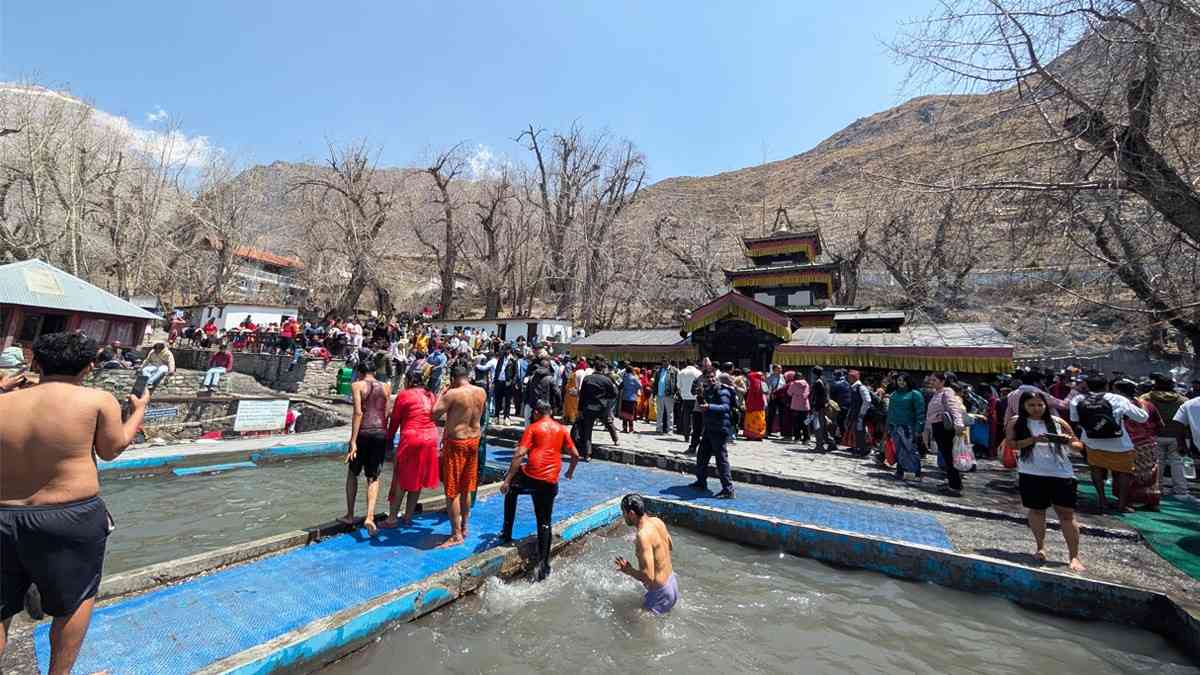
Devotees taking Holybath in Muktinath Temple
The history of Muktinath stretches back at least a millennium, with references found in Hindu scriptures including the Vishnu Purana. Long before the current temple structure existed, this valley was already considered sacred. It was a stopping point on the ancient trade routes between the Nepalese lowlands and the Tibetan plateau. Not just that, here, merchants, monks, and wandering ascetics all paused to rest and pray.
The high altitude and the confluence of fire, water, and earth here make you feel like early travellers. Similarly, natural gas flames rising from rock, holy springs, and sacred fossil stones in the nearby riverbed made it feel like a place where the ordinary rules of the world no longer applied. The existence of the temple has made the whole Annapurna Circuit a lively experience for ages.
Who established the Muktinath Temple?
The formal construction of this pagoda-style Vishnu temple was initiated in 1815 by Queen Subarna Prabha. She was a Nepali queen who recognised the site's profound spiritual importance and gave it the architectural form pilgrims see today.
In 1818, the renowned Tibetan yogi Shabkar visited Muktinath and stayed for many days, meditating and connecting deeply with the energy of the valley. This literally made his writings one of the earliest documented accounts of the site's transformative effect on those who spend real time here.
Legend of Muktinath Temple Nepal
At the heart of Muktinath's mythology is the story of Brinda, the devoted wife of Jalandhara- a demon king whose terrifying power came entirely from his wife's absolute faith and purity. Gods could not defeat him. Armies crumbled. Even Lord Shiva struggled. So Lord Vishnu devised a plan: he disguised himself as Jalandhara and deceived Brinda, breaking the chain of her devotion and making the demon king vulnerable. Lord Shiva then struck Jalandhara down. It was a victory - but not a clean one.
When Brinda discovered the deception, she was shattered. In her grief and fury, she cursed Lord Vishnu: that he would be separated from his own wife, and that he would spend his existence as a stone with worms burrowing through him. Then she immolated herself, and from her ashes, the sacred Tulsi plant grew.
Vishnu, bound by the curse, turned into a Shaligram Shila - a sacred fossilised stone - at Muktinath. There, he performed intense penance until he finally attained liberation, or Mukti, from his stone form. When Brinda's body became the Gandaki River, Vishnu remained within it as the Shaligram stones that pilgrims still collect from the riverbed today.
This is why, even now, every worshipper at Nepal Muktinath offers Tulsi leaves at the shrine. This is regarded as a gesture that honours Brinda, acknowledges Vishnu's fault, and holds the whole complicated, human story of devotion, betrayal, and forgiveness together in a single leaf.
Muktinath- a unique shared sanctity of Hindu and Buddhist
The word Muktinath means the place where you get liberation (mukti-liberation, nath-god or god’s place). It is also called Mukti Kshetra by Hindus. Likewise, Buddhists call this place Chumig Gyatsa, which means hundred waters.
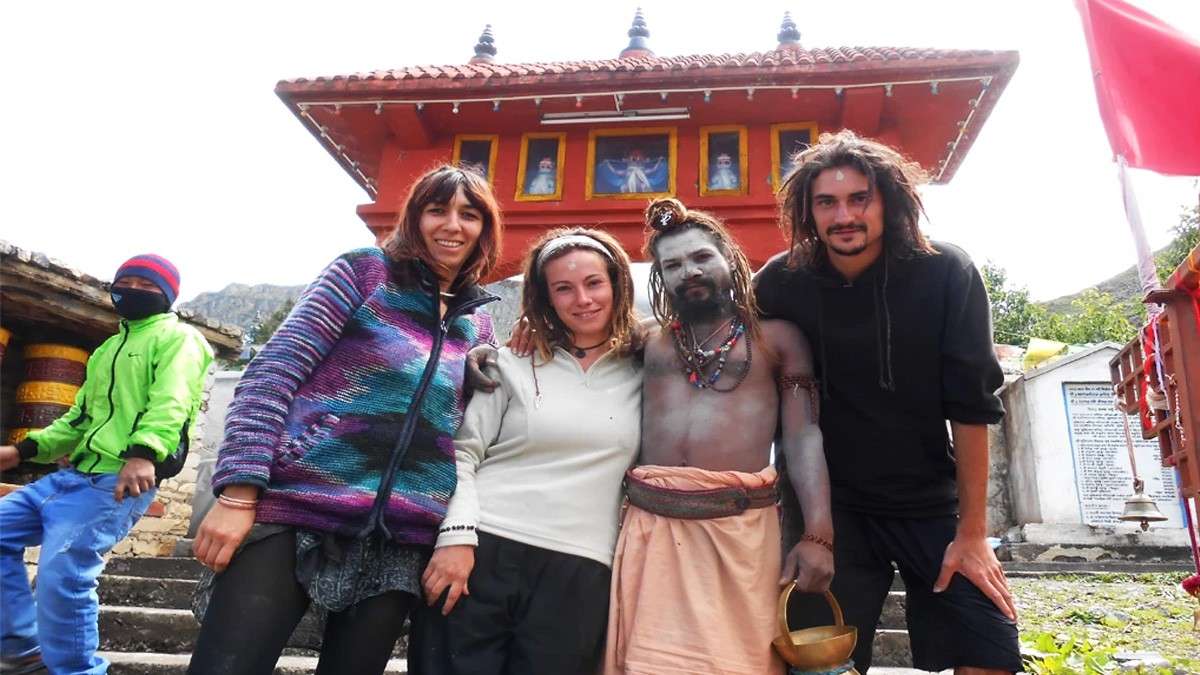
Foreign trekkers with holy baba in Muktinath Temple Nepal
What is extraordinary about Muktinath's history is not just its age, but how it has managed to remain genuinely sacred to two distinct faiths without ever becoming a monument to one over the other.
Hindu priests open the temple each morning and perform the ritual aarti, then hand over care of the shrine to Buddhist priests - known locally as Jhuma or Aani - who remain through the day before Hindu priests return for evening prayers. This handover happens every single day, quietly, without ceremony, as if it were the most natural arrangement in the world. In many ways, it is.
Buddhist nuns called Jhuma or Aani manage the inner shrine through the day. It’s a tradition found nowhere else in Hindu temple culture.
Muktinath Temple- Major Things to Know
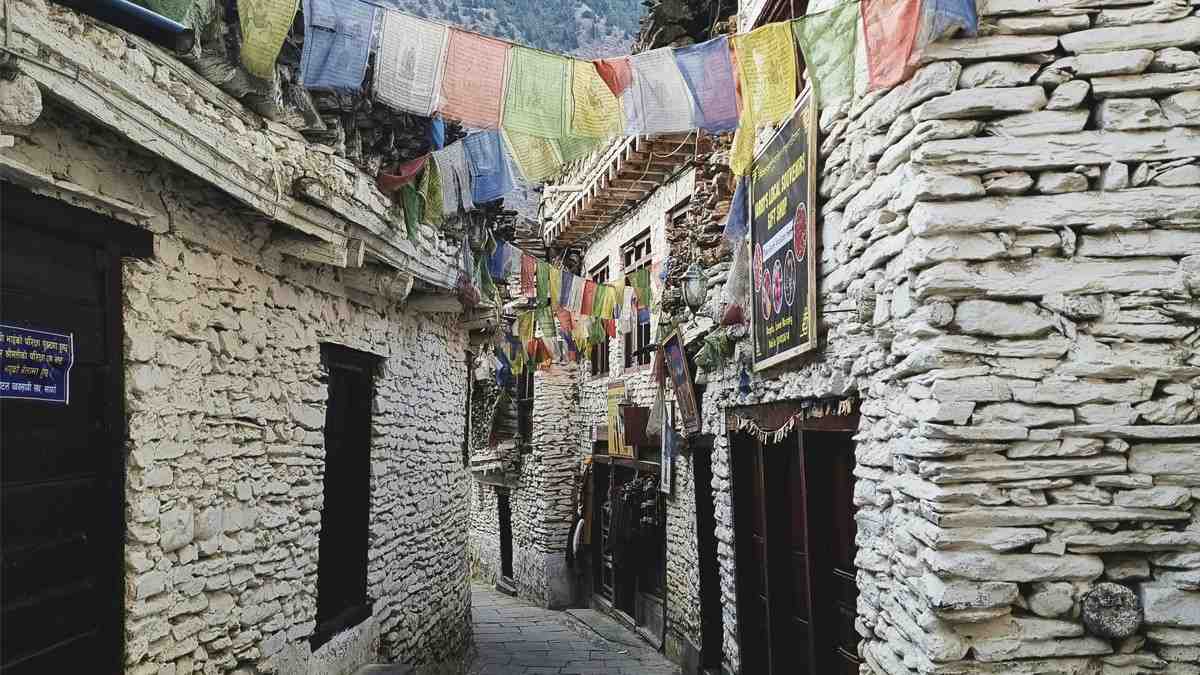
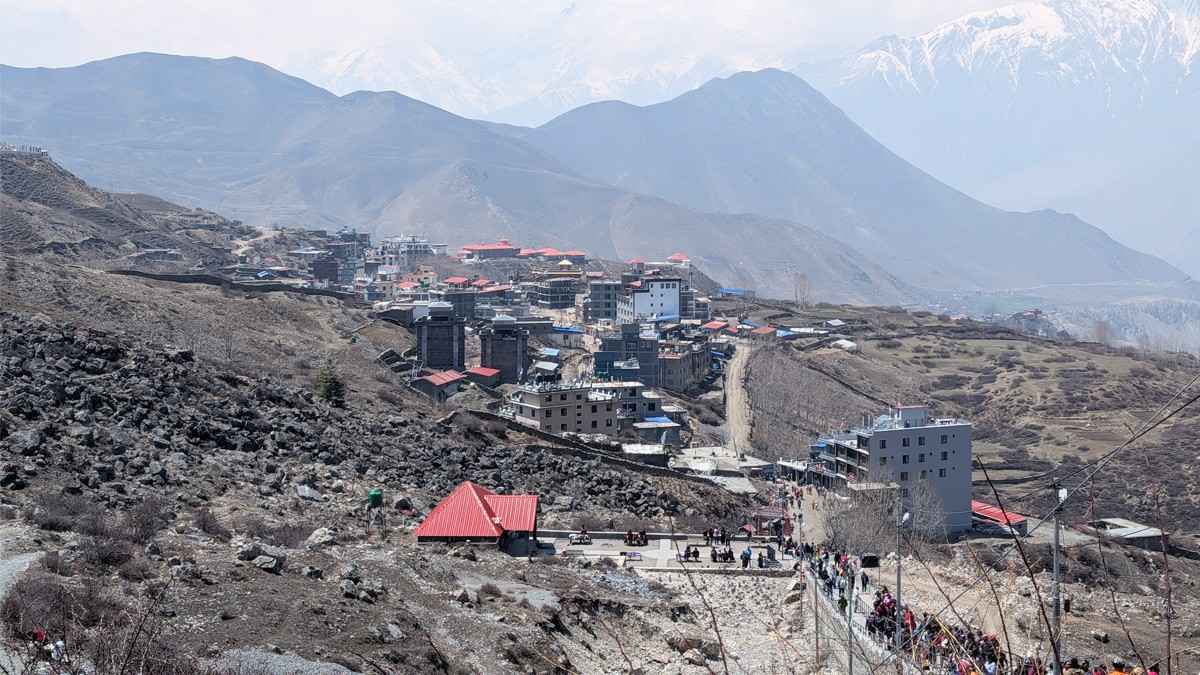
Unique village settlement in Muktinath Area
Here are some of the shocking facts to know about this holy place:
Nepal Muktinath is the highest altitude temple in the world. Its elevation is 3,710 to 3,800 meters (12,172 to 12,467 feet).
Hindus and Buddhists share the same temple daily- no division, no debate, just quiet coexistence practised for centuries.
This is one of the eight Swayam Vyakta Kshetras. Yes, the temple is one of only eight self-manifested shrines of Lord Vishnu in the world. The others include Tirupati and Badrinath.
The temple is a gateway to Upper Mustang. Beyond Muktinath lies Lo-Manthang, the last forbidden kingdom of Nepal. This is still shaped by ancient Tibetan culture and barely touched by modern tourism.
One of 108 Divya Desams, a must-visit site in the Vaishnava pilgrimage circuit. Completing all 108 is considered the highest act of devotion.
Also a Shakti Peetha. According to the Devi Bhagavad Purana, the forehead of Goddess Sati fell here, making it sacred ground in Shaktism too.
Tulsi leaves are placed on every offering here. This is a direct continuation of a myth thousands of years old, still alive in everyday ritual.
Locals believe the Shaligram stones in the Kali Gandaki riverbed are literally alive with divine presence. They are never bought or sold, only received.
The Mustang region follows Tibetan Buddhist customs blended with ancient Bon traditions. Lo-sar festivals, masked dances, and sky burials still happen in villages just beyond Ranipauwa
Prayer wheels line every entrance and pathway. Yes, locals spin them clockwise without breaking stride, the way most people check their phones.
Horses are not just for transport here. But they are woven into the cultural identity of Mustang. Mostly used in festivals, races, and daily mountain life for generations
The wind in the Kali Gandaki gorge is one of the strongest daily winds on earth. You won't believe, the locals have built their entire architecture, farming rhythm, and daily schedule around it.
Older Mustangi women still wear traditional pangden striped aprons and heavy turquoise jewellery. This is not for tourists but because that is simply how they dress.
Apple orchards in nearby Marpha are a source of deep local pride. The apple brandy produced there is offered to guests in the way tea is offered everywhere else in Nepal.
Best travel agencies for Muktinath pilgrimage tours
A Muktinath pilgrimage is not something you hand to just any travel agency. The altitude bites, the roads through Mustang are unpredictable, and the logistics demand someone who knows this region personally, not just professionally. There are many tours and travel agencies in Thamel, Kathmandu, and other places in the country that cooperate with this holy adventure.
Well, Breeze Adventure, located in Thamel, is a veteran in the field. The trekkers, guides, and operators spent years guiding trekkers across nearly every trail in Nepal before building a company around that experience. The company is government-authorised, registered with TAAN, and recognised by Nepal's Ministry of Tourism. So your journey rests on solid, accountable ground.
What makes the company genuinely worth trusting on this route is the detail it puts into the human side of travel. Past travellers consistently mention that guides were knowledgeable, the itinerary was well-planned, and the team handled everything, such as permits, accommodation, and transfers, without the group ever feeling rushed or overlooked. For a pilgrimage to a place as spiritually significant as Muktinath, that kind of care is not a bonus. It is the whole point.
Best time to visit Muktinath Temple
Stunning mountain view in Muktinath Annapurna Tour in spring season
For this religious adventure in Nepal, the best timing matters a lot. Booking this tour package at the right time means you have overcome half of the trek difficulty. Quickly give an eye on the table below to know about the right season.
Season
Months
Muktinath Weather
Ideal for
Spring
March-May
Warm days, clear skies, blooming rhododendrons
Best overall - trekkers and pilgrims both
Summer/Monsoon
June-August
Heavy rain, landslide risk on lower routes
less recommended but doable with the right guidance and preparation
Sweet spot: Mid-March to May and October to early November is normally the right time for this trek. Roads are open, skies are clear, and the Thorong La pass on the Annapurna Circuit Trek is safely crossable.
Muktinath Temperature
Muktinath temperature is best in Spring and Autumn with tolerable nights and warm days. Winter is best if you love the experience of snow falling.
Month
Average High (°C)
Average Low (°C)
Jan
-3°C to 0°C
-19°C to -16°C
Feb
-2°C to 2°C
-15°C to -12°C
March
5°C to 8°C
-8°C to -5°C
April
8°C to 12°C
-5°C to -2°C
May
12°C to 15°C
-2°C to 2°C
June
15°C to 20°C
2°C to 5°C
July
18°C to 23°C
4°C to 8°C
August
18°C to 22°C
4°C to 8°C
Sept
15°C to 18°C
2°C to 5°C
Oct
10°C to 14°C
-2°C to 1°C
Nov
5°C to 9°C
-8°C to -5°C
December
-1°C to 3°C
-14°C to -10°C
What type of specialized trekking gear is necessary for the Jomsom Muktinath trail?
With the right trekking gear, the journey will be smooth and enjoyable on the Jomsom Muktinath trail. Since this place is a part of the Annapurna Circuit, you can also consider the Annapurna Trekking Packing list. Here are some of the highly recommended gears based on my personal experience on this mountain route:
Clothing
Thermal base layers (top & bottom)
Fleece mid-layer jacket
Windproof/waterproof outer shell
Trekking pants + warm leggings
Wool or fleece hat
Sun hat / buff neck gaiter
Lightweight gloves + one warm pair
Wool hiking socks (3–4 pairs)
Footwear
Sturdy ankle-support trekking boots (broken in)
Camp sandals or lightweight shoes
Gear & Equipment
40–50L trekking backpack
Trekking poles
Sleeping bag (rated to -10°C)
Headlamp + extra batteries
Sunglasses (UV400 or glacier grade)
High-SPF sunscreen + lip balm
Health & Safety
Diamox (altitude sickness tablets)
Basic first aid kit
Pulse oximeter
Water purification tablets or a filter bottle
Electrolyte sachets
What permits and documents are required for the Muktinath Pilgrimage Tour?
TIMS card + Annapurna Conservation Area permit
Passport copies
Powerbank (charging points are scarce above Jomsom)
Cash in Nepali rupees (no ATMs beyond Jomsom)
How to reach Muktinath Temple in Nepal?
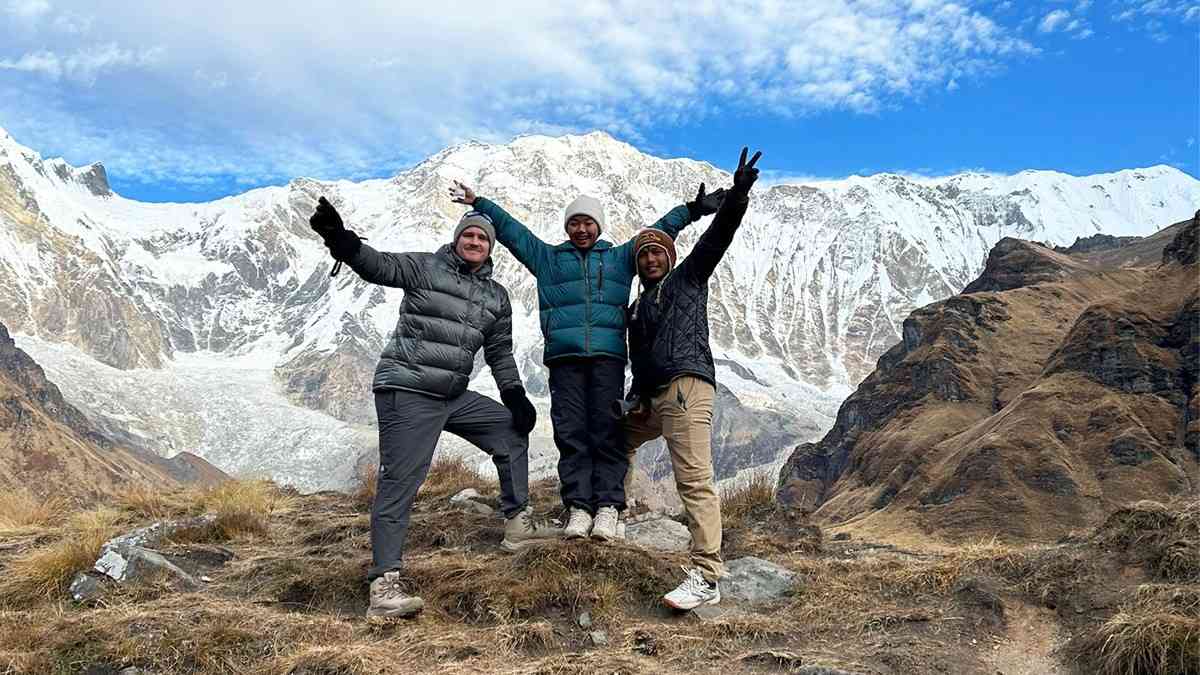
Trekkers enjoying mountain closeness in Muktinath Trail
Getting to Muktinath is part of the experience. The trial tests you before the temple rewards you. Depending on your time, budget, and how much of the Mustang landscape you want to absorb on the way, there are five routes worth knowing.
This is the most popular route. Fly from Kathmandu to Pokhara City, then take an early morning flight to Jomsom. From Jomsom, either hire a jeep or trek the 18 km northeast to Ranipauwa village at the temple base. Total travel time from Kathmandu: 1-2 days.
2. Kathmandu – Jomsom Direct Flight – Muktinath
Seasonal direct flights run from Kathmandu's Tribhuvan Airport straight to Jomsom, cutting out Pokhara entirely. Availability is limited and weather-dependent. So, book early and always have a backup plan.
This is a full overland option. The jeep road from Pokhara through Beni and along the Kali Gandaki gorge reaches Jomsom in roughly 7–9 hours. Dusty, bumpy, and completely unforgettable - the gorge scenery alone justifies the sore back.
4. Annapurna Circuit Trek via Thorong La Pass
The classic Annapurna Circuit crosses the high Thorong La Pass at 5,416 metres, with Muktinath sitting as the spiritual reward immediately after the descent. This 12–18 day route is for serious trekkers who want Muktinath earned, not just reached.
5. Helicopter Tour from Pokhara or Kathmandu
For those looking for a luxury Muktinath trek, this is the fastest and most comfortable option. Ideal for elderly pilgrims, those with limited time, or anyone with health concerns at altitude. The helicopter lands just below the main temple, with around 15 minutes of walking to reach the shrine. A round trip from Pokhara takes roughly two hours.
How to reach Muktinath from Kathmandu?
Since most of the travellers start the journey from Kathmandu to Muktinath, here is a quick breakdown. Have a look:
Kathmandu to Muktinath -Quick Itinerary
Day
Route
Mode
Day 1
Kathmandu - Pokhara
Flight (25 mins) or tourist bus (6–7 hrs)
Day 2
Pokhara - Jomsom
Early morning flight (25 min)
Day 3
Jomsom - Muktinath
Jeep (1.5 hrs) or trek (5–6 hrs)
Day 4
Muktinath darshan + rituals
On foot
Day 5
Muktinath - Jomsom - Pokhara
Jeep+flight
Day 6
Pokhara - Kathmandu
Flight or bus
Add 2–3 days if trekking between Jomsom and Muktinath, or if you plan to explore Kagbeni and the lower Mustang villages along the way.
Important places to visit in the Muktinath Tour Package
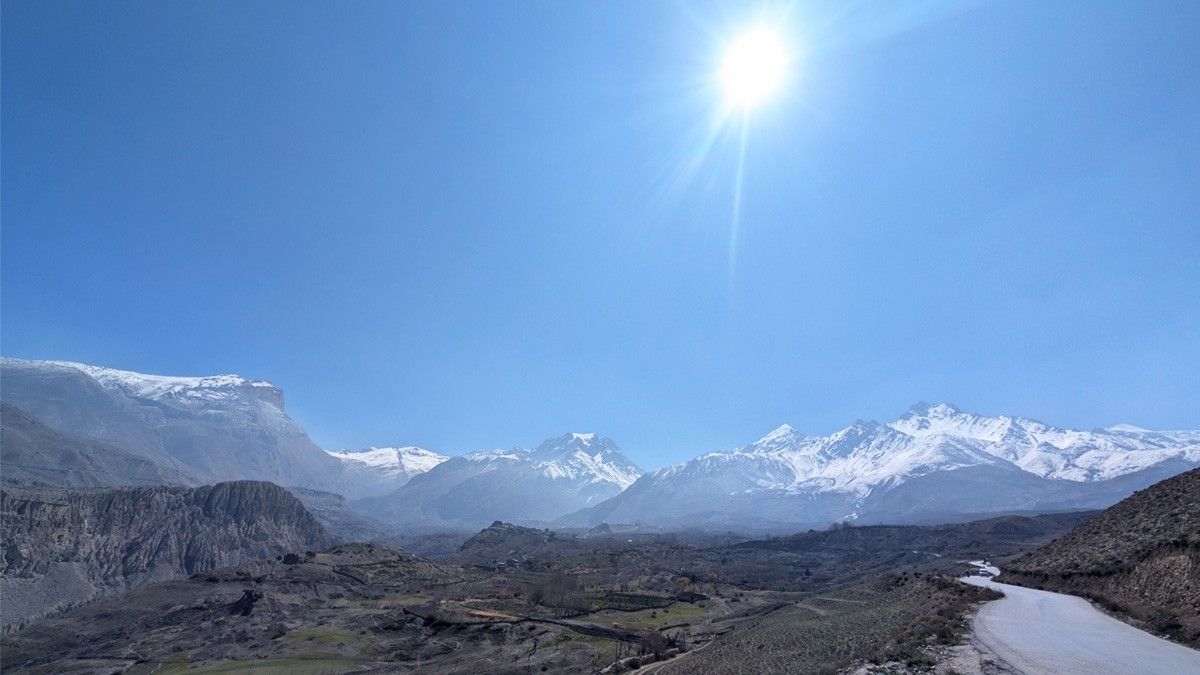
Sunshining bright with mountain view in Muktinath Area in daytime
Let me tell you, Nepal Muktinath yatra is not just about visiting the temple. Here are many other places that are important from both religious and cultural perspectives. Kindly consider the following places in this tour:
1. Muktinath Temple (Vishnu Mandir)
The temple is the heart of the entire pilgrimage. A pagoda-style shrine housing Lord Vishnu flanked by Goddess Lakshmi and Saraswati. The moment you step inside, the sound of chants, the smell of incense, and the cold mountain air hit you all at once. It is unlike any other temple in Nepal.
2. Jwala Mai Temple (Eternal Flame Temple)
Sitting just below the main shrine, this small gompa holds three natural gas flames rising simultaneously from soil, rock, and water. No pipes, no tricks, just fire emerging from the earth. Hindus and Buddhists both consider it a sacred miracle.
3. The 108 Water Spouts (Muktidhara)
A semicircular wall of 108 brass cow-faced spouts, each pouring glacial holy water year-round. Pilgrims bathe under every single one- the ritual is physically brutal at this altitude and temperature, and spiritually unforgettable.
4. Gompa (Buddhist Monastery)
A centuries-old monastery sitting within the temple complex, managed by Buddhist nuns. The painted murals, spinning prayer wheels, and butter lamps burning in the dim light offer a completely different but equally powerful spiritual atmosphere.
5. Kali Gandaki River & Shaligram Beds
A short walk downhill leads to one of the world's deepest river gorges. The black riverbed is the only place on earth where Shaligram ammonite fossils- worshipped as forms of Vishnu- are found naturally. Most pilgrims collect at least one to carry home.
6. Ranipauwa Village
This is a small settlement at the base of the temple complex. Tea houses, local restaurants, and guesthouses line its lanes. After the darshan, sitting here with a bowl of hot dal bhat while the Dhaulagiri range turns golden at sunset is one of those quiet moments that stays with you.
Why do people visit Muktinath?
Muktinath Settlement in Nepal representing local life
Muktinath, the holy temple as well as a major spot on the Himalayan trekking, is important for both religious travellers as well as for adventure seekers. Here are the major reasons, why people do visit this place, have a look:
1. To attain Moksha: To get liberation after death is the most ancient reason people visit this place. Hindus believe a sincere pilgrimage here breaks the endless cycle of birth, death, and rebirth - the ultimate spiritual goal in Hindu philosophy.
2. To complete the Char Dham pilgrimage: Muktinath is considered one of the Char Dhams of Nepal. So, visiting all four is a lifelong religious ambition for millions of Hindu devotees across South Asia.
3. To bathe under the 108 spouts: The ritual purification under all 108 water spouts is believed to wash away past sins and cleanse both body and spirit. People travel from across India and Nepal specifically for this.
4. To trek the Annapurna Circuit: For adventure travellers, Muktinath is the spiritual crown at the end of crossing the Thorong La Pass. Reaching it after days of high-altitude trekking makes the darshan hit differently.
5. To collect Shaligram stones: Devotees consider even a single Shaligram from the Kali Gandaki riverbed a sacred possession. So, keeping one at home is believed to bring the blessings of Lord Vishnu into the household.
6. To experience two religions in one place: Nowhere else in the world do Hindu and Buddhist rituals share the same shrine so naturally and peacefully. Many visitors come purely to witness and understand that harmony.
7. To fulfil a vow or ancestral offering: A significant number of pilgrims come not for themselves but to honour a deceased parent or ancestor. Performing rites here on their behalf is considered deeply auspicious.
8. To find stillness: Not everyone who comes is religious. Many arrive simply because there’s something about this place. Yes, the thin air, the silence between the mountains, the smell of incense against the cold wind. This strips away the noise of ordinary life in a way that nowhere else quite manages.
9. Adventure with amazement: Walking in the Mustang Muktinath temple area is almost like you are travelling in the early eras. The landscape literally makes you feel like you are in a different world. This makes your adventure trip even more exciting.
Things to do in Muktinath Nepal
Mustang Region captured in Muktinath Annapurna Circuit Route
Muktinath tour package offers some of the lifetime memories that also help you grow as a person. Here are many things to do that you can’t experience anywhere on Earth.
Things to do
Why it matters
Bathe under 108 sacred water spouts
Believed to purify the soul and break the cycle of rebirth
Attend morning or evening aarti
Rare chance to witness Hindu-Buddhist rituals share one sacred space
Meditate inside the Buddhist Gompa
Centuries-old monastery with butter lamps, murals, and resident nuns
Seek Shaligram stones at Kali Gandaki
Only riverbed on earth where Vishnu's sacred ammonite fossils are found
Explore Ranipauwa village at sunset
Last inhabited settlement before the high Himalayan wilderness begins
Trek toward Thorong La Pass viewpoint
Panoramic views of Mustang valley and the Tibetan plateau to the north
Visit Kagbeni village
Medieval mud-brick settlement marking the gateway to Upper Mustang
Horse ride up to the temple
Traditional ascent used by pilgrims for centuries, especially the elderly
Additional Queries
What does the name "Muktinath" mean?
Etymology: Derived from two Sanskrit words: Mukti (liberation or salvation) and Nath (lord or master).
The Promise: It signifies the "Lord of Liberation."
Spiritual Significance: It represents the promise that sincere devotion here can grant freedom from the endless cycle of birth and rebirth.
What is the spiritual significance of "Mukti"?
Highest Goal: It refers to moksha, the ultimate objective in Hindu philosophy, releasing the soul from the material illusion known as maya.
Attainability: Muktinath is revered as one of the rare locations where this liberation is considered genuinely achievable through pilgrimage and ritual.
What does the journey mean for a pilgrim?
Beyond Geography: It is not merely a destination on a map, but a powerful declaration of spiritual purpose.
Dedication: Pilgrims often spend years saving and travel from distant regions, enduring the challenging climb to nearly 4,000 meters.
Expectation: The name serves as a guide, promising specific spiritual rewards to those who arrive with an open heart.
What defines the main temple's architecture?
Style: It features classic Nepalese pagoda architecture, characterized by a tiered wooden roof.
Legacy: This style reflects centuries of sacred architectural tradition from the Kathmandu Valley.
Resilience: The structure stands as an ancient, defiance-filled silhouette against the raw, high-altitude Himalayan environment.
Who resides within the inner sanctum?
Central Figure: Lord Vishnu is the primary deity.
Companions: Goddess Lakshmi stands to his left, and Goddess Saraswati to his right.
Guardian: Garuda, the divine vehicle of Lord Vishnu, stands guard at the entrance.
What are the Muktinath temple timings and darshan hours?
The temple opens at 6:00 AM and closes at 8:00 PM daily, with a short break between 12:00 PM and 1:00 PM. Morning darshan between 6:00 and 8:00 AM is the most spiritually significant, the aarti, the thin mountain light, and the near-empty courtyard make it worth setting an early alarm. Evening aarti around 7:00 PM is quieter and equally powerful.
What is the entry fee and permit cost for the Muktinath temple?
The temple itself charges no entry fee- darshan is free for all pilgrims and visitors regardless of religion or nationality. However, you will need an Annapurna Conservation Area Permit (ACAP) costing NPR 3,000 for foreigners and NPR 200 for Nepali nationals, plus a TIMS card if trekking. These are arranged easily in Kathmandu or Pokhara before departure.
Where should I stay near the Muktinath temple?
Ranipauwa village, sitting just below the temple complex, is where nearly all pilgrims and trekkers base themselves. It has a solid range of guesthouses, lodges, and small hotels.
In Muktinath hotels, accommodation is basic but clean, with hot meals available at most establishments. Book ahead during peak season in October and April when rooms fill quickly.
What food is available near the Muktinath temple?
Dal bhat is the staple, and honestly, the best choice at this altitude. Mostly served warm, filling, and endlessly refillable. Most teahouses in Ranipauwa also serve Tibetan bread, thukpa noodle soup, and basic continental options for trekkers.
Carry some energy bars and dry snacks from Jomsom as a backup, since options thin out quickly above the village.
How much does a Muktinath helicopter tour cost?
A helicopter tour from Pokhara to Muktinath and back costs roughly USD 550 to USD 750 per person, depending on the operator and group size. From Kathmandu, the price rises to around USD 800 to USD 950 for a round trip with a short darshan stop included.
This option is increasingly popular among elderly pilgrims, families with young children, and anyone with limited time in Nepal.
How do you perform the 108 spouts ritual at Muktinath?
You walk the semicircular path and step under each of the 108 brass cow-faced spouts in sequence. Allowing the glacial holy water to pour over your head and body at each one. Most pilgrims change into thin white cotton clothes before the ritual and carry dry warm layers to change into immediately after.
Further, the water temperature at this altitude is brutally cold. The entire ritual takes 20 to 30 minutes and is considered one of the most purifying acts a devotee can perform anywhere in the Himalayan pilgrimage circuit.
Should I visit Muktinath or Pashupatinath first?
Most pilgrims and travel experts recommend beginning with Pashupatinath in Kathmandu and ending with Muktinath. The journey mirrors the idea of moving from the known world toward the highest point of liberation.
Pashupatinath grounds you in Nepalese Hindu tradition at the start, while Muktinath at 3,710 metres feels like a natural spiritual culmination. That said, there is no religious rule dictating the order - follow what your itinerary allows.
What puja items should I carry for Muktinath darshan?
Tulsi leaves are the most sacred offering at this shrine - rooted in the legend of Brinda and Lord Vishnu, they hold deeper meaning here than at almost any other Vishnu temple. Flowers, incense sticks, dry fruits, and coconut are also commonly offered.
Most puja essentials are available from small shops in Ranipauwa village if you cannot carry them from Kathmandu or Pokhara.
How difficult is the Jomsom Muktinath trek?
The trail from Jomsom to Muktinath is graded easy to moderate - a steady 5 to 6 hour walk along a well-marked path with manageable elevation gain. The challenge is not the terrain but the altitude, the dry Mustang wind, and the dust on exposed sections of the trail. First-time trekkers in reasonable fitness handle it comfortably with proper acclimatisation and a slow pace.
Can Muktinath be done as part of the Annapurna Circuit trek?
Absolutely, and for serious trekkers, this is the most rewarding way to arrive. The Annapurna Circuit Trekking brings you over the Thorong La Pass at 5,416 metres before descending directly to Muktinath.
Literally, making the temple the first stop after the highest point of the entire route. The emotional and physical weight of that descent into the temple complex is something trekkers talk about for years afterward.
What is there to explore in Upper Mustang from Muktinath?
Muktinath sits at the southern edge of the restricted Upper Mustang region. Making it the natural starting point for those with a special Upper Mustang permit costing USD 500 for ten days.
Beyond lies Lo-Manthang, a walled medieval city with ancient cave monasteries. There are Tibetan-influenced villages and a landscape so stark and otherworldly it barely feels like Nepal anymore. If time and budget allow, extending your Muktinath trip into Upper Mustang turns a pilgrimage into a once-in-a-lifetime journey.
How do I prevent altitude sickness at Muktinath?
Acclimatise properly in Pokhara or Jomsom for at least one night before ascending to Muktinath at 3,710 metres. Rushing the altitude gain is the single biggest mistake first-time visitors make.
Similarly, drink at least three to four litres of water daily, and avoid alcohol completely in the days before and during your visit. Also, carry Diamox tablets after consulting your doctor beforehand.
If you experience persistent headache, nausea, or difficulty breathing, descend immediately, no darshan is worth ignoring those warning signs. Breeze Adventure offers an oxygen cylinder to deal with this situation. This makes for effective management of altitude sickness.
Are there photography restrictions inside the Muktinath temple?
Photography is generally permitted in the outer temple complex, the 108 spouts area, and the surrounding grounds. Inside the inner sanctum, however, photography is restricted out of respect for devotees performing active worship.
You can ask a priest or local guide before pointing a camera anywhere near the main idol. Outside the complex, the landscape around Muktinath is completely open and endlessly photogenic in every direction.
How many days do I need for a Muktinath trip?
A minimum of three days from Pokhara gives you enough time to travel to Jomsom, reach Muktinath, perform the darshan and rituals properly, and return without feeling rushed.
Five to seven days is the comfortable sweet spot, it allows for acclimatisation, a visit to Kagbeni, some time in Ranipauwa, and the journey back at a relaxed pace.
If you are combining Muktinath with the full Annapurna Circuit trek, plan for seven to ten days total.
Is Muktinath safe for solo travellers and female solo travellers?
Muktinath and the Jomsom trail are among the safer trekking and pilgrimage routes in Nepal. This is well-trafficked, clearly marked, and lined with teahouses throughout. Female solo travellers regularly complete this route without incident, though standard precautions apply.
Kindly trek during daylight, stay in established guesthouses in Ranipauwa and Jomsom, and let someone know your daily itinerary.
Travelling with a licensed guide from a registered agency like Breeze Adventure adds an extra layer of comfort, local knowledge, and genuine safety on the mountain roads.
What is the total budget for a Muktinath trip from Kathmandu?
A mid-range Muktinath trip from Kathmandu covering flights, permits, accommodation, meals, and jeep transfers runs roughly USD 600 to USD 900 per person over five to seven days.
Likewise, budget travellers staying in basic teahouses and taking the bus to Pokhara can bring that down to USD 300 to USD 400.
On the other hand, a helicopter-based luxury pilgrimage covering everything from Pokhara can climb to USD 800 per person while from Kathmandu it costs USD 1,250. Also, the cost differs depending on the package and services chosen. The Luxury Annapurna Circuit Trek package also covers this pilgrimage darshan.
Additional tips before you go
Mustang Muktinath temple will be even more enjoyable with the right tips. Kindly consider the following things to make your journey memorable:
Carry cash: ATMs end at Jomsom, and nothing beyond accepts cards
Start the 108 spout ritual at sunrise: fewer crowds, better light, more personal
Layers over bulk: mountain weather shifts from warm to freezing within the same hour
Respect the no-leather rule: leather items, including belts and bags, are not permitted inside the temple complex
Acclimatise before ascending: spend at least one night in Jomsom before pushing up to 3,710 metres
Hire a local guide: trail conditions, cultural etiquette, and permit checkpoints are far easier to navigate with someone who knows them personally
Leave no plastic: Mustang's fragile high-altitude ecosystem has no waste management system; carry everything you bring back down with you
Kishwor Adhikari is a passionate writer with a deep enthusiasm for trekking and adventure. His extensive travels across Nepal, exploring its diverse landscapes and hidden corners, have shaped his unique perspective on the country's natural beauty. With a wealth of first-hand experience in adventure trekking, Kishwor has become a trusted voice for fellow enthusiasts. Through his writing, he shares invaluable insights, offering practical advice and inspiration for both seasoned trekkers and novices alike. His dedication to sharing his journey and knowledge helps others discover the wonders of Nepal's wilderness, making his work an essential resource for anyone seeking adventure in the region.