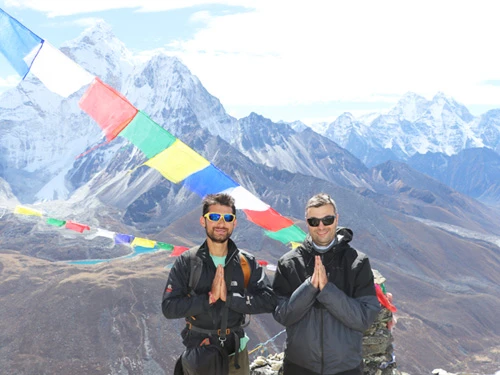
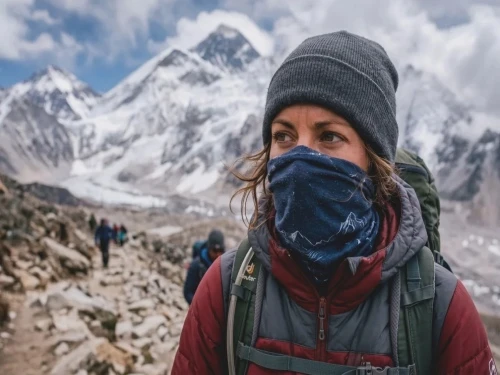
Hidden in the high Himalaya between Phu village and Manang, the Kang La Pass (5,322 m) is one of Nepal’s most spectacular panoramic viewpoints.
It connects the isolated Nar Phu valley to the popular Annapurna region, creating a dramatic transition. From medieval stone villages surrounded by yak herders to the enormous ice walls of Annapurna II, Gangapurna, and Tilicho Peak.
For trekkers seeking raw mountain drama, Kang La is the moment when Nar Phu suddenly opens into the wider Himalaya.
Table of Contents
Where Kang La Pass Is Located
Kang La sits on the natural border between Nar and Manang. It is the only high route linking the hidden valley with the main trail of the Annapurna Circuit. The pass rises above Nar village, climbing through rocky slopes, glacier-fed streams, and windswept ridges.
From the top, the landscape changes instantly. Nar Phu’s deep, remote valley lies behind you, and the white giants of Annapurna fill the horizon ahead.
Why Kang La Is Nepal’s Most Beautiful Viewpoint
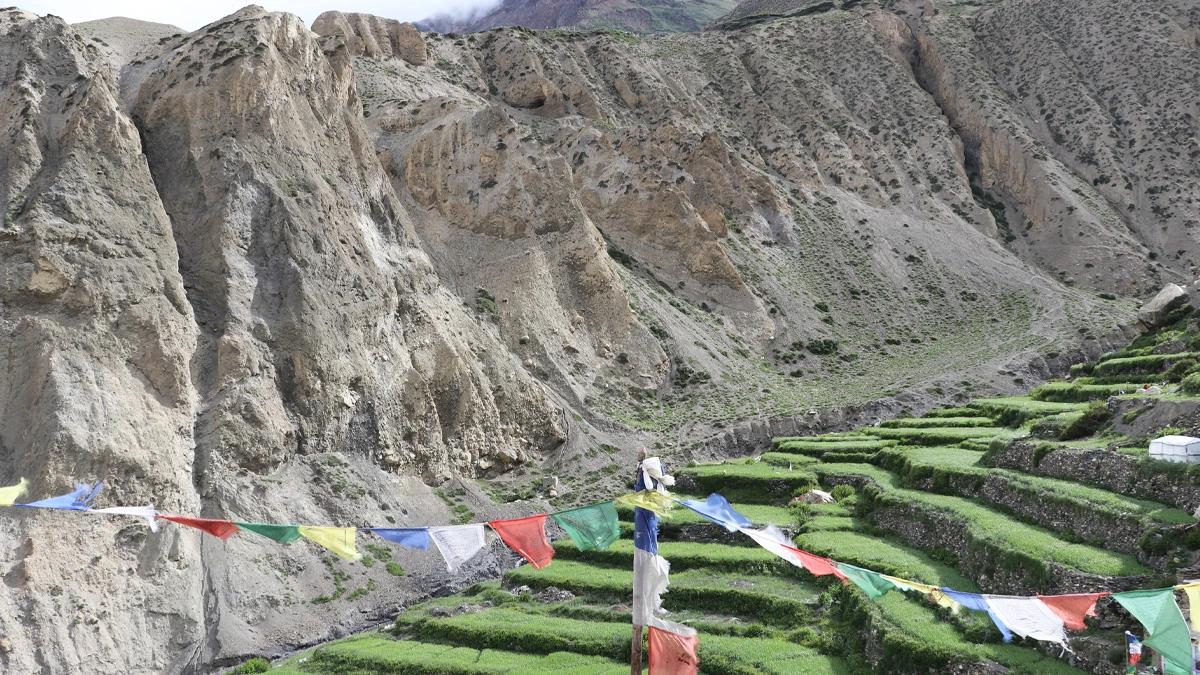
Beautiful view in Kang La Pass, Nar Phu
Several Himalayan passes offer stunning views. But Kang La is special because of its shape, angle, and 360° panoramas in one location.
From the summit ridge, you see:
Annapurna II rising like a white wall.
Gangapurna glowing in morning light.
Tilicho Peak standing sharp over the glacier basin.
Lamjung Himal stretching to the east.
Moraines, frozen lakes, and a massive glacier plateau.
The entire Nar Phu valley behind you.
This combination creates one of the best viewpoints in Nepal. Especially at sunrise, when the shadows of the giants stretch across the valley.
What It Feels Like to Cross Kang La Pass
The experience is pure Himalayan emotion. The climb starts in darkness with headlamps under a sky full of stars. The air is thin and cold, boots crunch on frozen scree, and the sound of the wind is stronger than conversation.
At the top, clouds rise from the valley like sea waves. There is silence: no road, no village noise, no crowd. Many trekkers sit quietly, letting the view absorb them. It is common to see prayer flags dancing against a backdrop of 8,000-meter peaks, a timeless mountain scene.
Trekking Route to Kang La Pass
Standard route: Nar → Kang La Pass → Ngawal
Start: Nar village (4,110 m)
Ascent: gradual moraine then steep final slope
Summit: Kang La Pass (5,322 m)
Descent: long trail down to Ngawal (3,660 m)
The descent is one of the most beautiful trails in the Himalaya. The mountain amphitheater opens like a giant window, huge white peaks, blue sky, and glacier lines falling into alpine valleys.
Planning a Nar Phu Valley Trek? Watch the full trekking video to experience the raw trail, isolated villages, and authentic Tibetan culture before booking. Filmed on location by Breeze Adventure’s trekking team.
Best Time to Cross Kang La Pass
The best seasons are the same as the wider restricted trekking in Nepal:
Autumn (Sept–Nov)
Clear skies
Stable snow conditions
Warm sun, cold nights
Cultural season in Nar & Phu
Best photography
Spring (March–May)
Warmer mornings
Fresh snow at the top
Colorful valley flowers
Slightly higher wind
Winter
Deep snow blocks the pass
Not recommended without alpine gear
Monsoon
Monsoon season makes the road drive to Nar Phu a little risky due to unstable weather and landslides.
However, this time brings a beautiful cultural atmosphere in the valley, with local festivals, village celebrations, and authentic Himalayan life.
Elevation Profile and Difficulty
Kang La rises above 5,300 meters, making it a serious high pass. The ascent is not technical, but the altitude makes it challenging.
Elevation Facts:
Nar Village: 4,110 m
Kang La Pass: 5,320 m
Elevation Gain: +1,212 m
Descent to Ngawal: –1,662 m
The long descent can be harder than the climb, especially on tired legs. This is why many trekkers start very early, reaching Ngawal by afternoon. Please don’t forget to carry your trekking pole for this day.
Safety and Acclimatization
Because Kang La is the highest point of the Nar Phu trek, proper acclimatization is essential.
Safety Tips:
Spend at least two nights between Phu and Nar
Drink 3–4 liters of water daily
Avoid alcohol before the pass
Sleep early before the climb
Use trekking poles on descent
Further, guides monitor breathing, pace, and symptoms. Oxygen, oximeter checks, and knowledge of AMS signs create a safe experience.
Culture Along the Route
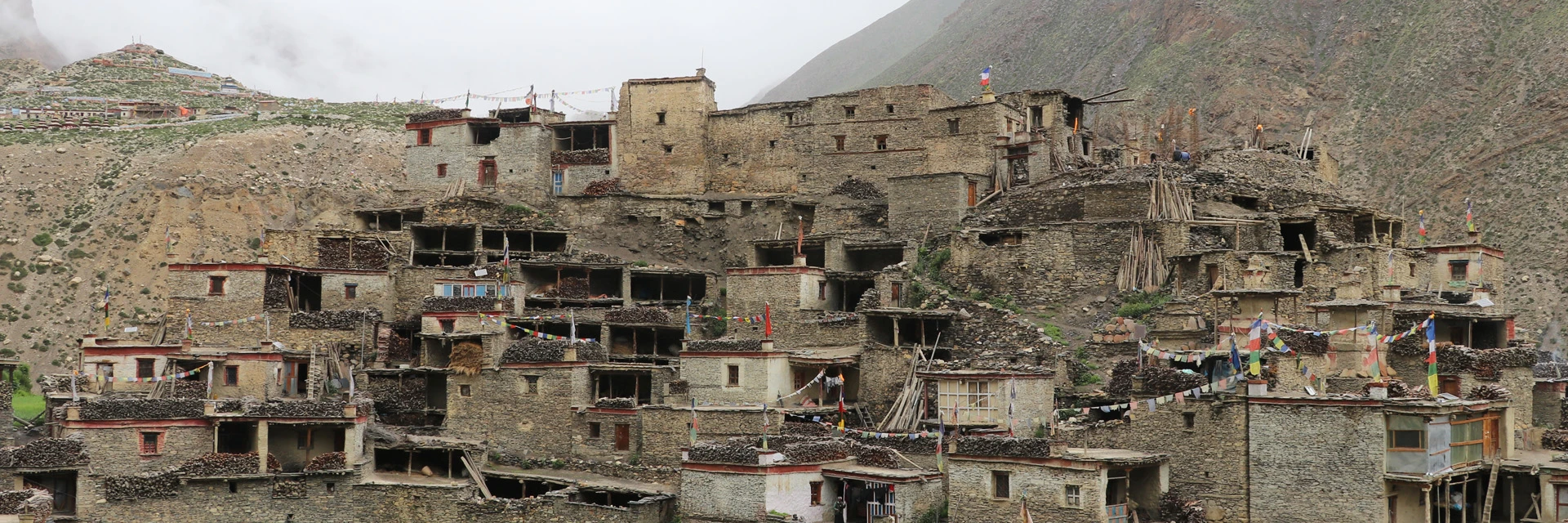
The beauty of Kang La is not only the mountain panorama. It’s the cultural contrast you experience in a single day. You begin in the hidden valley where stone houses sit close together. Connected by narrow alleys designed for warmth and protection. Yak caravans return from high pastures, monks chant inside old monasteries, and Tibetan Buddhism shapes daily life, decisions, and festivals. The community follows traditions that have survived centuries of isolation.
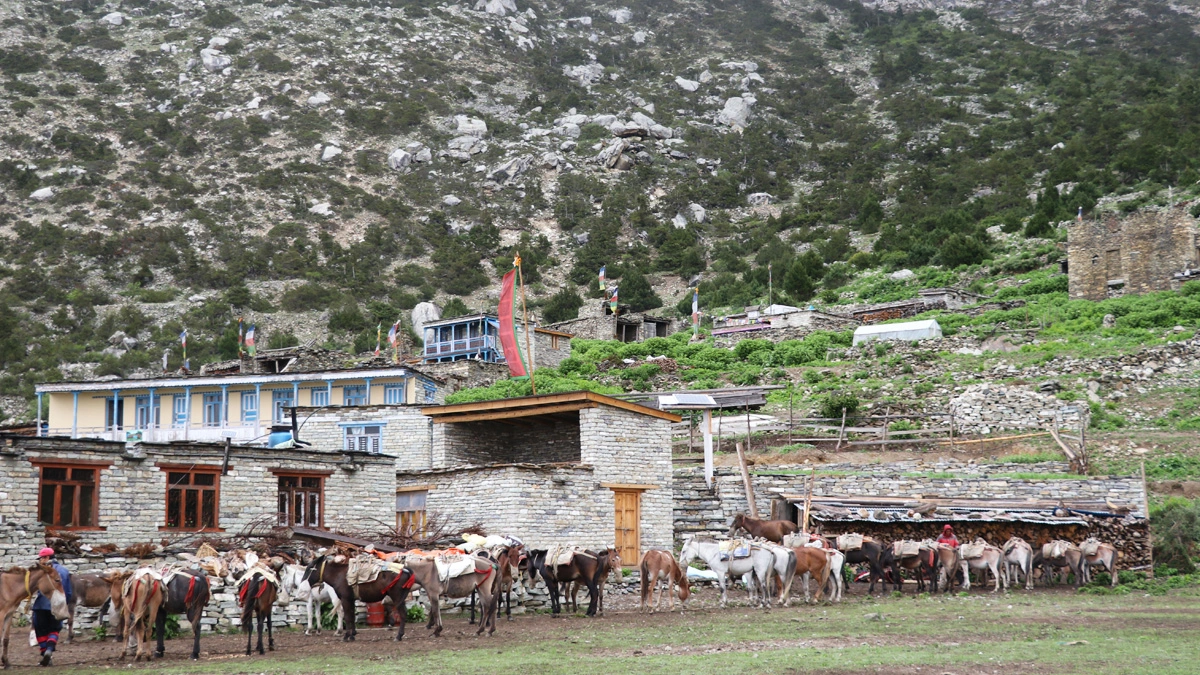
Horses standing strong at Kang La Pass route
Then, within a few hours of crossing the pass, you descend into Manang. It is one of Nepal’s most comfortable trekking hubs with bakeries, lodges, Wi-Fi, warm cafés, and modern comfort. This sudden shift between worlds shows how geography shaped culture. One valley stayed remote and preserved, while the other opened to trade, tourism, and influence.
Walking through Kang La lets you feel how history and the mountains themselves separated two Himalayan civilizations for hundreds of years. Nar Phu Vs. Tsum Valley trek further talks about cultural differences in the Himalayan region of Nepal.
Photography Tips from the Summit
Some tips from experienced trekker actually means a lot when it comes to get perfect click. You can consider the Nar Phu Photography guide for Kang La Pass, as it is a part of the Nar and Phu Villages Trek.
Best time: Sunrise
Mountains glow gold
Ice walls reflect first light
Shadows create dramatic lines
Clear wind removes clouds
Best lenses:
Wide-angle (14–24 mm) for landscape
Telephoto (70–200 mm) for close peaks
Frames to capture:
Prayer flags with Annapurna II
Gangapurna’s ice basin
Tilicho Peak dominating the skyline
Trekker silhouette against glacier
Polarizing filters help capture deep sky colors and snow contrast.
Weather Conditions on Kang La Pass
The pass is known for strong winds after 10 AM. Cold air from glaciers rises fast, creating sudden gusts.
Morning: –8°C to –12°C (autumn)
Midday: 2°C to 6°C (sunny)
Wind: 30–60 km/h
Snow condition varies. After heavy snowfall, the upper section can be difficult without previous trail marks. Nar Phu Vs. Annapurna Circuit Trek gives you clearer info on further weather details.
Permit Requirements for Kang La Pass
Kang La is part of restricted trekking Nepal, so a licensed guide is mandatory.
Required permits:
Restricted Area Permit (Nar Phu)
ACAP (Annapurna Conservation Area)
TIMS (if applicable under current policy)
Please note that permits are issued only through registered Nepali agencies. Getting Nar Phu Valley trek permits is enough, as this pass is a part of the Nar Phu journey.
Who Should Trek Kang La Pass?
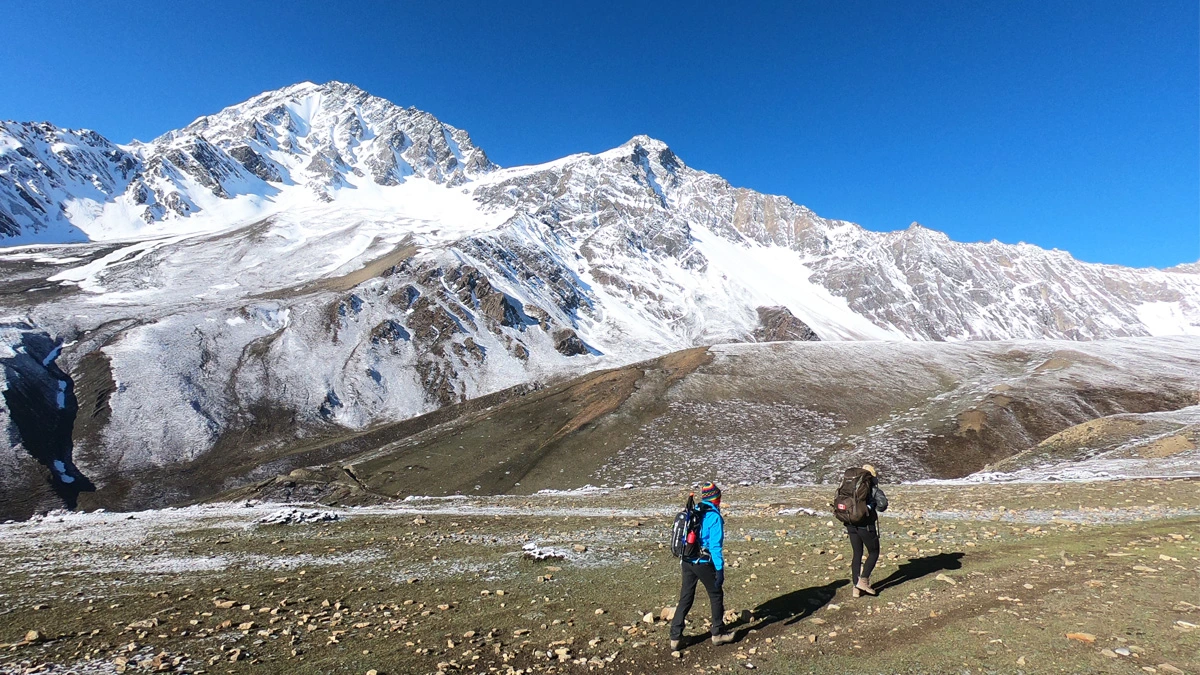
Trekkers heading towards Kang La Pass
Kang La is best suited for trekkers seeking a hidden valley trek in Nepal, where the journey is as much about cultural immersion as it is about mountain views. It appeals to those who want to experience the raw beauty of remote Himalayan life while crossing a serious high pass that doesn’t require technical climbing skills.
The route is perfect if you want to combine the quiet isolation of Nar Phu with the classic highlights of the Annapurna Circuit, ending the trek at one of the best viewpoints in Nepal. Kang La is less suitable for travelers who expect luxury lodges, flat trails, or constant comfort. The experience is simple, rugged, and deeply rewarding for trekkers who love authentic mountain adventure.
My Personal Experience on Kang La
I still remember my first sunrise at Kang La. Before dawn, the mountains were only black silhouettes against a cold sky. Then the light changed, slowly, the peaks turned silver, and within minutes they glowed pure gold. The shadow of Annapurna II stretched across the valley like a giant pyramid of light.
Below us, a yak caravan moved along the glacier edge, tiny dark dots crossing an endless world of ice and stone. Standing on the ridge, I could see two valleys at once: the wild silence of Nar Phu Valley on the left, and the wide open Manang Valley on the right. In front, the Annapurna mountains looked like a painting made by snow and sunlight.
Everyone in the group stood quietly. No one spoke. We didn’t need words, the Himalaya talked to us through color, wind, and silence. It’s a moment that stays in my heart forever.
Tips for a Successful Kang La Crossing
A successful Kang La crossing begins with good timing. Most trekkers start between 4-6 AM, depending on their walking pace, so they can reach the ridge at sunrise and avoid strong winds later in the day. Consider Nar Phu Trek difficulty to know more about the difficulties and tips in this area.
Carry two liters of warm water because cold temperatures make drinking less frequent, yet dehydration is common at high altitudes. A windproof jacket and warm gloves are essential, the pass can be extremely cold even in peak season.
Although the route is non-technical, it is always wise to carry microspikes. Especially for the steep descent toward Ngawal village, where snow and frozen scree can make footing unstable. Eat a good meal the night before the climb, and pack energy snacks for the long downhill, as there is no teahouse between the pass and Ngawal.
Above all, maintain a slow and steady pace, allowing your body to adapt to the altitude and ensuring an enjoyable, safe ascent.
Conclusion
Kang La Pass is not just a high point on a map, it is the moment where the Nar Phu valley ends, and the Annapurna giants begin. The view from the ridge is one of the most powerful panoramas in Nepal. Mountains rising like frozen waves, glaciers hanging over blue sky, and a silent valley stretching far behind.
Kishwor Adhikari is a passionate writer with a deep enthusiasm for trekking and adventure. His extensive travels across Nepal, exploring its diverse landscapes and hidden corners, have shaped his unique perspective on the country's natural beauty. With a wealth of first-hand experience in adventure trekking, Kishwor has become a trusted voice for fellow enthusiasts. Through his writing, he shares invaluable insights, offering practical advice and inspiration for both seasoned trekkers and novices alike. His dedication to sharing his journey and knowledge helps others discover the wonders of Nepal's wilderness, making his work an essential resource for anyone seeking adventure in the region.