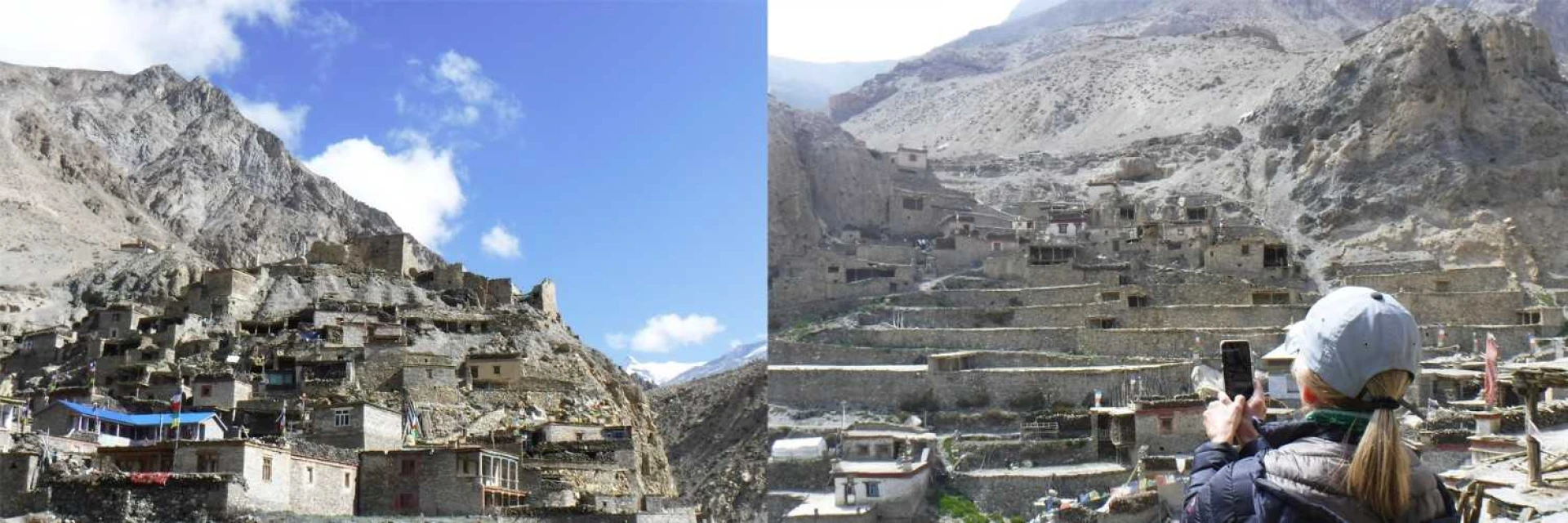
Nar Phu Trek photography is not about perfect roads or easy viewpoints. It is about walking into a quiet part of the Himalayas where very few people go. Nar Phu Valley Nepal, sits hidden behind the busy Annapurna region, with dry cliffs, deep gorges, and old stone villages. The light here feels raw. Mornings are cold and silent. Even simple scenes like prayer flags, yaks, or village walls turn into strong photos because nothing looks staged.
What makes the Nar Phu Valley trek one of the true hidden trekking routes Nepal offers is the feeling of distance from crowds. Unlike Annapurna or Manaslu, there are no long lines of trekkers or loud teahouses. The villages of Nar and Phu still follow old Tibetan culture. For photographers, this means real moments, not tourist scenes. You don’t rush. You wait. And when the mountains open up, the photos feel earned, not copied.
Table of Contents
Why Nar Phu Valley Is a Photographer’s Paradise
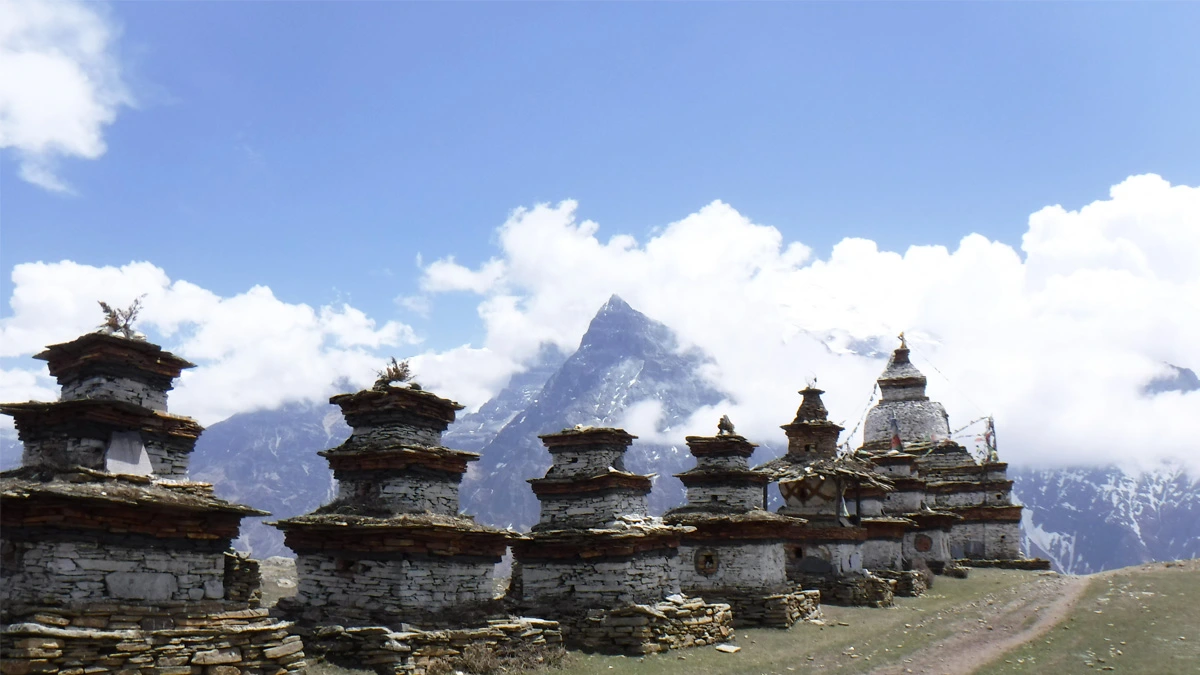
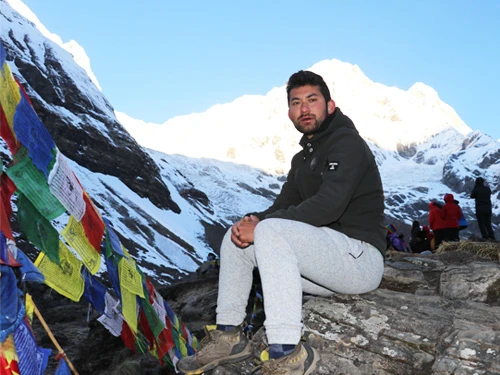
Beautiful Stupa along the Nar Phu Valley Trekking Trail
The Nar Phu valley trek in Nepal is one of the finest remote Himalayan beauties you can ever experience. Located between the Annapurna and Manaslu mountains, this valley offers breathtaking natural beauty. You can’t help but capture the moments on your device.
Untouched landscapes everywhere
The Nar Phu Valley landscape feels wide and empty in the best way. No roads. No hotels. Just dry hills, narrow trails, and open sky. For Himalayan photography Nepal, this kind of space gives photos a calm and powerful look.
Ancient villages that feel frozen in time
Villages in this remote trekking Nepal region are built from stone and mud. Walls are rough. Doors are small. Nothing is polished. These details add depth and story to every frame you capture.
Strong Tibetan culture in daily life
Prayer flags, mani walls, and spinning prayer wheels are part of the daily routine here. You don’t need to search for culture. It is already there, moving quietly with the people.
Old monasteries in dramatic locations
Monasteries sit above villages or against cliffs. Early morning or late afternoon light makes them glow softly. These are moments where patience matters more than gear.
Raw Himalayan terrain
This is not a soft green landscape. It is dry, rough, and sharp. The land looks honest. For photographers, this raw terrain creates strong contrast and mood. Similarly, the Nar Phu Valley accommodation and food in such raw trail are something capture worthy. They are not just unique but reflect the history of centuries.
Dramatic light that changes fast
Clouds move quickly in Nar Phu. Light shifts within minutes. One moment flat, next moment golden. If you stay alert, the valley rewards you with rare shots.
Best Time for Nar Phu Trek Photography
The best time for Nar Phu Trek photography is when the sky is clear, and the mountains show their full beauty. Spring and autumn are the most popular seasons, offering crisp light and colorful landscapes. Winter and monsoon are harder, but they can give unique snow or moody cloud shots.
The right trekking photography gear helps making journey smooth. With camera gear for the Himalayan trek in your Nar Phu Trek packing list, you can capture the best memories. Consider the following camera gear:
DSLR vs Mirrorless for high altitude
Wide-angle lens for landscapes
Short telephoto / 50mm lens for portraits
Zoom lens (optional, lightweight)
Extra batteries for cold weather
Spare memory cards
Camera rain cover or protective bag
Lens cleaning kit
Tripod (lightweight, foldable)
Camera strap or harness for trekking
Best Photography Spots on Nar Phu Trek (Day-wise)
The Nar Phu Trek route consists of the best places to photograph Nar Phu.
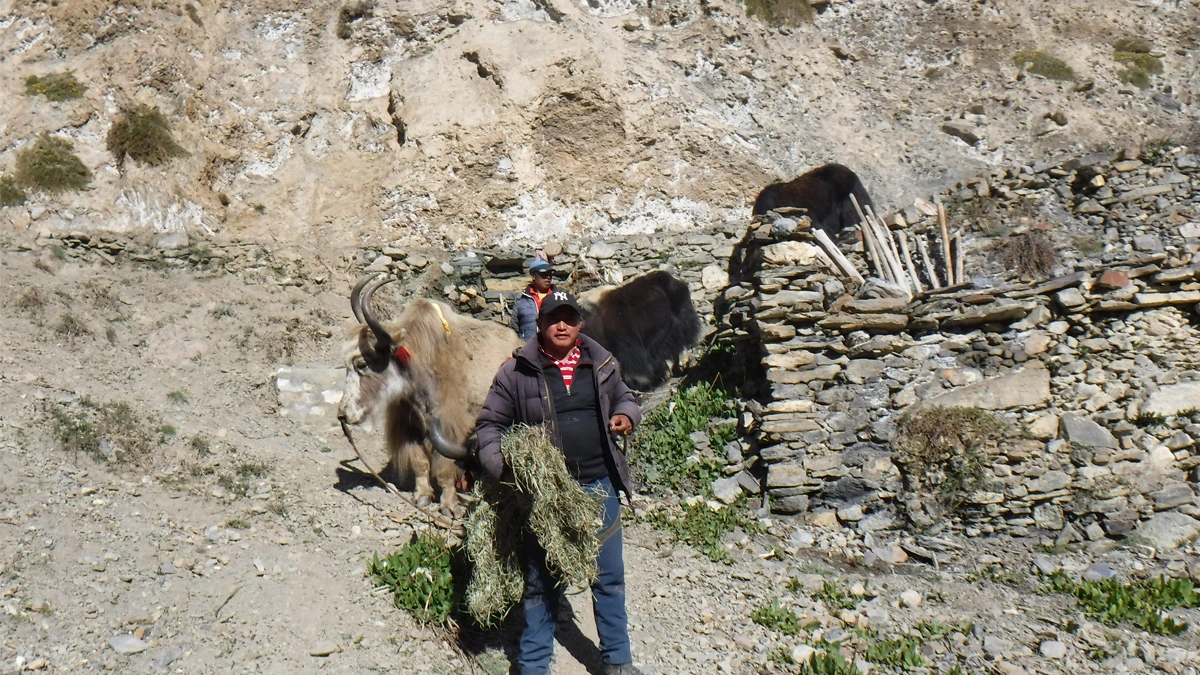
Lovely picture showing traditional lifestyle in Nar Phu Valley trek
Here is a quick look at the Nar Phu Trek itinerary along with major photographic opportunities, check out:
Meta Village & Kyang Village
Meta Village Nar Phu is famous as a quiet and untouched village.
Here are traditional stone houses and narrow trails.
Kyang Village photography is something you cannot skip. Best time for taking pictiures include the early morning life shots.
Focus on soft golden light on walls and paths for great quality photos.
Phu Village – The Iconic Photo Location
Phu Village Nepal is popular for the cliffside houses
You will see an ancient monastery in the village center
Further, Phu Gaon photography highlights the village life and landscapes
Golden hour shots from nearby hill viewpoints are the right photography tip.
Nar Village & Surrounding Valleys
Nar Village Nepal is wide open landscapes. You will love the unusual appearance of this area.
Nar Phu Valley photos mostly cover colorful prayer flags around monasteries.
This is the best sunrise spots for soft light
It is also one of the best sunset spots for dramatic sky photos. You will surely love it.
Despite the Nar Phu Valley trek difficulty, the scenic beauties support stunning photography and unforgettable memories. You will surely love them.
Kang La Pass (5,306m)
Kang La Pass (5,306m) is a snow-covered Himalayan panorama. You can click insane images here.
It is also famous as the High pass trekking Nepal. You will see rugged trails and stunning views for taking photos.
Kang La Pass photography can be clicked often in wide-angle shots for landscapes.
Similarly, follow telephoto composition tricks for distant peaks and details.
Cultural & Portrait Photography in Nar Phu
Nar Phu Valley is actually a hidden gem that lets you experience a very unique Himalayan culture. Here, you can capture some of the best cultural portraits for lifelong memories.
Major things to do here include photographing locals respectfully. It is better to always ask before taking pictures of people
You can capture traditional dress, yak herders, and monks in their daily activities
Further, you can show Tibetan culture Nepal through small village rituals and festivals through your photography.
Follow ethical photography guidelines by avoiding disturbing daily life or sacred sites.
Focus on candid moments such as children playing, farmers at work, and daily chores
Include surroundings, mostly stone houses, prayer wheels, and narrow village paths for context
Use natural light often; mornings and evenings give soft, warm tones for portraits
Blend people and landscape. Kindly scale with mountains or fields in the background.
Landscape Photography Tips for High Altitude Trekking
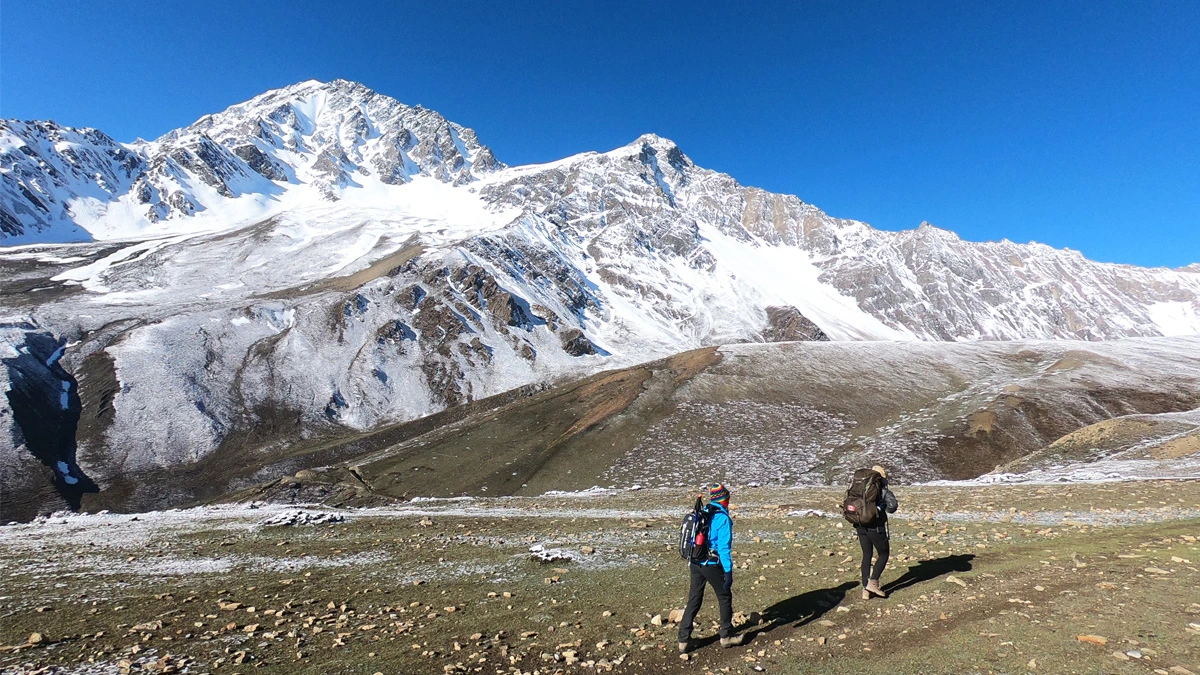
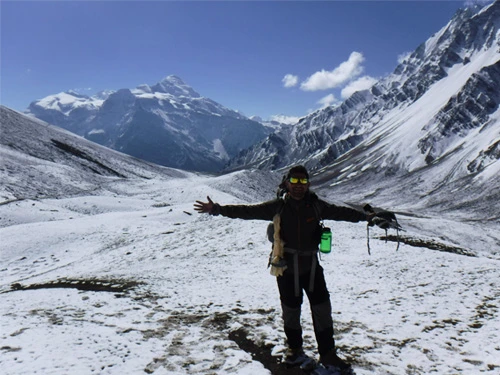
Trekkers heading towards Nar Phu Valley enjoying close views of snow
For high altitude trekking in this valley, you can use landscape photography. For better photo quality, consider the following tips:
Pay attention to light, shadows, and clouds in the Himalayas. They change fast and create drama.
Experiment with composition in valleys and mountain passes. This leads to lines and natural frames working well.
Include people or yaks in your shots. They give scale and life to vast landscapes.
It is better to shoot during golden hours. Mostly, sunrise and sunset add warmth and depth to the mountains.
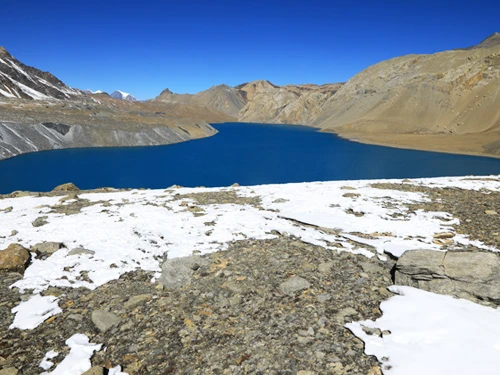
Look for reflections in streams or lakes. These small water bodies make unique landscape shots
Use foreground elements like rocks, flowers, or prayer flags to add depth.
Don’t be afraid to move. Actually, the higher or lower angles can completely change the scene
Capture weather variations. Mist, clouds, or snow give mood and story to your photos.
These tips are applicable to highly demanding areas such as the Everest Base Camp trek. Most of the Himalayan trekkings in Nepal commonly share tips and preparation ideas.
Drone Photography Rules in Nar Phu Valley
Let’s know about the drone photography rules in this valley trek.
Nepal drone regulations for trekking areas are strictly implemented. So, you can check local rules before flying.
Drones are restricted in Nar Phu Valley. This is to protect culture, wildlife, and safety.
Further, you need a special Nar Phu drone permit for legal use.
You can also consider the alternatives for aerial-style shots. For this, use high viewpoints, hilltops, or trekking ridges.
Wide-angle lenses can mimic drone perspectives without breaking rules.
Early morning or late afternoon shots give the same dramatic effect as aerial shots.
Always respect locals and sacred sites when framing aerial-style images.
Carry a lightweight tripod or monopod to get elevated shots safely.
Having a basic idea about the drone permits in Nepal further helps in planning this trek. With the required permission of local authorities, you may fly a drone in some specific areas of Nepal.
Mobile Photography Tips for Nar Phu Trek
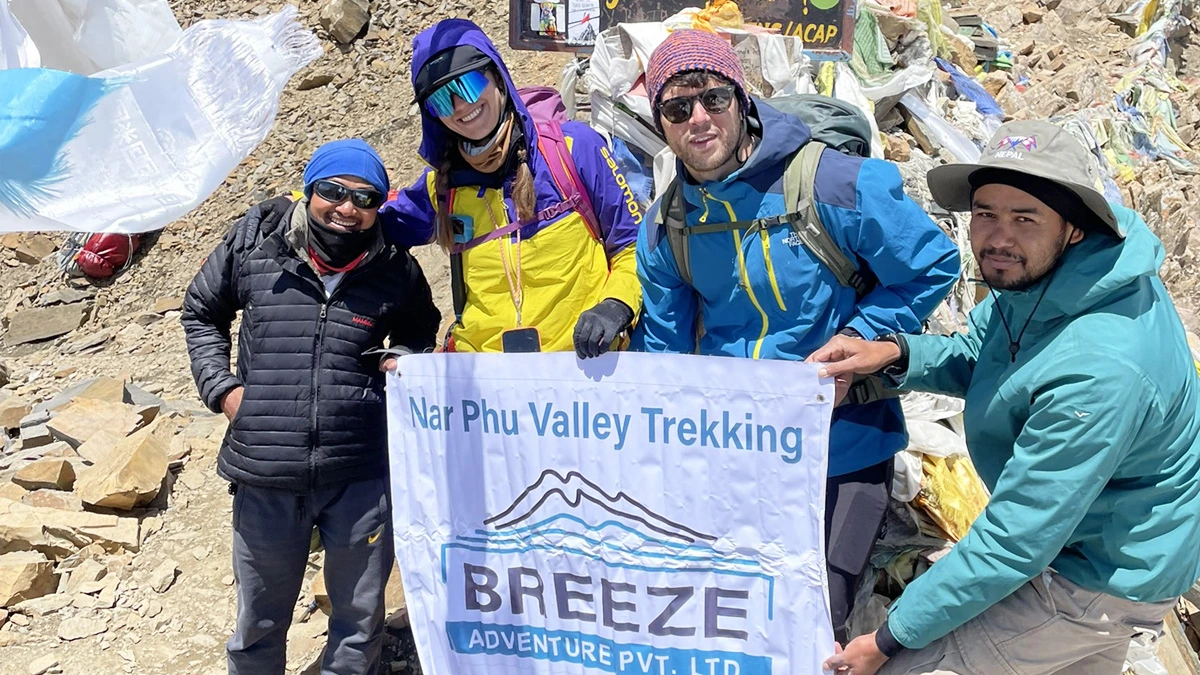
Nar Phu Valley trekking with Breeze Adventure team
These days, mobile photography is more in trend than a camera. Thanks to high-quality phones and the advancement of smartphones. Follow the tips below for a better mobile photography experience:
Use the best phone camera settings. HDR on, grid lines for composition, and exposure adjusted for mountains
Experiment with focus and light. For this, tap to focus and lock exposure for tricky scenes
Consider editing apps for travel photography. Such as Snapseed, Lightroom Mobile, and VSCO work well for quick fixes.
Protect phones in cold weather. You can keep them close to your body to prevent battery drain.
Use a small tripod or phone holder for stable shots on trails
Clean the lens often - dust and smudges reduce sharpness in bright sunlight
Capture wide landscapes with panorama mode for dramatic views
Take multiple shots, mobile cameras handle bursts well for moving subjects like yaks or villagers
Photography Challenges on Nar Phu Trek
Remote valleys like this often require caution and proper guidance. Photography in this region brings many challenges along with opportunities. You may come across with the challenges given below:
Cold temperatures and battery drain
Batteries die faster in the freezing Himalayan air, so you need spares and warm pockets. Even your phone struggles in low temperatures.
Limited charging facilities
Guesthouses and teahouses in Nar Phu are small, with few or no electricity points. Charging your camera or phone can be tricky, so plan ahead.
Managing weight vs gear needs
Carrying too much camera gear can make trekking harder at high altitude. You have to balance between getting the perfect shot and staying light.
Rough trails and altitude
Trails are steep and rocky. Every step can shake your camera. High altitude also tires you faster, affecting your focus and patience.
Changing weather conditions
Clouds, fog, or sudden snow can ruin planned shots. You need to be flexible and ready to wait for light or clear skies.
Keeping gear safe
Dust, mud, or unexpected rain can damage cameras. You must protect lenses, tripods, and bags while trekking through narrow trails and villages.
Responsible & Sustainable Photography
Responsible and sustainable photography trek is a current need for the world. Similarly, in this remote Himalayan route, you can also follow such practices:
Follow Leave No Trace principles
This is a smart move to follow in sustainable tourism. For this, don’t leave trash and avoid damaging trails. This helps to minimize your impact on nature.
Respecting culture and sacred sites
Always keep in mind that culture is the identity and dignity of local people. So, it is better not to touch prayer flags, stupas, or monasteries without permission.
Ask before photographing people
Though it’s not compulsory, always getting consent is necessary to photograph people. Especially for children or monks.
Support local communities
You can hire local guides, eat at village teahouses, and buy handmade crafts. This supports the community livelihood. Also helps to minimize plastic waste due to readymade snacks.
Avoid disturbing wildlife
You can keep a safe distance from animals and don’t feed them. Just enjoy them from a distance and kindly take pictures.
Use sustainable gear practices
It is better to carry reusable water bottles, avoid disposable batteries, and protect electronics responsibly
Share responsibly online
You can also contribute to sustainable photography by sharing your experience online. Give proper context, respect privacy, and highlight the culture and environment positively.
Final Thoughts: Is Nar Phu Trek Worth It for Photographers?
Nar Phu Trek is a hidden gem for photographers who love quiet trails and real Himalayan life. This trek is best for those who enjoy patience, dramatic landscapes, and capturing culture without crowds. For serious photographers, every village, valley, and pass offers unique light and moments that feel earned. From my experience, the effort is worth it - the valley stays in your memory long after the photos are taken.
Kishwor Adhikari is a passionate writer with a deep enthusiasm for trekking and adventure. His extensive travels across Nepal, exploring its diverse landscapes and hidden corners, have shaped his unique perspective on the country's natural beauty. With a wealth of first-hand experience in adventure trekking, Kishwor has become a trusted voice for fellow enthusiasts. Through his writing, he shares invaluable insights, offering practical advice and inspiration for both seasoned trekkers and novices alike. His dedication to sharing his journey and knowledge helps others discover the wonders of Nepal's wilderness, making his work an essential resource for anyone seeking adventure in the region.