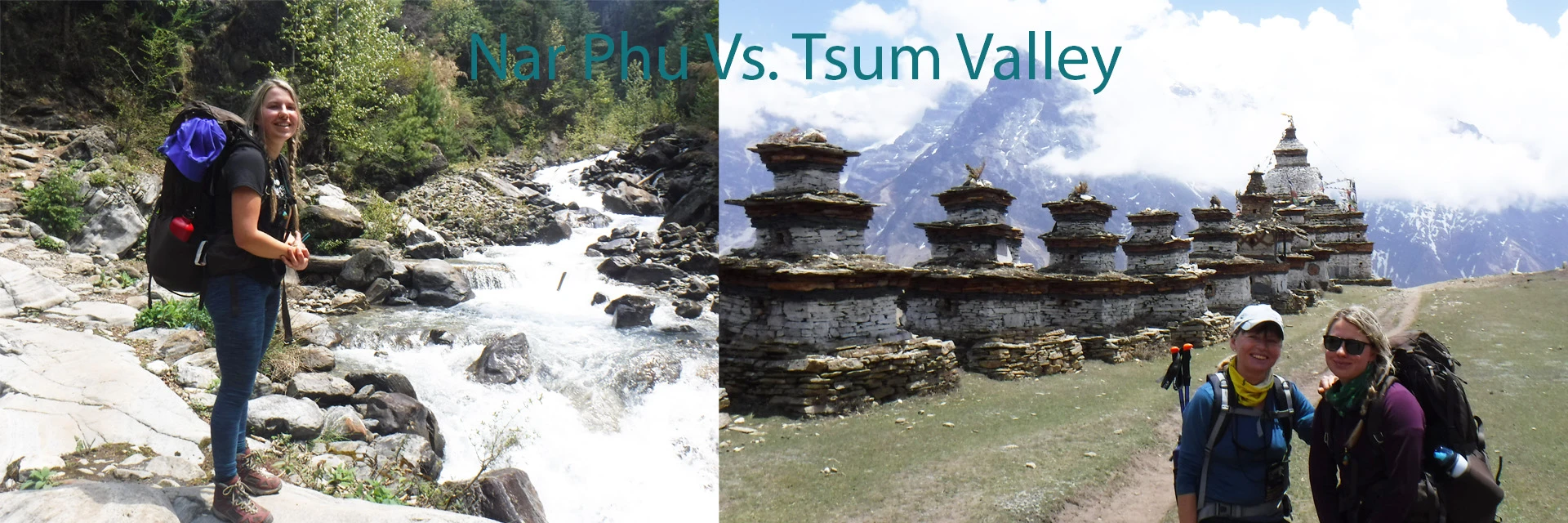
Nepal offers some of the best remote trek experiences through ancient Himalayan settlements that still preserve Tibetan culture. Two of the most authentic journeys are the Nar Phu vs Tsum Valley routes. Both are designated as restricted trekking Nepal areas. These are not commercial trails, they are cultural expeditions through hidden valleys. Here, traditional life continues beyond tourism.
Choosing between these two hidden valley treks in Nepal depends on what you value most. Both Nar Phu and Tsum Valley are equally surprising. Deeper isolation, spiritual culture, high mountain passes, or a longer immersive journey. Below is a clear comparison across the elements trekkers care about most.
Table of Contents
Remoteness
Both journeys offer extreme isolation, but Nar Phu feels physically more remote due to the narrow gorges. Also, cliff-side villages, and limited access beyond checkpoints. The villages sit close to the Tibetan border and are reached only by walking through rugged rock-cut trails.
Tsum Valley, although remote, has slightly more settlement density and a gentler walking environment. In Nar Phu vs Tsum Valley, the former has fewer lodges, fewer visitors, and a stronger “last frontier” feeling, making it one of the best remote treks in Nepal.
Comparison Chart: Nar Phu vs Tsum Valley
Features
Nar Phu
Tsum Valley
Remoteness
Extreme isolation, very few settlements
Remote but more connected villages
Culture
Tribal Himalayan life, yak caravans
Spiritual heritage, monasteries, meditation
High Pass
Kang La Pass (5,322 m)
No high pass unless combined with Manaslu
Difficulty
Hard, exposed, alpine
Moderate, gradual terrain
Permits
Restricted + ACAP
Restricted + MCAP
Duration
14–18 days combined
18–21 days combined
Scenery
Dramatic alpine, glaciers
Sacred valleys, Ganesh Himal views
Best for
Experienced trekkers
Spiritual culture seekers
Culture
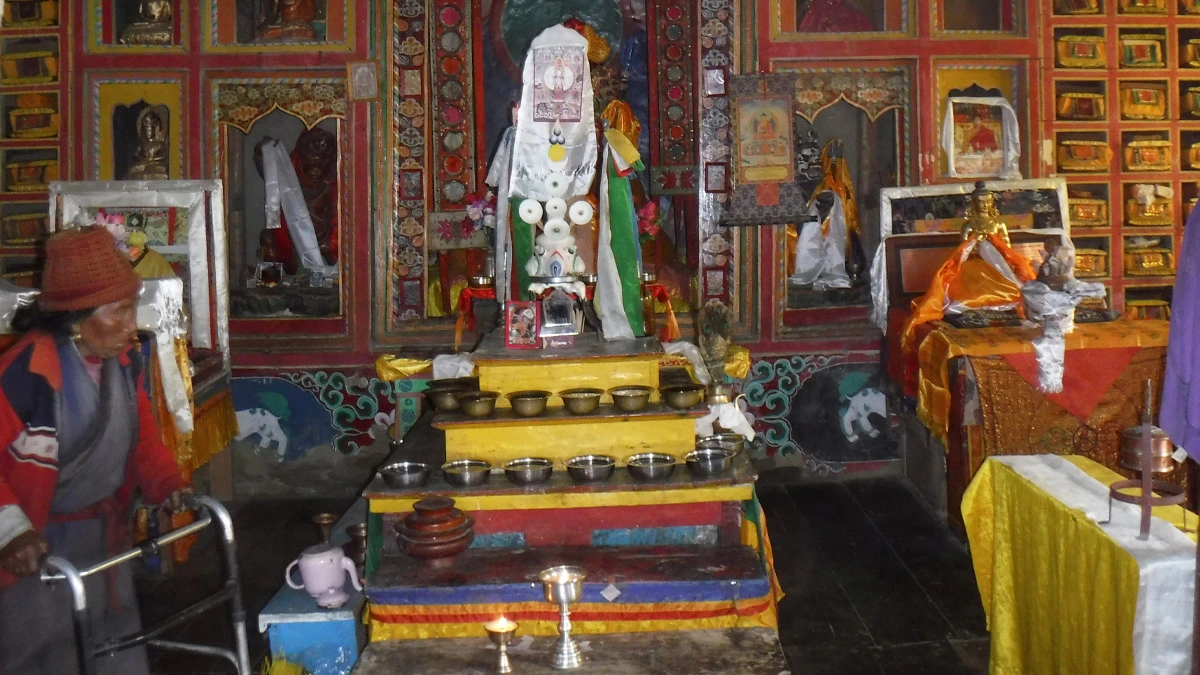
Tibetan culture trekking is strong in both valleys, but the experience differs. Nar Phu features compact cliff villages, yak caravans, and medieval stone architecture preserved for centuries. Culture feels raw, especially during summer festivals.
Ancient Monastery in Nar Phu depicting local culture
Tsum Valley has deep spiritual presence, with sacred caves, ancient stupas, Mani walls, and long monastic traditions tied to Milarepa. You meet monks and nuns, and learn about Himalayan meditation practices. In Nar Phu vs Tsum Valley, Nar Phu offers a tribal village lifestyle. On the other hand, Tsum Valley offers spiritual immersion and pilgrimage culture.
Pass Elevation
Nar Phu involves a major high pass, Kang La (5,322 m), which connects the hidden valley to Manang. The pass is steep, snowy in spring and autumn, and requires good acclimatization. Tsum Valley does not require crossing a high alpine pass, making it more accessible for trekkers. Mostly those who prefer cultural immersion without extreme elevation.
However, Tsum can be combined with Larkya La (5,160 m) during the Manaslu Circuit, which increases difficulty. Nar Phu is the more alpine and high-pass-focused route.
Difficulty
Nar Phu is more physically demanding, with exposed trails, steep climbs, and fewer facilities. Kang La Pass adds a serious challenge, especially early in the season. Tsum Valley is easier in terrain, with gradual ascents and more frequent villages.
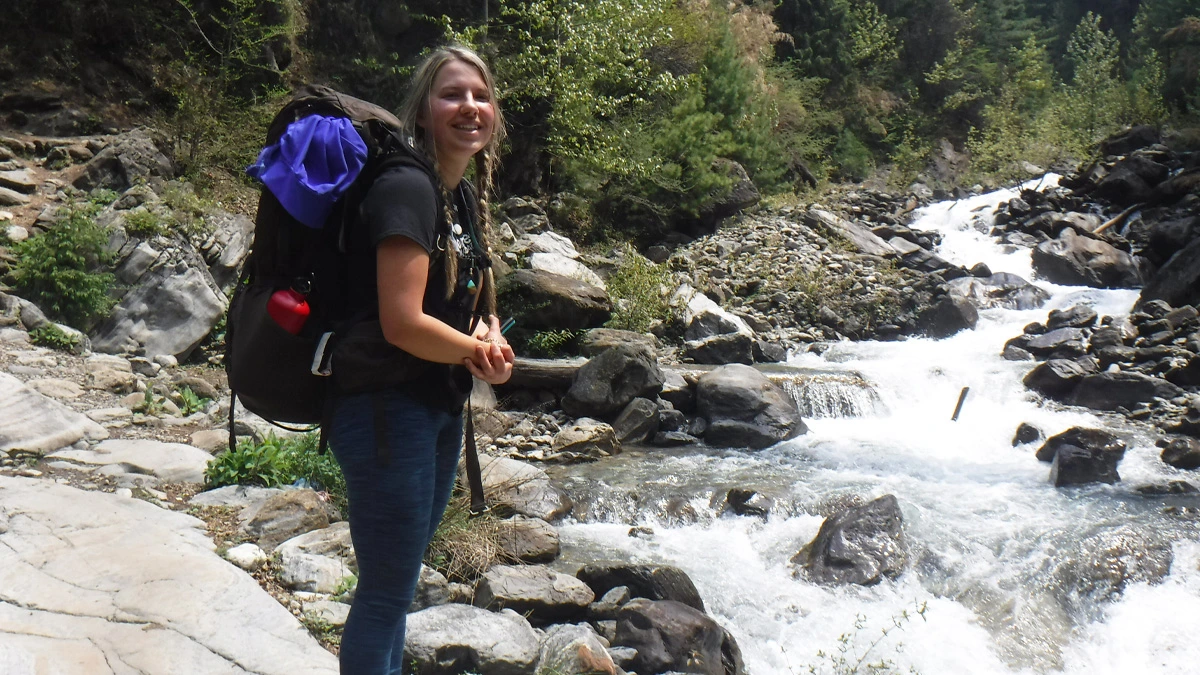
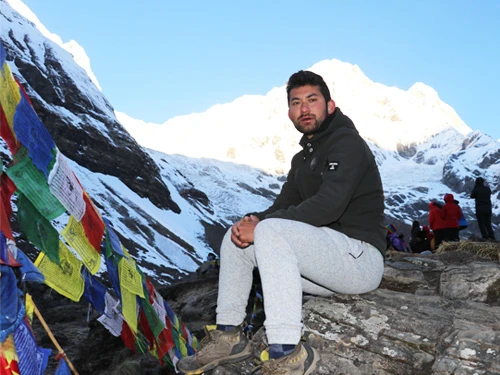
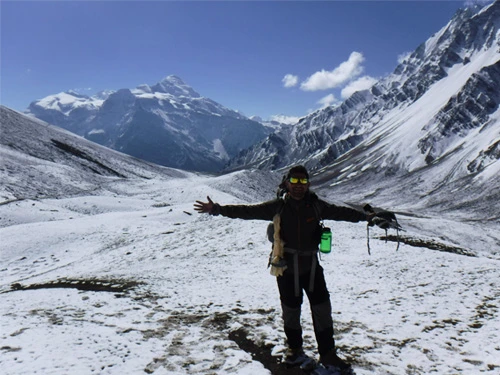
Tourist enjoying Nar Phu Trekking
Both require restricted trekking Nepal permits, a licensed guide, and good acclimatization practices. In the hidden valley trek Nepal category, Nar Phu is best for experienced trekkers. Meanwhile, the Tsum Valley suits travelers seeking culture first and mountain challenge second.
Both valleys are restricted trekking Nepal areas. Nar Phu requires the Restricted Area Permit (price varies by season), plus ACAP and sometimes TIMS, depending on policy updates. Tsum Valley requires a Restricted Area Permit and MCAP.
Permits can only be issued through registered Nepali agencies. Solo trekking is not allowed in either valley. Costs are slightly higher for Nar Phu due to a longer stay in the restricted zone. In Nar Phu vs Tsum Valley, both have similar permit systems.
Duration
Nar Phu typically takes 7–10 days inside the restricted valley, depending on the route and acclimatization needs. Most trekkers combine it with Manang or Annapurna Circuit, extending the journey to 14–18 days total.
Tsum Valley alone is about 8–10 days, but many combine it with the Manaslu Circuit, turning it into 18–21 days. In Nar Phu vs Tsum Valley, Tsum offers a longer cultural journey when combined with Manaslu. While Nar Phu offers a shorter hidden valley trek linked with a high-pass adventure.
Scenery
Nar Phu scenery is dramatic, with deep canyons, blue glaciers, high rocky peaks, and cliff monasteries overlooking stone villages. The Kang La Pass provides one of the best panoramic views of Annapurna II, Gangapurna, and Tilicho.
Tsum Valley scenery is softer: wide valleys, sacred caves, green fields, and spiritual landscapes framed by Ganesh Himal.
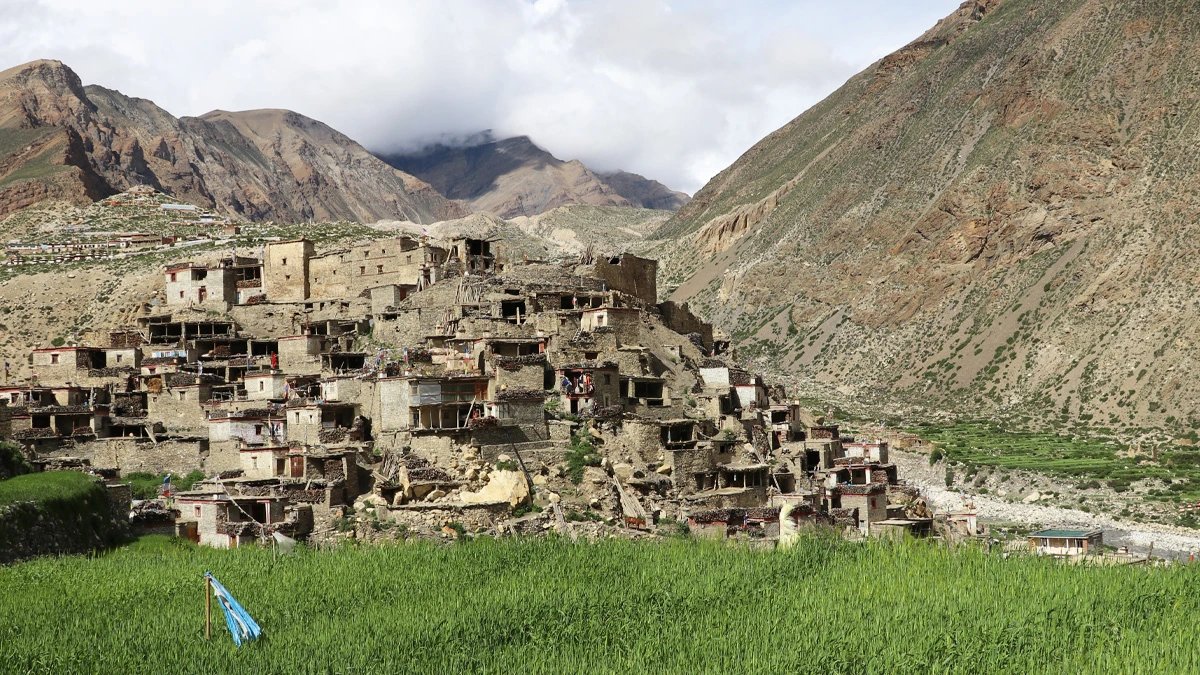
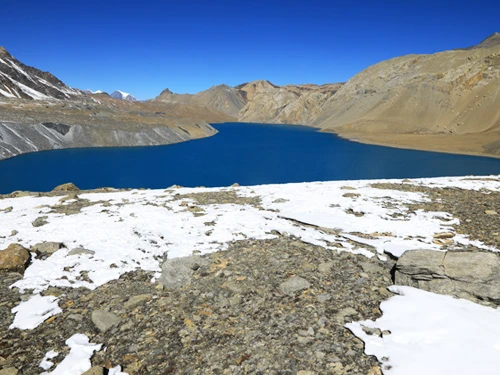
Beautiful view in Tsum Valley Nepal
Nar Phu wins for dramatic alpine scenes. In contrast, Tsum Valley wins for its peaceful Himalayan atmosphere and spiritual beauty.
Which Hidden Valley Trek in Nepal Is Better?
If you want an alpine challenge, dramatic landscapes, and authentic village life, choose Nar Phu. It is the best remote trek in Nepal for high-mountain adventure. If you want spiritual depth, monasteries, meditation caves, and peaceful valley walking, choose Tsum Valley, a hidden valley trek in Nepal shaped by Himalayan Buddhism.
Both deliver unforgettable Tibetan culture trekking. But your preference depends on whether your heart leans toward mountain passes or spiritual heritage.
Experience the real Nar Phu Valley—watch the full trek video by Breeze Adventure and witness untouched landscapes, ancient villages, and raw Himalayan wilderness.
Is Nar Phu harder than Tsum Valley?
Yes. Nar Phu includes the high Kang La Pass above 5,300 m, exposed trails, and fewer facilities. Tsum Valley has easier gradients and no mandatory high passes. So it suits cultural trekkers and first-time restricted trekking in Nepal.
Which trek has a stronger Tibetan culture?
Both valleys preserve Tibetan heritage, but in different ways. Nar Phu offers a traditional village lifestyle and yak caravans. Tsum Valley focuses on spiritual legacy, monasteries, meditation caves, and Buddhist practices linked to Milarepa.
Do I need a guide for Nar Phu and Tsum Valley?
Yes. Both are restricted trekking Nepal zones. A licensed guide is mandatory, and permits are issued only through registered trekking agencies. Solo trekking is not allowed in either region.
Which is the best remote trek in Nepal?
For dramatic mountain scenery and alpine challenge, Nar Phu is often called the best remote trek in Nepal. For spiritual atmosphere, meditation sites, and peaceful walking, many trekkers prefer Tsum Valley.
My own Experience:
I have personally guided multiple groups through Nar Phu Valley and Tsum Valley during the autumn and early monsoon. Nar Phu felt truly untouched, with stone villages, yak caravans, and cliff-top monasteries preserved for centuries. I still remember sharing tea with yak herders in Phu at sunrise.
Tsum Valley felt different: quiet trails, meditation caves, and sacred monasteries where monks and nuns welcome visitors with traditional butter tea. These journeys are not just treks, they are cultural exchanges with communities living close to the Tibetan border.
Kishwor Adhikari is a passionate writer with a deep enthusiasm for trekking and adventure. His extensive travels across Nepal, exploring its diverse landscapes and hidden corners, have shaped his unique perspective on the country's natural beauty. With a wealth of first-hand experience in adventure trekking, Kishwor has become a trusted voice for fellow enthusiasts. Through his writing, he shares invaluable insights, offering practical advice and inspiration for both seasoned trekkers and novices alike. His dedication to sharing his journey and knowledge helps others discover the wonders of Nepal's wilderness, making his work an essential resource for anyone seeking adventure in the region.