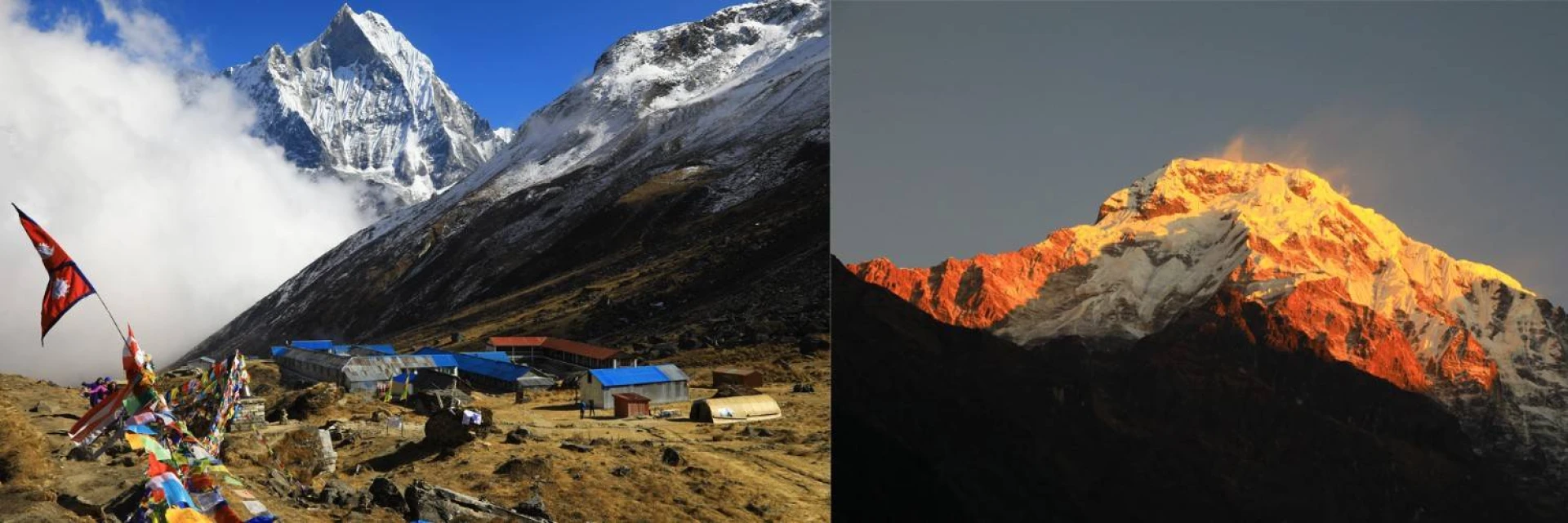
February is the most underrated month, but it is the quietest, clearest, and most photogenic version of the Annapurna Base Camp trek you will ever get.
After doing the Annapurna Base Camp trek in October the year before, I'd pick February again without hesitation. The trails are snow-dusted, the teahouses are half-empty, and Annapurna I shows itself without a single cloud most mornings.
Yes, early February still carries winter teeth - icy steps, an avalanche-prone corridor near Deurali, sub-zero nights at base camp. This is best for a peaceful adventure in the snow. But mid-to-late February is honestly the sweet spot of the entire year: cold enough to keep crowds away, stable enough to walk safely with the right gear.
This guide covers everything for the ABC trek in February 2026 - real costs, real temperatures, the itinerary that works, the gear that matters, and the questions other blogs skip.
Table of Contents
Annapurna Base Camp in February - Quick Answers First
Question
Short Answer
Is ABC trek safe in February?
Yes, with avalanche caution between Deurali and MBC sometimes
ABC trek elevation
4,130 m (13,549 ft) at base camp
Difficulty
Moderate
How long is the itinerary?
6 to 12 days, depending on the starting point
Total Cost
$600 to $1,400 per person, depending on services
Best ABC trek February departure
Mid to late February (more stable weather)
Permits Needed
ACAP
Solo trekking allowed?
No. Guide is mandatory since April 2023
Why February Is the Best Time for Annapurna Base Camp Trek
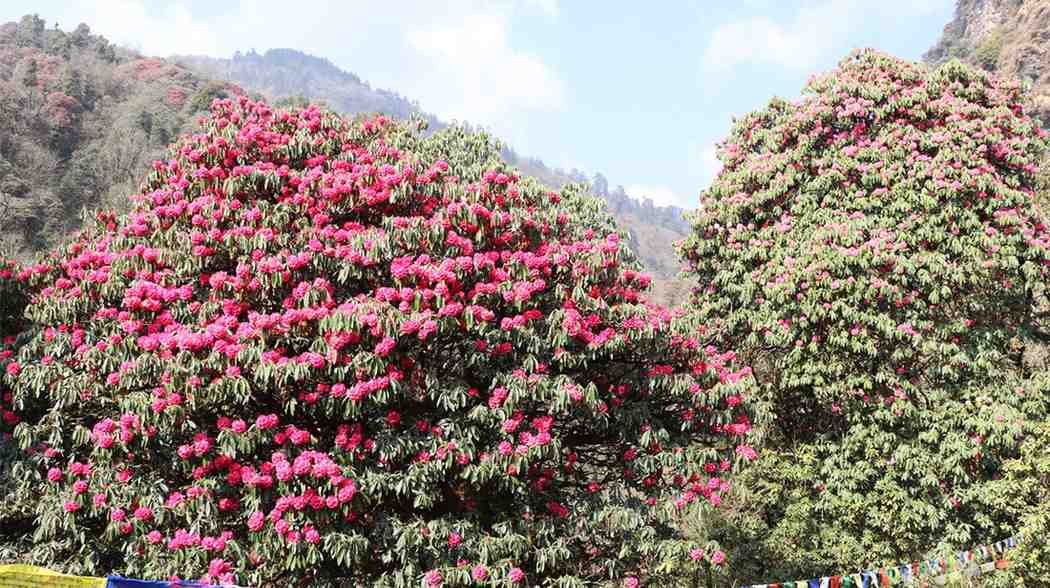
Beautiful Rhododendron forest in Annapurna Poon Hill Route
Honestly, February gets ignored in every "best time for ABC trek" blog you'll read online. Everyone screams October. A few mention April. Nobody talks about February. And that's exactly why it works.
After walking this trail in different seasons, I can say this with confidence: February gives you the version of Annapurna Base Camp that nobody else gets to see. Here's why.
The Mountain Views Are Actually the Best of the Year
This is the part nobody believes until they see it themselves. October has the marketing budget. February has the goods.
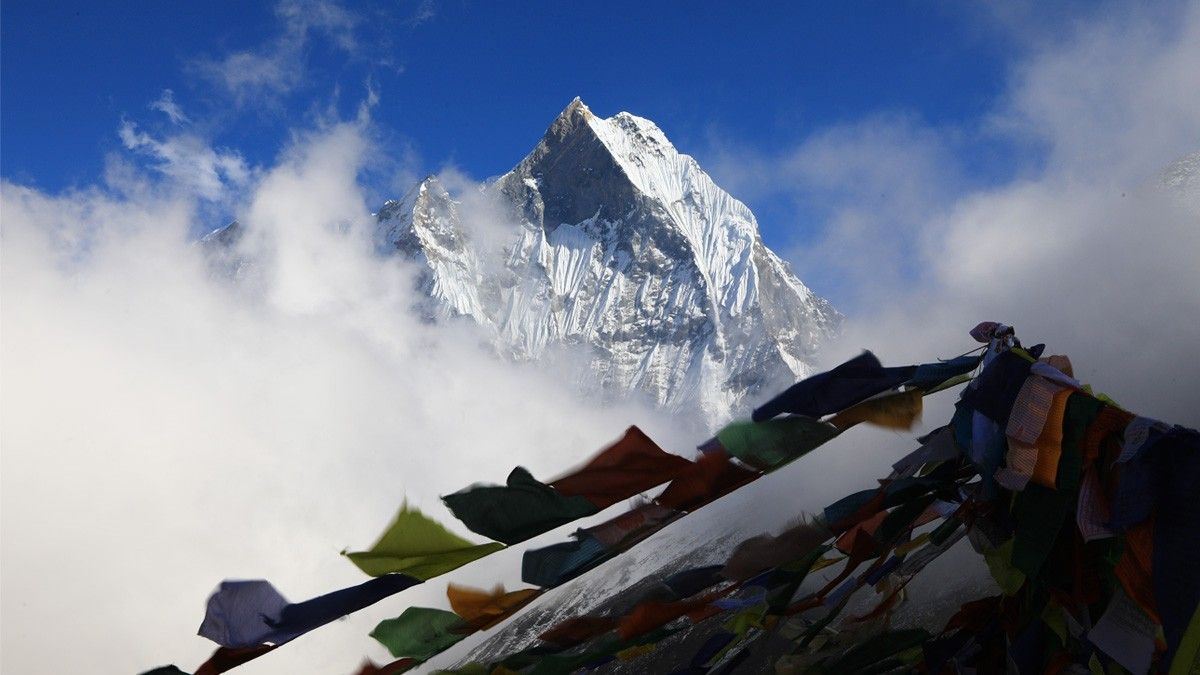
In autumn, dust haze starts building up by mid-October, and post-monsoon humidity still hangs in the lower valleys. By February, the air is bone dry, dust is settled by occasional winter showers, and there's almost zero cloud cover above 3,000 m before noon. The result is sharp, surgical clarity that you simply don't get any other month.
From Annapurna Base Camp at sunrise, you see Annapurna I (8,091 m), Annapurna South (7,219 m), Hiunchuli (6,441 m), Machhapuchhre (6,993 m), Gangapurna (7,455 m), and Annapurna III (7,555 m) all lit up in pink alpenglow at the same moment. No clouds, no haze, just raw mountain.
From Poon Hill in February, on a clear morning, you can count Dhaulagiri (8,167 m), Nilgiri, Annapurna I, Annapurna South, Machhapuchhre, Manaslu, and even Lamjung Himal lined up like teeth. October crowds fight for that view. In February, you have it almost to yourself.
The Trail Is Quiet in a Way That Changes the Whole Experience
In October, the trail from Chhomrong to ABC moves like a Kathmandu traffic jam. Lines at suspension bridges. Lines at the teahouse, lunches, and even lines for the toilet. You're hiking inside a crowd.
In February, you can walk for two or three hours without seeing another trekker. Just you, the river below, the snow above, and the sound of your own boots on stone. The forest sections through Bamboo and Dovan feel ancient and untouched - moss-covered rhododendron trees, snowmelt streams, and that thin winter light filtering through the canopy.
This solitude isn't just nice for photos. It changes how the trek feels emotionally. You actually have space to think. Space to notice the small things, like a langur monkey watching you from a tree, or the sound of ice cracking on a rock pool. October ABC is an event, while February ABC is a pilgrimage.
Snow Transforms Everything, Including How You Eat and Sleep
There's something quietly magical about walking into a teahouse with snow in your hair and sitting next to a yak-dung stove with a steel plate of hot dal bhat in your hands. October trekking doesn't have this moment. February does.
The teahouses in February run on a different rhythm. Owners aren't rushed. They have time to actually talk to you. I spent an entire evening at Sinuwa learning how the owner's family has been running that teahouse for three generations, since the trail was just a goat path. In October, he wouldn't have looked up from the stove.
Food in February tastes better, too, and that's not just hunger talking. Garlic soup at -10°C hits differently. So does ginger tea. Mustang coffee (the local hot rum drink in honey and butter) at Chhomrong on a snowy evening is the kind of thing you remember years later. The Gurung families running these lodges genuinely cook for you in winter because they have time to.
The Local Culture Opens Up When the Crowds Leave
This is the part most trek blogs completely miss. The Annapurna trail passes through Gurung and Magar villages. Ghandruk, Chhomrong, Landruk - these aren't just stopover points, they're living villages with centuries of history.
In peak season, locals are running businesses and have no bandwidth for conversation. In February, the rhythm slows back to village pace. Kids actually wave from doorways. Old women sit weaving in courtyards and don't mind if you stop to watch. In Ghandruk, the small Gurung museum (almost empty in winter) shows you the traditional dress, the khukri knives, and the photographs of locals who served in the British Gurkha regiments. The caretaker will sit with you and explain every photograph if you ask.
If you time your trek with Sonam Lhosar (the Tamang new year, usually falling in early-to-mid February), you might catch villages doing actual traditional dances, with masks, drums, and chang (local rice beer) flowing. This isn't a tourist performance, it's the real thing. October trekkers never see this.
The Hot Springs Hit Harder When You're Cold
Jhinu Danda has natural hot springs about a 20-minute walk below the village. In October, they're warm and crowded. In February, they're the single best thing your body has ever felt.
After several days of cold, sore legs, and sleeping in -10°C teahouse rooms, lowering yourself into a 40°C natural rock pool with snow on the surrounding ridges is genuinely transcendent. You sit in that water staring up at Machhapuchhre and feel every knot in your body let go. There are usually two or three other trekkers there at most in February. It feels like a private spa carved out of the Himalayas.
Wildlife and Forest Are Doing Things You'd Never See in Other Months
February is rutting and roaming season for many Himalayan animals at lower altitudes. Between Ghorepani and Tadapani, I saw a Himalayan tahr at maybe 30 meters distance on day three. The trail through the rhododendron forest is dead quiet, so wildlife actually comes out. Yellow-throated martens, langur monkeys, and pheasants (including the danphe, Nepal's national bird) are far more visible when there isn't a steady stream of human chatter pushing them deep into the woods.
The rhododendron trees haven't bloomed yet in February (that's an April thing), but the bare branches against snow create a stark, almost Japanese landscape that I personally find more striking than the riot of red in spring.
Photography Conditions Are Genuinely the Best of the Year
If photography is any part of why you're doing this trek, February is the month. Here's why no other season competes:
The sun stays lower in the sky all day, which means warm, golden light from sunrise until about 4 PM. There's no harsh midday wash-out that kills October photos. Snow on the peaks reflects light into the valleys, creating soft fill light on faces and foreground subjects. Clear blue skies give you that postcard saturation without any editing. Smoke and dust from agricultural burning (a big problem in March and April) haven't started yet.
Sunrise from ABC in February gave me the best photograph I've ever taken in my life. No filter. No edit. Just the moment.
The Cold Itself Becomes Part of the Magic
I won't lie to you, February is cold. But there's something about the Himalayan winter cold that's different from city cold. It's dry and quiet. It makes the stars at night look like they've been turned up to maximum. From ABC at 4 AM, walking out of the teahouse, I looked up and saw the Milky Way running directly over Annapurna I. This stargazing experience is rare. You don't get that in October. The night sky is hazier and more crowded with trekkers' headlamps.
The cold also makes everything you eat, drink, and feel more vivid. Hot tea is hotter. Sunshine is more delicious. The first sip of soup in a warm dining room after six hours in the snow is a memory that stays with you.
Is the ABC Trek Safe in February?
Mostly yes. With one honest warning.
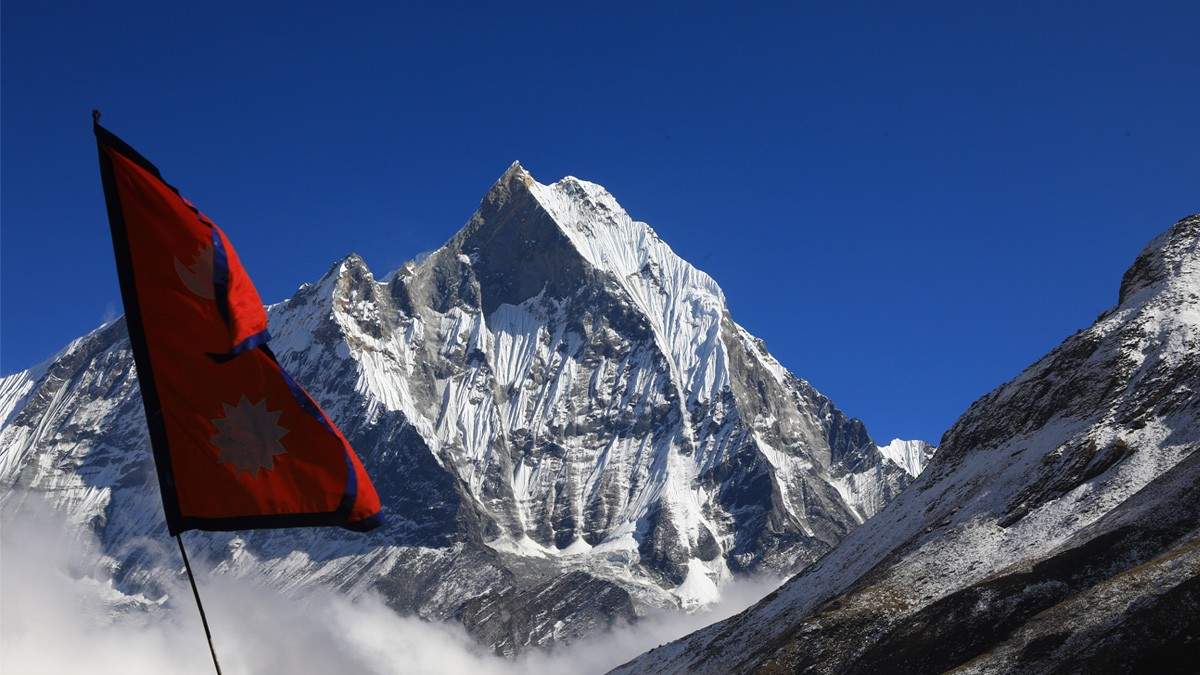
Snow covered mountain in February Annapurna Base Camp
The trail between Deurali and Machhapuchhre Base Camp (MBC) crosses a known avalanche zone. After fresh snowfall, this section can be risky. Local authorities sometimes close it. But this situation happened a few times only in the past. Normally, the route remains manageable with the right guidance.
The rule every Chhomrong guide will tell you: cross this section before 10 AM, when the snow is still frozen. Avoid afternoon crossings after fresh snow. Skip Deurali as a sleeping stop if the weather is unstable.
Outside that corridor, the trek is safe in February if you have:
How Cold Does It Actually Get in February ABC trekking?
This is the part most blogs sugarcoat. Here are the temperatures I logged on my February trek:
Location
Elevation
Day Temp
Night Temp
Nayapul / Ghandruk
1,070–1,940 m
8°C to 15°C
2°C to 5°C
Chhomrong
2,170 m
5°C to 12°C
-2°C to 3°C
Bamboo / Dovan
2,310–2,600 m
0°C to 6°C
-4°C to -1°C
Deurali
3230 m
-3°C to 4°C
-8°C to -5°C
MBC
3700 m
-5°C to 2°C
-12°C to -8°C
ABC
4130 m
-8°C to 0°C
-15°C to -10°C
The water in my Nalgene froze inside my room at the ABC tour. Similarly, teahouses are unheated except for the dining room stove, which is only lit around 5 PM. Your bedroom is basically outside temperature.
Further, a sleeping bag rated to -15°C is non-negotiable here. So, kindly rent one in Pokhara or Kathmandu for around NPR 100 per day if you don't own one. Having your own gear can be an extra advantage. The new one will have less wear and tear than renting the old one.
What makes the Annapurna Base Camp trek in February harder:
If heavy snow fall, then snow from MBC upward slows your pace by 30 to 40 percent
The stone steps get icy. So, falls are common
Cold drains energy faster than altitude alone
Shorter daylight (sun gone behind ridges by 4:30 PM)
Fewer trekkers means less broken trail after snowfall
What makes it easier (advantages):
No crowds at teahouses (room of choice everywhere)
Cleaner air, sharper mountain views
No leeches, no monsoon mud, no peak-season noise
Better photography light all day
If you can hike 6 to 7 hours a day with a 6 to 8 kg daypack, you can do this. You don't need to be an athlete. You just need to be patient and properly dressed.
ABC Trek Itinerary (Classic 8 day Itinerary)
Day
Route Overview
Time
Key highlights
1
Drive Pokhara - Banthanti- Trek Ghorepani
3 hours
Beautiful Magar village & rhododendron forests
2
Early Hike Poonhill- Trek Tadapani via Deurali
5-6 hours
Sunrise view of Annapurna & Dhaulagiri ranges
3
Trek Tadapani- Chomrong via Chuile & Gurjung
5 hours
Lively Gurung village with mountain views
4
Trek Chomrung- Sinuwa- Himalaya
6 hours
Riverside walk by Modi Khola through bamboo forests
5
Trek Himalaya- Deurali- MBC- ABC
6 hours
360° mountain panorama at Base Camp
6
Explore ABC- Retrace Steps- Himalaya/Dovan
6 hours
Morning golden light on Annapurna I
7
Trek Himalayan/ Dovan- Chhomrung- Jhinu Danda
6
Relaxing in the natural hot springs
8
Walk to road- Drive Jhinu- Pokhara
-
Exploring Pokhara's vibrant Lakeside & Phewa Lake
ABC Trek Cost in February
February is shoulder season pricing. Cheaper than October-November, but slightly more than January due to demand picking up.
Budget breakdown (approximate per person, 8-day trek)
Item
Budget Trekker
Mid Range
Comfort
Permits (ACAP)
$23
$23
$23
Guide (mandatory)
$250
$300
$350
Porter (optional)
$200
$250
$270
Teahouse rooms (8 nights)
$40
$85
$170
Food (3 meals/day)
$200
$260
$320
Hot shower + charging + WiFi
$40
$60
$80
Transport (Pokhara round trip)
$25
$50
$100
Gear rental
$40
$60
$80
Tips for guide/porter
$50
$80
$120
Total
$990
$1260
$1620
Booking through an agency in Kathmandu/Pokhara: $1000 to $1,200 all-inclusive (excluding tips and personal expenses).
Booking through a Western operator: $1,800 to $2,800. Same trek, much higher margin.
Hidden costs people forget
Hot showers cost more at higher altitudes ($3 at Chhomrong, $7 at MBC)
Charging your phone: $2 to $5 per hour above Bamboo
Bottled water gets pricey ($1 at Nayapul, $4 at ABC) - bring purification tablets
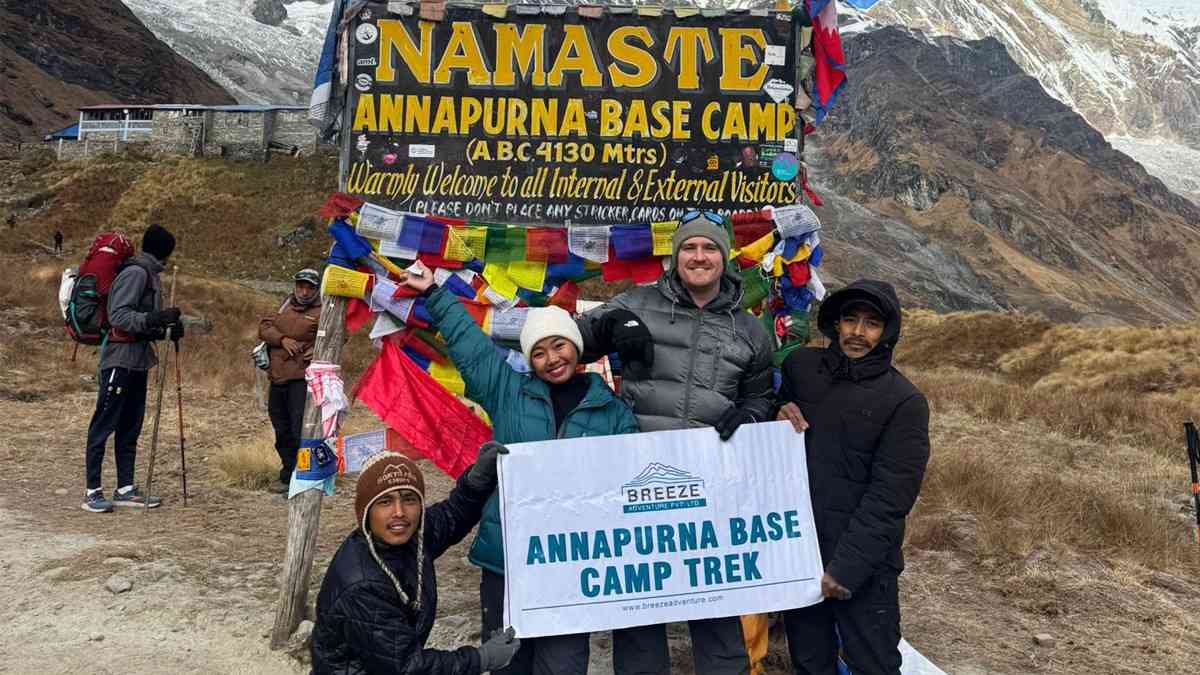
Breeze Adventure team in Annapurna Base Camp at 4130 m
The trail doesn't climb in a straight line. You'll lose and regain altitude several times, which is brutal on the legs but actually helps acclimatization.
Point
Elevation
Pokhara (start)
822 m
Nayapul
1070 m
Ghorepani
2860 m
Poon Hill (viewpoint)
3210 m
Chhomrong
2170 m
Bamboo
2310 m
Deurali
3230 m
MBC
3,700 m
Annapurna Base Camp
4,130 m
Total elevation gain across the trek: around 5,500 m cumulative. You're not just going up 4,130 m once - you climb, descend, and climb again. Moreover, Chhomrong alone has 2,500 stone steps that you go down and then back up on the return. They're famous, but they will haunt you, so make up your mind about this.
Annapurna Base Camp February Trek - What Nobody Tells You?
These are the questions I had before going that almost nobody answers properly online.
Are teahouses open in February?
Yes, but not all of them. Around 70 to 80 percent of teahouses on the main route stay open. Some smaller ones at Himalaya and Deurali are shut for January-February. Your guide will know which ones are operating. Book through them on arrival, not in advance.
Can you see Annapurna I from base camp in February?
Yes, and this is the secret nobody talks about. February has the clearest mountain views of the entire year. Further, cloud cover is minimal, and dust haze hasn't started yet, but the snow on the peaks is fresh. Do you know, Sunrise from ABC in February is the single best mountain view I've ever had? You will surely love this.
How busy is Poon Hill in February?
Maybe 30 to 50 people at sunrise time in the Poon Hill Trek. In October, you'll fight 300 people for a photo. In February, you can actually move around the viewpoint.
Do I need crampons or microspikes?
Microspikes - yes, almost always. Buy them in Thamel for around NPR 1,500 ($11) or rent for NPR 200 a day. Crampons are overkill unless there's been a major recent storm.
Is altitude sickness common at ABC?
Altitude sickness is less common than people fear. Yes, the classic 8-day itinerary has a slow enough ascent that AMS is rare. Similarly, symptoms usually show at MBC (3,700 m) with headache, poor appetite, and bad sleep. If they don't ease overnight, descend. Don't push to ABC with worsening symptoms. Many travel companies offer an oxygen cylinder tank to deal with altitude sickness in the Annapurna Base Camp Trek.
Does WiFi work in February?
Up to Chhomrong, mostly yes. Above that, you can expect $3 to $5 per session and unreliable speeds. NCELL signal exists patchily up to MBC. ABC has zero reception. So, tell people at home before you leave.
Will my phone battery survive?
Annapurna trek in February means cold kills batteries fast. So sleep with your phone and power bank inside your sleeping bag. A 20,000 mAh power bank in cold weather behaves like a 12,000 mAh one. Just be prepared for that.
Are there ATMs on the trail?
No. The last ATM is in Pokhara. So, carry enough cash for the full trek plus a 20 percent buffer. Most teahouses don't accept cards.
Can you do the ABC trek without a guide in February?
Officially no. Solo trekking on Annapurna trails was banned in April 2023 by the Nepal Tourism Board. Checkposts at Ghandruk and Chhomrong will turn you back. There are exceptions for trekkers in registered groups, but not for solo independent travelers. Not just legally, but winter trekking and snow demands an experienced trekking guide.
What's the best time in February to start?
Mid to late February (around the 14th onward). Early February still gets winter storms. Late February starts to feel like spring at lower altitudes while ABC stays winter-pure. This window is the sweet spot.
ABC Trek February Packing List
The exact list I used for this trek made me cry on day 5. So, here is a genuine Annapurna trek packing list, nothing extra. Kindly consider this for a smooth and burden-free journey:
2L water bladder + 1L Nalgene (the Nalgene goes in your sleeping bag at night for warmth)
Water purification tablets
Sunscreen SPF 50 (snow reflects the sun savagely)
Lip balm with SPF
Diamox (consult a doctor first)
Basic first-aid kit
Power bank (20,000 mAh minimum)
Honest Review for ABC February Trek: Was It Worth It?
Yes, and I'd argue February is underrated to the point of being insulting.
The trade-off is simple. You accept cold, shorter daylight, and a small avalanche window in exchange for empty trails, perfect mountain views, and a base camp experience that feels personal instead of touristy. October ABC has 200 people at sunrise. February ABC had eleven of us, in total. Isn’t that amazing?
The walk into ABC on day 5 means coming up from MBC through fresh snow with Annapurna South looming on the left and Machhapuchhre directly behind. This is the kind of moment people quit jobs for. I cried a little. So did the German couple ahead of me.
If you're flexible, reasonably fit, and willing to invest in the right gear, the Annapurna Base Camp trek in February is the version of this trek to do. Not the easiest. Just the best. You will love it, just be prepared.
Final Practical Tips
Book your trip from a reputed agency in Thamel, Kathmandu. Choose the one with a decade-long experience. Most of the companies offer the ABC package at a cheaper price in February.
Stay in Pokhara one night before starting. Lakeside has every gear shop you'll need. You can also arrange the one in Kathmandu. The travel agency arranges all these things on your behalf. Just book your package and leave the rest to the company.
Eat dal bhat for dinner. Unlimited refills, slow-release energy, every teahouse makes it well.
Tip your guide $80 to $120 and your porter $50 to $80. They earn it.
Buy Nepal travel insurance that covers helicopter evacuation up to 5,000 m. Non-negotiable.
Hope you got specific questions about your dates, fitness level, or itinerary tweaks. Dealing with snow and winter fear is just picking the right gear and guidance away. Don’t get confused about February ABC trek eligibility, just book the trip and create unforgettable memories. The mountain is waiting for you.
Kishwor Adhikari is a passionate writer with a deep enthusiasm for trekking and adventure. His extensive travels across Nepal, exploring its diverse landscapes and hidden corners, have shaped his unique perspective on the country's natural beauty. With a wealth of first-hand experience in adventure trekking, Kishwor has become a trusted voice for fellow enthusiasts. Through his writing, he shares invaluable insights, offering practical advice and inspiration for both seasoned trekkers and novices alike. His dedication to sharing his journey and knowledge helps others discover the wonders of Nepal's wilderness, making his work an essential resource for anyone seeking adventure in the region.