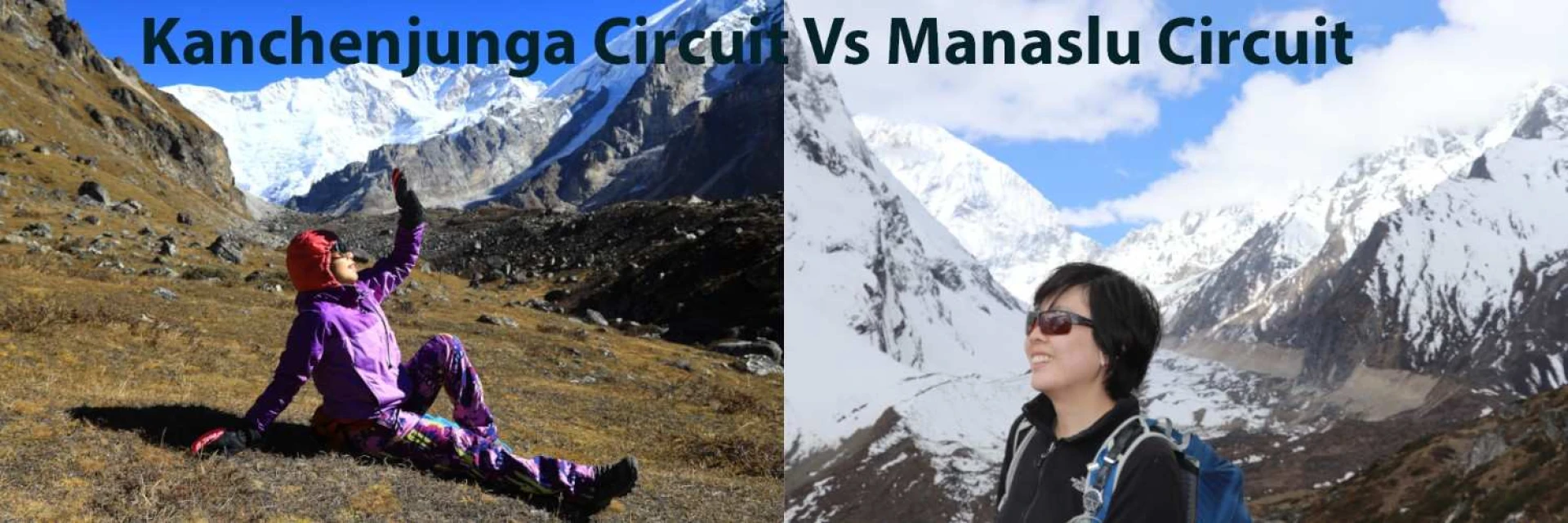
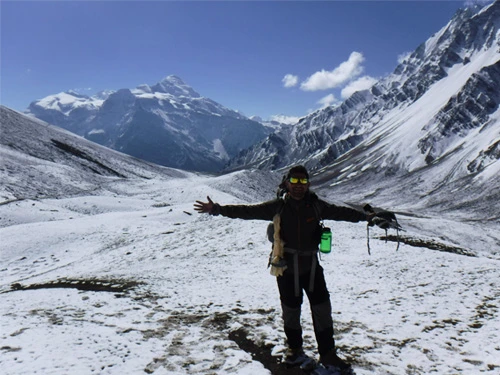
Kanchenjunga Circuit Trek vs Manaslu Circuit, which is best for me? Well, most people discover these two treks the same way. They finish Annapurna or Everest Base Camp, decide they want something harder and quieter, and start googling restricted-area permits. Both names come up. Both sound serious, and almost every comparison article they find gives them the same non-answer: "Both are great, it depends on your preferences."
That's not useful. Let me actually tell you what's different.
The Kanchenjunga Circuit Trek sits in Nepal's far east, tucked against the Sikkim border. The Manaslu Circuit Trek circles an 8,163-metre peak in the Gorkha district, a day's drive northwest of Kathmandu. Both sit inside restricted zones. Both require licensed guides. Both will break you down somewhere around day ten and rebuild you by the end. Beyond that, they diverge in length, cost, remoteness, logistics, and the kind of experience they leave you with.
Based on my decades-long experience in the mountains, I have written this guide to help you make a clear decision for your restricted area trekking Nepal.
Table of Contents
Kanchenjunga Circuit Trek vs Manaslu Circuit- The Honest Comparison
Before anything else, here is a direct comparison of the core facts:
-
Kanchenjunga Circuit
Manaslu Circuit
Peak Height
8,586 m (world's 3rd highest)
8,163 m (world's 8th highest)
Trek Duration
16-22 days
12-13 days
Highest point on trek
5,143 m (Pangpema North BC)
5,160 m (Larkya La Pass)
Annual Trekkers
~800–1,200
~5,000–7,000
Difficulty
Moderate to Hard
Moderate to Hard
Total cost estimated
$1,800–$3,500
$1,200–$2,200
Tea house quality
Basic to very basic
Decent to good
Minimum group size
2 trekkers required
1 trekker (with guide)
One number there will surprise people: the highest elevation on both treks is nearly identical. Larkya La Pass on the Manaslu Circuit sits at 5,160 metres, actually four metres higher than Pangpema on Kanchenjunga. Yet Kanchenjunga is rated harder. Altitude isn't the whole story.
Kanchenjunga Circuit Vs Manaslu Circuit Trek Difficulty
The Manaslu circuit trek difficulty concentrates itself into one day. The Larkya La Pass crossing starts before 3 am. You walk four to five hours in the dark and cold before the sun rises, cross a high-altitude snowfield that ices over in October, and descend steeply on the other side for another four hours. On tired legs after two weeks of trekking, it genuinely tests you. Many trekkers describe it as the hardest single day they've spent in the mountains.
So, what about the rest of the Manaslu route? It’s actually manageable for a fit, experienced trekker. The trail is clear and well-walked. Tea houses appear at regular intervals. The gradient is tough in the Budhi Gandaki gorge section, but the path is never technically ambiguous. You always know where you're going.
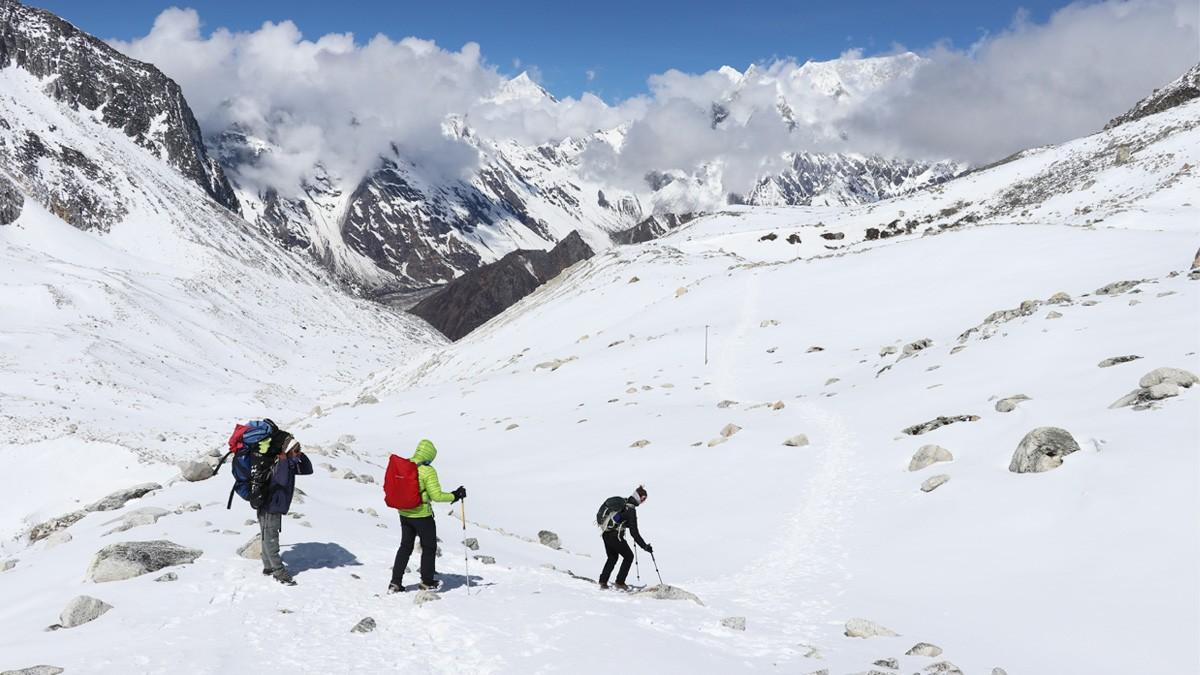
Trekkers dealing with heavy snow in Manaslu Circuit Area
On the other hand, Kanchenjunga distributes its difficulty differently. There is no single brutal day, there are more than twenty days serving difficulties. The trail from Taplejung is rough from the first hour. Sections above the tree line on the north side require navigation across a glacier that is not roped, not marked, and not the same year to year.
Similarly, tea houses thin out significantly above 3,500 metres on both the north and south approaches. By day eighteen, you won't be tired of the trek, you'll be tired in a way that goes deeper than legs and lungs.
Let me tell you something deeper, the cumulative elevation gain on the Kanchenjunga circuit, when you account for both base camp approaches, is significantly greater than Manaslu. Yes, you descend from the North base camp, cross the lower middle sections, and re-ascend to the south base camp. That loss and regain of elevation over multiple days is what makes the circuit genuinely difficult, not any single pass.
Kanchenjunga Circuit Vs Manaslu Circuit Trek Permits and Regulations
Both treks require restricted area permits. Both require a licensed guide. Neither can be done independently. That's the broad summary. Here's what's underneath it.
Manaslu Circuit Permits (as of 2026):
Permit
Cost
Manaslu Restricted Area Permit
$100/week (Sept–Nov) · $75/week (Dec–Aug)
Manaslu Conservation Area Fee
NPR 3,000 (~$22)
Annapurna Conservation Area Fee
NPR 3,000 (~$22) — for the Larkya La section
Manaslu Circuit Permits: The Manaslu restricted area permit is calculated by week, not by total trek duration. A 16-day trek crosses three permit weeks. That's $300 in peak season permit fees, not $100. Most budget breakdowns online list the weekly rate without telling you how many weeks you actually need.
Kanchenjunga Circuit Permits (as of 2026):
Permit
Cost
Kanchenjunga Restricted Area Permit
$20 per week
Kanchenjunga Conservation Area Fee
NPR 3,000 (~$22)
Kanchenjunga Circuit Trek Permits: The Kanchenjunga restricted area requires a minimum of two trekkers on any permit. Solo trekkers cannot satisfy this requirement by hiring two guides. You need a second paying trekker. If you're travelling alone, you either join a group departing from Kathmandu or wait until you find another trekker heading the same direction.
This regulation is enforced at checkpoints along the trail. People do get turned back.
What is the Actual Cost in Each Trek
Both treks become expensive in the same way, not because permits are high, but because you need people with you for weeks at a time.
Porters — 2 porters for 2 trekkers (22 days at $25/day each, shared)
$550
Tea house accommodation ($8/night average)
$190
Food on trail ($18/day average)
$400
Flights Kathmandu–Taplejung (one way)
$160
Travel insurance
$150
Realistic total per person
~$2000
These numbers assume you're not adding agency profit margins, pre/post trek hotel nights, or gear purchases. A Kathmandu agency package for the Kanchenjunga circuit - guide, porters, permits, accommodation, and transport arranged - runs $2,800–$4,200 per person for two trekkers.
The question of how to climb Kanchenjunga in the mountaineering sense is a completely separate cost category. A summit expedition permit alone costs approximately $10,000 per person as of 2026.
Yes, the total expedition costs, including Sherpa support, high-altitude gear, base camp logistics, and agency fees, run $35,000–$70,000 per climber. How long does it take to climb Kanchenjunga as a full expedition? Between 55 and 70 days, including acclimatisation rotations and weather waiting.
The circuit trek is not a climb. That distinction matters for budgeting.
The Kanchenjunga Viewpoint vs. the Manaslu Views
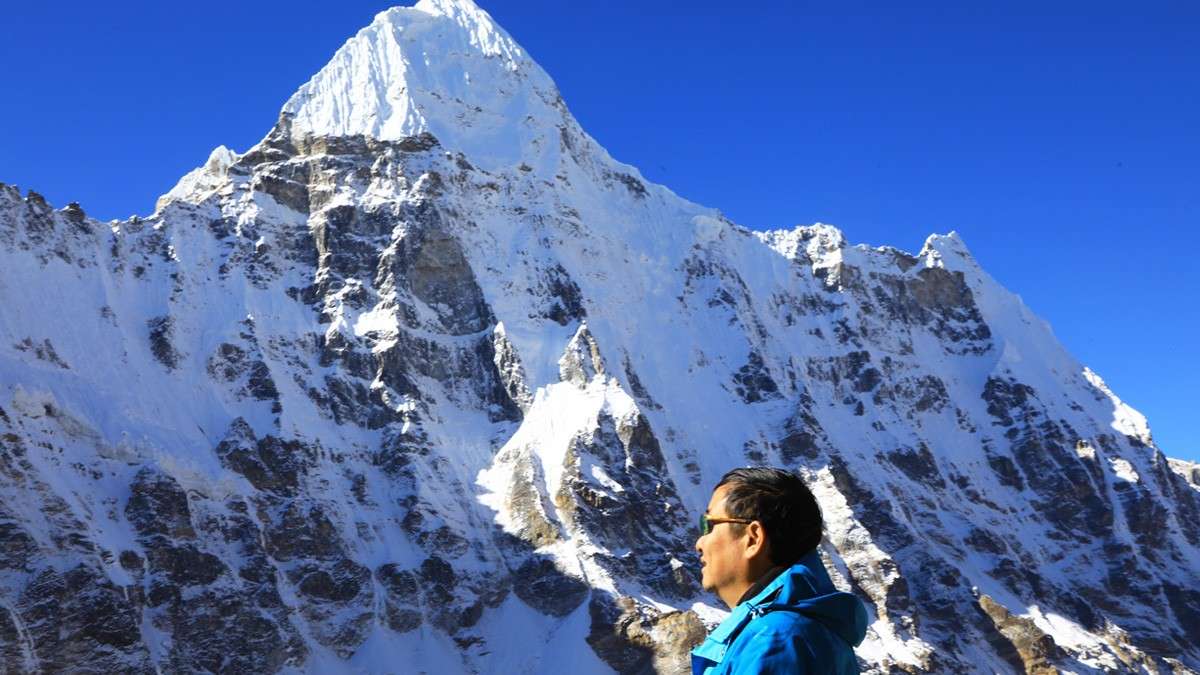
Stunning mountain view in Kanchenjunga Circuit Trek Nepal
There is no single famous viewpoint for Kanchenjunga, the way Kala Patthar is for Everest. The circuit gives you two entirely different faces of the same mountain, which is part of what makes it exceptional.
Actually, the north base camp at Pangpema (5,143 m) puts you directly below the north face. You stand on a glacial moraine, loose rock underfoot, ice-polished boulders behind you, looking up at 2,500 vertical metres of Kanchenjunga. Then, the scale is difficult to process in the moment.
On a clear dawn, before cloud rolls in, this is one of the most affecting views in the entire Himalaya. Cloud typically arrives by 10 am at the latest. Your morning window at Pangpema matters enormously.
The south approach, from Ramche up toward Oktang (around 4,700 m), gives you the southwest face. This is the more photographed angle, softer ridgeline, cleaner glacial foreground, and better light in the afternoon. Sunrise here in mid-October is extraordinary.
Most trekkers, if time and acclimatisation allow, visit both. This means a complete Kanchenjunga circuit covers more terrain and requires more days than a simple out-and-back to one base camp.
On the Manaslu circuit, the mountain reveals itself gradually. The best clear view comes from Samagaon (3,530 m), typically on the morning of your acclimatisation rest day. You sit on the roof of your tea house with tea and look north at 8,163 metres. It's not the intimacy of Pangpema, you're still several kilometres from the base, but Manaslu from Samagaon in morning light is worth every step of the approach.
The Larkya La Pass crossing also offers brief views of Manaslu's upper ridgeline, though by the time you're on the pass, you're usually focused on not tripping over your own feet in the dark.
Remoteness Comparison
In 2023, roughly 6,400 trekkers completed the Manaslu circuit. In the same year, somewhere between 800 and 1,100 trekkers finished the full Kanchenjunga circuit.
That difference is not trivial on the ground.
On the Manaslu circuit trek in Nepal, particularly in October, you will share tea house dining rooms with other trekkers every night. There's a social rhythm to it, comparing notes on the trail ahead, warning each other about sections that are slippier than expected, trading snacks near the Larkya La summit. For some people, this is part of the appeal. The route never feels isolating.
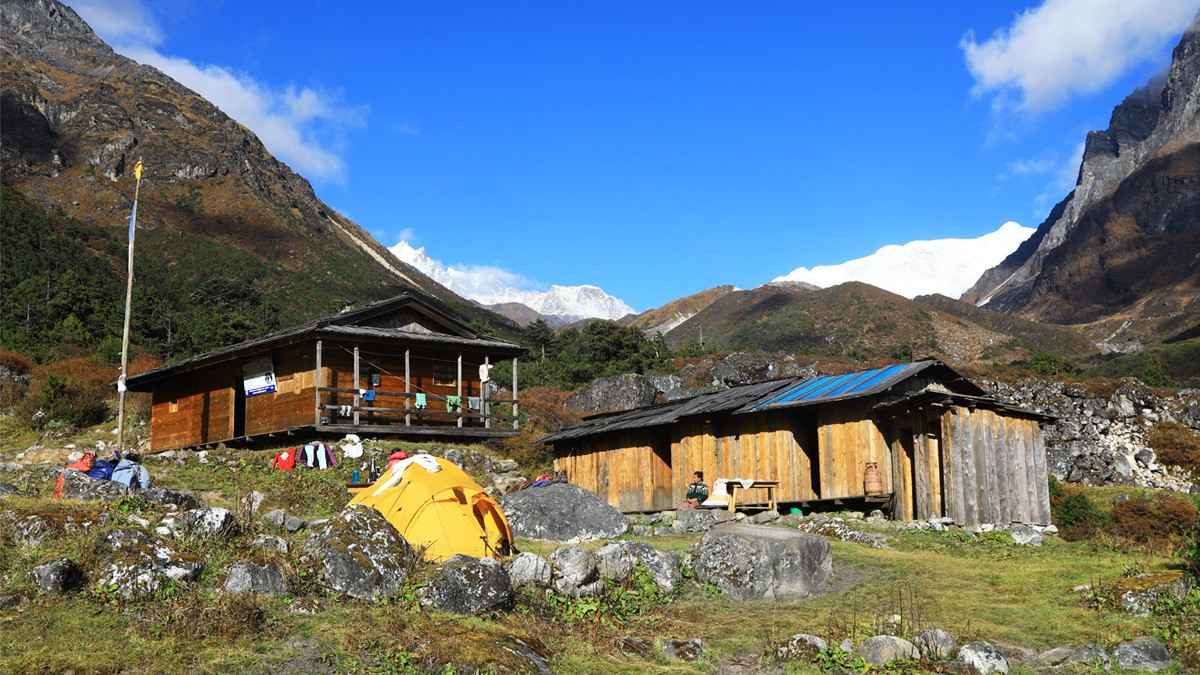
On the Kanchenjunga circuit, you can walk for two or three days without seeing another foreign trekker. Some nights you will be the only guests in a tea house, or the only guests a family has seen in a week. The host will cook whatever they have, which is usually dal bhat and whatever vegetables came up from the last village. This is not a complaint. These evenings, sitting around a fire with a Limbu or Sherpa family in a stone house at 3,800 metres, are what the trek is for. But they require a comfort with uncertainty that not every trekker has.
Not just that, the evacuation timelines also diverge significantly. A helicopter from Kathmandu can reach most Manaslu circuit locations within two to three hours of dispatch, weather permitting. From Pangpema on the Kanchenjunga north approach, helicopter rescue coordination takes longer, both because of the distance and because weather windows in the far east are less predictable. Your emergency window is wider here. That should inform your preparation, not discourage you, but it should inform you.
Best Season: What the Standard Advice Gets Right and Wrong
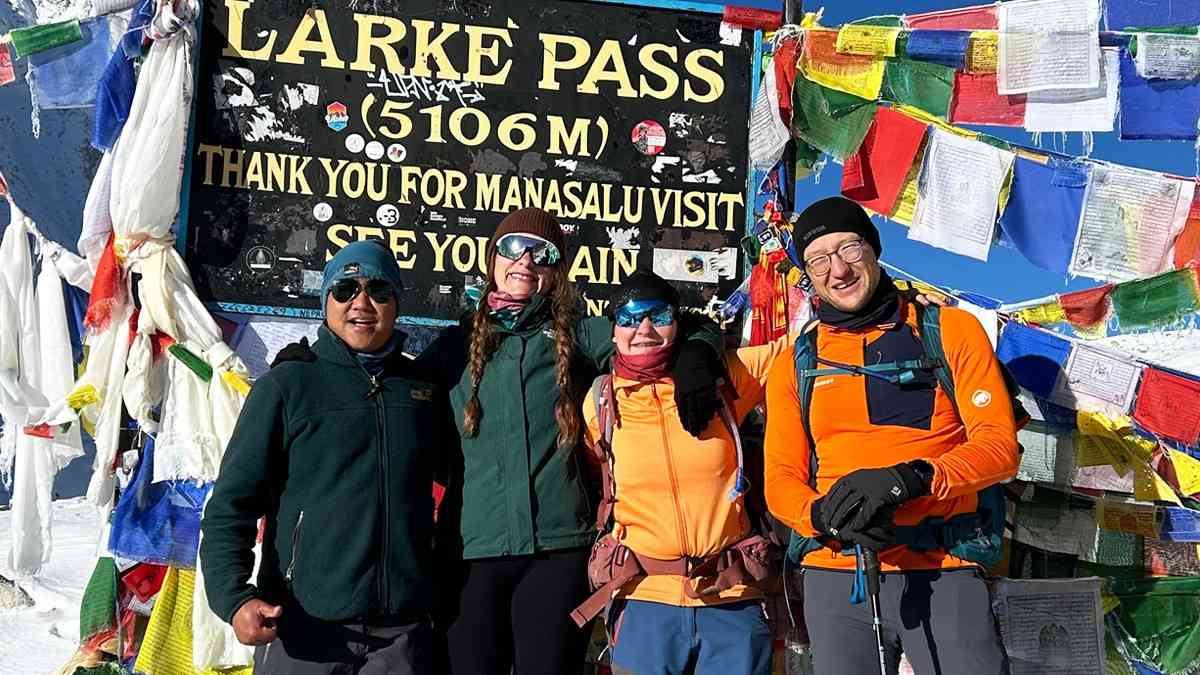
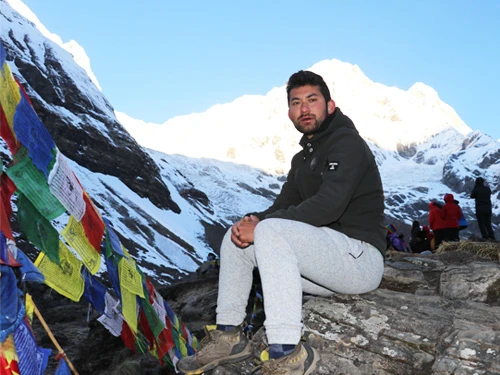
Happy trekkers in Manaslu Circuit Area Nepal
The standard advice, October to November and March to May, is broadly correct for both routes. Here's where it gets more specific.
October is the peak month for the Manaslu circuit, and generally excellent. The rhododendron forests below 3,500 metres are past bloom, but the forest is dense and green. Above treeline, the visibility is usually sharp. Mid-October through the first week of November is the sweet window.
After mid-November on Manaslu, Larkya La becomes a serious proposition. Ice accumulates on the north-facing descent. Without crampons, it becomes dangerous. Some years, the pass closes completely by late November due to snowfall. If you're aiming for a November completion, carry microspikes and check conditions from Samagaon before committing.
For the Kanchenjunga circuit, the eastern geography matters. The region sits closer to the Bay of Bengal weather systems and holds post-monsoon moisture longer than western Nepal. Early October on the Kanchenjunga trail, particularly the approach below 2,500 metres, can still carry fog, afternoon rain, and leeches. Significant leeches. Below 2,000 metres in early October, they are on the trail, on the vegetation, and they find you. No article in the top ten Google results for this trek mentions the leeches. They should.
Mid-October to early November is the real Kanchenjunga sweet spot. The lower trail dries out. The views above 4,000 metres are clear. The light is exceptional. Knowing the Kanchenjunga Trek weather month by month further makes it easy to choose the best timing.
Spring works for both treks with some caveats. March and April on Kanchenjunga bring rhododendron bloom below 3,500 metres, which is genuinely beautiful, but the trail stays muddy lower down well into April. On Manaslu in spring, the upper sections can still carry winter snowpack into April, making Larkya La more technically demanding than in autumn.
Do not attempt either trek in June, July, or August. The Kanchenjunga region takes the monsoon particularly hard. Landslides are not a theoretical risk, they are a regular occurrence on the trail approach. And some years, entire trail sections wash out and are not rebuilt before the next season begins.
What Nobody Prepares You For
A few things that experienced trekkers know, and most blog posts skip:
On the Manaslu Circuit Trek: The Budhi Gandaki gorge section in the first three days is rougher than the itinerary suggests. The trail narrows, climbs, and drops repeatedly across suspension bridges, and in wet conditions becomes genuinely slippery. Trekkers who expect a gentle warm-up before the high altitude section are surprised.
On the Kanchenjunga circuit: The glacial section approaching Pangpema is not marked. The path across the moraine and lower glacier changes year to year as the ice moves and rocks shift. This is where a guide earns everything you pay them. A solo trekker without intimate knowledge of this section in a particular year is making a serious mistake.
Local accommodation in Kanchenjunga Circuit Trek Nepal
On both routes: Dal bhat is your primary fuel. The menus get shorter as you go higher. On Kanchenjunga above 4,000 metres, the menu may be dal bhat and nothing else. Learn to love it, or carry enough supplementary food from Taplejung. Instant noodles at altitude taste better than they have any right to.
On permits for both routes: Carry printed copies of every permit, every page. Digital copies on a phone that may have no charge or no signal at a checkpoint solve nothing. The laminated permit card system that some agencies use is more reliable. Ask your agency specifically about this before departure.
Kanchenjunga Vs. Manaslu - Which Trek Is Right for You
There is no objectively better route. There is only one route that matches where you are.
The Nepal Manaslu circuit trek is the right choice if you have two weeks in Nepal, want a serious high-altitude experience without the full month commitment, prefer reliable infrastructure, and are doing your first restricted-area trek in Nepal. It is hard enough to be genuinely satisfying. It is accessible enough that logistics do not become the story.
Likewise, the Kanchenjunga circuit trek is the right choice if you have done multiple Himalayan routes, can handle days where accommodation and food are uncertain, and want extended solitude. And are drawn specifically to the idea of standing below one of Earth's most beautiful high peaks in a place where very few people go. It asks more from you. It gives more back.
One comparison that rarely appears - culturally, the two treks are very different. The Manaslu circuit passes through the Nubri and Tsum valley communities, Tibetan-influenced Buddhist villages with gompas, mani walls, and a culture shaped by centuries of trans-Himalayan trade.
Whereas the lower Kanchenjunga trail passes through Limbu and Rai communities with a distinct animist and Hindu heritage that shifts gradually to Sherpa Buddhist culture as you gain elevation. If you care about the cultural dimension of Himalayan trekking, and you should, these are not interchangeable experiences.
Go to Manaslu if this is your first time in Nepal's restricted areas. Go to Kanchenjunga if Manaslu has already shown you what you are capable of, and you want to find out what's beyond that.
Both will change how you think about mountains. Only one of them will take the full month it deserves.
Kishwor Adhikari is a passionate writer with a deep enthusiasm for trekking and adventure. His extensive travels across Nepal, exploring its diverse landscapes and hidden corners, have shaped his unique perspective on the country's natural beauty. With a wealth of first-hand experience in adventure trekking, Kishwor has become a trusted voice for fellow enthusiasts. Through his writing, he shares invaluable insights, offering practical advice and inspiration for both seasoned trekkers and novices alike. His dedication to sharing his journey and knowledge helps others discover the wonders of Nepal's wilderness, making his work an essential resource for anyone seeking adventure in the region.