Why Trek with a Local Guide in Nepal? (Safety, Culture & Real Himalayan Experience)
Nepal is one of the world’s greatest destinations for trekking and hiking lovers. From short 2-day hikes near Kathmandu to multi-month Himalayan expeditions, Nepal offers an unmatched range of trekking experiences. It is home to eight of the world’s fourteen 8,000-meter peaks, including Mount Everest, making it a dream destination for mountain adventurers.
Popular treks such as the Everest Base Camp Trek, the Manaslu Circuit, the Annapurna Base Camp, the Annapurna Circuit, Langtang Valley, and many remote routes attract thousands of trekkers every year. While these treks are incredibly beautiful, trekking in the Nepal Himalaya is not as easy as walking at sea level. High altitude, changing weather, glaciers, and rugged trails make trekking challenging and sometimes dangerous.
This is why trekking with a local guide in Nepal is not just recommended, it is essential.
Table of Contents
Trekking in Nepal Is Adventurous, Not Risk-Free
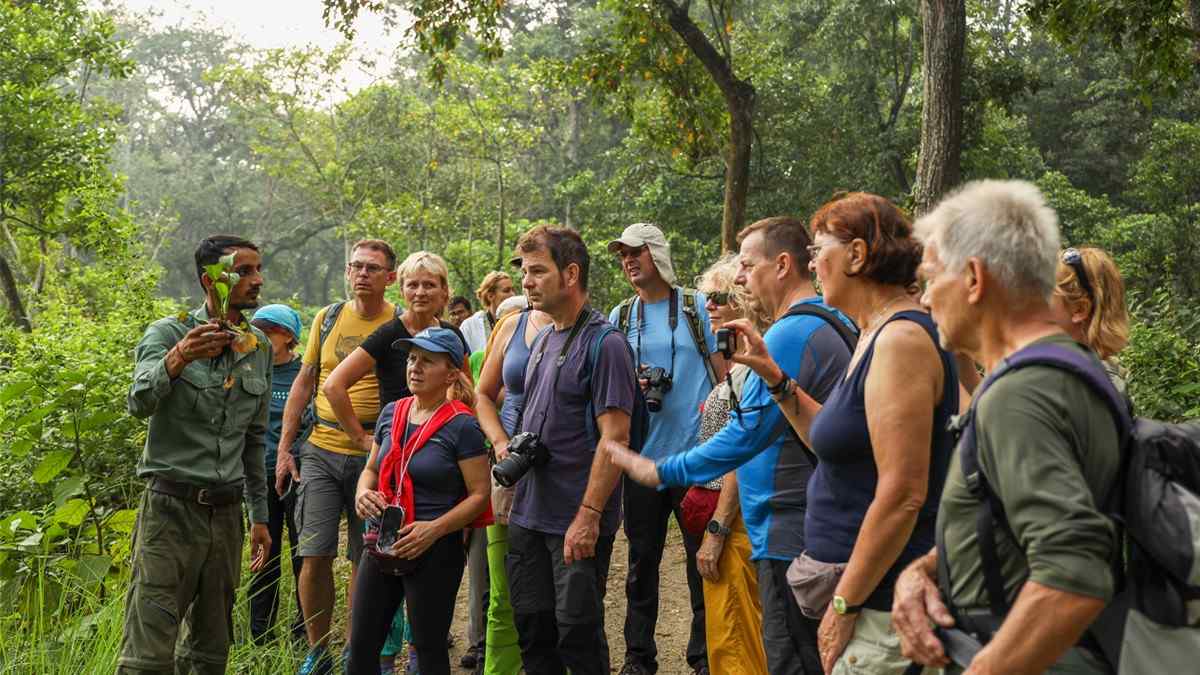
Local Guide in Nepal explaining the essence of unique plant to tourists
Trekking in the Himalaya involves high altitude, steep terrain, suspension bridges, glaciers, snowfields, and landslide-prone areas. Some trails also pass through avalanche zones, especially in winter and early spring.
In the past, many trekkers have lost their lives. And even today, people still go missing on popular trails like Everest Base Camp. Often due to altitude sickness, sudden weather changes, or lack of proper guidance.
How altitude affects the body in Nepal trekking
As altitude increases, oxygen levels drop significantly. This can cause fatigue, headaches, nausea, dizziness, and sleep problems. Without proper acclimatization, trekkers may develop Acute Mountain Sickness (AMS). This can escalate into life-threatening conditions like HAPE or HACE.
A local guide understands how altitude affects different individuals and carefully manages ascent speed. Similarly, hydration, rest days, and daily health checks to keep trekkers safe.
When to rest or descend
Knowing when to rest or descend is critical in high-altitude trekking. A local guide can identify early warning signs that trekkers often ignore. Such as loss of appetite, confusion, or persistent headaches.
Based on experience, guides decide whether an extra acclimatization day, a slower pace, or an immediate descent is necessary. This timely decision often prevents serious medical emergencies and saves lives.
How to read weather patterns in Nepal Trekking?
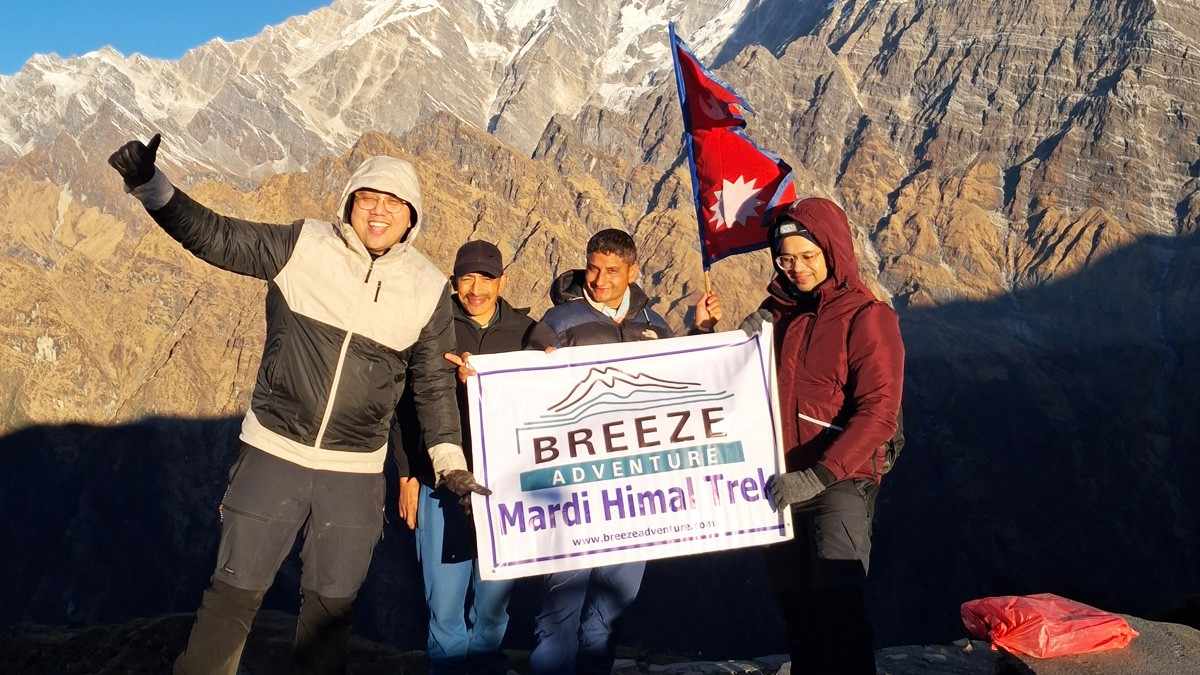
Well trained, well informed and skilled Nepali Guides holding Breeze Adventure company banner
Himalayan weather is unpredictable. Clear mornings can quickly turn into snowstorms, strong winds, or whiteout conditions. Local guides read cloud movements, wind direction, temperature drops, and seasonal weather behavior. They know exactly when to travel Nepal and plan treks.
This knowledge helps them adjust daily schedules. Likewise, start early for high passes, or delay movement when conditions are unsafe. Something that weather apps alone cannot reliably predict in remote mountains.
Which sections of the trail are risky
Not all trekking sections are equally safe. Some areas involve glacier crossings, narrow cliff paths, landslide zones, or avalanche-prone slopes. A local guide knows exactly where these danger points are and how to cross them safely.
They also understand which routes become unsafe after snowfall. In heavy rain, choose safer alternatives when necessary.
How to respond in emergencies
In emergencies such as altitude sickness, injuries, or sudden weather changes, quick and correct action is vital. Local guides are trained in first aid, altitude emergency response, and evacuation procedures.
They coordinate with lodges, rescue teams, and helicopter services. While keeping trekkers calm and stable. This experience-based response can mean the difference between a safe rescue and a tragic outcome.
Without this knowledge, trekking in Nepal can quickly turn from a dream into a life-threatening situation.
Who Is a Local Trekking Guide in Nepal?
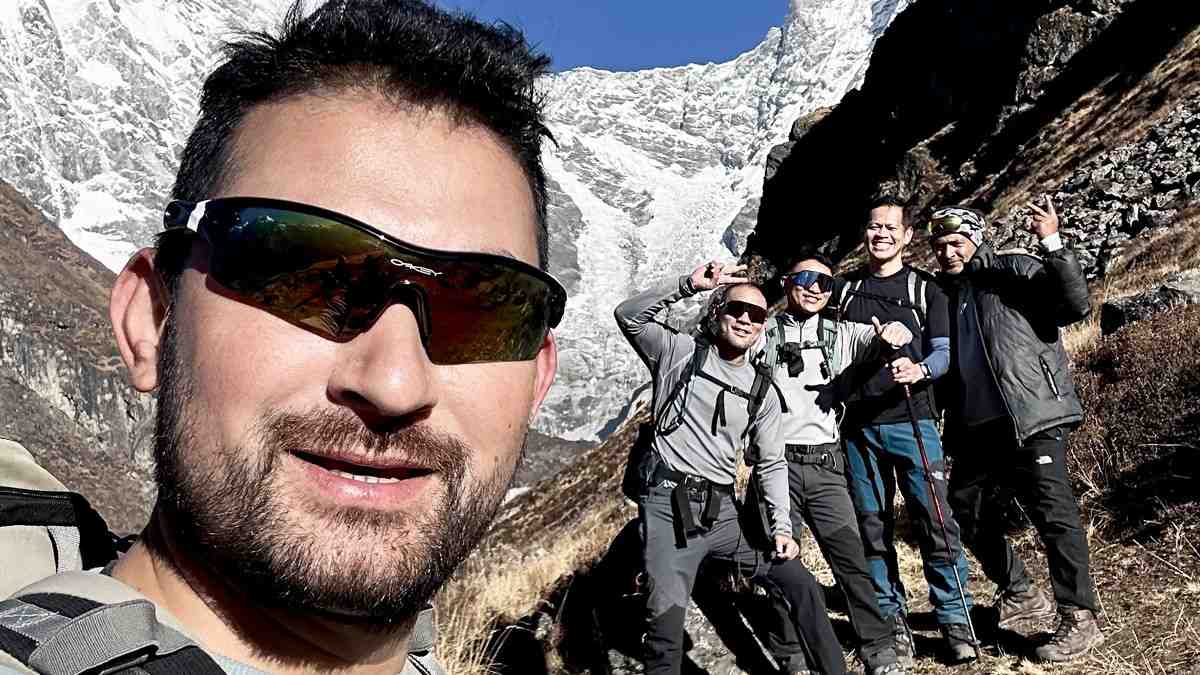
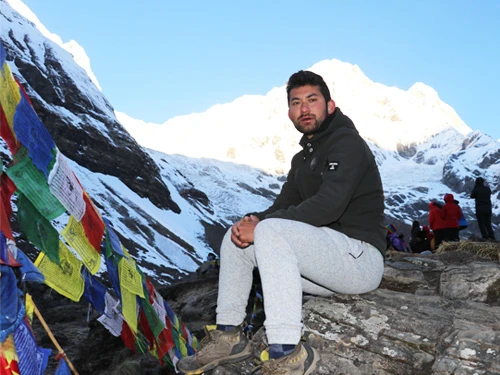
Local Travel operator and guide with trekkers
A local trekking guide in Nepal is far more than a trail companion. Most professional guides began their journey as porters. Gradually building deep knowledge of the Himalayan terrain, altitude, and culture. They have years of firsthand experience across multiple trekking regions. And are trained in altitude sickness management and emergency response.
Not just that, local guides know every village, teahouse, and seasonal trail condition. And they communicate fluently with local communities. Their strong relationships with lodge owners, rescue teams, and villagers ensure smoother logistics and faster support. These are experiences no guidebook or GPS device can replace.
This experience cannot be replaced by guidebooks or GPS apps. They do the following things:
1. Safety Comes First in the Himalaya
Safety is the most important reason to trek with a local guide in Nepal. High altitude, remote terrain, and unpredictable weather make the Himalaya unforgiving. A local guide prioritizes your health, monitors conditions daily, and adapts plans based on real-time risks.
Their experience helps prevent altitude sickness, accidents, and unnecessary exposure to danger. Ensuring your trek is not only memorable but also safe and successful.
2. Monitors your daily health condition
A local guide regularly checks your physical condition, appetite, and sleep quality. Also, hydration and energy levels. These daily observations help detect early symptoms of altitude sickness before they become severe.
Guides also ensure proper pacing, rest breaks, and hydration throughout the day. This close monitoring is especially important above 3,000 meters. Here, small symptoms can quickly develop into serious health issues if ignored.
3. Recognizes early signs of AMS, HAPE, and HACE
Local guides are trained to identify early symptoms of altitude-related illnesses such as AMS, HAPE, and HACE. Headaches, nausea, breathlessness, confusion, or unusual fatigue are taken seriously.
Early recognition allows immediate action such as rest, descent, oxygen use, or evacuation- preventing life-threatening situations. This expertise is one of the biggest advantages of trekking with an experienced local guide.
4. Adjust the itinerary if needed
Unlike fixed itineraries followed by independent trekkers, local guides adjust plans based on health, weather, and trail conditions. If a trekker needs an extra acclimatization day or a slower pace, the guide modifies the schedule accordingly.
This flexibility significantly increases success rates and reduces risk. Kindly ensuring trekkers reach their goals safely rather than rushing under unsafe conditions.
5. Knows evacuation procedures
In serious situations, knowing how to evacuate efficiently is crucial. Local guides understand helicopter evacuation processes, communication protocols, and coordination with rescue services.
They know the exact locations suitable for evacuation and how to stabilize trekkers until help arrives. This preparedness ensures quick, organized responses during emergencies. It’s something most independent trekkers are unprepared for.
6. Communicates quickly with locals, lodges, and rescue services
Strong communication networks are essential in the mountains. Local guides speak regional languages and maintain relationships with lodge owners, villagers, and rescue operators. This allows faster coordination for accommodation, medical help, or evacuation.
In emergencies, this local connection saves valuable time and ensures reliable support. An advantage foreign trekkers alone simply do not have.
At Breeze Adventure, we even carry emergency oxygen for treks above 3,500 meters, along with first-aid kits and daily health checks. It’s something independent trekkers often lack.
7. Expert Knowledge of Trails, Weather & Altitude
The weather in the Himalaya can change within minutes. A local guide knows the safest time to cross high passes. Similarly, the best trekking seasons for each region and how trail conditions change after snowfall or landslides. They understand altitude profiles and plan gradual ascents to reduce risk.
When the weather turns bad, they choose safer routes or delay movement. This deep, experience-based knowledge ensures safer trekking decisions. It’s something no online research or theoretical planning can replace.
8. Language, Communication & Local Support
Most remote Himalayan villages have limited English speakers. Thereby making communication difficult for foreign trekkers. A local guide bridges this gap by communicating clearly with lodge owners, cooks, and villagers. They negotiate rooms, meals, and services, handle misunderstandings, and seek local help when needed.
In emergencies, this language ability becomes critical for quick assistance. Without a guide, trekkers often struggle with logistics and cultural misunderstandings. This can negatively affect the trekking experience.
9. Cultural Insight & Authentic Experiences
Trekking with a local guide offers deep cultural immersion beyond scenic landscapes. Guides explain the meaning of monasteries, prayer flags, mani walls, and local rituals. They introduce trekkers to Sherpa, Gurung, Tamang, and Tibetan-influenced lifestyles and traditions.
You are welcomed into villages with respect, share local meals, and sometimes witness festivals or ceremonies. This authentic cultural connection enriches the journey. And creates meaningful memories that solo trekking cannot provide.
10. Responsible & Sustainable Trekking
Hiring a local guide directly supports Nepal’s mountain communities. Your trekking cost helps provide income to guides, porters, lodge owners, and local suppliers. Responsible trekking promotes ethical tourism, fair porter treatment, and cultural preservation.
Local guides also encourage eco-friendly practices. Such as proper waste management and respect for nature. By trekking with a local guide, you contribute positively to Nepal’s economy. Also, minimizing environmental impact and preserving the Himalaya for future generations.
11. Nepal Government Rules: Guides Are Mandatory on Many Treks
Nepal’s tourism authorities now require licensed local guides for many trekking regions. Particularly restricted and remote areas. This regulation aims to improve safety, reduce accidents, and ensure responsible tourism.
Treks such as the Manaslu Circuit, Nar Phu Valley, Upper Mustang, Tsum Valley, and Upper Dolpo cannot legally be done without a registered guide and trekking company.
Trekking with a licensed local company ensures proper permits. Further, compliance with regulations and insurance coverage for guides and porters. It also guarantees access to emergency support and official rescue coordination. These rules protect trekkers and local communities alike. Ensuring safer and more sustainable trekking experiences across Nepal’s most remote Himalayan regions.
Why Trek with a Local Company Like Breeze Adventure?
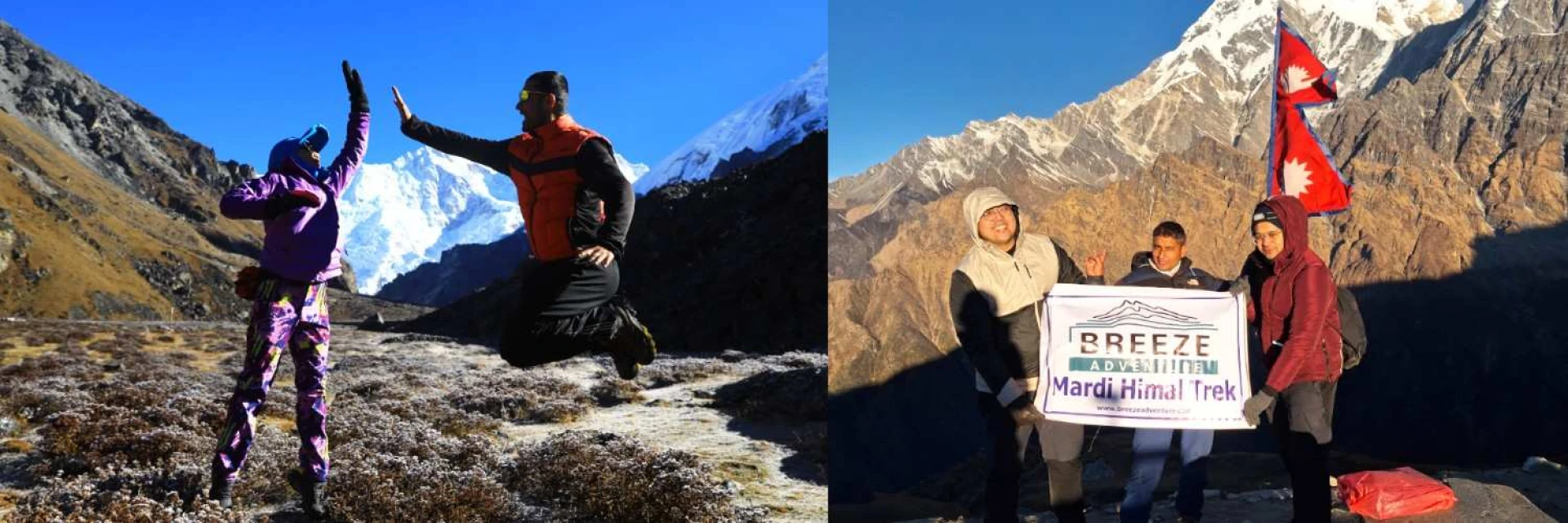
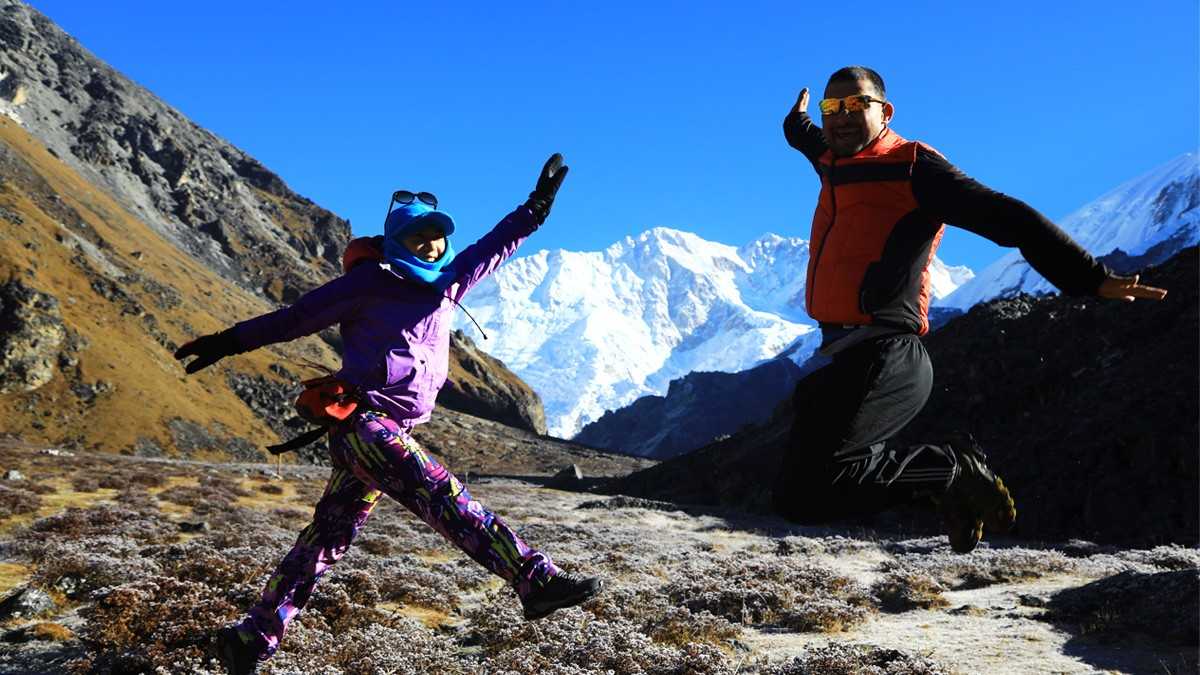
Guide enjoying fun moment with Himalayan trekker
At Breeze Adventure, trekking is not just our profession, it is our passion and responsibility. Our team consists of highly experienced local guides who know the Himalaya deeply. We ensure fair treatment and proper equipment for our porters. Likewise, we provide emergency oxygen and first-aid kits, and share up-to-date trail information. Altitude sickness management becomes easy with our planned journey and health precautions.
Our itineraries are flexible and designed with safety as the top priority. With honest advice based on real experience, we tailor each trek to your needs. Just ensuring a safe, enjoyable, and unforgettable Himalayan journey.
Final Verdict: A Local Guide Is Your Best Decision in Nepal
Trekking in Nepal is one of the most rewarding experiences on Earth, but it must be approached with respect and responsibility. A local guide is not just a leader, they are your safety partner, cultural bridge, trail expert, and emergency support.
Their knowledge, experience, and local connections protect you from unnecessary risks. Enriching your journey with cultural depth. If you want a safe, meaningful, and successful Himalayan adventure, trekking with a local guide in Nepal is the smartest and most responsible decision you can make.
If you truly want a safe, meaningful, and unforgettable trek, trekking with a local guide in Nepal is the smartest choice you can make.
Frequently Asked Questions
Is a local guide mandatory for trekking in Nepal?
Yes. For many treks, especially in restricted and high-risk areas, hiring a licensed local guide is mandatory under Nepal tourism regulations.
Is trekking in Nepal safe without a guide?
Trekking without a guide increases risks related to altitude sickness. Likewise, weather changes, navigation errors, and emergencies, especially in high-altitude regions.
What are the benefits of trekking with a local guide?
Safety, altitude management, trail knowledge, and cultural insight are benefits. Not just that, but local communication, emergency handling, and a more authentic trekking experience.
Do local guides help with altitude sickness?
Yes. Local guides are trained to recognize symptoms early and take proper action. Including rest days, descent, or oxygen support if required.
Why choose a local trekking company in Nepal?
Local companies provide experienced guides, legal permits, and safety equipment. Further, fair porter treatment and direct support to local communities.
Kishwor Adhikari is a passionate writer with a deep enthusiasm for trekking and adventure. His extensive travels across Nepal, exploring its diverse landscapes and hidden corners, have shaped his unique perspective on the country's natural beauty. With a wealth of first-hand experience in adventure trekking, Kishwor has become a trusted voice for fellow enthusiasts. Through his writing, he shares invaluable insights, offering practical advice and inspiration for both seasoned trekkers and novices alike. His dedication to sharing his journey and knowledge helps others discover the wonders of Nepal's wilderness, making his work an essential resource for anyone seeking adventure in the region.