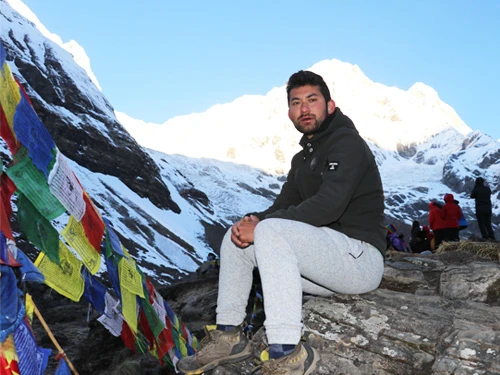
Annapurna Base Camp trek can be done on a real budget. Trekkers complete it for under $600, including the cost of permits, transport, and ten days of food. But most budget guides online are either outdated, copied from agency websites, or written by people who haven't been on the trail since the post-COVID price hikes.
This guide is different. It covers what teahouses actually charge in 2026, the hidden fees that wreck most budgets, where the permit rules genuinely changed this year, and, more importantly, who shouldn't try Annapurna Base Camp trek on a budget at all.
If you just want the numbers, skip to the cost breakdown. If you want to avoid the mistakes most first-timers make, read the whole thing.
Table of Contents
Why ABC is the Cheapest Major Himalayan Trek
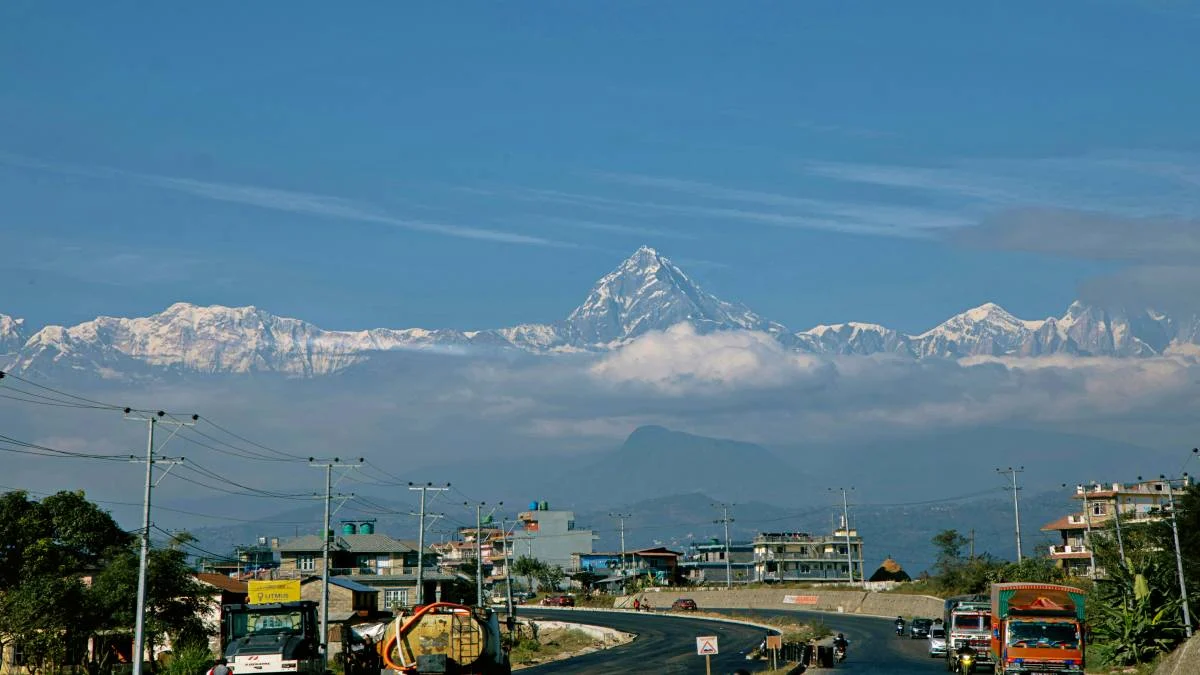
Stunning mountain views from Pokhara
ABC is the cheapest major Himalayan trek in Nepal because it skips the Lukla flight ($180-$220 one way), starts from Pokhara (reachable by a $10 bus), and takes 7-12 days instead of 14-18 days like in Everest Base Camp.
Every extra day on the trail means extra costs daily. One more night in a teahouse, three more meals, another day of guide and porter wages. Cut three or four days, and you cut hundreds of dollars.
When operational, jeeps now run deeper into the Annapurna region, sometimes as far as Jhinu Danda or Ghandruk, letting budget trekkers skip lower trail sections and shave one or two days off the itinerary. Road conditions change with monsoon and landslides, so confirm the current jeep routes in Pokhara before paying for a private vehicle.
Who Should NOT Do ABC on a Budget
Most trekking blogs sell you the trek. This one tells you when to skip the budget version. If any of these describe you, spend more or pick a different trek.
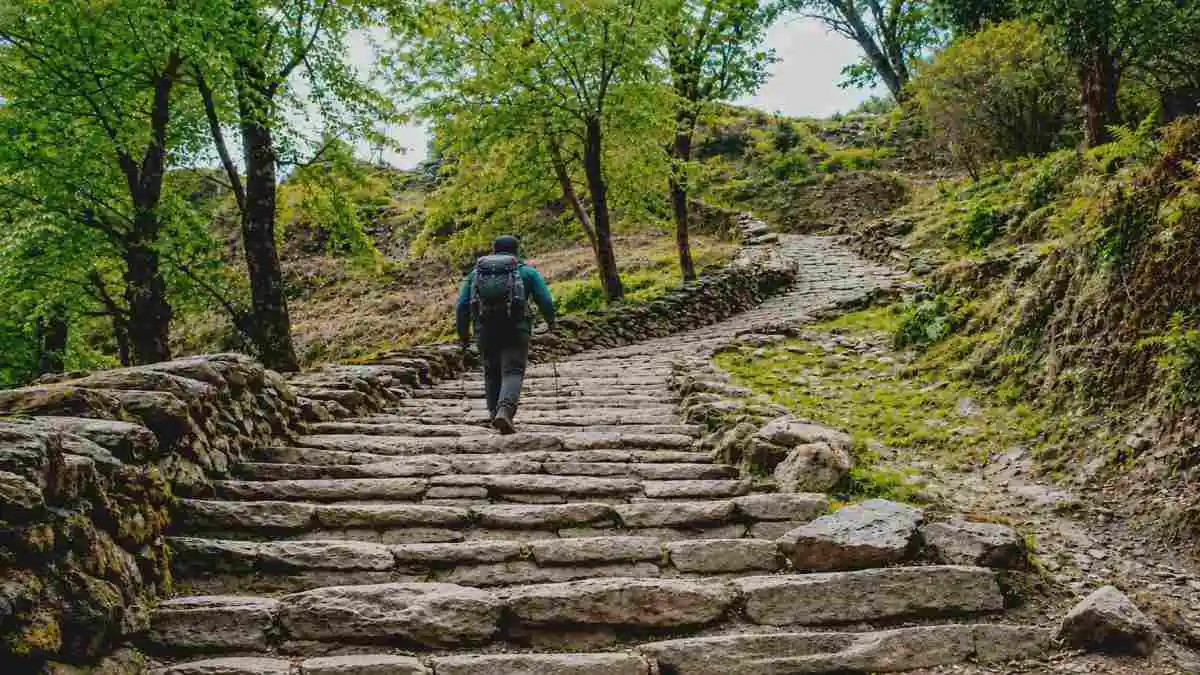
The famous steep stone steps at Chhomrong
You can’t afford proper insurance. A helicopter evacuation from ABC runs $3000-$10000, and pilots want proof of coverage before they fly you out. A High-altitude policy costs $80-$150. Skipping insurance to save $100 is the worst trade in trekking.
You’re on a tight schedule. Budget trekking means buses, not flights. Kathmandu to Pokhara by road is 7-10 hours and routinely longer with construction, traffic, or weather. If your international flight is within 48 hours of your trek ending, don’t bet it on a tourist bus.
You need real comfort. $5-$10 teahouses are basic. Plywood walls you can hear through. Shared squat toilets. No heating except the dining room stove. Cold-water bucket “showers” above Deurali. If you’ve never done budget travel in South Asia, this will be a shock.
Your knees are already a problem. Going on a budget usually means skipping the porter ($15-$25 a day) and carrying a 10-15 kg bag yourself. ABC has thousands of unescapable stone steps (the chhomrong descent alone is over 2500 steps each way), and they punish bad knees. Hire the porter or pick an easier trek.
You don't speak any English and don't have a guide. Teahouse owners speak basic English, but trail navigation, permit checkpoints, and altitude-sickness conversations all need it. Solo budget trekking without English fluency is high-risk.
You picked the off-season just for the discount. Monsoon and winter knock 30–50% off lodging, but you pay in other ways: leeches and slippery trails in monsoon, –15°C nights in winter. The savings are real. So is the suffering. Make sure you actually want the trade.
If none of those applies, keep reading.
How much does the Annapurna Base Camp trek actually cost?
A standard guided ABC trek costs $800–$1,100 per person for a 10-14-day itinerary. Budget trekkers using local transport and basic teahouses can get it down to $500–$700. Luxury packages run $1,500–$3,000.
The rest of this section breaks down where that money goes.
Permits costs
Every foreign trekker needs two permits: the Annapurna Conservation Area Permit (ACAP) and the Trekkers' Information Management System (TIMS) card. You can get both permits at the Nepal Tourism Board office in Kathmandu (Bhrikutimandap) or Pokhara (Damside). You must bring two to four passport photos, a copy of your passport, and cash in Nepali rupees. Same-day issue if you arrive before 4 PM. For most foreign nationals, the cost of these permits ranges from $35 to $45 USD.
Annapurna Conservation Area Permit (ACAP): The cost of ACAP is fixed regardless of the duration of your stay, unlike the Restricted Area permit.
Foreign Nationals (Non-SAARC): NPR 3000 per person (approx. $23-$25)
SAARC National: NPR 1000 per person (approx. $8)
Children: Those under 10 years of age are exempt from the ACAP fee.
TIMS Card: The cost of a TIMS card is also fixed and valid for a single entry of a specific, registered trek route and duration.
Foreign Nationals: NPR 2000 per person (approx. $16-$20)
SAARC Nationals: NPR 1000 per person (approx. $8)
Permit fees are reviewed periodically by the Nepal Tourism Board. Confirm current rates on the NTB website before you travel.
The permit trap: Skipping the NTB office and trying to buy your ACAP at a trail checkpoint, and you pay double, which is around $50 instead of $25. Some checkpoints now refuse entry to trekkers without pre-issued digital permits at all. Don’t take the risk.
Transport Cost Before the trek
The road approach is what makes ABC so much cheaper than Everest. You have to plan for two stages of transport, first Kathmandu to Pokhara and second Pokhara to the trailhead.
Kathmandu to Pokhara (about 200 km, 7-10 hours by road):
Standard tourist bus: $10-$15 per person. Most common budget choice.
“Sofa” or premium bus (Greenline, Jagadamba): $25-$35 per person. AC, reclining seats, lunch stop included.
Private car or jeep: $100-$180 per vehicle. Best for groups of three or four.
Domestic flight: $100-$130 per person. 25 minutes, great Himalaya views, and weather-dependent cancellations are common.
Pokhara to the trailhead (1.5-4 hours depending on drop-off):
Shared jeep or Local bus: $5-$15 per person. Jeeps leave from Hari Chowk in Pokhara, usually at 6-9 am, departing when full.
Private jeep to Jhinu Danda or Ghandruk: $70-$110 per vehicle. Saves 1-2 days of walking, sometimes worth it if your group splits the cost.
Local taxi to Nayapul: $10-$25 one way.
Accommodation Costs
Teahouse prices climb sharply with altitude. The pattern is consistent across the trail.
Elevation/trail section
key villages
Shared Room cost (USD)
private room cost (USD)
Lower trail (below 2200m)
Nayapul, Tikhedunga, Ghandruk
$3-$7
$10-$15
Mid-Altitude (2200m-3200m)
Chhomrong, Bamboo, Dovan
$7-$12
$12-$18
high altitude (Above 3200m)
Deurali, MBC, ABC
$10-$25
$18-$30 (not available in peak season)
Along the lower and middle trails, most teahouses offer the room free or at a steep discount if you commit to eating breakfast and dinner there. This is the standard teahouse business model in Nepal. Food margins fund the rooms.
That deal disappears above Deurali. Rooms at MBC and ABC are charged regardless of meals because bed availability is limited, and during peak season, private rooms at the top two stops are essentially unavailable. Expect to share a dorm-style room or sleep on dining hall benches if you arrive late.
Food and Drinks Costs
Daily food and drinks run $20–35 per person. Like accommodation, prices climb with altitude because everything is carried up by porter or mule.
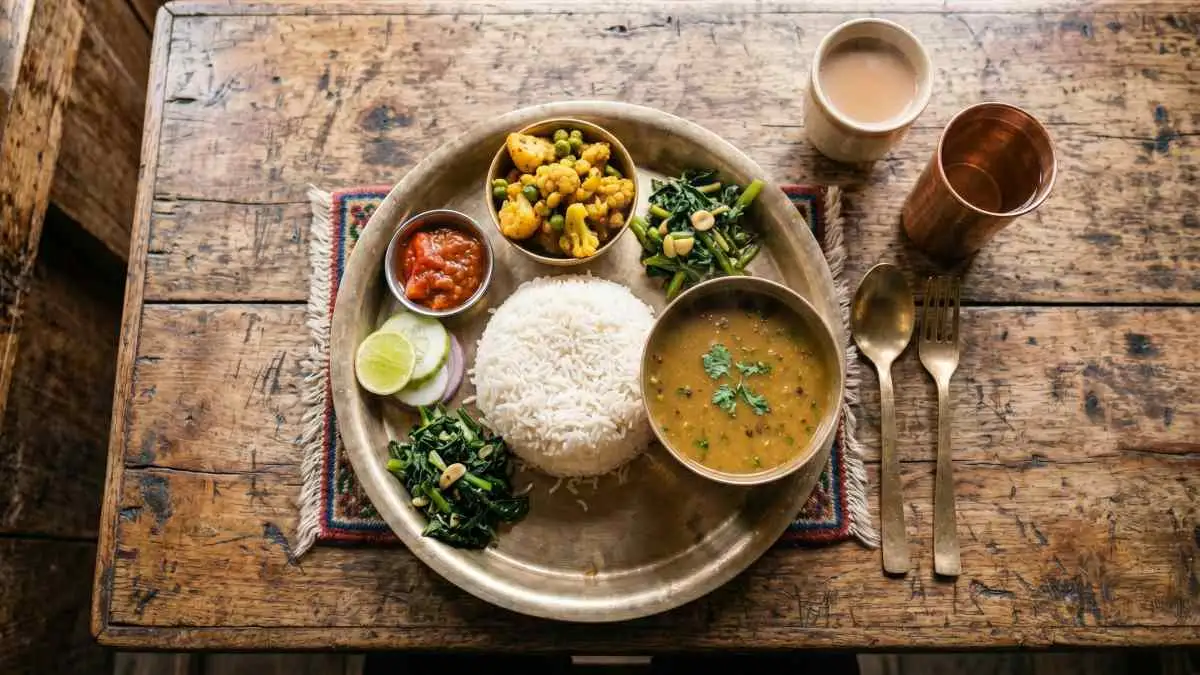
Dal Bhat
Teahouse menus are nearly identical across the trail, which includes dal bhat, fried rice, noodles, momos, pasta, eggs, and porridge.
Dal bhat (lentil soup, rice, vegetables with unlimited refills): $4-$6 lower trail, $7-$10 at MBC/ABC. Best value on the menu, every day, no contest.
Standard mains (fired rice, noodles, momos): $3-$4 lower trail, $6-9 high altitude.
Breakfast (porridge, eggs, Tibetan bread): $3-$5 lower trail, $5-$8 at base camp.
Boiled water: NPR 100-200 per litre in lower trail, NPR 200-600 per litre at ABC.
Tea: about $1 in lower trail, $2-3 high altitude.
Coffee or Juice: $2-$5
Food strategy for budget trekkers: Eat dal bhat for dinner every night (calorie-dense, hot, unlimited). Bring oats, snacks, and instant coffee from Pokhara. Use the ACAP-run safe drinking water refill stations in larger villages instead of buying boiled water everywhere. They’re cheaper, and the plastic stays out of the mountains.
Hidden costs
Hidden costs on the Annapurna base camp trek primarily consist of daily fees for utilities and services that are not included in basic room and board. These small expenses can accumulate quickly, adding an estimated $10 to $30 per day to your budget.
This is where most budgets break. A daily extra spends nobody tells you about looks like this:
Hot shower: $2-$5
Charging electronics: $1-$5
Wi-Fi (per session): $1-$5
Boiled water (2L): $3-$6
Snacks bought on trail: $3-$8
10-day trek hidden total: approximately $150
A few specific traps to know about:
The permit penalty: Buy an ACAP at a checkpoint instead of the NTB office, and you pay double (approx. $50)
Trail-side snacks: Chocolate, energy bars, and nuts cost 200-300% more on the trail than in Pokhara. Stock up on snacks before you leave Lakeside.
Tips for guide and porter: Not legally required but culturally expected. Budget 10-15% of total staff fees as a tip.
Laundry in villages like Chhomrong: $5-$10 per load.
Jhinu Danda Hot springs: small entry fee, around NPR 100-200.
Mandatory high-altitude insurance: Required to show before permits in some cases. Helicopter evacuation coverage above 4500 m is the key clause.
Nepal tourist visa on arrival: $30 for 15 days, $50 for 30 days. Cash only at the airport
Carry an emergency cash buffer of $100-$200 beyond your calculated daily budget. There are no reliable ATMs above Pokhara, and teahouses take only Nepali rupees.
Which is better, renting or buying gear?
For most one-time trekkers, renting gear is the better financial choice, especially for high-cost, bulky items. Renting allows you to save hundreds of dollars in upfront costs and avoid the logistical hassle of transporting heavy equipment internationally.
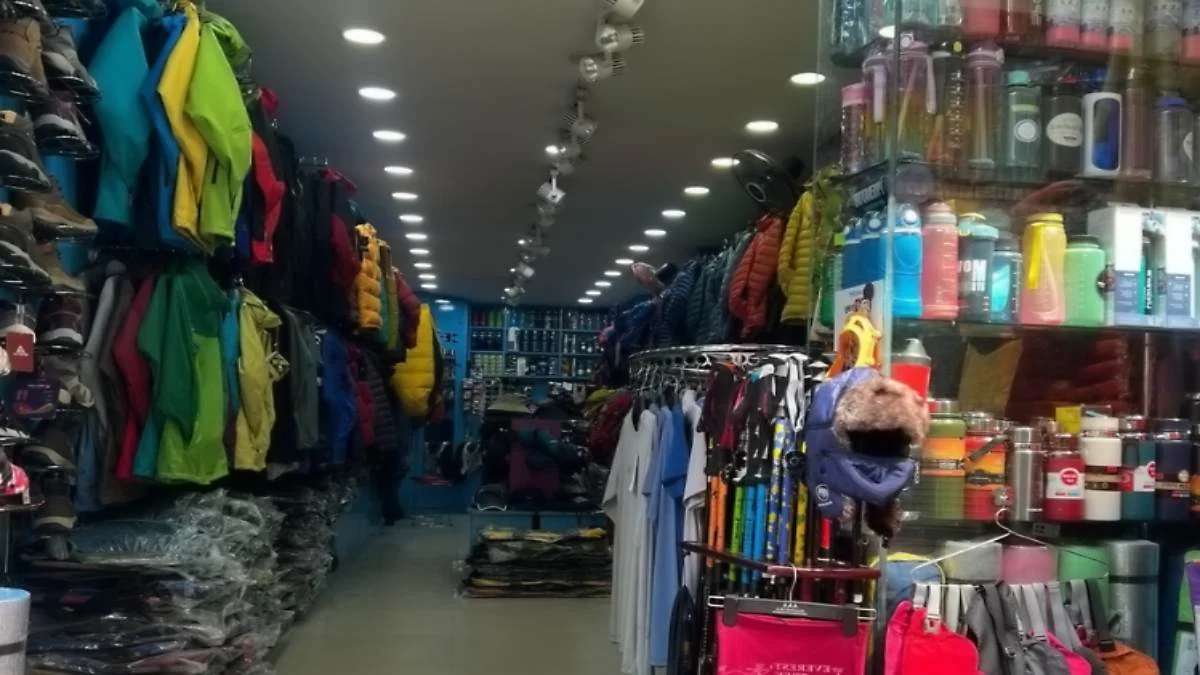
Trekking Gear shop in Kathmandu
Gear item
Daily Rental (USD)
Purchase in Nepal (USD)
Down Jacket (-10 °C)
$1.50-$3.00
$30-$80 (knockoff)/ $100+ (genuine)
Sleeping Bag (-15 °C)
$1.50-$3.00
$40-$100
Trekking Pole (pair)
$0.65-$1.50
$10-$25
50L Backpack
$1.25-$3.00
$35-$70
Microspikes
$1.00-$3.00
$15-$30
Most rental shops require a $50-$100 cash deposit or a copy of your passport as collateral. Inspect Zippers, down loft, and sole conditions before you walk out.
Don't rent these: Boots. Ten days on stone steps in unfamiliar footwear is how trekkers get blisters serious enough to end their trek. Wear boots you've broken in at home. The same goes for socks and base layers. Bring your own.
The $30–80 down jackets in Thamel are mostly "North Fake" knockoffs. They work fine for one trek, but won't last. If you want a real jacket, expect to pay $100+ from a legitimate brand store.
The absolute cheapest time is monsoon (June–August). Teahouses discount rooms 30–50%. Winter (December–February) is next, with rooms 10–20% off peak rates.
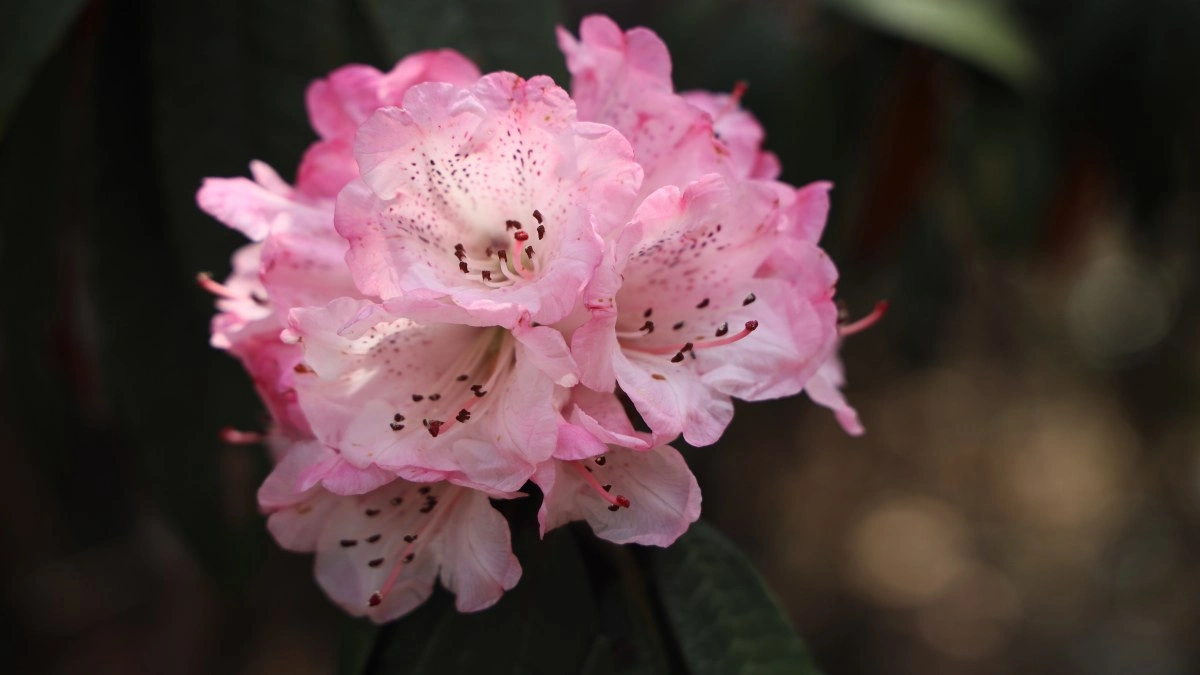
Beautiful pink rhododendron in bloom
But cheapest isn't always smartest. Here's how the seasons trade off:
Period
Discount on accommodation
what the season offer
Verdict
October-November
No discount
Clear, cold nights, busy trail
Best weather, high prices
December-February
10% to 20% discount
-10 °C to -15 °C at ABC, Snow above Deurali
Cheap but harsh, some lodges closed
March-April
No discount
Clear, Rhododendron Bloom
Peak price return
June-August
30% to 50% discount
Rain, leeches, cloud cover
Cheapest, hardest
Late November/ Early March
10% to 20% discount
Mostly clear, fewer crowds
Sweet spot
The sweet spot most trekkers miss: Late November and early March. The weather is nearly as good as peak season, but prices drop, and trails are less crowded. Guides are also easier to negotiate with because they’re hungry for work.
Monsoon reality: Expect 5-15 leech encounters per day on lower trail sections. Cloud cover hides the views for days at a time. Some bridges and trails close for landslides.
Winter reality: Lodges above Deurali often close in December-February. ABC itself sometimes shuts down. Confirm with the travel agency in Kathmandu or Pokhara before committing.
Is it cheaper to book a package or go independent?
It is generally $200 to $400 cheaper to trek independently than booking a full-service package, provided you are comfortable managing your own daily logistics and carrying sufficient cash.
However, choosing an organised trek for the Annapurna Base Camp (ABC) trek is considered the best approach for most international travellers because it integrates the mandatory guide requirement with logistical security and health safety.
Going independently in Annapurna Base Camp might be cheaper than booking a package, but you might face different problems like no space at high-altitude stations like Machhapuchhre Base Camp and ABC in a peak season, no professional health and safety oversight, which affects the detection of altitude sickness, need to carry large sums of cash on the trail, and have to handle all the labour of securing all the permits required.
And the trek package includes
Permits: ACAP and TIMS
Staff: Licensed English-speaking guide and shared porter.
Logistics: All teahouse accommodation and 3 meals per day on the trek.
Transport: Round-trip tourist bus or private vehicle from Kathmandu/Pokhara.
Safety: First aid Kit, pulse oximeter, and 24/7 agency support.
Frequently Asked Questions (FAQs)
1. What's the total cost of the ABC trek?
The total cost of the Annapurna Base camp trek ranges from $500 to $3000 per person, depending on how you do it. Most trekkers spend around $700 to $1100 for a standard 10-day trek.
2. What permits do I need for ABC, and what do they cost?
You need two permits for the Annapurna Base Camp trek: the ACAP (Annapurna Conservation Area Permit) and the TIMS card. Together they cost roughly $35–$45 for foreign nationals.
3. How much should I budget per day on the trail?
Budget around $30-$50 per day per person on the trail. Smart budget trekkers can manage by $30 where as comfort focused trekkers spend $60+.
4. Do I need travel insurance for ABC trek, and how much does it cost?
Yes, you need travel insurance with helicopter evacuation coverage above 4500m for ABC trek. A suitable policy costs a around $80-$150 for a two-week trip. And you have to get this insurance in your home country.
Final thoughts
Budget trekking to Annapurna Base Camp works if you plan it right. Get permits in Pokhara, rent gear instead of buying, carry more cash than you think, eat dal bhat, and pick your season honestly. Do those things, and you'll spend $600-$800 on a trek that delivers Himalayan views people pay $3,000 for.
Do them poorly, and you'll spend more than $1000, plus an evacuation bill.
You can check out our prices for standard Annapurna trek packages and see what is included and what is not, and decide if you want to book a package or not. And you can contact us if you have any questions.
Kishwor Adhikari is a passionate writer with a deep enthusiasm for trekking and adventure. His extensive travels across Nepal, exploring its diverse landscapes and hidden corners, have shaped his unique perspective on the country's natural beauty. With a wealth of first-hand experience in adventure trekking, Kishwor has become a trusted voice for fellow enthusiasts. Through his writing, he shares invaluable insights, offering practical advice and inspiration for both seasoned trekkers and novices alike. His dedication to sharing his journey and knowledge helps others discover the wonders of Nepal's wilderness, making his work an essential resource for anyone seeking adventure in the region.