Stargazing in Nepal is something truly magical. Yes, when the sun drops behind the Himalayas, Nepal shows a whole different side. Actually, the night sky here is not like what you see in cities. It feels bigger, darker, and full of stars that almost look alive. Likewise, people usually come to Nepal for trekking or climbing. But stargazing in Nepal is something that quietly steals the show.
What makes it special is simple: high mountains, clean air, and very little light around. Places like Everest Base Camp, Annapurna, or Manaslu are already on every traveler’s list. But they also happen to be some of the best places for stargazing.
You can just sit outside a tea house, wrap up in a blanket, and just look up. The Himalayan night sky feels calm, peaceful, almost spiritual. It’s not about fancy equipment, it’s just about being there under the stars. Let’s know more about the stargazing experience in Nepal travel.
Table of Contents
What does Stargazing Mean?
Stargazing experience at night on mountain trekking hits different
Stargazing simply means looking at the night sky and enjoying the stars, planets, or even galaxies if you’re lucky. Some people do it for science, some for peace, and many just because it feels magical.
Yes, you don’t always need a telescope. Most of the time, it’s about finding a dark spot away from bright lights and just looking up. It’s one of the oldest ways humans connected with the universe. And even today, it feels fresh every time.
Why Stargazing in Nepal Is Unique?
Nepal stargazing is a unique experience to create many lovely memories. The Himalayan night sky literally gives goosebumps. Whether you do trekking in Nepal or travel to cities and villages, you can experience nighttime stars everywhere. Here are the major reasons why stargazing Nepal is unique, have a look:
High altitude makes the stars look extra sharp. The dark sky in Nepal is as beautiful as a rocking performance on stage.
There will be clean mountain air, not much pollution around.
Similarly, the dark sky in Nepal is perfect for watching the Milky Way.
The Himalayas as a backdrop are amazing with stars above, snowy peaks below.
Autumn and winter give the clearest skies and fewer clouds.
Every season feels different, but the Himalayan night sky stays unforgettable.
Best Stargazing Places in Nepal
Nepal is a perfect place for noctourism, and you will love stargazing. Here are the major stargazing places of Nepal:
Nagarkot
Nagarkot is probably the easiest place to enjoy stargazing in Nepal. Just a short drive from Kathmandu, it’s famous for sunrise, sunset, and night sky views. Not just that, the village sits at around 2,200 meters, giving you a higher vantage point and much less light pollution than the city. When the sky is clear, you can even spot the Nagarkot Milky Way stretching over the Himalayas, which is magical for beginners and casual travelers.
Highlights & Tips:
Only 1-2 hours from Kathmandu, very accessible.
Popular viewpoint for tourists; combine with sunrise/sunset visits.
Clear winter nights are best for seeing the Milky Way.
Bring a tripod if you want night photography.
Accommodation: small hotels and guesthouses with balconies for night views.
Pokhara and Sarangkot
Amazing nighttime mountain view from Pokhara
Pokhara is more than lakes and adventure sports. From Sarangkot, you get panoramic views of the Annapurna range and Phewa Lake. At night, reflections on the water add a unique charm to stargazing. The altitude is moderate, but the combination of mountains, lake, and relatively dark skies makes it one of the most photogenic stargazing spots in Nepal.
Highlights & Tips:
Best around full moon for reflective lake photos.
Easy access from Pokhara city center (30-40 min drive).
Combine with paragliding or a sunrise trek for a full experience.
Ideal for both casual stargazers and photographers.
Mustang (Upper Mustang & Lo Manthang)
Mustang offers desert-like landscapes with almost zero clouds in the dry season. The Upper Mustang region and Lo Manthang provide exceptionally clear skies because of low humidity and minimal light pollution. It’s a dream for anyone wanting to see stars in isolation, and the Milky Way is often dazzling over barren cliffs and plateaus.
Highlights & Tips:
Best months: October to April for clear skies.
Trekking is required to reach Lo Manthang; plan for multiple days.
Ideal for long-exposure photography.
Remote location: pack warm clothes, lights, and extra supplies.
Everest Region (Namche, Gokyo, EBC)
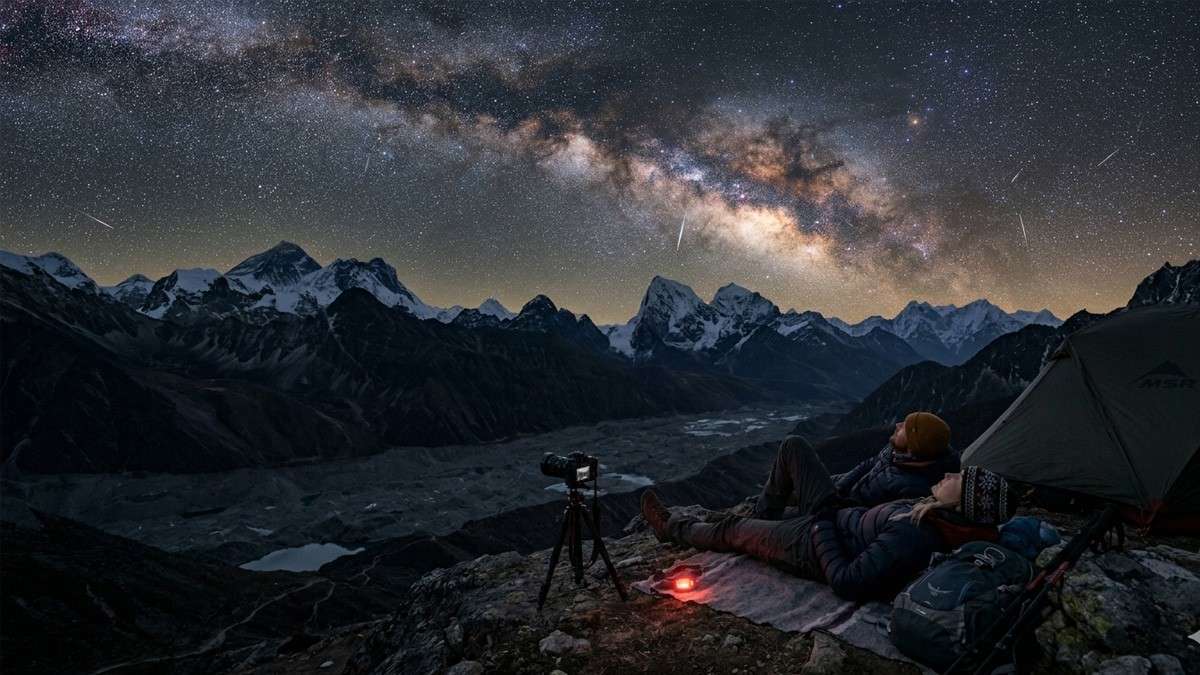
Stargazing night from Everest is a dream of millions
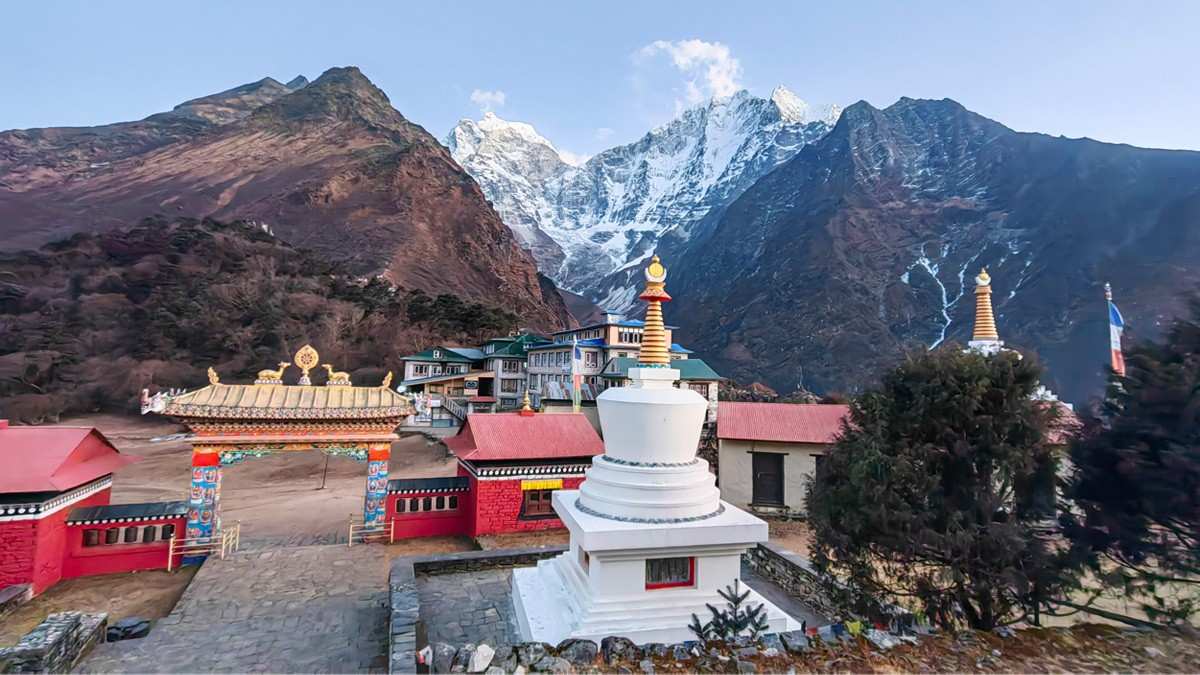
The Everest region isn’t just for climbers. Villages like Namche Bazaar, lakes at Gokyo, and Everest Base Camp offer surreal Himalayan night sky experiences. High altitudes and crisp air make stars sharper, and you get the iconic backdrop of snow-capped peaks under the Milky Way. It’s ideal for those wanting dramatic night photography combined with trekking adventure.
Highlights & Tips:
Cold nights, especially above 4,000 meters; warm gear is mandatory.
Best time: March-May and September-November.
Combine stargazing with sunset/sunrise in the mountains.
Carry a tripod and a remote shutter for night shots.
Rara Lake
Rara Lake is remote and pristine, giving a nearly pollution-free environment. Surrounded by mountains and forests, it’s one of the quietest places for stargazing in Nepal. Rara Lake stargazing is perfect for travelers who want total peace, away from crowds, and clear views of constellations mirrored on the lake’s surface.
Highlights & Tips:
Very remote: take a flight to Jumla, then drive to Rara.
Best during clear winter nights.
Minimal light pollution for photographers and astronomy lovers.
Few accommodations: book in advance or camp nearby.
Shey Phoksundo (Dolpo)
Dolpo’s Shey Phoksundo area is wild and untouched. The pristine night sky here is one of the darkest in Nepal. Surrounded by wilderness and a turquoise lake, it’s ideal for travelers looking for pure, immersive stargazing experiences. This region is also culturally rich, adding Tibetan-style monasteries and unique local life to your trip.
Highlights & Tips:
Extremely remote: multi-day trek required.
Best months: September-November for dry, clear skies.
Carry extra warm gear and trekking essentials.
Few lodges; camping is possible near Phoksundo Lake.
Stargazing Tours & Activities in Nepal
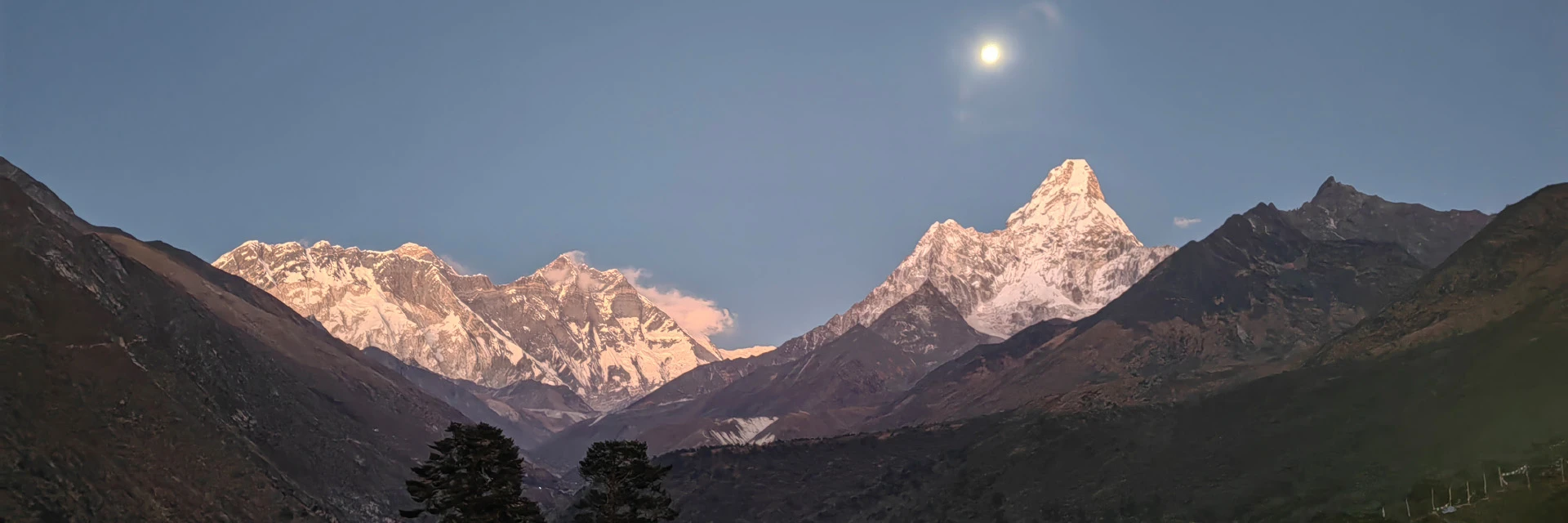
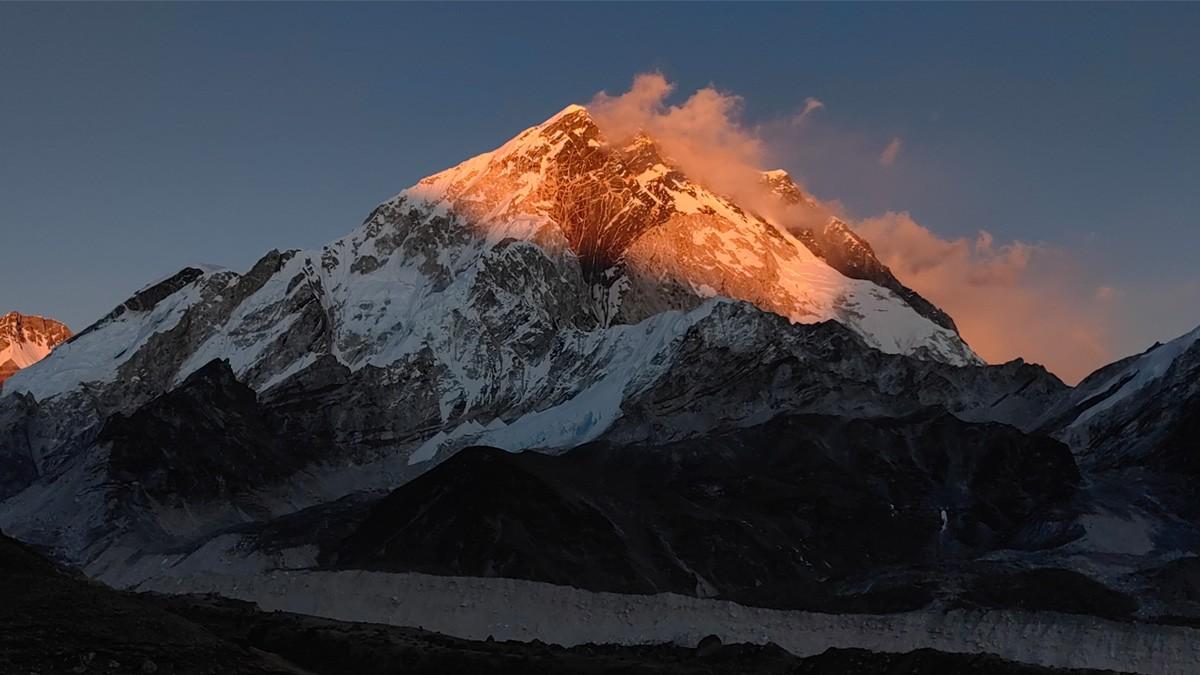
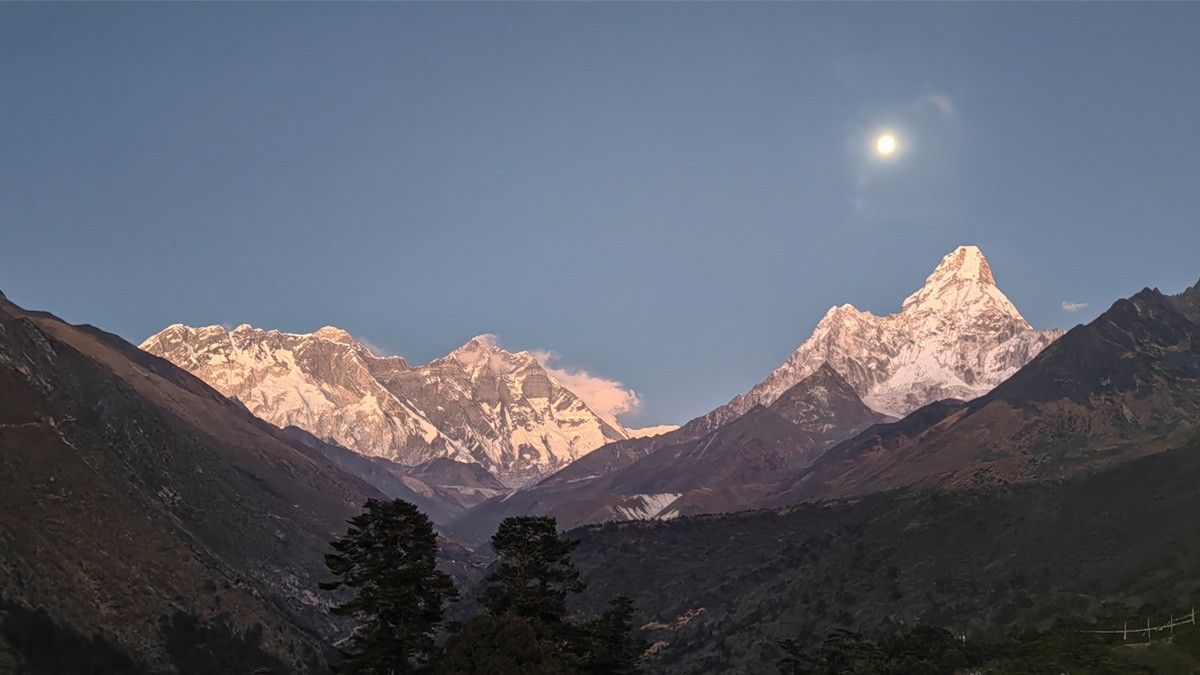
Stunning Himalayan region Nepal in sunset time
Just like high altitude trekking, water surfing, jungle safari, and cultural tour, stargazing tours and activities in Nepal have a separate fan base.
Trekking + Stargazing Packages
Many treks now add stargazing tours Nepal, so you get both adventure and night sky.
High camps like Everest Base Camp or Annapurna give the clearest Himalayan night sky.
Guides often plan stops where the dark sky in Nepal looks best.
Some packages even include short lessons about constellations along the trail.
Sleeping under stars after a long hike feels like a reward in itself.
Night Sky Photography Tours
Nepal astronomy tours often focus on Milky Way photography Nepal.
You don’t need to be pro, guides help with camera angles and timing.
The best spots are remote villages or high ridges where light pollution is zero.
Similarly, the long exposure shots here capture stars, peaks, and sometimes shooting stars.
These tours are popular with both solo travelers and small groups.
Cultural Tie-ins (Astrology, Festivals)
Astro tourism Nepal isn’t only about science. Actually, culture plays a big part too.
Local guides explain astrology links, how stars connect to daily life.
During festivals like Tihar, the sky looks even brighter with lights and prayers below.
Some monasteries share Buddhist stories tied with planets and stars.
Stargazing here feels spiritual, not just a travel activity.
Best Time for Stargazing in Nepal
Stargazing in Nepal can be the most beautiful experience as well as a disappointment. So, planning this tour at the best time is necessary. Normally, the best time to visit Nepal matches your plan for stargazing experience also.
Autumn (Sep-Nov)
It is known as the best time stargazing Nepal because the skies stay super clear.
The weather is stable, not too hot or too cold, good for trekking + night sky watching.
Milky Way and constellations shine bright in this stargazing season Nepal.
It is a popular time, so trails and lodges can be a bit busy.
Spring (Mar-May)
It is another good stargazing season Nepal. Skies are mostly clear with warmer nights.
Rhododendron forests bloom, so daytime views are colorful. Similarly, the nights are full of stars.
Less cold than autumn, easier for camping under the sky.
Good balance for people who want both flowers and a clear sky season Nepal.
Winter (Dec-Feb)
Winter nights are crystal clear, and stars look sharper than in any other season.
But it gets very cold, especially at high altitude, so you need warm gear.
Trails are quieter, fewer tourists around, peaceful for stargazing.
Some remote routes might be closed due to snow.
Stargazing Tips for Travelers
For a smooth and successful stargazing experience in Nepal, follow the tips below:
Always check the weather before heading out, cloudy skies ruin the plan.
Carry warm clothes, nights get cold fast in the mountains.
A small torch or headlamp helps, but keep the light dim to save night vision.
For stargazing tips Nepal, a basic telescope or binoculars is enough.
A tripod is a must if you’re into night sky photography tips Nepal.
Apps like SkyView or Stellarium help you find constellations easily.
Don’t forget extra batteries, cold drains them quicker.
Pack simple snacks and water, you might stay out longer than planned.
Remote areas can be tricky, always tell someone where you’re going.
Stick with a group or guide. It is safer than wandering alone at night.
What to pack for stargazing Nepal? Sleeping bag, gloves, and even a hot water bottle can help.
Keep camera settings ready in advance, long exposure works best for stars.
Dark Sky & Astronomy Events in Nepal
What do you know about the dark sky and astronomy events in Nepal? Let’s discuss that below:
Meteor Showers
Nepal is a great spot to catch meteor shower Nepal like Geminids, Perseids, and Leonids.
High altitude + clear skies mean shooting stars appear brighter.
Best to watch after midnight when the sky gets darkest.
These events are often peak in winter or summer nights, worth planning a trip around them.
Festivals & Traditions
Some dark sky events Nepal link with local festivals of light like Tihar.
In villages, stars often play a role in the farming calendar, so sky watching has old roots.
Monasteries sometimes share Buddhist stories tied with constellations.
Stargazing during festivals feels cultural, not just scientific.
Astronomy Clubs & Groups
Nepal astronomy events are often hosted by small clubs in Kathmandu or Pokhara.
They arrange public telescope viewings during eclipses or big planetary nights.
Great way to meet locals who are into stars and learn from them.
Some tour partners with these clubs, adding more knowledge to dark sky trips.
Geo Spotlight: Stargazing in Nepal for International Travelers
If you really love looking at stars, Nepal is like heaven for that. The sky here, when it's clear, feels so close, like you can almost touch the Milky Way. Nepal stargazing for tourists is getting popular because of its mix of high mountains, clean air, and low light pollution. Many visitors come first for trekking or culture. But later they realize, Wow, the night sky here is an even bigger experience.
What makes it cool is that it's not hard to reach. If you land in Kathmandu City, within a few hours' drive, you can already see dark sky spots like Nagarkot or Dhulikhel. So if someone wants a short stargazing trip to Nepal, no need to hike far away. Yes, you can still catch amazing night views just outside the city.
But the real magic comes when you add it to your trekking plan. like, imagine after a long day hike in Mustang or the Everest region, you sit outside a tea house, and the stars just cover everything. Many travel groups already offer add-ons to trekking itineraries with astronomy nights. It's not only about walking up mountains but also sitting down and feeling the universe.
Nepal is a small country, but for sky watchers it's a giant stage. Mountain backdrop plus stars shining above, it's honestly one of those moments you never forget. So if you plan to travel Nepal for astronomy, just carry a little warm jacket, maybe binoculars, and keep one or two nights free in your plan. It will be worth it.
Conclusion: Why Nepal Is a Stargazing Paradise
At the end, it's clear why people call it a stargazing paradise Nepal. The clean air, tall peaks, and almost no city lights in many places make it feel unreal. You don’t need a big telescope, just your eyes to feel the magic. Honestly, it might be the best stargazing country Asia because you can mix culture, trekking, and sky watching all in one trip. Standing under the Milky Way with the Himalayas as background, that Himalayan dark sky experience stays with you forever. It's like a dream you don’t want to wake up from.
FAQs
1. Is Nepal good for stargazing?
Yes, Nepal is amazing for stargazing. The high mountains, clean air, and very little light pollution make the night sky super clear. Trekking regions and remote villages give one of the best night sky Nepal experiences. You can easily see thousands of stars, planets, and even the Milky Way on clear nights.
2. Where is the best place for stargazing in Nepal?
Some of the best spots include Nagarkot, Mustang, and the Everest region. Nagarkot is close to Kathmandu and offers easy access with dark skies. Mustang, especially Upper Mustang, is remote and perfect for observing stars. Similarly, Everest Base Camp or nearby high camps also give an incredible Himalayan night sky view.
3. What time of year is best for stargazing in Nepal?
The best time for stargazing Nepal is usually autumn (September to November) and spring (March to May). These months have clear skies, dry air, and fewer clouds. Winter is also good for a sharp night sky, but it’s very cold at high altitudes. Summer is less ideal due to monsoon clouds and rain.
4. Can you see the Milky Way in Nepal?
Yes, the Milky Way is visible in Nepal on clear nights. Remote areas like Mustang, Annapurna, and Everest give excellent views. The Milky Way is brightest during autumn and spring nights. Long exposure photography can capture it beautifully for Milky Way Nepal shots.
5. Is stargazing possible near Kathmandu?
Yes, Nagarkot and nearby hill stations are perfect for stargazing near Kathmandu. The skies are darker than in city areas and are easy to reach in a few hours. You can even combine a short hike with night sky observation. Many travelers enjoy seeing constellations and planets from these spots.
6. What makes Mustang great for stargazing?
Mustang is remote, high-altitude, and has almost zero light pollution. The Upper Mustang dark sky lets you see stars, planets, and meteors very clearly. Dry air and clear nights most of the year make it ideal. Trekking here also combines culture and incredible night sky views.
7. Is stargazing safe in Nepal?
Yes, stargazing is generally safe, but some precautions help. Avoid going alone in very remote areas at night. Stick with groups or guides, especially in high-altitude or less-traveled regions. Always carry a flashlight, warm clothes, and basic safety gear.
8. Do trekking routes in Nepal offer stargazing opportunities?
Yes, most trekking routes like Everest Base Camp and Annapurna Circuit give excellent night sky views. Campsites and lodges along the trail are far from city lights. Trekkers can watch constellations, planets, and even the Milky Way after sunset. Some tours combine trekking with guided stargazing sessions.
9. What equipment is needed for stargazing in Nepal?
A simple telescope or binoculars is enough for basic stargazing in Nepal. For night photography, a tripod, a camera with manual settings, and extra batteries are recommended. Apps like SkyView or Stellarium help identify stars. Warm clothes and a flashlight are also essential.
10. Can you join guided stargazing tours in Nepal?
Yes, there are stargazing tours Nepal that combine trekking, culture, and night sky observation. Guides explain constellations, planets, and sometimes local astrology beliefs. Some tours even include Milky Way photography Nepal. It’s a safe and educational way to enjoy astronomy travel Nepal.
11. Which lakes in Nepal are best for night sky photography?
Rara Lake and Phoksundo Lake are ideal for stargazing and night sky photography. Both are remote, with calm waters reflecting the stars. The clear skies in autumn and spring enhance the Milky Way visibility. These lakes also offer peaceful surroundings for astro tourism Nepal.
12. How to photograph the Milky Way in Nepal?
Use a camera with manual settings and a tripod for long exposure shots. Dark, remote areas like Mustang or high camps are best. Set ISO high enough, use a wide-angle lens, and experiment with exposure time. Apps can help you track the Milky Way position for Milky Way photography Nepal.
13. Are there astronomy clubs or observatories in Nepal?
Yes, Kathmandu and Pokhara have small astronomy clubs. Some observatories host public viewings, telescope sessions, and talks. They organize Nepal astronomy events during eclipses or meteor showers. Joining these clubs helps learn more about stars and planets locally.
14. Can you see meteor showers in Nepal?
Yes, meteor showers Nepal like Perseids, Geminids, and Leonids are visible from high-altitude regions. Clear skies in autumn and winter make them spectacular. Remote areas with zero light pollution give the best views. Many travelers take a time-trip to watch these events.
15. Is stargazing better in winter or summer in Nepal?
Winter nights give the sharpest view due to clear skies and dry air. But it’s very cold, especially above 3,000 meters. Summer has monsoon clouds, making stargazing difficult. So the best season for stargazing in Nepal is autumn or spring.
16. What is the highest stargazing spot in Nepal?
The Everest region, especially the high camps near Base Camp, is the highest spot. Altitude above 5,000 meters gives very clear skies. Himalayan stargazing clarity here is unmatched anywhere else in the country. Trekking tours often combine this with daytime mountain views.
17. How does altitude affect stargazing in Nepal?
Higher altitude means thinner air, less pollution, and sharper visibility. Stars appear brighter and planets clearer. Himalayan stargazing clarity improves with elevation. That’s why places like Everest or Mustang are so popular for night sky watchers.
18. What cultural links does Nepal have with astronomy?
Nepal has a strong link between astrology and daily life. Local festivals sometimes follow lunar calendar events. Monasteries and temples also have stories related to stars and planets. Stargazing culture Nepal is a mix of science and tradition.
19. Can families enjoy stargazing trips in Nepal?
Yes, families can enjoy short treks or night sky trips near Nagarkot or Pokhara. Easy trails and lodge stays make it safe for kids. Group tours often include educational explanations for children. Stargazing becomes a fun family activity combined with nature.
20. What are the challenges of stargazing in remote Nepal?
Remote stargazing Nepal can be hard due to cold nights, high altitude, and lack of facilities. Trails may be difficult and lodges limited. Safety and navigation are important, especially if going alone. But with guides or group tours, these challenges are manageable.
Kishwor Adhikari is a passionate writer with a deep enthusiasm for trekking and adventure. His extensive travels across Nepal, exploring its diverse landscapes and hidden corners, have shaped his unique perspective on the country's natural beauty. With a wealth of first-hand experience in adventure trekking, Kishwor has become a trusted voice for fellow enthusiasts. Through his writing, he shares invaluable insights, offering practical advice and inspiration for both seasoned trekkers and novices alike. His dedication to sharing his journey and knowledge helps others discover the wonders of Nepal's wilderness, making his work an essential resource for anyone seeking adventure in the region.