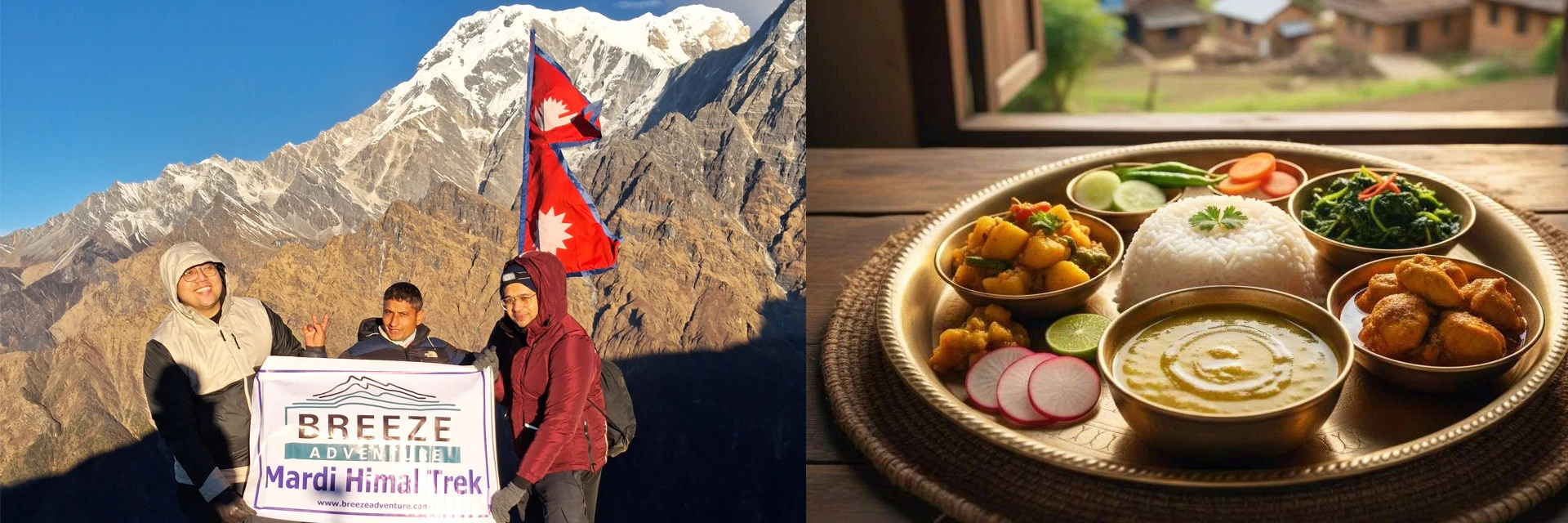
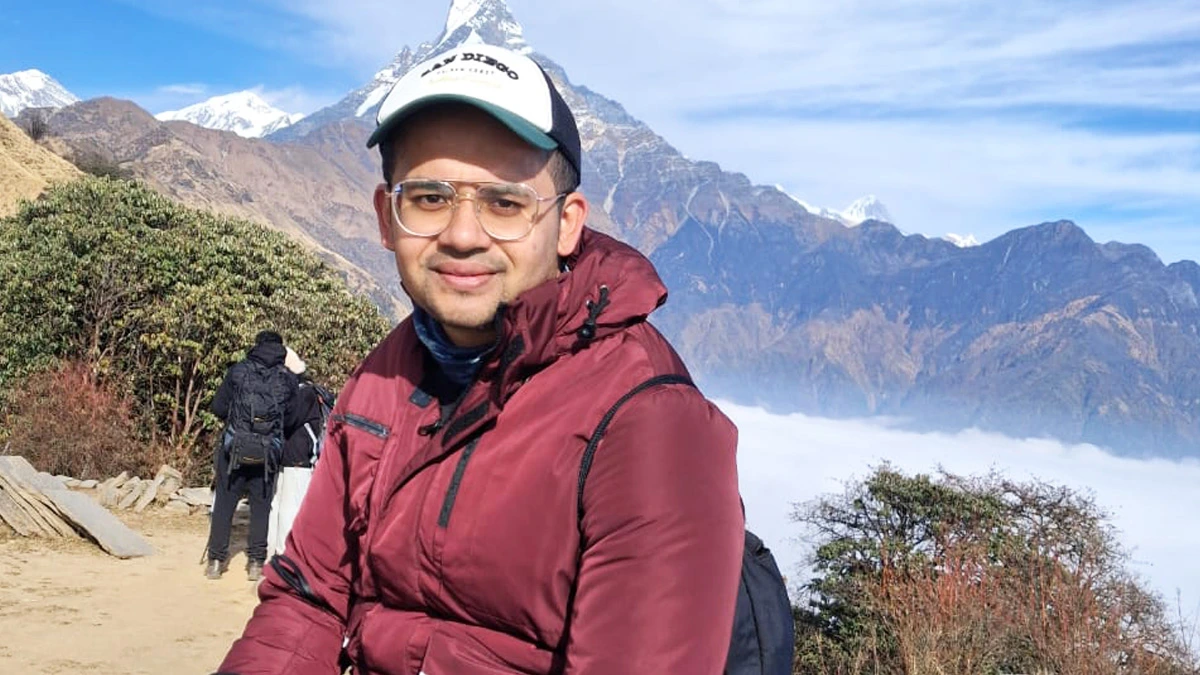
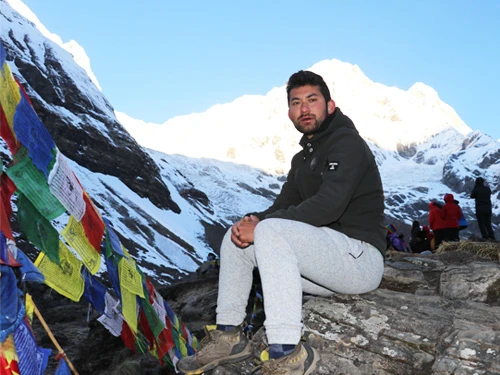
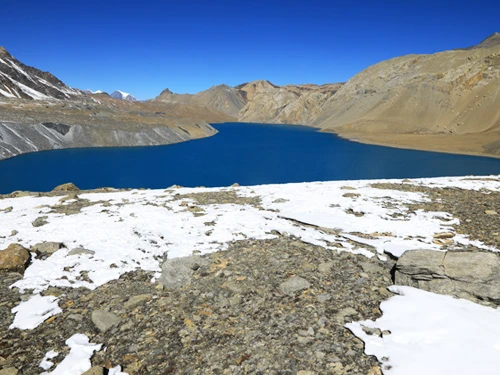
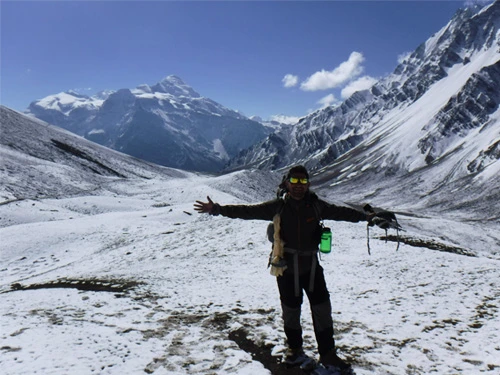
When I first started planning my trek to Mardi Himal, I was a bit worried. I kept wondering: Will I have a warm bed? Is the food going to give me enough energy to reach 4,500 meters? After actually walking the trail, I can tell you that while it is simple, it is much more comfortable than I expected.
Mainly, teahouses and hotels are found on the trail. Surprisingly, you will enjoy warm and tasty food representing local culture. The right information from an experienced person will definitely help you enjoy a smooth journey. Here is everything you need to know about the Mardi Himal Trek accommodation and food.
Table of Contents
Mardi Himal Accommodation
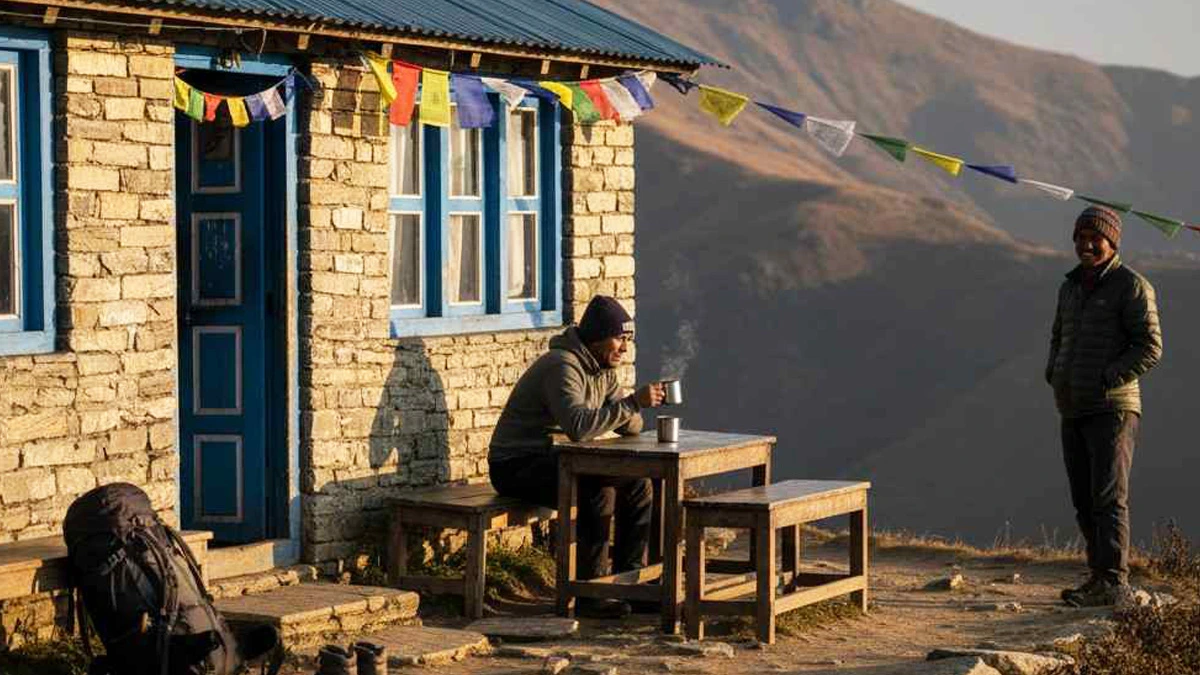
Beautiful tea house set up in higher altitude of Mardi Trek
The Mardi Himal trail starts from Pokhara, and you will see a gradual change in altitude and landscapes. As the path goes higher, you will find tea houses and hotels to spend the night. You should not expect very luxurious hotels in a rugged, remote path, but the accommodation available will definitely give a sense of warmth. So, what to choose, tea houses or hotels, let’s see a quick comparison:
Tea Houses vs. Hotels: What’s the Difference?
On this route, terms like tea houses and hotels are used interchangeably. But there is a slight difference in what you get.
Tea Houses (The Heart of the Trek)
These are small lodges where the family lives on the ground floor, and guests stay upstairs. They are closely homestay-like places offering a home-like vibe. You’ll spend your evenings in the Common Dining Hall, which is usually the only room with a heater (a wood-burning stove). Interestingly, Mardi Himal trek weather by month gives you a varied experience.
What to expect in tea houses:
Twin-sharing rooms: There may be two single beds with basic wooden frames in the same room.
Shared bathrooms: Usually, one or two toilets for the whole floor. It means you have to share bathrooms.
Common Area: This will be a great place to meet other hikers and swap stories.
Thin Walls: You can often hear your neighbor snoring. In most of the cases, the closeness may hurt your privacy, so bring earplugs.
Lower cost: Since facilities are basic and you may need to share rooms and bathrooms, the per-night cost is less.
Hotels (A Bit More Comfort)
As the trek has become more popular, some "Hotels" have popped up along this trail. Especially at lower altitudes like Deurali or Forest Camp. These are slightly larger and might have more luxury features.
What to expect:
Attached Bathrooms: Some rooms now have their own private toilet and shower (rare but growing).
Better Bedding: You might get a slightly thicker mattress or a cleaner pillowcase.
Solar Power: More reliable lights and sometimes even a plug socket in your room.
Costlier: In hotels, you will get better facilities, better privacy, and more comfort. This obviously makes you pay more than at tea houses.
Quick Comparison Table
Feature
Tea House (Higher Altitude)
Hotel (Lower Altitude)
Bed Type
Basic Wooden Twin Bed
Standard Twin/Double Bed
Bathroom
Common/Squat Toilet
Private/Western (Sometimes)
Heating
Only in the Dining Hall
Only in the Dining Hall
Electricity
Charging in Common Area ($)
Charging in Room (Rarely)
Vibe
Authentic & Simple
Modern & Convenient
Cost
Lower
Slightly Higher
Famous Places to Stay
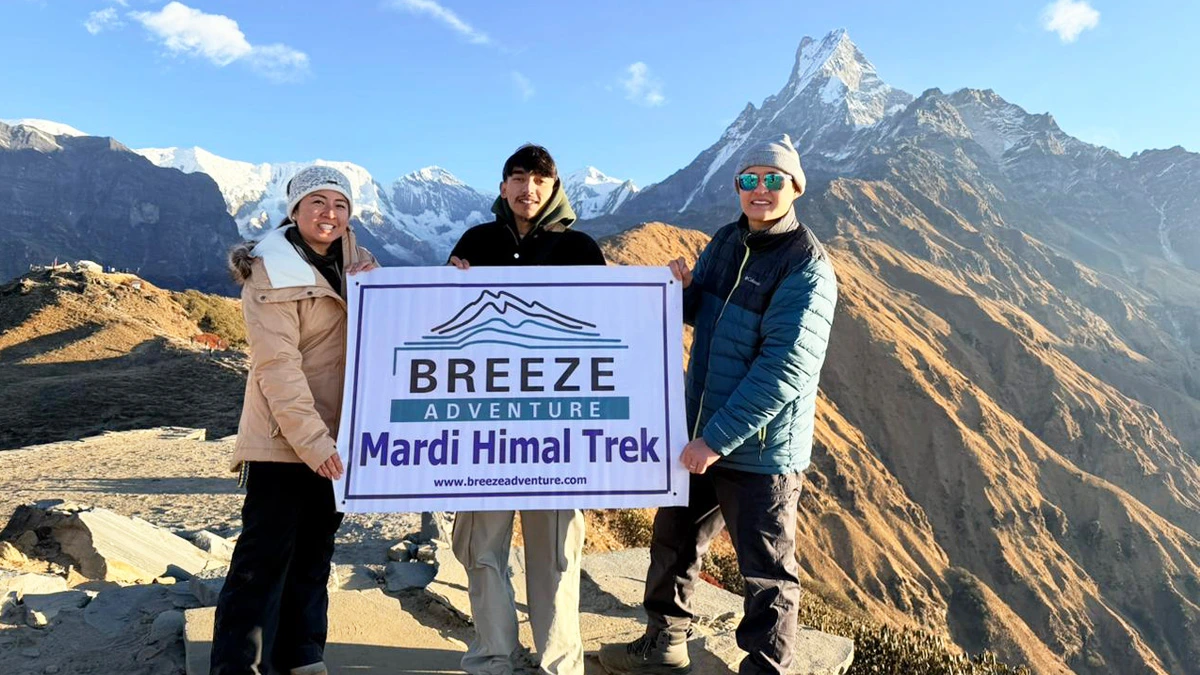
Breeze Adventure Team ensuring good accommodation in Mardi Trek
If you want the best views or the warmest hospitality, these are the names you will hear everyone talking about on the trail:
Hotel Trekker’s Paradise (High Camp): This is probably the most famous spot at 3,580 m. It’s right on the ridge, and the sunrise from their front porch is legendary. If you choose the best time for the Mardi Himal Trek, you can make this journey a complete filmmaking-type experience with mind-blowing scenic beauty.
Hotel Fishtail (High Camp): It is another popular choice. It’s usually packed because it has a great atmosphere and the staff are very used to helping tired trekkers.
Hotel 360 (Deurali): This is a newer spot that people love because, as the name suggests, the views are incredible. It feels a bit more modern than the older tea houses.
Mardi Himal Eco Village (Kalimati): If you finish your trek via the Siding route, this is a beautiful place to rest. It focuses on organic food and sustainable living.
Hotel Laligurans (Low Camp): This hotel is known for being budget-friendly. Also, it offers a very cozy dining area. You will surely love it.
Best Food on Mardi Himal Trek
You need a lot of calories to hike for 5 or 6 hours a day. Don't worry, Nepal Food Tour definitely provides a deep satisfaction on this. The Mardi Himal Trek menu has a mix of local and Western food. Check out what special you get in the trail:
1. Dal Bhat (The Energy Booster)
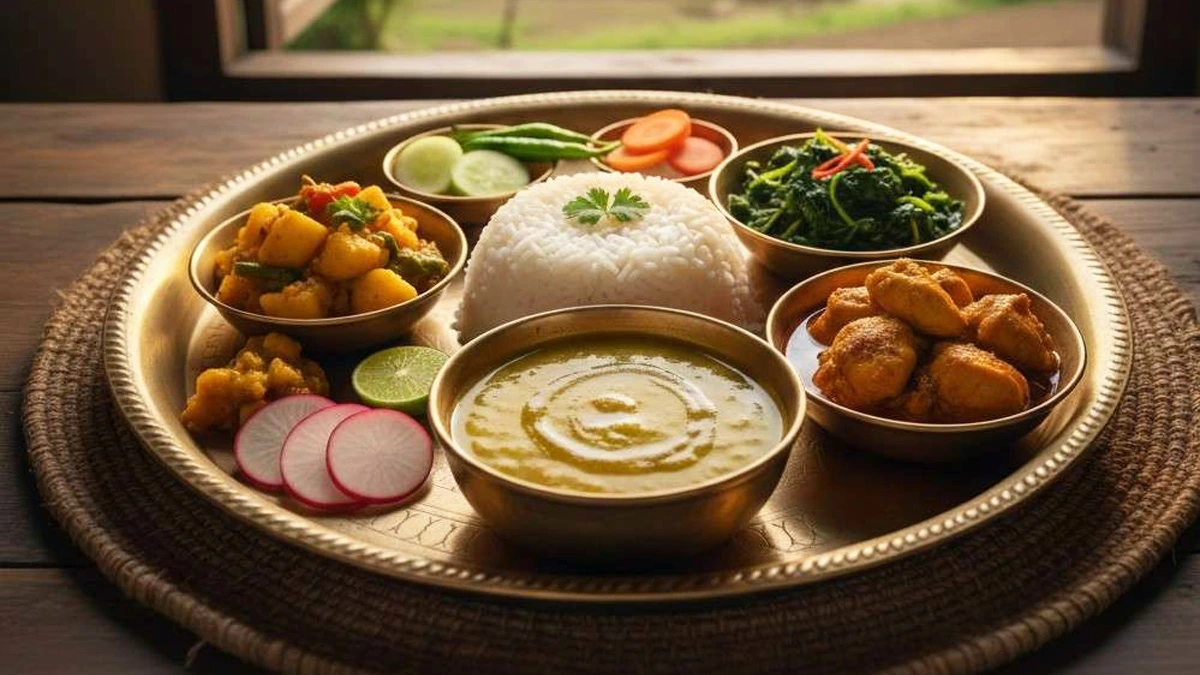
Dal Bhat Thali, the ultimate Nepali love language
This is the national dish of Nepal. It is a plate of steamed rice, lentil soup, vegetable curry, and pickles.
The Best Part: You get unlimited refills! If you are still hungry, they will give you more rice and lentils for free.
Price: Price can go around $5 to $8, mostly depending on how high up you are.
2. Breakfast Options
Most mornings, I ate Tibetan bread with honey or eggs. You can also find:
Oatmeal or Porridge
Pancakes (Apple or Chocolate)
Muesli with milk
3. Snacks and Drinks
I highly recommend trying Garlic Soup. Locals say it helps with altitude sickness. For drinks, you can find ginger-lemon tea, coffee, and even hot chocolate.
Drinking Water: Do not buy plastic bottles. It is bad for the mountains. Instead, bring a reusable bottle and buy boiled filtered water at the tea houses for about $1 to $3.
Mardi Himal Food and Accommodation Tips
Right food and accommodation tips make trek happy
Follow the tips below for smart choices in this remote trek:
Withdraw all your cash in Pokhara: There are absolutely no ATMs on the trail, and tea houses don't take cards. So, it is better to have Nepali currency in your pocket.
Book High Camp in advance: It is the tightest spot on the trail with limited beds. If you’re going in peak season (April/October), call ahead. Although this trek is less crowded than the Everest Base Camp Trek or the Annapurna Trek, peak season requires early booking of hotels.
Skip the meat: There’s no refrigeration up high; Hence, sticking to Dal Bhat or veg options keeps your stomach safe.
Keep batteries in your sleeping bag: The mountain cold drains phone and power bank batteries overnight. This makes you keep batteries warm with you.
Walk slowly (Bistarai): The elevation gain is fast on this trek; moving slowly is the best way to prevent altitude sickness. Also, this prevents possible casualties in such steep, rough paths.
Bring your own "shower": Hot showers are expensive and rare up high. You can bring a pack of large wet wipes as your best friend.
Purify your own water: You can save money and the environment by using tablets or a UV filter. Use of these instead of buying plastic bottles can save your health and money
Start by 7:00 AM: Clouds usually swallow the mountains by lunchtime. Hence, early starts guarantee the best views. You can then capture the best moments on your device. Not just that, an early start and early finish can also prevent afternoon weather changes.
Pack a sleeping bag: Even if the lodge gives you a blanket, you should pack a -10°C rated bag. This is the only way to stay truly warm at High Camp.
Final words:
Well, the Short Mardi Himal Trek isn't about luxury, it’s about that quiet, misty magic you only find above the clouds. Here, the beds are simple, and the stairs are steep. However, sitting in a warm dining hall with a steaming plate of Dal Bhat makes every sore muscle worth it. With the right handling of food and accommodation on the trail, your major stress can be removed. Just choose the right place (tea house or hotels) as per your desire and eat healthy, locally available foods.
Kishwor Adhikari is a passionate writer with a deep enthusiasm for trekking and adventure. His extensive travels across Nepal, exploring its diverse landscapes and hidden corners, have shaped his unique perspective on the country's natural beauty. With a wealth of first-hand experience in adventure trekking, Kishwor has become a trusted voice for fellow enthusiasts. Through his writing, he shares invaluable insights, offering practical advice and inspiration for both seasoned trekkers and novices alike. His dedication to sharing his journey and knowledge helps others discover the wonders of Nepal's wilderness, making his work an essential resource for anyone seeking adventure in the region.