Planning a trek to Mardi Himal? Before you pack a single thing, read this. The weather here can make or break your entire trip.
Well, you've heard about Mardi Himal. Maybe a friend went. Maybe you saw a photo of those jaw-dropping views of Machhapuchhre, the famous Fishtail peak, glowing gold in the morning sun. And now you want to go.
Good choice. Mardi Himal Trek is honestly one of the most beautiful, underrated treks in all of Nepal.
But here's the thing. Mardi Himal sits in the Annapurna region and climbs all the way to 4,500 meters above sea level at its base camp. The weather at that altitude is unpredictable, fast-changing, and completely different from what you'll feel at lower camps. What's a sunny morning in the forest can turn into a freezing, cloudy afternoon at High Camp.
So yes, the month you choose matters a lot.
This guide breaks down the Mardi Himal weather month by month, including temperatures, conditions, what to expect, and honest advice on whether that month is worth going. This will definitely help you plan better.
Table of Contents
Where Is Mardi Himal, and Why Does the Weather Vary So Much?
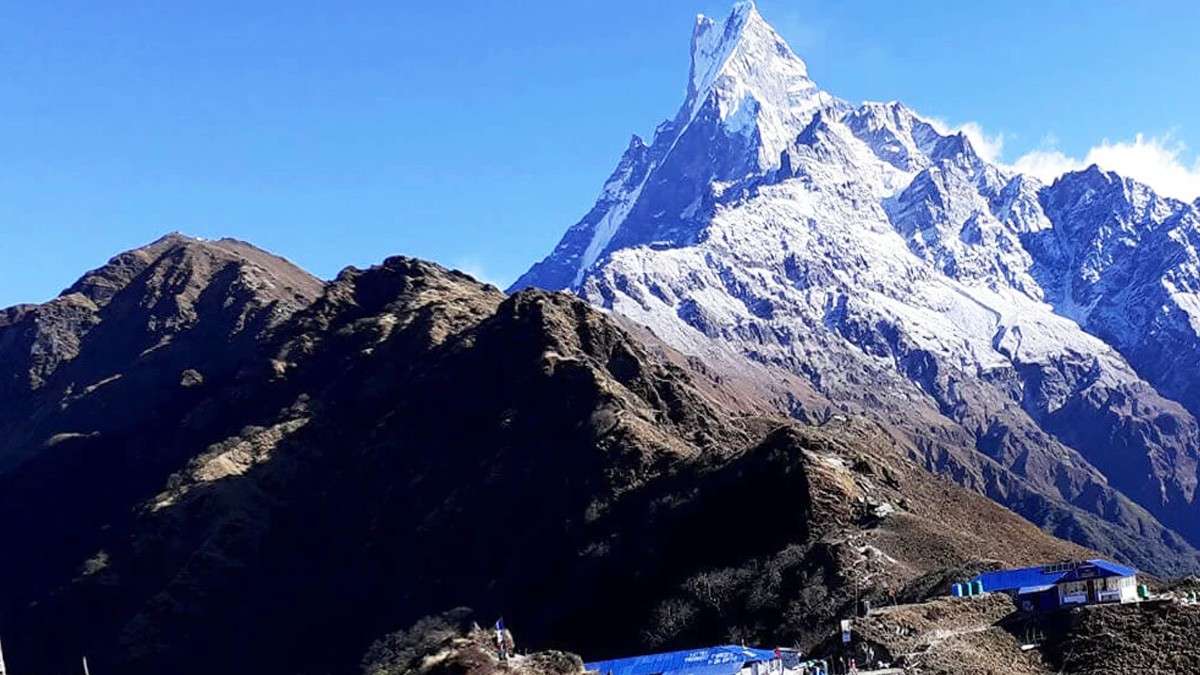
Amazing view of Mardi Himal
Mardi Himal is located in the Annapurna Conservation Area of western Nepal, near Pokhara City. This is often called a "hidden gem" because it sits quietly in the shadow of the more popular Annapurna Base Camp trek. However, the views are just stunning, you can’t help but love the place.
Similarly, the trek starts at around 800-1,000 meters in Pokhara's outskirts and climbs through dense forest camps (around 2,550 m). Then, low camp (around 3,150 m), high camp (around 3,580 m), and finally Mardi Himal Base Camp at 4,500 meters.
That's a massive difference in altitude, and it means the weather at the bottom and the top can feel like two completely different countries. Forest Camp might be warm and green. Whereas High Camp might be freezing and windy on the same day.
Nepal's climate is also driven by four main seasons: spring (March–May), monsoon (June–August), autumn (September–November), and winter (December–February). Each one changes the trail completely.
Let's analyse this month by month.
Mardi Himal Weather: Month by Month Breakdown
Nepal Mardi Himal Trek weather varies every month, leaving you awestruck with the divine beauty it creates.
January - Cold, Quiet, and Beautiful in a Harsh Way
January is the coldest month of the year on the Mardi Himal trail. You will find the nights at High Camp brutal, with temperatures dropping to minus 15 degrees Celsius. That's not a typo. Even during the day, you won't get above 5°C at higher camps.
That said, January has its own strange magic. The skies are often stunningly clear, and the air is dry and crisp. Further, the views of Annapurna South, Machhapuchhre, and Hiunchuli are razor-sharp on clear days. And you'll barely see another person on the trail.
But what about the main risks? Actually, the snow can block the path to Mardi Base Camp. Some teahouses at High Camp may close or reduce services. If you're not an experienced cold-weather trekker with the right gear, January can quickly become dangerous.
Best for: Experienced trekkers who want absolute solitude and don't mind serious cold.
Skip if: You're a beginner or don't have proper winter trekking gear and training.
February - Still Cold, But Slightly Better
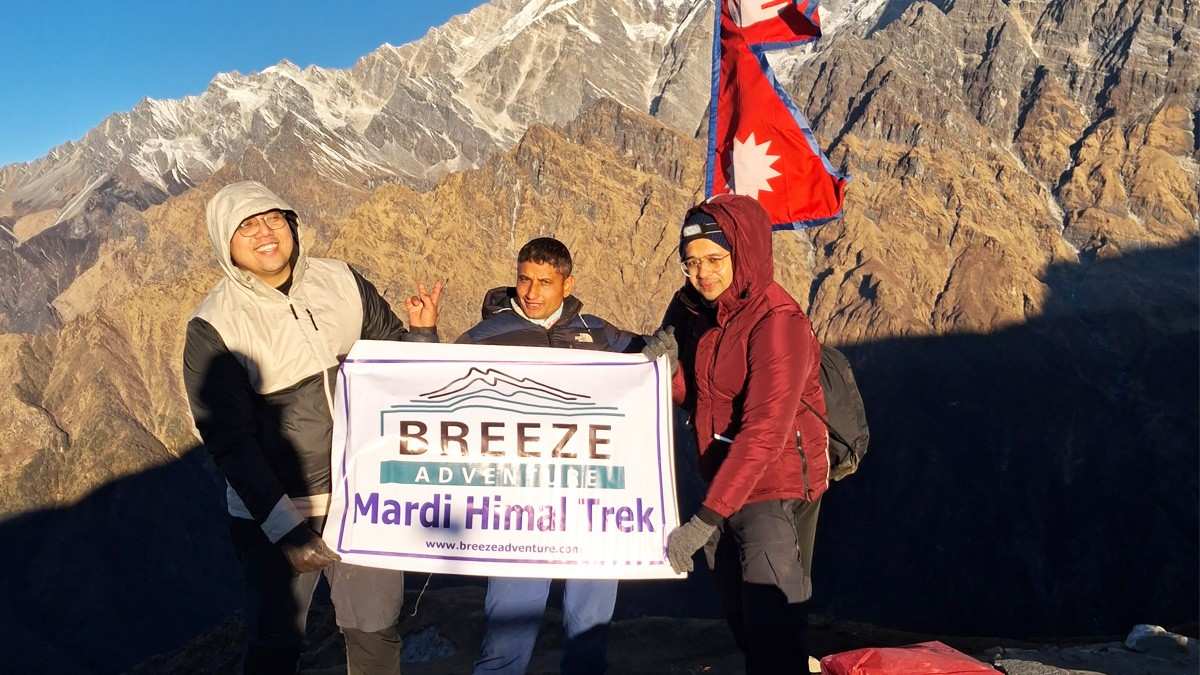
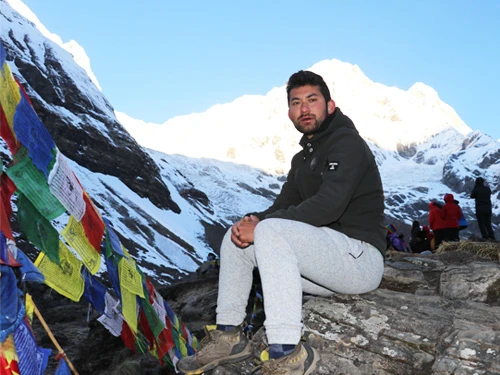
Breeze Adventure team making Mardi Himal Trek possible in every season
February is basically January's younger sibling, I mean, it’s slightly warmer, slightly easier, but still very cold. The days are getting a little longer now, which helps. You can expect clear blue skies on most days, and the snowy landscape at upper camps is genuinely gorgeous.
Likewise, the trails are quiet. If you find well-equipped trekkers in February, they're usually very experienced. The teahouses that stayed open through January are still running, so accommodation isn't usually a problem at lower camps. At higher camps, it is better if you check ahead.
For one thing, February can be better than January because it is the beginning of the transition. Yes, you start to feel the winter slowly loosening its grip. From this month, mornings feel slightly less punishing.
Best for: Experienced solo trekkers or small groups who love solitude and winter scenery.
Skip if: You're not prepared for freezing nights and possibly snowy paths.
March - The World Wakes Up
March is where things start getting exciting as winter begins to step back. The rhododendron forests along the trail begin to bloom - first the small pink ones, then the bold red and white ones higher up. The whole trail between Forest Camp and Low Camp transforms into something out of a fairy tale. You will literally desire to pause the moment there.
In this month, the temperatures during the day at lower elevations climb to a very comfortable 18-20°C. Similarly, nights at High Camp are still cold, but manageable with good gear. The trails are dry and stable. The views are excellent with clear skies, fresh mountain air, and those gorgeous flowers everywhere.
Best for: First-time trekkers, photography lovers, and anyone who wants spring beauty without peak-season crowds.
Don't miss: The rhododendron bloom between 2,000 m and 3,500 m, which looks absolutely stunning.
April - Peak Spring Season
April is one of the two most popular months to trek Mardi Himal, and for good reason. The weather is warm enough to be comfortable, but not hot. The rhododendron bloom is in full explosion, and the hillsides look painted in red, pink, and white. You will fall in love with the mountain views, which look sharp and clear, especially in the morning hours.
The only real downside is the crowds. April brings a lot of trekkers to the Annapurna region. Mardi Himal is less busy than Annapurna Base Camp, but popular teahouses, especially at Low Camp and High Camp, can fill up. So, it is better to book in advance if you're going in April.
There can also be some afternoon cloud build-up in late April. This is completely normal. Mornings are almost always crystal clear. If you want those epic sunrise photos from High Camp, wake up early, and you'll be rewarded. Knowing about the Annapurna Base Camp vs Mardi Himal trek further clarifies the trekking variation by weather.
Best for: Almost every type of trekker. Great combination of weather, views, and trail conditions.
Plan ahead: Book teahouses early, they fill up faster than you'd expect.
May - Beautiful but Watch the Afternoons
May is still a good month to trek, but you need to know what you're getting into. The days are warm and inviting at lower elevations, sometimes reaching 25°C in the valleys. Similarly, the forests are lush and green. And those mountain views? Still spectacular in the morning.
By mid to late May, afternoons can bring sudden rain showers and cloud cover. The morning is your best friend in May. So start early, reach your camp before lunch, and relax while the clouds roll in.
Crowds are also thinning by late May, which many trekkers prefer. You get pleasant conditions with more peace on the trail.
Best for: Trekkers who start early and are okay with afternoon clouds or light rain.
Pack: A good rain layer, even if the forecast looks clear.
June - Monsoon demands Proceeding With Caution.
June marks the start of Nepal's monsoon season. The rains come in hard, and the trail transforms completely.
Green and lush? Yes.
Easy and safe? Not really.
During this month, the paths become slippery with mud. Leeches appear on the lower sections of the trail, especially between Forest Camp and Low Camp. You will get irritated by the visibility dropping as clouds wrap the mountains for hours at a time. You might hike for two days and never see a single peak. So what’s the point of such a tiring experience, right?
That said, June isn't completely off-limits. Some trekkers love the monsoon aesthetic for the roaring waterfalls, the impossibly green forests, and the solitude. If you're okay with wet boots, limited views, and a few leeches, you can still have a meaningful experience.
Best for: Adventure trekkers who genuinely don't mind rain and want the trail to themselves.
Not good for: Anyone who wants mountain views, dry trails, or their first trekking experience.
July - The Deepest Monsoon
July is the peak of the monsoon. Rainfall literally experiences at its heaviest. Not just that, the landslide risk on mountain trails increases significantly. Cloud cover is almost constant at altitude, which means you might not see Mardi Himal or any of the Annapurna peaks even once during a 5-day trek.
Trekking in July is possible, but it's genuinely not a good idea for most people. The trails are wet and slippery with leeches everywhere below 3,000 m. Some lower sections can flood, and the mountain views remain hidden behind monsoon clouds for most of the day.
If you're already in Nepal in July and really want to go, go with an experienced local guide. Also, wear proper waterproof gear, use leech socks, and keep your expectations realistic. Nepal trek preparation and training guide plays a crucial role here to make the journey smooth.
Best for: The most determined, experienced trekkers only.
Not for: Anyone expecting clear skies or mountain views.
August - Monsoon Still, But Easing Slightly
August is like July, but with a glimmer of hope. By the last week of August, the rainfall starts to ease. Some days, especially in the early morning, you'll catch brief windows of clear sky and mountain views. The forests are impossibly green and alive at this time of year.
Trekkers who go in late August often say the colors are unlike any other time of year. The waterfalls are full and thundering, and the wildflowers are in bloom. It's genuinely beautiful, just wet.
Best for: Trekkers in Nepal who have limited time and want a monsoon experience with slightly better odds of views.
September - The Transition Month (And It's Surprisingly Good)
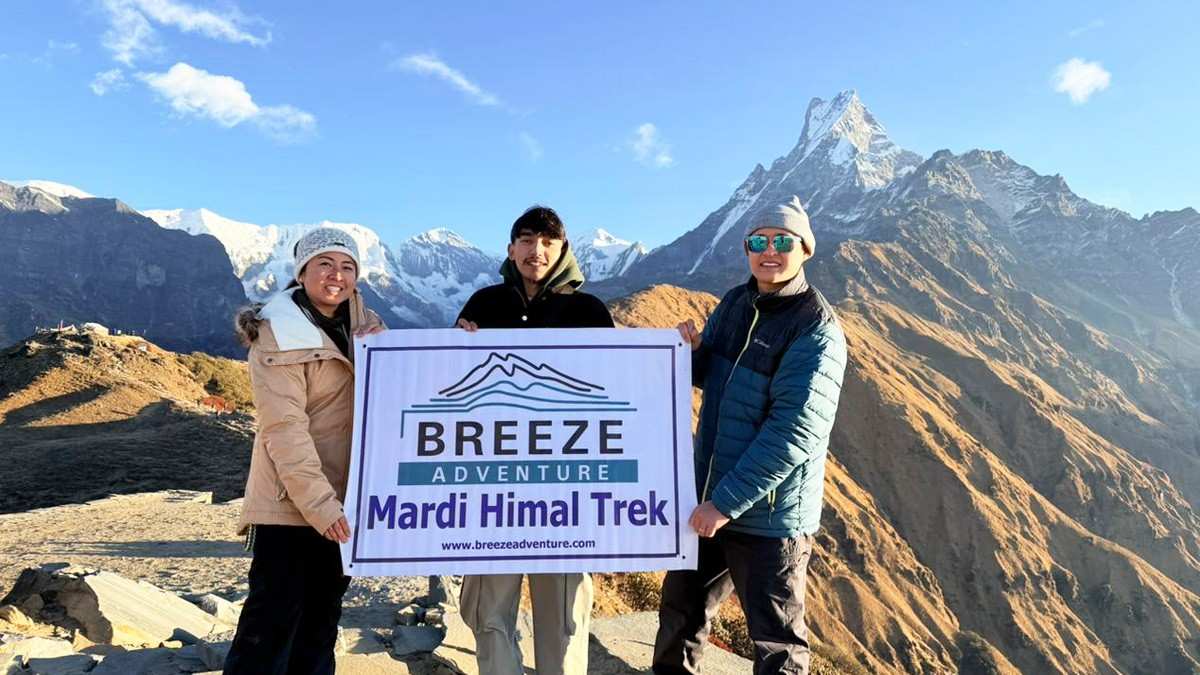
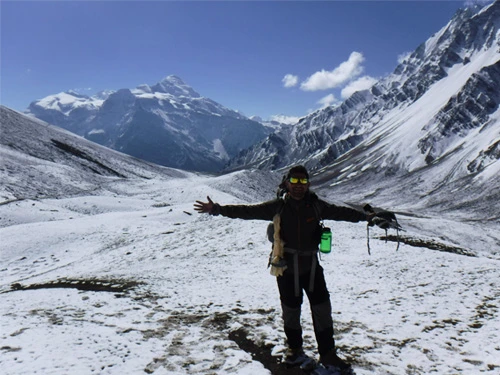
Breeze Adventure team in Mardi Himal supporting trekkers
This is an underrated month. September is a transition where the monsoon is pulling back, the skies are clearing, and the world is still lush and green from all that rain. By mid-September, most days are clear in the morning. By late September, conditions are nearly as good as in October.
Hence, this month brings a refreshed trail in Mardi Trek. The air is clean and cool. You will be very fortunate to see the views of Annapurna South and Machhapuchhre clearly. And since most trekkers wait for October, September trails are wonderfully uncrowded.
The catch is early September. The first two weeks can still bring afternoon showers. If you go in the first half of September, go prepared for rain. If you go in the last two weeks, you're in for a treat.
Best for: Trekkers who want autumn conditions with fewer crowds and lower prices.
Tip: Aim for the last 10 days of September for the best combination of clear skies and quiet trails.
October - The Absolute Best Month to Trek Mardi Himal
If you can only pick one month, pick October. It's that simple.
During this month, the monsoon is completely gone. The air is washed clean by all that summer rain, which means mountain views are razor-sharp and crystal clear. You can stand at High Camp and see Machhapuchhre, Annapurna South, Hiunchuli, and Mardi Himal itself in stunning, postcard-perfect detail. The daytime temperatures are comfortable - not too hot, not too cold. Similarly, the nights are chilly but manageable.
The month brings dry and stable trails. Similarly, teahouses are fully staffed and stocked. The entire trail feels alive with trekkers from around the world, and there's a real sense of adventure and community on the mountain.
October is also Nepal's festival season, so you will witness the biggest Hindu festivals like Dashain and Tihar. The unique way of celebrating festivals will make you fortunate here.
Best for: Everyone. Beginners, experienced trekkers, photographers, and families.
Book early: Especially High Camp teahouses - they fill up fast.
November - Crisp, Clear, and Quiet
November is October's quieter sibling, and many experienced trekkers actually prefer it. The skies stay beautifully clear. The mountain views remain excellent. And the crowds from the October peak start to thin out, which means more peaceful teahouse evenings and emptier trails.
It does get colder. Nights at High Camp dip below freezing. Likewise, the mornings require a proper warm layer. But the days are still comfortable, especially at lower elevations where temperatures stay around 15-18°C.
Further, the trail landscape changes in November too. The greenery begins to fade. Some trees turn golden and amber. The whole mountain takes on a quieter, more introspective mood. If you want clear skies without the October crowds, November is excellent.
Best for: Experienced trekkers who want autumn clarity with fewer people.
Bring: Warm layers - it gets noticeably colder than October, especially after dark.
December - Winter Returns
December marks the return of winter in the Mardi Himal Trek Nepal. Snowfall starts appearing at higher elevations. This makes the trail above High Camp towards Base Camp covered in snow by mid-December. Similarly, temperatures drop significantly, especially at night.
That said, early December is still quite manageable, and many trekkers complete the trek successfully before the heavy snowfall sets in. The skies are clear, the views are stunning, and the trail is very quiet.
By late December, things get serious. Base Camp may be blocked by snow. Likewise, the teahouses at High Camp may start to reduce services. If you're going in December, go early in the month and be prepared for sudden weather changes.
Best for: Trekkers who want winter solitude and can handle cold temperatures.
Go early: The first two weeks of December are significantly better than the last two.
Quick Monthly Summary Table
Month
Season
Day Temperature (High Camp)
Night Temperature (High Camp)
Rain/Snow
Crowd
January
Winter
2–5°C
-10 to -15°C
Snow
Very Low
Febraury
Winter
5–8°C
-8 to -12°C
Snow possible
Very Low
March
Spring
8–12°C
-2 to 5°C
Dry
Moderate
April
Spring
10–15°C
2–8°C
Dry
High
May
Spring
12–17°C
5–10°C
Light Rain
Moderate
June
Monsoon
18–22°C
10–14°C
Heavy Rain
Very Low
July
Monsoon
20–25°C
12–16°C
Heaviest Rain
Almost None
August
Monsoon
20–25°C
10–14°C
Heavy Rain
Very Low
September
Autumn
12–18°C
5–10°C
Decreasing
Low
October
Autumn
8–12°C
2–5°C
None
High
November
Autumn
5–10°C
-2 to 2°C
None
Moderate
December
Winter
0–5°C
-8 to -12°C
Snow starts
Low
What Is the Best Time to Trek Mardi Himal?
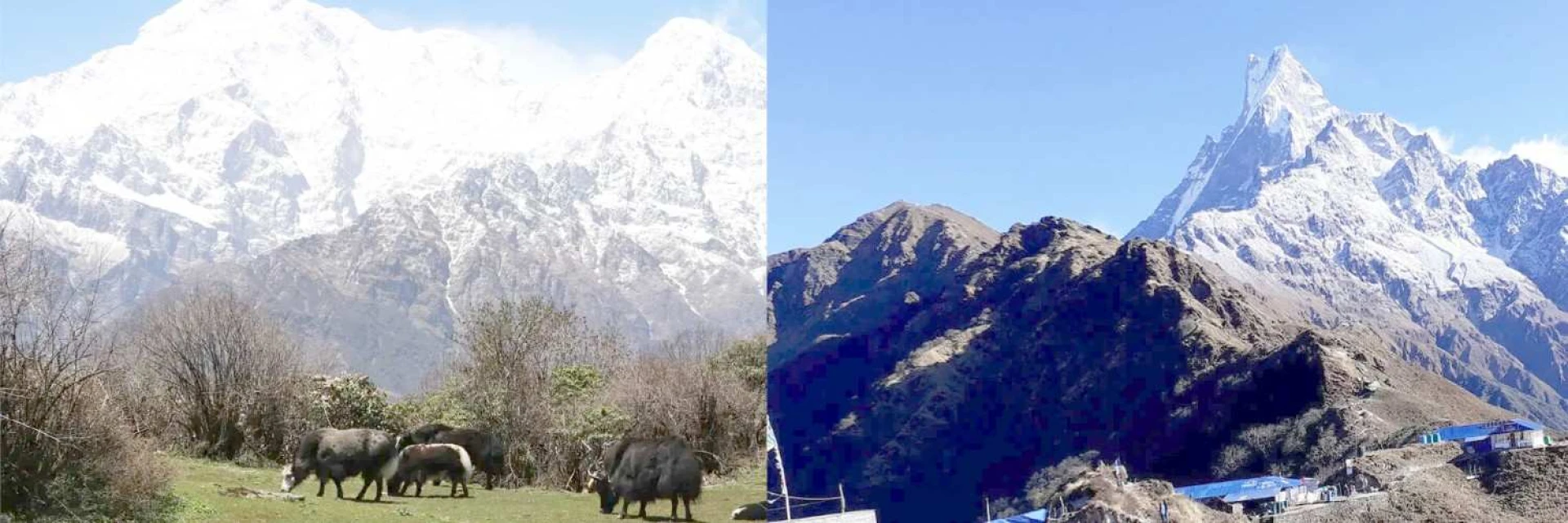
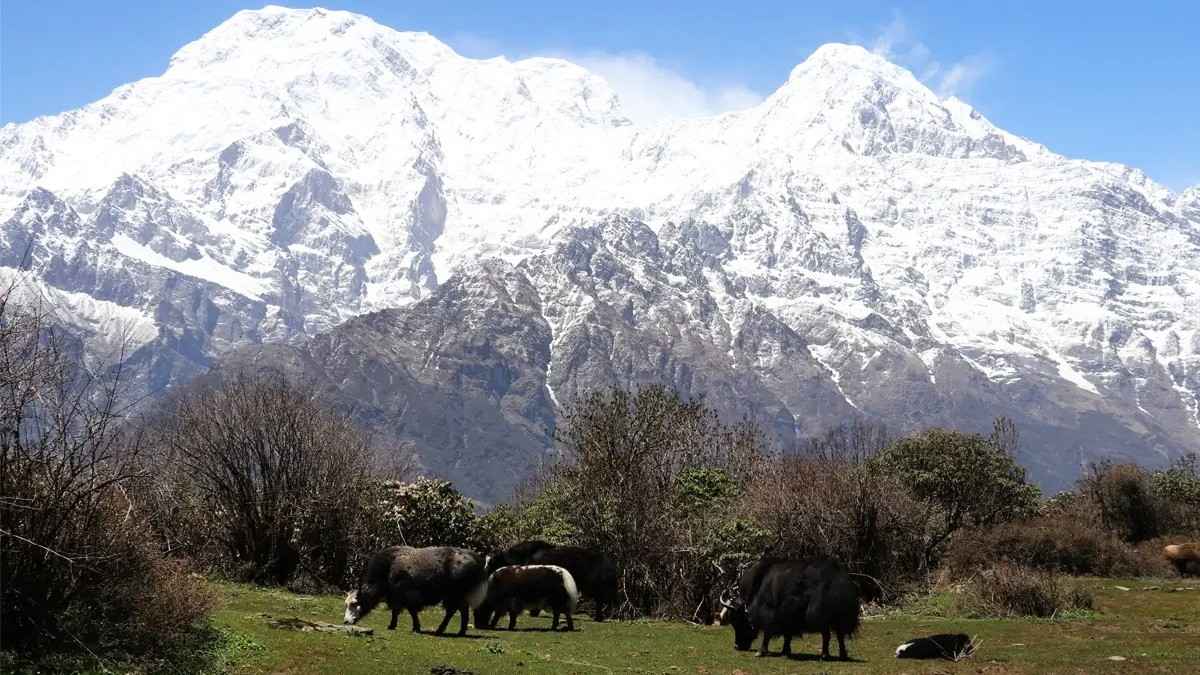
Beautiful scenario of animals grazing in Mardi Himal Trail
Autumn (October–November) is the most popular trekking season for a reason. The weather is the most stable, the skies are the clearest, and the mountain views are the most breathtaking. October is the single best month if you want perfect conditions.
Spring (March–May) is a very close second. The rhododendron blooms make the trail incredibly beautiful. Temperatures are comfortable. The views are excellent, especially in the morning.
If you want the best views and comfortable trekking, go in October.
If you want beautiful flowers and slightly fewer crowds than October, go in March or April.
If you want solitude and don't mind the cold, try late November or early March.
Frequently Asked Questions About Mardi Himal Weather
What is the best month to visit Mardi Himal?
October is the best single month for this visit. This month offers the clearest skies, most stable weather, and the best mountain views of the entire year. November is a close second with fewer crowds. In spring, April can be the right pick.
Can I trek Mardi Himal in winter (December, January, February)?
Yes, but it's only recommended for experienced trekkers with proper cold-weather gear. Temperatures at High Camp drop to -15°C at night. Snow can block the path to Base Camp. Not just that, most teahouses reduce services.
Can I trek Mardi Himal during the monsoon (June-August)?
Technically, yes, but it's not recommended for most people. Heavy rain, slippery trails, leeches on lower sections, poor mountain visibility, and landslide risks make the monsoon season the most challenging and least rewarding time to trek.
Is the Mardi Himal trek safe for beginners?
Yes, but the right month matters. Beginners should stick to October, November, March, or April when trails are dry, teahouses are fully open, and conditions are predictable. It is better to avoid the monsoon and deep winter.
How cold does it get at Mardi Himal High Camp?
Even in the best trekking months, High Camp nights can drop to 0°C to -5°C in October and November. In winter, nights drop to -10°C to -15°C. So, always pack warm layers, a quality sleeping bag rated to at least -10°C, and thermal base layers, no matter what month you go.
What is the weather like at Mardi Himal Base Camp?
Mardi Himal Base Camp sits at 4,500 meters. Even in the best weather months, daytime temperatures hover around 5-10°C while nights drop well below freezing. In winter, nighttime temperatures at Base Camp can fall to -20°C.
How many days does the Mardi Himal trek take?
Most trekkers complete it in 4-7 days from Pokhara and back. The standard itinerary is around 5–6 days. But there are 2 days and 3 days itineraries customized for busy trekkers with safety.
Final Thought
Mardi Himal Package is one of those rare treks that rewards you deeply - but only if you show up at the right time with the right preparation. The weather tells the whole story here.
Go in October, and you'll see why people come back to Nepal again and again. Go in April with flowers blooming, and you'll feel like you're walking through a painting. Go in deep winter or monsoon without proper experience and gear, and the mountain will remind you very clearly who's in charge.
Choose your month wisely. Pack smart and respect the altitude. And get ready for one of the most incredible hiking experiences you'll ever have in your life. The mountains are waiting.
Kishwor Adhikari is a passionate writer with a deep enthusiasm for trekking and adventure. His extensive travels across Nepal, exploring its diverse landscapes and hidden corners, have shaped his unique perspective on the country's natural beauty. With a wealth of first-hand experience in adventure trekking, Kishwor has become a trusted voice for fellow enthusiasts. Through his writing, he shares invaluable insights, offering practical advice and inspiration for both seasoned trekkers and novices alike. His dedication to sharing his journey and knowledge helps others discover the wonders of Nepal's wilderness, making his work an essential resource for anyone seeking adventure in the region.