Nepal is often introduced as the land of the Himalayas, but that is only the first page of the story. A true culture and food tour in Nepal takes you far beyond mountain views and into everyday life. Here, incense mixes with spices, prayers echo through old courtyards, and meals are deeply tied to history. This Nepal travel guide is about walking ancient streets, sharing plates with locals. Further, understanding how belief, geography, and tradition shape what people eat and how they live.
From the rich flavors of Nepali culture and cuisine in the Kathmandu Valley to simple mountain meals along old trade routes, Nepal offers experiences that feel real and personal. Exploring food markets, heritage towns, festivals, and villages is one of the most meaningful things to do in Nepal. Here, culture is not staged. It is cooked, celebrated, and passed down, one meal, one story at a time.
Table of Contents
Nepal Culture and Food Tour: Why Nepal Is a Paradise for Cultural Travelers
Nepal is a paradise for travelers who want to explore both culture and food tour Nepal. A Nepal culture tour reveals centuries-old Nepali traditions and the ethnic culture of Nepal. Every region has unique customs, festivals, and local dishes. Experiencing traditional dishes like dal bhat, momo, and Thakali cuisine is one of the most memorable things to do in Nepal. Enjoy the blending of history, flavor, and culture in every bite.
Aspect
Clear Explanation
Nepal culture tour
A Nepal culture tour lets travelers experience daily life. Ancient customs, festivals, and heritage sites. These are still actively practiced across the country.
Food tour in Nepal
A food tour in Nepal showcases how traditional meals like dal bhat, Newari cuisine, Thakali food, and Himalayan dishes reflect local lifestyles and beliefs.
Nepali traditions
Nepali traditions are deeply rooted in rituals, family systems, seasonal festivals, and religious practices. Passed down for centuries.
Ethnic culture of Nepal
Nepal is home to about 142 ethnic groups, including Newar, Gurung, Tamang, Tharu, Sherpa, Rai, and Limbu. Each has unique food, dress, and customs.
Food and caste system
Food habits in Nepal historically reflect caste roles, cooking methods, and social practices. Influencing what is eaten and how meals are prepared.
Food and geography
Mountain regions rely on barley, potatoes, and dairy; hill areas focus on rice and lentils. The Terai region uses grains, fish, and spices.
Hindu influence
Hinduism shapes vegetarian traditions, fasting days, and festival foods. Also, offerings are prepared for gods and family rituals.
Buddhist influence
Buddhism influences simple meals, butter tea, monastery food, and mindful eating. Especially in the Himalayan regions.
Ancient trade routes
Old trade routes between Tibet, India, and Central Asia introduced salt, spices, noodles, and cooking styles that still define Nepali cuisine today.
Why Nepal is unique
Nepal blends food, faith, geography, and history in a way that allows travelers to experience culture through taste, not just sightseeing.
Kathmandu Valley Tour: Culture, Street Food, and Living History
Hot Momo served as the most popular dish in Kathmandu Valley
Kathmandu, the capital of Nepal, is rich in culture and history. The visitors will literally feel like being part of the history across the foods on the street.
Kathmandu Valley Tour Experience
Explore the heart of Nepal with a Kathmandu Valley tour. It combines ancient streets, vibrant markets, and a rich tapestry of history.
Living Culture in the Valley
Kathmandu culture thrives in daily rituals, festivals, and artisan crafts. These have been preserved for centuries.
UNESCO Heritage Sites Nepal
Visit iconic landmarks like Bhaktapur Durbar Square, Patan Durbar Square, and Swayambhunath Stupa. Each tells stories of Nepal’s past.
Newari Culture and Cuisine
The Newar community offers a deep dive into traditional arts, music, and food. Literally making every corner of the valley a cultural feast.
Must-Try Newari Foods
Taste authentic dishes like Yomari, Bara, and Choila. Each bursts with flavor and history.
Kathmandu Street Food
Wander bustling streets to discover local snacks, momos, samosas, and fresh sweets. Offering a perfect blend of taste and tradition.
Festivals, Temples, and Palaces
Time your visit to witness colorful festivals, explore ancient temples, and marvel at centuries-old palaces. These showcase Nepal’s royal heritage.
Nepali Food Culture Explained: What Makes Nepali Cuisine Unique
Nepali food is not just about taste. It shows culture, and every food has a unique story to tell.
Introduction to Nepali Food Culture
Nepal is more than mountains; its Nepali food culture reflects centuries of tradition. Not just that, but also geography and community life.
Dal Bhat Power System
Steaming rice, savory lentil soup, fresh veggies, spicy achar- a classic Nepali thali
The staple meal of dal (lentils) and bhat (rice) provides energy for long days and treks. It forms the backbone of traditional Nepali food.
Regional Eating Habits
Food varies by region: the hills favor rice and lentils. Actually, the mountains rely on barley and potatoes. Similarly, the Terai plains use wheat, maize, and spices.
Seasonal Foods and Ingredients
Locals cook with fresh, seasonal vegetables, herbs, and grains. Making meals naturally flavorful and healthy.
Vegetarian and Non-Vegetarian Balance
Dal bhat is often a vegetarian meal. But, meat like chicken, buffalo, and goat is added for festivals or special occasions.
Influence of Culture and Ethnicity
Each ethnic group contributes unique dishes, from Newari choila to Thakali momo. Kindly showcasing Nepal’s rich culinary diversity.
Mountain and Trekking Cuisine
In higher altitudes, yak cheese, butter tea, and tsampa become staples. This reflects adaptation to the environment.
Why Nepali Cuisine Is Unique
Simple ingredients, regional diversity, and centuries of tradition make Nepali cuisine both practical for daily life and deliciously memorable for travelers.
Top 10 Foods Nepal
Though every Nepali food item carries a unique taste and culture, some are very high in demand. Here is a list of the top 10 most famous foods to try in Nepal:
Rank
Food
Taste
Main Ingredients
Famous In /Region
1
Momo
Savory, soft, juicy
Flour, meat/vegetables, garlic, ginger, onion
Kathmandu, Pokhara, everywhere in Nepal
2
Dal Bhat
Comforting, mild, wholesome
Lentils, rice, ghee, vegetables, spices
Nationwide, a traditional staple
3
Selroti
Sweet, crispy outside, soft inside
Rice flour, sugar, ghee
Terai, Kathmandu, popular during festivals
4
Thukpa
Warm, spicy, flavorful
Noodles, vegetables, meat, chili, garlic
Himalayan regions, Namche Bazaar, Mustang
5
Chatamari
Savory, crispy, slightly chewy
Rice flour, minced meat or egg, spices
Newar community, Kathmandu Valley
6
Gundruk
Sour, earthy, tangy
Fermented leafy greens (mustard, radish)
Rural hills, popular in Dhading, Palpa
7
Yomari
Sweet, soft, rich
Rice flour, chaku (molasses), sesame seeds
Newar community, Kathmandu, festival food
8
Aloo Tama
Sour, spicy, tangy
Potato, bamboo shoots, black-eyed peas, spices
Kathmandu Valley, Central Nepal
9
Sekuwa
Smoky, spicy, grilled
Chicken, mutton, goat, Nepalese spices
Terai and hilly towns like Chitwan, Pokhara
1o
Sukuti
Spicy, chewy, smoky
Dried meat (buffalo/goat), chili, salt
Hilly regions, popular in Mustang, Dhankuta
Himalayan Food and Culture During Treks in Nepal
Trekking in Nepal’s high Himalayas is not just about breathtaking landscapes. It’s also a journey into Himalayan food and culture during treks in Nepal. As altitude rises, local food habits change. Simple, high-energy meals like dal bhat, noodles, and soups keep trekkers fueled. Further, butter tea and yak cheese become everyday staples for villagers living above 3,000 meters. Every meal reflects how people have adapted to harsh mountain conditions over centuries.
Hot and Yummy Thukpa for cold trekking area
The influence of Tibetan culture is also strong in Himalayan villages. This has shaped both food and lifestyle. From steaming momos to tsampa and hearty soups, trekking food Nepal offers flavors that are simple. Also, nourishing and deeply connected to the mountain culture Nepal. Alongside meals, visitors witness unique festivals, prayer flags, and monastery traditions. This makes every trek a blend of culinary and cultural discovery.
Everest Base Camp Trek (EBC): Sherpa Culture and Mountain Cuisine
What foods can you expect in the EBC trek Nepal? Let’s find out:
The Everest Base Camp trek offers an immersive experience of Sherpa culture and Himalayan traditions.
Villagers serve high-energy Everest trekking food like butter tea, yak cheese, and tsampa to fuel long days.
Monasteries along the trail showcase the influence of Buddhist culture in daily life and rituals.
EBC trekking combines adventure with learning about centuries-old mountain lifestyles.
Sharing meals in teahouses provides a taste of authentic Sherpa hospitality and heritage.
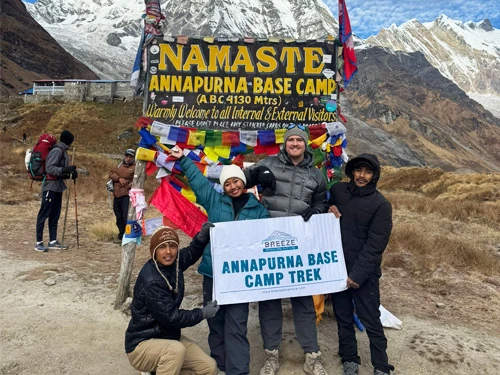
Annapurna Base Camp Trek (ABC): Gurung Culture and Local Food
Know the essence of the ABC trek food tour in the segment below:
Traditional Gurung dishes like dhido, gundruk, and local curries highlight regional flavors.
ABC trekking offers authentic culinary experiences in small village teahouses.
Homestay culture and hospitality allow trekkers to experience daily life. And meals with local families.
Visiting Gurung villages blends adventure with understanding centuries-old culture and food practices.
Langtang Valley Trek: Tamang Culture and Tibetan Food Influence
The Langtang Valley trek in Nepal is all about the Tamang culture with a Tibetan twist. You will literally live every moment of this Himalayan adventure with food served on your plate.
The Langtang Valley trek introduces travelers to Tamang culture and Himalayan village life.
Tibetan food Nepal, like thukpa, momo, and yak butter tea, is a daily staple along the trails.
Langtang trekking offers stunning landscapes alongside rich cultural experiences.
Music, traditional dress, and local festivals reflect the vibrant village life of the Tamang people.
Homestays and teahouses allow trekkers to experience authentic Tamang hospitality and cuisine.
Manaslu Circuit Trek: Remote Culture and Ancient Food Traditions
Let’s move towards the remote adventure, Manaslu. Despite the difficult route and fewer crowds, the food on this journey speaks a lot about contemporary society and history.
The Manaslu Circuit trek offers a glimpse into remote trekking Nepal and untouched Himalayan culture.
Villages along the route preserve the ancient salt trade route culture. Thereby reflecting centuries-old traditions.
Trekkers experience a pure Tibetan lifestyle, with simple daily routines and spiritual practices.
Meals consist of simple, high-energy foods like tsampa, noodles, and butter tea, adapted for mountain life.
Manaslu trekking combines adventure with a deep cultural immersion in remote Himalayan communities.
Kanchenjunga Trek: Hidden Culture and Rare Himalayan Cuisine
Kanchenjunga Trek lures you with its hidden culture and rare food choices. With each bite of food, you will feel so connected to the Himalayas.
The Kanchenjunga trek is one of the least explored cultural trekking routes in Nepal.
Trekkers encounter the unique eastern Nepal culture, including the Limbu and Rai communities.
Limbu and Rai ethnic food, like kinema, fermented vegetables, and traditional breads, highlight local flavors.
Visitors experience rare Himalayan cuisine alongside centuries-old traditions and festivals.
Pokhara City Tour: Food, Lakes, and Mountain Views
Pokhara City is one of the finest natural beauties of Nepal. It is a very famous place among tourists. Talking about the food here, you will be surprised by the national and international tastes.
A Pokhara city tour offers a perfect blend of natural beauty, culture, and local cuisine.
Lakeside cafes and local food let visitors enjoy fresh meals with stunning views of Phewa Lake.
The city showcases a unique Pokhara culture, mixing modern lifestyle with traditional heritage.
Exploring local markets reveals authentic snacks, momos, and Thakali dishes.
Things to do in Pokhara include lakeside walks, cultural sightseeing, and savoring meals. This combines comfort and traditional taste.
Chitwan Food Tour
Chitwan is famous for wildlife, jungle safaris, and the Tharu culture. The food in this area is associated with local culture.
The Chitwan tour combines wildlife adventures with rich cultural experiences in the Terai region.
Visitors explore Chitwan culture, including traditions of the indigenous Tharu community.
Tharu ethnic dishes like ghungru, dhikri, and local curries showcase authentic flavors.
Experiencing village life and traditional cooking methods gives insight into centuries-old culinary practices.
Jungle safaris and homestays let travelers enjoy Nepalese wildlife and culture side by side.
Festivals, Food, and Culture: When Nepal Comes Alive
Nepal truly comes alive during its festivals, offering travelers a vibrant mix of color, music, and flavor. Festivals in Nepal, like Dashain, Tihar, and Holi, are not just celebrations, they are a window into Nepali culture and traditions.
Selroti is famous in festive season
Every festival has special Nepali festivals food. Right from sweet delicacies to savory dishes, prepared as offerings or shared among family and neighbors. Experiencing these foods alongside rituals and ceremonies gives a deeper understanding of how culture and cuisine are intertwined.
For travelers interested in culture, timing your visit is crucial. In right time, the cities and villages are decorated, markets are full of traditional foods, and the weather is perfect for exploring heritage sites. Festivals provide not only a feast for the senses but also a chance to engage with locals. Likewise, taste authentic dishes and witness centuries-old customs in action.
Best Time for Culture and Food Tour in Nepal
The best time to visit Nepal for culture and food tours is during spring (March-May) and autumn (September-November).
Spring offers blooming landscapes, fresh seasonal ingredients, and mild weather for sightseeing.
Autumn provides clear skies, festival celebrations, and the best trekking conditions.
Festival seasons during these months allow travelers to enjoy Nepali festivals food, and cultural rituals.
Planning visits during these periods ensures a rich experience of Nepal travel season. Literally blending culture, cuisine, and nature.
Final Thought
Hence, Nepal offers a unique blend of festivals, food, and culture that every traveler must experience. Exploring Nepal’s traditions, flavors, and local lifestyle makes it a top destination for culture and food lovers.
Book your culture and food tour Nepal with Breeze Adventure. We are a team of dedicated travelers. We have a decade-long experience in cultural sightseeing, food tours, and Himalayan trekkings.
Frequently Asked Questions (FAQs)
1. What is a culture and food tour in Nepal?
A culture and food tour in Nepal focuses on local traditions, ethnic communities, historical sites, and traditional Nepali food. The foods include dal bhat, momo, and Newari cuisine.
2. What food should I try during a Nepal cultural tour?
Must-try foods include dal bhat, momo, Newari dishes (bara, choila), and Thakali food. Further, just go for Tibetan thukpa, yak cheese, and traditional sweets like yomari.
3. Is Nepal good for food lovers and cultural travelers?
Yes, Nepal is one of the best destinations for food lovers and cultural travelers. Every region has unique cuisine, festivals, and ethnic traditions.
4. Which place is best for culture and food tour in Nepal?
Kathmandu Valley is best for culture and street food. Similarly, Pokhara for lakeside dining and views. Chitwan offers the Tharu culture and traditional jungle food.
5. What is the best time to visit Nepal for culture and food tours?
The best time is spring (March-May) and autumn (September-November). At this time, festivals, trekking seasons, and food experiences are at their best.
6. Can I experience local culture and food during trekking in Nepal?
Yes, trekking routes like Everest Base Camp, Annapurna Base Camp, Langtang, Manaslu, and Kanchenjunga offer deep cultural experiences with local food and village life.
7. What food is available during Everest Base Camp and Annapurna treks?
You can eat dal bhat, noodles, soup, momo, Tibetan bread, butter tea, and local meals. These are prepared by mountain communities and are served hot.
8. Is Nepal safe for solo travelers on cultural and food tours?
Yes, Nepal is considered safe for solo travelers, including women. Especially in popular tourist areas and guided cultural or food tours.
9. How many days are enough for a culture and food tour in Nepal?
A basic culture and food tour needs 7-10 days. While combining trekking and cultural travel may require 12-20 days.
10. Why is Nepal famous for cultural and trekking tourism?
Nepal is famous for its ancient culture, diverse ethnic groups, Himalayan trekking routes, UNESCO heritage sites, and authentic local food experiences.
Kishwor Adhikari is a passionate writer with a deep enthusiasm for trekking and adventure. His extensive travels across Nepal, exploring its diverse landscapes and hidden corners, have shaped his unique perspective on the country's natural beauty. With a wealth of first-hand experience in adventure trekking, Kishwor has become a trusted voice for fellow enthusiasts. Through his writing, he shares invaluable insights, offering practical advice and inspiration for both seasoned trekkers and novices alike. His dedication to sharing his journey and knowledge helps others discover the wonders of Nepal's wilderness, making his work an essential resource for anyone seeking adventure in the region.