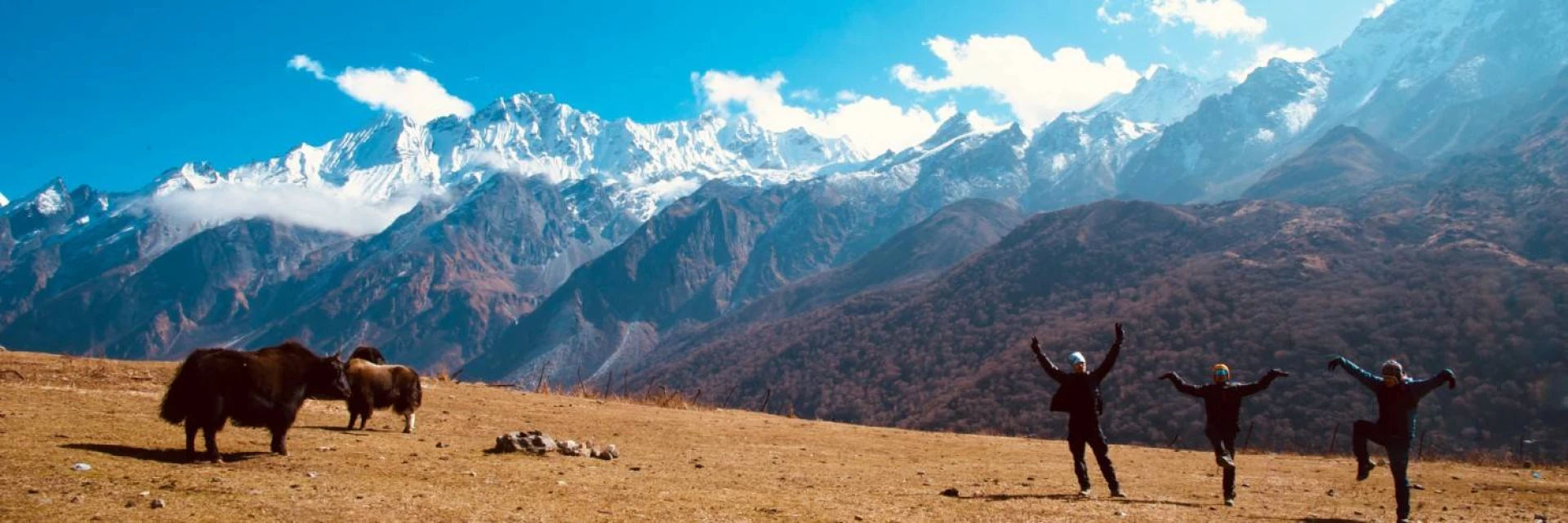
I'll be straight with you. The Langtang Valley trek is not the Everest or Annapurna circuit, and the weather doesn't behave the same way either. This valley sits tucked against the Tibetan border, sheltered on three sides by peaks above 6,000 meters, which means the climate has its own quirks. Pick the wrong month, and you'll spend your days staring at fog. Pick the right one, and you'll see Langtang Lirung from your guesthouse window before breakfast.
Based on my decade long Himalyan experience, I have made a conclusion about the most worthy weather for the Lantang Valley Trek Nepal. This guide focuses mainly on weather, offering you a clear view of the various weather and atmospheric conditions on the Langtang Trek.
Table of Contents
The Short Answer If You're in a Rush
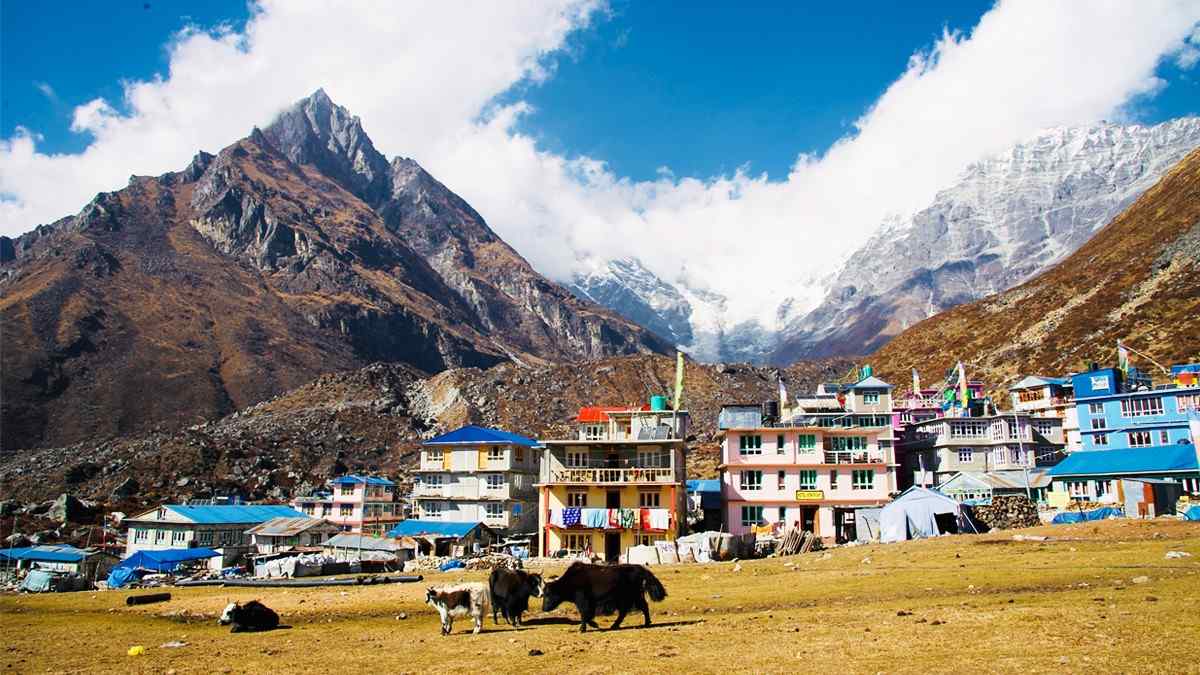
Beautiful village in Langtang valley Trek Nepal
The best months for the Langtang trek weather are October, November, March, and April. October gives you the clearest skies of the year. April brings the rhododendrons. While December and January are doable with some cold above Kyanjin Gompa.
Similarly, June through early September is monsoon, and this is best for experienced trekkers or beginners with solid preparation.
Langtang Weather by Month
Temperatures below are based on Kyanjin Gompa (3,870 m), which is where most trekkers spend their highest night. Lower villages like Langtang Lama Hotel and Langtang Village run noticeably warmer.
Month
Day Temperature
Night Temperature
Conditions
Trek recommended
January
-2 to 5
-12 to -5
Cold, dry, possible snow
best for experienced winter trekkers
Febraury
0 to 8
-10 to -3
Cold but stabilising
Yes, late February onwards
March
5 to 12
-6 to 0
Clear mornings, warming
Highly recommended
April
8 to 15
-3 to 3
Rhododendron bloom, mild
Highly recommended
May
10 to 17
0 to 6
Warm, hazier skies
Good, early May best
June
12 to 18
4 to 9
Pre-monsoon rain begins
good preparation needed
July
13 to 19
6 to 11
Heavy month
for experienced trekkers
August
13 to 19
6 to 11
Wettest Month
best if right guidance and preparation
September
10 to 16
2 to 8
Monsoon retreating
September is fine
October
8 to 14
-2 to 4
Clearest skies of the year
The best month, full stop
November
4 to 11
-7 to -1
Crisp, cold mornings
Highly recommended
December
0 to 7
-11 to -4
Cold, quiet trails
Yes, if you handle cold
Spring on the Trail (March to May)
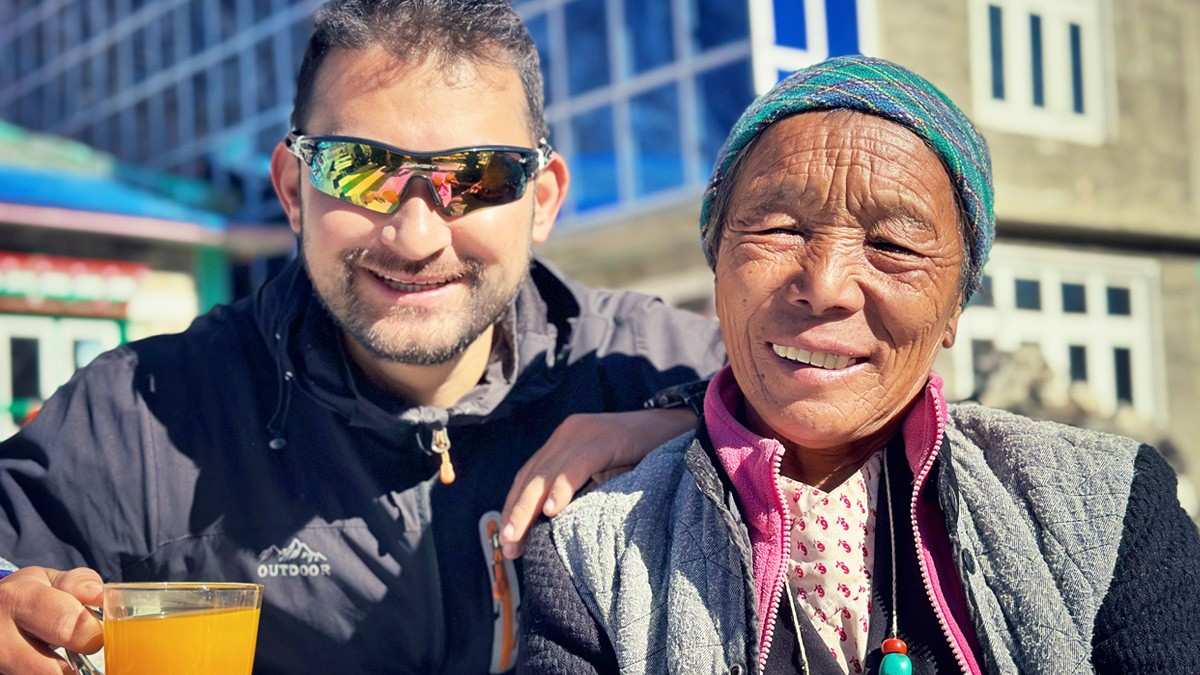
Sharing Glass of smile in Lama Hotel Langtang region
March mornings start frozen and end in T-shirt weather. The forest section between Syabrubesi and Lama Hotel turns into a riot of red and pink as the rhododendrons open up by mid-April. This is genuinely one of the prettiest stretches of any trek in Nepal.
Likewise, the visibility holds well in March and early April, then starts to soften by May as pre-monsoon haze creeps in. If photos of Langtang Lirung matter to you, lean towards March and April rather than May.
Afternoon clouds are common in spring. Most days, I'd be at the teahouse by 2 PM, and the views would close in by 3. You can kindly start early, walk fast, and you'll get the rewards.
Autumn, the Sweet Spot (Late September to Late November)
Langtang Valley weather in October is the right month. The monsoon has scrubbed the sky clean, the trails are dry, and the temperatures sit in that narrow band where you're not sweating uphill or freezing at night. Kyanjin Ri at sunrise in mid-October, you can see the curve of Shishapangma across the border in Tibet on a good day.
Likewise, November stays clear but gets sharply colder after the first week. By late November, the night temperatures at Kyanjin Gompa dip below -5 °C regularly, and the higher day hikes (Tserko Ri sits at 4,985 m) require proper layering. Actually, the trails get quieter as the month goes on, which some people prefer.
Langtang Trek in Winter (December to February)
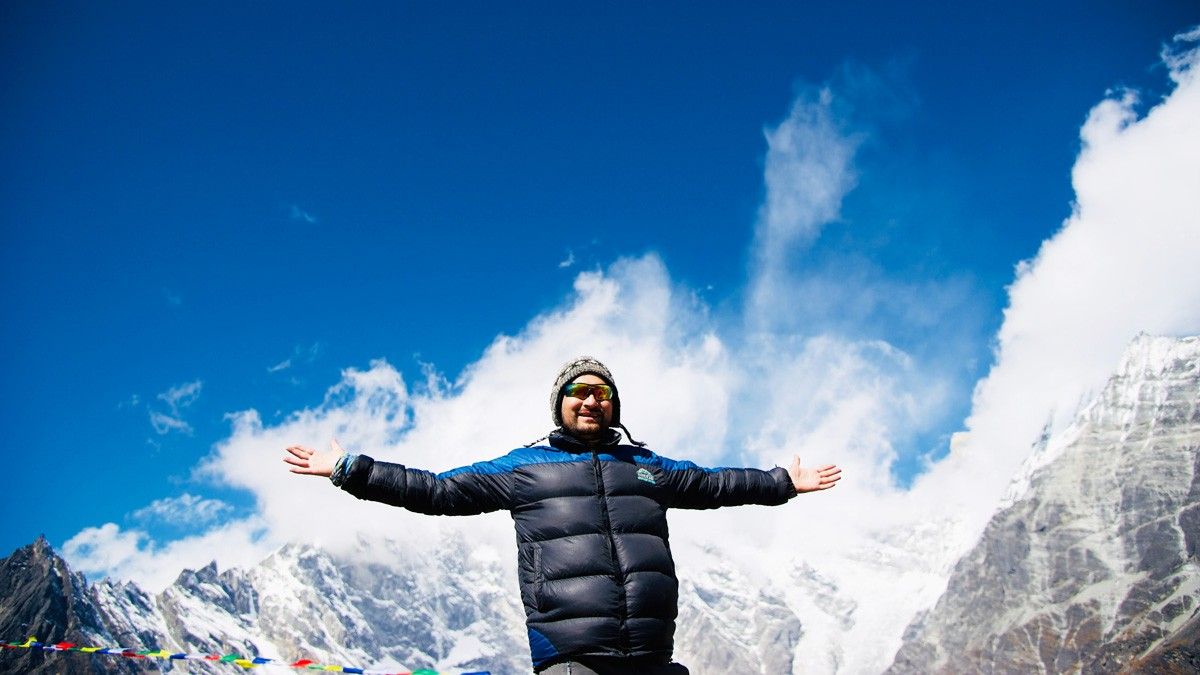
The joy of doing Langtang trek in winter
This is where things get honest. The Langtang trek in winter is possible. It's beautiful in a stripped-down way. But it's not a casual undertaking.
Snow accumulates above Mundu, and the route to Kyanjin can be knee-deep after a storm. Many teahouses above Langtang Village close for the season you'll find what's open, but choices shrink. Night temperatures inside unheated rooms hover around freezing. Here, the dining hall yak-dung stove is your best friend.
What you get in return: empty trails, the kind of silence you don't get in October, and snow-plastered peaks that look unreal in the morning light. If you've done winter trekking before and have a -15°C sleeping bag, go. If this is your first Himalayan trek, make sure you have strong preparation and the right guidance.
Langtang Trek in Monsoon (June to Early September)
Previously, the Langtang region used to catch the brunt of the monsoon. Trails turned to mud, leeches showed up in the lower forest, landslides occasionally closed the road from Kathmandu to Syabrubesi, and the views you came for are wrapped in cloud most days. But climate change has made trekking in this monsoon easier now.
Not just that, flights and jeeps barely get cancelled now. June to September is now becoming a popular time for trekking in this region. By the third week of September, the rains usually stop, the air clears, and you get the bonus of fewer trekkers before the October rush.
Lantang Village Weather Specifically
Langtang Village sits at 3,430 m and has a microclimate slightly milder than Kyanjin Gompa. Expect day temperatures to be 2 to 3 degrees warmer and nights about the same as the table above. Wind picks up in the afternoon almost year-round here because of the way the valley funnels.
Langtang Valley Temperature: The Altitude Effect
Roughly speaking, temperature drops about 6.5°C for every 1,000 metres you climb. Your trek starts at Syabrubesi (1,550 m) and tops out at Kyanjin Ri (4,773 m) or Tserko Ri (4,985 m) on day hikes. That's a 3,000-metre swing.
You can be in shorts at lunch and need a down jacket by dinner. Layering isn't optional on this trek, it's the whole strategy.
Practical Weather Notes Most Guides Skip
The wind in the upper valley above Kyanjin Gompa picks up sharply between 11 AM and 3 PM almost year-round. If you're doing the Tserko Ri or Kyanjin Ri day hike, leave before sunrise and aim to be off the ridge by mid-morning.
Here, cloud cover patterns are predictable in spring and autumn. Mornings are clear, afternoons are clouded over from the south, and evenings are often clear again. So, plan your photography and your highest passes for early. Lantang Valley Best Viewpoints on the trek means creating unbelievable memories in the snow.
Snow can fall in any month from October to May at Kyanjin Gompa elevation. It's rare in October and common in February. Kindly carry microspikes if you're going outside the core spring and autumn windows.
Frequently Asked Questions
What is the best month for the Langtang Valley trek?
October is the best month with clearest skies, stable temperatures, and dry trails. Similarly, November is a close second.
Is the Langtang trek possible in December?
Yes, with the right gear and some winter trekking experience, this time is absolutely possible. However, expect cold nights, possible snow, and reduced teahouse availability above Langtang Village.
How cold does it get at Kyanjin Gompa at night?
From -2°C in October to -12°C in January. Most teahouses are unheated except for the dining area, so a four-season sleeping bag matters.
Can you do the Langtang trek during the monsoon?
Technically, yes, but views are poor, leeches are active, and landslide risk on the road to Syabrubesi is real. Very strong guidance and preparation are recommended for first-time Nepal trekkers.
Does it snow in Langtang Valley in spring?
Yes, occasionally in March, rarely in April, almost never in May. A fresh snowfall in March can be magical, but it adds difficulty above Mundu.
Kishwor Adhikari is a passionate writer with a deep enthusiasm for trekking and adventure. His extensive travels across Nepal, exploring its diverse landscapes and hidden corners, have shaped his unique perspective on the country's natural beauty. With a wealth of first-hand experience in adventure trekking, Kishwor has become a trusted voice for fellow enthusiasts. Through his writing, he shares invaluable insights, offering practical advice and inspiration for both seasoned trekkers and novices alike. His dedication to sharing his journey and knowledge helps others discover the wonders of Nepal's wilderness, making his work an essential resource for anyone seeking adventure in the region.