Lama Hotel is the ultimate destination for your night stay in the Langtang Valley Trek. Yes, the hotel is a very important place to take a break on the Langtang Region route. This is often considered hidden deep in the forest right next to the Langtang River.
Trekkers and guides call it “Hotel”, but the fact is, the Lama Hotel is not a single hotel. It is actually a small collection of tea houses and lodges that lies inside Langtang National Park.
Actually, this hotel becomes the first major place where the trekkers stop to sleep for the night. The trekkers walking from Syabrubesi toward Langtang Village and Kyanjin Gompa literally walk into the Lama Hotel, and the response is always great.
Many trekkers heading towards Gosaikunda via Langtang valley or coming back from the valley also walk through this peaceful forest settlement. Thereby making it a really important junction point for everyone in the Langtang Valley Trek, Nepal.
Table of Contents
Location and Elevation of Lama Hotel
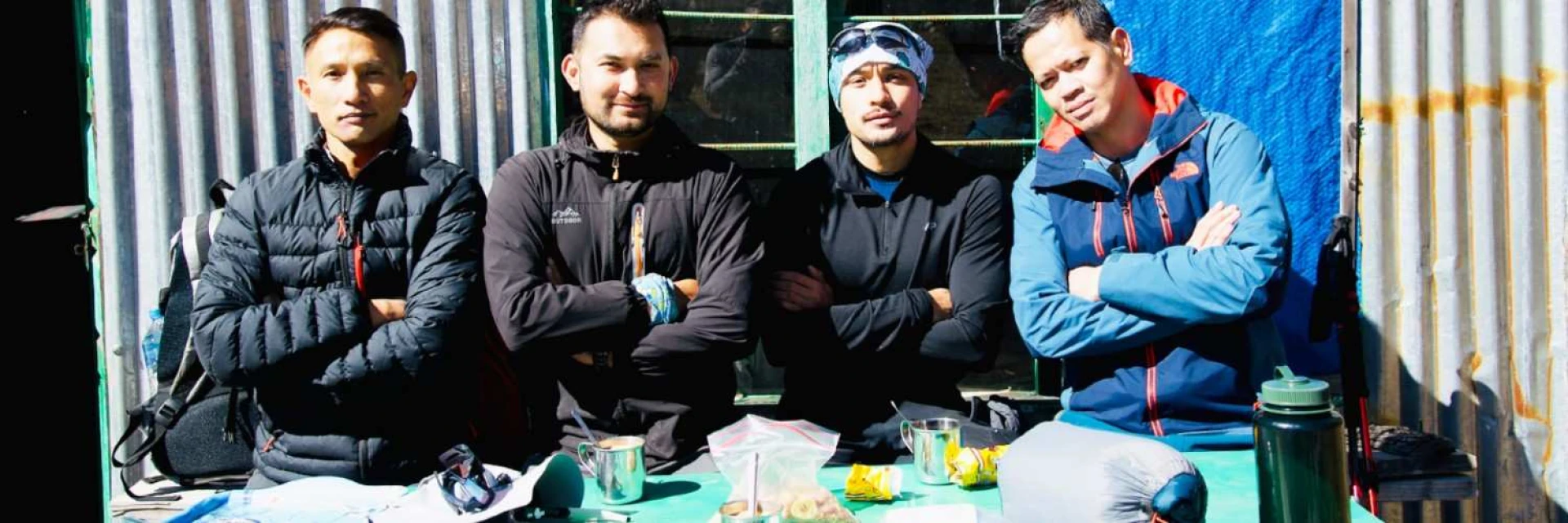
Trekkers in Lama Hotel Langtang Region
You will find Lama Hotel inside the beautifulLangtang region of Nepal. Yes, it is just right inside Langtang National Park in Rasuwa District. Further, the hotel is about 11 kilometers from the starting point of the Langtang Valley Trek, Syabrubesi. This is at an elevation of 2,470 meters (8,104 ft).
The hotel is viable for most of the trekkers after walking for about 5 or 6 hours. They walk through forests and river valleys. Similarly, the settlements are right beside the Langtang khola (Langtang River). Do you know the river is surrounded by dense bamboo forests and rhododendron trees? This looks stunning with flowers, literally creating one of the most scenic and peaceful sections of the entire Langtang trekking route. You will surely love it.
This hotel is known for its cool, misty, and incredibly peaceful feeling. Especially in the early morning. Thanks to the thick forest and the narrow river valley.
Why is it called “Lama Hotel”?
Well, this is a question that often comes up among trekkers. Mostly since the place isn't a single, sprawling hotel complex. The name itself has a few interesting stories attached to it, have a look:
1. Named after a Lama (Buddhist monk)
One of the most common beliefs is that the first lodge in the area was started by a local Lama (Buddhist monk) or by a family connected to a Lama lineage. As time passed, trekkers began referring to the stop as the Lama Hotel, and the name gradually remained.
2. Early Trekking lodge name
Another reason for the name is that one of the very first guest houses built there was called Lama Hotel. As more lodges were built nearby, people just started calling the entire settlement by that name.
3. Cultural Influence
In Tibetan Buddhist culture, the word “lama” is used for a spiritual teacher whom everyone respects. Since most people living in the Langtang region follow the Buddhist religion, the name naturally fits with the local culture.
Today, the name Lama Hotel refers to the entire settlement of guest houses, not just one lodge.
The beauty of Lama Hotel
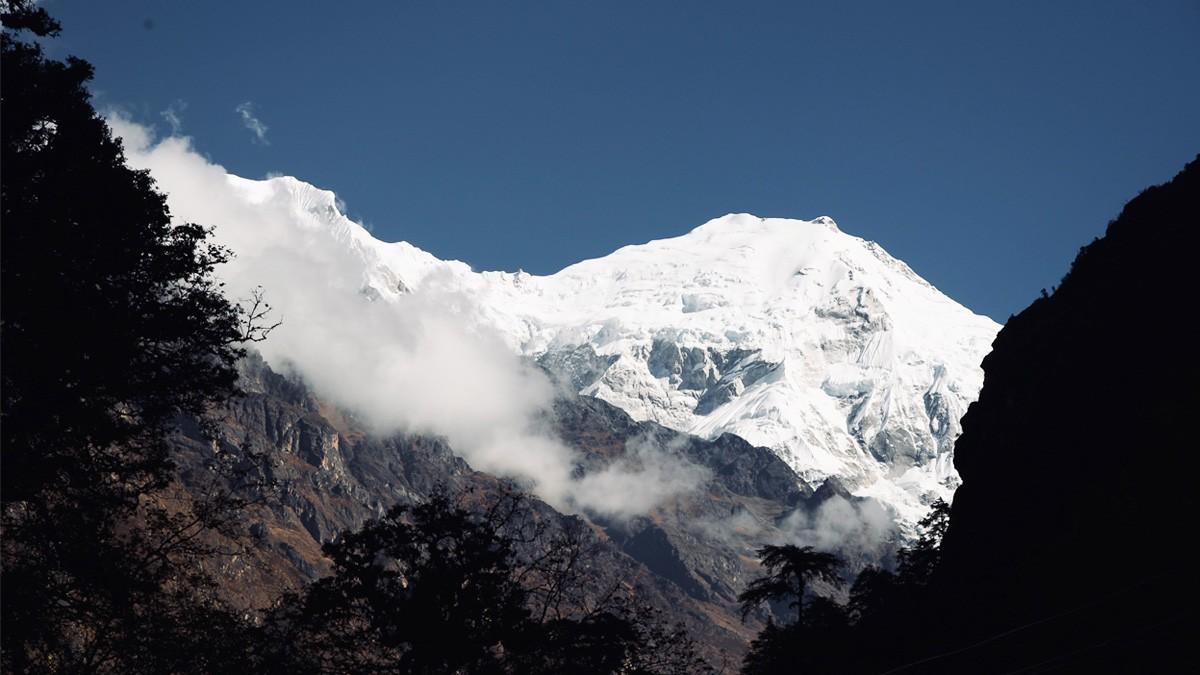
Beautiful mountain view in Langtang Valley Trek
Unlike Kyanjin Gompa, where you can see huge, wide views of the Himalayan mountains, the hotel has a totally different kind of beauty. It’s all about the cool, deep feeling of being right in the middle of a Himalayan Forest.
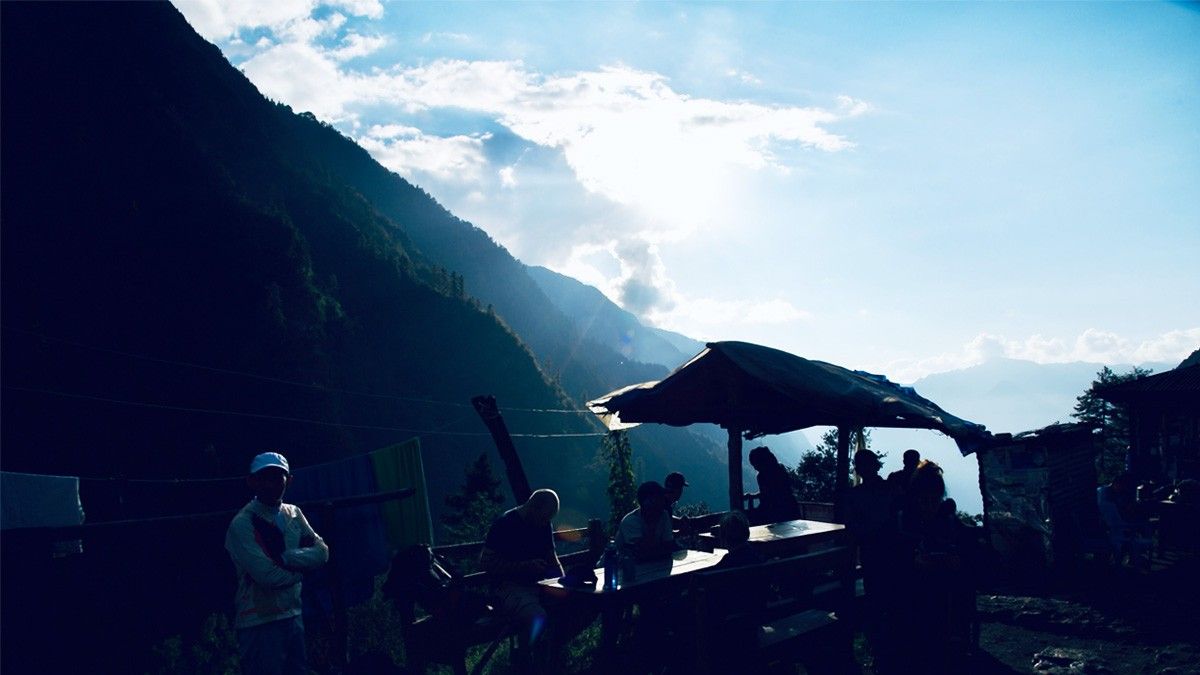
Surrounded by giant rhododendron trees and bamboo forests, the hotel sits quietly right beside the rushing Langtang River. The trail you take to get there passes through moss-covered trees, wooden bridges, and shaded forest paths, which feels magical, especially the light in the mist in the early morning.
During Spring (March-April), the surrounding hills burst into color as rhododendrons bloom across the forest, which has red, pink, and white shades of color. The wildlife found in the area is also part of the charm of this area. If you keep your eyes open, you might spot langur monkeys jumping between trees and colorful Himalayan birds. If you’re really lucky, you might even find signs of the rare red panda habitat hidden in the dense bamboo forest.
The peaceful sound of the river and forest wind at night creates a calm Himalayan atmosphere that many trekkers remember even long after their journey ends.
Tea Houses in Lama Hotel
Lama Hotel is a small settlement with only a limited number of tea houses. Usually, there are only about 6 to 8 guest houses open, depending on the seasonal operation.
The services tea houses provide are basic but comfortable accommodation for trekkers walking through the Langtang Valley.
The typical facilities tea houses in Lama Hotel include:
Twin-sharing Rooms: In this hotel, you may find that most rooms have two separate beds. This means you’ll usually share the room with a friend or another trekker.
Shared bathrooms: You don't get your own private bathroom; everyone on the floor usually shares the same ones.
Warm Dining rooms: The main area where you eat has a wood stove. This keeps everyone toasty when it gets chilly at night.
Trekking meals: They serve simple, filling meals like Dal Bhat (rice and lentils), noodles, hot soup, pancakes, and lots of tea to keep you going.
Estimated Tea Houses in Lama Hotel
Some of the commonly known lodges in this hotel include:
Lama Hotel lodge
Friendly Guest House
Sherpa Hotel
Riverside Lodge
Buddha Lodge
Namaste Lodge
Forest View Guest House
Capacity
Most of the tea houses in this hotel contain:
8-15 rooms
Accommodation capacity for 20-40 trekkers
During the peak trekking seasons of October and April, the hotel can become quite busy because almost every Langtang Valley trekker stays here for at least one night.
Why Lama Hotel is a Must-Stop place
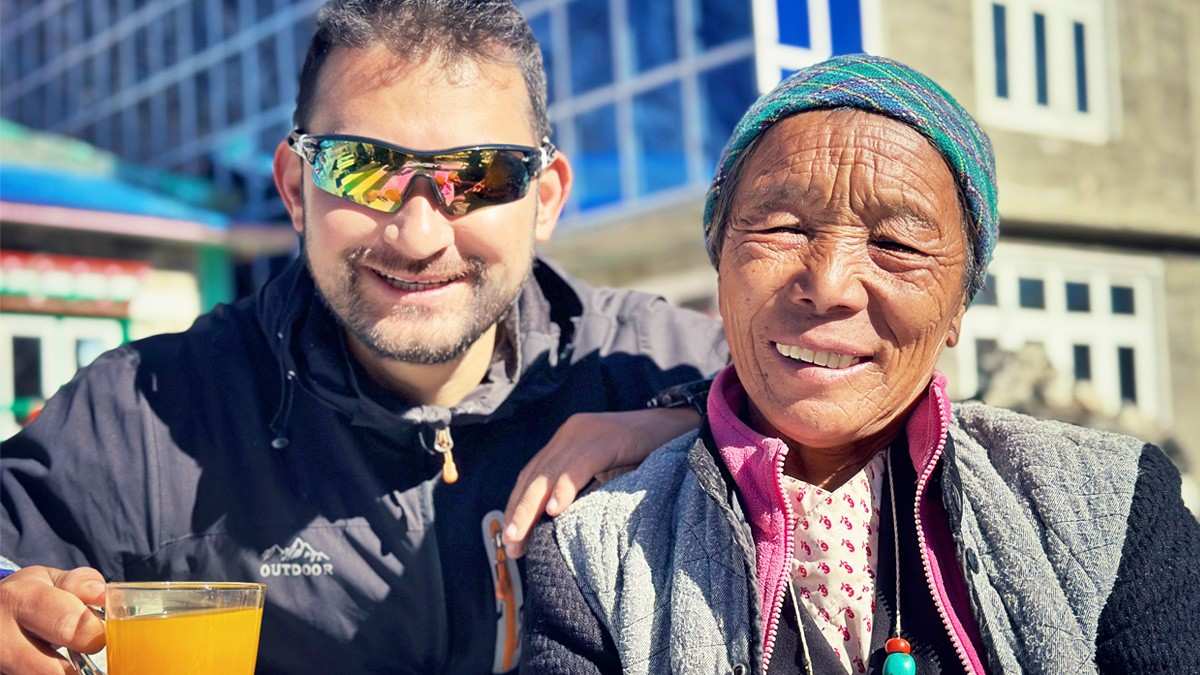
Cherishing the moment in Lama Hotel Langtang Valley
Lama Hotel lies at a strategic point on the Langtang trekking trail. This makes it almost impossible to skip. Nearly all trekking routes in the region pass through this settlement. The important thing is that the trekkers traveling from Syabrubesi toward Langtang Village and Kyanjin Gompa must stop in this place. Because the distance is too long to continue further in one day
Not just that, the hotel also serves as an important resting point for trekkers returning from Langtang Valley or continuing toward Thulo Syabru and Gosaikunda. Because of its location, most trekkers are seen spending one night here while ascending and another night while descending.
Why Lama Hotel is not a developed Town
Even though Lama Hotel is a very important stop on the trekking route, it hasn't turned into a developed village like Langtang Village or Kyanjin Gompa. It has remained a small and simple settlement because of the following reasons:
1. Inside Langtang National Park
The hotel lies within the protected boundaries of Langtang National Park, which was established to conserve the region’s natural environment. Because of strict environmental regulations, large-scale construction projects and major infrastructure development are restricted. These rules help protect the delicate forest ecosystem, wildlife habitats, and the Langtang River environment. As a result, development here remains limited, allowing the forest landscape to stay largely untouched.
2. Limited Space
it is located in a narrow river valley surrounded by steep forested slopes. Because it’s squeezed right between the Langtang River and the dense forest terrain, there isn't any flat land available for expansion.
The geographical limitation of the area naturally restricts the size of the village and prevents a large tourism development.
3. Landslide and Flood Risks
The Langtang region is a part of the young Himalayan Mountain system, which means the terrain is always shifting and active. During heavy monsoon rains, the area can experience landslides, falling rocks, and river flooding. The trekking trails can occasionally be damaged or washed away. Because of these natural risks, building large infrastructure in the surrounding area of the hotel would be difficult and potentially unsafe.
4. Conservation Priorities
The main goal of the Langtang National Park management is conservation and protection of nature, not to build a bunch of big tourist attractions. The park authorities prioritize protecting biodiversity, maintaining forest health, and preserving wildlife habitats. By keeping the settlements small, they maintain the natural character of the region and ensure that trekking remains environmentally sustainable.
Langtang National Park Rules and Regulations
Anyone trekking in the Langtang region has to follow the rules of Langtang National Park, which was established in 1970 to protect the natural and cultural heritage of the Himalayas.
Required Permits
Trekkers need two main permits while trekking on the Langtang Valley trek route:
1.Langtang National Park Entry Permit
2.TIMS Card (Trekkers Information Management System)
The Main Park rules
· Don’t leave any trash behind on the trekking trails.
· If you bring plastic or stuff that doesn't rot, you have to carry it back out with you.
· Hunting or even just disturbing the wildlife is strictly against the rules.
· You aren't allowed to cut down trees or collect any forest plants.
· Show respect to the local people, their villages, and their holy monasteries.
· You can only set up a tent in designated camping areas, not just anywhere you want.
These rules help protect the fragile ecosystem of the Langtang Himalaya and ensure sustainable trekking for future generations.
What could be improved for trekkers?
Lama Hotel is naturally beautiful, but there are a few things that could make it even better for trekkers. For example, better waste management systems would help reduce plastic pollution and keep the forest environment clean. Also, if the tea houses used solar energy, they wouldn't have to cut down as many trees from the nearby forest for firewood.
Since some trail sections between Bamboo and this hotel get really slippery during the monsoon season, fixing the trails and maintenance would make it much safer. Informational boards explaining altitude, wildlife, and local culture would also benefit trekkers. Lastly, better internet access through improved eco-friendly communication systems would help trekkers stay connected.
Lama Hotel vs Langtang Village vs Kyanjin Gompa
Place
Elevation
Development
Main Attraction
Lama Hotel
2470 m
Small tea house settlement
Forest trekking stop
Langtang Village
3430 m
Larger village
Tamang Culture
Kyanjin Gompa
3870 m
Trekking hub
Mountains and glaciers
While Kyanjin Gompa offers spectacular Himalayan Mountain views, Lama Hotel provides a peaceful forest trekking experience, which is equally special in its own way.
Personal Trekking Experience in Lama Hotel
As a trekking guide in the Langtang region, I have passed Lama Hotel several times with trekkers from Breeze Adventure. I walked for several hours through forest trails from Syabrubesi. Then I reached the hotel, and the feeling was like finding a secret Himalayan jungle lodge hidden in the mountains.
After reaching, everyone usually relaxes in the warm dining room with a hot cup of tea. They listen to the sound of the river rushing by outside. Similarly, the fresh mountain air and peaceful environment make it the perfect spot to rest just before climbing higher toward Langtang Village.
Final thoughts
Lama Hotel might not be a large town, but it’s a huge part of the Langtang Valley Trek Nepal. It basically serves as the gateway to Langtang Valley, a quiet and peaceful forest retreat in the Himalayas, and a place where every trekker has to stop and rest after the trek from Syabrubesi and before trekking towards the higher mountain villages.
Since Multiple trekking routes pass through this area, the place also acts as an important junction for Langtang and Gosaikunda travelers. Aware of the fact that it’s simple and hasn't changed much over the years, the hotel offers something truly special. It is all about nature, silence, and a real Himalayan trekking atmosphere that many trekkers deeply appreciate. You will surely love it.
Kishwor Adhikari is a passionate writer with a deep enthusiasm for trekking and adventure. His extensive travels across Nepal, exploring its diverse landscapes and hidden corners, have shaped his unique perspective on the country's natural beauty. With a wealth of first-hand experience in adventure trekking, Kishwor has become a trusted voice for fellow enthusiasts. Through his writing, he shares invaluable insights, offering practical advice and inspiration for both seasoned trekkers and novices alike. His dedication to sharing his journey and knowledge helps others discover the wonders of Nepal's wilderness, making his work an essential resource for anyone seeking adventure in the region.