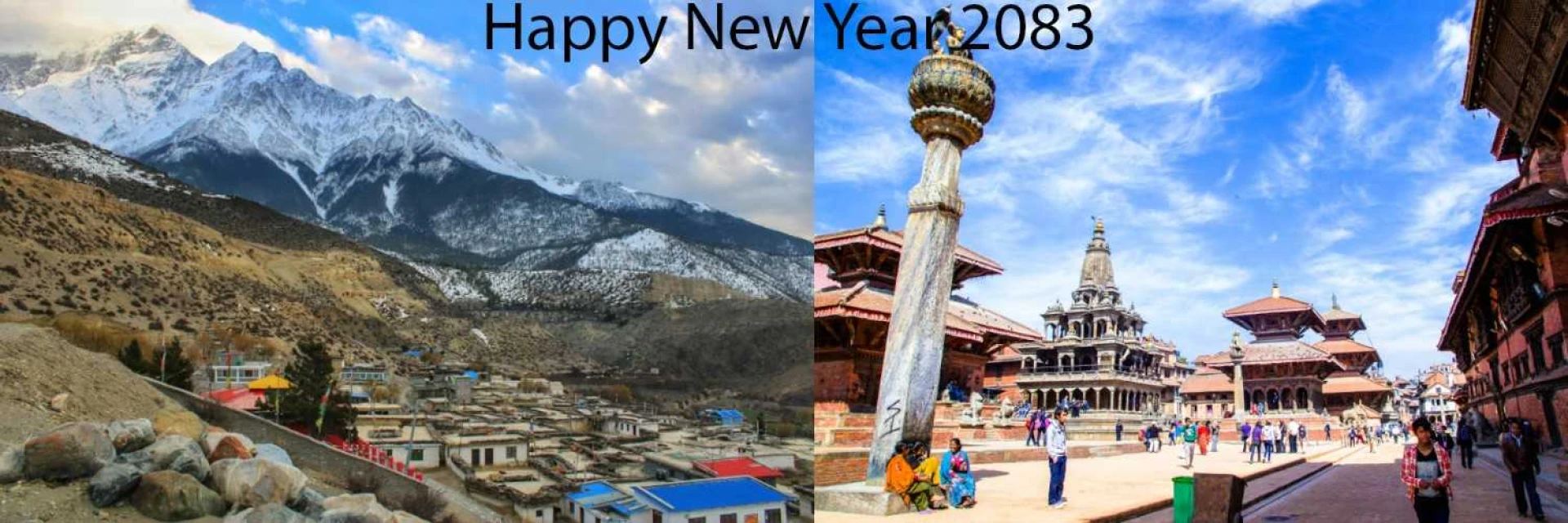
Nepali New Year, also known as Bikram Sambat, is one of the most joyful and meaningful celebrations in Nepal. Unlike the international New Year celebrated on January 1st, the Nepal New Year usually falls in mid-April. This makes a special cultural moment that blends tradition, nature, and community together. During this time, people clean their homes, visit temples, and offer prayers for peace and progress. The atmosphere feels fresh, positive, and full of hope. Schools, offices, and markets often organize programs and gatherings. This further adds more excitement to the entire Nepali New Year celebration.
For many, the Nepali New Year is not just about a new date on the calendar, but a chance to restart life with new goals and positive thoughts. Families enjoy tasty Nepali foods, wear cultural dresses, and spend quality time together. Many towns and cities across Nepal, especially Kathmandu Valley, Pokhara, and Bhaktapur, hold grand fairs. Also, there will be cultural shows where music, dance, and traditional art take center stage.
Tourists love this festival as it beautifully reflects the warmth of Nepali culture and traditions. Whether someone is at home, in their community, or traveling, the Nepal New Year festival creates a colorful and happy feeling everywhere.
Many tourists visit Nepal during the Nepali New Year to experience the local festivals, fairs, and cultural programs.
The atmosphere of the Nepal New Year celebration feels warm, welcoming, and full of community spirit.
Travelers enjoy Nepali food, traditional music, and the colorful cultural traditions. This makes the Nepal New Year festival special. Also, it is a great time to explore the Himalayas like Everest Base Camp, Annapurna, and Langtang.
Table of Contents
When is the Nepali New Year celebrated?
The Nepali New Year is celebrated in mid-April every year, according to the Bikram Sambat calendar. Nepal follows this as its official national calendar. The date usually falls around April 13th or 14th, marking the start of a fresh year with new hopes and positive energy.
During this time, families, communities, and tourists come together to enjoy cultural events. Nepal New Year April makes people visit temples and traditional celebrations across Nepal.
New Year Nepal Date
Baisakh 1 2083 BS- 14 April 2026 Tuesday
Nepali New Year History and Origin
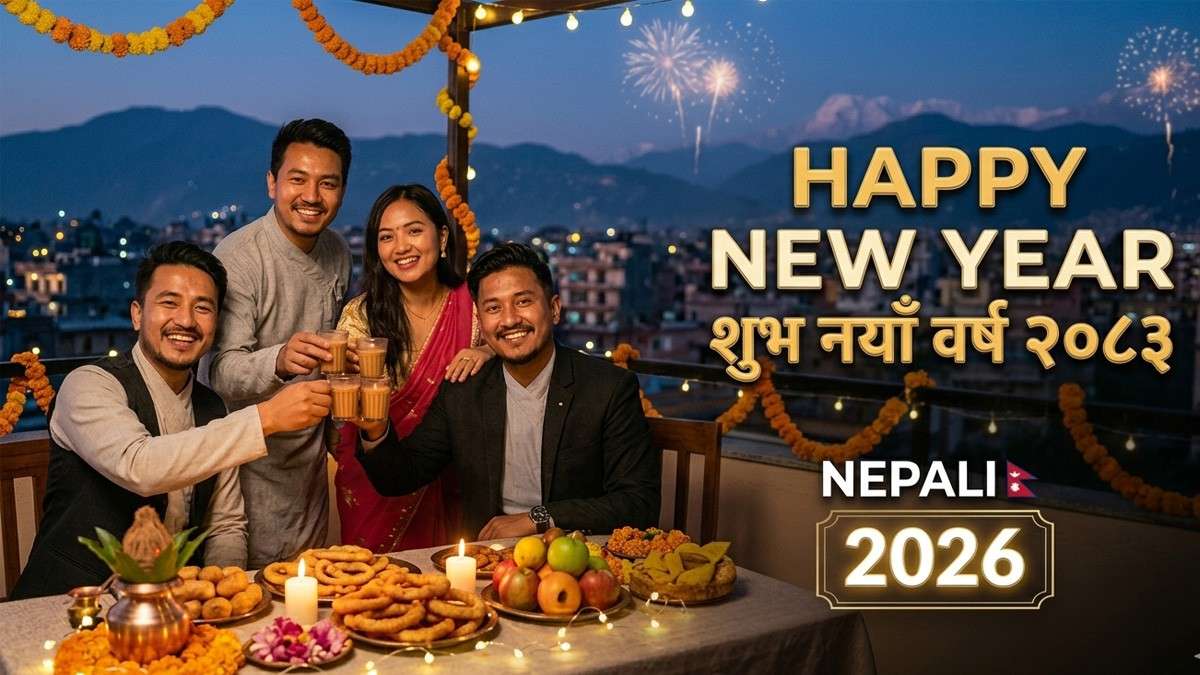
Nepal New Year celebration is a big cultural joy
The Nepali New Year is rooted in the Bikram Sambat calendar. It is believed to have started during the time of King Vikramaditya, an ancient ruler of the Indian subcontinent. Over time, Nepal adopted this calendar system as its official national calendar. And it has been used for centuries to mark festivals, seasons, and cultural events.
Similarly, the New Year in Nepal follows the solar cycle. Meaning it aligns with the movement of the sun rather than the lunar phases. This is why it falls in mid-April every year. Likewise, this period also marks the arrival of warmer days, blooming fields, and the start of new agricultural activities. This ultimately makes it a natural point for a new beginning.
The celebration of the Nepali New Year began as a way to welcome prosperity, good health, and positive change. In ancient times, people believed that starting the year with prayers, cultural rituals, and community gatherings would bring peace. Similarly, it blesses strong relationships and success throughout the coming months.
Villages and cities would organize fairs, temple visits, and traditional performances. Hoping to strengthen unity among people. Even today, the new year for Nepal continues to reflect this original purpose. They celebrate to refresh the mind, renew hopes, and honor cultural traditions while stepping into a bright new chapter.
Let’s Know About the Significance of the Nepali New Year
The New Year of Nepal marks a fresh start and new beginnings for families and communities.
People pray for health, happiness, and prosperity throughout the year.
It strengthens cultural traditions and keeps Nepali heritage alive.
Families spend quality time together, sharing meals and celebrations.
The festival encourages cleaning and organizing homes, symbolizing a fresh mindset.
Communities come together through fairs, music, dance, and temple visits.
How is the Nepali New Year different from the Gregorian New Year?
Feature
Nepali New Year (Bikram Sambat)
Gregorian New Year
Calendar
Based on the Bikram Sambat (lunisolar calendar)
Based on the Gregorian calendar (solar)
Date
Mid-April (around April 13–14)
January 1
Duration
New year for Nepal is celebrated with traditional rituals and fairs for several days
Usually celebrated for 1–2 days, mostly parties
Cultural Focus
Emphasizes Nepali culture, traditions, and religious ceremonies
Mostly global, modern celebrations and parties
Activities
Temple visits, family gatherings, cultural programs, feasts
Fireworks, parties, countdowns, resolutions
Purpose
Welcoming prosperity, health, and a fresh start
Celebrating the start of the calendar year
Tourism
Attracts tourists to experience Nepalese culture
Attracts tourists globally for city events and parties
The Ultimate New Year Celebration in Nepal 2026
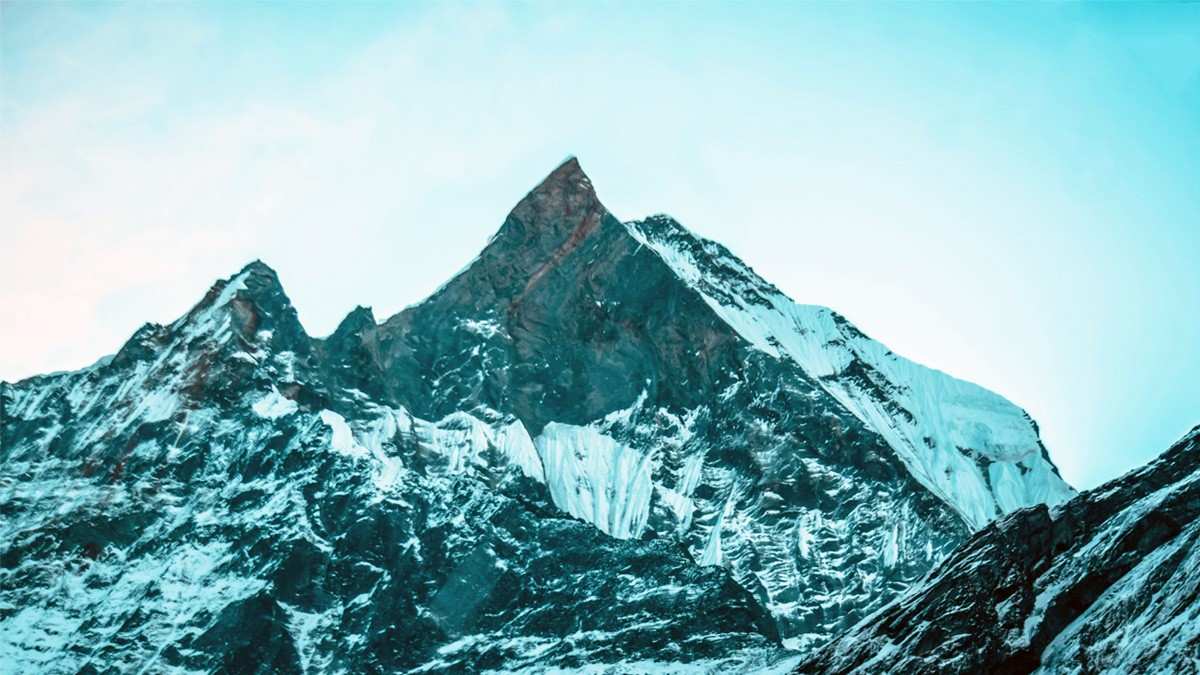
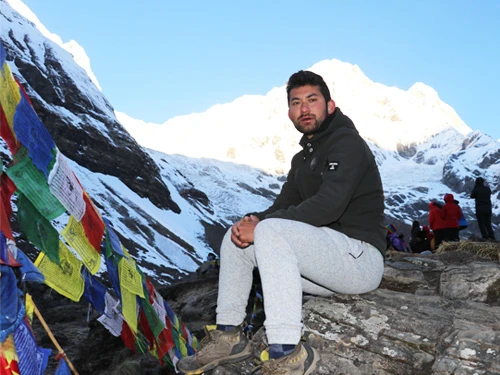
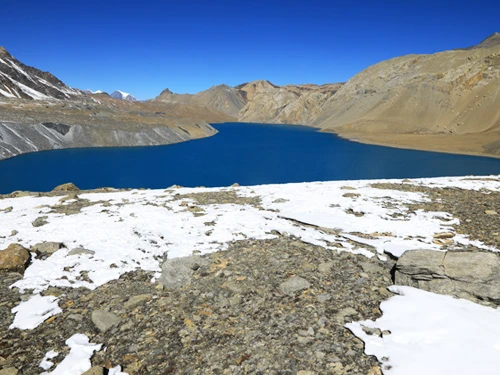
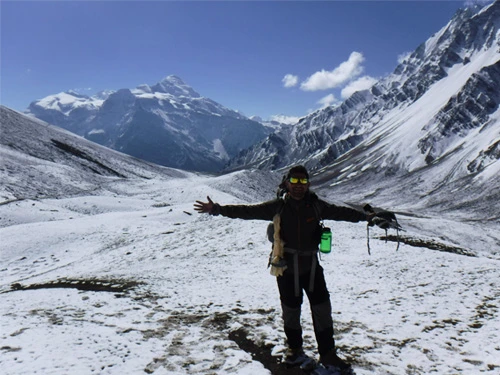
Mountains in Nepal welcomes New Year with pride
The New Year celebration in Nepal has evolved with time and generation.
Traditional Celebrations:
Visiting temples to offer prayers for health, happiness, and prosperity.
Cleaning and decorating homes to welcome positive energy.
Preparing and sharing traditional Nepali foods with family and neighbors.
Performing cultural rituals to honor ancestors and local deities.
Wearing traditional Nepali dresses during festivals.
Organizing community fairs with music, dance, and folk performances.
Flying kites and playing traditional games in open spaces.
Modern-Day Celebrations:
Throwing parties with friends and extended family.
Sharing festival moments on social media platforms.
Traveling to popular tourist destinations like Pokhara and Bhaktapur.
Visiting cafes, restaurants, and malls for special New Year deals.
Attending concerts, cultural shows, and urban fairs.
Exchanging gifts and greeting cards with loved ones.
Capturing festive photos and videos for memories.
Combining traditional rituals with modern entertainment like movies or music events.
Tourists join locals to experience the vibrant Nepali culture and celebrations.
Major Foods in Nepali New Year Celebration 2083
Food is a culture in Nepal. Besides staple Dal Bhat, special dishes are made during important days. Here is what you can expect in the Nepali New Year:
Sel Roti – New Year Nepal food includes many varieties like Selroti. A traditional sweet, ring-shaped rice dough. It is fried to golden perfection, often enjoyed with yogurt or curry.
Momo – Nepali-style dumplings filled with meat or vegetables. You may or may not know, but this is a favorite snack during celebrations.
Kwati – A mixed bean soup cooked with spices. This symbolizes health and prosperity for the new year.
Aloo Tama – A curry made with potatoes and bamboo shoots. This is a classic Nepali dish served in festive meals.
Chatamari – Known as “Nepali pizza,” it’s a rice flour crepe topped with meat, eggs, or vegetables. You should give a try to this.
Yomari – Sweet dumplings made of rice flour and filled with jaggery and sesame seeds. This is also popular in festivals.
Sekuwa – Grilled spiced meat, often enjoyed with family and friends during outdoor celebrations.
Thukpa – A warm noodle soup, especially popular in hilly regions. This is perfect for festive gatherings.
Pulao/Biryani – Fragrant rice dishes with vegetables or meat. It serves as a special meal during New Year feasts.
What are the best places to enjoy the Nepali New Year?
Kathmandu Durbar Square: During the Nepali New Year, the capital comes alive with colorful fairs, traditional music, and cultural shows. This makes it perfect for tourists to experience Nepali heritage up close.
Bhaktapur Durbar Square: Known for its ancient temples and historic streets, Bhaktapur offers a magical festival vibe. There will be local foods, dances, and traditional rituals that attract visitors from around the world.
Patan Durbar Square: Famous for art, architecture, and cultural celebrations, Patan hosts lively fairs. Here, tourists can enjoy local crafts, music, and New Year festivities.
Pokhara Lakeside: With serene lakes and stunning mountain views, Pokhara combines natural beauty with festival fun. This includes parties, local foods, and cultural events for travelers.
Nagarkot: Popular for sunrise views over the Himalayas, Nagarkot is a peaceful spot. Here, tourists celebrate the New Year amidst nature, engaging in trekking and attending small local fairs.
Lumbini: The birthplace of Buddha becomes a place of spiritual celebration. Here, pilgrims and tourists join prayers, cultural events, and peaceful sightseeing during the festival.
Chitwan: Alongside wildlife and jungle safaris, Chitwan adds a festive touch with community programs. You will witness traditional music and cultural performances during the New Year.
New Year trekking and cultural experience in Nepal
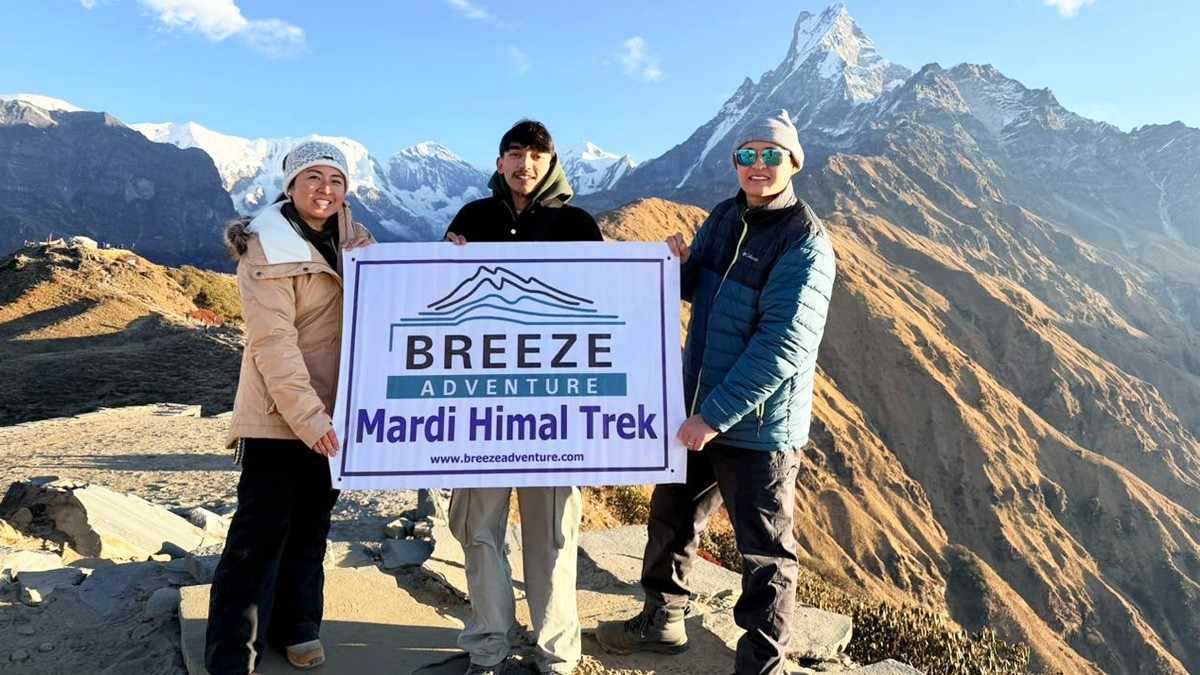
Nepali New year is the best time to trek Nepal Himalayas
The New Year in Nepal is the beginning of the Spring season. It is the peak trekking season that offers supportive climatic conditions and enjoyable cultural diversities. Foreigners can be a part of the following Himalayan trekking at this time:
Everest Base Camp Trek – Experience breathtaking Himalayan views while celebrating the New Year in the world’s highest mountains. This is a bucket list of millions of travel enthusiasts.
Annapurna Circuit Trek – This is another major trekking destination. It is famous for diverse landscapes, local villages, and cultural encounters during festival time.
Langtang Valley Trek – This is the best option near Kathmandu City. Just a peaceful trek with stunning valleys, snowy peaks, and traditional Tamang culture celebrations.
Ghorepani Poon Hill Trek – Ideal for short treks, this offers sunrise views and festive vibes in small mountain villages.
Manaslu Circuit Trek – This trekking route combines adventure and culture, with remote villages. Joining in the New Year festivities along the route is a great experience.
Why visit Nepal during the Nepali New Year?
Visiting Nepal during the Nepali New Year is a different experience from natural, cultural, and social aspects. You should be a part of this celebration to:
Experience vibrant Nepali culture and traditions.
Enjoy colorful fairs, music, and dance performances.
Taste authentic Nepali foods and festival treats.
Join local rituals and temple celebrations.
Explore scenic trekking destinations with festive vibes and the New Year Party Nepal.
Capture memorable photos of unique New Year festivities.
Meet friendly locals and celebrate with communities.
Witness historic sites decorated for the festival.
Enjoy a mix of adventure, culture, and spirituality.
Be part of a joyful and welcoming festival atmosphere.
Quick Travel Tips
For an enjoyable journey in Lunar New Year Nepal, follow the tips below:
Visit Kathmandu, Bhaktapur, or Patan to see traditional fairs and cultural programs.
Try local festival foods like Sel Roti, Momo, and Kwati.
Join temple visits and observe New Year rituals respectfully.
Capture photos of colorful streets, dances, and decorations.
Explore trekking spots like Pokhara, Nagarkot, or Ghorepani for a scenic New Year.
Attend local music and dance performances to experience Nepali culture.
Dress comfortably, and better if you respect local traditions with modest clothing.
Interact with locals to learn about customs and stories behind the festival.
Plan transport and accommodation in advance, as places get busy during the festival.
Keep some cash handy, as small shops and fairs may not accept cards.
FAQs for Nepali New Year 2083
1. Why is Nepal 57 years ahead?
Nepal follows the Bikram Sambat calendar, which is approximately 56.7 years ahead of the Gregorian calendar. This calendar was established during the time of King Vikramaditya and is still used as Nepal’s official calendar. That’s why, for example, the year 2025 AD is 2082 BS in Nepal.
2. What is the Nepali New Year called?
The Nepali New Year is called the Bikram Sambat New Year or the Nepalese New Year. Locally, it is often referred to as Naya Barsha.
3. Which country year is 2082?
The year 2082 BS belongs to Nepal, as it uses the Bikram Sambat calendar system.
4. When does Nepal celebrate the New Year?
Nepal celebrates the New Year in mid-April, usually on April 13 or 14, according to the solar Bikram Sambat calendar.
5. How many New Year in Nepal?
Nepal mainly celebrates one official New Year according to Bikram Sambat. However, some communities also observe traditional or ethnic New Years.
6. Why is it 2082 in the Hindu Calendar?
The Bikram Sambat calendar is a Hindu solar calendar that started during King Vikramaditya’s era. Its calculation is about 56-57 years ahead of the Gregorian calendar, making the year 2025 AD equal to 2082 BS.
7. How do people celebrate the New Year in Nepal?
People celebrate by visiting temples, offering prayers, cleaning homes, and wearing traditional clothes. They enjoy local foods and attend fairs and cultural programs, too. Families and communities gather to share meals and participate in rituals.
8. Is Nepal good for the New Year?
Yes, Nepal is ideal for New Year celebrations, offering a mix of culture, festivals, scenic trekking, and warm hospitality. Tourists can enjoy traditional rituals alongside vibrant community events.
9. Do Nepali people celebrate the Lunar New Year?
Yes, Nepali people primarily follow the solar Bikram Sambat calendar for the New Year. Lunar-based festivals, like Tihar or Dashain, are celebrated separately.
10. What is special in Nepal on April 14?
April 14 usually marks the Nepali New Year, a day of cultural celebrations, temple visits, family gatherings, and traditional rituals across the country. It symbolizes new beginnings and fresh hopes for the year ahead.
Kishwor Adhikari is a passionate writer with a deep enthusiasm for trekking and adventure. His extensive travels across Nepal, exploring its diverse landscapes and hidden corners, have shaped his unique perspective on the country's natural beauty. With a wealth of first-hand experience in adventure trekking, Kishwor has become a trusted voice for fellow enthusiasts. Through his writing, he shares invaluable insights, offering practical advice and inspiration for both seasoned trekkers and novices alike. His dedication to sharing his journey and knowledge helps others discover the wonders of Nepal's wilderness, making his work an essential resource for anyone seeking adventure in the region.