You're here because you want to know one specific thing: Is the ABC trek in January actually worth it, and can you do it?
Short answer - yes, you can. Whether you should depends on who you are, what gear you have, and what kind of experience you're after.
Even in snow and a high cold atmosphere, the Annapurna Base Camp trek in January is absolutely doable, with thousands of people already making it to success. All matter is right guidance and proper preparation.
This guide covers every question you actually have. Temperature at each stop. Which teahouses close. Whether you need crampons. What the trail looks like in snow. How much it costs in off-season. Why do most articles miss the real challenges of January and the real rewards?
Let's get into it.
Table of Contents
What Is the ABC Trek?
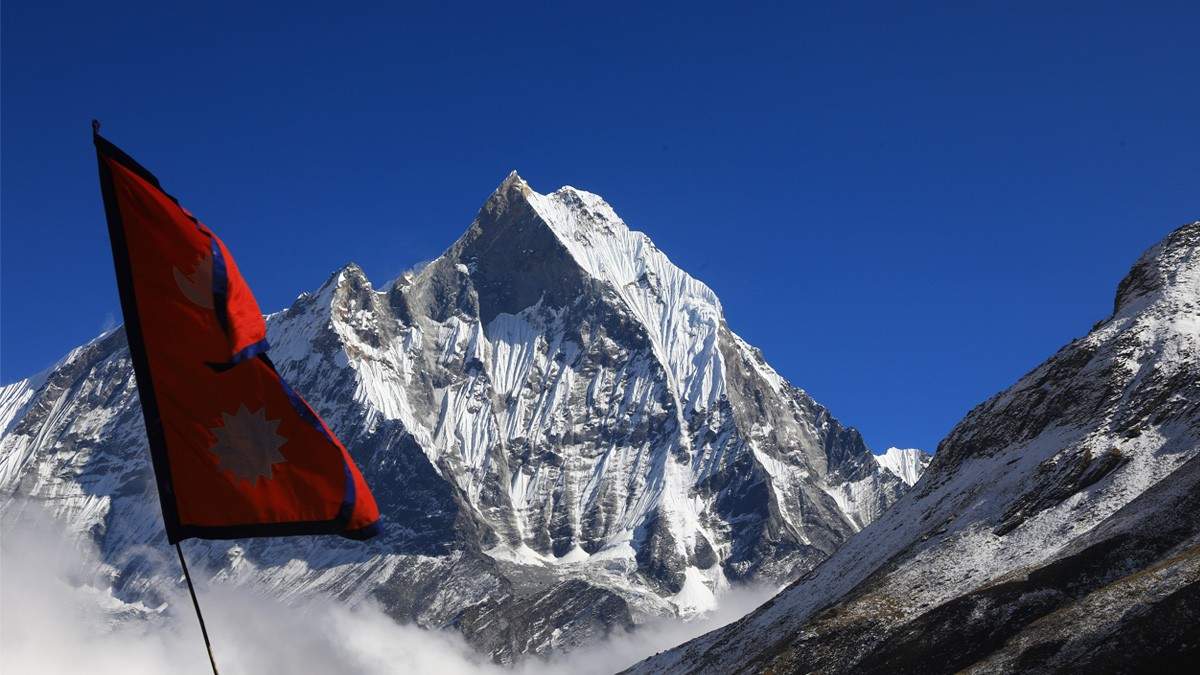
Breathtaking view from Annapurna Base Camp Trek Nepal
The Annapurna Base Camp trek is a round trip that takes you from Pokhara into the heart of the Annapurna mountain range. You walk through terraced farming villages, dense bamboo and rhododendron forests, and narrow river gorges until the valley opens into a high glacial bowl at 4,130 meters - the Annapurna Sanctuary.
Standing at base camp, you're surrounded by enormous peaks like Annapurna I at 8,091 meters and Machapuchhre at 6,993 meters. That 360-degree amphitheater of snow and rock is unlike anything else in Himalayan trekking. This place is worth visiting for unforgettable memories along with adventure.
The whole route covers roughly 80-110 km, depending on your variation. Most trekkers take 7 to 10 days. It's graded moderate with no technical climbing, no ropes or axes required. But it sits at altitude, and January adds its own layer of difficulty due to cold and snow. Let’s dive more into that below.
Can You Really Do the ABC Trek in January?
The answer is yes, it is possible, and will be quite a memorable one. January is the mid-month of winter when the weather is very cold. But this is one of the best months if you can handle the cold. It's off-season, so routes are not packed with trekkers, giving you all the privacy.
Similarly, the trail never officially closes. Most teahouses at lower altitudes stay open, but some higher up, like in Deurali or ABC, may close if snow is heavy. Your guide will know which lodges are operating.
What most articles don't tell you: January 2026 is actually a more manageable winter than it used to be. Due to climate change, winters have become drier with less snowfall. Snowfall has shifted to February and March, making January a great time to visit Annapurna Base Camp. So if you assumed January meant getting buried in fresh snow every day- that's less likely now than it was five years ago. Nights are still brutally cold. The views, though, are extraordinary. You will love what you see there.
January Temperature at Every Stop on the ABC Trail
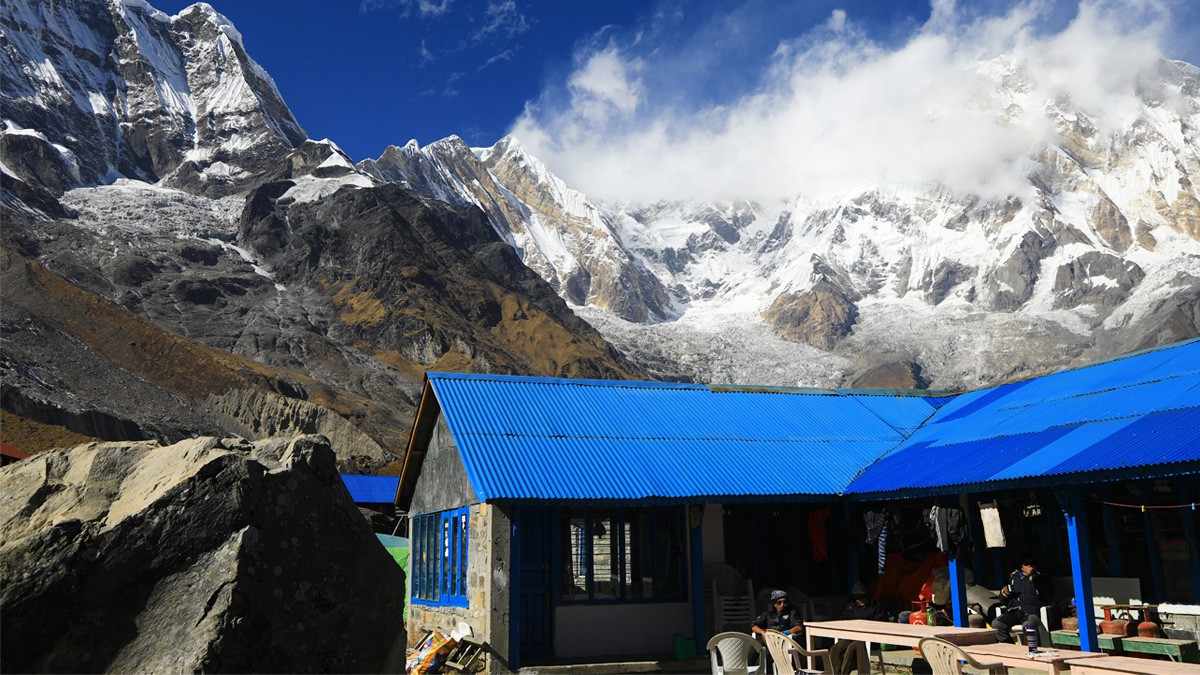
Local Teahouse in Annapurna Base Camp Trail in January
Most guides give you one number for "ABC in January." That's useless. Temperature changes dramatically with altitude. Here's what you'll actually experience, checkpoint by checkpoint:
Pokhara (822 m) - Pokhara, the beautiful city, is the one from where the journey starts. The ABC Trek January weather at lower altitudes, such as Pokhara, ranges from 8°C to 20°C during the day. It’s pleasantly cool. You'll be warm enough in a light jacket.
Ghandruk (1,940 m) - ABC Trek Temperature January range from 10°C to 12°C throughout the daytime in Ghandruk. Nights are freezing. This is where the cold starts to feel real after dark.
Chhomrong (2,170 m) - Chhomrong is colder, with chilly mornings. The air is dry, and there is wind. This is the last proper supply village. Stock up on snacks here, as everything above costs more.
Deurali (3,230 m) - This place experiences below 5°C during the day. Snow is common here. This is the altitude where January becomes a real factor. Not just that, the stone steps can be iced over in the morning. Kindly put your crampons on before you need them, not after you slip.
Machapuchhre Base Camp / MBC (3,700 m) - In this place, you can expect the ABC temperature in January between -8°C to -12°C at night. Snow on the trail is standard. Likewise, the views from MBC in clear winter light are staggering - Machapuchhre (Fishtail) rises directly above you, close enough to feel unreal.
Annapurna Base Camp (4,130 m) - The Annapurna Base Camp Nepal temperature is -10°C to 2°C during the day. At the same time, the nights can drop to -15°C or even lower. This is not car-camping cold. This is a serious Himalayan cold. Your sleeping bag rating matters enormously here.
One pattern worth knowing: the air is dry, and the skies are clear most of the time, which means great views but freezing nights. Most trekkers start early, around 6 or 7 a.m., since daylight fades fast. Afternoon clouds can roll in quickly at altitude. So, get your walking done in the morning.
What ABC in January Actually Looks Like on the Trail
Nobody writes about this honestly. So let me paint you the real picture.
The lower section - Nayapul to Chhomrong - feels like a different trek entirely. Frosty mornings on the stone paths. Frost on the rice field terraces. Similarly, smoke from teahouse kitchens drifting through the village at 6 am. You will experience cold air, but manageable. You'll be wearing two layers and be fine.
After Chhomrong, it changes. In the bamboo and rhododendron forests between Sinuwa and Bamboo, the trail is often draped in frost and mist. Alpine vegetation ends, and snow may begin around Deurali. Likewise, the forest in the early morning gets frost on every branch, and silence except for your footsteps is genuinely beautiful. This is the section most people remember, and it's at its most atmospheric in winter.
Above Deurali, you're in the snow. The famous Modi Khola gorge narrows. The walls on either side rise thousands of meters. Sunrise colors the peaks in pink and gold, especially Machapuchhre. Further, evenings bring orange light fading behind the Annapurna walls. The skies are clear, so photographers get perfect shots all day.
And then you arrive at ABC. In peak season, base camp has dozens of trekkers milling around, comparing photos, filling the teahouse. In January, you might arrive to find two other people there. Or none. The Annapurna Sanctuary in winter silence is one of the most remarkable places you can stand anywhere in the Himalayas.
Why ABC Trek in January Is Underrated?
Most ranking articles give January a lukewarm "possible but not recommended" and move on. Here's what they don't fully explain:
The photography is exceptional. Winter light in Nepal is different. Harder, cleaner, more directional. Similarly, the shadows are longer, the peaks look sharper, and there's no haze. You will view Annapurna I, Machapuchhare, and Hiunchuli in crystal clear clarity. Not just that, the winter light adds to their beauty. Serious photographers often prefer this over the slightly hazy skies of October.
The trail belongs to you. This is not a small thing. In October, the ABC trail is one of the busiest trekking routes in Nepal. In January, you walk in near-total quiet. You stop when you want, eat when you want, sit at a viewpoint for 20 minutes without anyone walking into your frame. That kind of solitude on a famous trail is rare.
The budget is meaningfully lower. December and January offer lower package prices and cheaper international flights. Teahouses in the off-season are more flexible on pricing. If you're budget-conscious, a January window could save you $200–400 compared to the exact same trip in October. So, why not Annapurna Base Camp Trek in January, right? This is a perfect example of the ABC budget trek Nepal.
The frozen waterfalls. This one almost never gets mentioned. Between Bamboo and Deurali, several waterfalls that are flowing as torrents in autumn have frozen solid by January. There will be massive columns of ice hanging from cliff faces, lit up in the morning sun. You don't see this any other month. This looks crazy. I was stunned by its beauty when I first saw that.
The hot springs hit differently. The Jhinu Danda natural hot springs on your descent day are a standard feature of any ABC itinerary. In January, after a week of frozen mornings and cold teahouse rooms, lowering yourself into that 40-degree water by the Modi Khola river is one of the more profound physical relief experiences available anywhere. Don't skip this. It's not optional.
Who Should NOT Trek ABC in January
This part matters. Having knowledge about the best time to ABC trek helps you with planning. Let me be direct.
If this is your first time trekking above 3,000 meters, wait for spring or autumn. January at altitude amplifies everything. Cold masks altitude sickness symptoms. Likewise, dehydration is easy to miss when you don't feel thirsty in dry freezing air. The consequences of getting things wrong above Deurali are serious.
If you don't own and aren't willing to buy or rent proper winter gear, don't go. A standard sleeping bag won't keep you warm at -15°C. A rain jacket is not a down jacket. These are not luxuries; they're the difference between a memorable experience and a dangerous one.
Avoid if: This is your first high-altitude trek, or you are not equipped with proper winter gear, including a down jacket rated to -20°C, an insulated sleeping bag, and waterproof boots.
If you have any history of altitude sickness or significant cold sensitivity, have a doctor consultation before committing to a January timeline.
The ABC Trek January Gear List (What You Actually Need)
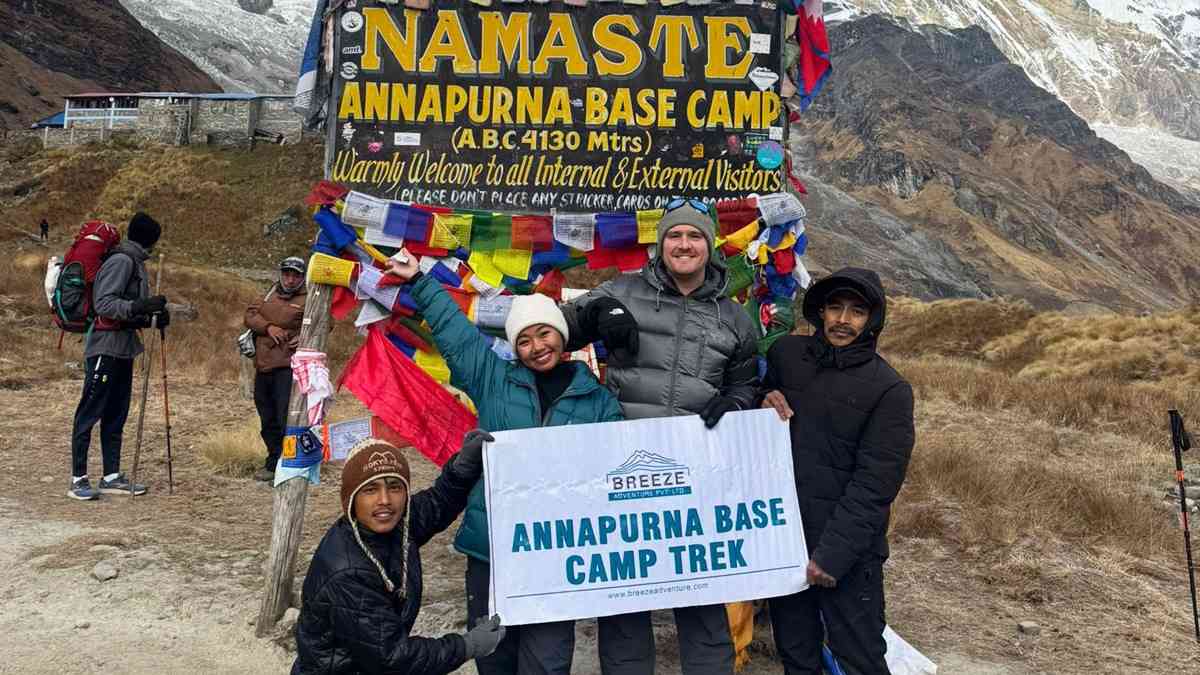
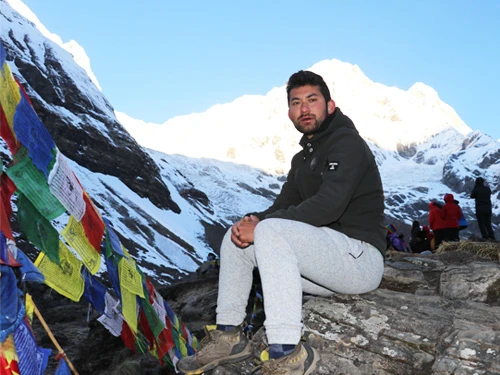
Breeze Adventure team in Annapurna Base Camp Trek Nepal
Plenty of packing lists exist for ABC, but the right one for you rarely exists. Here's what January specifically demands:
Layering system (non-negotiable): Start with a moisture-wicking thermal base layer - top and bottom. Then, add a mid-layer fleece or lightweight down. Top it with a waterproof, windproof outer shell. Then, separately, carry a heavy down jacket rated to at least -20°C for evenings and base camp.
The key to good winter dressing is layering. The system traps heat while allowing flexibility during long ascents. You can start with a moisture-wicking base layer that will keep sweat away from the skin. Add an insulating mid-layer like fleece or down, and top it all off with a waterproof and windproof outer shell for balanced warmth and protection in snow and wind.
Sleeping bag: Rated to -10°C minimum. -15°C is better. This is the item most people underestimate. At Annapurna Base Camp January, your teahouse room will be as cold as outside once the stove in the dining room goes off.
Crampons or microspikes: Snowfall likely happen above 3,000 m, so microspikes and warm layers are essential. You can buy or rent these in Pokhara before you leave. Lakeside has good shops. Don't assume you'll find them on the trail.
Trekking poles with snow baskets: Your standard rubber-tip poles will work on dry rock. In snow, they punch through and offer no support. Snow baskets are a small addition with a large impact.
Insulated water bottle: Standard water bottles freeze. Hydration matters at altitude - cold, dry air dehydrates you fast, even when you don't feel thirsty. A good vacuum flask keeps water liquid for hours.
UV sunglasses (not fashion sunglasses): Snow reflection at high altitude is intense. UV-rated glacier glasses or high-protection sunglasses are important above MBC. This is overlooked by almost every packing list for ABC.
Hand warmers: The small, disposable chemical kind. Put them inside your gloves before the cold really sets in above Deurali. This is worth every rupee.
Nepal Travel insurance covering helicopter evacuation up to 5,000 m: Not optional. A helicopter rescue from the Annapurna region can cost $3,000–$5,000 or more out of pocket. Confirm that your policy specifically covers high-altitude trekking and helicopter evacuation before you leave home. Standard travel insurance often cuts off at 2,500 m or 3,000 m.
Most of this gear is available to rent in Pokhara or Kathmandu. Sleeping bags and down jackets rent for roughly $1–3 per day. Check condition carefully - an old sleeping bag that's lost its loft is just a heavy bag.
Do You Need a Guide in ABC Trek January?
Yes. And not just because it's now legally required.
As of April 1, 2023, all foreign trekkers must have a licensed guide for any trek in Nepal that requires a TIMS card, which includes ABC. Solo independent trekking is no longer legal. This regulation is enforced.
But beyond legality, in January, a guide is genuinely valuable in ways that don't apply to October. They know which teahouses above Deurali are actually open on any given week. They know the current trail conditions above the snowline. Actually, they've been on that section when it was iced over, and they know which way to step. The licensed guides carry emergency supplies. If altitude sickness hits you above 3,500 m in freezing conditions, your guide can initiate evacuation.
Also, a local guide familiar with winter routes knows which paths are open and safest. So, don't treat the guide requirement as bureaucratic overhead. In January, especially, this is good sense.
A licensed guide costs $30–40 per day. For a 10-day trek, budget $300–400 in guide fees.
Permits for the ABC Trek in January 2026
Two permits are needed. You can collect both in Kathmandu (Thamel) or Pokhara before day one of walking. Don't leave without them. The good news is registered travel agency in Thamel will arrange all the permits on your behalf.
ACAP (Annapurna Conservation Area Permit): Approximately $30 USD for foreign nationals. SAARC nationals (Indian trekkers and others from the region) pay significantly less - roughly NPR 2,000, which is under $16.
TIMS Card (Trekkers' Information Management System): Around $20 USD. Total permit cost for foreign trekkers: approximately $50.
One thing most guides don't mention: as of 2026, all trekkers now pay a mandatory NPR 1,000 "Green Fee" for waste management in conservation areas. So, factor that into your budget. It's a small amount, but it shows up at the permit desk and surprises people who haven't read about it.
Bring passport photos. Some offices still ask for them alongside the digital registration.
How Long Does the ABC Trek Take in January?
Standard answer: 7-10 days. January answer: plan for 10, wish you'd planned for 11.
Snow slows everything above Deurali. Icy morning sections mean you start cautiously and move carefully. Snow or ice can slow you down, so add an extra day or two as a buffer. A bad day of weather can pin you in a teahouse at Bamboo waiting for conditions to improve. You can start your journey either from Kathmandu City or Pokhara.
The itinerary I'd actually recommend for January:
Day 1: Arrive in Pokhara. Take permits. Gear check. Sleep early.
Day 2: Drive to Nayapul, trek to Tikhedhunga (1,570 m). Easy start, 4–5 hours of trekking.
Day 3: Tikhedhunga to Ghorepani (2,874 m). Long climb through rhododendron forest. 6-7 hours. Arrive before dark, as Ghorepani gets very cold fast.
Day 4: 5 am wake-up for Poon Hill (3,210 m) sunrise. Yes, it's -10°C up there. Yes, it's worth it. Then trek to Tadapani. 5–6 hours total.
Day 5: Tadapani to Chhomrong (2,170 m). 7-8 hours. This is your last major supply stop. Buy backup snacks.
Day 6: Chhomrong to Bamboo (2,310 m). 4-5 hours. Intentionally short. Rest here. This is the last day before the snow.
Day 7: Bamboo to Deurali (3,230 m). 5 hours. Snow starts on this stretch. Crampons on.
Day 8: Deurali to ABC (4,130 m) via MBC (3,700 m). Your biggest day. 6 hours. Start early, move deliberately. Arriving at base camp in winter - snow-covered, silent, surrounded by the full Annapurna range - is a moment that doesn't fit inside a sentence.
Day 9: ABC to Bamboo (2,310 m). Long descent. Protect your knees on the stone steps, especially icy ones in the morning.
Day 10: Bamboo to Jhinu Danda. Hot springs. This is the reward day. The natural hot springs at Jhinu Danda are perfect for relaxing and unwinding - the warm water is soothing for your body and is believed to have various health benefits. Taking a dip here is a refreshing way to rejuvenate yourself during the trek. Then continue to Nayapul and drive to Pokhara.
Food and Teahouses in January: What to Expect
Teahouses exist along the entire ABC route. You're not camping. There are beds, kitchens, and hot tea available every 1–2 hours of walking at lower elevations.
January reality: below Chhomrong, almost everything is open. Above Chhomrong, it starts to depend. All teahouses remain open, but some have reduced menus. At Deurali and ABC specifically, closures can happen after heavy snowfall weeks. Your guide will phone ahead - this is standard practice.
Moreover, the rooms are basic. A thin mattress, blanket, and shared bathroom down the hall. What matters more is the dining room. Teahouse owners run wood or yak-dung stoves, and the common room around the fire in the evening is warm, noisy, and full of the specific warmth that comes from shared exhaustion. Hot soup, dal bhat, tea. That's your evening.
Food prices rise with altitude - everything above Deurali is carried up by a porter. Dal bhat is the best value on the menu, and most teahouses offer free refills, eat it for dinner as often as you can. At altitude, eating more than you want is smart. Your body burns extra calories staying warm.
Bring cash from Pokhara. There are ATMs at the start of the trail, but nothing reliable once you're in the mountains. Most teahouses don't take cards. Budget for 10 days of food, extras (hot showers: $2–3, Wi-Fi: $2, charging devices: $2–5), and a buffer.
Altitude Sickness on the January ABC Trek
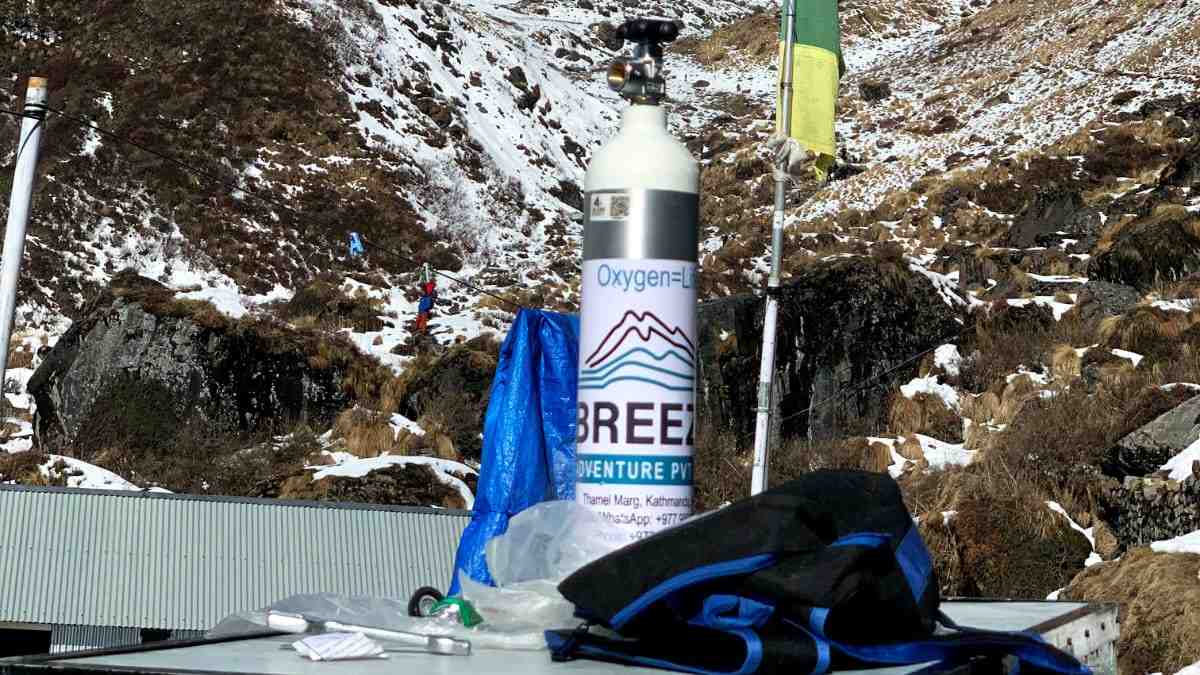
Breeze Adventure offers one oxygen tank for higher altitude in ABC trek
Altitude sickness doesn't discriminate by season. AMS can hit anyone above 2,500 m regardless of fitness level. What January adds is complexity: cold masks symptoms, dehydration is sneakier in dry freezing air, and evacuation is harder in heavy snow.
Early signs to watch: headache, nausea, unusual fatigue beyond the day's effort, poor sleep that doesn't feel like ordinary tiredness. If any of these worsen instead of improving with rest and fluids, descend. Don't wait. The only effective treatment for serious altitude sickness is losing altitude.
Diamox (acetazolamide) can help with acclimatization. It's available in Kathmandu and Pokhara. Kindly consult a doctor before you leave home about whether it's right for you.
The classic acclimatization rule - "climb high, sleep low" - applies here. The reason day 6 (Bamboo) is intentionally short in the January itinerary is to give your body time before the big push above 3,000 m.
Don’t forget to drink water constantly. Cold, dry mountain air dehydrates you faster than you expect. Your urine should be pale. If it's dark yellow, drink more before taking another step uphill.
For your kind information, Breeze Adventure is a reputed travel agency in Thamel with solid management of altitude sickness. The company offers an oxygen cylinder to deal with higher altitudes. With us, you will have a smooth journey even in January.
How Much Does the ABC Trek Cost in January?
January is off-season, which helps your budget across the board. Here's an honest breakdown:
Permits: ~$50 USD (ACAP + TIMS) for foreign nationals.
Licensed guide: $30–40/day. For 10 days, that's $300–400. This is not negotiable - guides are mandatory, and the right guide is worth every dollar in January.
Porter (optional but recommended): $20–25/day. If you're carrying a heavy winter pack - sleeping bag, down jacket, extra layers - a porter frees your knees for the long descents.
Teahouse accommodation: In the lower villages like Ghandruk and Chhomrong, a teahouse costs around $10-15 per night for a basic room. In the higher sections like Deurali, MBC, and ABC, teahouses cost around $15–20 per night.
Food on trail: Budget $20–30 per day for three meals. Stick to dal bhat where possible - it's the cheapest, most filling, and comes with free refills.
Gear rental in Pokhara: Renting gear costs around $20-40 for a week, excluding sleeping bags. A sleeping bag rental adds roughly $3/day. Down jacket rental is similar.
Total trek cost from Pokhara: Roughly $700-1,100, depending on whether you hire a porter and what gear you need to rent. A nine-day Annapurna Base Camp trek with a Nepali trekking company costs between $425 and $1,200 USD depending on your tier, plus around $1,000–$1,800 for flights, visa, insurance, and personal spending - total trip cost from your front door: roughly $1,500-$3,200.
Book directly with a Nepal-based trekking company in Thamel rather than through an international agency. You'll pay the same price for a better service, and your money goes directly into the local economy.
Things Other Articles Don't Cover
Here are certain things to consider while planning your ABC trip for January:
The daylight problem. In January, daylight in Nepal runs roughly 6 am to 5:30 pm. That's 11.5 hours of usable light. Above Deurali, you walk slower in the snow. This means your window for summit day (Deurali to ABC) is tight if you start late. Leave by 6:30 am at the latest on that day.
Frozen boots in the morning. If you leave your boots outside or in an unheated vestibule overnight above 3,000 m, they will freeze solid. Put them inside your room, near your sleeping bag, or even inside the bag's foot section. A frozen boot at 5 am before a 6-hour day is a bad start.
The Gurung villages. Ghandruk and Chhomrong are both Gurung communities. The Gurung people have deep ties to the Annapurna Sanctuary - historically a sacred area. In peak season, these villages bustle with trekkers, and the cultural texture gets lost. In January, you'll sit in a teahouse kitchen with the family, watch children do homework by lamplight, and be offered tea by someone who isn't doing it for business. That cultural access is a real gain of the off-season. Let me tell you, an ABC trek with kids is also a popular trip option in Nepal.
January vs February - which is better?
Most articles don't distinguish. January is the coldest month; December and February are more manageable. If you have flexibility, early February gives you slightly warmer nights and roughly the same clarity and crowd levels as January. Late January into early February is arguably the sweet spot - cold enough to be beautiful, but the worst of the freeze has usually passed.
The Poon Hill detour is worth it. Many ABC Itineraries include Poon Hill as a sunrise viewpoint. In January, the 4:30–5 am climb to 3,210 m is genuinely painful cold. The panorama of Dhaulagiri, Annapurna South, and Machapuchhre in first light, from a hill you've earned in darkness, is one of the finest views in Nepal. So, do not skip this because of the cold.
The Honest Final Take
January at ABC is not the easy version. It is the quiet version, the cold version, the version where the mountains are sharpest, and the trail is yours.
For experienced trekkers with proper gear, a good guide, and genuine winter preparation, it's exceptional. The Annapurna Sanctuary, covered in snow, with nobody else around, bathed in that particular hard Himalayan winter light, is not a consolation prize for missing October. It's a completely different and remarkable experience.
For first-timers, people without a winter kit, or anyone expecting a comfortable mountain walk - come back in April. The rhododendrons will be in bloom, and the conditions will be forgiving.
But if you're reading this at 11 pm researching whether to book that January flight - and your gut says yes - trust it. Just come ready.
Kishwor Adhikari is a passionate writer with a deep enthusiasm for trekking and adventure. His extensive travels across Nepal, exploring its diverse landscapes and hidden corners, have shaped his unique perspective on the country's natural beauty. With a wealth of first-hand experience in adventure trekking, Kishwor has become a trusted voice for fellow enthusiasts. Through his writing, he shares invaluable insights, offering practical advice and inspiration for both seasoned trekkers and novices alike. His dedication to sharing his journey and knowledge helps others discover the wonders of Nepal's wilderness, making his work an essential resource for anyone seeking adventure in the region.