Buddha Jayanti, also called Buddha Purnima, is one of the most cherished festivals in Nepal. It celebrates the birthday of Lord Buddha, the great teacher of peace and wisdom. Every year, on the full moon day of Baishakh, temples, monasteries, and streets across Nepal come alive with this festival. There will be colorful decorations, prayers, and joyful celebrations.
Further, devotees from all over the country and the world gather to honor Buddha’s life. Also, his teachings and the message of compassion he left behind. The festival creates a deeply spiritual atmosphere that touches everyone. People offer flowers and light butter lamps to participate in meditation sessions.
In Nepal, the birthplace of Buddha, Lumbini, becomes the center of grand celebrations. Yes, it draws thousands of pilgrims and tourists eager to witness this sacred event. Buddha Jayanti 2026 promises another spectacular gathering. Here, cultural programs, processions, and special rituals highlight the day.
People visit famous Buddha birthday places, join chanting sessions, and engage in acts of charity. They spread peace and goodwill. You may be experiencing Buddha Jayanti in Kathmandu or exploring the spiritual heritage of Nepal. This festival is a unique celebration of life, learning, and devotion that inspires everyone who takes part.
Table of Contents
Buddha Jayanti Quick Guide: Date, Rituals, Food, and Places to Visit
Aspects
Details
Festival Name
Buddha Jayanti (also called Buddha Purnima)
Date
Full moon day of Baishakh (varies each year; Buddha Jayanti 2026 will be on 1st May, 2026)
Significance
Celebrates the birth, enlightenment, and death (Parinirvana) of Lord Buddha. It promotes peace, compassion, and wisdom
Major Places
Lumbini (birthplace of Buddha), Kathmandu, Bhaktapur, Patan, and major Buddhist monasteries across Nepal
What to do
Visit temples and stupas, participate in prayers and meditation, offer flowers and butter lamps. Attend cultural programs and processions, and engage in charity
Food
Traditional vegetarian dishes, sweets like sel roti and khapse. Fruits and festive meals are offered at monasteries
What to wear
People wear simple saffron, yellow, or orange robes symbolizing renunciation. Devotees often wear white clothes to show purity and devotion.
Rituals
Lighting butter lamps, chanting Buddhist prayers, and circumambulating stupas (parikrama). Offering prayers to monks, meditation sessions, and ceremonial processions
History of Buddha Jayanti in Nepal
Buddha Jayanti, celebrated as the birthday of Lord Buddha, has a rich history that traces back over 2,500 years. Born as Prince Siddhartha in Lumbini, Nepal, Buddha grew up surrounded by luxury. But he left his royal life to seek the truth about human suffering. His journey to enlightenment inspired millions. And the festival of Buddha Jayanti began as a way to honor his teachings and life.
Buddha Jayanti is a mark of peace and enlightenment
Over time, Buddhists in Nepal and around the world adopted this sacred day, known as Buddha Purnima. This day reflects peace, compassion, and wisdom, making it one of the most spiritually significant festivals in the country.
Furthermore, the celebration of Buddha Jayanti in Nepal is more than just marking a birthday. It’s a tribute to the philosophy and guidance that Buddha gave humanity. From the serene monasteries of Kathmandu to the historic birthplace in Lumbini, devotees engage in rituals. Mostly offering flowers, lighting butter lamps, chanting prayers, and meditating. The monasteries around Nepal pay special devotion on this day.
Not just that, the festival also encourages acts of kindness and charity. This reflects Buddha’s teachings in daily life. Today, Buddha Jayanti continues to be celebrated with great devotion. It draws pilgrims, tourists, and locals alike. Further, it is a truly remarkable festival that connects history, spirituality, and culture in Nepal.
Why Buddha Jayanti Matters to Devotees Worldwide? Significance
Buddha Jayanti is not just a birthday celebration of Lord Buddha. In fact, it is a thrice-blessed festival that honors the birth, enlightenment, and death.
It carries the following significance, have a look:
Celebrates the Birth of Lord Buddha – Buddha Jayanti marks the sacred birthday of Siddhartha Gautam. He is the founder of Buddhism in Lumbini, Nepal. This makes it a spiritually important festival for Buddhists worldwide.
Honors Buddha’s Enlightenment – Beyond his birth, the festival also reflects on Buddha’s enlightenment under the Bodhi tree. Emphasizing wisdom, inner peace, and spiritual awakening.
Promotes Peace and Compassion – Buddha Jayanti is a festival of devotion. People practice kindness, non-violence, and compassion in daily life. This actually aligns with Buddha’s teachings.
Encourages Meditation and Reflection – The festival provides an opportunity for people to meditate, chant prayers, and reflect on life. This helps in personal growth and mental calmness.
Strengthens Cultural and Religious Heritage – Buddha Jayanti in Nepal preserves centuries-old Buddhist traditions, rituals, and ceremonies. It connects generations to their spiritual roots.
Fosters Community and Charity – People celebrate by offering alms, donating to monasteries, and helping the needy. This promotes social harmony and selfless service.
Draws Pilgrims and Tourists – Major Buddha Jayanti celebrations in Lumbini, Kathmandu, and other monasteries attract pilgrims and international tourists. This spreads awareness of Nepal’s cultural and religious significance.
How to celebrate Buddha Jayanti in Nepal?
Buddha Jayanti celebration in Nepal is a grand event in Lumbini, the birthplace of Buddha. Kathmandu Valley also remains the most important place for this festival. Cultural, religious, as well as social gatherings make this festival worth remembering. Here’s how people celebrate Buddha Purnima in Nepal:
Visit Lumbini, the Birthplace of Buddha
Pilgrims and tourists flock to Lumbini to witness the sacred site. They explore monasteries and join the main Buddha Jayanti celebrations.
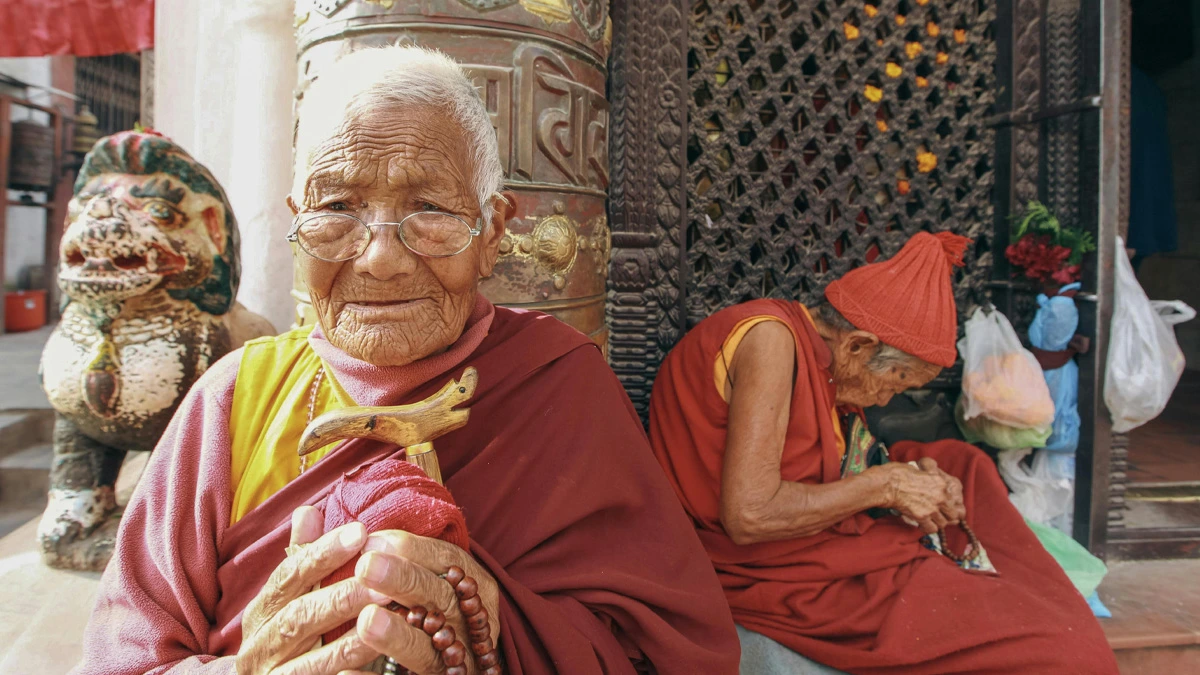
Old monks showing devotion to Lord Buddha
Offer Flowers and Butter Lamps
Devotees light butter lamps and offer flowers at stupas and temples. It is a traditional way to honor Buddha and his teachings.
Participate in Prayers and Chanting
Join morning and evening chanting sessions of Buddhist prayers. Especially at major temples in Kathmandu, Patan, and Bhaktapur.
Meditate and Reflect on Buddha’s Teachings
Spend time in meditation or mindfulness sessions. Embracing peace, compassion, and wisdom in daily life.
Join Cultural Programs and Processions
Watch or take part in colorful parades, cultural dances, and religious processions. These are organized during Buddha Jayanti celebrations. Even Himalayan trekking, such as the Langtang Valley Trek, makes this experience memorable in the snow.
Engage in Acts of Charity
Donate to monasteries, feed the poor, or contribute to community service. They do this following Buddha’s principle of selfless giving.
Decorate Homes and Temples
Many people decorate their homes, temples, and streets with lights, flowers, and colorful banners. This creates a festive atmosphere.
Prepare and Share Traditional Vegetarian Food
People cook or offer traditional vegetarian dishes, sweets like sel roti, and fruits to monks, family, and friends.
Read or listen to Buddha’s Life Stories
Learn about Buddha’s journey, enlightenment, and teachings to deepen understanding of the festival’s spiritual significance.
Wear Traditional and Respectful Attire
They wear simple saffron, yellow, or orange robes symbolizing renunciation. Some people often wear white clothes to show purity and devotion.
Buddha Jayanti Nepal with Cultural Tours & Himalayan Treks
Buddha Jayanti is observed in April month, which is the peak trekking season in Nepal. So, this is a wonderful opportunity to explore culture as well as the beauty of the Himalayas. Foreigners can do the following things during this festival:
Celebrate Buddha Jayanti in Lumbini
Start your journey at the birthplace of Lord Buddha. Witness grand rituals, light butter lamps, and join prayer ceremonies at monasteries. Also, experience the festival’s spiritual vibes.
Explore Kathmandu’s Buddhist Heritage
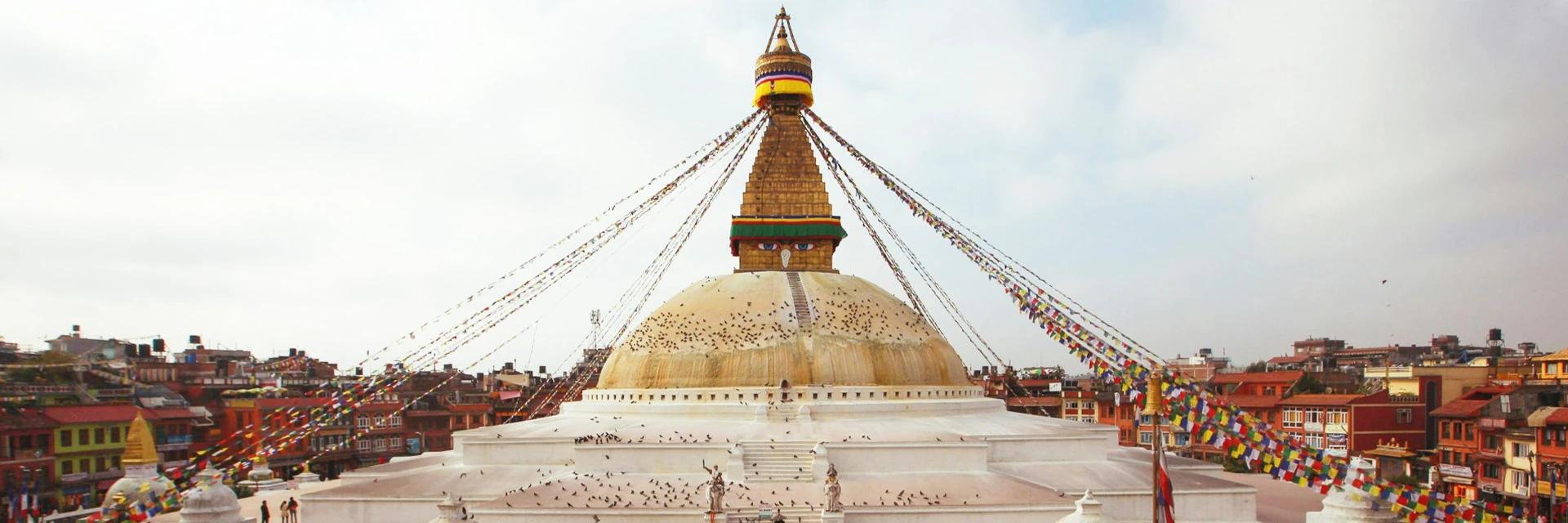
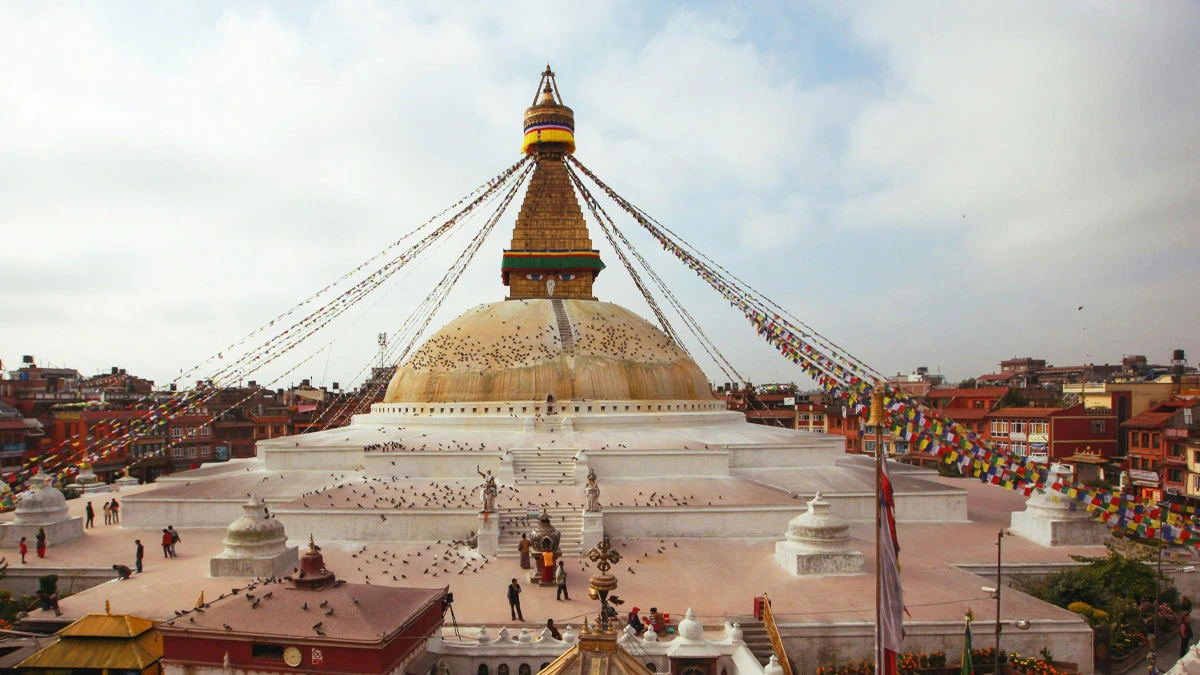
After the festival, tour Kathmandu’s iconic Buddhist sites like Swayambhunath Stupa and Boudhanath Stupa. Enjoy cultural processions and local rituals that reflect Nepal’s rich heritage.
Visit Patan and Bhaktapur for Ancient Culture
Discover traditional Newari architecture. Mostly, ancient temples and vibrant festival decorations in these historic cities. This combines spiritual experiences with cultural exploration.
Trek the Annapurna or Langtang Region
After the Buddha Jayanti celebrations, enjoy Himalayan trekking adventures. Trails like Ghorepani-Poon Hill offer scenic views, peaceful villages, and a spiritual retreat into nature.
Engage with Monks and Local Communities
Participate in meditation sessions, chanting, and teachings with monks in monasteries across Kathmandu Valley. It is a great way to learn more about Buddha’s philosophy firsthand.
Combine Spirituality with Adventure
These treks allow tourists to connect with nature while reflecting on Buddha’s teachings. Monasteries along the trails often provide opportunities for meditation and cultural immersion. Short Everest Base Camp Trek, Short Annapurna Base Camp Trek, as well as a luxury helicopter tour, are suitable.
Plan Guided Tours for an Enriched Experience
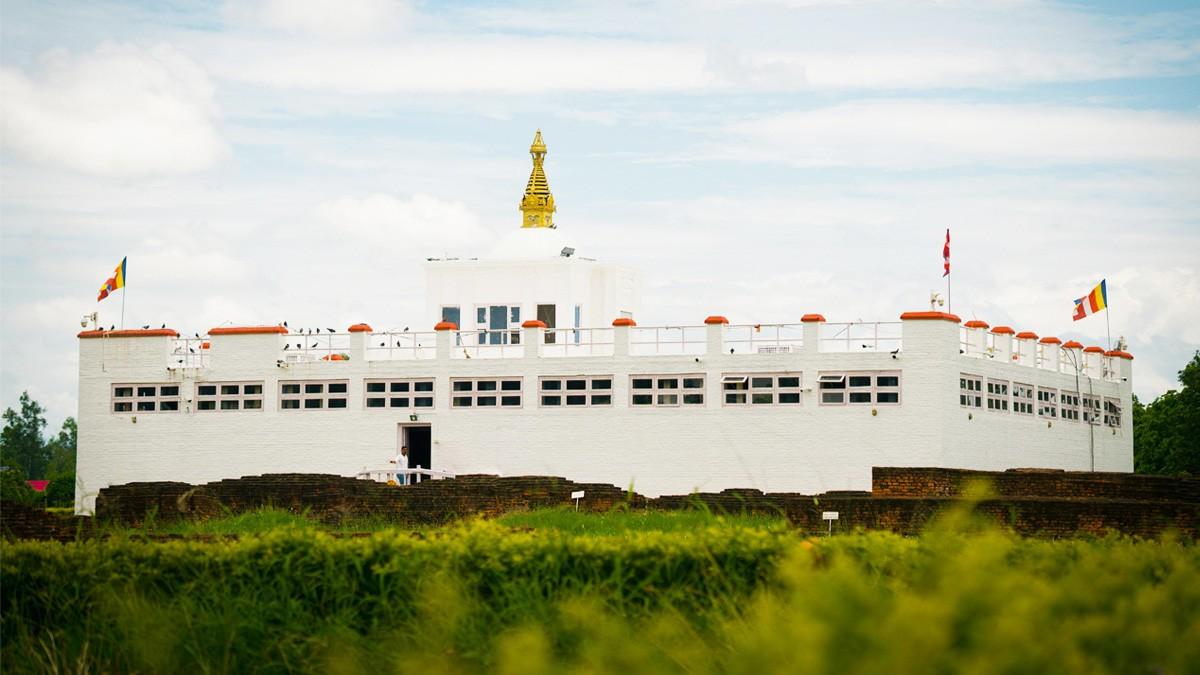
Maya Devi Temple in Lumbini Nepal
Breeze Adventure is an experienced tour operator in Nepal. The company offers packages combining Buddha Jayanti celebrations with cultural city tours and Himalayan treks. Tourists can book trips that include festival participation, local homestays, and trekking logistics. This is for a complete spiritual and adventurous experience.
What are the Noble Eightfold Paths of Gautam Buddha?
Here are the noble eightfold paths by Lord Gautam Buddha:
Right View – Understanding the truth of life and Buddha’s teachings.
Right Intention – Developing thoughts of goodwill, compassion, and non-violence.
Right Speech – Speaking truthfully, kindly, and avoiding harmful words.
Right Action – Acting ethically, avoiding harm, and following moral conduct.
Right Livelihood – Choosing a profession that does not harm others.
Right Effort – Cultivating positive states of mind and preventing negative ones.
Right Mindfulness – Practicing awareness of body, feelings, thoughts, and surroundings.\
Right Concentration – Developing deep focus and meditation to achieve mental clarity.
How is Buddha Jayanti celebrated?
Buddha Jayanti is celebrated with devotion and colorful rituals across Nepal. People visit temples and stupas, especially in Kathmandu, Patan, and Lumbini. They offer flowers, light butter lamps, and chant prayers. Monks perform special rituals, while cultural programs and processions bring the streets alive.
Devotees also meditate, practice mindfulness, and engage in acts of charity. This makes the festival both a spiritual and communal experience. Traditional vegetarian food and sweets are shared among family and friends, adding joy to the celebrations.
Why do we celebrate Buddha Jayanti?
Buddha Jayanti is celebrated to honor the birth, enlightenment, and teachings of Lord Buddha. It reminds people to embrace his values of peace, compassion, and wisdom. Observing this festival encourages self-reflection, meditation, and moral living.
Buddha Jayanti is the birthday of Gautam Buddha. It is also a time to spread kindness and charity. It helps others in need, which aligns with Buddha’s lifelong message of harmony and understanding.
Why is Buddha Jayanti celebrated in Nepal?
Nepal is the birthplace of Lord Buddha, in Lumbini, making it a sacred place for Buddhists worldwide. The festival is celebrated here to honor this historical and spiritual significance. Temples, monasteries, and cultural sites across Nepal host prayers, rituals, and ceremonies. This attracts pilgrims and tourists. Sherpa culture on Himalayan also pays special tribute to Lord Buddha this day.
The celebrations highlight Nepal’s rich Buddhist heritage and connect people with the teachings of Buddha. So, yes, this makes the festival a unique blend of devotion, culture, and history.
What is Buddha Jayanti celebrated for?
Buddha Jayanti is celebrated to commemorate the life and teachings of Lord Buddha. It marks his birth, journey to enlightenment, and ultimate guidance for humanity. Reflecting on how to live with compassion, mindfulness, and ethical conduct.
The festival serves as a reminder to follow his path of wisdom, inner peace, and selfless service. It inspires people to improve themselves while contributing positively to society.
FAQs of Buddha Purnima
When is Buddha Jayanti celebrated?
Buddha Jayanti is celebrated every year on the full moon day of the month of Baishakh in the Nepali calendar, which usually falls in April or May. In 2026, it will be observed on April 23.
How many years is Buddha Jayanti?
Buddha Jayanti has been celebrated for over 2,500 years, honoring the birth, enlightenment, and teachings of Lord Buddha. It is one of the oldest and most important Buddhist festivals in Nepal and worldwide.
Which date is Buddha Jayanti?
Buddha Jayanti is celebrated on the full moon day of Baishakh. In Nepal and India, the exact date changes each year according to the lunar calendar.
Who celebrates Buddha Jayanti?
Buddha Jayanti is celebrated by Buddhists across Nepal, India, and many countries worldwide. People of all ages, including monks, devotees, and tourists, join the prayers, rituals, and cultural events.
Is it Buddha Jayanti or Buddha Purnima?
Both names refer to the same festival. In Nepal, it is commonly called Buddha Jayanti, while in India and some other countries, it is also known as Buddha Purnima.
What is Buddha Jayanti called in China?
In China, Buddha Jayanti is known as “Fójié” or “Fó Dàn,” meaning Buddha’s birthday. And is celebrated by Buddhist communities with prayers, rituals, and temple activities.
Do Hindus celebrate Buddha Purnima?
Yes, many Hindus also celebrate Buddha Purnima, honoring Lord Buddha as an incarnation of Lord Vishnu. It is observed with prayers, rituals, and offerings in temples.
When was the Buddha born?
Lord Buddha, Siddhartha Gautama, was born around 563 BCE in Lumbini, Nepal. His life and teachings form the foundation of Buddhism worldwide.
Is Buddha older than Jesus?
Yes, Lord Buddha was born around 563 BCE, making him over 500 years older than Jesus Christ, who was born around 4 BCE.
What is eaten on Buddha Day?
On Buddha Jayanti, devotees mainly eat vegetarian food, including fruits, rice, and lentils. They also have traditional sweets like Khapse and sel roti. Offering vegetarian meals to monks is also a common practice.
Kishwor Adhikari is a passionate writer with a deep enthusiasm for trekking and adventure. His extensive travels across Nepal, exploring its diverse landscapes and hidden corners, have shaped his unique perspective on the country's natural beauty. With a wealth of first-hand experience in adventure trekking, Kishwor has become a trusted voice for fellow enthusiasts. Through his writing, he shares invaluable insights, offering practical advice and inspiration for both seasoned trekkers and novices alike. His dedication to sharing his journey and knowledge helps others discover the wonders of Nepal's wilderness, making his work an essential resource for anyone seeking adventure in the region.