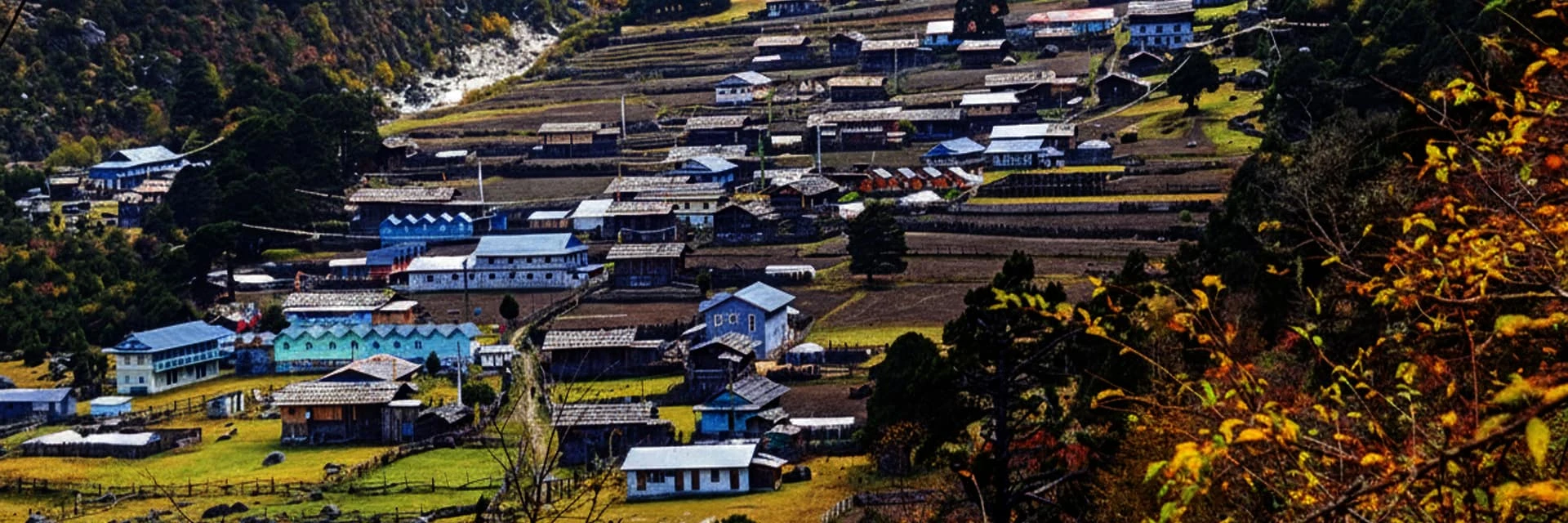
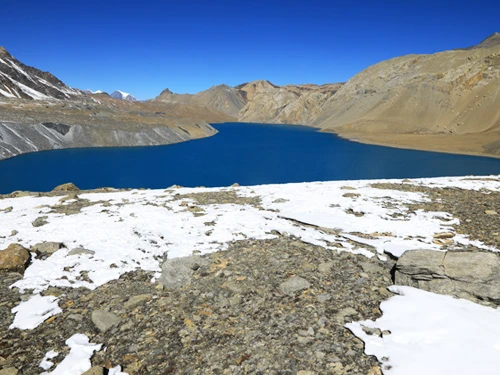
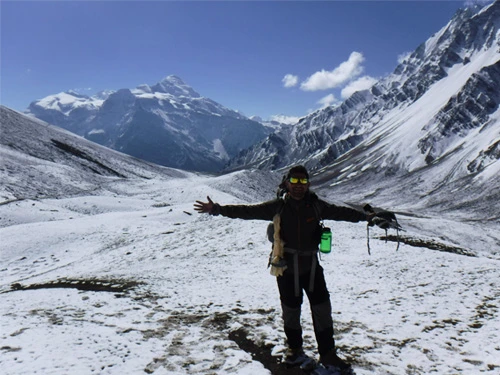
Ghunsa Village is the cultural and logistical heart of trekking in the remote Kanchenjunga region of eastern Nepal. This traditional Himalayan settlement plays a key role for trekkers. Mostly those heading toward the north and south base camp routes of Mount Kanchenjunga. More than just a stopover, Ghunsa is a vital acclimatization hub. This is also a permit checkpoint and cultural center influenced by Tibetan heritage.
Here you can find well-established tea houses, peaceful monasteries, and dramatic alpine scenery. All these contribute to making Ghunsa one of the most important villages on the Kanchenjunga circuit. Hence, it is a memorable highlight of the journey.
Table of Contents
Where Is Ghunsa Village?
Ghunsa Village lies in far-eastern Nepal inside the Kanchenjunga Conservation Area at an altitude of around 3,475 meters. It is located along the main trekking trail between Amjilosa and Kambachen. Further, the place is surrounded by dense forests, glacial rivers, and high Himalayan peaks.
Because of its strategic position, Ghunsa serves as a natural base for trekkers. It is beneficial for those preparing to walk toward higher alpine terrain and nearby base camp areas in the Kanchenjunga region.
How to Reach Ghunsa Village?
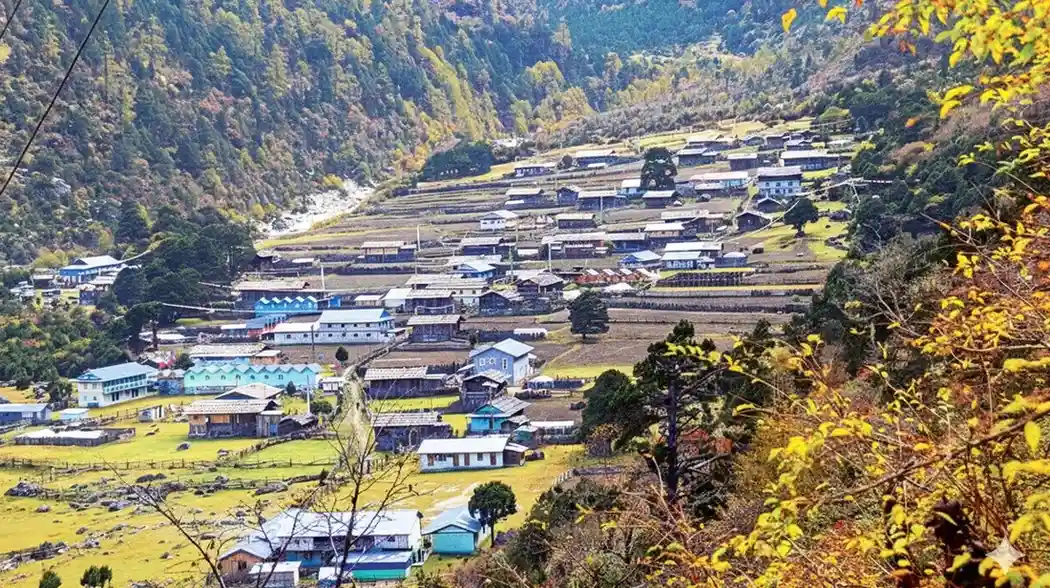
Beautiful Ghunsa Village in Far Eastern Nepal
Reaching this village is part of the adventure itself. The journey begins with travel to eastern Nepal, followed by several days of trekking. You will walk through remote river valleys and forested trails. As the route gains altitude, the landscape gradually changes. Right from subtropical greenery to alpine terrain.
Similarly, Ghunsa sits directly on the main Kanchenjunga circuit route. And is also the primary junction for trekkers continuing toward the northern base camp area. Due to the remoteness of the region, there is no road access, Ghunsa can only be reached on foot, preserving its untouched mountain character.
Acclimatization Point
The village is the most important acclimatization stop in the Kanchenjunga region. Most trekkers spend at least one extra day here to allow their bodies to adjust before ascending higher. Short hikes above the village support the “climb high, sleep low” principle and help reduce the risk of altitude sickness.
Proper acclimatization in Ghunsa is especially important before moving toward higher settlements and base camp routes. This makes this village essential for a safe and successful trek.
Ghunsa to Tomgya Hill Hiking
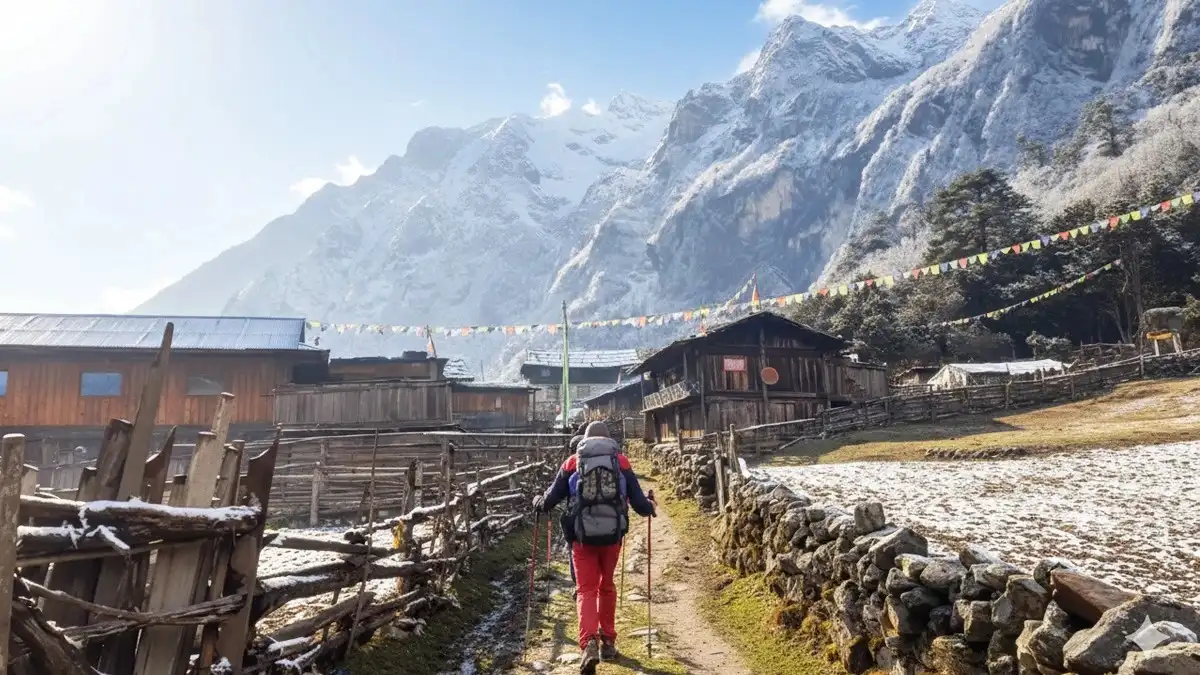
Hiking in Ghunsa Village
Tomgya Hill is located just above Ghunsa Village at an altitude of 3,990 meters. This is one of the best acclimatization hikes for Kanchenjunga trekkers. This short yet rewarding hike helps the body adjust to altitude. Not just that, it offers breathtaking Himalayan scenery. From the top, trekkers enjoy an outstanding view of Mount Jannu. Along with other beautiful snow-capped peaks of the Kanchenjunga region.
The viewpoint also provides a stunning aerial perspective of Ghunsa Valley. It is scattered with stone houses, forests, and glacial streams. The trail is gentle, scenic, and ideal for photography, making Tomgya Hill a perfect rest-day hike before heading higher. Nar Phu Trek photography guide can be a helpful tool for this trek as well. After all, both represent a remote Himalayan journey.
History of Ghunsa Village
Ghunsa has a long history shaped by Tibetan migration, trade, and Himalayan pastoral life. The local community follows Tibetan Buddhism. It is reflected in monasteries, prayer flags, mani walls, and daily rituals. Traditionally, Ghunsa was a seasonal settlement for herders and traders. Mostly while traveling across the high mountain passes.
Despite modern trekking activity, the village has preserved its cultural identity. Also, language and customs are protected. Today, Ghunsa remains a rare example of living Himalayan heritage. Here, ancient traditions continue alongside sustainable mountain tourism.
Tourist Checkpoint Center
Ghunsa hosts an official permit checkpoint for trekkers entering the restricted Kanchenjunga region. All trekkers must register here and show valid permits while traveling with a licensed guide. This checkpoint plays an important role in managing tourism.
Thereby ensuring safety and protecting the fragile mountain environment. Its presence also highlights Ghunsa’s administrative importance within the region. Kanchenjunga permits are required to get entry.
Weather and Climate
Ghunsa experiences typical high-altitude Himalayan weather. Spring and autumn offer the best trekking conditions with clear skies and moderate daytime temperatures. Summers are cool but can be cloudy, while winters are cold with heavy snowfall.
Night temperatures remain low throughout the year due to elevation. Weather conditions can change quickly, especially as trekkers move higher. So proper clothing and flexible planning are essential when staying in Ghunsa. Kanchenjunga Trek Packing list perfectly fits here as smooth journey tips.
Major Attractions of Ghunsa Village
This village attracts trekkers with its peaceful atmosphere. This further impresses with traditional stone houses and a strong spiritual presence. The local monastery, prayer wheels, and colorful prayer flags create a deeply Himalayan setting.
Ghunsa is a scenic highlight of the Kanchenjunga circuit. Thanks to the snow-covered peaks and alpine landscapes. Further, it is famous as a base for higher mountain exploration, which adds to its importance. Cultural immersion, quiet mountain life, and dramatic scenery make Ghunsa one of the most memorable stops in the region.
Accommodation and Facilities in Ghunsa Village
Ghunsa offers some of the most comfortable accommodation options in the Kanchenjunga region. Many well-built tea houses are already established. They provide clean rooms, warm dining areas, and nourishing meals. Compared to the lower villages, facilities here are more developed. This makes Ghunsa ideal for rest and acclimatization days.
Basic amenities such as electricity (limited), charging points, and hot meals are usually available. Considering the remoteness, accommodation in Ghunsa is reliable and comfortable for trekkers.
Things to Do in Ghunsa Village
This village offers several rewarding activities beyond resting. Acclimatization hikes to nearby viewpoints provide excellent mountain scenery. This further helps to prepare for higher elevations. Visiting the monastery and observing daily village life gives insight into local culture and traditions. Trekkers can watch yak herding, explore river trails, or simply enjoy the peaceful surroundings.
Ghunsa is also the ideal place to organize gear, rest the body, and mentally prepare for the challenging sections ahead. Photography, short walks, and cultural interaction make time spent in Ghunsa both meaningful and memorable.
Final Say:
Ghunsa Village is the largest settlement on the Kanchenjunga Circuit Trail. Also, it is an important hub for trekkers in this remote region. In many ways, it is similar to Samagaun on the Manaslu Circuit. However, Ghunsa is slightly smaller and has fewer teahouses. This helps preserve its quiet and authentic mountain atmosphere. Ghunsa is an ideal place for rest and acclimatization. It is surrounded by beautiful forests and high Himalayan peaks.
If you are planning the Kanchenjunga Circuit Trek, be sure to spend quality time exploring this village during your acclimatization days. It adds cultural depth, comfort, and safety to your journey.
Kishwor Adhikari is a passionate writer with a deep enthusiasm for trekking and adventure. His extensive travels across Nepal, exploring its diverse landscapes and hidden corners, have shaped his unique perspective on the country's natural beauty. With a wealth of first-hand experience in adventure trekking, Kishwor has become a trusted voice for fellow enthusiasts. Through his writing, he shares invaluable insights, offering practical advice and inspiration for both seasoned trekkers and novices alike. His dedication to sharing his journey and knowledge helps others discover the wonders of Nepal's wilderness, making his work an essential resource for anyone seeking adventure in the region.