Trekking through remote Himalayan valleys is not only about dramatic landscapes and adventure; it is equally about understanding where you will sleep and what you will eat each day. Based on my personal trekking experience from 2011 to 2025, this guide explains the real situation of Nar Phu accommodation and Nar Phu food.
It is written to help first-time hikers prepare with confidence, patience, and realistic expectations. This region is still wild and culturally preserved. And knowing the ground reality in advance allows trekkers to enjoy the journey rather than worry about comfort. With the right mindset, even simple facilities feel rewarding in such a remote Himalayan setting.
Table of Contents
Accommodation in Nar Phu Valley – What to Expect Today
Nar Phu Valley Accommodation has improved noticeably over the last decade, especially compared to the early 2010s. While it remains much more basic than Everest Base Camp or the Annapurna Circuit, trekkers can now expect clean rooms. Similarly, safe tea houses, proper bedding, and welcoming dining areas are along the route.
Most rooms are twin-sharing with shared toilets, and heating is usually limited to the dining room in the evening. Electricity is mostly solar-powered, so charging facilities may be limited.
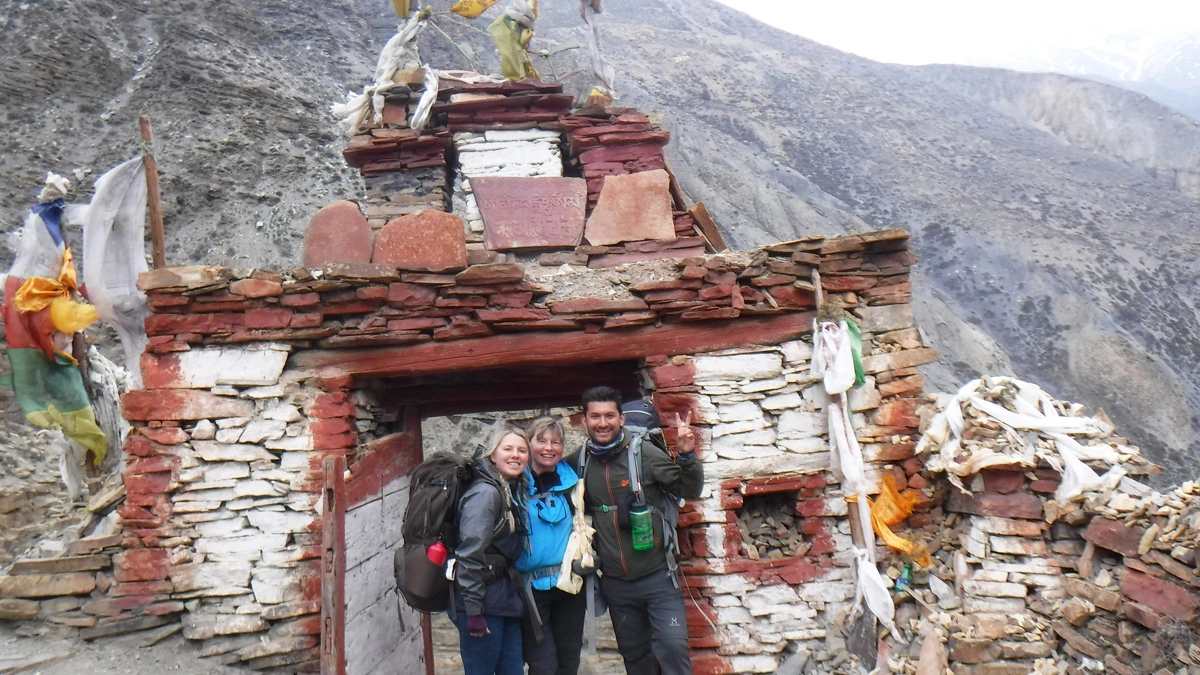
Tourists infront of traditional architecture in Nar Phu Valley
Comfort gradually improves as you approach larger settlements. But simplicity remains part of the experience. Warm hospitality from local families, peaceful surroundings, and cultural authenticity make these basic stays deeply satisfying and memorable.
Koto - Gateway to the Nar Phu Region
Altitude: ~2,600 m
Koto is a beautiful village located along the Annapurna Circuit trail and marks the official entry point into the Nar Phu region. The village is home to Gurung and Tibetan-influenced communities. With traditional stone houses, prayer flags, and terraced fields along the Marsyangdi River.
Accommodation at Koto is surprisingly good. Lodges here offer comfortable rooms, better bedding, reliable meals, and spacious dining halls. It is often one of the most comfortable nights of the trek and a perfect place to rest before entering the remote section. You will surely love it.
Meta – First Taste of Remoteness
Altitude: ~3,560 m
Have you heard about a remote village named Meta? Well, it is a small seasonal settlement rather than a permanent village in the Nar Phu Valley Trek. Only a few families live here during trekking seasons, mainly running lodges for hikers. Houses are simple stone structures built to withstand harsh mountain weather.
Accommodation at Meta is basic but functional. Rooms are usually twin-sharing with shared toilets. Heating is limited, mostly available in the dining room during the evening. This is where trekkers truly start feeling the isolation and wilderness of the Nar Phu region.
Phu Village – A Living Tibetan Heritage
Altitude: ~4,080 m
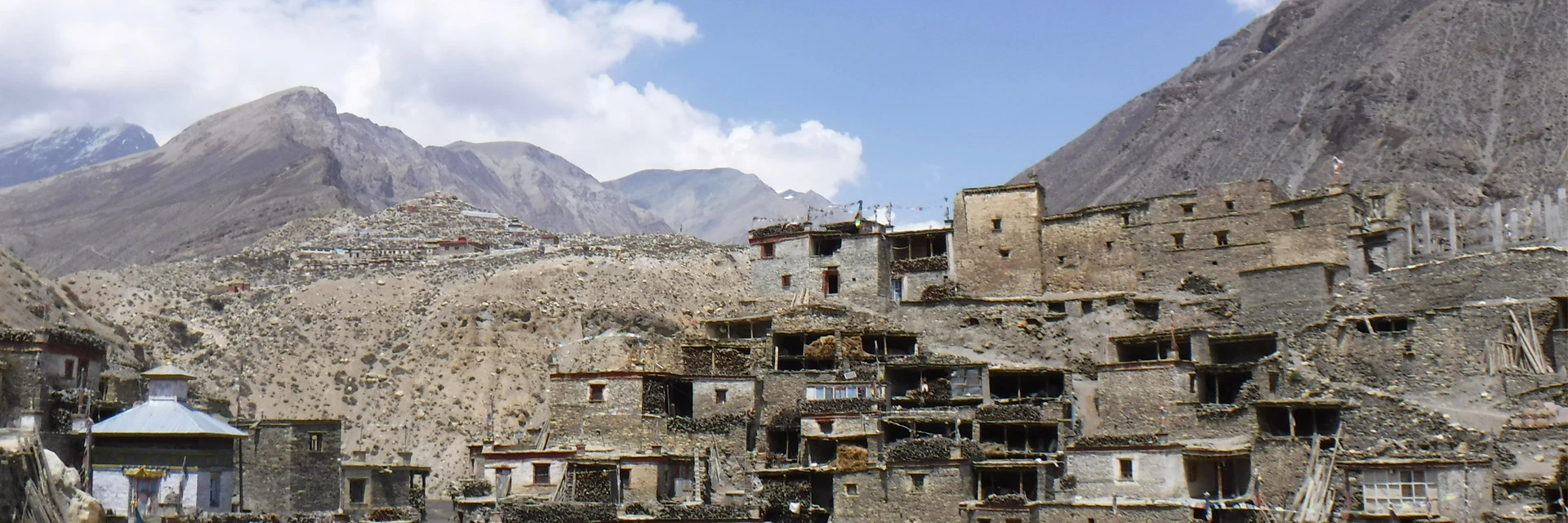
Phu is one of the most fascinating and culturally rich villages in Nepal. The village is home to people of Tibetan origin. They have preserved their ancient traditions, lifestyle, and architecture for centuries. Flat-roofed stone houses, narrow alleys, chortens, and monasteries define the landscape.
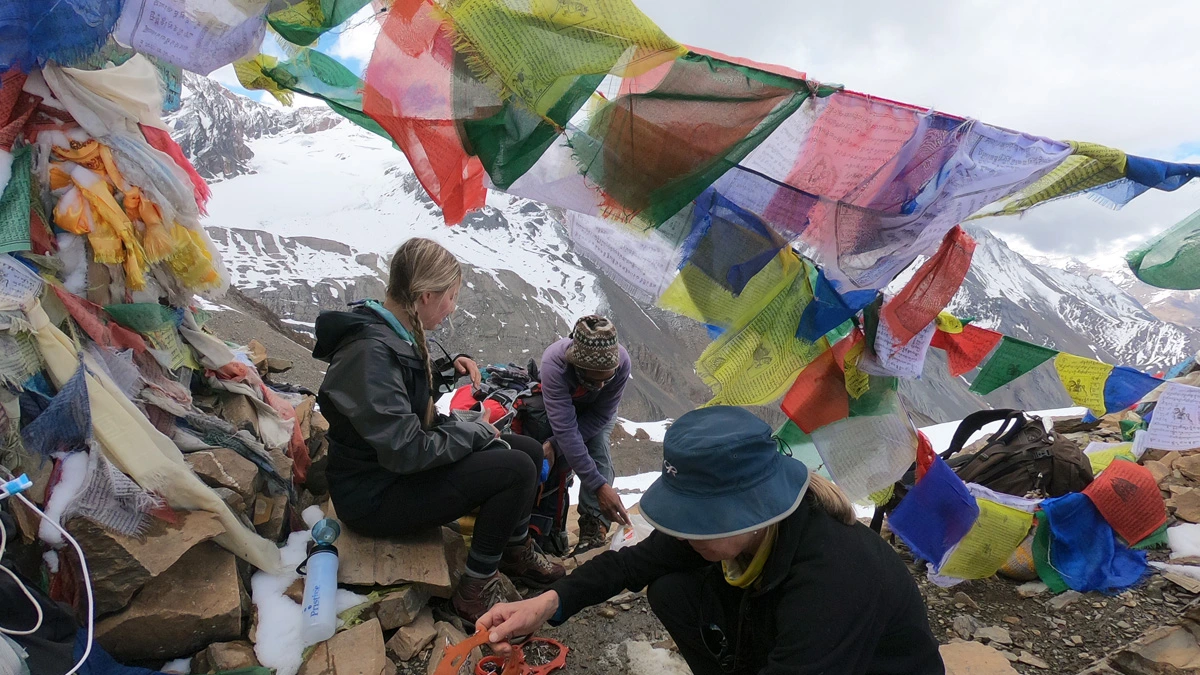
Tourists enjoying acitivies in Nar Phu Valley Trekking
Accommodation in Phu is very traditional. Rooms are basic but clean, reflecting the authentic mountain lifestyle. Facilities are simple, but the cultural atmosphere, hospitality, and peaceful surroundings make staying in Phu a truly special experience.
Nar Phedi – Satya Gompa (Monastery Stay)
Altitude: ~3,500 m
Nar Phedi is not a village. It is a monastery area, home to Satya Gompa, where trekkers stay in a monastery guesthouse. This is one of the most unique overnight experiences of the trek.
Accommodation is basic yet peaceful. Trekkers sleep in simple rooms and eat in the same kitchen as the monks, sharing similar meals. You can witness monks’ daily routines, prayers, and eating practices. The environment is extremely calm, spiritual, and quiet. Just perfect for rest, reflection, and acclimatization.
Nar Village – High-Altitude Settlement with Strong Culture
Altitude: ~4,110 m
Nar is a large, permanent village with a strong Tibetan cultural identity. Many families live here year-round, herding yaks and practicing traditional farming. Stone houses are clustered together to protect against cold winds.
Accommodation in Nar is still basic but much improved compared to earlier years. Rooms are clean and reasonably comfortable. Blankets are available, but a sleeping bag is highly recommended due to cold nights.
Ngwal – Comfort Returns with Himalayan Views
Altitude: ~3,660 m
Ngwal is a well-developed village connected by road access and linked to the Classic Annapurna Circuit Route. It has a larger population, newer buildings, and better infrastructure compared to Nar and Phu.
Accommodation in Ngwal is the best on the entire trek. Many lodges offer attached bathrooms, clean rooms, and a wider food selection. Meat is available here, and the village provides stunning views of the Annapurna Himalaya. Making it a very comfortable and rewarding stop.
Nar Phu Food – Simple, Organic, and Satisfying
Food availability has improved a lot over the years. Meals are now similar to those in other trekking regions, though options remain limited due to low tourist traffic. Most lodges offer 4–7 meal choices.
A special highlight of Nar Phu food is the fresh vegetables and potatoes. Normally grown naturally in high-altitude fields with a fresh Himalayan breeze. Likewise, clean water and no pesticides. The taste is pure, earthy, and very satisfying. The Nar Phu Valley culture is reflected in the food. The famous dish includes:
Dal Bhat (Rice, Lentils, Vegetables)
Dal bhat is the most reliable and nourishing meal on the trail. It includes steamed rice, lentil soup, seasonal vegetables, and sometimes pickles. In Nar Phu, vegetables are locally grown and incredibly flavorful. This meal provides excellent energy for high-altitude trekking and is usually refillable. Making it the best choice for long walking days.
Tibetan Bread or Chapati
Tibetan bread is a fried or pan-cooked flatbread, crispy outside and soft inside. Chapati is a lighter, unleavened alternative. Both are served with honey, jam, or vegetables. Made fresh in mountain kitchens, these breads taste especially good in cold conditions and are a popular breakfast option.
Noodles, Pasta, or Fried Rice
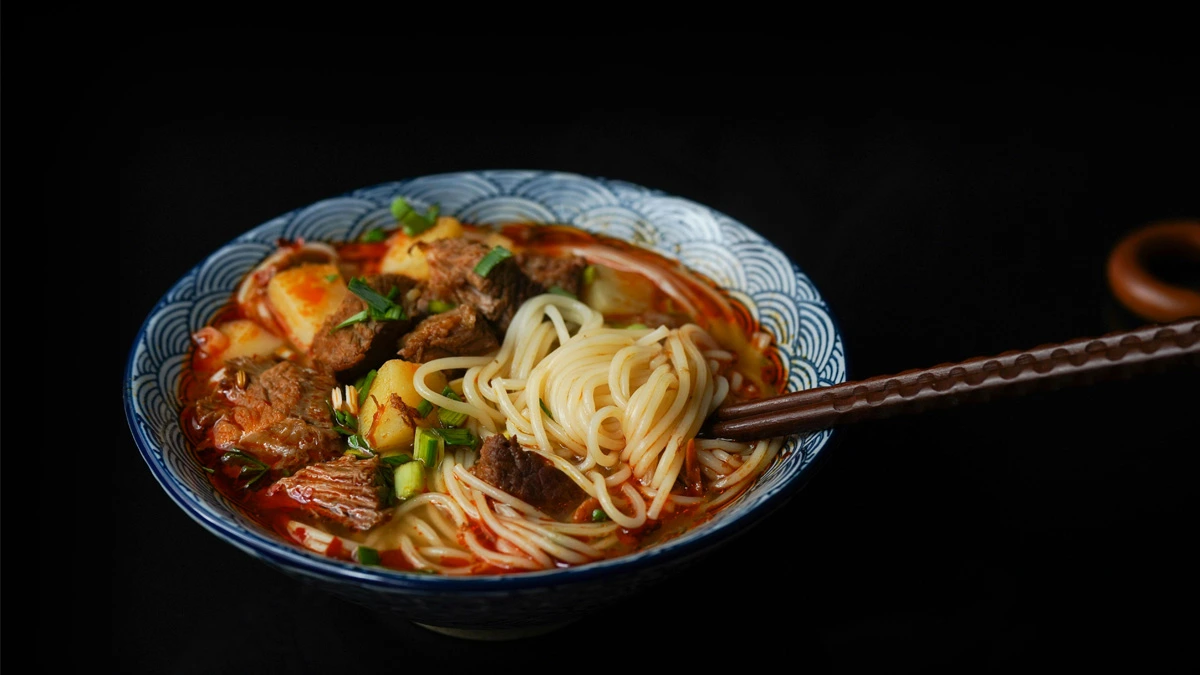
Thukpa is served hot as local noodles in Nar Phu
These meals are simple but filling. Noodles are usually vegetable-based and lightly spiced. Pasta is cooked in a simple tomato or garlic sauce, while fried rice comes with fresh mountain vegetables. Ingredients are basic, but the freshness of vegetables makes these dishes surprisingly tasty.
Soup Varieties
Soups are excellent for altitude and cold weather. Options often include garlic soup, vegetable soup, noodle soup, or Tibetan thukpa. Garlic soup is especially popular for acclimatization. Warm, light, and hydrating, soups are perfect for evenings in high villages. With the right food choice, you can easily deal with the Nar Phu Valley Trek difficulty.
Potatoes and Seasonal Vegetables
Potatoes from this region are exceptional- naturally grown, dense, and full of flavor. They are served boiled, fried, or curried. Seasonal vegetables are grown without pesticides, using traditional farming methods. Their freshness and taste are one of the hidden highlights of the Nar Phu trek.
Important Note for Meat Lovers
If you are a meat lover, plan carefully. Meat is not available for almost a week on this trek, mainly due to Buddhist culture and lack of refrigeration. This has caused complaints in the past, so we inform trekkers clearly in advance.
Your options:
Carry packed or dried meat from Kathmandu
Inform us in advance so we can guide you properly
This small preparation can make a big difference to your overall trekking experience.
Final Thoughts – Comfort with the Right Expectations
Nar Phu accommodation and food have developed significantly over the last decade. But this trek is still about remote Himalayan living, not luxury trekking. Expect basic but clean rooms, warm hospitality, organic food, and deep cultural immersion.
With the right mindset and preparation, the simple lifestyle of the Nar Phu Valley becomes one of the most meaningful and unforgettable parts of the journey.
Frequently Asked Questions (FAQs) – Nar Phu Valley Accommodation and Food
1. What type of accommodation is available in Nar Phu Valley?
Accommodation in Nar Phu Valley is mostly basic tea houses and local lodges. Rooms are generally twin-sharing with simple beds, mattresses, blankets, and shared toilets. In places like Nar and Phu, facilities are very traditional, while Ngwal offers better lodges, some with attached bathrooms. Expect cleanliness and safety, but not luxury.
2. Are the tea houses clean and safe for trekkers?
Yes. Compared to earlier years, cleanliness and safety have improved a lot. Rooms, bedding, and dining areas are well-maintained considering the remoteness. Lodges are run by local families who take pride in hosting trekkers, making the stay safe and welcoming.
3. Do I need a sleeping bag for this trek?
Yes, a sleeping bag is highly recommended. Although lodges provide blankets, nights can be very cold at higher altitudes such as Phu, Nar, and Nar Phedi, especially in spring and autumn.
4. What kind of food is available on the Nar Phu route?
Food is simple, fresh, and filling. Most lodges offer 4–7 meal options, including dal bhat, noodles, pasta, fried rice, soups, potatoes, and seasonal vegetables. Meals are similar to other trekking regions but with fewer choices due to low tourist traffic.
5. Are vegetables fresh and organic?
Yes. Vegetables and potatoes are mostly locally grown, using traditional farming methods without pesticides. Grown in fresh Himalayan air and clean mountain soil, they are very tasty and nutritious.
6. Is meat available during the Nar Phu trek?
No, meat is not available for almost a week on this route due to Buddhist culture and lack of refrigeration. Meat is usually available only after reaching Ngwal. Meat lovers should plan in advance.
7. Can I carry my own food or snacks?
Yes. Trekkers are encouraged to carry energy bars, nuts, chocolates, or packed meat if required. Informing your guide or agency in advance is highly recommended.
8. Is food hygienic and safe to eat?
Yes. Food is freshly cooked daily in lodge kitchens. Basic hygiene is maintained, and hot meals are prepared using local ingredients. Drinking boiled or filtered water is recommended.
9. Will I get hot showers and charging facilities?
Hot showers are limited and may cost extra. Charging is usually available via solar power, often for a small fee, and may not be reliable in bad weather.
Kishwor Adhikari is a passionate writer with a deep enthusiasm for trekking and adventure. His extensive travels across Nepal, exploring its diverse landscapes and hidden corners, have shaped his unique perspective on the country's natural beauty. With a wealth of first-hand experience in adventure trekking, Kishwor has become a trusted voice for fellow enthusiasts. Through his writing, he shares invaluable insights, offering practical advice and inspiration for both seasoned trekkers and novices alike. His dedication to sharing his journey and knowledge helps others discover the wonders of Nepal's wilderness, making his work an essential resource for anyone seeking adventure in the region.