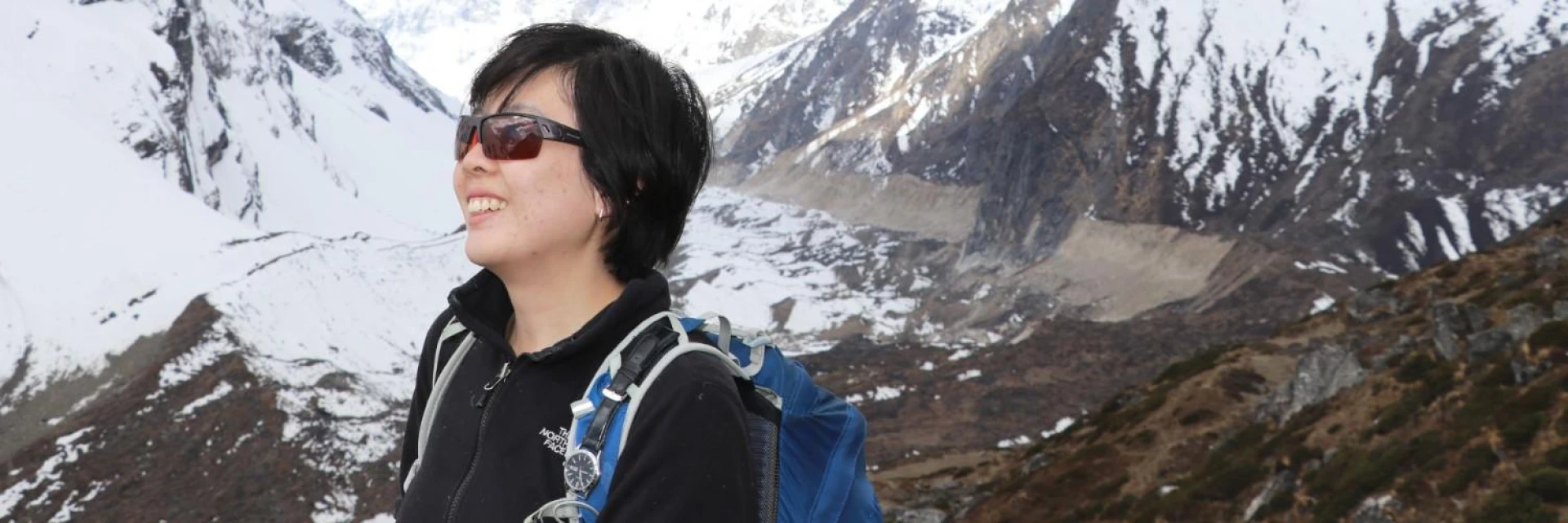
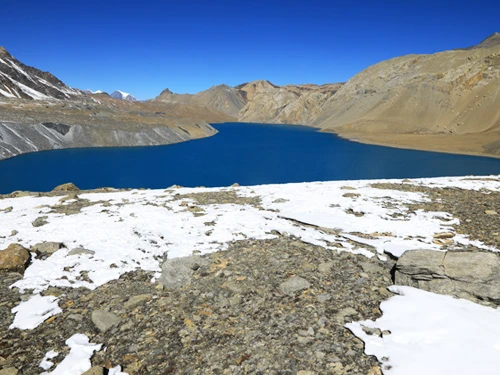
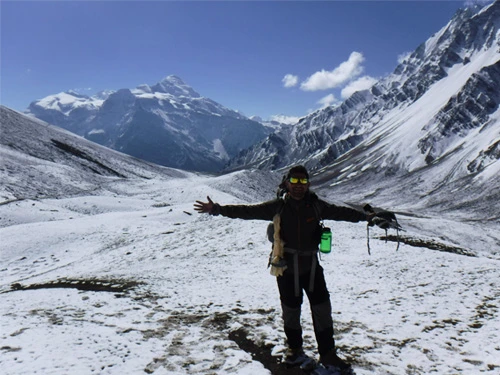
You might have seen those dramatic photos of Larkya La Pass covered in snow in the Manaslu Circuit Trek. Those remote tea houses sitting alone in valleys, the giant mountain looming above everything like it owns the sky. Well, these are definitely the reasons to plan a trip in this area. And now you're wondering, is the Manaslu trek safe for solo female trekkers?
Honest answer? Yes. But with some things, you genuinely need to know before you pack your bag. Safety is not always about the possible theft, robbery, or misbehavior; it is also about the remote Himalayan route.
Based on years of travel and trekking experience, I will share with you everything that helps you plan a successful Manaslu Trek. I took the women's group to the Manaslu Circuit trek last autumn. 12 days, cold mornings, sore knees, and some of the most breathtaking views of life. The experience was both beautiful and thrilling. Here's everything that you need to know before packing your bags for the Manaslu Trek in Nepal.
Table of Contents
Why Manaslu Feels Different From Other Nepal Treks
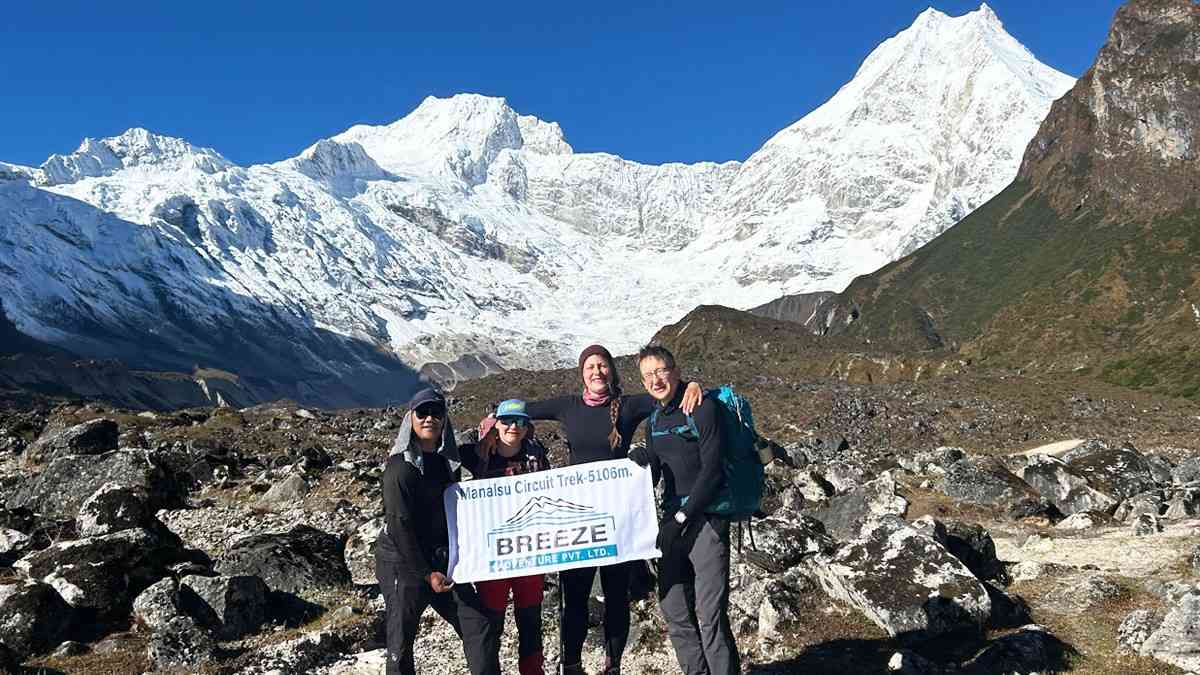
Breeze Adventure team ensuring Manaslu Trek safety for female trekkers
Most trekkers go to the Everest Base Camp Trek or the Annapurna Circuit in Nepal. This makes these places often crowded, requiring you to book in advance. On the other hand, Manaslu is the quieter one. Way fewer crowds.
Yes, the Manaslu Circuit Trek has a remote trail that was opened to foreigners only in 1991. This still feels a bit raw and a bit untouched. Villages along the route have a strong Tibetan Buddhist culture, prayer flags everywhere, old gompas, locals who are genuinely curious about you rather than bored by tourists.
Because of this, the vibe on the trail is actually quite respectful. People aren't used to seeing hundreds of trekkers pass through every day. You're not just another face in the crowd. That feels surprisingly safe to everyone.
Is Manaslu Trek Safe for Solo Female Trekkers?
Let me be direct. The Manaslu trekking route is one of the safer restricted trekking areas in Nepal for women. Violent crime against trekkers, male or female, is extremely rare. The bigger concerns are practical ones: altitude sickness, unpredictable weather, and remote medical access.
That said, safety for women also means feeling comfortable, not just technically "not in danger." And on Manaslu, most days I felt completely fine with the girls' group. Tea house owners are used to hosting international trekkers.
Similarly, guide and porter communities are mostly professional. And the mandatory guide rule, more on that below, actually works in your favour as a solo female.
The Mandatory Guide Rule (And Why It's Actually Helpful)
Nepal requires all trekkers on the Manaslu trail to hire a licensed guide. You cannot do this trek independently. For a solo female, this is genuinely reassuring.
Your guide handles everything, logistics, Manaslu Permits, communication with tea house owners, and route decisions near Larkya La Pass in bad weather. They also act as a buffer in situations where you might otherwise feel awkward or unsafe. I can't tell you how many times the guide stepped in to translate something confusing, or simply being present made an interaction easier.
Hence, a skilled guide from a reputable travel agency matters a lot. Go through a registered agency. Check reviews. Ask specifically if the guide has experience with solo female clients. This matters more than people admit.
Tea Houses Along the Route - What to Expect
The Manaslu Circuit tea houses are simple. Actually, very simple. Especially past Samdo and near the high camps. We're talking shared toilets, thin walls, candlelight some nights. Not exactly a privacy paradise.
A few things that may help you are: always request a room with a bolt from inside (most have it, some don't, always check). You can carry a small doorstop wedge, which sounds paranoid but honestly just helped with better sleep. And then try to arrive at tea houses before dark, which also meant getting a proper room choice before everyone else showed up.
The food is basic but filling. You can expect dal bhat twice a day, which is basically the Manaslu diet. This will definitely keep you warm and moving.
Female Trekking Safety Tips for Manaslu
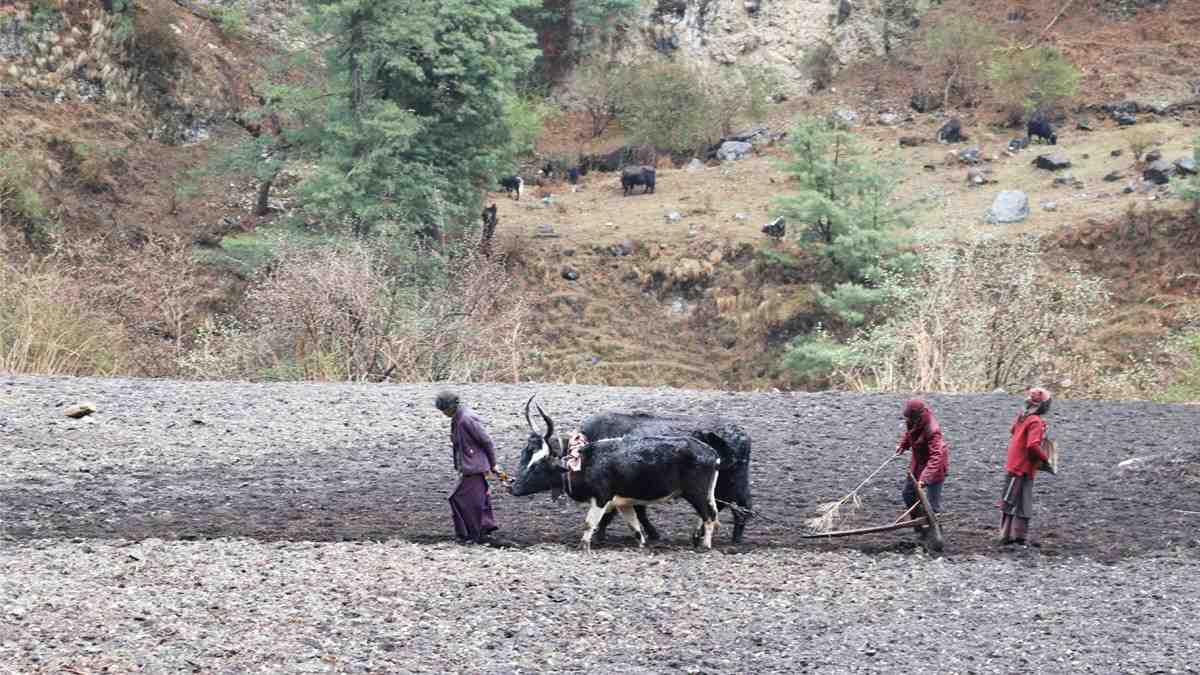
Brave local females cultivating land in Manaslu Region
The right tips for the Manaslu Trek give you a different experience in the remote Himalaya. Here's what actually can make a difference:
Dress modestly in villages
This isn't about being restricted. It's about respect, and locals genuinely respond more warmly to you when you make that effort. Long pants and a loose layer over your base layer are enough.
Don't trek alone at night
Between tea houses, yes, this trail is peaceful. But after dark, stay in a group. This applies to everyone, not just women, since the path is unpredictable.
Tell someone your plan each morning
Your guide, obviously, knows the day plan, and you can inform your dear ones of your destination if the network allows. Similarly, a quick note to the tea house owner about where you're headed goes a long way.
Carry a local SIM or satellite communicator
Always carry a local SIM or satellite communicator on this journey. You can choose either an NTC or an Ncell SIM card. The network on the Manaslu trail is patchy at best. Above Samdo, basically gone. So, a Garmin inReach or similar device is worth every rupee for the peace of mind.
Trust your gut
If a situation feels off, a guide feels off, a tea house feels off, you're allowed to act on that. One woman I met on the trail switched guides after day two because something felt wrong. She found another agency in Soti Khola. It was the right call.
Altitude and Health - The Real Safety Concern
No matter your gender, the Manaslu trekking elevation is serious. The Larkya La Pass stands at 5,106 metres. Altitude sickness does not care how fit you are. Acclimatisation days are not optional; they're a matter of survival.
It is better to be aware of common symptoms of AMS such as headache, nausea, dizziness, poor sleep. These things can sneak up on rest days when you think you're fine. Just carry Diamox if your doctor recommends it. Further, keep hydrated obsessively. And if symptoms get bad, go down. No summit view is worth your life.
This was my biggest personal concern on the whole trek, more than anything else. Thankfully, I acclimatised well, but two people in my tea house at Dharamsala were struggling badly and had to turn back. There is no shame in descending.
Best Season for Manaslu Trek
Having an idea about the best time to trek the Manaslu Circuit actually helps a lot. October to November is peak season, clear skies, stable trails, and busy but not overcrowded tea houses. March to May is the spring window, with beautiful rhododendrons blooming, but some trails can be muddy.
Avoid the monsoon season (June to August). Trails become dangerously slippery, leeches are everywhere (I've heard horror stories), and landslides are real risks on this route.
Final Thought on safety and worth
Manaslu is definitely a safe journey for female as well as male trekkers. In fact, it is one of those treks that stays with you. The remoteness that makes it feel slightly intimidating is also exactly what makes it magical. Fewer tourists mean more genuine moments on this trail. There will be real conversations as well as silence. Stars so clear at night that you just stop and stare.
With the right Manaslu preparation, a trusted guide, and common sense, anyone can ace this trek. You may come back a little sore, a little sunburned, and completely in love with that mountain. So, why not Manaslu Circuit Trek, right? It will be a moment of boast for a lifetime.
Kishwor Adhikari is a passionate writer with a deep enthusiasm for trekking and adventure. His extensive travels across Nepal, exploring its diverse landscapes and hidden corners, have shaped his unique perspective on the country's natural beauty. With a wealth of first-hand experience in adventure trekking, Kishwor has become a trusted voice for fellow enthusiasts. Through his writing, he shares invaluable insights, offering practical advice and inspiration for both seasoned trekkers and novices alike. His dedication to sharing his journey and knowledge helps others discover the wonders of Nepal's wilderness, making his work an essential resource for anyone seeking adventure in the region.