I began my trekking career in Nepal at a very young age as a porter, slowly working my way up to become a licensed trekking guide. The Himalaya has been my classroom, my workplace, and my second home. Over the years, I have explored almost every corner of the Nepal Himalaya. And I have personally completed the Everest Base Camp trek more than 50 times in different months.
With this experience, I can confidently say that choosing the right month is one of the most important decisions for a safe and successful Everest Base Camp (EBC) trek. During my guiding life, I have seen many difficulties.
Especially related to weather and Lukla flights that completely changed trekkers’ experiences. Many of these problems could have been avoided simply by choosing the right season. From my real experience, November stands out as the most stable and reliable month for trekking to Everest Base Camp in the autumn season.
Table of Contents
Nepal Trekking Seasons Explained (Spring vs Autumn)
Nepal has two main trekking seasons: spring (March–May) and autumn (September–November). Both seasons are beautiful, but they are not equal in terms of weather stability.
Early autumn, especially September and early October, has become increasingly rainy in recent years. Mid-autumn, particularly late October and November, offers much better conditions.
Similarly, Autumn is also a special time culturally. It comes after the monsoon, the air feels fresh, landscapes turn green, and Nepal celebrates major festivals like Dashain and Tihar. Trekkers often experience festival vibes in Kathmandu and sometimes even along the trail. This adds cultural value to the journey.
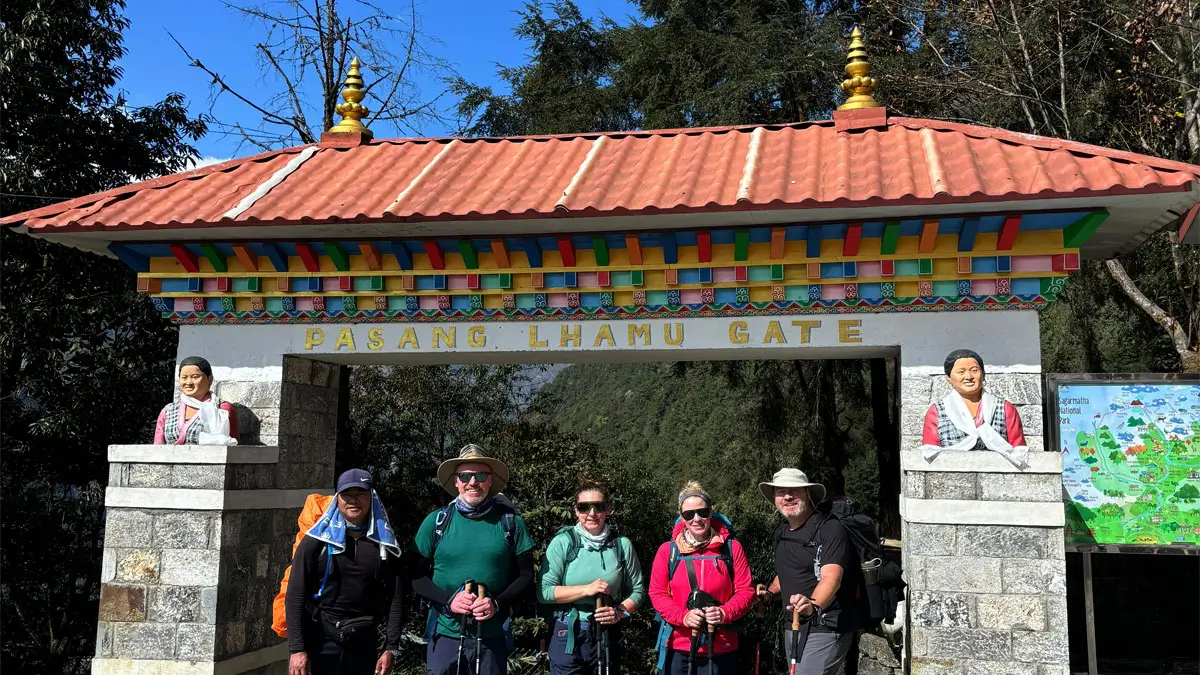
At Lukla Passang Lhamu Gate
Climate Change and Its Impact on the Everest Region
Over the last decade, I have personally observed significant changes in the Nepal Himalaya. Glaciers such as the Khumbu Glacier and Ngozumpa Glacier are melting faster every year. Floods and glacier lake outbursts are becoming more frequent.
One serious example was the glacier-related flood that destroyed parts of Thame village. Literally sweeping away hotels and infrastructure. These changes directly affect trekking seasons. Weather patterns are no longer as predictable as they were in the past. This is why traditional trekking advice sometimes no longer works.
September & Early October: The Hidden Risks
In the last two years, September and early October have been particularly risky. In 2024, extreme rainfall in Kavrepalanchok caused the Roshi River to flood. Sweeping away villages and triggering massive landslides. Again, in early October 2025, heavy rains caused landslides and floods across Nepal.
During these periods, the government had to temporarily close roads and trekking routes to reduce casualties. Compared to 2024, the damage in 2025 was less because of early closures, but the risk remained high.
That said, the Everest Base Camp trail is relatively safer than many other regions. Because it receives less rainfall, has rocky terrain, and becomes more open after Namche Bazaar. However, access issues, especially flights, remain a serious challenge.
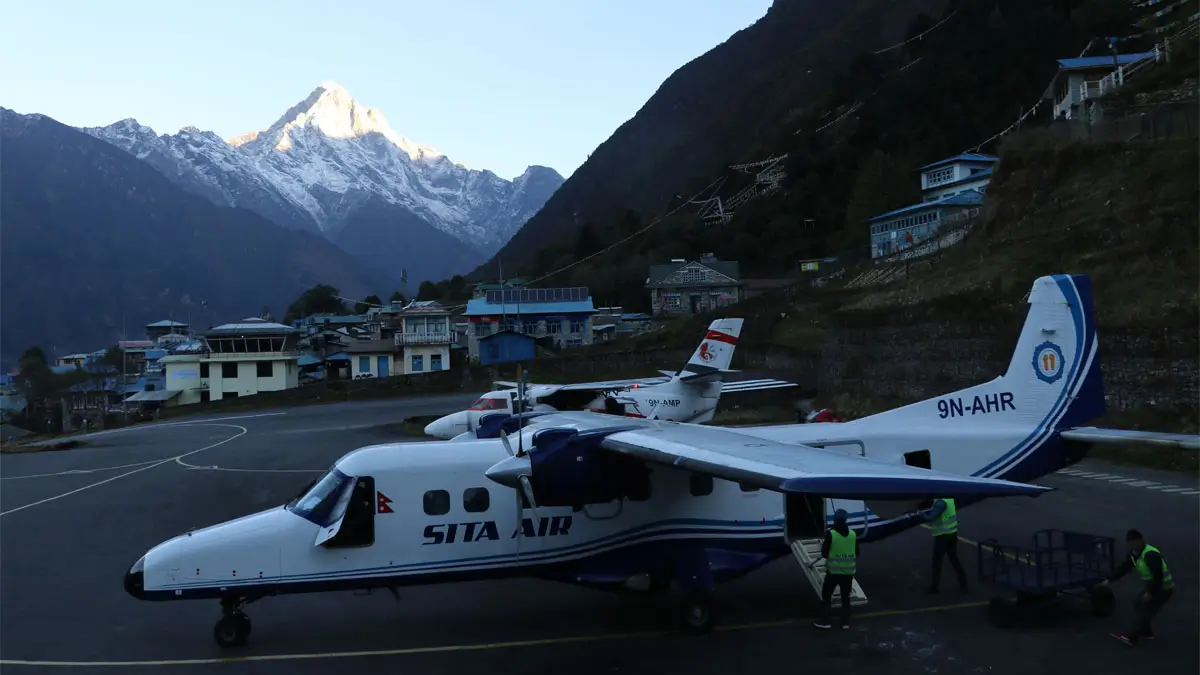
Lukla Airport
Lukla Flight Disruptions: A Real Problem for Trekkers
Lukla flights are extremely weather-sensitive and operate only in the morning when conditions are safest. With the growing popularity of EBC Nepal, more than 400 trekkers per day now fly to Lukla during peak season.
The aircraft used are small, and Kathmandu has only one runway for both domestic and international flights. Causing serious air traffic congestion. To reduce this, the government now operates Lukla flights from Ramechhap Airport during peak season. This requires a 4–5 hour drive from Kathmandu.
If flights are canceled, trekkers may have to spend extra nights in Ramechhap or Kathmandu. This may increase costs and frustration. I have experienced week-long flight closures, which completely disrupted trekking plans.
Stress on Trekkers vs Pressure on Organizers
Many trekkers expect Lukla flights to operate like international flights—on time and predictable. Unfortunately, this is rarely the case. Weather and air traffic delays often lead to anger and frustration.
Some trekkers lose several days waiting for flights and are forced to change their plans to other treks. Like Langtang Valley or Annapurna Base Camp. In my experience, trekkers who dream of EBC are rarely happy when forced to switch destinations.
At Breeze Adventure, we handle this honestly. We advise trekkers planning for September or October to add 2–4 buffer days. In worst-case scenarios, we offer options such as postponement, partial refunds, or rescheduling for the next season. Our priority is always a safe and successful trek, not forcing an alternative.
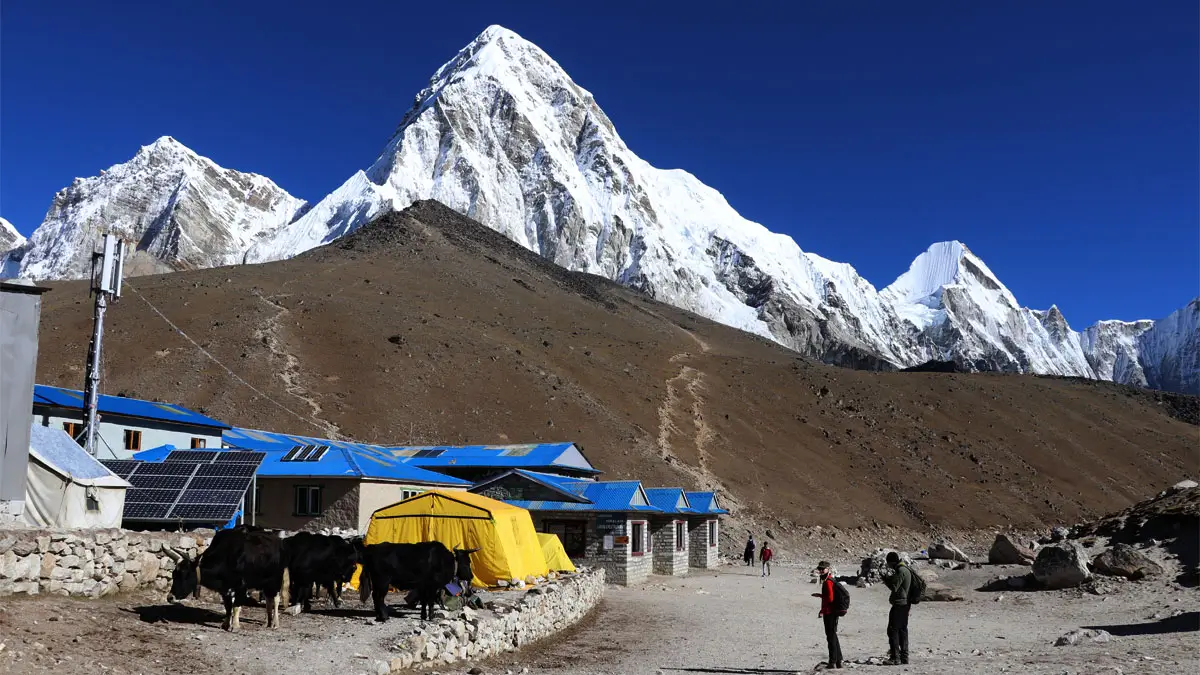
Gorekshep
November Weather in the Everest Region
November offers stable and predictable weather across Nepal, including the Everest region. Heavy rain and landslides are very rare. Mornings are mostly clear, and nights are calm.
One special advantage of November is the clear night sky. Trekkers often enjoy incredible views of the Milky Way, making it a perfect month for stargazers and photographers.
Visibility & Mountain Views in November
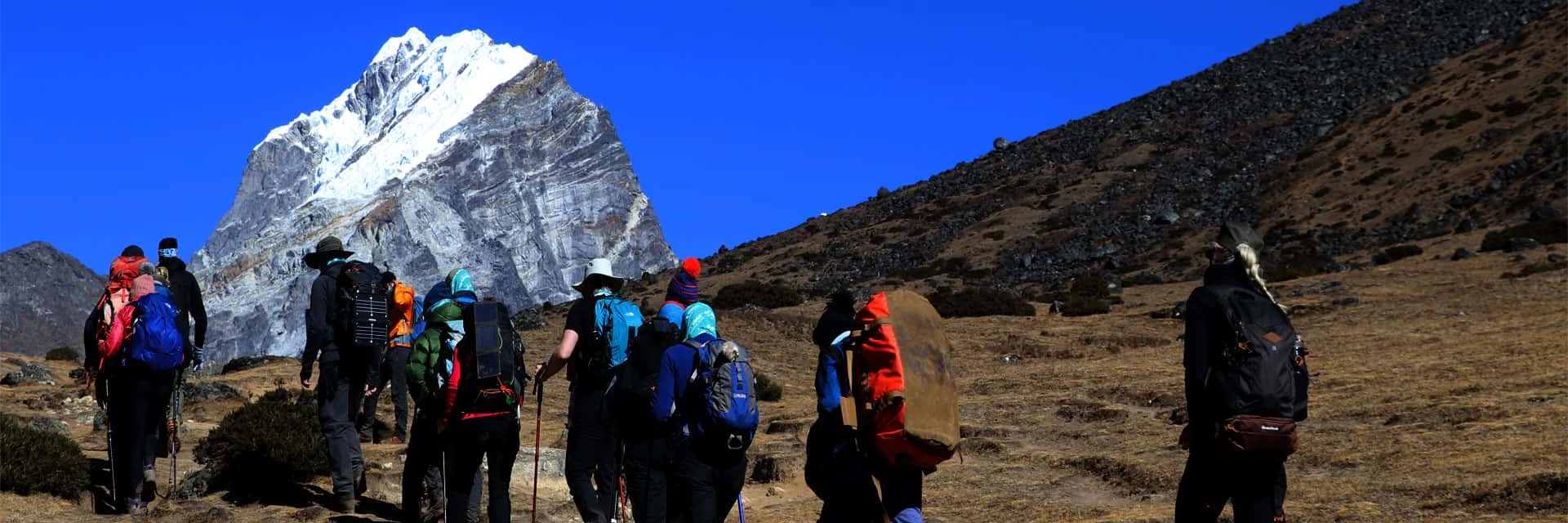
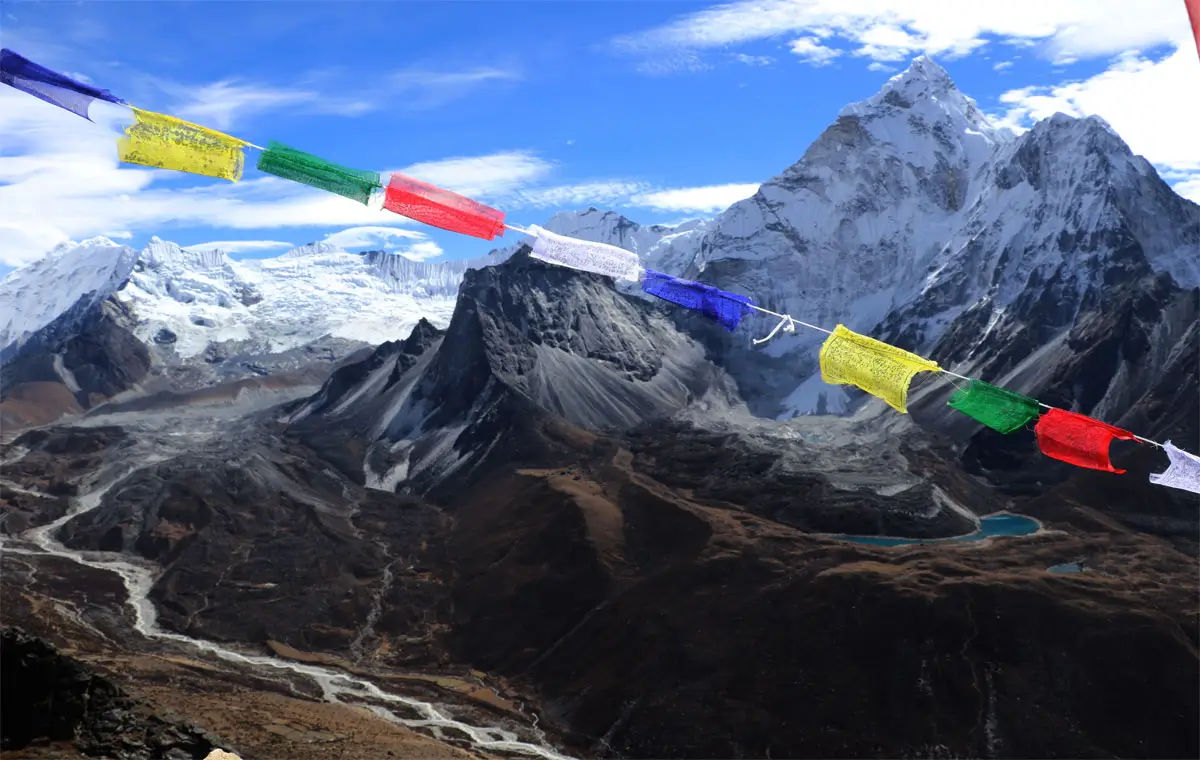
In November, visibility is outstanding. From Namche Bazaar to Everest Base Camp, the mountains feel incredibly close. Everest, Lhotse, Nuptse, Ama Dablam, Thamserku, and many other peaks appear sharp and detailed.
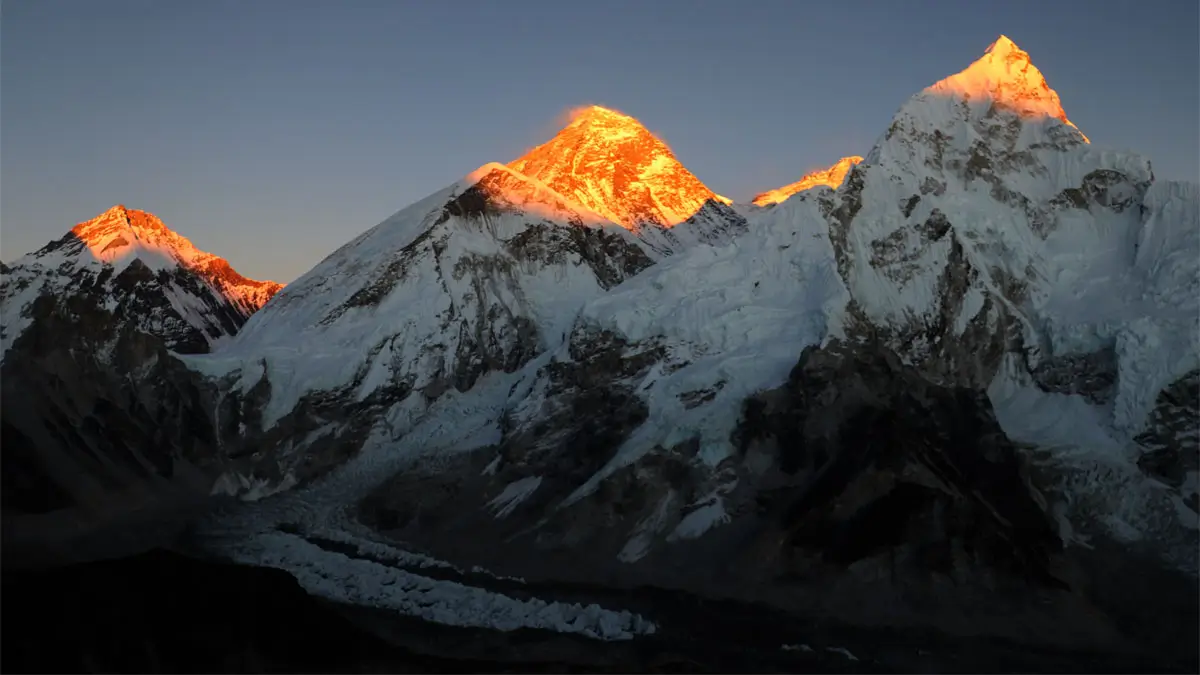
The sunrise from Tengboche Monastery and the sunset over Mount Everest from Kala Patthar are among the most memorable moments I have witnessed in my entire guiding career.
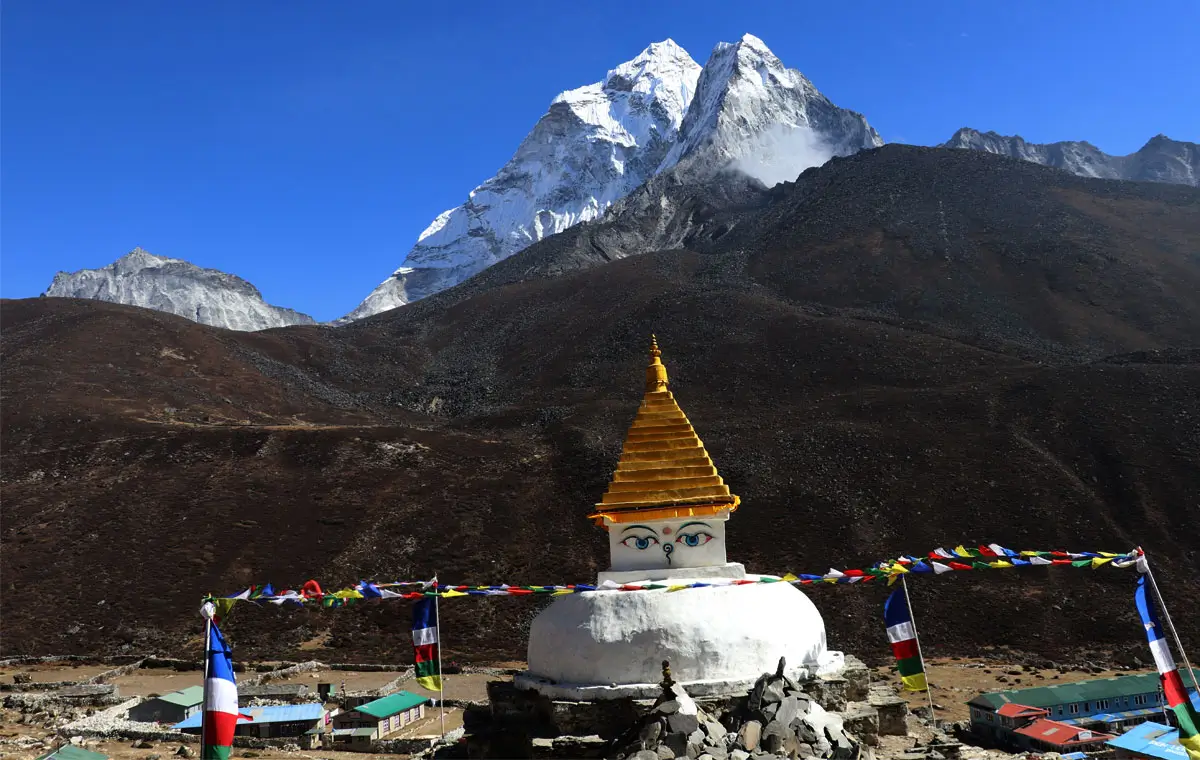
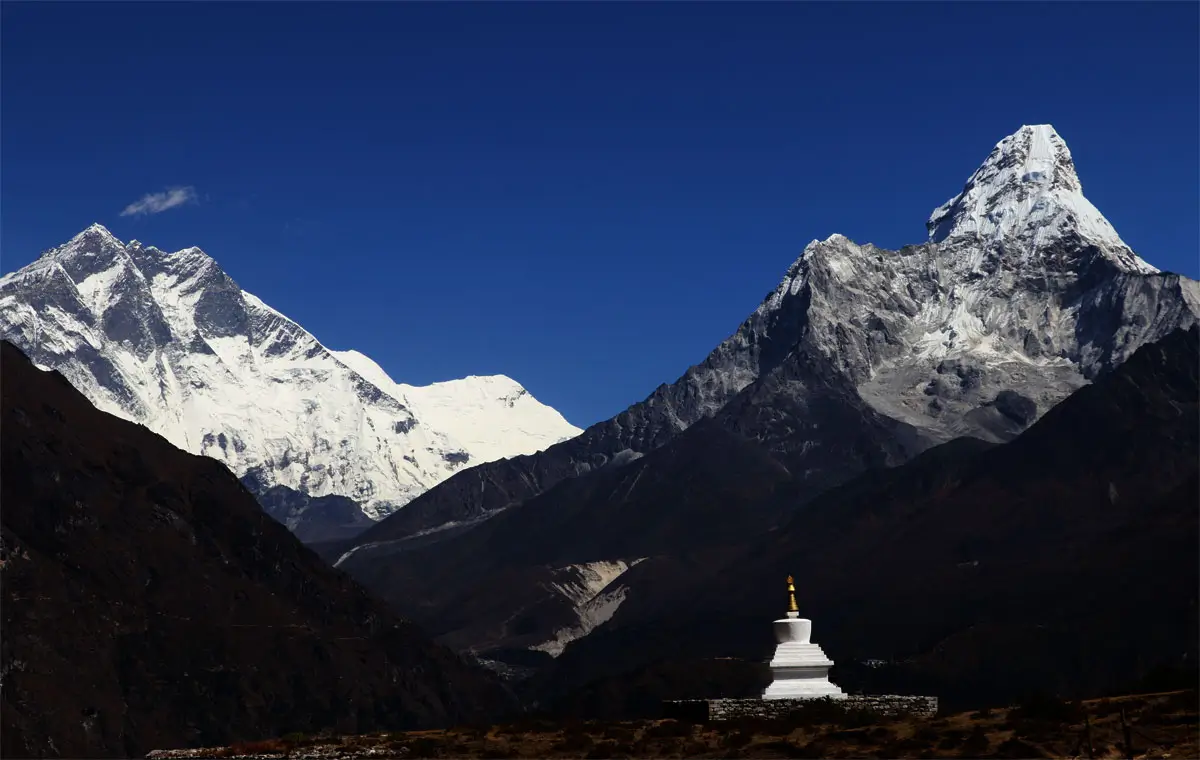
Dingboche Stupa
Trail Conditions in November
The trails in November are dry, stable, and very well-maintained after the monsoon season. There is little to no mud, and river crossings are much safer compared to September or early October. Landslide-prone sections are already settled, making walking smooth and predictable.
The paths feel solid underfoot, which is especially comforting for first-time trekkers. Overall, trekking in November is relaxed and enjoyable, allowing you to focus more on scenery and culture. Also, your own trekking rhythm rather than worrying about the trail conditions.
Temperature Balance: Cold but Comfortable
November is cold, but in a very manageable and comfortable way. Daytime temperatures are ideal for walking not too hot and not exhausting. You can trek for hours without sweating heavily or feeling drained.
Nights are cold, especially at higher altitudes, but teahouses are warm with proper dining rooms, blankets, and a good sleeping bag. Unlike monsoon humidity or extreme winter cold, November’s temperature keeps energy levels high and morale strong throughout the trek.
Nakarsang Viewpoint
Fewer Delays = Better Overall Experience
With stable weather and clear skies, Lukla flights operate more smoothly in November. Delays and cancellations are far less common compared to the monsoon or shoulder seasons. Treks follow the planned itinerary, and trekkers rarely need extra buffer days.
This smooth flow reduces stress, helps with accommodation planning, and makes the overall journey more enjoyable. You can focus on trekking, acclimatization, and enjoying the Himalayas rather than worrying about logistics.
Acclimatization Works Better in November
Stable weather plays a big role in proper acclimatization. In November, trekkers generally sleep better, eat better, and feel more comfortable as they gain altitude. Clear skies and consistent temperatures allow the body to adapt naturally.
Forced rest days due to snow or storms are uncommon, and acclimatization hikes are more effective. This results in fewer altitude-related issues. And a more confident trekking experience, especially above Namche Bazaar and Dingboche.
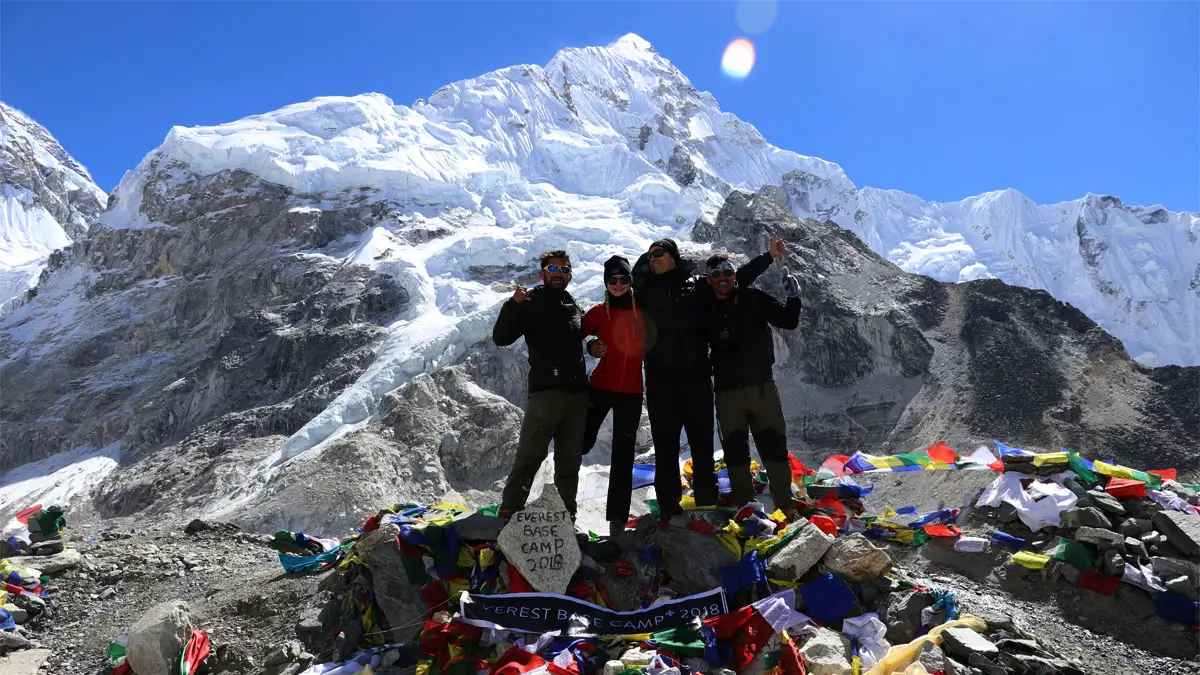
At Everest Base Camp
Safety Perspective: Why November Is Safer
From a safety perspective, November is one of the safest months for trekking in Nepal. Risks of landslides, trail closures, and weather-related emergencies are low. Clear skies make helicopter rescues easier if needed.
And communication works better in stable conditions. Guides can make accurate decisions based on reliable weather patterns. Overall, November offers peace of mind for trekkers and trekking leaders alike.
November for First-Time Trekkers
For beginners, November is an excellent choice. Planning is predictable, walking conditions are stable, and confidence builds naturally day by day. The weather allows first-time trekkers to enjoy the journey. Even without feeling overwhelmed by extreme cold, rain, or logistical stress.
Many of my first-time clients have successfully completed their dream treks in November. And finished with smiles, pride, and unforgettable memories.
November for Experienced Trekkers & Photographers
Experienced trekkers and photographers love November for its sharp mountain contrasts and clean air. The skies are deep blue, snow lines are fresh, and atmospheric haze is minimal. Morning and evening light is dramatic, perfect for landscape photography.
Sunrises and sunsets feel richer, and every frame looks crisp. November is truly a dream month for those seeking powerful Himalayan visuals.
Sunset on Everest
Crowd Levels: Busy but Manageable
October is usually the busiest trekking month in Nepal. November remains lively but more balanced. Trails feel social without being overcrowded, and teahouses are easier to book.
You still meet trekkers from around the world, but the experience feels calmer and more comfortable. It’s the perfect mix of energy and space.
Why I Personally Recommend November Over Early October
After guiding through many seasons and experiencing difficult weather periods, I honestly recommend November. It offers the best balance of safety, scenery, smooth logistics, and overall enjoyment.
From a trekking leader’s perspective, November allows everything to work naturally. Right from flights to trails to acclimatization.
Practical Tips for Trekking EBC in November
November is one of the most comfortable months for the Everest Base Camp trekking, but proper preparation still matters. Pack warm layers, a quality sleeping bag, gloves, and a windproof jacket for cold mornings and nights. Plan Lukla flights early and keep one buffer day for flexibility.
Walk at a steady pace, stay hydrated, and follow acclimatization guidelines carefully. Choosing an experienced local guide and a reliable trekking company ensures smooth logistics. Similarly, safety support and a stress-free Himalayan experience.
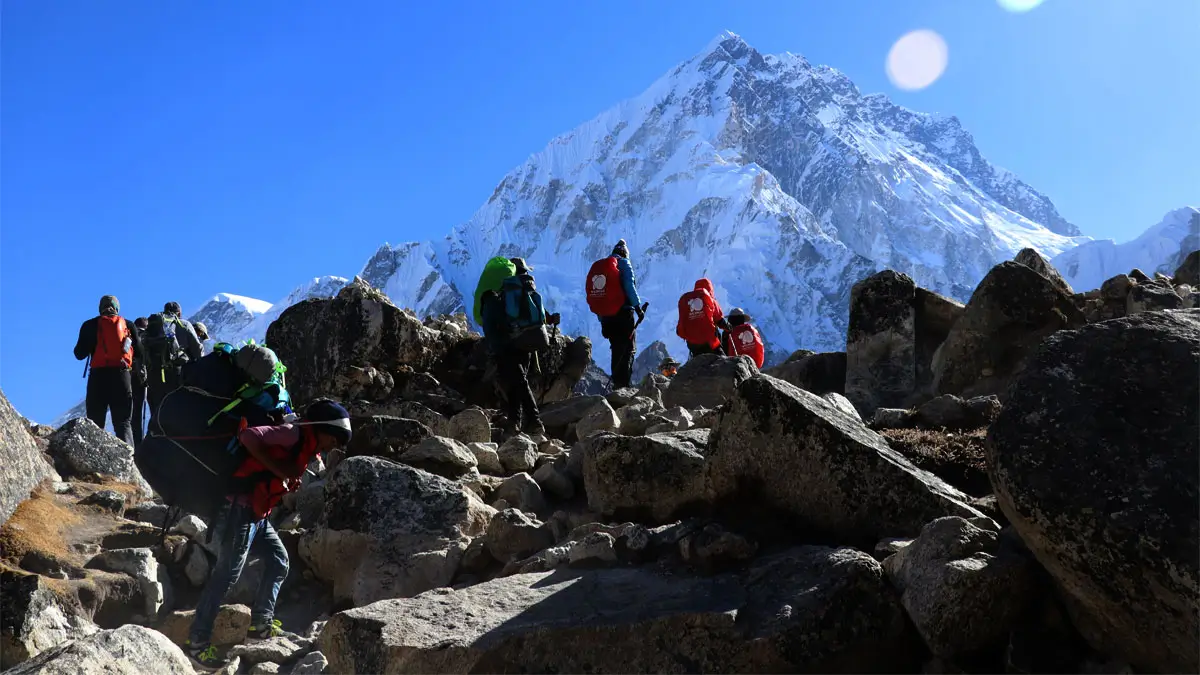
Way to Gorekshep
Pack Proper Layers & a Good Sleeping Bag
Packing the right gear is essential for comfort and success in November. Layering is key, thermal base layers, a warm mid-layer, and a windproof outer jacket help you adjust easily throughout the day. A quality sleeping bag rated for cold temperatures ensures warm and comfortable nights, especially above 4,000 meters.
Warm gloves, a hat, and good trekking socks make a big difference in maintaining body heat. Proper gear keeps your energy high, prevents illness, and allows you to enjoy the trek fully.
Plan Flights Carefully
Book Lukla flights early and allow flexibility in your schedule. Morning flights are more reliable, and having one buffer day is always wise. November flights operate smoothly, but good planning ensures a stress-free start and end to your trek.
Choose Experienced Local Guides
Choosing a real, experienced trekking company and guide is one of the most important decisions for your trek. An experienced local guide understands trail conditions, weather patterns, altitude risks, and cultural values. They know when to slow down, when to rest, and how to manage emergencies calmly.
A professional trekking company ensures proper permits, logistics, safety equipment, and ethical porter care. With the right guide and team, your trek becomes safer, smoother, and far more meaningful.
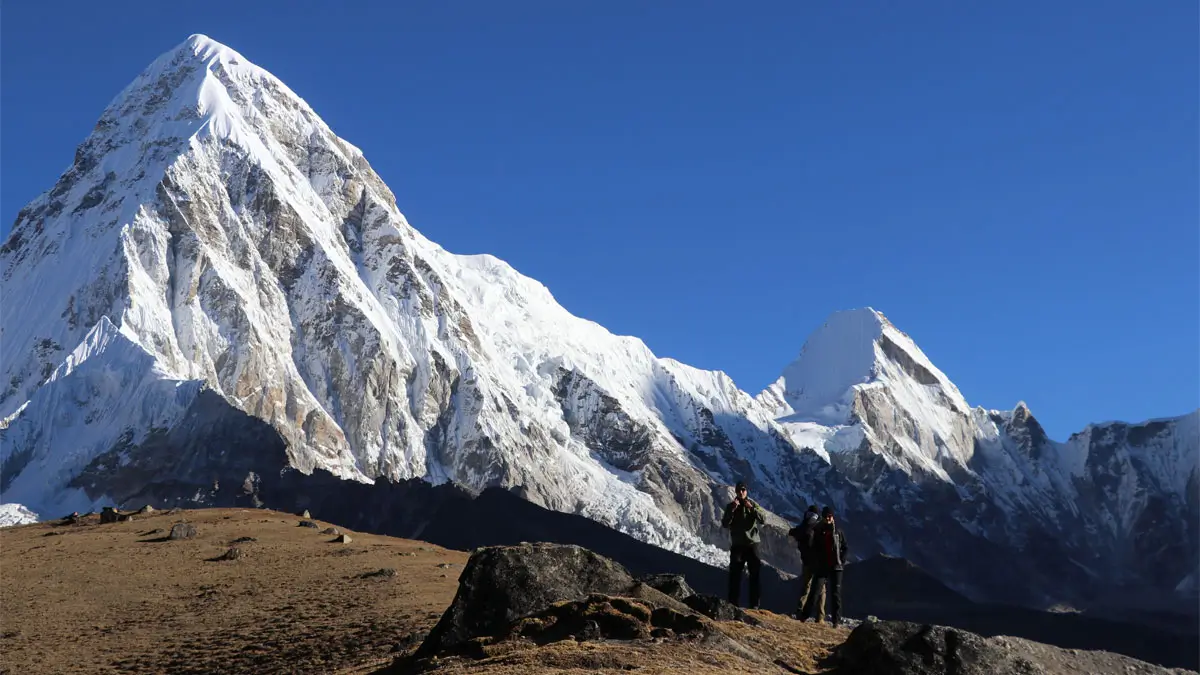
Near Thukla PAss
Common Myths About November Trekking
Many people believe November is too cold or that it marks the end of trekking season. From my experience, this is not true. November is one of the most comfortable months, with stable weather and excellent visibility.
Cold temperatures are manageable, and the rewards- clear skies, safety, and smooth trekking. These are far greater than the challenges.
Optional Trekking Routes for November
As I explained, November is the best time for the Everest Base Camp due to stable weather, but many other trekking routes are equally rewarding. Annapurna, Manaslu, Langtang, and Mardi Himal all benefit from clear skies, safe trails, and reliable logistics in November.
Whether you want a long circuit trek or a short scenic hike, November offers flexibility, safety, and beautiful mountain views across Nepal.
View from Everest View Hotel
Annapurna Circuit Trek
Trekking the Annapurna Circuit in November is an excellent choice. Stable weather means safer and smoother driving to Besisahar or Chame. Roads are much better than in early autumn, and mountain views are crystal clear. Every step offers stunning scenery, especially sunsets on Annapurna II, IV, and Lamjung Himal from Upper Pisang. Sunrises from Manang are unforgettable.
Thorong La Pass is safer with clear weather and offers incredible views of Upper Mustang. You may also witness the Tihar festival and local cultural dances like Deusi Bhailo along the lower trail.
Manaslu Circuit Trek
November is also ideal for the Manaslu Circuit Trek. The drive from Kathmandu to Machha Khola or Jagat is smoother, with fewer weather interruptions. The views of Mt. Manaslu and the surrounding peaks are stunning under clear skies.
Trails are stable, villages are lively, and festival vibes can still be felt in the lower regions. It’s a perfect time for a peaceful yet adventurous trek.
Langtang Valley Trek
Langtang is the closest major trekking region from Kathmandu and works beautifully in November. The trek can be done in 5 to 12 days, and if you have extra time, adding Gosaikunda and Lauribina Pass is highly recommended.
These routes are calm and peaceful in November, with crystal-clear lake views. From Lauribina Pass, panoramic views of the Manaslu and Annapurna ranges are simply breathtaking.
Annapurna Base Camp Trek
The Annapurna Base Camp Trek is another great option in November. It can be completed in 4 to 8 days. The shorter 4-day route suits regular hikers, while the classic 8-day trek offers a relaxed pace.
Road access to Ghorepani and exits from Jhinu make logistics easy. Clear weather and comfortable temperatures enhance the entire experience.
Mardi Himal Trek
Mardi Himal is perfect for short-trek seekers in November. It can be done in 2 to 6 days and takes you quickly into the lap of the Himalayas. Within just one or two days of trekking, you are surrounded by stunning mountain scenery.
It’s ideal for families, beginners, and even senior citizens looking for a safe and rewarding Himalayan experience.
Kanchenjunga Circuit Trek – A True Virgin Trail of Nepal
The Kanchenjunga Circuit Trek stands out as one of Nepal’s most untouched and peaceful trekking routes. Known as a virgin trail, it sees very few trekkers and remains less commercial compared to Everest or Annapurna.
The trek offers a beautiful blend of eastern Nepalese culture, traditional villages, and mountain views comparable to other major treks. It is ideal for those seeking solitude, cultural depth, and raw nature.
If time is limited, shorter options are available, including the Short Kanchenjunga Circuit for experienced hikers. You can also trek Kanchenjunga South Base Camp (10–12 days) or North Base Camp (12–14 days) separately.
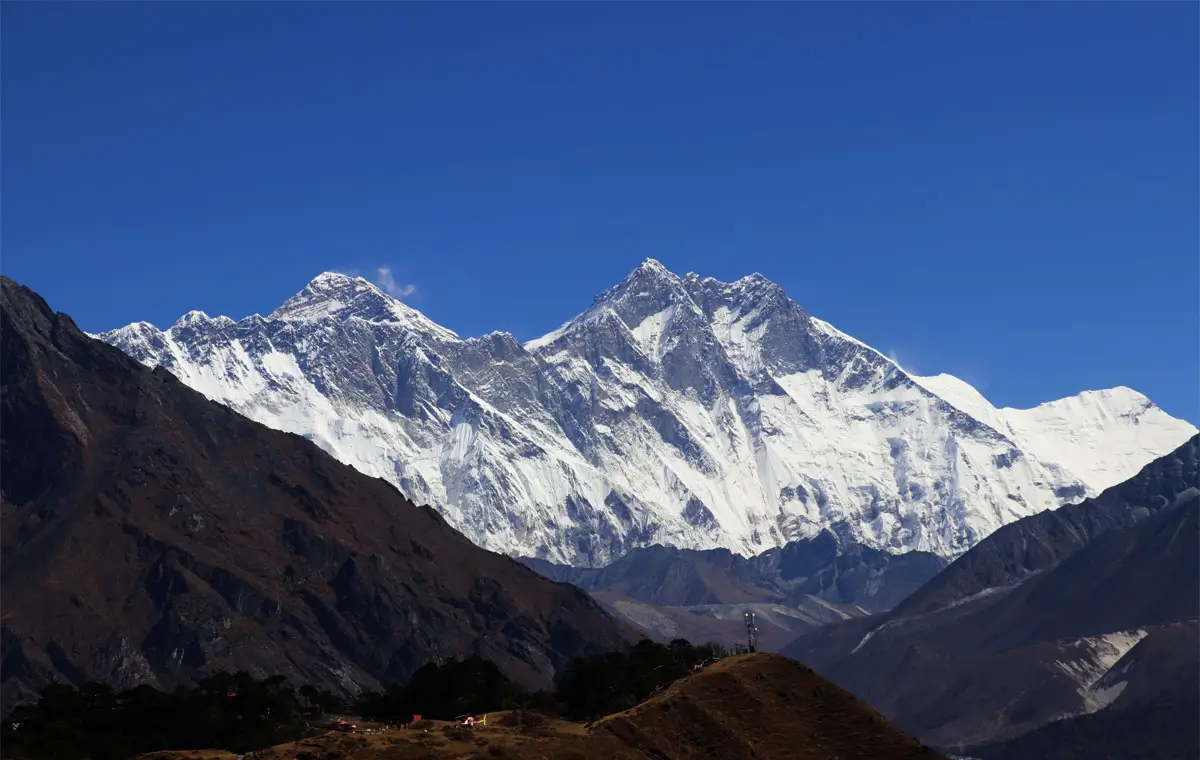
Mt Everest and Lhotse view from Everest Viewpoint
Why Choose Breeze Adventure for Your Nepal Trek?
You are always welcome to trek with Breeze Adventure. For us, trekking is not just a business; it is an emotion and a responsibility we take seriously. I am personally available to share my years of experience and the latest trail conditions. Our team provides experienced guides, dedicated porters, and carries one oxygen tank for trekking above 3,500 meters.
We prepare seriously for all unseen situations to ensure your safety and success. Once we take responsibility, we stand with you until the journey is complete. You will not regret choosing Breeze Adventure.
Final Thoughts: My Honest Advice to Future Trekkers
If you want a safe, smooth, and memorable Everest Base Camp trek, November is my strongest recommendation. Based on decades of guiding experience and more than 50 EBC treks, November consistently offers the best balance of stable weather, reliable flights, clear mountain views, and lower stress.
For anyone planning their first Everest trek, or returning for a better experience, choosing the right month is just as important as fitness or gear. From my honest experience, November gives you the highest chance of success and enjoyment in the Everest region.
Everest Base Camp Trek in November – FAQs
Is November a good time to trek to Everest Base Camp?
Yes, November is one of the best months for the Everest Base Camp trek. The weather is stable, the skies are clear, and the trail conditions are dry and safe. It offers excellent visibility, fewer weather disruptions, and comfortable daytime trekking temperatures.
How cold is Everest Base Camp in November?
November is cold but manageable. Daytime temperatures are comfortable for walking, while nights can be cold at higher altitudes. With proper layers and a good sleeping bag, most trekkers find the conditions comfortable and enjoyable.
Are Lukla flights reliable in November?
Yes. Lukla flights operate more smoothly in November compared to the monsoon or early autumn. Clear skies and stable weather reduce delays and cancellations, making itineraries more predictable.
Is November suitable for first-time high-altitude trekkers?
Absolutely. November is ideal for beginners because of the stable weather. Also, safe trails and effective acclimatization. Many first-time trekkers successfully reach Everest Base Camp during this month.
Is altitude sickness common in November?
Altitude sickness can happen in any season, but November’s stable weather helps with better acclimatization. Following a proper itinerary, walking slowly, and staying hydrated greatly reduce the risk.
How crowded is the EBC trail in November?
November is lively but less crowded than October. Trails feel social without being overwhelming, and teahouses are easier to book compared to peak season.
What should I pack for an EBC trek in November?
Pack warm layers, a down jacket, thermal base layers, gloves, a hat, and a sleeping bag suitable for cold temperatures. Proper trekking boots and windproof clothing are also essential.
Is November safe for trekking to Everest Base Camp?
Yes. November has a lower risk of landslides, trail closures, and weather-related emergencies. Clear skies also make rescue operations more effective if needed.
Can photographers expect good conditions in November?
Yes. November offers clear air, sharp mountain views, and dramatic sunrise and sunset light. Thereby making it one of the best months for photography on the Everest trail.
Do I need a guide for the EBC trekking in November?
While not mandatory, hiring an experienced local guide greatly improves safety. Likewise, acclimatization, logistics, and overall trekking experience, especially for first-time trekkers.
Why do trekking leaders recommend November over early October?
November offers better trail stability, fewer flight disruptions, clearer skies, and smoother acclimatization. Compared to early October, which can still be affected by post-monsoon weather.
Kishwor Adhikari is a passionate writer with a deep enthusiasm for trekking and adventure. His extensive travels across Nepal, exploring its diverse landscapes and hidden corners, have shaped his unique perspective on the country's natural beauty. With a wealth of first-hand experience in adventure trekking, Kishwor has become a trusted voice for fellow enthusiasts. Through his writing, he shares invaluable insights, offering practical advice and inspiration for both seasoned trekkers and novices alike. His dedication to sharing his journey and knowledge helps others discover the wonders of Nepal's wilderness, making his work an essential resource for anyone seeking adventure in the region.